

Quick answer: Heel Pain Plantar Fasciitis has multiple potential causes including mechanical, neurological, vascular, and inflammatory. The patterns we see most often are overuse, poorly-fitted shoes, and biomechanical imbalance. Red flags requiring urgent evaluation: warmth/redness (infection), inability to bear weight (fracture), and unilateral swelling without injury (DVT). Call (810) 206-1402.
★ 4.9 Stars · 1,123+ Reviews · Board-Certified Michigan Podiatrists
Heel Pain & Plantar Fasciitis Guide 2026
Complete Treatment Protocol from Michigan DPMs
A comprehensive guide to all forms of heel pain including plantar fasciitis, heel spurs, Achilles tendinopathy, and more. Backed by 3,000+ surgeries and over 8,000 published articles by our Michigan board-certified podiatrists.
★ 4.9 Stars · 3,000+ Surgeries · Board-Certified Michigan Podiatrists
Heel Pain & Plantar Fasciitis
Complete 2026 Treatment Guide
Heel pain and plantar fasciitis affect 2 million Americans every year and is the #1 reason patients visit a podiatrist. At Balance Foot & Ankle, Dr. Tom Biernacki and our board-certified team have helped thousands of Michigan patients recover from heel pain using proven, evidence-based protocols. This is your complete guide to understanding and treating heel pain and plantar fasciitis in 2026.
What Is Plantar Fasciitis?
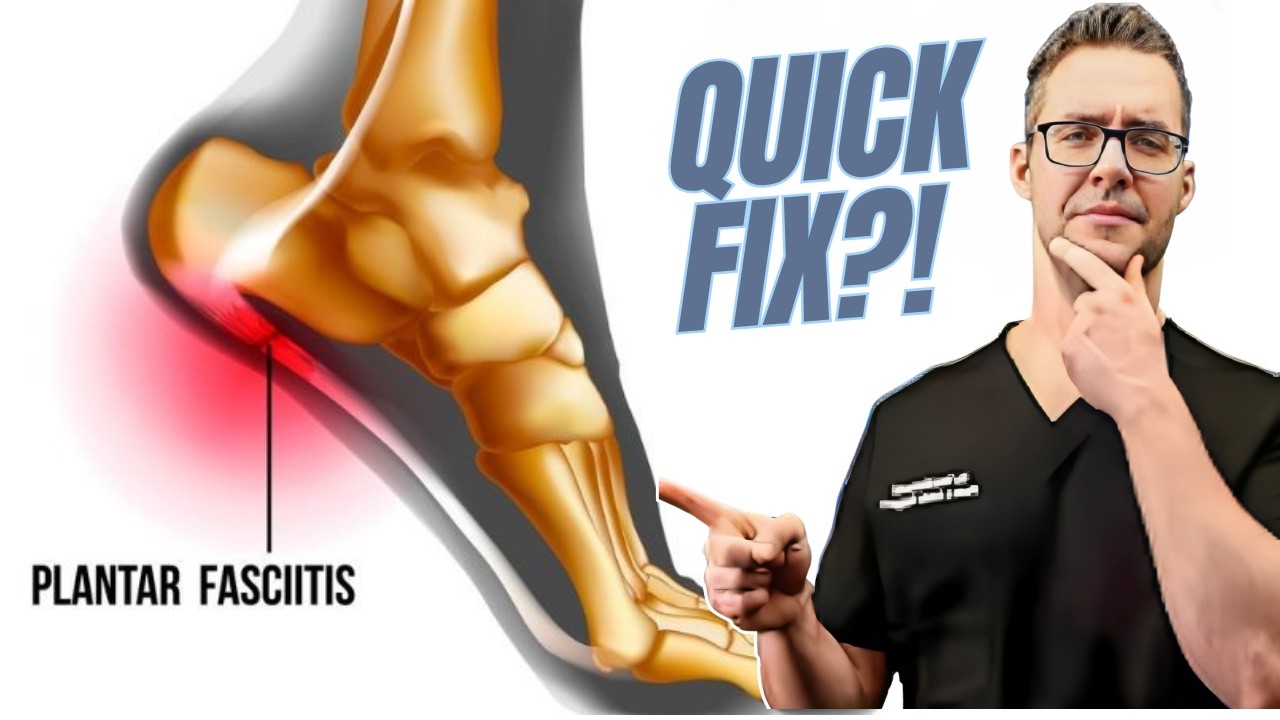
The plantar fascia is a thick band of fibrous tissue that runs along the bottom of your foot, connecting your heel bone to your toes. It acts like a shock-absorbing bowstring supporting the arch. When this tissue becomes inflamed — from repetitive stress, poor biomechanics, or overuse — the result is plantar fasciitis: sharp, stabbing heel pain that can make every step an ordeal.
Plantar fasciitis is the most common cause of heel pain, accounting for approximately 80% of all heel pain diagnoses. It affects people of all activity levels — from sedentary office workers to elite athletes. The good news: with proper diagnosis and treatment, over 90% of cases resolve completely without surgery.
Symptoms: How to Recognize Plantar Fasciitis
Morning Pain (Most Common)
Sharp, stabbing pain with the first steps out of bed. Eases after 10-15 minutes as the fascia warms up.
Post-Rest Pain
Pain returns after sitting for a prolonged period and then standing up again. Common during the work day.
End-of-Day Aching
Dull aching or throbbing in the heel after prolonged standing or walking. Worsens as the day progresses.
Localized Tenderness
Specific tenderness at the inside of the heel bottom (medial calcaneal tubercle). Pain reproduced with pressure.
Causes & Risk Factors
Plantar fasciitis rarely has a single cause. It typically results from a combination of biomechanical and lifestyle factors:
- Tight calf muscles — The most correctable risk factor. Tight gastrocnemius and soleus muscles increase tension on the plantar fascia with every step.
- Flat feet or high arches — Both extremes alter how weight is distributed, increasing plantar fascia stress.
- Sudden activity increase — Starting a new exercise program, increasing mileage too quickly, or a new job requiring prolonged standing.
- Improper footwear — Shoes with poor arch support, thin soles, or that are worn out. Flip-flops and going barefoot are major contributors.
- Weight gain — Extra body weight significantly increases the load on the plantar fascia with every step.
- Occupational factors — Jobs requiring prolonged standing on hard surfaces (teachers, nurses, retail workers, factory workers).
Plantar Fasciitis Treatment: Stepwise Approach
Our evidence-based treatment protocol progresses from the least to most invasive. Over 90% of patients achieve complete resolution with conservative care alone.
Step 1: Home Care (Weeks 1-4)
- Calf stretching: 3 sets of 30-second holds, 3x daily
- Plantar fascia stretching: before first steps each morning
- Icing: 15-20 minutes after activity
- Anti-inflammatory medications (NSAIDs) as directed
- Supportive footwear: never barefoot at home
Step 2: Professional Conservative Care (Weeks 4-12)
- Custom orthotics for biomechanical correction
- Physical therapy and formal stretching protocol
- Taping techniques (Low-Dye strapping)
- Night splint for morning pain
- Corticosteroid injection for acute pain relief
Step 3: Advanced Non-Surgical Treatment (3-6 months)
- Extracorporeal shockwave therapy (EPAT) — highly effective for chronic cases
- Platelet-rich plasma (PRP) injections
- Ultrasound-guided procedures
- Tenex Health TX (ultrasonic tissue removal)
Step 4: Surgical Options (<5% of cases)
Reserved for truly chronic, treatment-resistant plantar fasciitis (12+ months of failed conservative care). Minimally invasive endoscopic plantar fascia release or Tenex procedure. Outpatient procedure, rapid recovery.
Frequently Asked Questions
How long does plantar fasciitis take to heal?
With proper treatment, 90% of cases resolve within 6-12 months. Acute cases responding to stretching and orthotics often improve in 6-8 weeks. Chronic cases may take longer but have excellent outcomes with shockwave or PRP.
Should I stop exercising with plantar fasciitis?
Not necessarily. We help you modify activity rather than stop it completely. Low-impact alternatives like swimming, cycling, and elliptical training maintain fitness while reducing plantar fascia stress. Running typically needs to be reduced until symptoms improve.
Does insurance cover plantar fasciitis treatment?
Most insurance plans including Medicare, BCBS, Aetna, and UHC cover conservative plantar fasciitis treatment. Custom orthotics coverage varies by plan. We verify your benefits before your appointment and handle all billing.
Get Expert Heel Pain Treatment Today
Same-week appointments · Howell & Bloomfield Township · 4.9★ 1,123+ reviews · Most insurance accepted
Book AppointmentOr call (810) 206-1402
Watch: Dr. Tom on Heel Pain & Plantar Fasciitis
Dr. Tom Biernacki, DPM — 950K+ YouTube subscribers · 156M+ video views · Michigan’s most-watched podiatrist.
Medical References
- APMA heel pain guidelines — APMA
Frequently Asked Questions
When should I see a doctor?
See a podiatrist if pain persists past 2 weeks, prevents normal activity, or is accompanied by red-flag symptoms (warmth, swelling, numbness, inability to bear weight).
Can I treat this at home?
Mild cases respond to RICE protocol (rest, ice, compression, elevation), supportive shoes, and OTC anti-inflammatories. Persistent symptoms need professional evaluation.
How long does it take to heal?
Most soft tissue injuries resolve in 2-6 weeks with appropriate care. Bone injuries take 6-12 weeks. Chronic conditions need longer-term management.
What is Plantar fasciitis?
Plantar fasciitis is a common foot/ankle condition that affects mobility and quality of life. Understanding the underlying cause is the first step in successful treatment. Our podiatrists at Balance Foot & Ankle perform a hands-on biomechanical exam, review your activity history, and use diagnostic imaging when appropriate to identify the root cause—not just treat the symptom. Many patients have been told to “rest and ice” without a deeper diagnostic workup; our approach is different.
Symptoms and warning signs
Common signs of plantar fasciitis include pain that worsens with activity, morning stiffness, swelling, tenderness when palpated, and difficulty bearing weight. If you experience sudden severe pain, inability to walk, visible deformity, numbness or color change, contact our office the same day or visit urgent care—these can signal a more serious injury such as a fracture, tendon rupture, or vascular compromise. Diabetics with any foot wound should seek same-day care.
Conservative treatment options
Most cases of plantar fasciitis respond to non-surgical care: structured rest, supportive footwear changes, custom orthotics, targeted stretching and strengthening protocols, anti-inflammatory medications when medically appropriate, and in-office procedures such as ultrasound-guided injections. We also offer advanced therapies including MLS laser therapy, EPAT/shockwave, regenerative injections, and image-guided procedures. Treatment is sequenced from least invasive to most invasive, and we explain the rationale at every step.
When is surgery considered?
Surgery is reserved for cases that fail 3-6 months of well-structured conservative care, when there is structural pathology (severe deformity, complete tear, advanced arthritis), or when imaging shows damage that will not heal without intervention. Our surgeons have performed 3,000+ foot and ankle procedures and prioritize minimally-invasive techniques whenever appropriate. We discuss recovery timelines, return-to-activity milestones, and realistic outcome expectations before any procedure is scheduled.
Recovery timeline and prevention
Recovery from plantar fasciitis varies based on severity and chosen treatment path. Conservative cases often improve within 4-8 weeks with consistent adherence to the protocol. Post-procedural recovery may range from a few days (in-office procedures) to several months (reconstructive surgery). Long-term prevention involves footwear assessment, activity modification, structured strengthening, and regular check-ins with your podiatrist if you have a history of recurrence. We provide written home-exercise plans and digital follow-up support.
Ready to feel better?
Same-week appointments available in Howell and Bloomfield Township, Michigan.
Book Your Visit