

Quick answer: How to stretch feet best stretches plantar fasciitis achilles the right way: 1) prepare the area properly, 2) use the correct technique demonstrated by a podiatrist, 3) avoid the common mistakes that worsen the problem. We see complications in clinic from improper home care. The full step-by-step guide below shows the right method. Call (810) 206-1402.
![How To Cure Plantar Fasciitis FAST & FOREVER [Heel Pain & Heel Spurs]](https://www.michiganfootdoctors.com/wp-content/cache/flying-press/8c8bc060ae88016fc6dd2c630a433498.jpg)
Watch: How To Cure Plantar Fasciitis FAST & FOREVER [Heel Pain & Heel Spurs] — MichiganFootDoctors YouTube
Medically reviewed by Dr. Tom Biernacki, DPM — Board-Certified Podiatric Surgeon — Balance Foot & Ankle, Howell & Bloomfield Hills, MI. Last updated April 2026.
▶ Watch
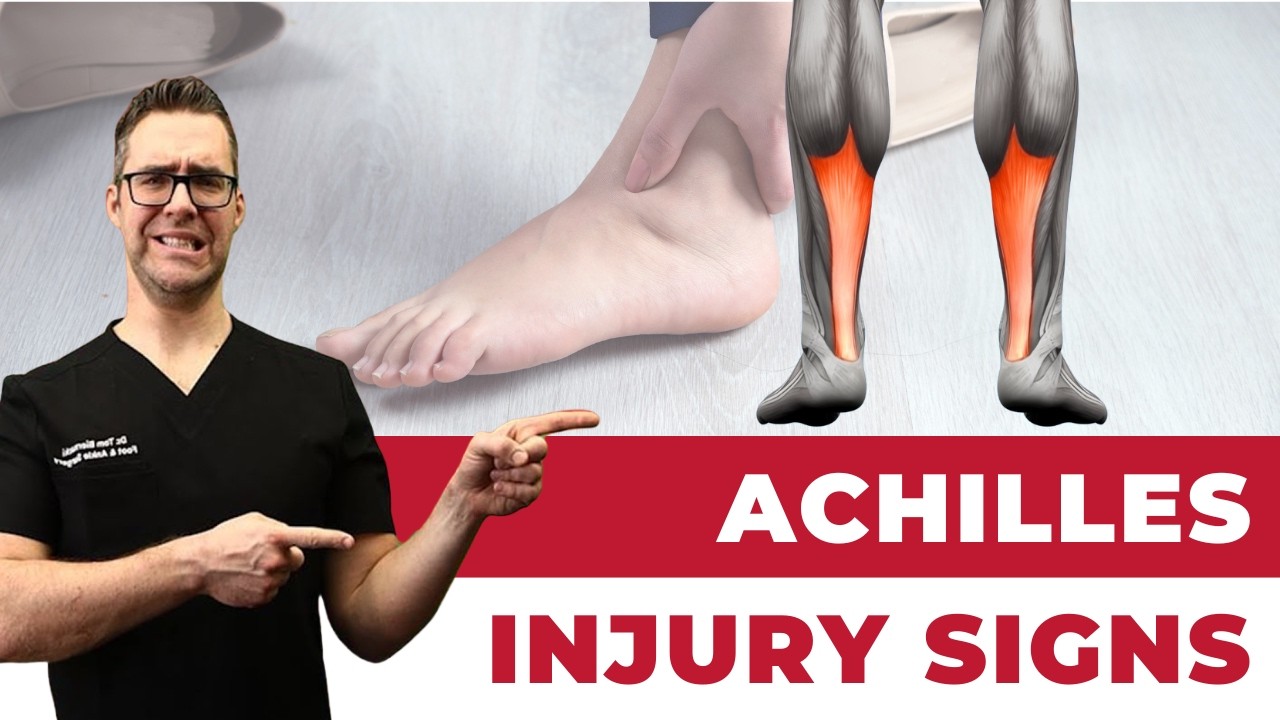
Medically Reviewed by Dr. Tom Biernacki, DPM — Board-Certified Podiatrist, Balance Foot & Ankle Specialists, Michigan. Last updated April 2026.
Quick Answer

Regular foot stretching prevents plantar fasciitis, Achilles tendinopathy, and arch pain while improving flexibility and function. The right stretches performed consistently are more effective than most over-the-counter remedies for chronic foot pain. Dr. Tom Biernacki at Balance Foot & Ankle recommends these evidence-based stretching routines for patients throughout Southeast Michigan.
Why Stretching Your Feet Matters More Than You Think
Your feet contain 26 bones, 33 joints, and over 100 muscles, tendons, and ligaments that require regular stretching to maintain flexibility and function. Modern lifestyles involving prolonged sitting, restrictive shoes, and hard surfaces cause progressive tightening of the calf muscles, plantar fascia, and Achilles tendon that directly contributes to the most common foot pain conditions.
Research published in the Journal of Foot and Ankle Research demonstrates that patients who perform daily foot and ankle stretching reduce their risk of developing plantar fasciitis by approximately 50% compared to non-stretchers. For those already experiencing foot pain, consistent stretching accelerates recovery by 30-40% when combined with other conservative treatments.
The key to effective foot stretching is consistency rather than intensity. Brief daily sessions of 5-10 minutes produce significantly better outcomes than aggressive stretching performed sporadically. Overstretching can actually worsen inflammation and cause microtears in already irritated tissues.
Calf Stretches: The Foundation of Foot Health
Tight calf muscles are the number one contributing factor to plantar fasciitis, Achilles tendinopathy, and metatarsalgia. The gastrocnemius and soleus muscles connect to the plantar fascia through the Achilles tendon, and when these muscles are tight, they increase tension on the plantar fascia with every step.
The wall calf stretch targets the gastrocnemius: stand facing a wall with one foot forward and one back, keeping the back knee straight and heel on the ground. Lean into the wall until you feel a stretch in the back calf. Hold for 30 seconds, repeat 3 times per side, and perform twice daily.
The soleus stretch uses the same wall position but with the back knee slightly bent. This targets the deeper soleus muscle, which is actually more important for foot health than the gastrocnemius because it contributes more directly to Achilles tendon tension and plantar fascia loading during walking.
Plantar Fascia Stretches for Heel Pain Relief
The seated plantar fascia stretch is the most effective targeted stretch for plantar fasciitis. Sit with one ankle crossed over the opposite knee, grasp the toes of the affected foot, and gently pull them back toward the shin until you feel a stretch along the arch. Hold for 30 seconds, repeat 10 times, and perform before your first steps in the morning.
The frozen water bottle roll combines stretching with ice therapy. Place a frozen water bottle on the floor and roll it under the arch of your foot for 5-10 minutes. The ice reduces inflammation while the rolling motion stretches the plantar fascia. This is especially effective after activity when the fascia is warm and more pliable.
The towel stretch is ideal for morning use when plantar fasciitis pain is typically worst. Before getting out of bed, loop a towel around the ball of your foot and gently pull the toes toward you while keeping the knee straight. Hold for 30 seconds and repeat 5 times. This pre-stretches the plantar fascia before you subject it to weight-bearing forces.
Achilles Tendon Stretches and Eccentric Exercises
Eccentric calf drops are the gold standard exercise for Achilles tendinopathy, supported by extensive research. Stand on a step with the balls of your feet on the edge and heels hanging off. Rise up on both feet, then slowly lower on the affected leg only, dropping the heel below the step level over 3-5 seconds. Perform 3 sets of 15 repetitions twice daily.
The Alfredson protocol—the original eccentric loading program for Achilles tendinopathy—has a 70-80% success rate when performed consistently for 12 weeks. The key is performing the exercise through the full range of motion with a slow, controlled lowering phase. Mild discomfort during the exercise is acceptable but sharp pain indicates you should reduce the load.
Static Achilles stretching complements eccentric exercises but should not replace them. The standing Achilles stretch with the foot on an incline board at 20-25 degrees provides a sustained stretch that gradually improves tendon flexibility. Hold for 60 seconds and repeat 3 times per side.
Toe and Intrinsic Foot Muscle Exercises
Toe yoga—the ability to independently lift the big toe while pressing the lesser toes down, and vice versa—strengthens the intrinsic foot muscles that support the arch during weight-bearing. Practice for 2-3 minutes daily, and do not be discouraged if the movements are difficult initially—most people have minimal intrinsic foot muscle control.
Towel scrunches strengthen the flexor digitorum and flexor hallucis muscles. Place a towel flat on the floor and use your toes to scrunch it toward you. Perform 3 sets of 15 scrunches with each foot. Progress by placing a small weight on the far end of the towel to increase resistance.
Marble pickups develop fine motor control and intrinsic muscle strength. Place 20 marbles on the floor and pick them up one at a time using only your toes, transferring them to a cup. This exercise improves the dexterity and strength of the smaller foot muscles that are critical for balance and arch support.
Building a Daily Foot Stretching Routine
Morning routine before first steps takes only 3-4 minutes: perform the towel stretch for the plantar fascia (5 reps, 30 seconds each), followed by gentle ankle circles in both directions (10 each way). This pre-stretches the tissues before you subject them to weight-bearing.
Evening routine after activity takes 5-7 minutes: perform wall calf stretches (gastrocnemius and soleus, 3 reps of 30 seconds each), seated plantar fascia stretches (10 reps of 30 seconds), and the frozen water bottle roll for 5 minutes. This addresses tightness accumulated during the day.
For athletes and active individuals, add a pre-activity dynamic warm-up including ankle circles, toe walks, heel walks, and calf raises before exercise. Post-activity static stretching should be performed while muscles are warm for maximum effectiveness. Consistency matters more than duration—5 minutes daily outperforms 30 minutes once weekly.
⚠️ Red Flags: When to See a Podiatrist Immediately
- Morning heel pain that is getting worse despite rest and over-the-counter treatments
- Achilles tendon pain or stiffness that persists beyond 2 weeks of home stretching
- Arch pain that worsens during the day and limits your ability to walk or stand
- Sharp or stabbing pain in the foot during stretching exercises
The Most Common Mistake
The most common mistake people make is stretching too aggressively when they first feel foot pain, hoping to quickly fix the problem. Aggressive stretching of an acutely inflamed plantar fascia or Achilles tendon can cause microtears and worsen the condition. Start gently, increase gradually, and if stretching increases your pain, see a podiatrist before continuing.
Products We Recommend
As part of the Foundation Wellness family, Balance Foot & Ankle recommends these evidence-based products:
PowerStep Pinnacle Insoles
Best for: Complement a stretching routine by providing arch support and heel cushioning between stretching sessions throughout the day
Not ideal for: Not a replacement for consistent stretching—orthotics and stretching work together
Doctor Hoy’s Natural Pain Relief Gel
Best for: Apply before stretching to warm tissues and reduce discomfort during stretches, enhancing the effectiveness of your routine
Not ideal for: Not for use on broken skin or open wounds
CURREX RunPro Insoles
Best for: Sport-specific arch support for runners who need to maintain flexibility while training with a stretching program
Not ideal for: Not a substitute for proper stretching and strengthening exercises
Your Next Step: Expert Treatment
If you are experiencing symptoms discussed in this guide, the specialists at Balance Foot & Ankle can help. View our full range of treatments or book your appointment today.
Podiatrist-Recommended Products to Pair With Foot Stretching
- PowerStep Pinnacle — maintains arch height between stretching sessions for plantar fasciitis
- Doctor Hoy’s Natural Pain Relief Gel — apply topical relief gel before stretching to reduce morning stiffness
- DASS Medical Compression Socks — graduated compression worn overnight improves tissue health for morning stretching
These are the same products Dr. Biernacki recommends in clinic. Available through our partner Foundation Wellness.
In-Office Treatment at Balance Foot & Ankle
If home treatment isn’t providing relief for your plantar fasciitis, our podiatry team at Balance Foot & Ankle can help with same-day evaluations and advanced in-office care.
Same-day appointments available. (810) 206-1402
Learn about our plantar fasciitis treatment → | Book online →
Frequently Asked Questions
How long does this take?
Most home protocols take 5-15 minutes per session. Improvement visible in 2-4 weeks with consistent application.
When should I stop and see a doctor?
Stop and see a podiatrist if you see redness spreading, pus, increased pain, or fever. These signal infection requiring professional care.
Can I do this if I have diabetes?
Diabetic patients should consult a podiatrist before home foot care. Reduced sensation can hide complications.
What is Plantar fasciitis?
Plantar fasciitis is a common foot/ankle condition that affects mobility and quality of life. Understanding the underlying cause is the first step in successful treatment. Our podiatrists at Balance Foot & Ankle perform a hands-on biomechanical exam, review your activity history, and use diagnostic imaging when appropriate to identify the root cause—not just treat the symptom. Many patients have been told to “rest and ice” without a deeper diagnostic workup; our approach is different.
Symptoms and warning signs
Common signs of plantar fasciitis include pain that worsens with activity, morning stiffness, swelling, tenderness when palpated, and difficulty bearing weight. If you experience sudden severe pain, inability to walk, visible deformity, numbness or color change, contact our office the same day or visit urgent care—these can signal a more serious injury such as a fracture, tendon rupture, or vascular compromise. Diabetics with any foot wound should seek same-day care.
Conservative treatment options
Most cases of plantar fasciitis respond to non-surgical care: structured rest, supportive footwear changes, custom orthotics, targeted stretching and strengthening protocols, anti-inflammatory medications when medically appropriate, and in-office procedures such as ultrasound-guided injections. We also offer advanced therapies including MLS laser therapy, EPAT/shockwave, regenerative injections, and image-guided procedures. Treatment is sequenced from least invasive to most invasive, and we explain the rationale at every step.
When is surgery considered?
Surgery is reserved for cases that fail 3-6 months of well-structured conservative care, when there is structural pathology (severe deformity, complete tear, advanced arthritis), or when imaging shows damage that will not heal without intervention. Our surgeons have performed 3,000+ foot and ankle procedures and prioritize minimally-invasive techniques whenever appropriate. We discuss recovery timelines, return-to-activity milestones, and realistic outcome expectations before any procedure is scheduled.
Recovery timeline and prevention
Recovery from plantar fasciitis varies based on severity and chosen treatment path. Conservative cases often improve within 4-8 weeks with consistent adherence to the protocol. Post-procedural recovery may range from a few days (in-office procedures) to several months (reconstructive surgery). Long-term prevention involves footwear assessment, activity modification, structured strengthening, and regular check-ins with your podiatrist if you have a history of recurrence. We provide written home-exercise plans and digital follow-up support.
Ready to feel better?
Same-week appointments available in Howell and Bloomfield Hills, Michigan.
Book Your Visit
Dr. Tom Biernacki, DPM is a board-certified foot & ankle surgeon (ABFAS & ABPM) at Balance Foot & Ankle Specialists in Southeast Michigan. With over a decade of clinical experience, he specializes in heel pain, bunions, diabetic foot care, sports injuries, and minimally invasive surgery. Dr. Biernacki is a member of the APMA and ACFAS, and his patient education content on MichiganFootDoctors.com and YouTube has made him one of the most-followed foot & ankle educators on YouTube.