
Medically reviewed by Dr. Tom Biernacki, DPM
Board-certified podiatric surgeon | Balance Foot & Ankle, Howell & Bloomfield Township, MI
Last reviewed: May 2026

Inside-of-ankle pain has 5 main causes — here is how to tell them apart and which one needs urgent care.
You are in the right place. Dr. Tom Biernacki, DPM, FACFAS — board-certified foot & ankle surgeon with 3,000+ surgeries — explains exactly what inside ankle pain means and what works. Call (810) 206-1402 for same-day appointment at Howell or Bloomfield Township.
Quick answer: Inside Ankle Pain 3 has multiple potential causes including mechanical, neurological, vascular, and inflammatory. The most common causes we identify are overuse, ill-fitting shoes, and biomechanical imbalance. Red flags requiring urgent evaluation: warmth/redness (infection), inability to bear weight (fracture), and unilateral swelling without injury (DVT). Call (810) 206-1402.
Pain on the inside of your ankle can stop you in your tracks — whether it shows up as a sharp twinge when you step off a curb or a deep ache that builds throughout the day. In our clinic at Balance Foot & Ankle, inside ankle pain is one of the most frequently misdiagnosed complaints we see, often confused for a simple sprain when the real cause is a tendon problem that needs specific treatment to heal properly.
The inner (medial) ankle is a busy anatomical crossroads: the posterior tibial tendon, the deltoid ligament complex, the flexor digitorum and flexor hallucis longus tendons, and the tibial nerve all run through this small space. Damage to any of these structures produces similar-feeling pain, but the treatment approach is completely different for each one.
The most important clinical decision with Inside Ankle Pain 3 isn’t which treatment to start with — it’s identifying the correct subtype. That changes everything. Call (810) 206-1402.
What Is Inside Ankle Pain
Inside ankle pain refers to discomfort located at the medial malleolus (the bony bump on the inner ankle) or in the soft tissue structures immediately behind and below it. Medically, this region is called the medial ankle, and it houses some of the most mechanically important tendons in the lower extremity. The posterior tibial tendon — the primary support structure for your arch — runs directly behind the medial malleolus, making it particularly vulnerable in people who overpronate or have flat feet.
Common Causes of Inside Ankle Pain
Understanding the cause of your inside ankle pain is the essential first step, because treatment for a tendon problem looks completely different from treatment for a ligament injury or nerve compression. Here are the six most common causes we diagnose at Balance Foot & Ankle.
1. Posterior Tibial Tendon Dysfunction (PTTD)
PTTD is the most common cause of adult-acquired flatfoot and produces inside ankle pain that worsens with activity, particularly walking on uneven ground or climbing stairs. The posterior tibial tendon runs from the calf muscle behind the medial malleolus and inserts into multiple bones of the midfoot. When it becomes inflamed or tears — most often in adults over 40 with flat feet — the arch progressively collapses. You may notice swelling along the inner ankle, pain that worsens at end of day, and increasing difficulty standing on one tiptoe.
2. Deltoid Ligament Sprain
While most ankle sprains affect the outer ankle, medial (deltoid) ligament sprains occur with eversion injuries — when the foot rolls inward forcing the ankle outward. This is far less common than a lateral sprain but often more serious because the deltoid ligament is the primary stabilizer of the inner ankle. Swelling, bruising, and tenderness directly over the medial malleolus are typical findings.
3. Tarsal Tunnel Syndrome
Tarsal tunnel syndrome is the ankle equivalent of carpal tunnel syndrome. The tibial nerve passes through a narrow fibro-osseous tunnel behind the medial malleolus, and compression of this nerve produces burning, tingling, or shooting pain along the inner ankle and into the arch and toes. Symptoms often worsen at night or after prolonged standing. In our clinic, we find tarsal tunnel is frequently overlooked and misdiagnosed as plantar fasciitis.
4. Medial Ankle Stress Fracture
Stress fractures of the medial malleolus occur in runners and athletes who rapidly increase training load. The pain is focal — directly on the bone — and worsens with impact activity. Unlike soft tissue pain, stress fracture pain is exquisitely point-tender on the malleolus itself and does not improve with stretching or massage.
5. Flexor Tendon Tenosynovitis
The flexor digitorum longus and flexor hallucis longus tendons also pass behind the medial malleolus. Overuse or repetitive strain — common in dancers, runners, and hikers — can inflame the tendon sheaths, producing pain and crepitus (a grinding sensation) with ankle movement.
6. Medial Ankle Arthritis
Tibiotalar arthritis on the medial compartment produces deep, aching inside ankle pain that stiffens after rest and loosens up briefly with movement before worsening again with prolonged activity. A history of prior ankle sprains, fractures, or inflammatory arthritis increases risk significantly.
Inside Ankle Pain Differential Diagnosis
Getting the right diagnosis matters enormously for inside ankle pain. In our practice, we routinely see patients who have been treating themselves for a “sprain” for months when the real diagnosis is PTTD or tarsal tunnel syndrome — conditions that worsen without appropriate intervention. The key differentiators are onset pattern (traumatic vs. gradual), location of maximal tenderness, neurological symptoms, and response to activity.
| Condition | Pain Location | Key Feature | Worse With |
|---|---|---|---|
| PTTD | Behind & below medial malleolus | Arch collapse, failed single-leg tiptoe | Walking, stairs, end of day |
| Deltoid sprain | Over medial malleolus | Acute injury, bruising | Weight bearing post-injury |
| Tarsal tunnel | Behind malleolus + arch/toes | Burning/tingling, Tinel’s sign | Night, prolonged standing |
| Stress fracture | Directly on malleolus bone | Point tenderness, athletes | Impact activity |
| Flexor tenosynovitis | Behind malleolus | Crepitus with movement | Repetitive activity |
| Ankle arthritis | Deep joint line | Stiffness after rest, prior trauma | Prolonged walking |
Treatment for Inside Ankle Pain
Treatment follows a ladder from conservative to interventional, with most patients finding significant relief at the home-care and orthotics stage before needing clinical procedures. Here is how we approach inside ankle pain at Balance Foot & Ankle.
Step 1: Reduce Inflammation
For acute pain, ice the medial ankle 15–20 minutes three to four times daily. Compression with a figure-8 or stirrup brace reduces swelling and provides proprioceptive support. Elevate the foot above heart level when resting. NSAIDs (ibuprofen, naproxen) can reduce inflammation in the first 48–72 hours, but should not become a long-term solution as they mask pain that serves as an important feedback signal.
For topical pain relief without systemic side effects, Doctor Hoy’s Natural Pain Relief Gel — formulated with arnica and camphor — is our go-to recommendation for tendon and soft tissue ankle pain. Apply directly over the medial ankle two to three times daily. It is available through our practice’s Foundation Wellness portal and does not interact with oral medications.
Step 2: Support the Arch
Because the posterior tibial tendon and deltoid ligament both function to support the medial arch, reducing pronation stress is critical for almost every cause of inside ankle pain. A quality arch-support insole takes mechanical load off these structures with every step. We recommend PowerStep Pinnacle insoles as the first-line OTC option — they provide firm medial arch support, a deep heel cup, and a dual-layer cushion that reduces both pronation and impact stress. For active patients, CURREX RunPro insoles offer a sport-specific profile that controls pronation during running and hiking without restricting natural foot movement.
Step 3: Compression and Circulation Support
Chronic medial ankle swelling responds well to graduated compression. DASS Medical Compression Socks (15–20 mmHg) improve venous return, reduce end-of-day swelling, and support the ankle soft tissues during activity. We recommend wearing compression socks from morning until evening for patients dealing with PTTD or chronic deltoid laxity.
Step 4: Physical Therapy and Strengthening
Posterior tibial tendon rehabilitation focuses on eccentric strengthening — slow, controlled lowering from a tiptoe position on a step edge. Tarsal tunnel syndrome requires nerve mobilization and addressing any proximate cause of compression (swelling, varicose veins, accessory muscles). A formal physical therapy program of 6–8 weeks produces excellent outcomes for most non-surgical inside ankle pain cases.
Step 5: In-Office Procedures
When conservative measures are insufficient, we offer corticosteroid injections (for tendon sheath inflammation — not directly into tendons), regenerative PRP (platelet-rich plasma) injections for PTTD, custom foot orthotics fabricated from a 3D scan of your foot, and ultrasound-guided diagnostic and therapeutic injections. For tarsal tunnel syndrome unresponsive to conservative care, surgical decompression produces excellent long-term results.
Most Common Mistake with Inside Ankle Pain
The most common mistake we see is treating medial ankle pain as a simple sprain and returning to full activity too soon. Posterior tibial tendon dysfunction in particular is progression-dependent — what begins as Grade I tendon inflammation can advance to a partial or complete tear if the tendon is not offloaded while healing. We see patients every month who come in with Stage III PTTD (complete arch collapse, rigid flatfoot) who could have been treated conservatively if they had sought care at Stage I. If your inside ankle pain has not improved meaningfully after two weeks of home care, get evaluated.
In-Office Treatment at Balance Foot & Ankle
If home treatment isn’t providing relief for your ankle instability, our podiatry team at Balance Foot & Ankle can help with same-day evaluations and advanced in-office care.
Frequently Asked Questions
What does inside ankle pain usually mean?
Inside ankle pain most commonly signals posterior tibial tendon dysfunction, a medial ankle sprain, or tarsal tunnel syndrome. The location of maximal tenderness — directly on the bone vs. behind it vs. diffuse tingling — helps differentiate these conditions. A podiatrist can confirm the diagnosis with physical examination and, when needed, ultrasound or MRI imaging.
Can inside ankle pain go away on its own?
Mild medial ankle sprains typically resolve in 2–4 weeks with RICE (rest, ice, compression, elevation). However, posterior tibial tendon dysfunction and tarsal tunnel syndrome rarely resolve without targeted treatment — they tend to progress. If pain persists beyond two weeks or you notice arch flattening, see a podiatrist before the condition advances.
Should I walk on inside ankle pain?
This depends on the cause and severity. If the pain followed an acute injury and is severe, avoid weight bearing and seek evaluation. For gradual-onset tendon pain, modified activity with good arch support is usually acceptable — but running, jumping, and prolonged standing should be reduced until the cause is confirmed and treatment is underway.
When should I see a podiatrist for inside ankle pain?
See a podiatrist if: pain followed a significant injury, you cannot bear weight comfortably, you have burning or tingling into your arch or toes, pain has not improved after 2 weeks of home care, or you notice your arch flattening or foot rotating outward more than usual. Early diagnosis of PTTD in particular makes a substantial difference in long-term outcomes.
Does insurance cover inside ankle pain treatment?
Yes — evaluation and most treatments for inside ankle pain, including office visits, diagnostic ultrasound, corticosteroid injections, and custom orthotics (with documented medical necessity), are covered by most major insurance plans including Medicare. Our front desk team at Balance Foot & Ankle verifies your benefits before your first visit. Call (810) 206-1402 for details.
The Bottom Line
Inside ankle pain has several distinct causes — each requiring a different treatment approach. The most important thing you can do is get an accurate diagnosis early, especially if you have been experiencing gradual arch flattening or nerve-type symptoms. At Balance Foot & Ankle, we combine clinical expertise with advanced imaging to identify your specific problem and create a treatment plan that gets you back on your feet — without the months of guesswork.
Sources
- Kohls-Gatzoulis J, et al. “Tibialis posterior dysfunction: A common and treatable cause of adult acquired flatfoot.” BMJ. 2004;329(7478):1328–1333.
- Trepman E, et al. “Tarsal tunnel syndrome.” Journal of the American Academy of Orthopaedic Surgeons. 2003;11(6):380–390.
- Deland JT. “Adult-acquired flatfoot deformity.” Journal of the American Academy of Orthopaedic Surgeons. 2008;16(7):399–406.
- Hunt KJ, Anderson RB. “Deltoid ligament injuries.” Foot & Ankle International. 2009;30(11):1083–1095.
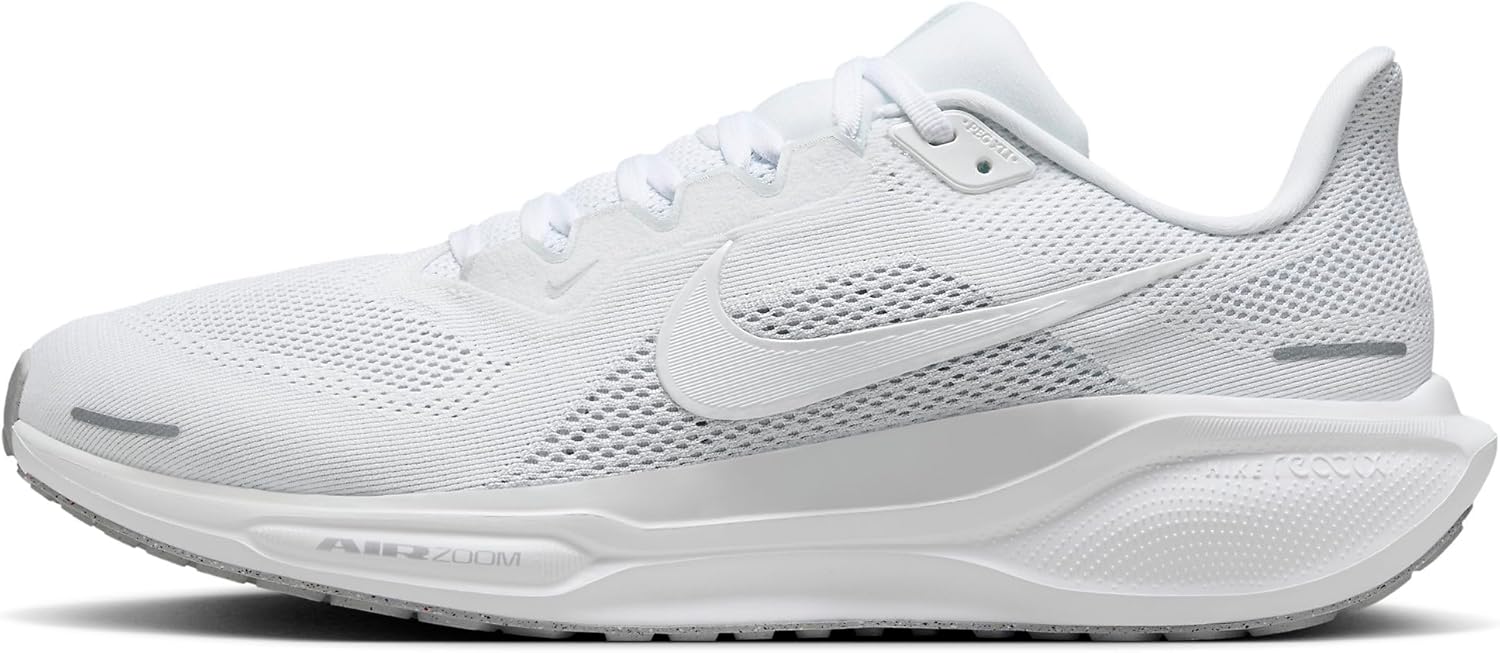
When Shoes Aren’t Enough — Dr. Tom’s Top 9 Orthotics
About 30% of patients I see for foot pain need MORE than a great shoe — they need a structured insole. Below: my complete 2026 orthotic ranking with pros, cons, and the specific patient I’d give each one to.




Frequently Asked Questions
When should I see a doctor?
See a podiatrist if pain persists past 2 weeks, prevents normal activity, or is accompanied by red-flag symptoms (warmth, swelling, numbness, inability to bear weight).
Can I treat this at home?
Mild cases respond to RICE protocol (rest, ice, compression, elevation), supportive shoes, and OTC anti-inflammatories. Persistent symptoms need professional evaluation.
How long does it take to heal?
Most soft tissue injuries resolve in 2-6 weeks with appropriate care. Bone injuries take 6-12 weeks. Chronic conditions need longer-term management.

Dr. Tom Biernacki, DPM is a board-certified foot & ankle surgeon (ABFAS & ABPM) at Balance Foot & Ankle Specialists in Southeast Michigan. With over a decade of clinical experience, he specializes in heel pain, bunions, diabetic foot care, sports injuries, and minimally invasive surgery. Dr. Biernacki is a member of the APMA and ACFAS, and his patient education content on MichiganFootDoctors.com and YouTube has made him one of the most-followed foot & ankle educators on YouTube.