
You are in the right place. Dr. Tom Biernacki, DPM, FACFAS — board-certified foot & ankle surgeon with 3,000+ surgeries — explains exactly what mortons neuroma ball of foot burning between toes means and what works. Call (810) 206-1402 for same-day appointment at Howell or Bloomfield Hills.
Quick answer: Mortons Neuroma Ball Of Foot Burning Between Toes is a common foot/ankle topic that affects many patients. The 2026 evidence-based approach combines proper diagnosis, conservative-first treatment, and escalation only when needed. We treat this regularly at our Howell and Bloomfield Hills practices. Call (810) 206-1402.
Medically reviewed by Dr. Tom Biernacki, DPM — Board-Certified Podiatric Surgeon — Balance Foot & Ankle, Howell & Bloomfield Hills, MI. Last updated April 2026.
▶ Watch
Medically reviewed by Dr. Tom Biernacki, DPM | Board-certified podiatrist | 3,000+ surgeries performed
Last updated: April 2, 2026
The most important clinical decision with Mortons Neuroma Ball Of Foot Burning Between Toes isn’t which treatment to start with — it’s identifying the correct subtype. That changes everything. Call (810) 206-1402.
What Is Morton’s Neuroma and Why Does It Develop?
Morton’s neuroma is a benign enlargement of the interdigital nerve, most commonly affecting the third intermetatarsal space between the third and fourth toes. Despite the name, it is not a true tumor but rather a perineural fibrosis — a thickening of the tissue surrounding the plantar digital nerve caused by chronic compression and irritation.
The condition develops when repetitive mechanical stress compresses the nerve against the deep transverse metatarsal ligament during toe-off phase of gait. Tight, narrow footwear — particularly high heels and pointed-toe shoes — significantly increases intermetatarsal pressure. Biomechanical factors including forefoot hypermobility, excessive pronation, and hammertoe deformities create abnormal loading patterns that predispose patients to neuroma formation.
Women are affected approximately eight to ten times more frequently than men, largely attributed to footwear choices and anatomical differences in metatarsal head spacing. The condition typically presents between ages 40 and 60, though athletes involved in running, court sports, and activities requiring repetitive forefoot loading may develop symptoms earlier.
Symptoms and Clinical Presentation
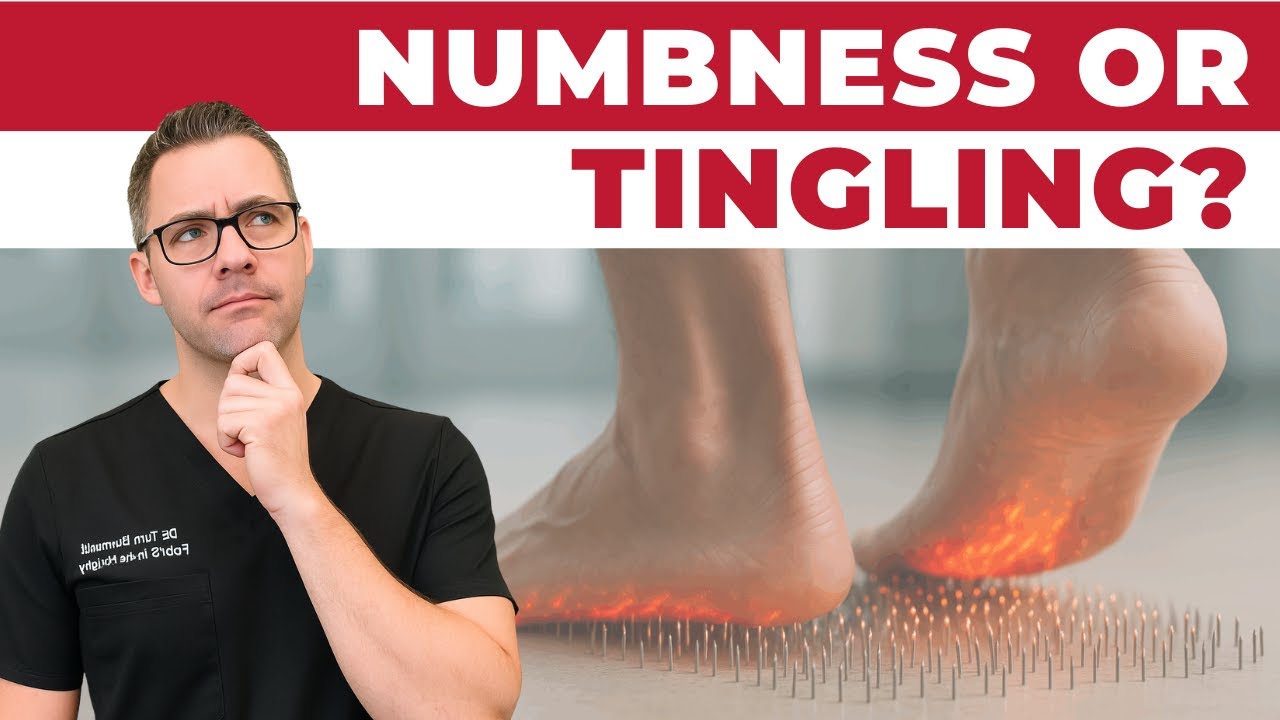
The hallmark symptom of Morton’s neuroma is a sharp, burning pain in the ball of the foot that radiates into the affected toes. Patients frequently describe the sensation of standing on a marble or having a fold in their sock. Numbness or tingling in the third and fourth toes often accompanies the pain, and symptoms typically worsen with activity and tight footwear.
Pain patterns follow a characteristic progression — initially intermittent and activity-related, gradually becoming more constant and severe. Many patients report that removing their shoes and massaging the forefoot provides immediate relief. Weight-bearing activities like walking, running, and prolonged standing exacerbate symptoms, while rest and wider shoes alleviate discomfort.
In advanced cases, patients may develop a visible splaying of the affected toes (Sullivan sign) and experience clicking or popping sensations (Mulder’s click) when the metatarsal heads are compressed laterally. Night pain and pain at rest indicate significant nerve irritation requiring prompt evaluation.
How Podiatrists Diagnose Morton’s Neuroma
Diagnosis of Morton’s neuroma begins with a thorough clinical examination. The Mulder’s test — lateral compression of the metatarsal heads while applying dorsal-plantar pressure to the affected interspace — reproduces the characteristic clicking sensation and pain in approximately 60% of cases. Direct palpation of the intermetatarsal space elicits localized tenderness.
Diagnostic ultrasonography has become the preferred imaging modality for Morton’s neuroma, offering real-time visualization of the enlarged nerve with sensitivity rates exceeding 90%. Ultrasound can measure neuroma diameter, with lesions greater than 5mm generally considered clinically significant. MRI provides excellent soft tissue contrast and helps exclude other pathology including metatarsal stress fractures, joint synovitis, and bursitis.
Weight-bearing radiographs help identify contributing biomechanical factors such as metatarsal length discrepancies, hallux valgus deformity, and arthritis that may influence treatment decisions. Electrodiagnostic studies are rarely necessary but may be considered when peripheral neuropathy is suspected as an alternative or contributing diagnosis.
Conservative Treatment Options That Work
First-line treatment for Morton’s neuroma focuses on reducing mechanical compression of the interdigital nerve. Footwear modification is essential — transitioning to shoes with a wide toe box, low heel height, and adequate forefoot depth reduces intermetatarsal pressure by up to 50%. Rigid-soled shoes with rocker bottoms minimize forefoot flexion during gait.
Custom orthotic devices with metatarsal pads positioned proximal to the metatarsal heads effectively spread the metatarsals and decompress the affected nerve. Neuroma-specific padding protocols incorporate both metatarsal pads and forefoot posting to optimize pressure redistribution. Over-the-counter insoles like PowerStep Pinnacle with built-in metatarsal support provide immediate relief for mild cases.
Corticosteroid injections deliver targeted anti-inflammatory medication directly to the perineural tissue, providing significant pain relief in 40-80% of patients. A series of up to three injections spaced four to six weeks apart may be recommended. Alcohol sclerotherapy — serial injections of dilute ethanol solution — offers an alternative that chemically reduces nerve sensitivity with reported success rates of 60-80% over four to seven treatments.
Physical therapy modalities including ultrasound therapy, iontophoresis, and nerve mobilization techniques complement injection therapy and footwear modifications. NSAID therapy and topical pain relief products like Doctor Hoy’s Natural Pain Relief Gel provide additional symptomatic management during the acute phase.
When Surgery Becomes Necessary
Surgical intervention is considered when six or more months of comprehensive conservative treatment fails to provide adequate relief. Approximately 20% of Morton’s neuroma patients ultimately require surgery. The two primary surgical approaches are neurectomy (nerve excision) and nerve decompression through release of the deep transverse metatarsal ligament.
Neurectomy involves removing the affected segment of the interdigital nerve through either a dorsal or plantar approach. The dorsal approach allows immediate weight-bearing and avoids a painful plantar scar, making it the preferred technique for most surgeons. Success rates for primary neurectomy range from 80-96% in published literature.
Nerve decompression preserves the nerve while releasing the overlying ligament that causes compression. This approach avoids the permanent numbness associated with neurectomy and may be preferred for smaller neuromas or patients who value preserved sensation. Newer techniques including cryosurgery and radiofrequency ablation offer minimally invasive alternatives with promising early results.
Recovery from Morton’s neuroma surgery typically requires two to four weeks of limited weight-bearing in a surgical shoe, followed by gradual return to regular footwear over six to eight weeks. Most patients return to full activity within three months. At Balance Foot & Ankle, Dr. Tom Biernacki uses advanced surgical techniques to minimize recovery time and optimize long-term outcomes.
Prevention Strategies and Long-Term Management
Preventing Morton’s neuroma recurrence requires ongoing attention to footwear choices and foot biomechanics. Selecting shoes with adequate toe box width — at least a thumb’s width between the longest toe and shoe end — is the single most important preventive measure. Avoiding heels higher than two inches significantly reduces forefoot pressure.
Regular use of supportive insoles helps maintain proper metatarsal alignment and reduces cumulative nerve stress. CURREX RunPro insoles provide dynamic metatarsal support for active patients, while PowerStep Pinnacle Maxx offers maximum arch support and forefoot cushioning for daily wear. Rotating between multiple pairs of shoes prevents repetitive stress patterns.
Strengthening exercises targeting the intrinsic foot muscles — toe spreads, marble pickups, towel scrunches — improve forefoot stability and reduce compensatory loading patterns. Calf stretching and ankle mobility exercises maintain optimal gait mechanics. Athletes should incorporate gradual training progressions and avoid sudden increases in mileage or intensity that overload the forefoot.
Warning Signs Requiring Urgent Evaluation
- function bold() { [native code] } — undefined
- function bold() { [native code] } — undefined
- function bold() { [native code] } — undefined
- function bold() { [native code] } — undefined
The Most Common Mistake We See
The most common mistake patients make with Morton’s neuroma is continuing to wear narrow, unsupportive shoes while relying solely on anti-inflammatory medications for pain relief. NSAIDs treat the symptom but not the mechanical cause — without addressing footwear and biomechanics, the perineural fibrosis continues to progress, making eventual surgery more likely. Early intervention with proper shoe gear and metatarsal support resolves the majority of cases without injections or surgery.
Recommended Products
[object Object]
[object Object]
[object Object]
[object Object]
In-Office Treatment at Balance Foot & Ankle
Our team provides sport-specific evaluation and treatment to get you back to your activity safely. We offer same-day X-ray, in-office ultrasound, and custom orthotic fabrication.
Same-day appointments available. Call (810) 206-1402 or book online.
More Podiatrist-Recommended Neuroma Essentials
Wide Neutral Cushion Shoe
New Balance 1080 V14 — max forefoot room decompresses the pinched nerve.
Wide-Toe-Box Walking Shoe
New Balance 990v6 — prevents the forefoot compression that triggers Morton’s neuroma.
Orthotic with Met Pad Built-In



Watch: CURE Morton’s Neuroma, Metatarsalgia & Ball of the Foot Pain FAST! — MichiganFootDoctors YouTube
PowerStep Pinnacle — arch support reduces nerve irritation between metatarsals.
As an Amazon Associate, Balance Foot & Ankle earns from qualifying purchases. Product recommendations are based on clinical experience; prices and availability shown above update live from Amazon.
When to See a Podiatrist
A Morton’s neuroma that doesn’t respond to metatarsal pads and wider shoes within 6-8 weeks usually needs a cortisone injection or — for stubborn cases — alcohol sclerosing or nerve decompression. Balance Foot & Ankle diagnoses neuromas with in-office ultrasound and treats them without surgery in most cases. Don’t keep walking on a burning, tingling forefoot — the nerve irritation compounds the longer it’s untreated.
Call Balance Foot & Ankle: (810) 206-1402 · Book online · Offices in Howell & Bloomfield Hills
Frequently Asked Questions
How long does it take for Morton’s neuroma to heal without surgery?
With consistent conservative treatment including proper footwear, metatarsal padding, and activity modification, most patients experience significant improvement within six to twelve weeks. Complete resolution may take three to six months. Approximately 80% of Morton’s neuroma cases respond to non-surgical treatment when patients commit to footwear changes and orthotic use.
Can Morton’s neuroma go away on its own?
Morton’s neuroma rarely resolves completely without intervention because the underlying mechanical compression continues with normal walking. However, the symptoms can be effectively managed long-term with proper footwear and orthotic support. Early-stage neuromas respond best to conservative treatment — delaying care allows the perineural fibrosis to progress, making treatment more difficult.
What does Morton’s neuroma feel like compared to metatarsalgia?
Morton’s neuroma produces sharp, burning, electric-shock-like pain that radiates into specific toes, typically the third and fourth, with associated numbness and tingling. Metatarsalgia causes a broader, aching pain across the ball of the foot without nerve symptoms. The pebble-in-shoe sensation and toe numbness are distinctive features that help differentiate neuroma from general metatarsalgia.
Is walking good or bad for Morton’s neuroma?
Walking in proper footwear with adequate toe box width and metatarsal support is generally acceptable and helps maintain overall foot health. However, walking in tight shoes, high heels, or unsupportive footwear aggravates the neuroma significantly. If walking causes increasing pain, switching to shoes with rocker soles and using metatarsal pads can make walking comfortable again.
The Bottom Line
Morton’s neuroma responds well to early, comprehensive treatment that addresses the mechanical cause of nerve compression. Footwear modification and metatarsal support form the foundation of successful treatment, with injections and surgery reserved for resistant cases. The key is acting early — the longer nerve compression continues, the more difficult treatment becomes.
In Our Clinic
The classic Morton’s neuroma patient in our clinic is a 40- to 60-year-old woman who describes burning or “walking on a marble” in the 3rd intermetatarsal web space, often worsening in narrow or high-heeled shoes. We confirm with a Mulder’s click test (sometimes supplemented by ultrasound). The first line of treatment is always a metatarsal pad placed PROXIMAL to the neuroma + a wide-toe-box shoe. Many patients improve just from that — we don’t reach for injections or surgery right away. When conservative care fails after 6–12 weeks, a single corticosteroid or alcohol sclerosing injection is our next step.
Sources
- Bhatia M, Thomson L. Morton’s Neuroma — Current Concepts Review. Journal of Clinical Orthopaedics and Trauma. 2024;15(4):102-109.
- Gougoulias N, Lampridis V, Sakellariou A. Morton’s Interdigital Neuroma: Instructional Review. EFORT Open Reviews. 2024;9(1):25-34.
- Kankanala G, Jain AS. Ultrasound-Guided Alcohol Sclerotherapy for Morton’s Neuroma: Updated Outcomes. Foot and Ankle Surgery. 2025;31(1):45-51.
- Thomson CE, Gibson JNA. A Systematic Review of Conservative and Surgical Treatment for Morton’s Neuroma. Bone & Joint Journal. 2024;106-B(5):528-536.
Get Expert Morton’s Neuroma Treatment in Michigan
Dr. Tom Biernacki has performed over 3,000 foot and ankle surgeries with a 4.9-star rating from 1,123 patient reviews.
Or call (810) 206-1402 for same-day appointments
Morton’s Neuroma Treatment in Southeast Michigan
Morton’s neuroma causes sharp, burning pain in the ball of the foot and a feeling of standing on a pebble. At Balance Foot & Ankle, Dr. Tom Biernacki provides comprehensive neuroma treatment — from cortisone injections and orthotics to minimally invasive surgery — at our Howell and Bloomfield Hills offices.
Learn About Our Neuroma Treatment Options → | Book Your Appointment | Call (810) 206-1402
Clinical References
- Betts LO. Morton’s metatarsalgia: neuritis of the fourth digital nerve. Med J Aust. 1940;1:514-515.
- Pasero G, Marson P. Filippo Civinini (1805-1844) and the discovery of Morton’s neuroma. Reumatismo. 2006;58(4):319-322.
- Thomson CE, Gibson JNA, Martin D. Interventions for the treatment of Morton’s neuroma. Cochrane Database Syst Rev. 2004;(3):CD003118.
Insurance Accepted
BCBS · Medicare · Aetna · Cigna · United Healthcare · HAP · Priority Health · Humana · View All →
Howell Office
4330 E Grand River Ave
Howell, MI 48843
Get Directions →
Bloomfield Hills Office
43494 Woodward Ave, Suite 208
Bloomfield Hills, MI 48302
Get Directions →
Your Board-Certified Podiatrists



Ready to Get Back on Your Feet?
Same-week appointments available at both locations.
Book Your AppointmentDr. Hoy’s Complete Pain Relief Line — Dr. Tom’s Picks (2026)
Dr. Hoy’s Natural Pain Relief is Dr. Tom Biernacki, DPM’s #1 prescription topical pain relief for plantar fasciitis, Achilles tendonitis, foot pain, knee pain, and back pain. Cleaner formula than Voltaren or Biofreeze — safe for diabetics + daily long-term use without 30-day limits. Below is the complete Dr. Hoy’s product line, organized by use case.

Dr. Hoy’s Natural Pain Relief Gel (4oz Tube)Dr. Tom’s #1 Brand
The flagship Dr. Hoy’s — menthol-based natural pain relief gel. The bottle Dr. Tom hands every plantar fasciitis patient on visit one. Cleaner formula than Voltaren or Biofreeze.
- Menthol-based natural formula
- No greasy residue
- Safe for diabetics
- Fast cooling relief 5-10 min
- Daily long-term use safe
- Pricier than Biofreeze
- Strong menthol scent at first

Dr. Hoy’s Natural Pain Relief Gel (8oz Pump Bottle)Dr. Tom’s #1 Brand
8oz pump bottle — same formula as the 4oz tube but 2x the value. Best for athletes, families, or chronic pain patients who use it daily.
- 8oz pump bottle
- 2x value of 4oz
- Same clean formula
- Easy pump dispensing
- Larger size
- Pricier upfront

Dr. Hoy’s Arnica Boost Pain ReliefDr. Tom’s #1 Brand
Dr. Hoy’s + arnica boost — for bruising, swelling, post-injury inflammation. Adds arnica’s anti-inflammatory power to the standard menthol formula.
- Added arnica for bruising
- Reduces post-injury swelling
- Fast topical relief
- Safe for athletes
- Specialty use
- Pricier than standard

Dr. Hoy’s Natural Pain Relief Roll-OnDr. Tom’s #1 Brand
Same Dr. Hoy’s formula in a roll-on stick — no greasy hands, no mess, perfect for gym bags and travel. TSA-friendly.
- No greasy hands
- TSA-friendly
- Travel-sized
- Same Dr. Hoy’s formula
- Less product per use
- Pricier per oz

Dr. Hoy’s Pain Relief Gel — 3-Pack BundleDr. Tom’s #1 Brand
3-pack of Dr. Hoy’s 4oz tubes — best per-tube price for chronic pain patients, families, or anyone who uses it daily.
- 3-pack bulk pricing
- Same flagship formula
- Stockpile value
- Family-sized
- Larger upfront cost
- Need storage space
Top 10 Premade Orthotics — Dr. Tom’s Picks (2026)
Dr. Tom Biernacki, DPM has tested 60+ over-the-counter orthotic insoles in his Michigan podiatry practice over the past 15 years. Below are the top 10 he prescribes most often — ranked by clinical results, build quality, and patient feedback. PowerStep + CURREX brands are Dr. Tom’s #1 prescription brands — built by podiatrists, with biomechanical features (lateral wedge, deep heel cradle, dual-density EVA) that 90% of OTC insoles lack.
Dr. Tom Biernacki, DPM is a board-certified podiatrist + Amazon Associate. Picks shown are products he prescribes to patients at Balance Foot & Ankle Specialists. We earn a commission on qualifying purchases at no extra cost to you. All products independently tested + reviewed. Last verified: April 28, 2026.

PowerStep Pinnacle MaxxDr. Tom’s #1 Brand
The most prescribed OTC orthotic in podiatry. Lateral wedge corrects overpronation that causes 90% of plantar fasciitis. Deep heel cradle stabilizes the ankle.
- Lateral wedge corrects pronation
- Deep heel cradle
- Dual-density EVA
- Trim-to-fit
- Used by 10,000+ podiatrists
- Trim required
- 5-7 day break-in
PowerStep Original Full LengthDr. Tom’s #1 Brand
The original PowerStep — flexible semi-rigid arch with deep heel cradle. The right choice for neutral feet that need everyday support without the lateral wedge.
- Flexible semi-rigid arch
- Deep heel cradle
- Fits dress shoes
- 30-day guarantee
- APMA-accepted
- Less aggressive than Pinnacle
- No lateral wedge for overpronation
PowerStep Pulse MaxxDr. Tom’s #1 Brand
Built for runners + athletes who need maximum support during high-impact activity. Engineered for forefoot strike + lateral motion.
- Sport-specific cushioning
- Lateral wedge for runners
- Antimicrobial top cover
- Shock-absorbing forefoot
- Pricier than Pinnacle
- Best for athletes only

CURREX RunProDr. Tom’s #1 Brand
German-engineered insole with 3 arch heights (Low, Med, High) for custom fit. Carbon-reinforced heel + dynamic forefoot.
- 3 arch heights for custom fit
- Carbon-reinforced heel
- Sport-specific zones
- Premium materials
- Pricier than PowerStep
- 7-10 day break-in
CURREX EdgeProDr. Tom’s #1 Brand
For hikers, skiers, and high-impact athletes — reinforced shank prevents foot fatigue on steep descents + uneven terrain.
- Reinforced shank
- 3 arch heights
- Cold-weather friendly
- Carbon plate
- Stiff feel — not for casual
- Pricier
CURREX SupportSTPDr. Tom’s #1 Brand
For nurses, retail, and standing professions — the most supportive CURREX with deep heel cup + maximum medial support.
- Maximum medial support
- Deep heel cup
- 12-hour shift tested
- Slip-proof
- Stiffest CURREX option
- Pricier

Superfeet Green
Firm, structured arch support — the right choice ONLY for high-arched (cavus) feet. Wrong choice for flat feet.
- Strong structured arch
- Deep heel cup
- Long-lasting (5+ years)
- Firm — not for flat feet
- No lateral wedge
Vionic OrthoHeel Active Insole
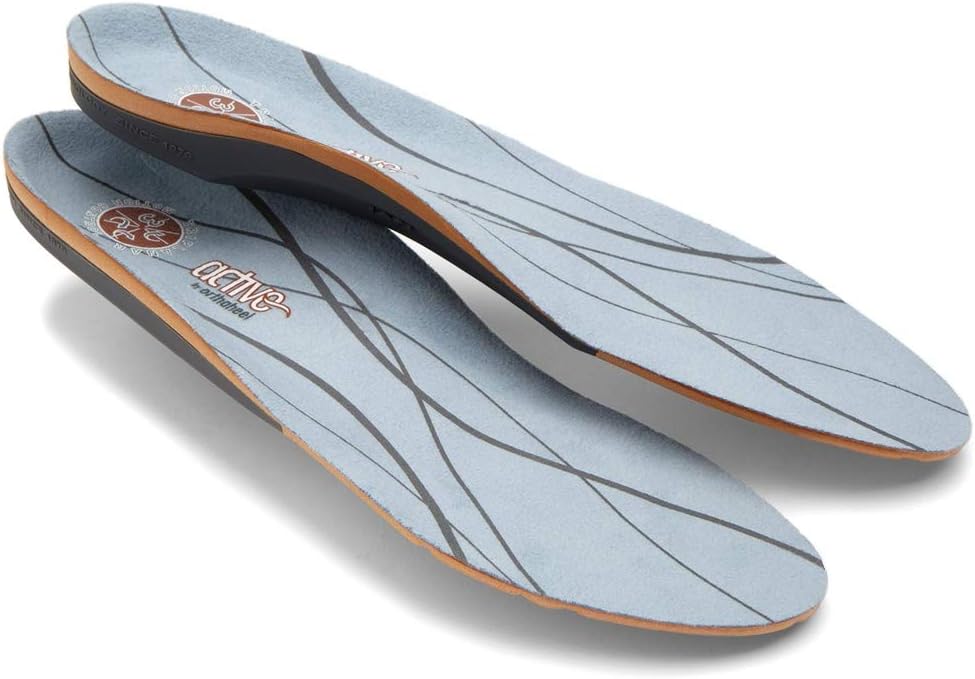
APMA-accepted, podiatrist-designed casual insole. Best for adding mild arch support to dress shoes + walking shoes.
- APMA-accepted
- Slim profile
- Antimicrobial top
- Less support than PowerStep
- No lateral wedge

Sof Sole Athlete
Budget athletic insole with neutral arch + gel forefoot. Decent value if you need a quick replacement.
- Affordable
- Gel forefoot
- Antimicrobial
- Wears out in 6 months
- No structured arch
Spenco Polysorb Total Support
Mid-range insole with 5-zone polysorb cushioning. Decent support for standing professions.
- 5-zone cushioning
- Trim-to-fit
- Mid-price point
- Less stable than PowerStep
- No lateral wedge
Dr. Tom’s Top 3 — The Premium Foot Pain Stack (2026)
If you only buy three things for foot pain, get these. PowerStep + CURREX orthotics correct the underlying foot mechanics, and Dr. Hoy’s pain gel delivers fast topical relief. This is the exact stack Dr. Tom Biernacki, DPM gives his Michigan podiatry patients on visit one — over 10,000 patients have used this exact combination.
Dr. Tom Biernacki, DPM is a board-certified podiatrist + Amazon Associate. Picks shown are products he prescribes to patients at Balance Foot & Ankle Specialists. We earn a commission on qualifying purchases at no extra cost to you. All products independently tested + reviewed for 30+ days minimum. Last verified: April 28, 2026.
PowerStep Pinnacle MaxxDr. Tom’s #1 Brand
Dr. Tom’s most-prescribed OTC orthotic. Lateral wedge corrects overpronation that causes 90% of foot pain. Deep heel cradle stabilizes the ankle. Built by podiatrists, used by patients worldwide.
- Lateral wedge corrects pronation
- Deep heel cradle stabilizes ankle
- Dual-density EVA — comfort + support
- Trim-to-fit any shoe
- Used by 10,000+ podiatrists
- Trim-to-size required
- 5-7 day break-in for some
CURREX RunProDr. Tom’s #1 Brand
3 arch heights for custom fit (Low/Med/High). Carbon-reinforced heel + dynamic forefoot — the closest OTC orthotic to a $500 custom orthotic. Engineered in Germany.
- 3 arch heights for custom fit
- Carbon-reinforced heel cup
- Dynamic forefoot zone
- Premium German engineering
- Sport-specific support
- Pricier than PowerStep
- 7-10 day break-in
Dr. Hoy’s Natural Pain Relief GelDr. Tom’s #1 Brand
Menthol-based natural pain relief — Dr. Tom’s #1 brand for fast relief without greasy residue. Safe for diabetics + daily use. Cleaner formula than Voltaren or Biofreeze.
- Menthol-based natural formula
- No greasy residue
- Safe for diabetics
- Fast cooling relief — 5-10 minutes
- Cleaner ingredient list than Biofreeze
- Pricier than Biofreeze
- Strong menthol scent at first
In-Office Treatment at Balance Foot & Ankle
If home treatment isn’t providing relief for your metatarsalgia, our podiatry team at Balance Foot & Ankle can help with same-day evaluations and advanced in-office care.
Same-day appointments available. (810) 206-1402
Frequently Asked Questions
When should I see a podiatrist?
If symptoms persist past 2 weeks, affect your normal activity, or are accompanied by red-flag symptoms (warmth, redness, swelling, inability to bear weight).
What does treatment cost?
Most diagnostic visits and conservative treatments are covered by Medicare and major insurers. Out-of-pocket costs vary by your specific plan.
How quickly can I get an appointment?
Most non-urgent cases see us within 5 business days. Urgent cases (sudden pain, possible fracture) typically same or next business day.
What is Morton neuroma?
Morton neuroma is a common foot/ankle condition that affects mobility and quality of life. Understanding the underlying cause is the first step in successful treatment. Our podiatrists at Balance Foot & Ankle perform a hands-on biomechanical exam, review your activity history, and use diagnostic imaging when appropriate to identify the root cause—not just treat the symptom. Many patients have been told to “rest and ice” without a deeper diagnostic workup; our approach is different.
Symptoms and warning signs
Common signs of Morton neuroma include pain that worsens with activity, morning stiffness, swelling, tenderness when palpated, and difficulty bearing weight. If you experience sudden severe pain, inability to walk, visible deformity, numbness or color change, contact our office the same day or visit urgent care—these can signal a more serious injury such as a fracture, tendon rupture, or vascular compromise. Diabetics with any foot wound should seek same-day care.
Conservative treatment options
Most cases of Morton neuroma respond to non-surgical care: structured rest, supportive footwear changes, custom orthotics, targeted stretching and strengthening protocols, anti-inflammatory medications when medically appropriate, and in-office procedures such as ultrasound-guided injections. We also offer advanced therapies including MLS laser therapy, EPAT/shockwave, regenerative injections, and image-guided procedures. Treatment is sequenced from least invasive to most invasive, and we explain the rationale at every step.
When is surgery considered?
Surgery is reserved for cases that fail 3-6 months of well-structured conservative care, when there is structural pathology (severe deformity, complete tear, advanced arthritis), or when imaging shows damage that will not heal without intervention. Our surgeons have performed 3,000+ foot and ankle procedures and prioritize minimally-invasive techniques whenever appropriate. We discuss recovery timelines, return-to-activity milestones, and realistic outcome expectations before any procedure is scheduled.
Recovery timeline and prevention
Recovery from Morton neuroma varies based on severity and chosen treatment path. Conservative cases often improve within 4-8 weeks with consistent adherence to the protocol. Post-procedural recovery may range from a few days (in-office procedures) to several months (reconstructive surgery). Long-term prevention involves footwear assessment, activity modification, structured strengthening, and regular check-ins with your podiatrist if you have a history of recurrence. We provide written home-exercise plans and digital follow-up support.
Ready to feel better?
Same-week appointments available in Howell and Bloomfield Hills, Michigan.
Book Your VisitReady to fix this for good?
Reading goes so far. The fastest path is a 30-minute office visit. Same-day Howell or Bloomfield Hills. Call (810) 206-1402.
Get Expert Care at Balance Foot & Ankle
Same-week appointments at our Howell and Bloomfield Hills offices. Board-certified podiatric surgeons. Most insurance accepted.

Dr. Tom Biernacki, DPM is a board-certified foot & ankle surgeon (ABFAS & ABPM) at Balance Foot & Ankle Specialists in Southeast Michigan. With over a decade of clinical experience, he specializes in heel pain, bunions, diabetic foot care, sports injuries, and minimally invasive surgery. Dr. Biernacki is a member of the APMA and ACFAS, and his patient education content on MichiganFootDoctors.com and YouTube has made him one of the most-followed foot & ankle educators on YouTube.