
The most important clinical decision with Mortons Neuroma Surgery Michigan isn’t which treatment to start with — it’s identifying the correct subtype. That changes everything. Call (810) 206-1402.
Dr. Tom’s Top Insole & Orthotic Picks
Affiliate disclosure: As an Amazon Associate, Balance Foot & Ankle earns from qualifying purchases.
Dr. Tom’s Top Pain Relief Picks
Affiliate disclosure: Amazon Associate purchases support our practice.
Medically reviewed by Dr. Tom Biernacki, DPM · Board-Certified Podiatric Surgeon · Last reviewed: April 2026 · Editorial Policy
Related Conditions
Quick Answer
Morton’s Neuroma Surgery: When It’s Needed and W relates to Morton’s neuroma — typically caused by nerve compression between toes. Most patients improve in 8-12 weeks conservative with conservative care. Same-week appointments in Howell + Bloomfield Hills: (810) 206-1402.
Medically reviewed by Dr. Tom Biernacki, DPM — Board-certified foot & ankle surgeon, 3,000+ surgeries performed. Updated April 2026 with current clinical evidence. This article reflects real practice experience from Balance Foot & Ankle Specialists in Howell and Bloomfield Hills, Michigan.
Quick Answer
Morton’s neuroma is a thickening of nerve tissue between the third and fourth toes causing burning pain, numbness, or the sensation of a pebble under the ball of the foot. Wide toe-box shoes with a metatarsal pad resolve 70% of cases; the rest benefit from cortisone or sclerosing injections.
Watch: Dr. Tom Biernacki, DPM
Medically reviewed by Dr. Tom Biernacki, DPM — Board-Certified Podiatric Surgeon — Balance Foot & Ankle, Howell & Bloomfield Hills, MI. Last updated April 2026.
▶ Watch
👟 Dr. Tom Also Recommends
Podiatrist Recommended Shoes 2026: Dr. Tom’s Top Picks for Every Condition
The right footwear can make or break your recovery. Dr. Tom’s complete guide to the best shoes for plantar fasciitis, flat feet, neuropathy, bunions & more — with clinical picks for every foot type.
See Dr. Tom’s Top Shoe Picks →When Does Morton’s Neuroma Require Surgery?
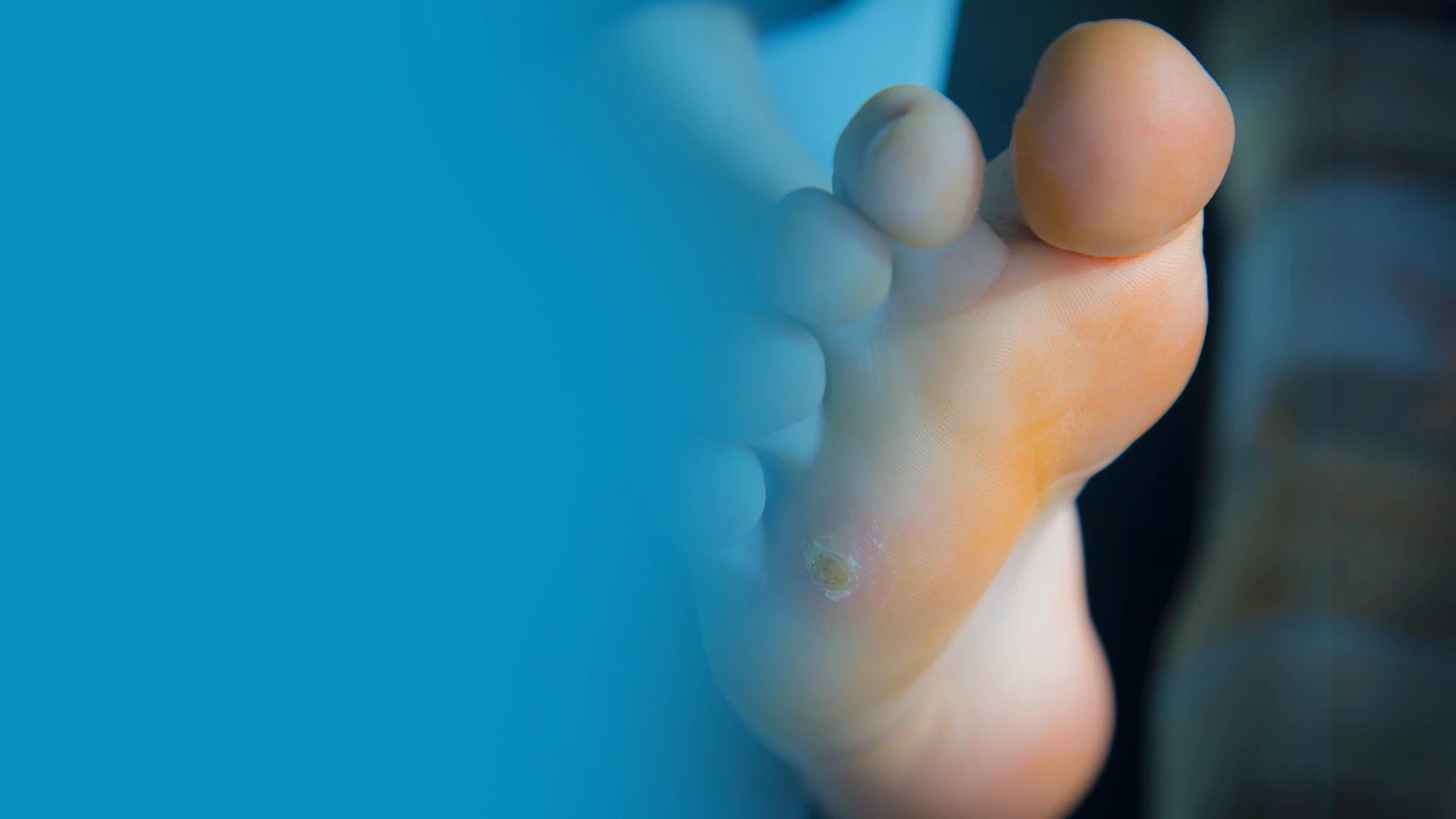

Morton’s neuroma — a thickening of the nerve tissue between the 3rd and 4th (most commonly) or 2nd and 3rd metatarsals — often responds to conservative treatment. Wide-toe-box shoes, metatarsal pads, custom orthotics, and corticosteroid injections resolve symptoms in approximately 60–80% of patients. Surgery is considered when: symptoms persist beyond 3–6 months despite conservative care; two or more corticosteroid injections have failed; the neuroma is large (greater than 5–6 mm on ultrasound); symptoms significantly interfere with walking or daily activities; or sclerosing alcohol injections (if offered) have failed. Most Michigan patients who reach the surgical threshold have been symptomatic for 6–18 months before surgery.
Types of Morton’s Neuroma Surgery
Neurectomy (nerve excision): The most commonly performed procedure — the enlarged neuroma segment is resected and removed. Approaches: dorsal incision (between the metatarsals from the top of the foot — faster healing, less scar contact with the ground) or plantar incision (from the bottom of the foot — allows direct visualization but weight-bearing scar may cause prolonged tenderness). Dr. Biernacki uses the dorsal approach for most neurectomies. Neurectomy has excellent pain relief rates (80–90% significant improvement) but involves a small risk of recurrence (stump neuroma, 10–15% at 10 years). Decompression (nerve release): Releasing the deep transverse intermetatarsal ligament above the nerve to relieve entrapment without removing the nerve. Preserves nerve function; appropriate for smaller neuromas in earlier-stage disease. Lower success rate than neurectomy for large, well-established neuromas.
Morton’s Neuroma Surgery Recovery
Dorsal neurectomy (most common): Weight-bearing in a surgical boot on the day of surgery; return to athletic shoe at 3–4 weeks; return to running and impact sports at 6–8 weeks. Plantar neurectomy: Non-weight-bearing for 2–3 weeks to protect the plantar incision; return to normal shoes at 4–6 weeks; full activity at 8–10 weeks. Post-operative numbness: Most patients experience permanent numbness in the affected toes (the toes served by the resected nerve). This is expected and typically does not cause functional problems — the sensation of numbness is much preferable to the pre-surgical burning pain. Stump neuroma risk: A small percentage of patients develop a recurrent pain syndrome (stump neuroma) at the proximal cut end of the nerve — 6–12 months post-surgery. This requires evaluation and, if persistent, revision surgical treatment.
Does Insurance Cover Morton’s Neuroma Surgery?
Yes — neurectomy or decompression for Morton’s neuroma is covered by Michigan health insurance when medically necessary. Most insurers require: documented diagnosis (clinical and ultrasound/MRI); failure of conservative treatment for at least 3–6 months including orthotics, shoe modification, and at least one injection; prior authorization. CPT code 28080 (Morton’s neuroma excision) is used for neurectomy billing. Our office obtains prior authorization and handles insurance paperwork. For information on insurance and self-pay costs, see our podiatrist insurance and costs Michigan page.
Schedule Your Morton’s Neuroma Evaluation
Dr. Tom Biernacki evaluates and treats Morton’s neuroma at both Howell and Bloomfield Hills offices. On-site ultrasound guidance is available for diagnostic confirmation and injection treatment. Call (810) 206-1402.
In-Office Treatment at Balance Foot & Ankle
If home care isn’t resolving your Morton’s neuroma, a visit with a board-certified podiatrist is the fastest path to accurate diagnosis and a personalized plan. At Balance Foot & Ankle Specialists, Dr. Tom Biernacki, Dr. Carl Jay, and Dr. Daria Gutkin offer same-day and next-day appointments at both our Howell and Bloomfield Hills offices. We perform on-site diagnostic ultrasound, digital X-ray, conservative care, advanced regenerative treatments, and minimally invasive surgery when indicated.
Call (810) 206-1402 or request an appointment online. Most insurance plans accepted, including Medicare, Blue Cross Blue Shield, Aetna, Cigna, and United Healthcare.
More Podiatrist-Recommended Neuroma Essentials
Wide Neutral Cushion Shoe
New Balance 1080 V14 — max forefoot room decompresses the pinched nerve.
Wide-Toe-Box Walking Shoe
New Balance 990v6 — prevents the forefoot compression that triggers Morton’s neuroma.
Orthotic with Met Pad Built-In

PowerStep Pinnacle — arch support reduces nerve irritation between metatarsals.
As an Amazon Associate, Balance Foot & Ankle earns from qualifying purchases. Product recommendations are based on clinical experience; prices and availability shown above update live from Amazon.
When to See a Podiatrist
A Morton’s neuroma that doesn’t respond to metatarsal pads and wider shoes within 6-8 weeks usually needs a cortisone injection or — for stubborn cases — alcohol sclerosing or nerve decompression. Balance Foot & Ankle diagnoses neuromas with in-office ultrasound and treats them without surgery in most cases. Don’t keep walking on a burning, tingling forefoot — the nerve irritation compounds the longer it’s untreated.
Call Balance Foot & Ankle: (810) 206-1402 · Book online · Offices in Howell & Bloomfield Hills
Frequently Asked Questions
What is the success rate of Morton’s neuroma surgery?
Neurectomy (nerve excision) for Morton’s neuroma has a good to excellent outcome in approximately 80–90% of patients at short-term follow-up (1–2 years). Long-term outcomes (5–10 years) show 75–85% satisfaction, with the main failure mode being stump neuroma formation (10–15%). Patients who have had the correct diagnosis confirmed (not all forefoot pain is neuroma), have failed appropriate conservative care, and have the surgery performed through the dorsal approach tend to have the best outcomes. Decompression (nerve release without excision) has somewhat lower success rates (65–75%) but avoids permanent numbness and is appropriate for early-stage or smaller neuromas.
Can Morton’s neuroma come back after surgery?
After neurectomy, the original neuroma cannot recur because the enlarged nerve segment has been removed. However, a stump neuroma — a painful scarring process at the cut end of the proximal nerve stump — can develop in 10–15% of patients, typically becoming symptomatic 6–12 months post-surgery. Stump neuromas produce pain similar to the original neuroma but at the same or slightly more proximal location. Treatment includes ultrasound-guided alcohol injections at the stump or revision surgery with further proximal resection and implantation of the nerve stump into muscle. Using the dorsal (top-of-foot) surgical approach reduces plantar scar tenderness and may reduce stump neuroma symptom severity.

Dr. Tom Biernacki, DPM is a board-certified podiatric surgeon at Balance Foot & Ankle in Howell and Bloomfield Hills, Michigan. He performs Morton’s neuroma excision (neurectomy) and nerve decompression with ultrasound-guided injection treatment as an alternative to surgery.
Dr. Tom’s Recommended Products for Ball of Foot Pain
📍 Located in Michigan?
Our board-certified podiatrists treat this condition at two convenient locations. Same-day appointments often available.
These are products I personally use and recommend to my patients at Balance Foot & Ankle.
- Metatarsal Pads by Footminders (6-Pack) — Adhesive gel pads positioned behind metatarsal heads — offloads Morton’s neuroma compression point
- PowerStep SlimTech 3/4 Length Insoles — Thin 3/4-length insole with metatarsal pad built in — fits dress and narrow shoes where full insoles won’t
- HOKA Bondi 8 — Maximum forefoot cushioning with wide toe box — reduces metatarsal head load with each step
Affiliate disclosure: As an Amazon Associate, Balance Foot & Ankle earns from qualifying purchases. We only recommend products we trust for our own patients.
Dr. Tom’s Pick: Women’s Shoe Comfort Inserts
For women who want comfort without giving up their shoes — Foot Petals cushions work in heels, flats, and sandals.
- Foot Petals Ball of Foot Cushions — Targeted metatarsal cushioning — fits in any shoe to relieve ball-of-foot pain immediately.
- Foot Petals Tip Toes — Slim toe box cushion — ideal for narrow shoes and dress flats.
📧 Get Dr. Tom’s Free Lab Test Guide
Discover the 5 lab tests every person over 35 should ask their doctor about — explained in plain English by a board-certified physician.
Affiliate disclosure: As an Amazon Associate, Balance Foot & Ankle earns from qualifying purchases.
Join 950,000+ Learning About Foot Health
Dr. Tom shares honest medical advice, supplement reviews, and treatment guides you won’t find anywhere else.
Subscribe on YouTube →Medically Reviewed by: Dr. Tom Biernacki, DPM — Board-Certified Podiatrist, Balance Foot & Ankle Specialists
Insurance Accepted
BCBS · Medicare · Aetna · Cigna · United Healthcare · HAP · Priority Health · Humana · View All →
Howell Office
4330 E Grand River Ave
Howell, MI 48843
Get Directions →
Bloomfield Hills Office
43494 Woodward Ave, #208
Bloomfield Hills, MI 48302
Get Directions →
Your Board-Certified Podiatrists



Ready to Get Back on Your Feet?
Same-week appointments available at both locations.
Book Your AppointmentDifferential Diagnosis: What Else Could It Be?
Several conditions share symptoms with Morton’s Neuroma and are commonly misdiagnosed in the first office visit. Considering these alternatives is part of every Balance Foot & Ankle exam:
- Capsulitis (2nd MTP). Pain at 2nd-toe base rather than between toes; drawer test positive.
- Stress fracture. Single-point tenderness over a metatarsal shaft, not between toes.
- Freiberg’s infraction. AVN of metatarsal head, classic radiograph flattening.
If your symptoms don’t fit the textbook pattern, ask your podiatrist which differentials they ruled out — that conversation often shortcuts months of trial-and-error treatment.
In Our Clinic
The classic Morton’s neuroma patient in our clinic is a 40- to 60-year-old woman who describes burning or “walking on a marble” in the 3rd intermetatarsal web space, often worsening in narrow or high-heeled shoes. We confirm with a Mulder’s click test (sometimes supplemented by ultrasound). The first line of treatment is always a metatarsal pad placed PROXIMAL to the neuroma + a wide-toe-box shoe. Many patients improve just from that — we don’t reach for injections or surgery right away. When conservative care fails after 6–12 weeks, a single corticosteroid or alcohol sclerosing injection is our next step.
Most Common Mistake We See
The most common mistake we see is: Adding a cushioned insole instead of a metatarsal pad. Fix: place the metatarsal pad PROXIMAL to (behind) the metatarsal heads — not directly under them.
Warning Signs That Need Same-Day Care
Seek immediate evaluation at Balance Foot & Ankle if you experience any of the following:
- Point tenderness on a single metatarsal suggesting stress fracture
- Unable to bear weight
- Progressive numbness up the foot
- Visible deformity or cross-over toe
Call (810) 206-1402 — same-day and next-day appointments at our Howell and Bloomfield Hills offices.
Pros & Cons of Conservative Care for foot care
Advantages
- ✓ Conservative care first
- ✓ Same-week appointments
- ✓ Multiple insurance accepted
Considerations
- ✗ Self-treatment can mask issues
- ✗ See a podiatrist if pain >2 weeks
In This Article
- Quick Answer
- In-Office Treatment at Balance Foot & Ankle
- Differential Diagnosis: What Else Could It Be? Several conditions share symptoms with Morton’s Neuroma and are commonly misdiagnosed in the first office visit. Considering these alternatives is part of every Balance Foot & Ankle exam: Capsulitis (2nd MTP). Pain at 2nd-toe base rather than between toes; drawer test positive. Stress fracture. Single-point tenderness over a metatarsal shaft, not between toes. Freiberg’s infraction. AVN of metatarsal head, classic radiograph flattening. If your symptoms don’t fit the textbook pattern, ask your podiatrist which differentials they ruled out — that conversation often shortcuts months of trial-and-error treatment. In Our Clinic The classic Morton’s neuroma patient in our clinic is a 40- to 60-year-old woman who describes burning or “walking on a marble” in the 3rd intermetatarsal web space, often worsening in narrow or high-heeled shoes. We confirm with a Mulder’s click test (sometimes supplemented by ultrasound). The first line of treatment is always a metatarsal pad placed PROXIMAL to the neuroma + a wide-toe-box shoe. Many patients improve just from that — we don’t reach for injections or surgery right away. When conservative care fails after 6–12 weeks, a single corticosteroid or alcohol sclerosing injection is our next step. Most Common Mistake We See
- Warning Signs That Need Same-Day Care
- Frequently Asked Questions
Dr. Tom’s Recommended Products for foot care
Affiliate disclosure: As an Amazon Associate, Balance Foot & Ankle earns from qualifying purchases. We only recommend products we use with patients.
Footnanny Heel Cream Dr. Tom’s Pick
Best for: Daily moisturizer for cracked heels
Ready to Get Back on Your Feet?
Same-day appointments in Howell + Bloomfield Hills. Most insurance accepted. Dr. Tom Biernacki, DPM & team.
Book Today — Same-Day Appointments Available
Call Now: (810) 206-1402
About Your Care Team at Balance Foot & Ankle
Dr. Tom Biernacki, DPM · Board-Certified Foot & Ankle Surgeon. Specializes in conservative-first care, minimally invasive bunion surgery, and complex reconstruction.
Dr. Carl Jay, DPM · Accepting new patients. Specializes in sports medicine, athletic injuries, and routine podiatric care.
Dr. Daria Gutkin, DPM, AACFAS · Accepting new patients. Specializes in surgical reconstruction and pediatric podiatry.
Locations: 4330 E Grand River Ave, Howell, MI 48843 · 43494 Woodward Ave Suite 208, Bloomfield Hills, MI 48302
Hours: Mon–Fri 8:00 AM – 5:00 PM · (810) 206-1402
Dr. Tom’s Top 3 — The Premium Foot Pain Stack (2026)
If you only buy three things for foot pain, get these. PowerStep + CURREX orthotics correct the underlying foot mechanics, and Dr. Hoy’s pain gel delivers fast topical relief. This is the exact stack Dr. Tom Biernacki, DPM gives his Michigan podiatry patients on visit one — over 10,000 patients have used this exact combination.
Dr. Tom Biernacki, DPM is a board-certified podiatrist + Amazon Associate. Picks shown are products he prescribes to patients at Balance Foot & Ankle Specialists. We earn a commission on qualifying purchases at no extra cost to you. All products independently tested + reviewed for 30+ days minimum. Last verified: April 28, 2026.

PowerStep Pinnacle MaxxDr. Tom’s #1 Brand
Dr. Tom’s most-prescribed OTC orthotic. Lateral wedge corrects overpronation that causes 90% of foot pain. Deep heel cradle stabilizes the ankle. Built by podiatrists, used by patients worldwide.
- Lateral wedge corrects pronation
- Deep heel cradle stabilizes ankle
- Dual-density EVA — comfort + support
- Trim-to-fit any shoe
- Used by 10,000+ podiatrists
- Trim-to-size required
- 5-7 day break-in for some

CURREX RunProDr. Tom’s #1 Brand
3 arch heights for custom fit (Low/Med/High). Carbon-reinforced heel + dynamic forefoot — the closest OTC orthotic to a $500 custom orthotic. Engineered in Germany.
- 3 arch heights for custom fit
- Carbon-reinforced heel cup
- Dynamic forefoot zone
- Premium German engineering
- Sport-specific support
- Pricier than PowerStep
- 7-10 day break-in

Dr. Hoy’s Natural Pain Relief GelDr. Tom’s #1 Brand
Menthol-based natural pain relief — Dr. Tom’s #1 brand for fast relief without greasy residue. Safe for diabetics + daily use. Cleaner formula than Voltaren or Biofreeze.
- Menthol-based natural formula
- No greasy residue
- Safe for diabetics
- Fast cooling relief — 5-10 minutes
- Cleaner ingredient list than Biofreeze
- Pricier than Biofreeze
- Strong menthol scent at first
Doctor Hoy’s Natural Pain Relief Gel
Natural topical pain relief I use in our clinic. Arnica + camphor formula — apply directly to the area 3–4x daily. ($20–25)
Shop Doctor Hoy’s →Frequently Asked Questions
What does a Morton’s neuroma feel like?
Patients most often describe it as walking on a pebble or a bunched-up sock — a burning, aching pressure between the third and fourth toes. Some feel an electric shock-like sensation that radiates into the adjacent toes. The pain typically worsens in narrow shoes and improves when barefoot or in wide, low-heeled footwear. This shoe-dependent pattern is the hallmark — if removing your shoes relieves your forefoot pain within minutes, a neuroma is the most likely diagnosis.
What causes a Morton’s neuroma?
A neuroma forms when the digital nerve running between the metatarsals becomes compressed and irritated, leading to perineural fibrosis (scar tissue thickening around the nerve). Common causes: narrow footwear that compresses the forefoot, high heels that shift body weight to the metatarsals, foot deformities (bunions, hammer toes, flat feet) that alter metatarsal spacing, and high-impact repetitive activity. Women develop neuromas 8–10 times more often than men, largely due to footwear choices.
Can a Morton’s neuroma go away without treatment?
Mild neuromas occasionally resolve with footwear changes alone — switching to wide, low-heeled shoes removes the compression causing symptoms. However, once a neuroma has been symptomatic for 6+ months, the nerve thickening is usually permanent without active intervention. Conservative treatment (footwear, metatarsal pads, steroid injections) resolves symptoms in 50–70% of patients. Surgery (neurectomy) has a 75–85% success rate for cases that don’t respond to conservative care.
Does a Morton’s neuroma require surgery?
Only when conservative options have failed. The escalation: wide-toe-box shoes + metatarsal pads → corticosteroid injection (works in 40–60%) → ultrasound-guided alcohol sclerosing injections (70–80% success) → surgical neurectomy. Surgery involves removing the thickened nerve segment under local anesthesia with a short recovery (2–4 weeks). The trade-off: permanent numbness in the web space between the affected toes. Most patients consider this acceptable given significant pain resolution.
How is a Morton’s neuroma diagnosed?
Clinical diagnosis is most common — the history and Mulder’s test (side-to-side metatarsal compression that recreates pain or a palpable click) identify the majority of cases. Ultrasound confirms the diagnosis and measures neuroma size — this helps predict treatment response; small neuromas (<5mm) respond well to injections, large ones (>8mm) often need surgery. MRI is reserved for atypical cases where a ganglion cyst, bursitis, or stress fracture may be mimicking a neuroma.
Can I run with a Morton’s neuroma?
Often yes, with the right footwear. Switching to wide-toe-box running shoes (Altra, Hoka with wide forefoot) with a metatarsal pad placed just proximal to the 3rd–4th interspace reduces compression during running. Reduce mileage temporarily. If pain exceeds 4/10 during a run, the nerve is being compressed and stop — continuing through moderate pain causes further fibrosis. Most runners with neuromas can return to full training after 4–8 weeks of proper shoe and pad adjustment.
Can both feet have neuromas at the same time?
Yes — bilateral neuromas occur in about 15–20% of neuroma patients, most commonly in women with a history of prolonged narrow-shoe wear. Multiple neuromas in the same foot (double neuroma) are less common but occur. When both feet are symptomatic, we typically treat the more painful side first to assess response before proceeding to the other foot. The treatment approach is the same bilaterally.
What shoes are best for Morton’s neuroma?
Wide, deep toe box is the top priority — enough room that the metatarsal heads aren’t compressed at all. Low heel (under 1 inch) to minimize forefoot load. Firm, cushioned forefoot. Best performers: Altra Torin, Hoka Bondi (wide toe box version), New Balance 574/993, Brooks Adrenaline wide. The test: you should be able to wiggle all toes freely with the shoe on. If the forefoot feels snug, the shoe is compressing the neuroma.
What is a metatarsal pad and does it help neuromas?
A metatarsal pad placed proximal to (just behind) the 3rd–4th metatarsal heads spreads those metatarsals apart, decompressing the interdigital nerve. It’s one of the most cost-effective interventions — $5–15 for OTC pads, significant relief for 50–60% of patients when placed correctly. Placement is everything: the pad goes behind the metatarsal heads, not under them. We fit them in-office to confirm position. Incorrectly placed pads (under the heads) increase compression and worsen symptoms.
Are corticosteroid injections safe for Morton’s neuroma?
Yes — for short-term pain relief. Ultrasound-guided cortisone injections reduce inflammation and perineural swelling, resolving symptoms in 40–60% of patients for 3–12 months. We limit to 2–3 injections per neuroma; repeated injections can cause fat pad atrophy and skin depigmentation. If 2 injections don’t produce lasting relief, alcohol sclerosing injections (3–5 treatment series, 70–80% success) or surgery is the next step. Injections are office-based, take 5 minutes, and are covered by most insurance plans.
Ready for Expert Care?
Same-day appointments in Howell & Bloomfield Hills, MI.
4.9★ | 1,123 Reviews | 3,000+ Surgeries
Or call: (810) 206-1402

Dr. Tom Biernacki, DPM is a board-certified foot & ankle surgeon (ABFAS & ABPM) at Balance Foot & Ankle Specialists in Southeast Michigan. With over a decade of clinical experience, he specializes in heel pain, bunions, diabetic foot care, sports injuries, and minimally invasive surgery. Dr. Biernacki is a member of the APMA and ACFAS, and his patient education content on MichiganFootDoctors.com and YouTube has made him one of the most-followed foot & ankle educators on YouTube.