
Medically reviewed by Dr. Tom Biernacki, DPM
Board-certified podiatric surgeon | Balance Foot & Ankle, Howell & Bloomfield Township, MI
Last reviewed: May 2026

| Nail Polish Risk | Cause | Prevention |
|---|---|---|
| Yellow/brown nail staining | Pigment from dark polishes; nicotine oxidation | Use base coat; take polish breaks |
| Keratin granulations (white chalky patches) | Acetone + mechanical removal stripping nail layers | Polish-free periods; non-acetone remover |
| Nail brittleness and dehydration | Solvent drying effect; acetone | Nail oils; non-acetone remover; polish breaks |
| Masked fungal infection | Dark opaque polish conceals onychomycosis | Regular inspection during polish-free weeks |
| Allergic contact dermatitis | Formaldehyde resin, acrylates (gel) | Switch to hypoallergenic formula; patch test |
| Thin nail plate (gel/acrylic) | Filing before application removes nail layers | Limit gel/acrylic frequency; recovery periods |
| Polish Type | Pros | Cons | Podiatrist Verdict |
|---|---|---|---|
| Regular (air-dry) | Easy removal; lower chemical exposure | Chips quickly; solvent exposure | Safest option with breaks |
| Gel (UV-cured) | Long-lasting (2–3 weeks) | Requires filing; UV lamp; harder to remove | Use sparingly; quarterly breaks |
| Acrylic overlay | Very durable | Most filing; nail plate thinning | Avoid for compromised nails |
| Breathable/halal | Water/oxygen permeable | Limited evidence of clinical benefit | Reasonable choice; still take breaks |
| Nail hardener (clear) | Strengthens; protects during rest period | Some contain formaldehyde | Use formaldehyde-free versions |
Quick answer:Wearing toenail polish is generally fine, but continuous wear can trap moisture, stain the nail, and hide early fungus. Give nails regular polish-free breaks, use acetone-free remover, and see a podiatrist if a nail turns thick, yellow, or brittle. Call (810) 206-1402.
Medically Reviewed | Dr. Tom Biernacki, DPM | Board-Certified Podiatrist | Balance Foot & Ankle, Michigan | 5,000+ patients/year
The most important clinical decision with Nail Polish Feet isn’t which treatment to start with — it’s identifying the correct subtype. That changes everything. Call (810) 206-1402.
The most important clinical decision with Nail Polish Feet isn’t which treatment to start with — it’s identifying the correct subtype. That changes everything. Call (810) 206-1402.
Effects of Regular Nail Polish on Foot Health
Yellow staining: Formaldehyde and other resins in nail polish chemically react with the keratin in the nail plate, causing persistent yellow discoloration — particularly with dark-colored polishes and without a base coat. This is cosmetic only. Nail plate thinning: Acetone-containing nail polish remover weakens the nail plate over time — non-acetone removers are gentler. Masking infections: Persistent polish prevents monitoring for developing fungal nail infection, which progresses silently underneath. Contact dermatitis: Reactions to formaldehyde, tosylamide, or acrylate resins in polish can cause skin redness, itching, or blistering around the nail fold.
Safe Nail Polish Practices
Always apply a clear base coat before colored polish — this creates a barrier against staining chemicals. Use non-acetone remover when possible. Take at least 2–4 weeks per year completely polish-free to inspect nails and allow recovery. Choose “3-free” or “5-free” polishes (formaldehyde-free, toluene-free, DBP-free). Remove polish promptly if you notice any nail changes.
Gel and Acrylic Considerations
Gel nails require UV light exposure (gloves or SPF on surrounding skin) and acetone soaking for removal — both more damaging to the nail plate than regular polish. Acrylic overlays can harbor fungal and bacterial growth under the artificial nail. Both should be done in well-ventilated salons and given regular breaks.
FAQs
Can I wear nail polish if I have toenail fungus? No — polish seals moisture under the nail, worsening fungal infection. Treat the infection first, and maintain good nail hygiene after treatment before returning to polish.
Michigan Foot Concerns? See Dr. Biernacki In Person
Same-week appointments at our Howell and Bloomfield Township offices.
📞 (810) 206-1402 Book Online →Frequently Asked Questions
How long does it take a toenail to grow back?
6-12 months for a full big toenail. Smaller toenails 4-6 months. Speed varies with age, circulation, and nutrition.
Will this affect other nails?
Trauma affects only the injured nail. Fungal infection can spread without treatment. Systemic causes affect multiple nails simultaneously.
Should I cover the nail or leave it open?
Cover with a breathable bandage during work or activity. Leave open at night for healing. Keep dry and clean.
Watch: How Long Toenails Take to Regrow — And What Nail Changes Mean
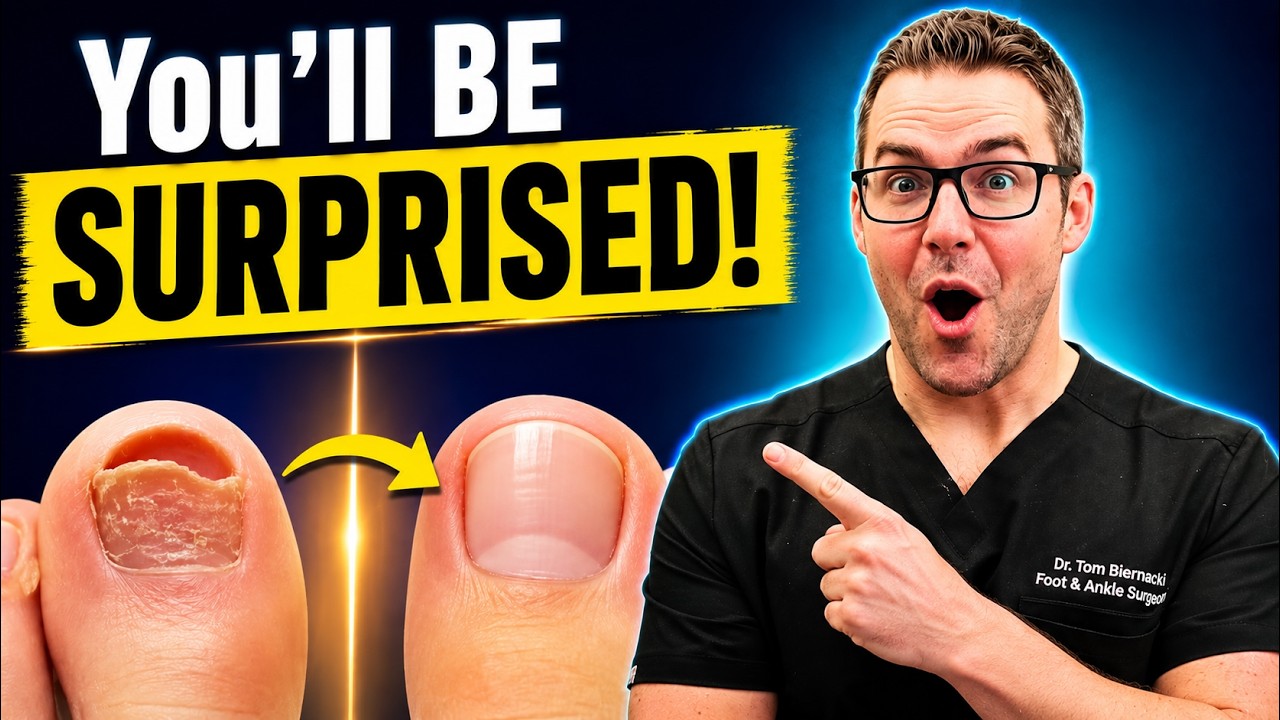
Dr. Tom explains the full toenail growth cycle, how long nails take to regrow after damage or removal, and how nail polish use affects nail health over time. Important context for anyone who regularly gets pedicures or wears nail color.
⚠ The Most Common Nail Polish Mistake
Patients wear dark nail polish continuously for months — masking the early signs of nail fungus until the infection is well-established and harder to treat. Toenail polish worn without breaks traps moisture and creates an oxygen-deprived environment that encourages fungal growth. Clinical recommendation: remove nail polish completely for at least 1–2 weeks between applications to inspect nail color, texture, and integrity. Yellow, brown, thickened, or crumbling nails found under polish need evaluation before reapplication. If you have recurring fungal nail infections, gel or acrylic nail products seal the nail plate and are contraindicated until infection is fully resolved.
Frequently Asked Questions
In-Office Treatment at Balance Foot & Ankle
If home treatment isn’t providing relief for your toenail or nail condition, our podiatry team at Balance Foot & Ankle can help with same-day evaluations and advanced in-office care.
Same-day appointments available. (810) 206-1402
🆕 Dr. Tom’s Top-Recommended Products
30% of every Foundation Wellness sale supports free clinics. Clinically vetted — nothing we wouldn’t use ourselves.
PowerStep Pinnacle Insoles
Podiatrist-designed arch support for daily comfort and injury prevention.
Doctor Hoy’s Pain Relief Gel
Natural topical pain relief — no NSAIDs, no prescription needed.
APMA: Nail Polish and Foot Health
Ready to Get Relief?
Same-day appointments available in Howell & Bloomfield Township, MI
4.9★ | 1,123 Reviews | 3,000+ Surgeries
Or call: (810) 206-1402

Dr. Tom Biernacki, DPM is a board-certified foot & ankle surgeon (ABFAS & ABPM) at Balance Foot & Ankle Specialists in Southeast Michigan. With over a decade of clinical experience, he specializes in heel pain, bunions, diabetic foot care, sports injuries, and minimally invasive surgery. Dr. Biernacki is a member of the APMA and ACFAS, and his patient education content on MichiganFootDoctors.com and YouTube has made him one of the most-followed foot & ankle educators on YouTube.