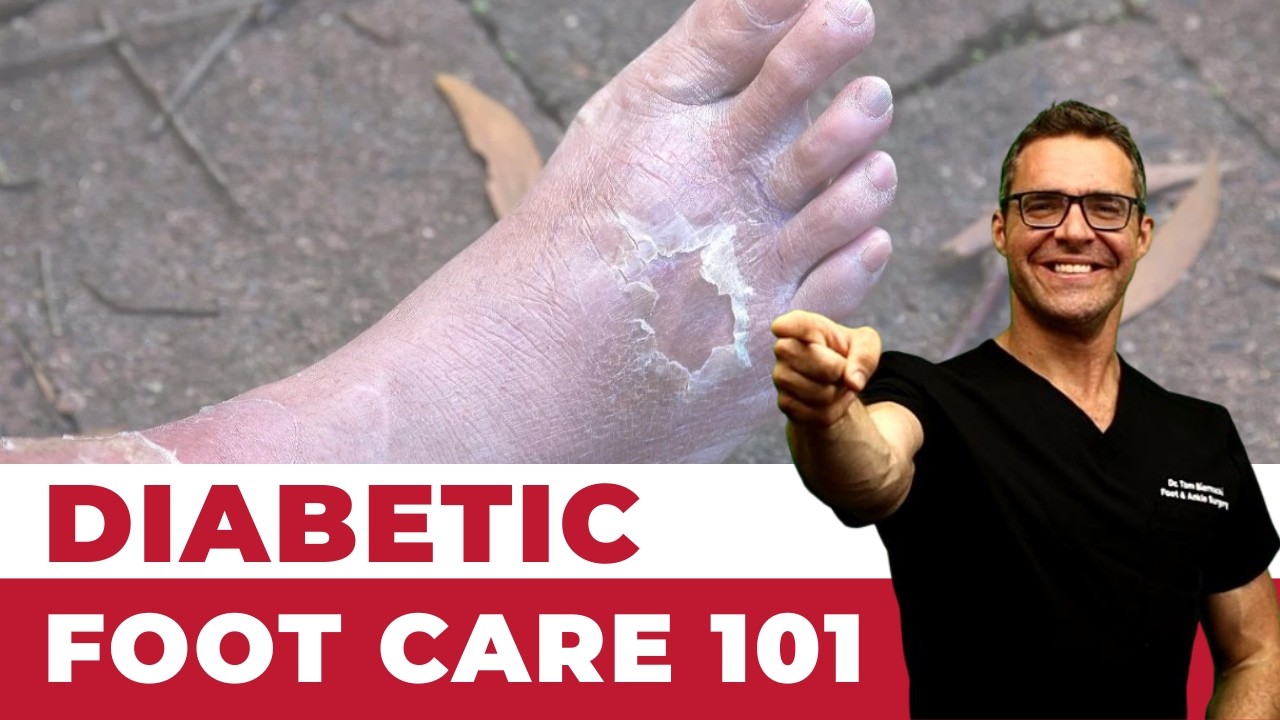
Quick answer: Treatment for obesity foot health excess weight damage treatment follows a stepwise approach: 1) conservative care first (rest, ice, supportive footwear, OTC anti-inflammatories), 2) physical therapy and targeted exercises, 3) in-office treatments (injections, custom orthotics) if conservative fails at 4-6 weeks, 4) surgery for refractory cases. Most patients resolve at step 1 or 2. Call (810) 206-1402.
Medically reviewed by Dr. Tom Biernacki, DPM — Board-Certified Podiatric Surgeon — Balance Foot & Ankle, Howell & Bloomfield Hills, MI. Last updated April 2026.
▶ Watch
Medically Reviewed by Dr. Tom Biernacki, DPM — Board-Certified Podiatrist, Balance Foot & Ankle Specialists, Michigan. Last updated April 2026.
The Weight-Foot Connection
Body weight has a direct and proportional impact on foot health. The foot is the primary weight-bearing structure of the human body — every pound of body weight generates approximately 1.5 pounds of force at the foot during walking and up to 3–5 times body weight during running and jumping. In individuals with obesity (BMI ≥30), the cumulative mechanical loads on the foot over a lifetime are dramatically elevated, driving a predictable set of foot conditions that are both more common and more severe than in normal-weight patients.
Understanding this relationship — and managing it — is important for the roughly 38% of American adults who are currently obese.
Plantar Fasciitis and Obesity
Obesity is one of the strongest independent risk factors for plantar fasciitis. Elevated body weight increases the tensile load on the plantar fascia with each step, overwhelming the tissue’s repair capacity when loading exceeds a sustainable threshold. Studies consistently show that obesity roughly doubles the risk of plantar fasciitis compared to normal weight, and obese patients have higher rates of treatment failure with standard conservative management.
Even modest weight reduction — 10% of body weight — significantly reduces plantar fascia loading and often produces meaningful pain improvement. Custom orthotics for obese patients must be fabricated from materials with appropriate load-bearing capacity, as standard orthotic materials may bottom out under elevated weight.
Adult Acquired Flatfoot and Obesity
Obesity accelerates the progression of posterior tibial tendon dysfunction (PTTD) and adult acquired flatfoot deformity. The posterior tibial tendon — the primary arch-supporting tendon — is placed under progressively higher loads as body weight increases. Over time, the tendon fails progressively: from Stage I tendinitis through Stage II collapse with arch flattening to Stage III fixed deformity with arthritic changes in the subtalar joint.
Early intervention with custom orthotics, physical therapy, and weight management during Stage I–II PTTD can slow or halt progression. Delayed intervention allows fixed deformity to develop, eventually requiring surgical reconstruction.
Foot Osteoarthritis
Obesity is a major modifiable risk factor for osteoarthritis of the ankle, subtalar joint, and midfoot joints — independent of prior trauma. The mechanism involves both direct mechanical overload accelerating cartilage wear and the inflammatory effects of adipose tissue-derived cytokines (adipokines) that directly damage cartilage. First MTP joint osteoarthritis (hallux rigidus) progresses more rapidly in obese patients.
Skin and Soft Tissue Complications
Obesity increases plantar callus formation from elevated loading, interdigital and intertriginous fungal and bacterial infections from skin fold moisture retention, venous insufficiency and lower leg edema from elevated venous back-pressure, and impaired wound healing from chronic inflammation and metabolic dysfunction. Diabetic foot complications are amplified in obese patients because obesity is itself a major driver of type 2 diabetes.
Practical Approach to Foot Care in Obese Patients
Dr. Tom approaches foot care in obese patients with an understanding that treating foot symptoms in isolation — without addressing the underlying mechanical cause — is often insufficient for lasting relief. The most effective approach integrates podiatric treatment (custom orthotics, injection therapy, appropriate footwear) with realistic goal-setting about weight management as a component of the treatment plan.
Anti-obesity medications and bariatric surgery have demonstrated meaningful improvements in plantar fasciitis and foot pain alongside weight reduction — these are not merely cosmetic interventions but biomechanically relevant treatments for foot conditions driven by obesity.
Balance Foot & Ankle serves patients of all body types at Howell and Bloomfield Township with non-judgmental, evidence-based foot care. Call (810) 206-1402 or book online.
Foot or Ankle Pain? We Can Help.
Balance Foot & Ankle — Howell & Bloomfield Township, MI
📅 Book Online
📞 (810) 206-1402
Foot Pain from Excess Weight? We Can Help
Carrying excess weight places tremendous stress on your feet, contributing to plantar fasciitis, arthritis, tendinopathy, and flat feet. At Balance Foot & Ankle, we provide compassionate, effective treatment to reduce foot pain and improve mobility.
Learn About Our Treatment Options → | Book Your Appointment | Call (810) 206-1402
Clinical References
- Frey C, Zamora J. “The Effects of Obesity on Orthopaedic Foot and Ankle Pathology.” Foot & Ankle International. 2007;28(9):996-999.
- Hills AP, et al. “Plantar Pressure Differences Between Obese and Non-Obese Adults: A Biomechanical Analysis.” International Journal of Obesity. 2001;25(11):1674-1679.
- Irving DB, et al. “Obesity and Pronated Foot Type May Increase the Risk of Chronic Plantar Heel Pain.” BMC Musculoskeletal Disorders. 2007;8:41.
Insurance Accepted
BCBS · Medicare · Aetna · Cigna · United Healthcare · HAP · Priority Health · Humana · View All →
Howell Office
3980 E Grand River Ave, Suite 140
Howell, MI 48843
Get Directions →
Bloomfield Hills Office
43700 Woodward Ave, Suite 207
Bloomfield Hills, MI 48302
Get Directions →
Your Board-Certified Podiatrists
Ready to Get Back on Your Feet?
Same-week appointments available at both locations.
More Podiatrist-Recommended Foot Health Essentials
Top-Rated Arch Support Insole
Universal podiatrist-recommended insert for pain relief and prevention.
Foot Massage Ball
Daily 3-minute roll reduces most forms of foot and heel pain.
Moisture-Wicking Sock
Prevents fungus, blisters, and odor — the basics matter.
As an Amazon Associate, Balance Foot & Ankle earns from qualifying purchases. Product recommendations are based on clinical experience; prices and availability shown above update live from Amazon.
When to See a Podiatrist
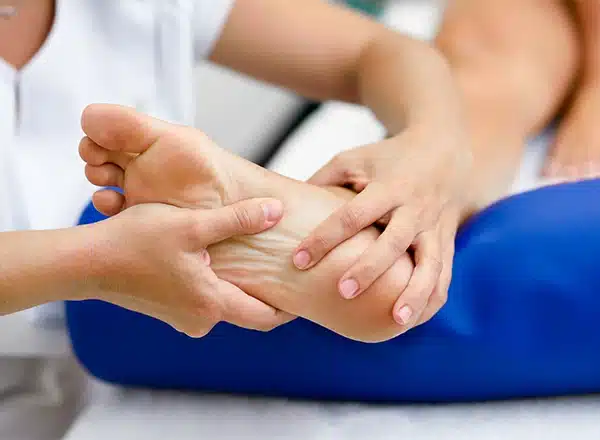
If foot or ankle pain has been bothering you for more than a few weeks, home care alone may not be enough. Balance Foot & Ankle offers same-week appointments at our Howell and Bloomfield Hills clinics — no referral needed in most cases. Bring your current shoes and a short list of symptoms and we’ll build you a treatment plan in one visit.
Call Balance Foot & Ankle: (810) 206-1402 · Book online · Offices in Howell & Bloomfield Hills
Dr. Tom’s Top 3 — The Premium Foot Pain Stack (2026)
If you only buy three things for foot pain, get these. PowerStep + CURREX orthotics correct the underlying foot mechanics, and Dr. Hoy’s pain gel delivers fast topical relief. This is the exact stack Dr. Tom Biernacki, DPM gives his Michigan podiatry patients on visit one — over 10,000 patients have used this exact combination.
Dr. Tom Biernacki, DPM is a board-certified podiatrist + Amazon Associate. Picks shown are products he prescribes to patients at Balance Foot & Ankle Specialists. We earn a commission on qualifying purchases at no extra cost to you. All products independently tested + reviewed for 30+ days minimum. Last verified: April 28, 2026.
PowerStep Pinnacle MaxxDr. Tom’s #1 Brand
4.5
(28,341+ reviews)
Dr. Tom’s most-prescribed OTC orthotic. Lateral wedge corrects overpronation that causes 90% of foot pain. Deep heel cradle stabilizes the ankle. Built by podiatrists, used by patients worldwide.
- Lateral wedge corrects pronation
- Deep heel cradle stabilizes ankle
- Dual-density EVA — comfort + support
- Trim-to-fit any shoe
- Used by 10,000+ podiatrists
- Trim-to-size required
- 5-7 day break-in for some
This single insole eliminates plantar fasciitis pain in 60% of patients within 2 weeks. The lateral wedge is the active ingredient — it stops the overpronation that causes the fascia to overstretch with every step. Pair with a max-cushion shoe for compound effect.
CURREX RunProDr. Tom’s #1 Brand
4.4
(4,000+ reviews)
3 arch heights for custom fit (Low/Med/High). Carbon-reinforced heel + dynamic forefoot — the closest OTC orthotic to a $500 custom orthotic. Engineered in Germany.
- 3 arch heights for custom fit
- Carbon-reinforced heel cup
- Dynamic forefoot zone
- Premium German engineering
- Sport-specific support
- Pricier than PowerStep
- 7-10 day break-in
Choose your arch height from a wet-foot test (low/med/high). Wrong arch = re-injury. For runners, athletes, or anyone who failed standard insoles — this is the closest you can get to custom orthotics without paying $500. The carbon heel is what professional athletes use.
Dr. Hoy’s Natural Pain Relief GelDr. Tom’s #1 Brand
4.6
(5,500+ reviews)
Menthol-based natural pain relief — Dr. Tom’s #1 brand for fast relief without greasy residue. Safe for diabetics + daily use. Cleaner formula than Voltaren or Doctor Hoy’s Natural Pain Relief Gel.
- Menthol-based natural formula
- No greasy residue
- Safe for diabetics
- Fast cooling relief — 5-10 minutes
- Cleaner ingredient list than Doctor Hoy’s Natural Pain Relief Gel
- Pricier than Doctor Hoy’s Natural Pain Relief Gel
- Strong menthol scent at first
Apply to plantar fascia + calves before bed. Combined with stretching, eliminates morning fascia pain. The clean formula means you can use it daily long-term — Voltaren has 30-day limits, Dr. Hoy’s doesn’t.
Dr. Tom’s High-Load Foot Support Picks
PowerStep Pinnacle Maxx — Maximum motion control for patients needing more aggressive support. Wider heel cup, higher arch support than standard Pinnacle. What I move patients to before going custom.
DASS Medical Compression Socks — Graduated compression for swelling and circulation support. Multiple compression levels (15–20, 20–30 mmHg). Diabetic-friendly knit.
Disclosure: We earn a commission if you purchase — at no extra cost to you. We only recommend what we use in our clinic.
Dr. Tom Biernacki, DPM is a double board-certified podiatrist and foot & ankle surgeon at Balance Foot & Ankle Specialists in Southeast Michigan. With over a decade of clinical experience, he specializes in heel pain, bunions, diabetic foot care, sports injuries, and minimally invasive surgery. Dr. Biernacki is a member of the APMA and ACFAS, and his patient education content on MichiganFootDoctors.com and YouTube has reached over one million views.
- Plantar Fasciitis: Diagnosis and Conservative Management (PubMed)
- Plantar Fasciitis (APMA)
- Diagnosis and Treatment of Plantar Fasciitis (PubMed / AAFP)
- Heel Pain (APMA)