

Quick answer: Peripheral Arterial Disease Feet Vascular is a clinical condition that responds to evidence-based treatment when caught early. Symptoms include pain, swelling, and altered function. Diagnosis requires clinical exam, often imaging. Treatment ladder: conservative care first (4-6 weeks), then targeted interventions if needed. Call (810) 206-1402.
Medically reviewed by Dr. Tom Biernacki, DPM — Board-Certified Podiatric Surgeon — Balance Foot & Ankle, Howell & Bloomfield Township, MI. Last updated April 2026.
▶ Watch
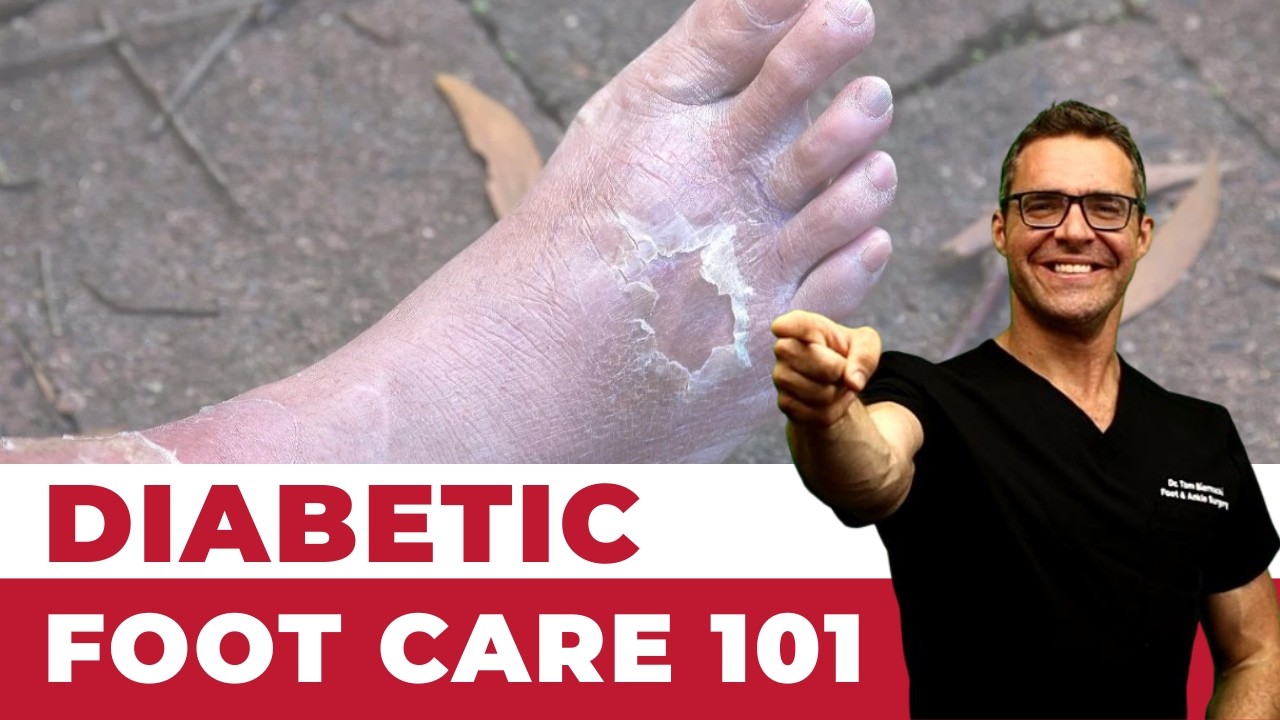
Medically reviewed by Dr. Tom Biernacki, DPM | Board-certified podiatrist | 3,000+ surgeries performed
Last updated: April 2, 2026

How PAD Affects the Feet
Peripheral arterial disease narrows the arteries supplying the lower extremities through atherosclerotic plaque buildup. As the arterial lumen decreases, blood flow to the feet becomes insufficient to meet metabolic demands — first during exercise (causing claudication), then at rest (causing rest pain), and finally resulting in tissue death (gangrene and non-healing ulcers).
The feet are particularly vulnerable because they are the most distal territory in the arterial tree. The posterior tibial and dorsalis pedis arteries are the final branches delivering oxygenated blood to foot tissue. When upstream disease reduces flow, these end-arteries cannot compensate through collateral circulation the way proximal vessels can.
In our clinic, PAD often presents alongside diabetic neuropathy — a dangerous combination. Neuropathy eliminates the pain warning system while PAD impairs healing capacity. The patient develops a painless wound that cannot heal because of insufficient blood supply. This is the pathway to diabetic foot amputation, and it is preventable with early detection.
Recognizing PAD Symptoms in the Feet
Intermittent claudication is the hallmark early symptom — cramping calf or foot pain that occurs with walking and resolves with 2-5 minutes of rest. The pain is remarkably reproducible — patients can often identify the exact distance they can walk before symptoms begin. Claudication occurs because exercising muscles demand more oxygen than the narrowed arteries can deliver.
Critical limb ischemia (CLI) represents advanced PAD with rest pain, typically felt in the forefoot and toes at night. Patients hang their feet over the bed edge or sleep in a chair because gravity assists blood flow to the dependent foot. The pain is described as burning, gnawing, and relentless — fundamentally different from musculoskeletal foot pain.
Skin changes provide visible evidence of PAD: thin, shiny skin with hair loss on the lower legs and dorsal feet; cool skin temperature; pallor with elevation (raise the foot and it blanches); delayed capillary refill; and dependent rubor (the foot turns dusky red when hanging down). These findings are free to assess and highly specific for arterial insufficiency.
Diagnostic Testing for PAD
The ankle-brachial index (ABI) is the first-line screening test. Blood pressure is measured at the ankle and arm — the ratio should be 1.0-1.3. An ABI below 0.9 confirms PAD, below 0.7 indicates moderate disease, and below 0.4 indicates severe disease with critical ischemia. The test takes 15 minutes, is non-invasive, and is reimbursed by insurance.
Toe pressures and transcutaneous oxygen measurements (TcPO2) assess perfusion at the tissue level. Toe pressure below 30 mmHg or TcPO2 below 30 mmHg predicts poor wound healing. These measurements are particularly valuable in diabetic patients whose calcified arteries may produce falsely elevated ABI readings.
Arterial duplex ultrasound maps the location and severity of stenoses throughout the lower extremity arterial tree. CT angiography (CTA) and MR angiography (MRA) provide detailed anatomical roadmaps for revascularization planning. Diagnostic catheter angiography remains the gold standard and allows simultaneous treatment (angioplasty/stenting) when significant disease is identified.
Medical Management of PAD
Risk factor modification is the foundation of PAD treatment. Smoking cessation is the single most impactful intervention — continued smoking doubles the progression rate to critical ischemia and amputation. Statin therapy, antiplatelet agents (aspirin or clopidogrel), blood pressure control, and glycemic optimization in diabetics slow disease progression.
Supervised exercise therapy improves walking distance by 50-200% through development of collateral blood vessel pathways. Structured programs of 30-45 minutes of walking to the point of claudication, 3 times weekly for 12 weeks, produce improvements comparable to revascularization for mild-moderate disease. Cilostazol (Pletal) is the only FDA-approved medication for claudication symptoms.
Foot care in PAD patients requires careful attention: daily foot inspection, moisturizing (never between toes), proper shoe fit, prompt treatment of any skin breakdown, and avoidance of heat application (heating pads, soaking in hot water). Patients with PAD should never go barefoot and should see a podiatrist regularly for nail care and callus management.
Revascularization for Limb Salvage
Endovascular revascularization (balloon angioplasty, stenting, atherectomy) opens blocked arteries from inside using catheter-based techniques. Below-the-knee and pedal artery interventions can restore direct blood flow to the foot through minimally invasive approaches. The angiosome concept — targeting the specific artery feeding the wound — improves wound healing rates.
Surgical bypass creates a detour around the blocked arterial segment using the patient’s own vein (preferred) or synthetic graft. Femoral-to-pedal bypass can restore pulsatile flow to the foot even when all three tibial arteries are occluded. Five-year patency rates for vein bypass grafts exceed 60-70% at experienced centers.
The decision between endovascular and surgical revascularization depends on disease anatomy, patient comorbidities, available conduit (vein), and center expertise. Many patients benefit from hybrid approaches combining both techniques. At Balance Foot & Ankle, we coordinate closely with vascular surgery to ensure optimal revascularization strategy for every limb-threatened patient.
In-Office Treatment at Balance Foot & Ankle
Dr. Tom Biernacki performs comprehensive vascular screening including ABI testing, pedal pulse examination, and wound assessment for patients with suspected PAD. Our multidisciplinary approach coordinates podiatric wound care with vascular surgery revascularization to maximize limb salvage outcomes.
Same-week appointments available. Call (810) 206-1402 or visit michiganfootdoctors.com/new-patient-information/ to schedule.
The Most Common Mistake We See
The most common mistake we see is treating a PAD-related foot wound as a simple wound care problem without checking vascular status. No amount of debridement, antibiotics, or advanced wound care will heal a wound that lacks adequate blood supply. ABI testing should be the first step in evaluating any non-healing foot wound.
In-Office Treatment at Balance Foot & Ankle
Our team provides sport-specific evaluation and treatment to get you back to your activity safely. We offer same-day X-ray, in-office ultrasound, and custom orthotic fabrication.
Same-week appointments available. Call (810) 206-1402 or book online.
More Podiatrist-Recommended Foot Health Essentials
Hoka Clifton 10

Max-cushion everyday shoe — podiatrist favorite for walking and running.

OOFOS Recovery Slide

Impact-absorbing recovery sandal — wear after long days on your feet.
As an Amazon Associate, Balance Foot & Ankle earns from qualifying purchases. Product recommendations are based on clinical experience; prices and availability shown above update live from Amazon.
When to See a Podiatrist
If foot or ankle pain has been bothering you for more than a few weeks, home care alone may not be enough. Balance Foot & Ankle offers same-week appointments at our Howell and Bloomfield Township clinics — no referral needed in most cases. Bring your current shoes and a short list of symptoms and we’ll build you a treatment plan in one visit.
Call Balance Foot & Ankle: (810) 206-1402 · Book online · Offices in Howell & Bloomfield Township
Frequently Asked Questions
What are the warning signs of PAD in the feet?
Claudication (leg cramping with walking that resolves with rest), cool skin, hair loss on feet and legs, slow-healing wounds, skin color changes, and rest pain in the toes at night. An ankle-brachial index below 0.9 confirms the diagnosis.
Can PAD be reversed?
Atherosclerotic plaque cannot be fully reversed, but aggressive risk factor management — smoking cessation, statins, exercise, blood pressure and glucose control — significantly slows progression and improves symptoms. Supervised exercise therapy can improve walking distance by 50-200%.
How is PAD related to amputation?
PAD reduces blood flow needed for wound healing. When combined with diabetic neuropathy (which eliminates pain warning), minor injuries become non-healing wounds that progress to infection, gangrene, and amputation. Early PAD detection and foot care dramatically reduce amputation risk.
Does insurance cover PAD testing?
Yes, ABI testing and vascular studies are covered by most insurance plans including Medicare when ordered for diagnostic purposes. Medicare specifically covers ABI screening for at-risk populations including smokers, diabetics, and patients over 65 with risk factors.
The Bottom Line
PAD is a systemic disease with devastating local consequences in the feet. Early detection with simple ABI testing, aggressive risk factor management, and coordinated vascular care preserve limbs and save lives. If your feet are cold, your legs cramp when walking, or you have a wound that will not heal, check your vascular status before anything else.
Sources
- Gerhard-Herman MD, et al. AHA/ACC guideline on the management of lower extremity PAD. Circulation. 2024;149(12):e218-e276.
- Armstrong DG, et al. Diabetic foot ulcers and vascular disease. N Engl J Med. 2023;388(24):2294-2303.
- Conte MS, et al. GVG guidelines on chronic limb-threatening ischemia. J Vasc Surg. 2024;79(1):S1-S109.
Dr. Tom’s Vascular Support Picks
DASS Medical Compression Socks — Graduated medical compression (15–20 or 20–30 mmHg). Unlike most OTC compression socks, DASS is truly graduated. Diabetic-friendly knit — critical for PAD and circulation conditions.
PowerStep Pinnacle Insoles — Arch support reduces abnormal gait mechanics that stress vascular-compromised limbs. Sub-$50 vs $400+ custom orthotics.
Disclosure: We earn a commission if you purchase — at no extra cost to you. We only recommend what we use in our clinic.
Get Vascular Screening for Your Foot Pain
Dr. Tom Biernacki has performed over 3,000 foot and ankle surgeries with a 4.9-star rating from 1,123 patient reviews.
Or call (810) 206-1402 for same-week appointments
Foot & Ankle Care in Michigan
Our podiatrists provide expert care for the full range of foot and ankle conditions. From conservative treatment to surgical solutions, Balance Foot & Ankle is here to help at our Howell and Bloomfield Township locations.
Schedule Your Appointment Today | Book Your Appointment | Call (810) 206-1402
Clinical References
- Thomas MJ, et al. The population prevalence of foot and ankle pain in middle and old age. Pain. 2011;152(12):2870-2880.
- Hill CL, et al. Prevalence and correlates of foot pain in a population-based study. Journal of Foot and Ankle Research. 2008;1(1):2.
- Menz HB, Morris ME. Footwear characteristics and foot problems in older people. Gerontology. 2005;51(5):346-351.
Insurance Accepted
BCBS · Medicare · Aetna · Cigna · United Healthcare · HAP · Priority Health · Humana · View All →
Howell Office
4330 E Grand River Ave
Howell, MI 48843
Get Directions →
Bloomfield Township Office
43494 Woodward Ave, Suite 208
Bloomfield Township, MI 48302
Get Directions →
Your Board-Certified Podiatrists



Ready to Get Back on Your Feet?
Same-week appointments available at both locations.
Book Your AppointmentIn-Office Treatment at Balance Foot & Ankle

If home treatment isn’t providing relief for your foot and ankle pain, our podiatry team at Balance Foot & Ankle can help with same-week evaluations and advanced in-office care.
Same-week appointments available. (810) 206-1402
Doctor Hoy’s Natural Pain Relief Gel
Natural topical pain relief I use in our clinic. Arnica + camphor formula — apply directly to the area 3–4x daily. ($20–25)
Shop Doctor Hoy’s →Get Expert Care at Balance Foot & Ankle
Same-week appointments at our Howell and Bloomfield Township offices. Board-certified podiatric surgeons. Most insurance accepted.

Dr. Tom Biernacki, DPM is a board-certified foot & ankle surgeon (ABFAS & ABPM) at Balance Foot & Ankle Specialists in Southeast Michigan. With over a decade of clinical experience, he specializes in heel pain, bunions, diabetic foot care, sports injuries, and minimally invasive surgery. Dr. Biernacki is a member of the APMA and ACFAS, and his patient education content on MichiganFootDoctors.com and YouTube has made him one of the most-followed foot & ankle educators on YouTube.