
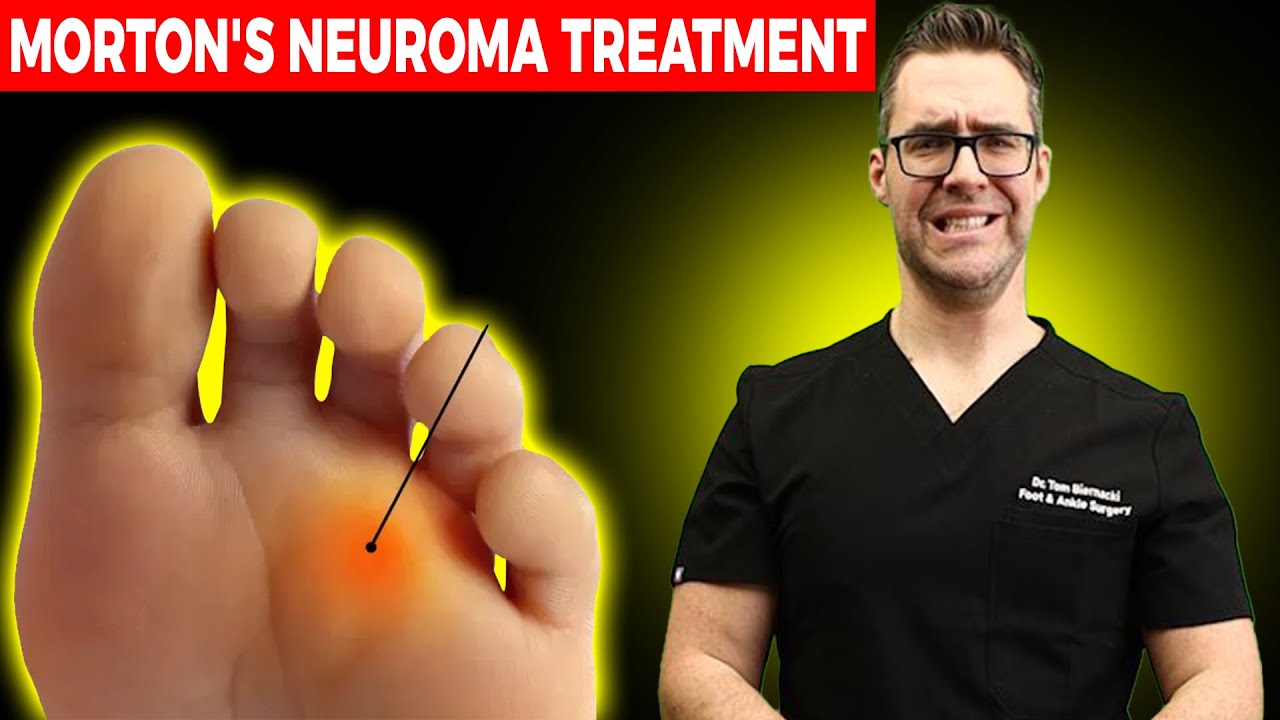
Tingling, Numbness, or Pain in Your Foot?
What Is a Pinched Nerve in the Foot & Why It Happens
A pinched nerve in the foot occurs when surrounding tissues—like bones, muscles, or tendons—compress a nerve, causing pain, tingling, numbness, or weakness. It’s a common issue that can affect your ability to walk comfortably or even stand. Early diagnosis and proper treatment are key to preventing long-term damage and restoring normal function.
https://www.youtube.com/watch?v=XsQhGOzPggcUnderstanding the Root Causes of a Pinched Nerve in the Foot
Pinched nerves in the foot are often caused by repetitive stress, improper footwear, injuries, or medical conditions like flat feet, arthritis, or diabetes. Common culprits include tarsal tunnel syndrome, Morton’s neuroma, and nerve entrapments due to inflammation or trauma. Identifying the exact cause allows for a targeted treatment plan—which may include rest, orthotics, physical therapy, or surgical correction in more severe cases.
Pinched Nerve in the Foot: Causes, Symptoms & Best HOME Treatment
95% of the time, a pinched nerve in the foot is reversible and treatable! Consider Morton’s neuroma, tarsal tunnel compression, or superficial peroneal nerve pain!
Look:
- Ball of the foot and arch nerve pain can be improved with a few simple treatment changes.
- We are foot doctors & we see this problem get better almost every day.
- The goal is to solve this problem without medication or surgery if at all possible.
Stop the Pain—Get Relief from a Pinched Nerve in Your Foot
If you’re experiencing numbness, tingling, or sharp foot pain, don’t wait. At Balance Foot & Ankle in Howell and Bloomfield, Michigan, Dr. Tom Biernacki specializes in diagnosing and treating nerve-related foot issues. We focus on proven treatments that have worked for 10,000+ patients. Book your consultation today and take your first step toward pain-free living.
Call now or book an appointment online—your peace of mind starts here.
BOOK NOWHow Do I Treat a Pinched Nerve in the Foot Video
https://youtu.be/XsQhGOzPggcTop-Rated Foot Care Products Recommended by Podiatrists
Trusted Solutions To Soothe, Protect, and Support Your Feet

Finding the best products for managing peripheral neuropathy and diabetic foot pain can make a world of difference in your daily comfort and mobility.

When it comes to managing foot pain from conditions like plantar fasciitis, flat feet, or diabetic neuropathy, the best orthotics can offer crucial support and relief.

Choosing the best shoes for foot conditions like neuropathy, plantar fasciitis, or flat feet is essential for pain relief and long-term foot health.
What Causes a Pinched Nerve in the Foot?
A Pinched Nerve in Foot Overview
- A pinched nerve in foot treatment: It can be very straightforward to take care of pinched nerve pain in the foot.
- The most important thing is to diagnose where the pain is coming from.
- There are major nerves in the foot: The superficial peroneal nerve, the deep peroneal nerve, the common peroneal nerve, the posterior tibial nerve, and the plantar nerves.
- These sites can lead to numerous sites of impingement.
Symptoms:
- Sharp pain.
- Shoot pain.
- Radiating pain.
- Felt more at night than during the day.
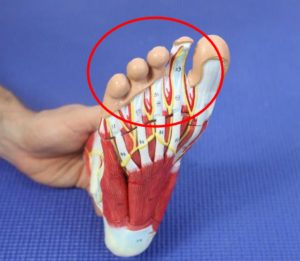
Pinched Nerve in Foot Symptoms
- The most common pinched nerve pain symptoms are sharp, shooting, and tingling pain.
- It is very common to feel this at night more than during the day.
- Although when it gets more tender during the day, it is usually during periods of high pressure and activity that you can begin to feel pain.
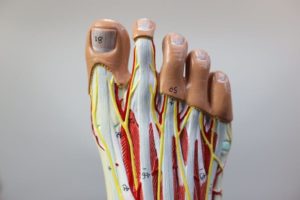
Causes:
- Sural nerve compression on top of the foot.
- Morton’s neuroma in the ball of the foot.
- Tarsal tunnel compression in the ankle.
- Sural nerve impingement on the outside of the foot.
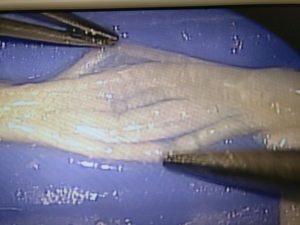
The Pinched Nerve on Top of Foot:
- A pinched nerve on top of the foot is almost always the superficial peroneal nerve.
- This is usually due to a high arched foot that is impinging at the top of the foot.
- This leads to radiating down the foot and back up the leg.
- This can feel like when you bump your elbow or “funny bone.”
- This usually hurts more as you are walking.
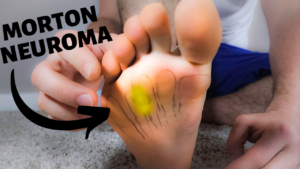
Treatment for Pinched Nerve in Foot Pain:
- The easiest way to treat a pinched nerve in the foot is to find out why it is pinched.
- The most common way to take care of a problem like this is to utilize orthotics and good roomy shoes, but it is possible to address it through medication and surgery.
- See one of our podiatrists to diagnose your nerve pain and have your foot evaluated.
Treatment Options of Pinched Nerve Pain:
- Roomier or specially constructed shoes.
- Orthotics (inserts) for the shoes.
- Anti-inflammatory medicines.
- Topical anti-inflammatories like Diclofenac gel.
- Cortisone injections – including Kenalog mixed with an anesthetic.
- Surgically freeing the nerve from

Book Your Appointment Today—Relief Starts with One Call
Fast, Friendly, and Professional Treatment You Can Trust
(810) 206-1402 BOOK A SCHEDULEFrequently Asked Questions About Pinched Nerve in the Foot
What are the symptoms of a pinched nerve in the foot?Tingling, numbness, burning sensations, weakness, and shooting pain are common signs.
What causes a pinched nerve in the foot?Common causes include tarsal tunnel syndrome, Morton’s neuroma, improper footwear, and repetitive stress.
How is a pinched nerve in the foot diagnosed?Diagnosis typically involves a physical exam, medical history, and imaging like X-rays, ultrasound, or MRI.
Can a pinched nerve in the foot heal on its own?Mild cases may improve with rest and supportive footwear, but persistent symptoms require medical attention.
What are treatment options for a pinched nerve in the foot?Treatments include rest, anti-inflammatory meds, orthotics, physical therapy, and in some cases, surgery.
What are the symptoms of a pinched nerve in the foot?Tingling, numbness, burning sensations, weakness, and shooting pain are common signs.
Is a pinched nerve the same as Morton’s neuroma?Morton’s neuroma is a specific type of pinched nerve usually found between the third and fourth toes.
Can wearing bad shoes cause a pinched nerve?Yes, tight or unsupportive shoes can compress nerves and contribute to foot pain or nerve issues.
How long does it take for a pinched nerve to heal?Recovery time varies, but with proper care, many people feel better in a few weeks to a couple of months.
When should I see a podiatrist?If you have ongoing numbness, tingling, or pain that doesn’t improve, consult a podiatrist as soon as possible.
Can a pinched nerve in the foot cause leg or back pain?In some cases, the discomfort may radiate up the leg, especially if the nerve issue stems from higher up in the body.
Related Treatment Guides
📧 Get Dr. Tom’s Free Lab Test Guide
Discover the 5 lab tests every person over 35 should ask their doctor about — explained in plain English by a board-certified physician.
📍 Located in Michigan?
Our board-certified podiatrists treat this condition at two convenient locations. Same-day appointments often available.

Dr. Tom Biernacki, DPM is a board-qualified podiatrist and foot & ankle surgeon serving Southeast Michigan at Balance Foot & Ankle Specialists. A Michigan native, Dr. Biernacki earned his undergraduate degree from Michigan State University and his Doctor of Podiatric Medicine (DPM) from Kent State University College of Podiatric Medicine. He completed a three-year comprehensive surgical residency in foot and ankle surgery in the Detroit metro area.
Dr. Biernacki specializes in the treatment of heel pain, bunions, hammertoes, diabetic foot care, sports injuries, flatfoot correction, and minimally invasive foot surgery. He is dedicated to providing evidence-based, patient-centered care that helps people of all ages stay active and pain-free.
He sees patients at multiple convenient Metro Detroit locations and is committed to community education through the MichiganFootDoctors.com resource library. Dr. Biernacki is a member of the American Podiatric Medical Association (APMA) and the Michigan Podiatric Medical Association (MPMA).