
Medically reviewed by Dr. Tom Biernacki, DPM
Board-certified podiatric surgeon | Balance Foot & Ankle, Howell & Bloomfield Township, MI
Last reviewed: May 2026

| Feature | Plantar Fascia Rupture | Plantar Fasciitis |
|---|---|---|
| Onset | Sudden, during activity (acute) | Gradual, insidious |
| Pain character | “Pop,” shooting, immediate severe pain | Aching, stabbing with first steps |
| Worst time | Continuous; with every step | Morning (post-static dyskinesia) |
| Bruising | Common (arch/heel within hours) | Absent |
| Swelling | Immediate, significant | Mild, if present |
| MRI findings | Fascial discontinuity, fluid signal at rupture site | Thickening >4mm, perifascial edema |
| Treatment | Boot immobilization 4–6 weeks + rehab | Stretching, orthotics, PT, injection |
| Return to sport | 3–6 months | Weeks to months |
| Recovery Phase | Timeline | Goals |
|---|---|---|
| Acute (immobilization) | Weeks 1–6 | Pain control, prevent further tearing; CAM boot, RICE |
| Early rehab | Weeks 6–10 | Gradual weight bearing, gentle intrinsic strengthening |
| Intermediate rehab | Weeks 10–16 | Progressive loading, calf/Achilles stretching, orthotics |
| Return to activity | Months 4–6 | Walking → jogging → running; sport-specific drills |
| Full sport return | Months 6–9 (high-demand athletes) | Pain-free at all activities; strength symmetry restored |
Quick answer: Plantar Fascia Rupture is a common foot/ankle topic that affects many patients. The 2026 evidence-based approach combines proper diagnosis, conservative-first treatment, and escalation only when needed. We treat this regularly at our Howell and Bloomfield Township practices. Call (810) 206-1402.
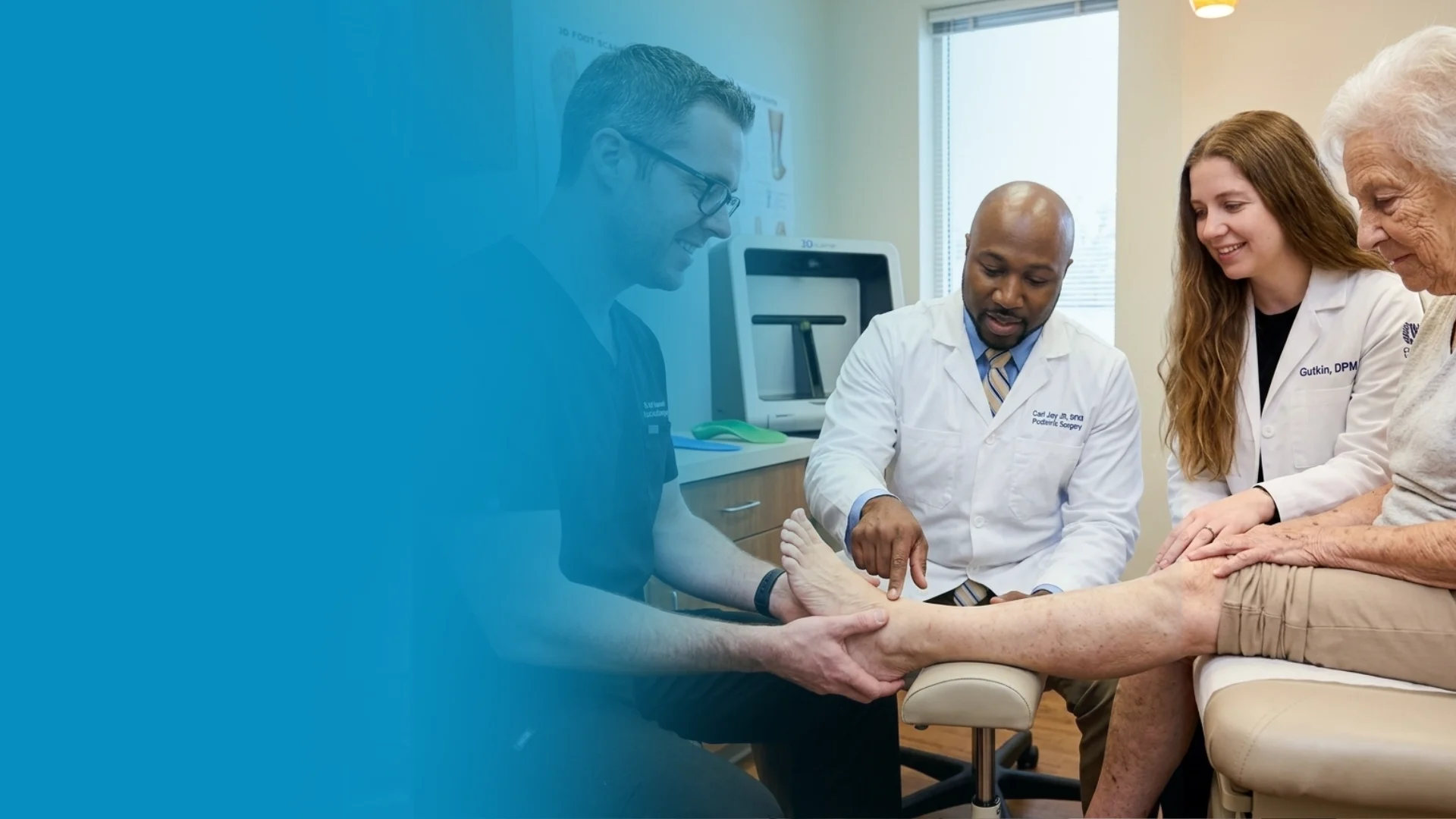

The most important clinical decision with Plantar Fascia Rupture isn’t which treatment to start with — it’s identifying the correct subtype. That changes everything. Call (810) 206-1402.
Plantar Fascia Rupture: Quick Answer
A plantar fascia rupture is one of the most painful foot injuries we see at Balance Foot and Ankle – and one of the most often misdiagnosed. Mistaking it for severe plantar fasciitis leads to weeks of wrong treatment and chronic problems. Here is how to recognize, treat, and recover from plantar fascia rupture.
What Is a Plantar Fascia Rupture?
A plantar fascia rupture is a partial or complete tear of the thick fibrous band running from heel to toes (the plantar fascia). Distinguished from plantar fasciitis: fasciitis is inflammation; rupture is structural failure. Often occurs in patients with chronic plantar fasciitis who continued running or jumping despite symptoms, or after multiple cortisone injections weakening the fascia.
How It Happens (Mechanism)
Common scenarios: 1. Runner with plantar fasciitis pushes off hard and feels sudden “pop” with severe pain. 2. Athlete in cleat sport (basketball, tennis, soccer) plants foot and feels tearing sensation. 3. Patient on second or third cortisone injection for plantar fasciitis develops sudden severe pain. 4. Older adult landing wrong from a step or curb. Often preceded by chronic plantar fasciitis symptoms.
Symptoms: Different from Plantar Fasciitis
Plantar fasciitis: Gradual onset; stabbing pain with first morning steps that improves with walking; reproducible tenderness over heel attachment. Plantar fascia rupture: Sudden severe pain (often described as “kicked in the foot” or “stepped on a knife”); audible or palpable “pop” sensation; significant swelling and bruising along arch and heel; inability to bear weight; pain that does NOT improve with walking; tenderness diffusely along plantar fascia (not just heel).
Diagnosis (Imaging Required)
Clinical exam suggests but cannot confirm rupture. Diagnostic ultrasound: shows discontinuity of plantar fascia fibers; fluid in the rupture site. MRI: gold standard – shows partial vs complete tear, exact location, surrounding tissue damage. X-ray: rules out heel fracture but does not show fascia. Physical examination findings: marked tenderness along plantar fascia, often with palpable defect; arch may appear flatter on affected side.
Conservative Treatment (Most Cases)
Initial 1-2 weeks: Walking boot (CAM walker) – non-weight-bearing or minimal weight bearing; ice; NSAIDs; elevation. Weeks 2-4: Continue boot with progressive weight bearing as tolerated; begin gentle range of motion. Weeks 4-6: Transition out of boot to supportive shoes with custom orthotic; physical therapy begins. Weeks 6-12: Gradual return to weight bearing activities; continue PT. Most ruptures heal with this protocol; fascia scars in shorter and may actually improve some cases of chronic fasciitis.
Surgical Treatment (Rare)
Surgical repair is rarely indicated. Considered for: Acute complete ruptures in elite athletes wanting fastest possible return. Procedures: Direct fascia repair, partial fasciotomy. Recovery: 6-12 weeks non-weight-bearing; 4-6 months to full activity. Most surgeons prefer conservative management as outcomes are similar with much less risk.
Recovery Timeline
Week 0-2: Walking boot, severe pain controlled with ice and NSAIDs; minimal weight bearing. Week 2-4: Pain dramatically improved; progressive weight bearing in boot. Week 4-6: Transition out of boot; begin supportive shoes with custom orthotic; daily walking 1-2 miles tolerated. Week 6-12: Physical therapy; gradual return to running and activity. Months 3-6: Return to sport; continue orthotics permanently. Most patients have less plantar fasciitis pain after rupture heals.
Permanent Considerations
Once ruptured, patients should: continue using custom orthotics permanently; avoid running on hard surfaces; maintain healthy weight; avoid future cortisone injections in same fascia (further weakens); continue daily stretching to maintain fascia flexibility; modify activities to lower-impact options if recurring problems. Some patients develop arch pain or flat foot deformity after large complete ruptures.
Prevention of Plantar Fascia Rupture
For patients with chronic plantar fasciitis: do not continue running through pain; avoid more than 2-3 cortisone injections; address biomechanics with custom orthotics; rest properly during flares; consider non-impact alternatives during recovery. For all athletes: gradual training progression; proper warmup; supportive shoes appropriate for activity; address foot pain promptly. Same-week appointments for sudden severe foot pain at Balance Foot and Ankle.
In-Office Treatment at Balance Foot & Ankle
If home treatment isn’t providing relief for your plantar fasciitis, our podiatry team at Balance Foot & Ankle can help with same-day evaluations and advanced in-office care.
Same-day appointments available. (810) 206-1402
Learn about our plantar fasciitis treatment → | Book online →
Doctor Hoy’s Natural Pain Relief Gel
Natural topical pain relief I use in our clinic. Arnica + camphor formula — apply directly to the area 3–4x daily. ($20–25)
Shop Doctor Hoy’s →Frequently Asked Questions About Plantar Fascia Rupture
How do I know if my plantar fascia is ruptured?
Sudden severe pain with audible/felt “pop”, inability to bear weight, swelling and bruising along arch and heel, pain that does NOT improve with walking. Different from gradual onset of plantar fasciitis.
What does plantar fascia rupture feel like?
Patients describe it as being kicked in the foot, stepping on a knife, or feeling/hearing a pop. Sudden severe pain that prevents weight bearing.
Will plantar fascia rupture heal on its own?
Yes – most ruptures heal with 6-12 weeks of walking boot, ice, NSAIDs, and gradual return to activity. Surgery is rarely needed.
How long is recovery from plantar fascia rupture?
Walking boot 4-6 weeks. Return to walking 6-8 weeks. Return to running 3-4 months. Some patients have permanent arch changes.
Can cortisone cause plantar fascia rupture?
Yes – multiple cortisone injections (more than 2-3) weaken fascia and increase rupture risk. Limit to 2-3 lifetime injections per foot.
Is plantar fascia rupture better or worse than fasciitis?
Acute pain is much worse with rupture. However, after healing, many patients have LESS plantar fasciitis pain – the rupture acts like a partial release. Some patients elect surgical fasciotomy for chronic refractory plantar fasciitis specifically.
Should I see a podiatrist or ER for sudden foot pain?
Same-day podiatrist evaluation is ideal. ER is appropriate if you cannot reach a podiatrist same-day, suspected fracture, severe deformity, or complete inability to bear weight.
Related Resources from Balance Foot & Ankle
Still Dealing With Plantar Fascia Rupture?
Same-week appointments at Balance Foot & Ankle in Howell & Bloomfield Township, MI.
Book Your AppointmentFrequently Asked Questions
When should I see a podiatrist?
If symptoms persist past 2 weeks, affect your normal activity, or are accompanied by red-flag symptoms (warmth, redness, swelling, inability to bear weight).
What does treatment cost?
Most diagnostic visits and conservative treatments are covered by Medicare and major insurers. Out-of-pocket costs vary by your specific plan.
How quickly can I get an appointment?
Most non-urgent cases see us within 5 business days. Urgent cases (sudden pain, possible fracture) typically same or next business day.
NCBI: Acute Plantar Fascia Rupture — Diagnosis & Recovery
Ready to Get Relief?
Same-day appointments available in Howell & Bloomfield Township, MI
4.9★ | 1,123 Reviews | 3,000+ Surgeries
Or call: (810) 206-1402

Dr. Tom Biernacki, DPM is a board-certified foot & ankle surgeon (ABFAS & ABPM) at Balance Foot & Ankle Specialists in Southeast Michigan. With over a decade of clinical experience, he specializes in heel pain, bunions, diabetic foot care, sports injuries, and minimally invasive surgery. Dr. Biernacki is a member of the APMA and ACFAS, and his patient education content on MichiganFootDoctors.com and YouTube has made him one of the most-followed foot & ankle educators on YouTube.
More questions patients ask
How is a plantar fascia rupture treated?
Acute plantar fascia rupture treatment: 4-6 weeks in a cam boot or cast with limited weight-bearing, followed by gradual return to activity over 6-8 weeks. Custom orthotics provide long-term arch support in the absence of the fascia's normal structural role. Physical therapy addresses calf flexibility and intrinsic foot muscle strengthening. Most patients return to normal activity by 3-4 months. Surgery is rarely needed — the torn fascia typically heals with scar tissue that is functional if rehabilitation is appropriate.
Is a plantar fascia rupture serious?
A partial plantar fascia rupture typically heals well with conservative treatment and the prognosis is generally good. A complete rupture alters foot biomechanics more significantly — the arch is dynamically less stable, increasing stress on the lateral column (peroneal tendons, cuboid, 5th metatarsal) and potentially worsening any existing flat foot deformity. Long-term arch support through orthotics is usually recommended indefinitely after a complete rupture.
Still have a question about coverage or cost? Book online and we will check your benefits before your visit: Book in Howell · Book in Bloomfield Township. Prefer to talk it through first? Call (810) 206-1402.