
Medically reviewed by Dr. Tom Biernacki, DPM
Board-certified podiatric surgeon | Balance Foot & Ankle, Howell & Bloomfield Township, MI
Last reviewed: May 2026
| Treatment | Setting | Cure Rate | Pain Level | Min. Age | Sessions Needed | Best For |
|---|---|---|---|---|---|---|
| Salicylic acid (17–40%) | Home | ~70% at 12 weeks | None–mild | ≥2 years | Daily × 8–12 weeks | Single small warts; first-line for all children |
| Duct tape occlusion | Home | 25–85% (variable studies) | None | Any age | Change every 6 days × 4–8 weeks | Very young children; needle-phobic; adjunct to salicylate |
| Cryotherapy (liquid nitrogen) | Office | 60–80% | Moderate–High | ≥5–6 years | 2–4 sessions (q 2–4 weeks) | Single warts in cooperative older children |
| Swift microwave therapy | Office | 76% at 3 months | Mild–Moderate | ≥5 years | 3 sessions (q 4 weeks) | Children; no wound/blister; mosaic warts; recalcitrant warts |
| Candida antigen injection | Office | 65–80% | Moderate | ≥8–10 years | 1–3 injections | Multiple/mosaic warts; immune stimulation approach |
| Bleomycin injection | Office | 85–95% | High | ≥12 years | 1–2 | Recalcitrant single warts; failed all other options |
| Prevention Step | Evidence Level | Practical Application for Children |
|---|---|---|
| Wear flip-flops / sandals in pool areas, locker rooms | High (consensus) | Pack waterproof sandals for pool parties, gym class, sports |
| Keep feet dry; change socks after sports | Moderate | Moisture increases HPV skin penetration risk; dry feet after showers |
| Cover existing wart during swimming | Moderate | Waterproof bandage over wart; reduces spread to other pool users |
| Do not share towels or shoes with wart carrier | Moderate | Household transmission is common; individual towels |
| Treat wart early (don’t wait for it to spread) | High | Single wart treated early clears in weeks; clusters take months |
| Avoid picking at wart (auto-inoculation) | High | Picking spreads HPV to fingers and adjacent skin; cover wart |
Quick answer: Treatment for plantar warts treatment children follows a stepwise approach: 1) conservative care first (rest, ice, supportive footwear, OTC anti-inflammatories), 2) physical therapy and targeted exercises, 3) in-office treatments (injections, custom orthotics) if conservative fails at 4-6 weeks, 4) surgery for refractory cases. Most patients resolve at step 1 or 2. Call (810) 206-1402.
Medically Reviewed | Dr. Tom Biernacki, DPM | Board-Certified Podiatrist | Balance Foot & Ankle, Michigan
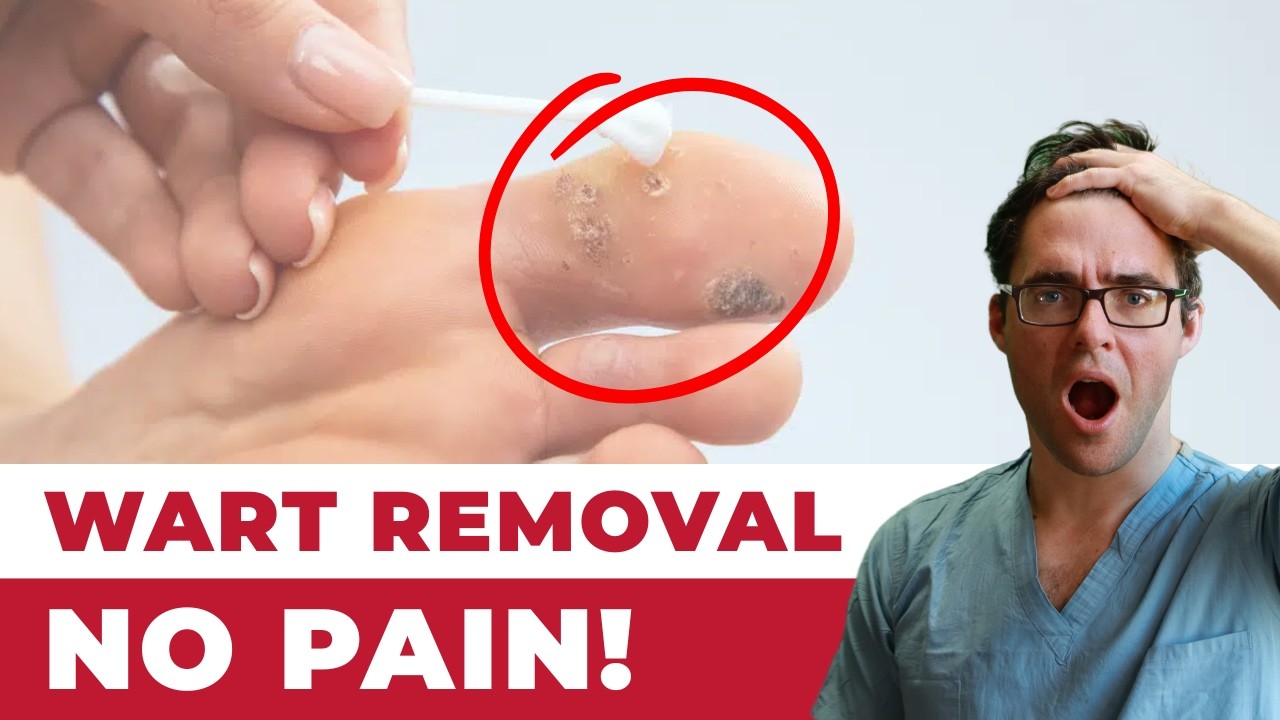
Watch: Plantar Wart Removal — MichiganFootDoctors YouTube
Plantar Warts Treatment Children: Quick Answer
Plantar warts in children require different treatment approaches than adults – children resolve spontaneously more often, tolerate aggressive treatments less well, and have unique compliance challenges. We treat hundreds of pediatric plantar wart cases yearly at Balance Foot and Ankle. Here is the safe and effective approach.

Why Children Are Different
Higher spontaneous resolution rate: 30-50% of plantar warts in children resolve without any treatment within 1-2 years (vs 10-20% in adults). Better immune response: Childrens immune systems often successfully fight off HPV without intervention. Less tolerance for painful treatments: Aggressive treatments (cryotherapy, cantharidin) cause significant pain and anxiety. Compliance challenges: Daily home treatments depend on parent supervision. Bottom line: Less aggressive approach often appropriate for children.
When to Consider Observation
Watchful waiting acceptable for: 1. Single small wart on bottom of foot. 2. Painless wart not affecting walking. 3. Recent onset (less than 6 months). 4. Healthy child with normal immune function. 5. Family/child preference for non-treatment. Monitor for: spreading; increasing pain; growth in size. Most pediatric plantar warts can be safely observed for 6-12 months before active treatment.
First-Line Treatment: Salicylic Acid (Daily Home Care)
OTC products: Compound W Wart Removal Pads, Mediplast, Dr. Scholl Clear Away. Concentration: 17-40% salicylic acid. Protocol: Soak foot 5-10 min, file gently with dedicated emery board, apply salicylic acid as directed, cover with bandage. Repeat daily 8-12 weeks. Effectiveness: 60-70% in children. Pros: Painless, home-based, low cost. Cons: Requires daily compliance for months; surrounding skin can become irritated.
Duct Tape Method (Adjunct)
Protocol: Apply duct tape over wart; leave 6 days; remove, soak, file, leave open 12 hours; reapply for 6 days. Continue 2 months. Effectiveness: 50-60% in some studies; mixed evidence. Pros: Painless, cheap, no chemicals. Cons: Tape comes off frequently in active children; less reliable than salicylic acid. Combine with salicylic acid for synergistic effect.
Cryotherapy (For Persistent Warts)
Office cryotherapy: Liquid nitrogen applied for 5-15 seconds; repeat every 2-3 weeks for 3-6 sessions. Effectiveness: 60-80% over 3-6 sessions in children. Pros: More effective than home treatments for resistant warts. Cons: Painful (worse than home treatments); blister formation; can cause anxiety in children; sometimes needs topical anesthetic. OTC freeze products (Dr. Scholl Freeze, Compound W Freeze): less effective than office cryotherapy but more comfortable.
Cantharidin (Beetle Juice) – Childrens Favorite
What it is: Topical chemical from blister beetle that causes painless application but blister formation in 24-48 hours. Protocol: Applied in office; blister forms in 1-2 days; comes back in 1-2 weeks for evaluation. Effectiveness: 70-80% in children. Pros: Painless application; no anesthesia needed; well-tolerated by children. Cons: Blister can be painful for 2-3 days; may need multiple applications.
Treatments to AVOID in Children
1. Bleomycin injection: Painful; reserved for severe adult cases. 2. Surgical excision: Causes scarring; rarely needed. 3. Pulsed dye laser: Painful; usually not first-line in children. 4. Imiquimod cream: Limited pediatric data; adult use mostly. 5. Aggressive home treatments: Burning with hot objects, cutting, picking – all dangerous and can cause spreading or infection.
Preventing Spread and Recurrence
1. Always wear flip-flops in public showers, pools, locker rooms. 2. Do not share towels, socks, shoes with siblings. 3. Cover wart with waterproof bandage during swimming. 4. Wash hands after touching wart. 5. Treat the whole family if multiple members have warts. 6. Disinfect bathtub/shower regularly with bleach. 7. Replace socks if wet/sweaty during day.
When to See a Podiatrist
See us for childrens warts: 1. Failed home treatment after 8-12 weeks. 2. Multiple warts (mosaic). 3. Painful warts limiting activity. 4. Spreading warts. 5. Diabetic or immunocompromised child. 6. Uncertain diagnosis (could be foreign body, callus, or rare conditions). 7. Parent/family preference for professional treatment. Same-week pediatric appointments at Balance Foot and Ankle. Schedule online.
Frequently Asked Questions About Plantar Warts Treatment Children
Will my child plantar wart go away on its own?
30-50% of pediatric plantar warts resolve spontaneously within 1-2 years. Watchful waiting is appropriate for asymptomatic warts in healthy children.
What is the safest plantar wart treatment for children?
Salicylic acid (OTC) is first-line – painless, effective in 60-70%, low cost. Cantharidin in office is well-tolerated alternative. Avoid aggressive treatments unless necessary.
How long does plantar wart treatment take in children?
Salicylic acid: 8-12 weeks for visible improvement. Office cryotherapy: 3-6 sessions over 2-4 months. Cantharidin: often resolves with 1-3 applications spaced 2-4 weeks apart.
Are plantar warts contagious in children?
Yes – HPV spreads via direct contact and contaminated surfaces (showers, towels, mats). Always have child wear flip-flops in shared wet areas; treat household members with warts simultaneously.
Should I cut my childs plantar wart?
No – cutting spreads HPV, causes scars, and risks infection. Use salicylic acid + filing or see a podiatrist for safe treatment.
Are warts the same as calluses in children?
No – plantar warts have black dots, disrupt skin lines, and hurt with side-to-side squeeze. Calluses have no black dots, preserve skin lines, and hurt with direct pressure.
When should I take my child to a podiatrist for warts?
See podiatrist if: failed home treatment 8-12 weeks; multiple warts; painful warts; spreading; diabetic child; uncertain diagnosis. Pediatric appointments available same week.
Related Resources from Balance Foot & Ankle
Still Dealing With Plantar Warts Treatment Children?
Same-week appointments at Balance Foot & Ankle in Howell & Bloomfield Township, MI.
Book Your Appointment⚕ Doctor Recommended
Doctor Hoy’s Natural Pain ReliefTopical relief for foot & ankle pain
View Product →⚠️ Most Common Mistake: Ignoring persistent foot pain and continuing normal activity without evaluation. Early podiatric care prevents minor foot issues from becoming chronic, difficult-to-treat conditions.
Frequently Asked Questions
🏥 Recommended by Dr. Biernacki — Foundation Wellness Products
These are the same products Dr. Biernacki recommends to his patients at Balance Foot & Ankle in Michigan. Available through our trusted partners.
American Academy of Dermatology: Warts
Ready to Get Relief?
Same-week appointments available in Howell & Bloomfield Township, MI
4.9★ | 1,123 Reviews | 3,000+ Surgeries
Or call: (810) 206-1402

Dr. Tom Biernacki, DPM is a board-certified foot & ankle surgeon (ABFAS & ABPM) at Balance Foot & Ankle Specialists in Southeast Michigan. With over a decade of clinical experience, he specializes in heel pain, bunions, diabetic foot care, sports injuries, and minimally invasive surgery. Dr. Biernacki is a member of the APMA and ACFAS, and his patient education content on MichiganFootDoctors.com and YouTube has made him one of the most-followed foot & ankle educators on YouTube.