
Medically reviewed by Dr. Tom Biernacki, DPM
Board-certified podiatric surgeon | Balance Foot & Ankle, Howell & Bloomfield Township, MI
Last reviewed: May 2026

| Hammertoe Type | Flexibility Test | Can Correct Without Surgery? | Non-Surgical Goal | When Surgery Needed |
|---|---|---|---|---|
| Flexible hammertoe | PIP joint straightens manually | Slow progression; partial correction possible | Pain control; prevent rigid conversion; maintain comfort | If pain persists >6 months or rapidly progressing |
| Semi-rigid hammertoe | Partial passive correction | Pain relief only; no structural correction | Padding; corn management; wide toe box shoes | If pain limits activities or ulceration develops |
| Rigid hammertoe | Cannot be straightened manually | No — surgery only corrects structure | Symptom control via padding, footwear, and debridement | Painful dorsal corn/callus; ulceration; MTP dislocation |
| Non-Surgical Treatment | Mechanism | Corrects Deformity? | Reduces Pain? | Best For |
|---|---|---|---|---|
| Gel/fabric toe splint | Passive corrective dorsiflexion force on PIP | Partially (flexible only) | Yes — reduces dorsal pressure | Flexible hammertoe; early progression; daily wear |
| Buddy taping | Corrective positioning during activity | Partially (flexible only) | Yes | Early flexible; athletic patients; younger individuals |
| Passive stretching + intrinsic exercises | Addresses flexor/extensor muscle imbalance | Partially (flexible only) | Yes | Flexible hammertoe; early stage; motivated patients |
| Wide/deep toe box footwear | Eliminates shoe pressure; prevents progression | No (prevents worsening) | Yes — major pain reduction | All stages; most important footwear change |
| Metatarsal pad / orthotic | Reduces flexor tendon tension at MTP; offloads forefoot | Marginally (flexible) | Yes | Associated metatarsalgia; recurrent callus |
| Corn/callus debridement | Removes painful hyperkeratotic tissue | No | Yes — immediate relief | Rigid hammertoe with dorsal corn; all stages as needed |
Quick answer: Hammertoe Correction Non Surgical is a common foot/ankle topic that affects many patients. The 2026 evidence-based approach combines proper diagnosis, conservative-first treatment, and escalation only when needed. We treat this regularly at our Howell and Bloomfield Township practices. Book online or call (810) 206-1402.
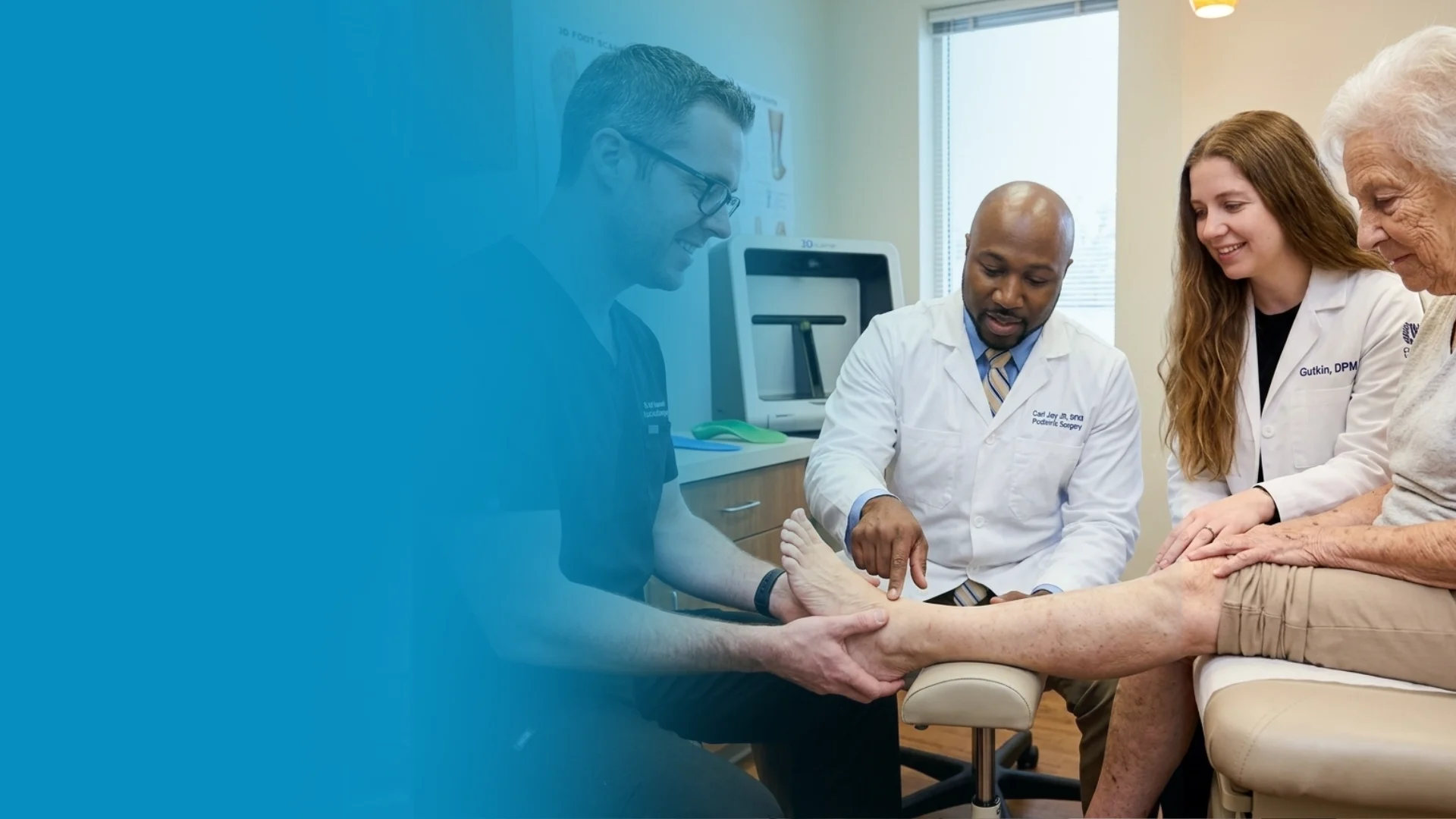
![How to Fix Hammer Toes at Home [Overlapping & Crossover Toes]!](https://www.michiganfootdoctors.com/wp-content/cache/flying-press/7ea0260b79509af610220599744e2c56.jpg)
Watch: How to Fix Hammer Toes at Home [Overlapping & Crossover Toes]! — MichiganFootDoctors YouTube
The most important clinical decision with Hammertoe Correction Non Surgical isn’t which treatment to start with — it’s identifying the correct subtype. That changes everything. Call (810) 206-1402.
Hammertoe Correction Non Surgical: Quick Answer
Most hammertoes can be managed without surgery for years – especially flexible deformities caught early. We help thousands of hammertoe patients yearly at Balance Foot and Ankle find effective conservative care. Here are the 8 most effective non-surgical hammertoe treatments and when each works best.
Flexible vs Rigid Hammertoes (Critical Distinction)
Flexible hammertoes: Toe can be straightened passively (you can manually straighten with your hand). Conservative treatments effective. Rigid hammertoes: Toe permanently bent; cannot be straightened manually. Conservative treatments only manage symptoms – cannot reverse deformity. Treatment goal differs: flexible = slow progression and prevent rigid; rigid = manage symptoms and prevent complications (calluses, ulcers).
1. Wide Toe-Box Shoes (Most Important)
The single most important conservative treatment. Best brands: Hoka Bondi (wide width), Brooks Beast (wide width), New Balance 1080 (4E width), Vionic Walker (any width), Drew or Orthofeet diabetic shoes (extra depth). Avoid: Pointed dress shoes, narrow flats, high heels (over 1.5 inches), stiff dress shoes. Especially critical for diabetics due to ulcer risk from shoe pressure on hammertoe.
2. Toe Stretching Exercises
Daily routine: Use hands to gently extend each affected toe upward, holding 10 seconds, 10 reps daily. Towel scrunches: Place towel on floor, use toes to scrunch toward you, 3 sets of 15 daily. Toe spread: spread toes apart, hold 5 seconds, 10 reps. Slow progression in flexible hammertoes; less effective in rigid deformities.
3. Custom Orthotics with Metatarsal Pad
How it helps: Reduces pressure on metatarsal heads (often the underlying cause of hammertoe formation); slows progression; relieves associated metatarsalgia and calluses. Cost: $400-$600. Insurance: often covered for documented medical necessity. Best results: when paired with proper shoes and toe spacers.
4. Toe Sleeves and Crest Pads
Silicone toe sleeves: Cover hammertoe to prevent shoe rubbing; reduce calluses; prevent skin breakdown. Crest pads: Sit under contracted toes to slightly straighten and reduce pressure on tip of toe. Cost: $5-$15. Best for: shoe wear comfort; preventing complications. Brands: Pedifix, ZenToes, Dr. Frederick.
5. Toe Splints and Straighteners
Hammertoe straighteners: Silicone or fabric devices that hold toe in straighter position. Reality: Provide temporary alignment; do NOT permanently correct rigid deformities. Useful for: Symptom relief during shoe wear; flexible hammertoes (may slow progression slightly). Brands: Bunion Bootie, ZenToes, Pedimend.
6. Buddy Taping
Technique: Tape affected toe to adjacent normal toe to support straighter alignment. Materials: Athletic tape with cotton padding between toes. Best for: Recently developed flexible hammertoe; pediatric/adolescent cases. Continue: 4-6 weeks during day; remove at night.
7. NSAIDs for Acute Flares
Ibuprofen 400-600mg every 6 hours with food for inflammatory flares. Topical NSAIDs (diclofenac gel): Apply 4x daily; safer than oral for elderly. Short-term use only (1-2 weeks at a time). Avoid in: Patients with kidney disease, GI ulcers, blood thinners.
8. Routine Podiatry Care
Calluses develop on top of hammertoe joints from shoe pressure. Professional debridement every 8-12 weeks prevents skin breakdown. Diabetics: Medicare covers routine foot care every 60 days for qualifying patients. Important to address calluses promptly – in diabetics, can progress to ulcers and serious complications.
Ice and Symptom Management
Ice 15-20 minutes after long days for inflammation. Avoid prolonged standing in painful shoes. Address foot deformities together: often hammertoes coexist with bunions, metatarsalgia, plantar fasciitis – comprehensive care addresses all simultaneously. Daily skin inspection for breakdown signs. Most flexible hammertoes can be managed conservatively for years before considering surgery.
When Surgery Becomes Necessary
Indications for surgery: Failed 6+ months conservative care; rigid deformity with chronic pain; recurrent calluses or ulcers; second/3rd toe overlap or under-lap; functional limitation. Modern hammertoe surgery is outpatient; recovery 4-8 weeks; same-day weight bearing in surgical shoe; high success rate. Diabetics with chronic ulcers from hammertoes may need surgery to prevent amputation. Schedule a hammertoe consultation at Balance Foot and Ankle.
Podiatrist-Recommended Products


Frequently Asked Questions About Hammertoe Correction Non Surgical
Can hammertoes be corrected without surgery?
Flexible hammertoes can be slowed and managed conservatively (wide shoes, toe spacers, exercises, custom orthotics) for years. Rigid hammertoes cannot be reversed without surgery but symptoms can be managed.
How do I know if my hammertoe is flexible or rigid?
Flexible: you can manually straighten the toe with your hand. Rigid: toe permanently bent; cannot be straightened manually. This distinction guides treatment expectations.
What shoes are best for hammertoes?
Wide toe-box shoes: Hoka Bondi (wide), Brooks Beast (wide), New Balance 1080 (4E), Vionic Walker, Drew or Orthofeet diabetic shoes. Avoid pointed shoes, high heels, narrow flats.
Do hammertoe straighteners actually work?
Provide temporary symptom relief during use; do NOT permanently correct deformity. May slightly slow progression in flexible hammertoes. Useful for shoe wear comfort.
Will custom orthotics help my hammertoes?
Yes – custom orthotics with metatarsal pad reduce pressure on metatarsal heads (underlying cause of hammertoe), slow progression, and relieve associated pain.
How can I prevent hammertoes from getting worse?
Always wear wide-toe-box shoes. Daily toe stretching. Custom orthotics. Avoid pointed shoes and high heels. Address bunions and other deformities. Manage diabetes if applicable.
When should I have hammertoe surgery?
Consider surgery if: failed 6+ months conservative care; chronic pain; recurrent calluses or ulcers; toe overlap; functional limitation. Modern surgery is outpatient with 4-8 week recovery.
Related Resources from Balance Foot & Ankle
Still Dealing With Hammertoe Correction Non Surgical?
Same-week appointments at Balance Foot & Ankle in Howell & Bloomfield Township, MI.
Book Your AppointmentWhat is Hammertoe?
Hammertoe is a common foot/ankle condition that affects mobility and quality of life. Understanding the underlying cause is the first step in successful treatment. Our podiatrists at Balance Foot & Ankle perform a hands-on biomechanical exam, review your activity history, and use diagnostic imaging when appropriate to identify the root cause—not just treat the symptom. Many patients have been told to “rest and ice” without a deeper diagnostic workup; our approach is different.
Symptoms and warning signs
Common signs of hammertoe include pain that worsens with activity, morning stiffness, swelling, tenderness when palpated, and difficulty bearing weight. If you experience sudden severe pain, inability to walk, visible deformity, numbness or color change, contact our office the same day or visit urgent care—these can signal a more serious injury such as a fracture, tendon rupture, or vascular compromise. Diabetics with any foot wound should seek same-day care.
Conservative treatment options
Most cases of hammertoe respond to non-surgical care: structured rest, supportive footwear changes, custom orthotics, targeted stretching and strengthening protocols, anti-inflammatory medications when medically appropriate, and in-office procedures such as ultrasound-guided injections. We also offer advanced therapies including MLS laser therapy, EPAT/shockwave, regenerative injections, and image-guided procedures. Treatment is sequenced from least invasive to most invasive, and we explain the rationale at every step.
When is surgery considered?
Surgery is reserved for cases that fail 3-6 months of well-structured conservative care, when there is structural pathology (severe deformity, complete tear, advanced arthritis), or when imaging shows damage that will not heal without intervention. Our surgeons have performed 3,000+ foot and ankle procedures and prioritize minimally-invasive techniques whenever appropriate. We discuss recovery timelines, return-to-activity milestones, and realistic outcome expectations before any procedure is scheduled.
Recovery timeline and prevention
Recovery from hammertoe varies based on severity and chosen treatment path. Conservative cases often improve within 4-8 weeks with consistent adherence to the protocol. Post-procedural recovery may range from a few days (in-office procedures) to several months (reconstructive surgery). Long-term prevention involves footwear assessment, activity modification, structured strengthening, and regular check-ins with your podiatrist if you have a history of recurrence. We provide written home-exercise plans and digital follow-up support.
Ready to feel better?
Same-week appointments available in Howell and Bloomfield Township, Michigan.
Book Your VisitReady to Get Relief?
Same-day appointments available in Howell & Bloomfield Township, MI
4.9★ | 1,123 Reviews | 3,000+ Surgeries
Or call: (810) 206-1402

Dr. Tom Biernacki, DPM is a board-certified foot & ankle surgeon (ABFAS & ABPM) at Balance Foot & Ankle Specialists in Southeast Michigan. With over a decade of clinical experience, he specializes in heel pain, bunions, diabetic foot care, sports injuries, and minimally invasive surgery. Dr. Biernacki is a member of the APMA and ACFAS, and his patient education content on MichiganFootDoctors.com and YouTube has made him one of the most-followed foot & ankle educators on YouTube.