


You are in the right place. Dr. Tom Biernacki, DPM, FACFAS — board-certified foot & ankle surgeon with 3,000+ surgeries — explains exactly what preparing for foot surgery / pre-op checklist means and what actually works. Call (810) 206-1402 for a same-week appointment at our Howell or Bloomfield Township office.
Medically reviewed by Dr. Tom Biernacki, DPM — Board-Certified Podiatric Surgeon — Balance Foot & Ankle, Howell & Bloomfield Township, MI. Last updated April 2026.
▶ Watch

Medically Reviewed by Dr. Tom Biernacki, DPM — Board-Certified Podiatrist, Balance Foot & Ankle Specialists, Michigan. Last updated April 2026.
Why Pre-Operative Preparation Matters
How well you prepare for foot or ankle surgery directly affects your recovery experience, your surgical risk, and ultimately your outcome. Patients who arrive at surgery well-prepared — medically optimized, with a safe home environment set up, and with a clear understanding of what to expect — recover faster and with fewer complications than those who approach surgery without preparation. This checklist covers the most important preparation steps for any elective foot or ankle procedure.
Medical Preparation: Six to Four Weeks Before Surgery
Medical Clearance
Your surgeon will determine whether medical clearance from your primary care physician or a specialist is required before surgery. This is typically needed for patients over 60, those with cardiovascular conditions, uncontrolled diabetes, or significant comorbidities. Clearance may include blood work, an EKG, or a cardiac evaluation. Schedule these appointments promptly after your surgery date is confirmed — clearance delays are a common cause of surgery cancellation.
Blood Sugar Optimization for Diabetic Patients
Elevated blood sugar significantly impairs wound healing, increases infection risk, and prolongs recovery. Diabetic patients should work with their endocrinologist or primary care physician to achieve the best possible glycemic control — targeting a HbA1c below 7.5 percent when feasible — in the weeks before surgery. Your surgical team will check your blood sugar on the day of surgery and may postpone elective procedures if glucose is significantly elevated.
Medication Review and Adjustment
Blood thinners — warfarin, aspirin, clopidogrel, rivaroxaban, apixaban, and similar medications — must be managed carefully before surgery to reduce bleeding risk. Do not stop any medication without your surgeon explicit instruction — the decision depends on the medication, your indication for taking it, and the specific procedure. NSAIDs (ibuprofen, naproxen) are typically stopped seven to ten days before surgery. Report all supplements as well — fish oil, vitamin E, garlic, and ginkgo can all increase bleeding.
Smoking Cessation
Smoking impairs wound healing and bone healing significantly. Nicotine causes vasoconstriction that reduces blood supply to healing tissues; carbon monoxide reduces oxygen delivery to cells. Ideally, patients should stop smoking a minimum of four to six weeks before surgery and maintain abstinence through the healing period. Shorter periods of cessation still provide benefit — any reduction in smoking is better than none.
Home Preparation: Two to Three Weeks Before Surgery
Set Up a Recovery Space
If you will be non-weight-bearing after surgery, set up a single-level living space before surgery day. Move necessities — medications, phone charger, remote controls, reading materials, water, and snacks — to within easy reach from your recovery position. Place a shower chair or bath seat if your shower will be used during recovery. Move any area rugs that create tripping hazards, and ensure walking paths are clear of obstacles.
Arrange Transportation and Help
You cannot drive yourself home from surgery. Arrange a responsible adult to drive you home, stay with you for the first 24 hours, and be available for the first several days if you will be non-weight-bearing. If you live alone, consider arranging in-home assistance for the first week of recovery. Many patients underestimate how much help is needed during the first days after foot surgery.
Prepare Meals and Household Tasks in Advance
Prepare or purchase a week of easy meals before surgery — frozen meals, easy-to-prepare foods, and snacks that require minimal standing to prepare. Complete household tasks that require standing — laundry, cleaning, grocery shopping — before surgery day. Stock medications, dressing supplies, and any equipment your surgeon prescribes before the procedure.
Day of Surgery: What to Expect
Do not eat or drink after midnight before surgery (or as directed by your anesthesia team). Leave jewelry and valuables at home. Wear loose, comfortable clothing that is easy to put on and remove over a bandaged or booted foot. Bring a list of all current medications and your insurance cards. Bring the supportive shoe, boot, or crutches your surgeon prescribed. Designate a reliable contact person to receive updates from the surgical team during your procedure.
Questions to Ask Your Surgeon Before Surgery
Understanding your procedure reduces anxiety and ensures you are a prepared partner in your own care. Key questions include: How long will I be non-weight-bearing? What is the typical recovery timeline for return to work, driving, and full activity? What are the warning signs of infection or complication that should prompt me to call? When is my first post-operative appointment? What medications should I take the morning of surgery? What should I do if my pain is not controlled with the prescribed regimen?
The team at Balance Foot & Ankle provides comprehensive pre-operative education and is available to answer all of your preparation questions. Contact us at (810) 206-1402 to schedule your pre-surgical consultation or to discuss any questions about your upcoming procedure.
Ready to Relieve Your Foot Pain?
Board-certified podiatrists serving Southeast Michigan. Same-week appointments available.
Foot Surgery at Balance Foot & Ankle
Proper preparation makes foot surgery smoother and recovery faster. Dr. Tom Biernacki and the team at Balance Foot & Ankle guide patients through every step of the surgical process at our Howell and Bloomfield Township offices.
Learn About Our Surgical Services | Book Your Appointment | Call (810) 206-1402
Clinical References
- McDonald S, et al. “Pre-operative education for hip or knee replacement.” Cochrane Database of Systematic Reviews. 2014;(5):CD003526.
- Halaszynski TM, et al. “Optimizing postoperative outcomes with efficient preoperative assessment and management.” Critical Care Medicine. 2004;32(4 Suppl):S76-86.
- Crenshaw AH, et al. “Preoperative evaluation and preparation for surgery.” Campbell’s Operative Orthopaedics. 2017;13th ed:1-15.
Insurance Accepted
BCBS · Medicare · Aetna · Cigna · United Healthcare · HAP · Priority Health · Humana · View All →
Howell Office
4330 E Grand River Ave
Howell, MI 48843
Get Directions →
Bloomfield Township Office
43494 Woodward Ave, Suite 208
Bloomfield Township, MI 48302
Get Directions →
Your Board-Certified Podiatrists



Ready to Get Back on Your Feet?
Same-week appointments available at both locations.
Book Your AppointmentWatch: Dr. Tom explains

Podiatrist-recommended products
As an Amazon Associate, Dr. Tom earns from qualifying purchases.
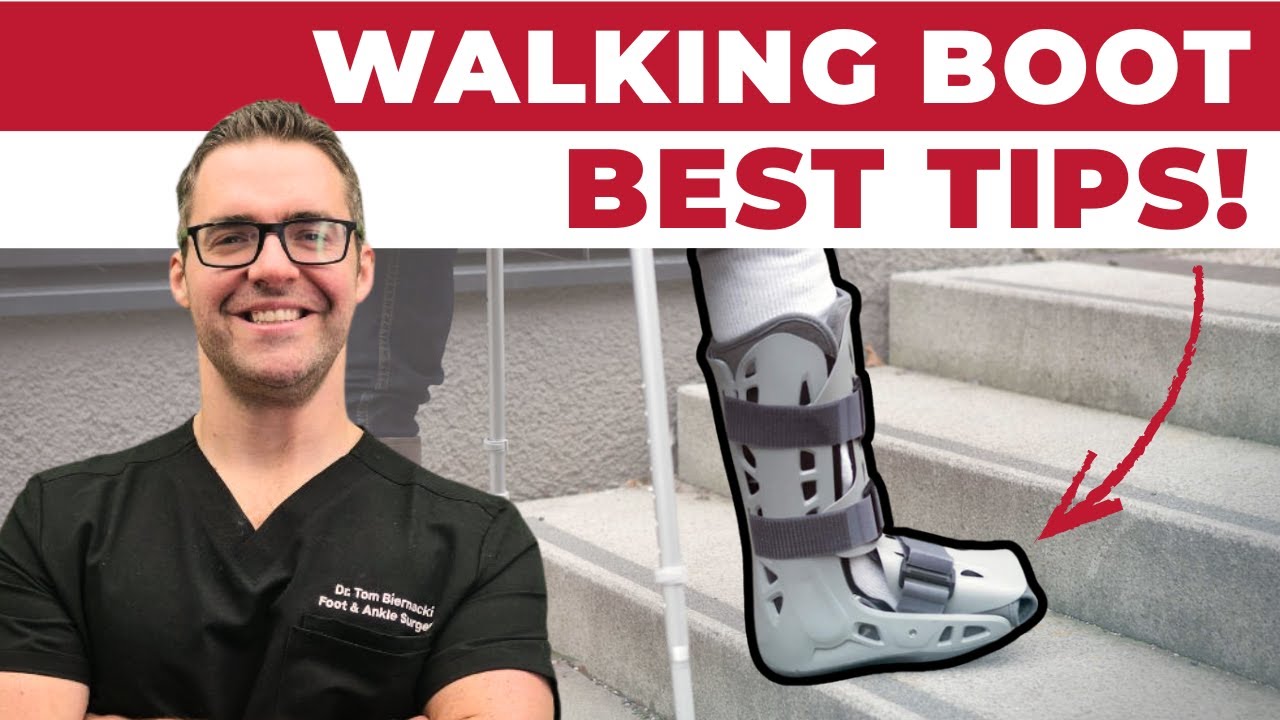
Post-op protection boot to have ready before surgery.
View on Amazon →Pre-order cold therapy for post-op swelling control.
View on Amazon →Long-term post-healing arch support.
View on Amazon →Menthol topical for post-op discomfort.
View on Amazon →Related resources
Ready to solve this? Book today.
Same-week appointments · Howell & Bloomfield Township · 4.9★ (1,123+ reviews)
☎ (810) 206-1402Book Online →In-Office Treatment at Balance Foot & Ankle
If home treatment isn’t providing relief for your foot and ankle conditions, our podiatry team at Balance Foot & Ankle can help with same-week evaluations and advanced in-office care.
Same-week appointments available. (810) 206-1402
Get Expert Care at Balance Foot & Ankle
Same-week appointments at our Howell and Bloomfield Township offices. Board-certified podiatric surgeons. Most insurance accepted.

Dr. Tom Biernacki, DPM is a board-certified foot & ankle surgeon (ABFAS & ABPM) at Balance Foot & Ankle Specialists in Southeast Michigan. With over a decade of clinical experience, he specializes in heel pain, bunions, diabetic foot care, sports injuries, and minimally invasive surgery. Dr. Biernacki is a member of the APMA and ACFAS, and his patient education content on MichiganFootDoctors.com and YouTube has made him one of the most-followed foot & ankle educators on YouTube.