
Quick answer: Seed Warts Feet is a common foot/ankle topic that affects many patients. The 2026 evidence-based approach combines proper diagnosis, conservative-first treatment, and escalation only when needed. We treat this regularly at our Howell and Bloomfield Township practices. Call (810) 206-1402.
Medically Reviewed | Dr. Tom Biernacki, DPM | Board-Certified Podiatric Surgeon | Balance Foot & Ankle, Michigan


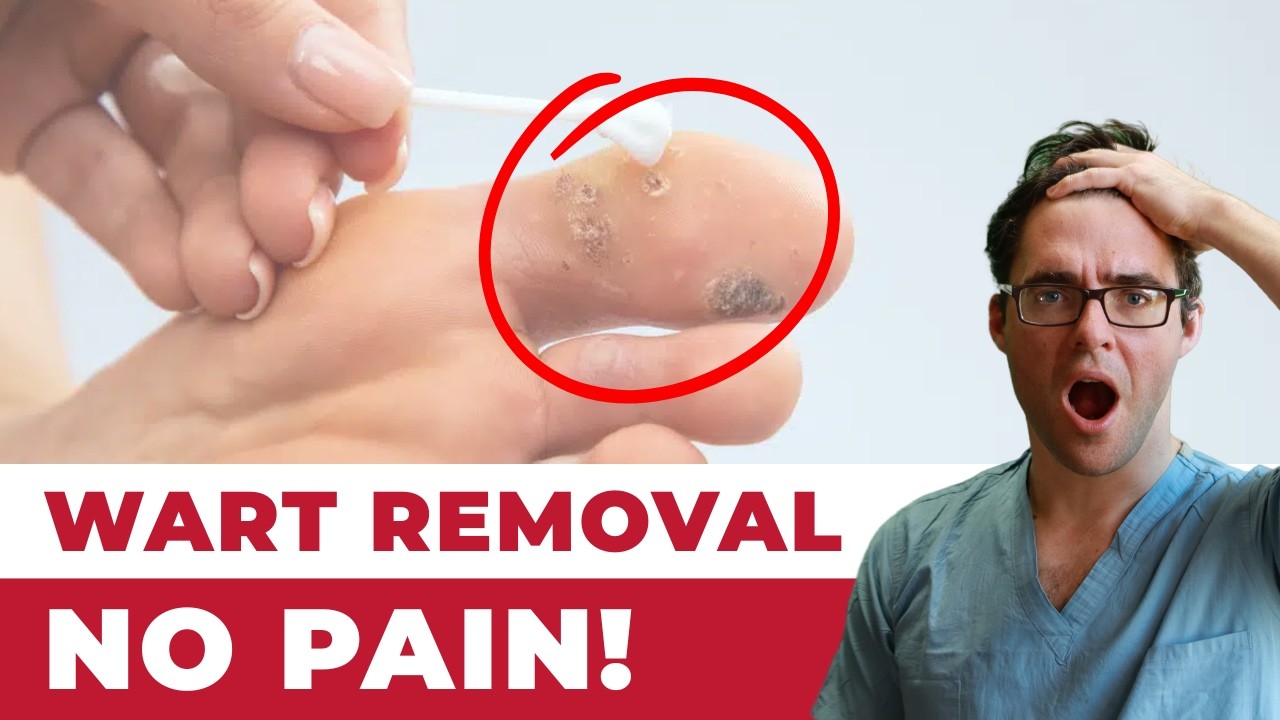
Watch: Plantar Wart Removal: How to Get Rid of a Foot Wart with No PAIN! — MichiganFootDoctors YouTube
The most important clinical decision with Seed Warts Feet isn’t which treatment to start with — it’s identifying the correct subtype. That changes everything. Call (810) 206-1402.
What Are Seed Warts and How Are They Different From Plantar Warts?
‘Seed warts’ is a colloquial term for plantar warts that display small dark dots within the wart tissue — the so-called ‘seeds’ that give the condition its name. These dark dots are not actually seeds; they are thrombosed (clotted) capillaries — tiny blood vessels that have been incorporated into the wart tissue as it grows. Their presence distinguishes warts from calluses, which do not have this stippled vascular pattern and do not bleed when pared.
Like all plantar warts, seed warts are caused by the human papillomavirus (HPV), specifically strains 1, 2, and 4 that preferentially infect plantar skin. The virus enters through small breaks or fissures in the skin — often microscopic and invisible — and infects the basal layer of the epidermis. It then drives the formation of a hyperkeratotic (thickened) lesion that grows inward due to weight-bearing pressure, which is why plantar warts are often painful with direct pressure rather than lateral squeeze.
Seed warts tend to develop as individual discrete lesions, though they can cluster into mosaic wart patterns — large confluent plaques involving much of the heel or forefoot pad. Children and young adults are most susceptible because their immune systems have not yet developed the HPV immunity that most adults acquire through subclinical exposure. Patients who are immunocompromised — from diabetes, organ transplant medications, or HIV — are also at disproportionately high risk for large, persistent, or multiple plantar warts.
Identifying Seed Warts Versus Calluses and Corns
The clinical distinction between a plantar wart and a callus is important because they require completely different treatments. A callus is a diffuse thickening of skin caused by mechanical friction, without an underlying viral infection. When a callus is pared with a scalpel, it reveals smooth yellow waxy skin underneath. When a wart is pared, it reveals the pinpoint bleeding of thrombosed capillaries — the classic ‘seeds’ — and the lesion often has an irregular, cauliflower-like surface.
Warts interrupt the normal skin ridge pattern (dermatoglyphics) — the fingerprint-like lines of the plantar skin — while calluses do not. Looking closely at the skin surface, the ridges flow around a wart but continue through a callus. This distinction is visible to the naked eye or with a dermatoscope and is one of the most reliable clinical differentiators. Direct downward pressure is more painful with a wart, while lateral squeeze is more painful with a corn.
Deep corns (helomata durum) in the weight-bearing areas can occasionally be confused with warts, particularly when there is significant surrounding callus. In equivocal cases, a podiatrist can perform a careful paring examination. If doubt remains, a shave biopsy with histopathological analysis is definitive — the pathologist will identify the viral cytopathic changes (koilocytosis) characteristic of HPV infection.
Treatment Options for Seed Warts on the Feet
Over-the-counter salicylic acid treatments are effective for superficial, small warts in immunocompetent patients with adequate patience. Products containing 40% salicylic acid (Mediplast pads or similar) applied consistently over 8–12 weeks can resolve many plantar warts. The key is daily debridement of the softened tissue after soaking, followed by fresh application of the acid. The process requires months of consistent treatment, and many patients abandon it prematurely.
In-office treatments offer faster results. Cryotherapy with liquid nitrogen destroys wart tissue through freeze-thaw cycling and stimulates an immune response to the underlying HPV. Multiple sessions 2–4 weeks apart are typically required. Cantharidin (‘beetle juice’) applied in-office produces a blister that lifts the wart from the skin with minimal scarring. Swift microwave therapy, a newer modality, uses focused microwave energy to trigger a robust immune response against HPV with excellent resolution rates and minimal pain.
Surgical excision or laser ablation is reserved for warts that fail all conservative measures, are large or mosaic in pattern, or are causing significant functional limitations. Dr. Tom Biernacki offers a full range of wart treatment options and can select the approach most likely to work for your specific wart characteristics, location, and immune status. Early aggressive treatment of plantar warts prevents the spread to adjacent skin and other family members.
Dr. Tom's Product Recommendations

Foot Petals Tip Toes Ball of Foot Cushions
⭐ Highly Rated
Cushioning pads that offload painful plantar wart sites during treatment, reducing pressure-related pain while the wart resolves.
Dr. Tom says: “https://m.media-amazon.com/images/I/71YAMwE3DRL._AC_SL1500_.jpg”
Foot Petals
4.5
Disclosure: We earn a commission at no extra cost to you.

Doctor Hoy’s Natural Pain Relief Gel
⭐ Highly Rated
Topical relief gel for the surrounding foot pain and discomfort associated with plantar wart pressure during daily activity.
Dr. Tom says: “https://m.media-amazon.com/images/I/61m-5cHfQwL._AC_SL1500_.jpg”
Doctor Hoy’s
4.7
Disclosure: We earn a commission at no extra cost to you.
✅ Pros / Benefits
- Most plantar warts resolve with appropriate treatment
- Swift microwave therapy offers excellent results with minimal pain
- In-office cantharidin treatment is fast and highly effective
- Proper padding reduces pain significantly during treatment period
❌ Cons / Risks
- Treatment typically requires multiple sessions over weeks to months
- OTC treatments require months of consistent daily application
- Warts can recur in immunocompromised patients
- Mosaic warts covering large areas are significantly harder to eradicate
Dr. Tom Biernacki’s Recommendation
Patients always want to know the fastest way to get rid of plantar warts, and my honest answer is that it depends on the wart. A single small wart in an otherwise healthy young adult? Cantharidin in the office, one or two visits. A mosaic wart covering half the heel in a diabetic patient? That’s a months-long project requiring patience and possibly Swift microwave therapy. The biggest mistake I see is patients giving up on a treatment before it has time to work — consistency matters enormously.
— Dr. Tom Biernacki, DPM | Board-Certified Podiatric Surgeon | Balance Foot & Ankle
Frequently Asked Questions
Are seed warts contagious?
Yes. Plantar warts spread through direct contact with the HPV virus on contaminated surfaces — particularly shared showers, pools, and locker room floors. Wearing flip-flops in public wet areas significantly reduces transmission risk.
Do plantar warts go away on their own?
In immunocompetent individuals, plantar warts often resolve spontaneously over months to years as the immune system clears the HPV infection. However, treatment is recommended to prevent spread and reduce duration.
Why do plantar warts hurt so much?
Because the foot bears body weight with every step, the wart is compressed against the underlying tissues. The thickened wart tissue also pushes on nerve endings in the dermis. Plantar warts on weight-bearing surfaces are consistently more painful than warts on other body locations.
Michigan Foot Pain? See Dr. Biernacki In Person
4.9★ rated | 1,123 Reviews | 3,000+ Surgeries
Same-week appointments · Howell & Bloomfield Township
📞 (810) 206-1402 Book Online →In-Office Treatment at Balance Foot & Ankle
If home treatment isn’t providing relief for your seed warts feet, our podiatry team at Balance Foot & Ankle can help with same-day evaluations and advanced in-office care.
Same-day appointments available. (810) 206-1402
Learn about our plantar fasciitis treatment → | Book online →
Get Expert Care at Balance Foot & Ankle
Same-week appointments at our Howell and Bloomfield Township offices. Board-certified podiatric surgeons. Most insurance accepted.

Dr. Tom Biernacki, DPM is a board-certified foot & ankle surgeon (ABFAS & ABPM) at Balance Foot & Ankle Specialists in Southeast Michigan. With over a decade of clinical experience, he specializes in heel pain, bunions, diabetic foot care, sports injuries, and minimally invasive surgery. Dr. Biernacki is a member of the APMA and ACFAS, and his patient education content on MichiganFootDoctors.com and YouTube has made him one of the most-followed foot & ankle educators on YouTube.