
Medically reviewed by Dr. Tom Biernacki, DPM
Board-certified podiatric surgeon | Balance Foot & Ankle, Howell & Bloomfield Township, MI
Last reviewed: May 2026

Quick answer: Senior Foot Problems is a common foot/ankle topic that affects many patients. The 2026 evidence-based approach combines proper diagnosis, conservative-first treatment, and escalation only when needed. We treat this regularly at our Howell and Bloomfield Township practices. Call (810) 206-1402.

The most important clinical decision with Senior Foot Problems isn’t which treatment to start with — it’s identifying the correct subtype. That changes everything. Call (810) 206-1402.
How Aging Changes Your Feet
The foot undergoes significant structural and physiological changes with aging that create vulnerability to a unique set of conditions. After age 60, the plantar fat pad — which provides natural heel and metatarsal cushioning — loses approximately 30–50% of its thickness, dramatically reducing built-in shock absorption. Skin becomes thinner, drier, and more prone to injury. Tendons and ligaments lose elasticity, reducing foot flexibility and increasing joint stiffness.
Foot size actually increases with age for many seniors. The collapse of the plantar arch (flatfoot progression), loss of ligament elasticity, and the spreading effect of body weight over years can increase shoe length by half a size and width by 1–2 widths. Many seniors are wearing shoes that are too small — contributing to pain, corn formation, and toe crowding — simply because they’re measuring with the shoe size they wore at 40.
Blood flow to the feet diminishes with age, particularly in patients with cardiovascular disease, diabetes, or peripheral arterial disease. This reduced circulation impairs wound healing, increases infection risk, and contributes to coldness, cramping, and discoloration of the feet.
The 5 Most Common Senior Foot Conditions
1. Heel pain / plantar fasciitis — Extremely common in seniors. Fat pad atrophy reduces natural heel cushioning; tight Achilles tendons from decades of heeled shoe wear increase fascial tension. Morning heel pain in seniors responds well to custom orthotics, calf stretching, and proper supportive footwear.
2. Bunion progression — Bunions that were tolerable at 50 become severely painful at 70 as the joint deteriorates and shoe fit becomes more challenging. Conservative management with wide shoes, orthotics, and bunion pads can manage most senior bunions. Surgery remains available for appropriate surgical candidates regardless of age.
3. Hammertoe deformity — Decades of shoe wear and intrinsic muscle weakness produce rigid hammertoe contractures that cause dorsal toe corns, shoe pressure pain, and nail problems. Many senior hammertoes require surgical correction to relieve pain from shoe friction.
4. Diabetic neuropathy complications — Foot ulcers, Charcot arthropathy, and infections in diabetic seniors represent some of the most serious podiatric conditions we manage. Regular monitoring, protective footwear, and early wound treatment prevent the majority of amputations.
5. Toenail conditions — Thickened, fungal, ingrown, and dystrophic nails are ubiquitous in elderly patients. Professional toenail care from a podiatrist is often necessary — seniors with flexibility limitations or reduced sensation cannot safely perform self-nail care.
Podiatric Care for Seniors: What to Expect
Medicare Part B covers podiatric care for seniors with qualifying diagnoses: diabetic neuropathy (routine care every 60 days), peripheral neuropathy with secondary diagnoses, and peripheral arterial disease all qualify for covered foot care services. Non-covered routine nail care is typically $35–$75 per visit — affordable preventive maintenance.
Balance Foot & Ankle provides comprehensive senior foot care including nail debridement, callus and corn treatment, custom orthotic fabrication, wound care, and surgical consultation for bunions and hammertoes. We coordinate with primary care providers and endocrinologists for diabetic patients.
Regular podiatric care for seniors is an investment in independence and mobility. Painful feet are one of the leading causes of limited mobility and fall risk in older adults — conditions that can be significantly improved with appropriate podiatric intervention.
Dr. Tom's Product Recommendations

PowerStep Pinnacle Insoles
⭐ Highly Rated
Compensates for age-related plantar fat pad atrophy with dual-layer cushioning and structured arch support. One of the most beneficial insole upgrades for senior foot health.
Dr. Tom says: “PowerStep is what I most often recommend to my senior patients — it restores the cushioning their aging feet have lost and provides the arch support that reduces daily pain.”
Senior foot pain, fat pad atrophy, plantar fasciitis, metatarsalgia, flat feet
Patients with diabetic wounds or severe neuropathy — custom diabetic insoles more appropriate
Disclosure: We earn a commission at no extra cost to you.

FLAT SOCKS No-Show Insoles
⭐ Highly Rated
Ultra-thin cushioning insoles for seniors who wear dress shoes, slippers, or casual footwear where standard insoles don’t fit. Provides protective cushioning for thinning senior skin.
Dr. Tom says: “FLAT SOCKS are ideal for senior patients who need cushioning in their everyday shoes without the bulk of standard insoles.”
Senior skin protection, dress shoe use, slipper upgrades, metatarsal cushioning
Seniors needing full arch support for flat feet — use PowerStep instead
Disclosure: We earn a commission at no extra cost to you.
✅ Pros / Benefits
- Medicare covers significant senior podiatric care with qualifying diagnoses
- Regular professional nail care prevents infection and dangerous self-care attempts
- Quality insoles compensate for age-related fat pad loss
- Appropriate footwear dramatically reduces senior fall risk
❌ Cons / Risks
- Some senior foot problems (rigid hammertoes, advanced bunions) may require surgery
- Limited mobility makes self-care and shoe shopping difficult
- Diabetic foot complications can progress rapidly and require urgent care
Dr. Tom Biernacki’s Recommendation
My senior patients are some of my favorites to treat — partly because the gratitude is enormous when we can reduce their foot pain and improve their mobility. If you’re over 65 and have foot pain, please don’t accept it as normal aging. Most senior foot pain is treatable, and we’d love to help you get back to doing the things you enjoy.
— Dr. Tom Biernacki, DPM | Board-Certified Podiatric Surgeon | Balance Foot & Ankle
Frequently Asked Questions
Does Medicare cover podiatry for seniors?
Medicare Part B covers medically necessary podiatric services including diabetic foot care, treatment of foot conditions associated with neuropathy, and surgical procedures. Routine nail care is covered only with qualifying diagnoses.
Is bunion surgery safe for seniors?
Bunion surgery can be safely performed in healthy seniors without significant cardiovascular or anesthetic risk. Age alone is not a contraindication; overall health status and activity goals guide the decision.
What shoes should seniors wear for foot health?
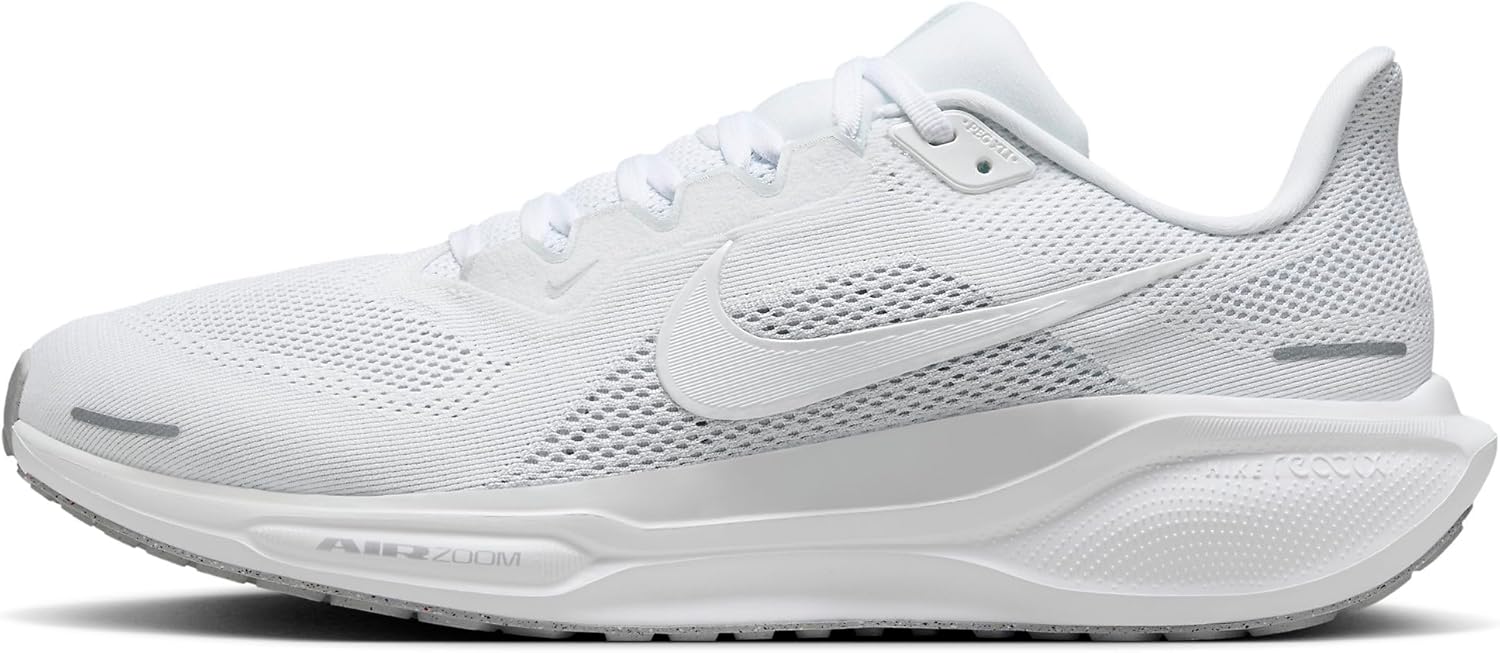
Shoes with a firm non-slip sole, adequate width (seniors often need wider than their original size), Velcro or lace closure for secure fit, and at least a half-inch of toe space. Athletic walking shoes with removable insoles are the most functional choice for most seniors.
When Shoes Aren’t Enough — Dr. Tom’s Top 9 Orthotics
About 30% of patients I see for foot pain need MORE than a great shoe — they need a structured insole. Below: my complete 2026 orthotic ranking with pros, cons, and the specific patient I’d give each one to.




In-Office Treatment at Balance Foot & Ankle
If home treatment isn’t providing relief for your senior foot problems, our podiatry team at Balance Foot & Ankle can help with same-day evaluations and advanced in-office care.
Ready to Get Relief?
Same-day appointments available in Howell & Bloomfield Township, MI
4.9★ | 1,123 Reviews | 3,000+ Surgeries
Or call: (810) 206-1402

Dr. Tom Biernacki, DPM is a board-certified foot & ankle surgeon (ABFAS & ABPM) at Balance Foot & Ankle Specialists in Southeast Michigan. With over a decade of clinical experience, he specializes in heel pain, bunions, diabetic foot care, sports injuries, and minimally invasive surgery. Dr. Biernacki is a member of the APMA and ACFAS, and his patient education content on MichiganFootDoctors.com and YouTube has made him one of the most-followed foot & ankle educators on YouTube.