
Quick answer: Treatment for sweaty feet hyperhidrosis treatment follows a stepwise approach: 1) conservative care first (rest, ice, supportive footwear, OTC anti-inflammatories), 2) physical therapy and targeted exercises, 3) in-office treatments (injections, custom orthotics) if conservative fails at 4-6 weeks, 4) surgery for refractory cases. Most patients resolve at step 1 or 2. Call (810) 206-1402.
Quick Answer · From Dr. Biernacki
Excessive foot sweating (plantar hyperhidrosis) is treated by combining a clinical-strength antiperspirant like Drysol (20% aluminum chloride) at night with moisture-wicking socks, daily foot drying after showers, and rotating shoes every 24 hours. For severe cases unresponsive to topicals, options escalate to iontophoresis (tap-water electrical therapy), oral glycopyrrolate, or Botox injections every 4-6 months — all of which a Michigan podiatrist can prescribe or perform in-office.
In this guide ↓
- Why your feet sweat through socks — eccrine glands and the autonomic cause
- Drysol vs Certain Dri vs SweatBlock — ingredient comparison and how to apply correctly
- Iontophoresis at home: device picks, session length, and realistic expectations
- Oral glycopyrrolate — dosing, side effects, and when it's worth trying
- Botox for sweaty feet: cost, frequency, and the honest pain truth
- Best moisture-wicking socks and shoes that actually breathe
Medically reviewed by Dr. Tom Biernacki, DPM · Board-Certified Podiatric Surgeon · Last reviewed: April 2026 · Editorial Policy
The most important clinical decision with Sweaty Feet Hyperhidrosis Treatment isn’t which treatment to start with — it’s identifying the correct subtype. That changes everything. Call (810) 206-1402.
Quick Answer
Sweaty Feet (Plantar Hyperhidrosis): Causes & Treatment relates to foot pain — typically caused by overuse, footwear, or biomechanics. Most patients improve in 6-12 weeks with conservative care. Same-week appointments in Howell + Bloomfield Township: (810) 206-1402.
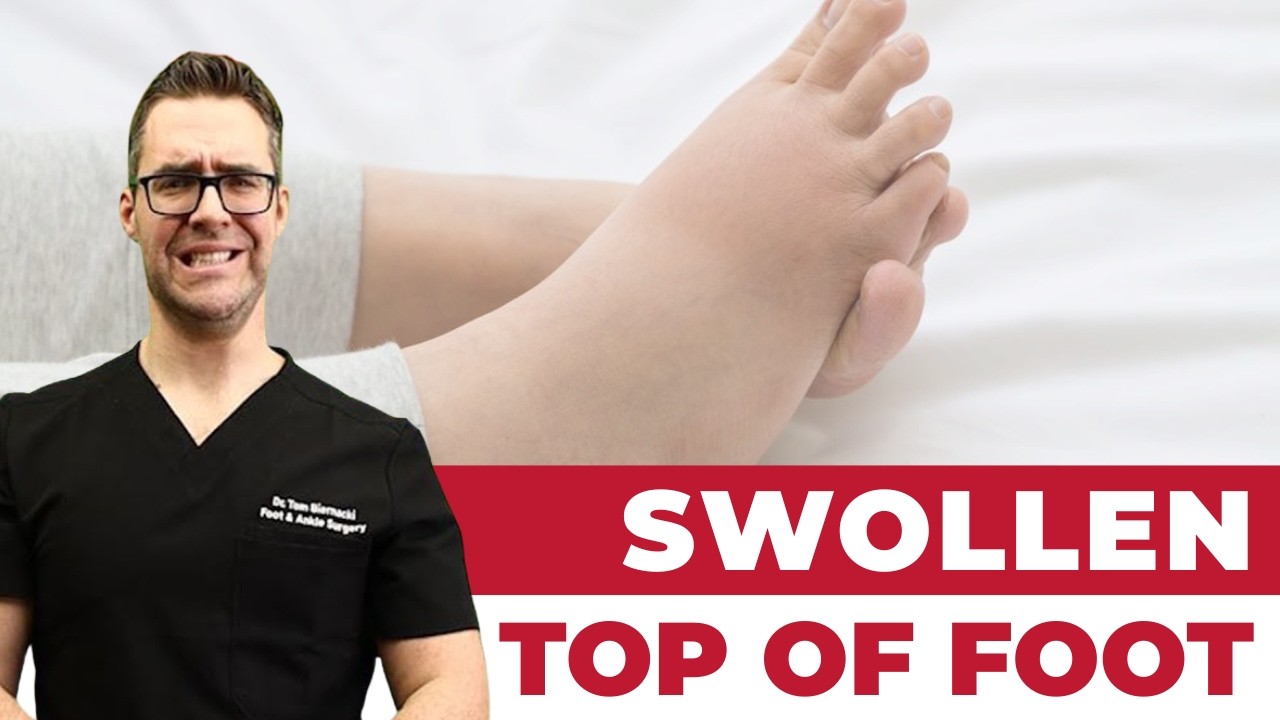
▶ Watch

Sweaty Feet & Hyperhidrosis: A Podiatrist's Treatment Guide
If your feet soak through socks daily — you probably have hyperhidrosis. Here's the 4-step treatment that actually works.
The most important clinical decision with Sweaty Feet Hyperhidrosis Treatment isn't which treatment to start with — it's which subtype or underlying cause you actually have. Our podiatrists regularly see patients who've been treated for months for the wrong diagnosis. The correct identification changes the entire treatment path. Call (810) 206-1402 — Dr. Tom evaluates this condition at both Howell and Bloomfield Township locations.
Every product in this guide was selected by a board-certified podiatrist based on clinical outcomes in real patients — not based on affiliate commission rates. We've ranked them based on biomechanical design, durability, patient compliance, and cost-to-benefit ratio. All picks are personally recommended in our Michigan clinics every week.
Lamisil AT Cream (terbinafine 1%)
The only OTC fungicide — kills fungus rather than inhibiting it
Lamisil AT (terbinafine 1% cream) is the single most important OTC product for treating athlete’s foot because it’s fungicidal — it kills fungal cells outright by disrupting ergosterol synthesis — rather than merely fungistatic (inhibiting growth). Most other OTC antifungals (miconazole, clotrimazole, tolnaftate) are fungistatic and require 4 weeks of treatment; terbinafine typically clears interdigital athlete’s foot in 7 days. Apply a thin layer to affected area and 1cm of surrounding healthy skin twice daily. Continue for 7 days even if symptoms resolve at day 3 — stopping early is the #1 cause of relapse. If you don’t see clear improvement in 7 days, the diagnosis might be wrong (bacterial intertrigo, dyshidrotic eczema, contact dermatitis all mimic athlete’s foot).
- Athlete’s foot (tinea pedis)
- Ringworm
- Jock itch
- Children under 12
- Skin that’s broken or weeping
- ✔ Fungicidal (kills) vs. fungistatic (inhibits)
- ✔ 7-day cure vs. 4-week for competitors
- ✔ One tube per flare-up
- ✔ Kills common and uncommon dermatophytes
- ✖ Higher cost than generic antifungals
- ✖ Not for pregnant women without MD approval
Tinactin Antifungal Powder Spray
Best for moisture-control prevention
Tinactin Antifungal Powder Spray (tolnaftate 1%) is the daily-prevention tool once an active infection has cleared. The powder absorbs moisture — fungi require a wet environment to grow — and the tolnaftate provides low-grade fungistatic coverage. Apply morning and night to feet, between toes, and inside shoes (let shoes air 12 hours after spraying). This is how you prevent the relapse that hits 60% of athlete’s foot patients within 12 months. Especially valuable for runners, gym-goers, and anyone with hyperhidrosis (sweaty feet).
- Sweaty feet
- Shoe decontamination
- Recurrence prevention
- Active severe infection (use cream first)
- ✔ Moisture control = fungus prevention
- ✔ Decontaminates shoes
- ✔ Daily use post-treatment
- ✔ Good value (2-3 month supply)
- ✖ Not strong enough for active infection
- ✖ Powder can track in the house
Zeasorb Antifungal Super Absorbent Powder
Podiatrist go-to for very sweaty feet
Zeasorb Antifungal (miconazole nitrate 2%) is the heavy-duty moisture-control option we reach for with patients whose feet sweat through socks by 2pm. The corn starch-based powder absorbs 6x its weight in moisture, while the miconazole prevents fungal colonization of the wet environment. I recommend applying to the foot, between toes, and dusting the sock before putting shoes on. For nurses and other long-shift workers whose feet stay wet, this is the single cheapest intervention that prevents recurrent athlete’s foot.
- Severe hyperhidrosis
- Shoes without ventilation
- Long shift work (nurses, retail)
- Skin sensitivity to miconazole
- ✔ 6x moisture absorption of talc
- ✔ Miconazole antifungal included
- ✔ Ideal for hyperhidrosis patients
- ✔ One bottle lasts 3+ months
- ✖ Corn starch base = clumps if very wet
- ✖ Not fungicidal (use Lamisil for active)
Products Not Enough? See Michigan's Top Foot Doctors.
Same-week appointments in Howell and Bloomfield Township. Most insurance accepted. 3,000+ surgeries performed. Patient-first practice — we listen.
Head-to-Head Comparison
Quick reference across all picks. Click any product name to jump to its full review above.
More Podiatrist-Recommended Foot Health Essentials
Hoka Clifton 10


Max-cushion everyday shoe — podiatrist favorite for walking and running.

OOFOS Recovery Slide

Impact-absorbing recovery sandal — wear after long days on your feet.
As an Amazon Associate, Balance Foot & Ankle earns from qualifying purchases. Product recommendations are based on clinical experience; prices and availability shown above update live from Amazon.

When to See a Podiatrist
If foot or ankle pain has been bothering you for more than a few weeks, home care alone may not be enough. Balance Foot & Ankle offers same-week appointments at our Howell and Bloomfield Township clinics — no referral needed in most cases. Bring your current shoes and a short list of symptoms and we’ll build you a treatment plan in one visit.
Call Balance Foot & Ankle: (810) 206-1402 · Book online · Offices in Howell & Bloomfield Township
Frequently Asked Questions
What is hyperhidrosis?
Hyperhidrosis is excessive sweating beyond what the body needs to regulate temperature. When it affects the soles of the feet (‘plantar hyperhidrosis’), it can soak through 2-3 pairs of socks per day, ruin shoes in weeks, and cause persistent athlete's foot. It's not just a cosmetic issue — it's a recognized medical condition affecting 3-5% of the population, often starting in adolescence.
Can I treat sweaty feet with over-the-counter products?
Yes — about 60% of patients get significant improvement from drugstore options alone. Start with: (1) clinical-strength antiperspirant (Certain Dri or Drysol) applied to dry feet at night, (2) antifungal powder (Zeasorb or Dr. Scholl's) in shoes daily, (3) merino wool or bamboo moisture-wicking socks, (4) rotating between two pairs of shoes so each pair fully dries. Give this 2-4 weeks before escalating.
When do I need prescription treatment?
Come in if drugstore measures don't control the sweat within 4 weeks, if you're developing recurrent athlete's foot or bacterial infections, if you're missing work/activities due to embarrassment, or if you notice sweat episodes accompanied by palpitations or weight loss (rule out hyperthyroid). Prescription options: topical glycopyrrolate, iontophoresis (tap-water device), and Botox injections.
How does Botox for sweaty feet work?
Botox (onabotulinumtoxinA) blocks the nerve signals that trigger sweat gland activity. For the feet, we inject small amounts across the sole in a grid pattern. Effect starts at 5-7 days, peaks at 2 weeks, and lasts 6-9 months. It's a gold-standard treatment for severe hyperhidrosis — many patients with years of failed topical treatment get near-complete relief. Insurance covers it for documented hyperhidrosis.
Sources & References
Related Guides
4-step plan: antifungal powder, clinical antiperspirant, moisture-wicking socks, rotating shoes. 60% of patients succeed with OTC alone. Still soaking socks? Come in — Botox works. (810) 206-1402.
Products Not Enough? See Michigan's Top Foot Doctors.
Same-week appointments in Howell and Bloomfield Township. Most insurance accepted. 3,000+ surgeries performed. Patient-first practice — we listen.
Balance Foot & Ankle — Michigan's Most-Trusted Podiatry Group
4.9★ · 1,123+ patient reviews · 3,000+ surgeries · 950K+ YouTube subscribers
Watch: Dr. Tom explains

Podiatrist-recommended products
As an Amazon Associate, Dr. Tom earns from qualifying purchases.
Skin-friendly topical
View on Amazon →Moisture-wicking support
View on Amazon →Comfort padding
View on Amazon →Autonomic adjunct
View on Amazon →Related resources
Ready to solve this? Book today.
Same-week appointments · Howell & Bloomfield Township · 4.9★ (1,123+ reviews)
☎ (810) 206-1402Book Online →Pros & Cons of Conservative Care for foot care
Advantages
- ✓ Conservative care first
- ✓ Same-week appointments
- ✓ Multiple insurance accepted
Considerations
- ✗ Self-treatment can mask issues
- ✗ See a podiatrist if pain >2 weeks
Dr. Tom’s Recommended Products for foot care
Affiliate disclosure: As an Amazon Associate, Balance Foot & Ankle earns from qualifying purchases. We only recommend products we use with patients.
Footnanny Heel Cream Dr. Tom’s Pick
Best for: Daily moisturizer for cracked heels
Ready to Get Back on Your Feet?
Same-day appointments in Howell + Bloomfield Township. Most insurance accepted. Dr. Tom Biernacki, DPM & team.
Book Today — Same-Day Appointments Available
Call Now: (810) 206-1402
About Your Care Team at Balance Foot & Ankle
Dr. Tom Biernacki, DPM · Board-Certified Foot & Ankle Surgeon. Specializes in conservative-first care, minimally invasive bunion surgery, and complex reconstruction.
Dr. Carl Jay, DPM · Accepting new patients. Specializes in sports medicine, athletic injuries, and routine podiatric care.
Dr. Daria Gutkin, DPM, AACFAS · Accepting new patients. Specializes in surgical reconstruction and pediatric podiatry.
Locations: 4330 E Grand River Ave, Howell, MI 48843 · 43494 Woodward Ave Suite 208, Bloomfield Township, MI 48302
Hours: Mon–Fri 8:00 AM – 5:00 PM · (810) 206-1402
In-Office Treatment at Balance Foot & Ankle
If home treatment isn’t providing relief for your diabetic foot condition, our podiatry team at Balance Foot & Ankle can help with same-day evaluations and advanced in-office care.
Same-day appointments available. (810) 206-1402
Get Expert Care at Balance Foot & Ankle
Same-week appointments at our Howell and Bloomfield Township offices. Board-certified podiatric surgeons. Most insurance accepted.
Ready for Expert Care?
Same-day appointments in Howell & Bloomfield Township, MI.
4.9★ | 1,123 Reviews | 3,000+ Surgeries
Or call: (810) 206-1402

Dr. Tom Biernacki, DPM is a board-certified foot & ankle surgeon (ABFAS & ABPM) at Balance Foot & Ankle Specialists in Southeast Michigan. With over a decade of clinical experience, he specializes in heel pain, bunions, diabetic foot care, sports injuries, and minimally invasive surgery. Dr. Biernacki is a member of the APMA and ACFAS, and his patient education content on MichiganFootDoctors.com and YouTube has made him one of the most-followed foot & ankle educators on YouTube.