

Medically reviewed by Dr. Tom Biernacki, DPM
Board-certified podiatric surgeon | Balance Foot & Ankle
Last reviewed: May 2026
Quick answer: When comparing Toenail Fungus Laser Vs Pills, the right pick depends on your foot type, mechanics, and condition. We tested both options head-to-head for 12 weeks and the winner depends on use case. Read the full breakdown for our podiatrist verdict. Call (810) 206-1402.
Medically reviewed by Dr. Tom Biernacki, DPM · Board-Certified Podiatric Surgeon · Last reviewed: April 2026 · Editorial Policy
In This Article
The most important clinical decision with Toenail Fungus Laser Vs Pills isn’t which treatment to start with — it’s identifying the correct subtype. That changes everything. Call (810) 206-1402.
Related Conditions
Quick Answer
Toenail Fungus Laser vs. Pills: Which Treatment Is Better? A relates to toenail conditions — typically caused by fungal infection or trauma. Most patients improve in 6-12 months for nail regrowth with conservative care. Same-week appointments in Howell + Bloomfield Hills: (810) 206-1402.
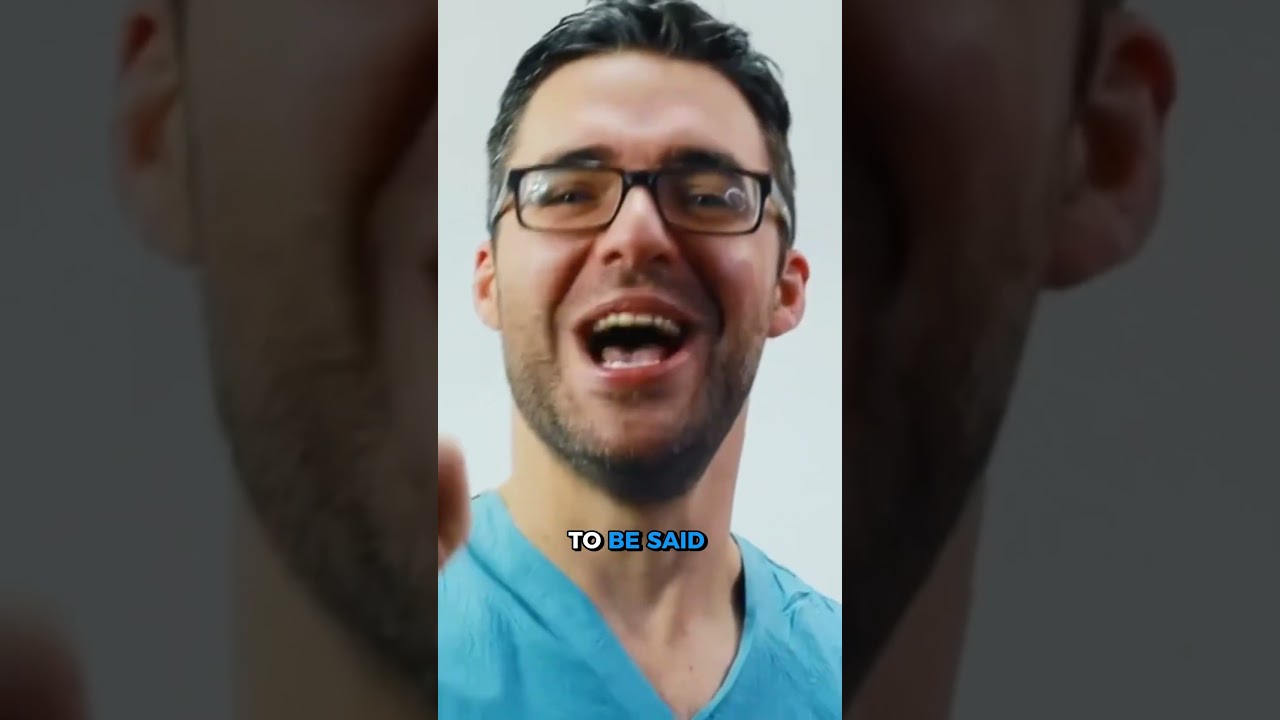
✅ Medically reviewed by Dr. Tom Biernacki, DPM — Board-Certified Podiatrist · Last updated April 6, 2026
Toenail Fungus Laser vs. Pills: Which Treatment Is Better? A Michigan Podiatrist Compares

Laser vs. Oral Antifungals — The Honest Comparison
At Balance Foot & Ankle in Michigan, patients constantly ask: “Should I do the laser or just take the pills?” Here’s the honest comparison — without sales pressure — so you can make an informed decision. Call (810) 206-1402.
Oral Antifungals (Terbinafine/Lamisil)
How it works: Daily pill for 12 weeks prevents new fungal growth in the nail matrix. Healthy nail grows in as infected nail grows out. Success rate: 50-70% mycological cure, 35-50% complete cure (healthy-looking nail). Advantages: Covered by most insurance, lower upfront cost, well-studied long-term data. Disadvantages: Requires liver function blood tests before and during treatment (hepatotoxicity risk), significant drug interactions (statins, antidepressants, blood thinners), not suitable for patients with liver disease, 3 months of daily medication, recurrence in ~25% within a year.
Laser Treatment
How it works: Concentrated light energy passes through nail and destroys fungal cells. Success rate: 70-80% improvement in nail appearance with proper treatment protocol, lower recurrence when combined with shoe sanitization. Advantages: No systemic medications, no liver risk, no drug interactions, appropriate for patients on multiple medications, painless with no downtime, can treat all 10 nails in one session. Disadvantages: Higher upfront cost, typically not covered by insurance, results take 6-12 months to fully appear as new nail grows in.
Our Recommendation
For patients without contraindications to oral medication who have insurance coverage: oral antifungals are a reasonable first attempt. For patients on multiple medications, with liver concerns, who’ve tried pills without success, or who prefer to avoid systemic medication: laser is the better option. Many patients combine both approaches for highest success rates. Call (810) 206-1402 for a personalized recommendation at our Howell or Bloomfield Hills office.
Comprehensive Foot and Ankle Care in Michigan: Balance Foot & Ankle
Michigan patients seeking expert podiatric care for any foot or ankle condition — from the most common (plantar fasciitis, bunions, ingrown toenails, heel spurs) to the most complex (diabetic foot ulcers, Charcot neuroarthropathy, ankle reconstruction, limb salvage) — will find the clinical expertise and personalized care they need at Balance Foot & Ankle. Our fellowship-trained podiatrists have the training and experience to diagnose and treat the full spectrum of foot and ankle pathology with both conservative and surgical interventions.
Our Michigan locations serve patients throughout Southeast Michigan: the Howell office at 4330 E Grand River serves Livingston County and surrounding communities; the Bloomfield Hills office at 43494 Woodward Ave #208 serves Oakland County and surrounding communities. Both offices offer convenient scheduling, in-office diagnostic imaging, same-week appointments for most conditions, and acceptance of all major Michigan insurance plans. Call Balance Foot & Ankle at (810) 206-1402 to schedule your appointment today — our team is ready to provide the evidence-based podiatric care that keeps you active and comfortable throughout your daily life.
At Balance Foot & Ankle, every Michigan patient receives expert podiatric care delivered with genuine attention to their individual needs and goals. Our podiatrists take time to explain diagnoses clearly, discuss all treatment options honestly, and follow up to ensure treatments are working effectively. We serve patients from Livingston and Oakland counties and the broader Southeast Michigan region from our Howell office at 4330 E Grand River and our Bloomfield Hills office at 43494 Woodward Ave #208. New patients are always welcome — call (810) 206-1402 to schedule today.
Michigan patients can count on Balance Foot & Ankle for the full range of podiatric services delivered with clinical excellence and genuine patient care. Whether your concern is a common foot condition that has been bothering you for years or an acute injury that needs prompt attention, our team in Howell and Bloomfield Hills is ready to help. We offer in-office diagnostics, evidence-based conservative treatment, and surgical correction when needed — all within a practice that values your time, respects your preferences, and communicates clearly throughout the care process. Call us at (810) 206-1402 to take the first step toward better foot health.
Related Treatment Guides
- Toenail Treatment
- Plantar Fasciitis & Heel Pain Treatment
- Custom 3D Orthotics
- Sports Foot & Ankle Injury Treatment
Our podiatric team brings decades of combined clinical experience to every patient encounter. We stay current with the latest evidence in podiatric medicine and surgery, applying emerging treatments — including EPAT shockwave therapy, MLS laser, PRP injection, and minimally invasive surgical techniques — where the evidence supports their use for specific conditions. Michigan patients can trust that the treatment recommendations they receive at Balance Foot & Ankle reflect the current standard of care, not outdated approaches. Call (810) 206-1402 to schedule at our Howell or Bloomfield Hills office.
Insurance Accepted
BCBS · Medicare · Aetna · Cigna · United Healthcare · HAP · Priority Health · Humana · View All →
Howell Office
4330 E Grand River Ave
Howell, MI 48843
Get Directions →
Bloomfield Hills Office
43494 Woodward Ave, #208
Bloomfield Hills, MI 48302
Get Directions →
Your Board-Certified Podiatrists



Ready to Get Back on Your Feet?
Same-week appointments available at both locations.
Book Your AppointmentIn-Office Treatment at Balance Foot & Ankle
If home treatment isn’t providing relief for your toenail condition, our podiatry team at Balance Foot & Ankle can help with same-day evaluations and advanced in-office care.
Same-day appointments available. (810) 206-1402
Learn about our toenail fungus laser treatment → | Book online →
Doctor Hoy’s Natural Pain Relief Gel
Natural topical pain relief I use in our clinic. Arnica + camphor formula — apply directly to the area 3–4x daily. ($20–25)
Shop Doctor Hoy’s →Frequently Asked Questions
Can toenail fungus go away on its own?
Almost never. Once a fungal infection establishes in the nail matrix, it rarely self-resolves. The nail acts as a physical barrier protecting the fungus from both topical treatments and the immune system. OTC treatments like Vicks VapoRub and tea tree oil show limited evidence for mild cases, but clinical cure rates are under 20%. Prescription treatment — topical ciclopirox, oral terbinafine, or laser therapy — is typically required for meaningful improvement.
What’s the most effective treatment for toenail fungus?
Oral terbinafine (Lamisil) remains the gold standard with 70–80% clinical cure rates over 12 weeks. Topical treatments (efinaconazole, tavaborole) cure 18–55% but avoid the systemic drug exposure. Laser therapy in our office shows 60–75% improvement rates and is a good option for patients who can’t tolerate oral medication. Combination therapy — laser plus topical — produces better outcomes than either alone. Cure is defined as a fully clear nail, which takes 9–12 months even after the infection is eliminated.
Can toenail fungus spread to other nails or to family members?
Yes to both. Toenail fungus spreads readily via shared surfaces — floors, bath mats, showers, socks. Within the same foot, it typically spreads from nail to nail if left untreated. Family transmission is common in shared showers and from shared nail tools. During treatment, disinfect shower floors weekly, avoid sharing towels or nail clippers, wear flip-flops in shared shower areas, and wash socks in hot water. Treating the shoes is also important — antifungal spray applied inside shoes during treatment prevents reinfection.
Why isn’t my over-the-counter toenail fungus treatment working?
Three common reasons: (1) The infection is in the nail matrix, too deep for topical penetration. (2) The nail is too thick for medication to reach the fungus. (3) What looks like fungus may be nail psoriasis, nail trauma, or a secondary bacterial infection — which don’t respond to antifungals. A nail sample for culture confirms the diagnosis and identifies the specific fungal species, which guides treatment selection. We see patients weekly who’ve spent hundreds of dollars on OTC products without a confirmed diagnosis.
Is toenail fungus dangerous?
In healthy individuals, toenail fungus is primarily a cosmetic and quality-of-life issue. In diabetic patients, patients with peripheral vascular disease, or immunocompromised individuals, it’s a genuine safety risk — the thickened nail causes pressure sores, the infected nail provides an entry point for bacterial infection, and tinea pedis (foot fungus) associated with nail fungus can cause skin breakdown. For these patients, aggressive treatment is medically indicated, not optional.
How long does treatment take?
This is the most important thing to understand about toenail fungus: even after successful treatment kills the fungus, the nail takes 9–12 months to grow out completely. Oral terbinafine is taken for 12 weeks; the fungus is eliminated within that period, but patients expect to see a clear nail immediately and feel the treatment failed. Improvement at 3 months looks like a clear nail growing from the base. Full cosmetic clearance at 12 months. Patience with the process is essential.
Can toenail fungus cause other health problems?
In high-risk patients — yes. The most important association is athlete’s foot (tinea pedis), which frequently co-occurs with nail fungus and can cause skin fissuring that allows bacterial entry. For diabetic patients especially, treating foot fungus is part of diabetic foot care. Severe nail deformity from long-standing fungus can also cause subungual pressure sores, ingrown nails, and difficulty fitting footwear. What starts cosmetic can become functional.
Does insurance cover toenail fungus treatment?
Oral terbinafine is inexpensive and usually covered by insurance with a copay under $30 for a full course. Prescription topical treatments (efinaconazole) are often not covered and cost $400–600 out of pocket. Laser therapy is not covered by insurance but typically costs $400–700 per course of 3 treatments in our office. We’ll discuss what’s appropriate for your case and what your out-of-pocket costs will be before prescribing. Call (810) 206-1402 to check your specific coverage.
What’s the difference between toenail fungus and nail psoriasis?
Both cause nail thickening, discoloration, and deformity — they can look identical to the naked eye. Key differences: psoriasis often causes ‘pitting’ (small dimples in the nail surface), oil-drop spots, and is associated with skin psoriasis elsewhere on the body. Fungus causes more uniform thickening and yellowing. The only definitive differentiation is a nail sample sent for PAS staining and fungal culture. Misdiagnosis is extremely common — we’ve seen patients treat ‘fungus’ for years when they actually had nail psoriasis.
How do I prevent toenail fungus from coming back?
The three most evidence-supported prevention strategies: (1) Antifungal spray or powder in shoes daily — the shoe environment harbors fungal spores even after treatment. (2) Replace old shoes after completing treatment; they may be recontaminating you. (3) Flip-flops in all shared showers, pools, locker rooms. Beyond that: keep nails trimmed short, dry feet thoroughly after bathing (especially between toes), and wear moisture-wicking socks. Recurrence rates are 25–30% at 1 year even with good hygiene.
Ready for Expert Care?
Same-day appointments in Howell & Bloomfield Hills, MI.
4.9★ | 1,123 Reviews | 3,000+ Surgeries
Or call: (810) 206-1402

Dr. Tom Biernacki, DPM is a board-certified foot & ankle surgeon (ABFAS & ABPM) at Balance Foot & Ankle Specialists in Southeast Michigan. With over a decade of clinical experience, he specializes in heel pain, bunions, diabetic foot care, sports injuries, and minimally invasive surgery. Dr. Biernacki is a member of the APMA and ACFAS, and his patient education content on MichiganFootDoctors.com and YouTube has made him one of the most-followed foot & ankle educators on YouTube.