
Medically reviewed by Dr. Tom Biernacki, DPM
Board-certified podiatric surgeon | Balance Foot & Ankle, Howell & Bloomfield Township, MI
Last reviewed: May 2026

| Grade | Pathology | Clinical Finding | Return to Play | Treatment |
|---|---|---|---|---|
| Grade I | Plantar capsuloligamentous stretch; intact; no sesamoid injury | Mild tenderness; minimal swelling; full ROM preserved | Days — may play with rigid taping | RICE; rigid toe plate in shoe; buddy tape; activity as tolerated |
| Grade II | Partial plantar plate tear; sesamoid bruising; limited ROM | Moderate swelling + ecchymosis; painful dorsiflexion; diffuse tenderness | 2–14 days with boot/rigid plate | NWB boot 2–7 days; rigid plate/orthosis; PT; avoid forced dorsiflexion 3–4 weeks |
| Grade III | Complete plantar plate disruption; sesamoid fracture or dislocation; cartilage injury | Severe swelling; marked pain entire 1st MTP; loss of dorsiflexion; ecchymosis across plantar forefoot | 4–8+ weeks; possible surgery | NWB cast/boot 4–6 weeks; MRI mandatory; surgery if sesamoid fracture displaced, bipartite diastasis, or ligament avulsion |
| Treatment | Grade | Technique | Success Rate | Return to Sport |
|---|---|---|---|---|
| Rigid Toe Plate Taping | I–II | Carbon fiber or metal toe plate limits MTP dorsiflexion to <25° in cleated shoe | Allows immediate return Grade I; 80% Grade II | Immediate (Grade I); days (Grade II) |
| NWB Boot + PT | II–III | Immobilizes MTP; reduce swelling; progressive ROM at 2 weeks | 80–90% Grade II; Grade III variable | 2–4 weeks Grade II; 6–8 weeks Grade III without surgery |
| Sesamoidectomy / Repair | III (displaced fracture; avascular necrosis) | Excise fractured sesamoid via plantar incision; preserve flexor hallucis brevis attachment | 75–85% | 3–4 months |
| Plantar Plate Repair | III (complete disruption) | Suture anchor repair of plate back to proximal phalanx base; combined with sesamoid care | 80–90% | 4–6 months |
| Chondral / OCD Treatment | III (cartilage damage) | Arthroscopic chondroplasty; microfracture; osteochondral graft if large lesion | 70–85% depending on lesion size | 4–6 months |
Quick answer: Treatment for turf toe first mtp sprain treatment michigan podiatrist follows a stepwise approach: 1) conservative care first (rest, ice, supportive footwear, OTC anti-inflammatories), 2) physical therapy and targeted exercises, 3) in-office treatments (injections, custom orthotics) if conservative fails at 4-6 weeks, 4) surgery for refractory cases. Most patients resolve at step 1 or 2. Call (810) 206-1402.
Medically Reviewed | Dr. Tom Biernacki, DPM | Board-Certified Podiatric Surgeon | Balance Foot & Ankle, Michigan
Watch: #1 Big Toe Joint Pain Cure [Arthritis? Sesamoiditis? Turf Toe? Gout?] — MichiganFootDoctors YouTube
The most important clinical decision with Turf Toe First Mtp Sprain Treatment Michigan Podiatrist isn’t which treatment to start with — it’s identifying the correct subtype. That changes everything. Call (810) 206-1402.
The most important clinical decision with Turf Toe First Mtp Sprain Treatment Michigan Podiatrist isn’t which treatment to start with — it’s identifying the correct subtype. That changes everything. Call (810) 206-1402.
What Is Turf Toe?
Turf toe is a sprain of the plantar complex at the first metatarsophalangeal (MTP) joint—the joint at the base of the big toe. The injury occurs when the toe is forcibly hyperextended beyond its normal range while the foot is planted, as commonly happens in football, soccer, basketball, and other field sports on artificial turf surfaces. The term has expanded to include similar injuries on natural grass. Structures at risk include the plantar plate, collateral ligaments, flexor hallucis brevis tendons, and sesamoid bones.
Grading Turf Toe Severity
Dr. Biernacki grades turf toe injuries using the Anderson classification. Grade I injuries involve stretching of the plantar complex without macroscopic tearing—localized tenderness and mild swelling without instability. Grade II injuries produce a partial tear with moderate swelling, significant tenderness, restricted motion, and difficulty walking on the toes. Grade III injuries involve complete disruption of the plantar complex, often with sesamoid fracture or proximal sesamoid migration, resulting in gross instability, severe swelling and bruising, and inability to push off. Grade III injuries often require surgical repair to restore joint stability and prevent chronic hallux rigidus.
Diagnosing Turf Toe
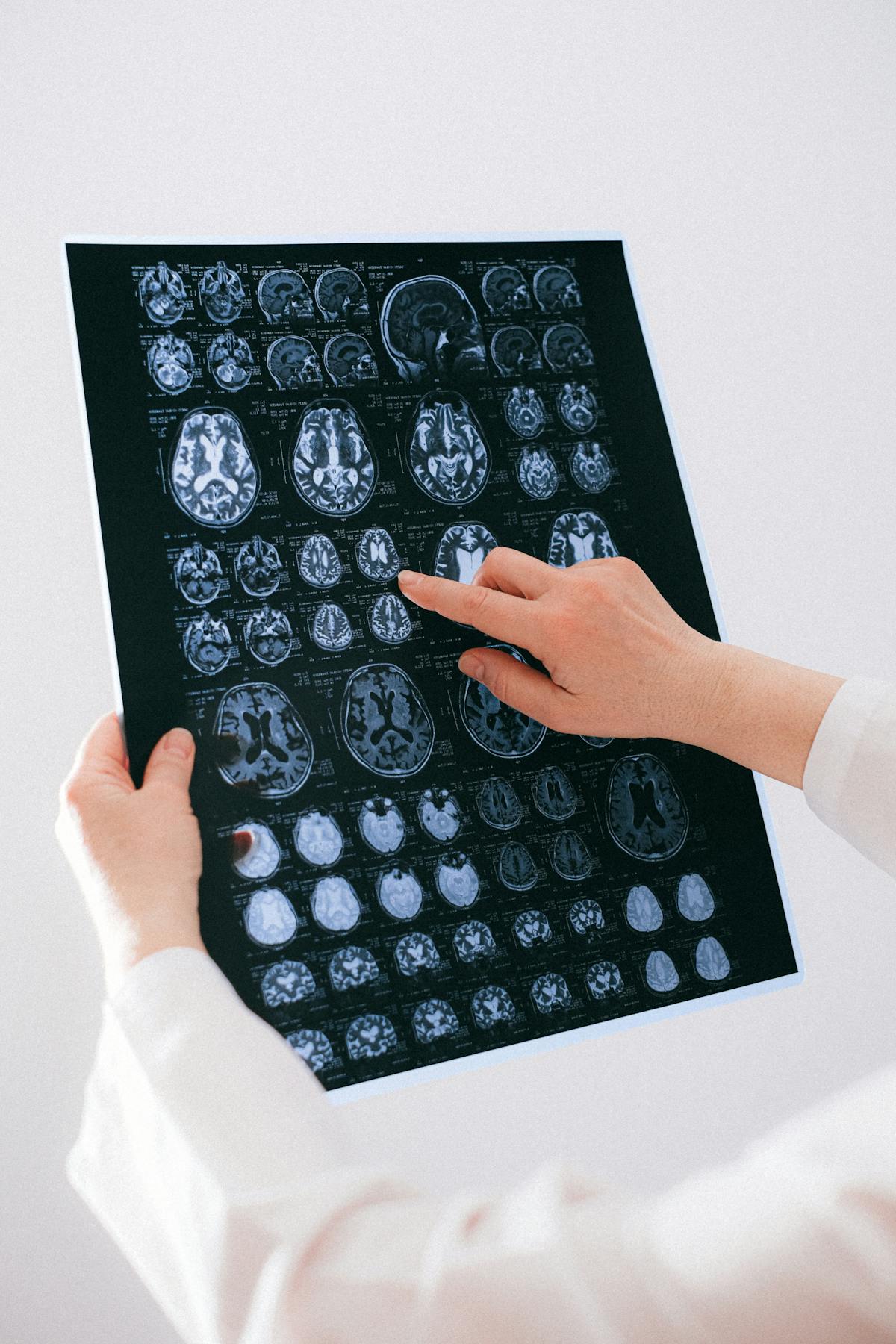
Clinical examination includes assessment of swelling, bruising pattern, range of motion, and the critical Lachman-equivalent test for first MTP plantar plate integrity—excessive dorsiflexion laxity compared to the uninjured side indicates plantar plate disruption. Weight-bearing digital X-rays assess sesamoid position and proximal migration indicating plantar plate avulsion. MRI is the definitive imaging modality for soft-tissue injury characterization, sesamoid integrity, and surgical planning in suspected Grade II–III injuries.
Conservative Treatment for Grade I and II Turf Toe
Grade I injuries are treated with rigid taping to limit first MTP dorsiflexion, a stiff-soled shoe or Morton’s extension orthosis, ice, elevation, and NSAIDs. Return to sport in days to weeks is typical. Grade II injuries require a period of protected weight-bearing with a walking boot, progressive rehabilitation, and delayed return to sport over three to six weeks. Stiff carbon fiber plate inserts prevent re-injury during return to competition. Dr. Biernacki coordinates with sports medicine colleagues when athletic return-to-play timelines are critical.
Surgical Repair of Grade III Turf Toe
Complete plantar plate tears with instability and proximal sesamoid migration require surgical repair to restore the capsuloligamentous complex and sesamoid position. Dr. Biernacki performs plantar plate repair, sesamoid fixation or excision (when fractured), and collateral ligament reconstruction as indicated. Post-operative immobilization in a boot is followed by progressive rehabilitation over three to four months. Surgical outcomes are excellent when instability and sesamoid position are properly addressed—untreated Grade III injuries frequently progress to hallux rigidus and chronic joint arthritis.
Preventing Turf Toe Recurrence
Athletes returning from turf toe should use stiff-soled athletic shoes, carbon fiber plate orthotics, and taping or bracing throughout the athletic season. Footwear counseling is essential—flexible athletic shoes with minimal toe-box stiffness are high-risk for turf toe recurrence. Dr. Biernacki provides specific return-to-sport clearance criteria and a graduated protocol to minimize re-injury risk at the first MTP joint.
Dr. Tom's Product Recommendations
Pedag Viva Carbon Fibre Insole
⭐ Highly Rated
Carbon fiber plate prevents first MTP dorsiflexion—exactly what turf toe athletes need to protect the injured plantar plate during return to sport.
Dr. Tom says: “A carbon fiber plate insole is the single most important piece of equipment for an athlete returning from turf toe. Don’t go back on the field without one.”
Athletes recovering from turf toe and returning to sport
Those with complete Grade III tears requiring surgical repair first
Disclosure: We earn a commission at no extra cost to you.
Mueller Turf Toe Plate
⭐ Highly Rated
Specifically designed rigid turf toe plate limits great toe extension to protect healing first MTP ligaments during athletic activity and daily walking.
Dr. Tom says: “Mueller’s turf toe plate is an excellent affordable option for athletes who need MTP joint protection during their return-to-play period.”
Athletes and active patients with turf toe needing joint protection
Severe Grade III injuries requiring surgical stabilization rather than orthotics alone
Disclosure: We earn a commission at no extra cost to you.
✅ Pros / Benefits
- A
- c
- c
- u
- r
- a
- t
- e
- g
- r
- a
- d
- i
- n
- g
- g
- u
- i
- d
- e
- s
- p
- r
- e
- c
- i
- s
- e
- t
- r
- e
- a
- t
- m
- e
- n
- t
- ,
- m
- o
- s
- t
- G
- r
- a
- d
- e
- I
- –
- I
- I
- i
- n
- j
- u
- r
- i
- e
- s
- h
- e
- a
- l
- w
- i
- t
- h
- o
- u
- t
- s
- u
- r
- g
- e
- r
- y
- ,
- s
- u
- r
- g
- i
- c
- a
- l
- o
- u
- t
- c
- o
- m
- e
- s
- e
- x
- c
- e
- l
- l
- e
- n
- t
- f
- o
- r
- G
- r
- a
- d
- e
- I
- I
- I
- w
- i
- t
- h
- p
- r
- o
- p
- e
- r
- r
- e
- p
- a
- i
- r
- .
❌ Cons / Risks
- G
- r
- a
- d
- e
- I
- I
- I
- i
- n
- j
- u
- r
- i
- e
- s
- r
- e
- q
- u
- i
- r
- e
- s
- u
- r
- g
- e
- r
- y
- a
- n
- d
- e
- x
- t
- e
- n
- d
- e
- d
- r
- e
- h
- a
- b
- ;
- c
- h
- r
- o
- n
- i
- c
- a
- r
- t
- h
- r
- i
- t
- i
- s
- d
- e
- v
- e
- l
- o
- p
- s
- i
- f
- s
- e
- v
- e
- r
- e
- i
- n
- j
- u
- r
- i
- e
- s
- a
- r
- e
- m
- i
- s
- m
- a
- n
- a
- g
- e
- d
- o
- r
- u
- n
- d
- e
- r
- t
- r
- e
- a
- t
- e
- d
- .
Dr. Tom Biernacki’s Recommendation
Turf toe sounds minor but it can end a career if a Grade III tear is misclassified as a minor sprain and an athlete returns too soon. I take first MTP injuries seriously—proper imaging, accurate grading, and a structured return-to-sport protocol make the difference between a full recovery and chronic joint damage. Come in right after the injury.
— Dr. Tom Biernacki, DPM | Board-Certified Podiatric Surgeon | Balance Foot & Ankle
Frequently Asked Questions
Can I play through turf toe?
Grade I turf toe can often be managed with taping and return to sport quickly. Grade II and III injuries require proper rest and rehabilitation—playing through a Grade III tear risks permanent joint instability and arthritis.
How long does turf toe take to heal?
Grade I: days to two weeks. Grade II: three to six weeks. Grade III without surgery: six to twelve weeks or longer with ongoing instability. Grade III with surgical repair: three to four months of rehabilitation.
Does turf toe require an MRI?
Dr. Biernacki orders MRI for suspected Grade II–III injuries to accurately characterize soft tissue damage and sesamoid status. Grade I injuries diagnosed with high confidence clinically may not need MRI.
Is turf toe worse on artificial turf?
Artificial turf creates more friction between shoe and surface, increasing the torque transmitted to the forefoot during planting. However, turf toe can occur on any firm playing surface. Shoe stiffness is equally important as surface type.
Michigan Foot Pain? See Dr. Biernacki In Person
4.9★ rated | 1,123 Reviews | 3,000+ Surgeries
Same-week appointments · Howell & Bloomfield Township
📞 (810) 206-1402 Book Online →Frequently Asked Questions
How long does treatment take to work?
Most patients see improvement in 4-8 weeks with consistent conservative care. Persistent symptoms after 8 weeks need imaging and escalation.
When is surgery needed?
Surgery is reserved for cases that fail 3-6 months of conservative care, structural deformities, or fractures requiring stabilization.
Is this covered by insurance?
Most diagnostic visits and conservative treatments are covered by Medicare and major insurers. Custom orthotics often require diabetic or post-surgical justification.
Visit Balance Foot & Ankle — Same-Day Appointments Available
Our podiatry team serves patients throughout Michigan including Howell, Brighton, and Bloomfield Township. If you’re dealing with heel pain, ingrown toenails, or a foot injury, we have same-day appointment availability.
Ready to Get Relief?
Same-day appointments available in Howell & Bloomfield Township, MI
4.9★ | 1,123 Reviews | 3,000+ Surgeries
Or call: (810) 206-1402

Dr. Tom Biernacki, DPM is a board-certified foot & ankle surgeon (ABFAS & ABPM) at Balance Foot & Ankle Specialists in Southeast Michigan. With over a decade of clinical experience, he specializes in heel pain, bunions, diabetic foot care, sports injuries, and minimally invasive surgery. Dr. Biernacki is a member of the APMA and ACFAS, and his patient education content on MichiganFootDoctors.com and YouTube has made him one of the most-followed foot & ankle educators on YouTube.
More questions patients ask
What is turf toe and how does a first MTP joint sprain cause big toe pain?
Turf toe is a sprain of the plantar capsuloligamentous complex of the first metatarsophalangeal (MTP) joint -- the joint at the base of the great toe -- caused by forced hyperextension (dorsiflexion) of the first MTP joint, most commonly when an athlete's heel rises while the toe remains planted on a firm surface, stretching or tearing the plantar plate, collateral ligaments, sesamoid ligaments, and flexor hallucis brevis tendons that stabilize the joint; it is called turf toe because it became epidemic with the widespread adoption of artificial turf and flexible athletic shoes in the 1970s, and it remains one of the most common injuries in American football, soccer, basketball, and gymnastics. The first MTP capsuloligamentous complex: the plantar aspect of the first MTP joint is stabilized by the plantar plate (a thick fibrocartilaginous structure), the medial and lateral sesamoids (embedded within the flexor hallucis brevis tendons), the sesamoid ligaments (connecting the sesamoids to the phalanx and metatarsal), the intersesamoid ligament, and the medial and lateral collateral ligaments; this complex is the primary restraint against hyperextension; during normal walking and running push-off, the first MTP dorsiflexes 65 degrees -- the capsuloligamentous complex controls this motion; in turf toe, this complex is overloaded beyond its tensile capacity; Anderson grading (the standard classification): Grade I (sprain): plantar capsule stretch without disruption; local tenderness and mild swelling; no joint instability; Grade II (partial tear): partial tear of the plantar complex; moderate swelling and ecchymosis; restricted motion due to pain; Grade III (complete tear): complete disruption of the plantar complex; significant swelling, ecchymosis, and loss of motion; possible sesamoid fracture or diastasis (separation of the bipartite sesamoid); frank instability on stress testing; MRI: defines the degree of plantar plate disruption, sesamoid injury, articular cartilage damage, and intraarticular loose bodies; mandatory for Grade II and III injuries in competitive athletes.
How is turf toe treated and when can an athlete return to sport?
Turf toe treatment is graded by injury severity -- Grade I injuries return to sport in days with taping and footwear modification, while Grade III complete tears require 6-8 weeks of immobilization and occasionally surgery; the most important principle is that undertreated turf toe leads to hallux limitus (chronic big toe stiffness), sesamoiditis, and first MTP arthritis that can end athletic careers. Grade I treatment: RICE (rest, ice, compression, elevation) for 24-48 hours; turf toe taping: the first MTP joint is taped in slight plantarflexion to restrict hyperextension; the tape is applied under tension on the dorsum of the toe to create a mechanical block against further hyperextension; the most effective protective measure; rigid-soled shoe or stiff insole: reduces first MTP dorsiflexion during push-off; a Morton's extension orthotic (a rigid plate extending under the great toe) is particularly effective; Return to sport Grade I: 3-5 days with taping and modified footwear; Grade II treatment: non-weight-bearing or protected weight-bearing for 3-7 days; a cam boot or rigid-soled shoe for 1-2 weeks; turf toe taping once weight-bearing; progressive range of motion exercises after pain resolves; return to sport Grade II: 2-6 weeks depending on the degree of partial tear; the athlete should not return until they have pain-free push-off and dorsiflexion; Grade III treatment: strict non-weight-bearing for 2-4 weeks; a walking boot for 4-6 weeks total; early protected range of motion at 3-4 weeks to prevent joint stiffness; physical therapy: ROM restoration, flexor hallucis longus strengthening, progressive loading; return to sport Grade III: 6-8 weeks minimum; return criteria: full pain-free dorsiflexion to at least 50-60 degrees, ability to perform single-leg toe raise without pain, and pain-free sprinting and cutting; Surgical treatment (for Grade III with specific findings): indications: complete plantar plate disruption with joint instability that fails conservative management; sesamoid fracture with displacement greater than 3mm; traumatic hallux valgus with medial sesamoid diastasis; intraarticular loose body causing mechanical block; direct plantar plate repair with suture anchors; sesamoid excision for non-healing fractures; outcomes: 85-95% return to sport after appropriate grade-matched treatment; the most important prognostic factor is the grade of the initial injury and early accurate diagnosis.
Still have a question about coverage or cost? Book online and we will check your benefits before your visit: Book in Howell · Book in Bloomfield Township. Prefer to talk it through first? Call (810) 206-1402.