
![Why Are My Toenails Falling Off? [Toenail Regrowth After Falling Off] | Balance Foot & Ankle](https://www.michiganfootdoctors.com/uploads/2021/09/why-are-my-toenails-falling-off-toenail-regrowth-after-falling-off.avif)
Quick answer: Why Are My Toenails Falling Off Toenail Regrowth After Falling Off is a common nail condition with multiple causes including trauma, fungal infection, biomechanical pressure, and underlying medical conditions. Treatment depends on the cause: trauma resolves as the nail grows out (6-12 months), fungus needs antifungal therapy, and biomechanical issues need shoe and orthotic correction. Call (810) 206-1402.
What Causes Toenails to Fall Off? 5 Reasons (Podiatrist 2026)
What causes toenails to fall off: (1) Repeated trauma (runners toe) — #1 cause; downhill running, ill-fitting shoes, (2) Subungual hematoma — bruise under nail from acute injury, (3) Fungal nail infection (onychomycosis) — chronic infection destroys nail bed attachment, (4) Psoriasis or autoimmune nail disease, (5) Aggressive pedicure — cutting cuticles or aggressive callus shaving lifts the nail. The good news: fingernails fully regrow in 6 months, toenails take 12-18 months.
In my Michigan podiatry clinic, my nail regrowth protocol: (1) keep area clean + dry, change sock 2x daily, (2) antibiotic ointment + bandage during sensitive phase (first 2-4 weeks), (3) moisture-wicking socks + roomier shoes until new nail grows in, (4) biotin supplement 2.5mg/day may speed growth, (5) treat any underlying fungal or psoriasis condition. See a podiatrist within 1 week if: bleeding doesn’t stop, signs of infection (red streaking, pus, fever), or you have diabetes.
★ DR. TOM BIERNACKI, DPM, FACFAS · BOARD-CERTIFIED PODIATRIST
Toenail Coming Off: Quick Answer
A toenail that’s detaching or falling off (technically called onycholysis) most commonly comes from one of 4 causes: (1) Trauma — subungual hematoma from impact lifts the nail. (2) Fungal infection — chronic onychomycosis weakens the nail plate. (3) Repetitive micro-trauma — running shoes too short, especially on long runs/hikes. (4) Skin/systemic conditions — psoriasis, thyroid disease, certain medications.
What to do: If the nail is partially detached, leave the loose portion in place (it acts as a biologic dressing). Don’t pull or pry. Trim the loose edge with clean scissors if it catches on socks. Apply antibiotic ointment + non-stick gauze. If the nail is COMPLETELY detached, treat the bare nail bed with antibiotic ointment + dressing. Regrowth timeline: 4-6 months for big toenail, 3-4 months for smaller toenails. The new nail may grow in irregularly initially — this normalizes over 6-12 months. See a podiatrist if: signs of infection, you have diabetes, or the nail bed looks abnormal (color, texture).
Medically reviewed by Dr. Tom Biernacki, DPM · Board-Certified Podiatric Surgeon · Last reviewed: April 2026 · Editorial Policy
Quick Answer
Why are my Toenails Falling Off? [Toenail Regrowth After Fal relates to toenail conditions — typically caused by fungal infection or trauma. Most patients improve in 6-12 months for nail regrowth with conservative care. Same-week appointments in Howell + Bloomfield Hills: (810) 206-1402.
✅ Medically reviewed by Dr. Tom Biernacki, DPM — Board-Certified Podiatrist · Last updated April 6, 2026
Toenail Trouble? Get Answers and Tips
Why Are My Toenails Falling Off? (Toenail Regrowth After Falling Off)
What to do when your toenails fall off? And why are my toenails falling off? We review how long it takes for toenail regrowth after falling off?
Is your toenail falling off but still attached? We also review what to do when your toenail falls off with no injury and toenails falling off due to toenail fungus.
Book your consultation today and take the first powerful step toward fungus-free nails!
https://www.youtube.com/watch?v=UI-qtxlInyMWhy Are My Toenails Falling Off? Shocking Causes You Shouldn’t Ignore
Losing a toenail can be alarming—especially when it happens without warning. Whether it’s from trauma, fungal infection, or an underlying health condition, there are many possible reasons why your toenails may start to loosen or fall off. In this guide, we break down the most common causes, what symptoms to watch for, and what you can do to prevent further damage or infection. Your feet carry you through life—it’s time to take better care of them.
What Makes Laser Treatment for Toenail Fungus So Powerful?
Laser treatment for toenail fungus uses high-intensity light energy to penetrate deep into the nail, attacking the fungus directly at its root. It’s a clinically proven, FDA-cleared solution with a high success rate and zero recovery time.
Here are 7 powerful reasons why laser therapy is your best choice:
- Fast & Painless – Sessions take just 30 minutes with no downtime.
- Non-Invasive – No cutting, no drugs, and no side effects.
- Clinically Proven – Backed by FDA clearance and medical studies.
- High Success Rate – Most patients see improvement in just 1–3 sessions.
- Drug-Free Relief – Ideal for patients avoiding oral antifungals.
- Long-Lasting Results – Prevents recurrence with proper aftercare.
- Visible Nail Improvement – Healthier-looking nails as they grow out.
Worried About a Loose Toenail? Get Expert Help Today
Don’t wait until it becomes painful or infected. Book a consultation with a foot specialist near you and get a personalized diagnosis and treatment plan. Early intervention can save your toenail—and your peace of mind.
Call us now or schedule online for your first at-home session!
0:00 Why are my toenails falling off
1:10 How long for toenail regrowth after falling off?
1:20 How long does it take for a toenail to grow back?
1:47 Why are my toenails falling off?
2:24 Why is my big toenail falling off?
2:55 What to do if your toenail falls off
3:10 Toenail falling off fungus will it grow back?
3:35 What to do when your toenail falls off podiatrist treatment
3:50 Toenail falling off but still attached what to do?
4:22 What causes toenails to fall off
4:43 Why do my toenails keep falling off
5:03 How to make a toenail fall off faster
6:08 If my toenail falls off will it grow back
6:55 Toenail keeps falling off
8:10 What to do if your toenail falls off
See a Podiatrist!
If you have a specific foot, ankle, or health problem, see a podiatrist. This information is NOT specific to your medical problem.
If in Michigan, consider seeing us at our clinic: https://www.michiganfootdoctors.com
Disclaimer: This video and description contain affiliate links, which means that we may receive a commission if you click on one of the product links. Thank you for your support of this channel!
This is opinion only:
For the viewer or reader: Do not consider this video as a substitute for professional medical advice, diagnosis, or treatment. We strongly urge you to contact your own physician with any questions regarding your medical condition. If you are having an emergency, call 911 immediately or see your physician. Do not allow this information to let you disregard your professional’s medical advice or delay seeking information from this content. Do not rely on information provided by this general education video.
Healthcare practitioners: The content here is for education purposes only. The authors have done their best to provide the most up-to-date evidence-based information, but this content should definitely not be considered any type of medical standard. It does not reflect individual practices in other geographic areas.
This is strictly for medical education purposes only. It is not intended for diagnosis or treatment. The information in these videos is the author’s opinion only and is not an official opinion of any organizations that the authors may be a part of. The authors or speakers are not associated with any of the above products.
Top-Rated Toenail Pain Relief Products Recommended by Podiatrists
Trusted Solutions To Soothe, Protect, and Support Your Feet

Finding the best products for managing peripheral neuropathy and diabetic foot pain can make a world of difference in your daily comfort and mobility.

For managing foot pain from conditions like plantar fasciitis, flat feet, or diabetic neuropathy, the best orthotics can offer crucial support and relief.

Choosing the best shoes for foot conditions like neuropathy, plantar fasciitis, or flat feet is essential for pain relief and long-term foot health.
Why Are My Toenails Falling Off?
7 Shocking Causes & How to Treat Them (2025)
Losing a toenail isn’t just uncomfortable—it can be a warning sign from your body. Whether you’re a runner, a dancer, or just woke up one day noticing a loose or missing toenail, it’s important to understand the why. This article reveals the most common (and surprising) causes of toenail loss and gives you clear steps on how to treat and prevent it.
1. Trauma or Repeated Impact
Banging your toe or wearing tight shoes? That could be enough.
Trauma—whether sudden or repetitive—can cause blood to pool under your nail, loosening it from the nail bed. Athletes and runners often deal with this, especially when shoes don’t fit properly. If your nail turns black or purple before falling off, trauma is likely the culprit.
Treatment: Rest the foot, avoid pressure, and keep the area clean. If pain or pus develops, seek medical advice.
2. Fungal Infections (Onychomycosis)
A common and sneaky culprit.
Toenail fungus can weaken and thicken the nail until it lifts and falls off. It’s highly contagious and thrives in warm, damp environments like locker rooms and sweaty shoes.
Treatment: Antifungal creams, oral medications, or laser treatments may be needed. Always disinfect footwear and keep your feet dry.
3. Psoriasis or Skin Disorders
When skin conditions affect more than just your skin.
Psoriasis can cause pitting, thickening, and separation of the nail from the bed. It’s a systemic condition that sometimes surprises people with its effect on nail health.
Treatment: Topical steroids, prescription medications, and working with a dermatologist or podiatrist.
4. Poor Circulation or Peripheral Artery Disease
Blood flow matters more than you think.
Limited circulation reduces the nutrients and oxygen your nails need to stay healthy. People with diabetes or vascular conditions often experience nail loss.
Treatment: Manage underlying conditions, improve diet, and consult a specialist. Toenail loss due to circulation may signal a larger health issue.
5. Nail Psoriasis or Lichen Planus
These immune-related conditions target nails too.
These lesser-known conditions can lead to splitting, lifting, or complete detachment of the toenails.
Treatment: Immune-modulating medications and regular nail care under a specialist’s guidance.
6. Tight Footwear or High Heels
Fashion can hurt more than your wallet.
Shoes that squeeze your toes or put pressure on the front of the foot can cause repeated microtrauma that weakens the nail over time.
Treatment: Switch to well-fitted, breathable footwear. Give your toes space!
7. Vitamin Deficiency or Health Conditions
Your nails may be crying out for nutrients.
Lack of biotin, iron, zinc, or protein can lead to weak, brittle nails that break or fall off. Autoimmune disorders or thyroid imbalances can also play a role.
Treatment: Blood tests to identify deficiencies and a tailored nutritional plan can restore your nails over time.
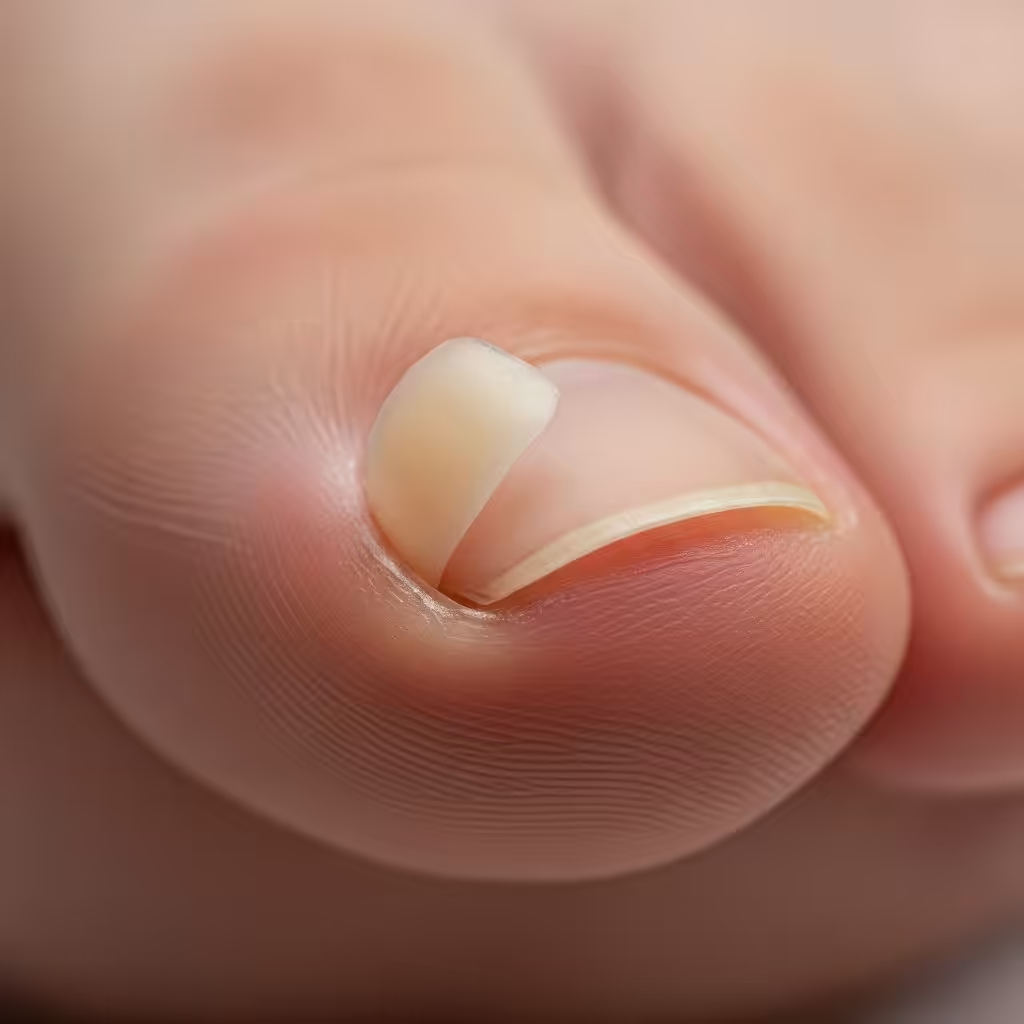
(With some links, we use affiliate links and may earn a commission. Check with your doctor before using any product!)
If you need more help with your toenail falling off
📍 Located in Michigan?
Our board-certified podiatrists treat this condition at two convenient locations. Same-day appointments often available.
Best for Skin & Toenails: Best Toenail Coverup Repair Pen (Amazon)
Best Foot Soak (Amazon)
Best For Dry Toenails (Amazon)
Best for Fungus (Just Remember to Trim Ahead of Time!!!) (Amazon)
Best Orthotics and Insoles for a Toenail Falling Off:
Best Overall Orthotic (Amazon)
Best Heavy Duty Orthotic (Amazon)
Best Women’s Orthotic (Amazon)
Best sub $25 Soft Orthotic (Amazon)
Best sub $25 Budget Orthotic (Amazon)
Best Carbon Insole(For Broken or Stiff Toes) (Amazon)
Best Stretches & Exercises for a Tight Foot & Ankle:
Best Ankle Stretch Incline Board (Amazon)
Best Budget Stretching Device (Amazon)
Good Ankle & Calf Stretching Device (Amazon)
Best Hamstring & Knee Stretch Device (Amazon)
Good Soft Stretch Splint (Amazon)
Good Hard Stretch Splint (Amazon)
Best Muscle Foam Roller (Amazon)
How to Treat a Falling Toenail at Home
Clean the area gently with warm water and antibacterial soap.
Apply an antiseptic and cover loosely with a bandage.
Do not force it off—let the nail fall naturally unless it’s dangling and painful.
Avoid moisture—keep the area dry to prevent fungus or infection.
Monitor for infection: redness, swelling, pus, or worsening pain are warning signs.
When to See a Doctor
If your toenail is painful, oozing, or you have a chronic health condition like diabetes, don’t wait. Book a consultation with a podiatrist or foot specialist right away to avoid serious complications.
While it’s definitely unsettling to lose a toenail, it’s rarely something to panic about—if you act early. Whether it’s due to trauma, fungus, or another health condition, identifying the cause is the first step toward proper treatment. Protect your feet now, and your nails will thank you later.
Book Your Appointment Today—Relief Starts with One Call
Fast, Friendly, and Professional Treatment You Can Trust
(810) 206-1402 BOOK A SCHEDULEFrequently Asked Questions About Toenails Falling Off
What are the most common causes of a toenail falling off?Trauma, fungal infections, psoriasis, poor circulation, or ill-fitting shoes are common culprits.
Can toenail fungus make my nail fall off?Yes, advanced fungal infections can weaken the nail, causing it to detach from the nail bed.
to detach from the nail bed. Is it normal to lose a toenail after running or hiking?Yes, repetitive impact or pressure from shoes can lead to bruising under the nail and eventual loss.
How long does it take for a toenail to grow back?On average, 6 to 12 months, depending on your age, health, and nail care.
Should I see a doctor if my toenail falls off?Yes, especially if you notice signs of infection, pain, or repeated issues.
Can a nail grow back healthy after falling off?In most cases, yes—if the nail matrix (root) isn’t damaged.
How do I prevent my toenails from falling off again?Wear proper footwear, trim nails straight across, and treat infections early.
What if only part of the toenail fell off?Clean the area, apply antibiotic ointment, and monitor for signs of infection.
Are there home remedies to help heal a detached toenail?Soaking in warm saltwater, applying antiseptics, and keeping the area clean and dry can help—but see a specialist for persistent issues.
Related Treatment Guides

- Toenail Treatment
- Plantar Fasciitis & Heel Pain Treatment
- Custom 3D Orthotics
- Sports Foot & Ankle Injury Treatment
Insurance Accepted
BCBS · Medicare · Aetna · Cigna · United Healthcare · HAP · Priority Health · Humana · View All →
Howell Office
4330 E Grand River Ave
Howell, MI 48843
Get Directions →
Bloomfield Hills Office
43494 Woodward Ave, #208
Bloomfield Hills, MI 48302
Get Directions →
Your Board-Certified Podiatrists



Ready to Get Back on Your Feet?
Same-week appointments available at both locations.
Book Your AppointmentPodiatrist-Recommended Products for Toenail Health
Protective, wide toe-box footwear prevents further trauma during toenail regrowth. Proper nail care tools help prevent recurrence:
Amazon Affiliate Disclosure: As an Amazon Associate, Balance Foot & Ankle earns from qualifying purchases at no additional cost to you.
See our Best Toenail Clippers, Best Toenail Fungus Treatment, and the full Podiatrist-Recommended Products Guide.
Toenail Problems? See Our Podiatrists
Same-day toenail procedures in Howell & Bloomfield Hills, MI. 4.9★ rated, board-certified podiatrists.
4.9★ | 1,123 Reviews | 3,000+ Surgeries
Or call: (810) 206-1402
Pros & Cons of Conservative Care for toenail conditions
Advantages
- ✓ Most cases resolve at home
- ✓ Same-week appointments available
- ✓ Permanent fix exists
Considerations
- ✗ Recurrence common without prevention
- ✗ Diabetics need professional care
Dr. Tom’s Recommended Products for toenail conditions
Affiliate disclosure: As an Amazon Associate, Balance Foot & Ankle earns from qualifying purchases. We only recommend products we use with patients.

Tolcylen Antifungal Solution Dr. Tom’s Pick
Best for: Most effective topical for fungus


Ready to Get Back on Your Feet?
Same-day appointments in Howell + Bloomfield Hills. Most insurance accepted. Dr. Tom Biernacki, DPM & team.
Book Today — Same-Day Appointments Available
Call Now: (810) 206-1402
About Your Care Team at Balance Foot & Ankle
Dr. Tom Biernacki, DPM · Board-Certified Foot & Ankle Surgeon. Specializes in conservative-first care, minimally invasive bunion surgery, and complex reconstruction.
Dr. Carl Jay, DPM · Accepting new patients. Specializes in sports medicine, athletic injuries, and routine podiatric care.
Dr. Daria Gutkin, DPM, AACFAS · Accepting new patients. Specializes in surgical reconstruction and pediatric podiatry.
Locations: 4330 E Grand River Ave, Howell, MI 48843 · 43494 Woodward Ave Suite 208, Bloomfield Hills, MI 48302
Hours: Mon–Fri 8:00 AM – 5:00 PM · (810) 206-1402
What is Foot pain?
Foot pain is a common foot/ankle condition that affects mobility and quality of life. Understanding the underlying cause is the first step in successful treatment. Our podiatrists at Balance Foot & Ankle perform a hands-on biomechanical exam, review your activity history, and use diagnostic imaging when appropriate to identify the root cause—not just treat the symptom. Many patients have been told to “rest and ice” without a deeper diagnostic workup; our approach is different.
Symptoms and warning signs
Common signs of foot pain include pain that worsens with activity, morning stiffness, swelling, tenderness when palpated, and difficulty bearing weight. If you experience sudden severe pain, inability to walk, visible deformity, numbness or color change, contact our office the same day or visit urgent care—these can signal a more serious injury such as a fracture, tendon rupture, or vascular compromise. Diabetics with any foot wound should seek same-day care.
Conservative treatment options
Most cases of foot pain respond to non-surgical care: structured rest, supportive footwear changes, custom orthotics, targeted stretching and strengthening protocols, anti-inflammatory medications when medically appropriate, and in-office procedures such as ultrasound-guided injections. We also offer advanced therapies including MLS laser therapy, EPAT/shockwave, regenerative injections, and image-guided procedures. Treatment is sequenced from least invasive to most invasive, and we explain the rationale at every step.
When is surgery considered?
Surgery is reserved for cases that fail 3-6 months of well-structured conservative care, when there is structural pathology (severe deformity, complete tear, advanced arthritis), or when imaging shows damage that will not heal without intervention. Our surgeons have performed 3,000+ foot and ankle procedures and prioritize minimally-invasive techniques whenever appropriate. We discuss recovery timelines, return-to-activity milestones, and realistic outcome expectations before any procedure is scheduled.
Recovery timeline and prevention
Recovery from foot pain varies based on severity and chosen treatment path. Conservative cases often improve within 4-8 weeks with consistent adherence to the protocol. Post-procedural recovery may range from a few days (in-office procedures) to several months (reconstructive surgery). Long-term prevention involves footwear assessment, activity modification, structured strengthening, and regular check-ins with your podiatrist if you have a history of recurrence. We provide written home-exercise plans and digital follow-up support.
Ready to feel better?
Same-week appointments available in Howell and Bloomfield Hills, Michigan.
Book Your VisitIn-Office Treatment at Balance Foot & Ankle
If home treatment isn’t providing relief for your foot and ankle conditions, our podiatry team at Balance Foot & Ankle can help with same-day evaluations and advanced in-office care.
Same-day appointments available. (810) 206-1402
Doctor Hoy’s Natural Pain Relief Gel
Natural topical pain relief I use in our clinic. Arnica + camphor formula — apply directly to the area 3–4x daily. ($20–25)
Shop Doctor Hoy’s →
Dr. Tom Biernacki, DPM is a board-certified foot & ankle surgeon (ABFAS & ABPM) at Balance Foot & Ankle Specialists in Southeast Michigan. With over a decade of clinical experience, he specializes in heel pain, bunions, diabetic foot care, sports injuries, and minimally invasive surgery. Dr. Biernacki is a member of the APMA and ACFAS, and his patient education content on MichiganFootDoctors.com and YouTube has made him one of the most-followed foot & ankle educators on YouTube.