
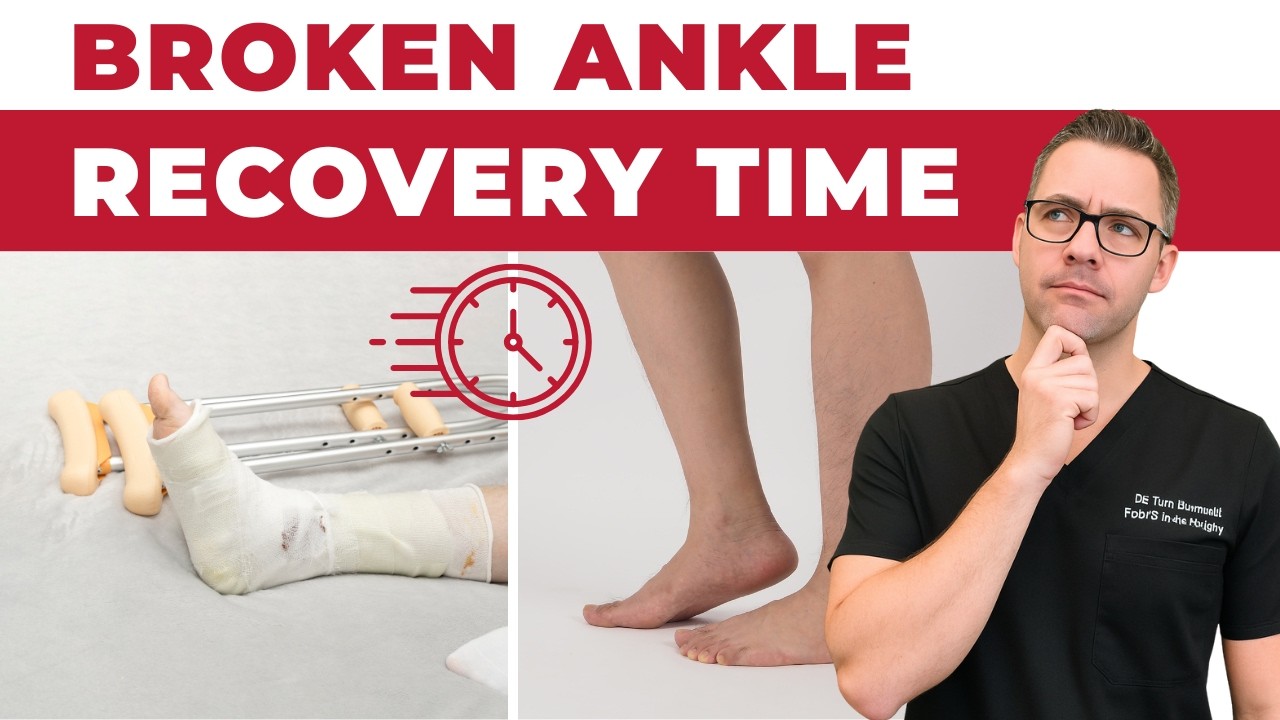
Ankle pain is one of the most common musculoskeletal complaints seen in podiatric practice — and also one of the most misdiagnosed. The ankle is a complex joint with contributions from bones, ligaments, tendons, nerves, and bursae, and pain in this region can stem from a surprising range of causes beyond the obvious sprained ankle.
At Balance Foot & Ankle in Howell and Bloomfield Township, MI, we evaluate ankle pain systematically to find the true underlying cause and create a targeted treatment plan. This guide covers the most common causes, how to tell them apart, and what effective treatment looks like for each.
Anatomy: Why Ankle Pain Is Complicated
The ankle is actually two joints working together:
- The talocrural joint — the main ankle joint where the tibia and fibula form a mortise around the talus. This allows the up-and-down motion of walking.
- The subtalar joint — below the talocrural joint, between the talus and calcaneus (heel bone). This controls side-to-side motion and foot inversion/eversion.
Surrounding these joints are four major ligament groups, three primary tendons (Achilles, peroneal, and posterior tibial), the sural and peroneal nerves, and numerous bursae. Pain can originate from any of these structures — which is why precise diagnosis matters.
Common Causes of Ankle Pain by Location
| Pain Location | Most Likely Cause(s) | Key Clue |
|---|---|---|
| Outer (lateral) ankle | Lateral ankle sprain, peroneal tendon tear/subluxation, OCD lesion, sinus tarsi syndrome | History of inversion injury; pain with uneven ground |
| Inner (medial) ankle | Posterior tibial tendon dysfunction, deltoid ligament sprain, tarsal tunnel syndrome | Pain along inner arch; flatfoot progression; electric/burning sensation (nerve) |
| Back of ankle | Achilles tendinopathy, insertional Achilles tendinitis, Haglund’s deformity, retrocalcaneal bursitis | Pain with first steps; worse with stairs/hills; heel-counter irritation |
| Front of ankle | Ankle impingement (anterior or posterior), tibialis anterior tendinopathy, ankle arthritis | Pain squatting or dorsiflexing; worse going downstairs |
| All around ankle | Ankle arthritis, gout flare, fracture, infection, inflammatory arthritis (RA, psoriatic) | Diffuse swelling, warmth, systemic symptoms |
ankle sprain treatment Michigan.– /wp:table –>
Ankle Sprain: The Most Common Cause
Lateral ankle sprains account for approximately 25% of all sports injuries. Even sprains are more complex than commonly understood — there are three grades:
| Grade | Ligament Status | Symptoms | Return to Activity |
|---|---|---|---|
| Grade I | Stretched (microscopic tears) | Mild tenderness, minimal swelling, full weight-bearing | 3-5 days with RICE |
| Grade II | Partial tear | Moderate swelling, bruising, pain with weight-bearing, some instability | 2-6 weeks with rehabilitation |
| Grade III | Complete tear | Significant swelling, bruising, instability, weight-bearing often impossible | 6-12+ weeks; may require surgery for athletes |
Critical point: Many ankle sprains mask accompanying injuries. Up to 40% of Grade II-III sprains have an associated peroneal tendon injury, and up to 50% have a missed osteochondral lesion (OCD) of the talus — a cartilage/bone injury that doesn’t heal without specific treatment. If your ankle pain persists beyond 6 weeks after a sprain, imaging and re-evaluation are warranted.
Posterior Tibial Tendon Dysfunction (PTTD)
PTTD is the most common cause of progressive adult flatfoot and medial ankle pain. The posterior tibial tendon — which runs behind the inner ankle and supports the arch — gradually degenerates and fails, allowing the arch to collapse and the heel to roll outward.
Early PTTD (Stage I-II) responds very well to custom orthotics, supportive footwear, and physical therapy. Advanced PTTD (Stage III-IV) may require surgical reconstruction. Early intervention is critical — read our comprehensive guide on posterior tibial tendon dysfunction.
Achilles Tendon Pain
Pain at the back of the ankle most commonly involves the Achilles tendon complex. Three overlapping conditions are often confused:
- Noninsertional Achilles tendinopathy: Pain and thickening 2-6cm above the heel bone insertion, in the tendon’s midportion. Common in runners. Responds well to eccentric strengthening, load management, and MLS laser therapy.
- Insertional Achilles tendinitis: Pain directly at the heel bone attachment, often with a visible bump. More resistant to treatment; associated with Haglund’s deformity. Heel lifts and specialized orthotics are key.
- Achilles tendon rupture: Sudden “pop” sensation, inability to rise on toes, palpable gap in tendon. Requires urgent evaluation — surgical vs. conservative management depends on age, activity level, and gap size.
For comprehensive information, see our guide on Achilles tendinitis treatment.
Peroneal Tendon Injuries
The two peroneal tendons run behind the lateral (outer) ankle and stabilize the foot during push-off and on uneven terrain. Peroneal injuries are frequently missed because they mimic chronic lateral ankle sprains:
- Peroneal tendinopathy: Chronic outer ankle pain with swelling behind the lateral malleolus. Worsens with activity, eases with rest. Treated with rest, orthotics, physical therapy, and MLS laser.
- Peroneal tendon subluxation: The tendons slip out of their groove behind the fibula with ankle movement. Often causes a snapping sensation. May require surgical stabilization.
- Peroneal tendon tear: Longitudinal split tear most common in the peroneus brevis. Causes persistent outer ankle pain and weakness. MRI confirms diagnosis.
Ankle Arthritis
Unlike hip and knee arthritis, ankle osteoarthritis most commonly results from prior trauma (post-traumatic arthritis) rather than primary degeneration. Risk factors include previous fractures, multiple ankle sprains, osteochondral lesions, and alignment problems.
Symptoms include stiffness (especially morning stiffness), aching pain with activity, reduced range of motion, and visible joint swelling. Treatment options include:
- Custom orthotics with rocker sole modification to reduce joint stress
- Ankle-foot orthoses (AFOs) for advanced arthritis
- Intra-articular cortisone injections for flares
- Hyaluronic acid (viscosupplementation) for mild-moderate arthritis
- PRP (platelet-rich plasma) injections — emerging evidence
- Ankle arthroscopy for joint debridement
- Total ankle replacement or ankle fusion for end-stage disease
Tarsal Tunnel Syndrome
Tarsal tunnel syndrome compresses the posterior tibial nerve as it passes through the tarsal tunnel behind the inner ankle — the foot equivalent of carpal tunnel syndrome in the wrist. It causes burning, tingling, and electric pain along the inner ankle, arch, and toes. Read our complete guide on tarsal tunnel syndrome.
When Is Ankle Pain an Emergency?
| Symptom | Possible Cause | Action |
|---|---|---|
| Ankle pain + inability to bear any weight | Fracture | ER or urgent podiatric evaluation |
| Ankle pain + sudden “pop” + inability to rise on toes | Achilles rupture | Urgent evaluation — time-sensitive treatment decision |
| Ankle pain + fever + warmth + redness | Septic arthritis or gout | ER if high fever; urgent podiatric evaluation if afebrile |
| Ankle pain + calf pain + swelling | Deep vein thrombosis (DVT) | ER immediately — DVT is life-threatening |
| Ankle pain in a diabetic patient + swelling + warmth | Charcot neuroarthropathy | Same-day evaluation — non-weight-bearing critical |
Diagnosis: What to Expect at Balance Foot & Ankle
When you visit our office with ankle pain, your evaluation typically includes:
- Detailed history: Onset, mechanism of injury (if any), location, aggravating/relieving factors, prior ankle injuries, systemic conditions
- Physical examination: Palpation along specific anatomical landmarks, range-of-motion testing, stability assessment (anterior drawer, talar tilt tests), gait observation, single-leg heel raise testing
- Weight-bearing X-rays: Essential for assessing bony alignment, arthritis, fractures, and coalition
- Ultrasound: Dynamic imaging that can evaluate tendons and ligaments in real time
- MRI (if indicated): For osteochondral lesions, suspected tears, soft tissue masses
- Nerve conduction studies: If tarsal tunnel syndrome or neuropathy suspected
Frequently Asked Questions
Q: How do I know if my ankle pain is a sprain or a fracture?
A: The Ottawa Ankle Rules (used in emergency medicine) suggest X-ray is needed if: you cannot bear weight for 4 steps, or there’s tenderness at the posterior tip or bottom 6cm of either malleolus. When in doubt, get an X-ray. A missed fracture is a serious problem.
Q: Why does my ankle still hurt months after a sprain?
A: Chronic pain after a sprain often indicates an under-treated injury. Common causes include residual ligament instability, peroneal tendon tear, osteochondral lesion (cartilage injury), sinus tarsi syndrome, or inadequate rehabilitation. A repeat evaluation with MRI is usually appropriate after 6-8 weeks of non-resolution.
Q: Can custom orthotics help ankle pain?
A: Yes, for many causes. Orthotics address biomechanical contributors — overpronation, PTTD, instability — by controlling foot and ankle alignment during gait. They’re especially effective for PTTD, chronic ankle instability, and ankle arthritis.
Q: Should I wrap an ankle sprain?
A: Compression (elastic bandage or ankle sleeve) is appropriate for Grade I-II sprains to control swelling in the first 48-72 hours. For Grade II-III sprains, a semi-rigid ankle brace (like an Aircast) provides better stability for return to activity. Severe sprains may warrant a boot or cast.
Related Patient Guides
- Achilles Tendinitis: Symptoms, Treatment & Recovery
- Tarsal Tunnel Syndrome: Symptoms & Treatment
- Posterior Tibial Tendon Dysfunction (PTTD)
- Stress Fracture in the Foot: Symptoms & Recovery
- Foot Arthritis: Types, Symptoms & Treatment Options
- 3D Custom Orthotics at Balance Foot & Ankle
- Gout in the Foot: Symptoms & Treatment
- Diabetic Foot Care: Daily Routine & Warning Signs
- Walking Barefoot: Benefits, Risks & Podiatrist Advice
- Chronic Ankle Instability: Why Your Ankle Keeps Giving Out
Medical References & Sources
- American Podiatric Medical Association — Patient Education
- American Orthopaedic Foot & Ankle Society — Foot Conditions
Dr. Tom’s Recommended Products for Ankle Pain & Injuries
📍 Located in Michigan?
Our board-certified podiatrists treat this condition at two convenient locations. Same-day appointments often available.
These are products I personally use and recommend to my patients at Balance Foot & Ankle.
- ASO Ankle Stabilizing Orthosis — Figure-8 straps with bilateral stability columns — the gold standard lace-up ankle brace for return to sport
- McDavid 195 Ankle Brace — Hinged design allows dorsiflexion/plantarflexion while blocking inversion — best for chronic lateral instability
- Doctor Hoy’s Natural Pain Relief Gel 3oz — Menthol-based cryotherapy — penetrates soft tissue to reduce ankle sprain inflammation and acute pain
Affiliate disclosure: As an Amazon Associate, Balance Foot & Ankle earns from qualifying purchases. We only recommend products we trust for our own patients.
Dr. Tom’s Recommended Insoles
PowerStep is the brand I prescribe most — medical-grade OTC support without the custom orthotic price tag.
- PowerStep Pinnacle Insoles — The OTC orthotic I recommend most — medical-grade arch support at a fraction of custom orthotic cost. Works in most shoes.
- PowerStep Maxx Insoles — For severe arch pain or flat feet — maximum correction and support when Pinnacle isn’t enough.
Affiliate disclosure: As an Amazon Associate, Balance Foot & Ankle earns from qualifying purchases. We only recommend products we trust for our own patients.
Dr. Tom’s Recommended: Natural Topical Pain Relief
This is what I actually use in our clinic at Balance Foot & Ankle.
- Doctor Hoy’s Natural Pain Relief Gel — Natural topical pain relief I use in our clinic. Arnica + camphor formula. Apply directly to the painful area 3-4x daily for fast-acting relief without NSAIDs.
📧 Get Dr. Tom’s Free Lab Test Guide
Discover the 5 lab tests every person over 35 should ask their doctor about — explained in plain English by a board-certified physician.
Affiliate disclosure: As an Amazon Associate, Balance Foot & Ankle earns from qualifying purchases. We only recommend products we trust for our own patients.
Join 950,000+ Learning About Foot Health
Dr. Tom shares honest medical advice, supplement reviews, and treatment guides you won’t find anywhere else.
Recommended Products for Achilles Tendonitis
- Strassburg Sock Night Splint — Overnight Achilles Stretch
- Heel Lift Wedge Inserts — Reduce Achilles Tension
- Percussion Massager — Calf & Achilles Recovery
Amazon affiliate links — we may earn a small commission at no extra cost to you.