

Medically reviewed by Dr. Tom Biernacki, DPM
Board-certified podiatric surgeon | Balance Foot & Ankle, Howell & Bloomfield Township, MI
Last reviewed: May 2026
Most patients underestimate how much the post-operative phase determines Ankle Replacement : Total Arthroplasty 2026 | DPM outcomes — not the surgery itself. Our podiatric surgeons identify the single recovery variable that separates patients who return to full activity on schedule from those who experience setbacks. Call (810) 206-1402 — expert podiatric care across Michigan.
| Feature | Total Ankle Replacement (TAR) | Ankle Fusion (Arthrodesis) |
|---|---|---|
| Motion Preserved | Yes — 20–35° arc of dorsiflexion/plantarflexion preserved | No — ankle motion eliminated |
| Adjacent Joint Degeneration | Lower risk — motion distributed across joints | Higher long-term risk — increased subtalar and midfoot stress |
| Implant Survival | 85–90% at 10 years (modern implants) | 90–95% fusion rate; permanent if successful |
| Ideal Patient | Age >50; low-to-moderate activity; good bone stock; minimal deformity | Young; high-demand; prior infection; poor bone stock; severe deformity |
| Revision Surgery | More complex — implant removal + conversion to fusion | Rare; non-union requires revision fusion |
| Gait | Near-normal gait pattern; preserved push-off | Compensatory gait; midfoot joints adapt over time |
| Activity Level | Walking, cycling, swimming; low-impact sport | Similar walking ability; some limitations in terrain |
| Implant System | Design Type | Key Feature | 10-Year Survival | FDA Status |
|---|---|---|---|---|
| STAR (Scandinavian Total Ankle Replacement) | 3-component mobile bearing | Mobile polyethylene insert reduces constraint; 20+ years of data | 85–90% | FDA approved 2009 |
| Salto Talaris | 2-component fixed bearing | Anatomic design; single-piece tibial component; easier surgical technique | 87–92% | FDA approved 2006 |
| Infinity / InBone (Wright Medical) | 2-component fixed bearing / intramedullary stem | Intramedullary fixation for poor bone stock; revision-friendly | 85–90% | FDA cleared |
| HINTEGRA | 3-component mobile bearing | Widely used in Europe; extensive literature; anatomic talar component | 84–90% | CE marked; limited US availability |
Medically Reviewed | Dr. Tom Biernacki, DPM | Board-Certified Podiatric Surgeon | Balance Foot & Ankle, Michigan

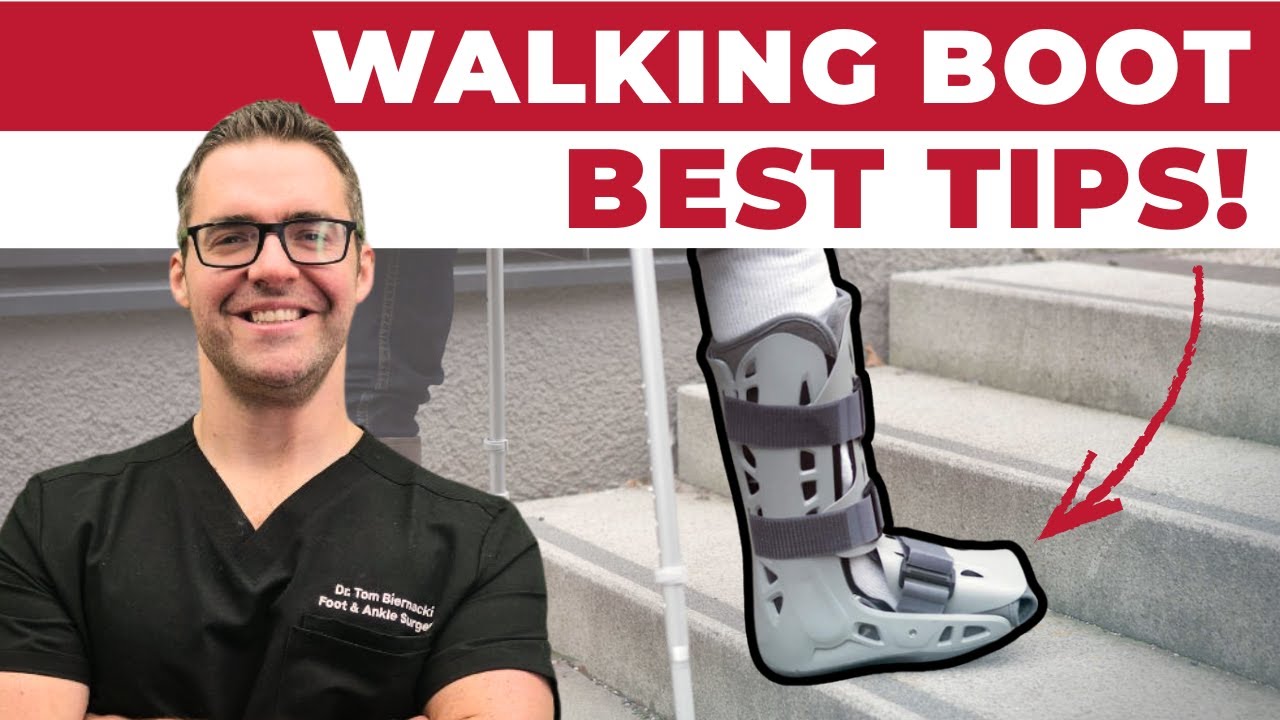
The most important clinical decision with Ankle Replacement Surgery Total Ankle Arthroplasty isn’t which treatment to start with — it’s identifying the correct subtype. That changes everything. Call (810) 206-1402.
What Is Total Ankle Replacement?
Total ankle arthroplasty (TAA) is a surgical procedure that removes the damaged cartilage surfaces of the tibiotalar (ankle) joint and replaces them with metal components cemented or press-fit to the tibia and talus, with a high-density polyethylene (plastic) insert between them. The goal is to eliminate arthritic pain while preserving ankle range of motion — a significant advantage over ankle fusion (arthrodesis).
At Balance Foot & Ankle, Dr. Tom Biernacki performs comprehensive ankle arthritis evaluations and discusses both ankle replacement and ankle fusion as treatment options, helping each patient make an informed decision based on their activity goals, age, bone quality, and anatomic alignment.
Who Is a Candidate for Ankle Replacement?
Ideal candidates for total ankle replacement are typically patients over 55–60 with end-stage ankle arthritis (osteoarthritis or post-traumatic arthritis), moderate activity demands, good bone quality, and well-aligned hindfoot mechanics. Patients with severe deformity (greater than 15–20° of varus or valgus), ligamentous instability, or poor bone stock may be better served by ankle fusion or staged reconstruction. Younger, highly active patients (heavy laborers, high-impact athletes) traditionally have higher implant failure rates, though this is evolving with modern implant designs.
Causes of Ankle Arthritis Requiring Replacement
Unlike hip and knee arthritis (which is predominantly primary osteoarthritis), ankle arthritis is most commonly post-traumatic — developing years after ankle fractures, severe sprains, or osteochondral lesions that damaged the joint surface. Primary osteoarthritis of the ankle is less common. Inflammatory arthritis (rheumatoid, psoriatic) is an additional indication, though medical management has reduced the surgical burden significantly.
The Procedure
Total ankle replacement is performed under regional or general anesthesia through a front-of-ankle (anterior) incision. The damaged tibia and talus surfaces are precisely cut using CT-guided instrumentation, the implant components are placed, and correct alignment and ligament balance are verified under fluoroscopy before closure. The procedure typically takes 2–3 hours. Modern implants — including the INBONE, Salto Talaris, Zimmer Biomet Trabecular Metal, and STAR systems — have substantially improved survivorship compared to first-generation designs.
Recovery After Total Ankle Replacement
Most patients are non-weight-bearing in a splint for 2 weeks, then transition to a cast or boot. Gradual weight-bearing begins at 4–6 weeks, and physical therapy targeting range of motion and strengthening commences. Most patients walk independently by 3 months and return to low-impact activities (swimming, cycling, walking) by 4–6 months. High-impact activities may be resumed at 9–12 months in appropriate patients. Implant survivorship at 10 years is 85–90% with modern designs.
Ankle Replacement vs. Ankle Fusion: Which Is Right for You?
Ankle fusion (arthrodesis) eliminates pain by permanently fusing the joint, sacrificing motion but providing durable, predictable pain relief — particularly for younger, more active patients. Ankle replacement preserves motion, reduces stress on adjacent joints (subtalar and midtarsal), and allows a more natural gait pattern. For the right patient, TAA provides a significantly better quality of life. For others — particularly younger patients with high physical demands — fusion remains the gold standard. Dr. Biernacki discusses both options thoroughly and involves each patient in the decision.
Dr. Tom's Product Recommendations

Breg Polar Care Cube – Cold Therapy
⭐ Highly Rated
Motorized cold therapy system providing continuous controlled cold to the ankle — essential for post-operative swelling management.
Dr. Tom says: “A key component of post-operative ankle replacement recovery.”
Best post-op cold therapy
Avoid direct skin contact — always use the sleeve provided
Disclosure: We earn a commission at no extra cost to you.

PowerStep Pinnacle Orthotic Insoles
⭐ Highly Rated
Semi-rigid arch support for use in the late recovery phase after ankle replacement, providing comfort and alignment support.
Dr. Tom says: “Many post-replacement patients benefit from orthotics to optimize long-term gait mechanics.”
Post-replacement arch support
Custom orthotics preferred for patients with significant hindfoot alignment issues
Disclosure: We earn a commission at no extra cost to you.
✅ Pros / Benefits
- T
- o
- t
- a
- l
- a
- n
- k
- l
- e
- r
- e
- p
- l
- a
- c
- e
- m
- e
- n
- t
- p
- r
- e
- s
- e
- r
- v
- e
- s
- a
- n
- k
- l
- e
- m
- o
- t
- i
- o
- n
- ,
- r
- e
- d
- u
- c
- e
- s
- a
- d
- j
- a
- c
- e
- n
- t
- j
- o
- i
- n
- t
- s
- t
- r
- e
- s
- s
- ,
- a
- n
- d
- a
- l
- l
- o
- w
- s
- a
- m
- o
- r
- e
- n
- o
- r
- m
- a
- l
- g
- a
- i
- t
- c
- o
- m
- p
- a
- r
- e
- d
- t
- o
- f
- u
- s
- i
- o
- n
- .
- M
- o
- d
- e
- r
- n
- i
- m
- p
- l
- a
- n
- t
- s
- h
- a
- v
- e
- e
- x
- c
- e
- l
- l
- e
- n
- t
- 1
- 0
- –
- y
- e
- a
- r
- s
- u
- r
- v
- i
- v
- o
- r
- s
- h
- i
- p
- r
- a
- t
- e
- s
- o
- f
- 8
- 5
- –
- 9
- 0
- %
- .
❌ Cons / Risks
- A
- n
- k
- l
- e
- r
- e
- p
- l
- a
- c
- e
- m
- e
- n
- t
- h
- a
- s
- a
- h
- i
- g
- h
- e
- r
- s
- h
- o
- r
- t
- –
- t
- e
- r
- m
- c
- o
- m
- p
- l
- i
- c
- a
- t
- i
- o
- n
- r
- a
- t
- e
- t
- h
- a
- n
- f
- u
- s
- i
- o
- n
- a
- n
- d
- m
- a
- y
- r
- e
- q
- u
- i
- r
- e
- r
- e
- v
- i
- s
- i
- o
- n
- s
- u
- r
- g
- e
- r
- y
- .
- I
- t
- i
- s
- n
- o
- t
- a
- p
- p
- r
- o
- p
- r
- i
- a
- t
- e
- f
- o
- r
- a
- l
- l
- p
- a
- t
- i
- e
- n
- t
- s
- —
- p
- a
- r
- t
- i
- c
- u
- l
- a
- r
- l
- y
- t
- h
- e
- y
- o
- u
- n
- g
- ,
- h
- i
- g
- h
- l
- y
- a
- c
- t
- i
- v
- e
- ,
- o
- r
- t
- h
- o
- s
- e
- w
- i
- t
- h
- s
- e
- v
- e
- r
- e
- d
- e
- f
- o
- r
- m
- i
- t
- y
- .
Dr. Tom Biernacki’s Recommendation
The ankle replacement vs. fusion conversation is one I have frequently. For the right patient — typically over 55, lower activity demands, good alignment — a replacement dramatically improves quality of life compared to living with end-stage arthritis. We review every option together before making any recommendation.
— Dr. Tom Biernacki, DPM | Board-Certified Podiatric Surgeon | Balance Foot & Ankle
Frequently Asked Questions
Is ankle replacement better than ankle fusion?
For many patients over 55 with moderate activity demands and good alignment, ankle replacement preserves motion and provides better functional outcomes than fusion. For younger, higher-demand patients, fusion may still be the more durable choice.
How long does ankle replacement last?
Modern ankle implants have survivorship rates of 85–90% at 10 years. With appropriate patient selection and proper alignment, many implants function well beyond 15 years.
What is the recovery time for ankle replacement?
Most patients are walking independently by 3 months and returning to low-impact activities by 4–6 months. Full recovery and return to sports takes 9–12 months.
Is total ankle replacement covered by insurance?
Yes — total ankle arthroplasty is covered by most major insurance plans when end-stage ankle arthritis has failed conservative treatment. Medicare and Medicaid also cover the procedure in appropriate candidates.
Michigan Foot Pain? See Dr. Biernacki In Person
4.9★ rated | 1,123 Reviews | 3,000+ Surgeries
Same-week appointments · Howell & Bloomfield Township
📞 (810) 206-1402 Book Online →In-Office Treatment at Balance Foot & Ankle
If home treatment isn’t providing relief for your foot and ankle conditions, our podiatry team at Balance Foot & Ankle can help with same-day evaluations and advanced in-office care.
AAOS: Total Ankle Replacement vs Fusion — Comparison
Ready to Get Relief?
Same-day appointments available in Howell & Bloomfield Township, MI
4.9★ | 1,123 Reviews | 3,000+ Surgeries
Or call: (810) 206-1402

Dr. Tom Biernacki, DPM is a board-certified foot & ankle surgeon (ABFAS & ABPM) at Balance Foot & Ankle Specialists in Southeast Michigan. With over a decade of clinical experience, he specializes in heel pain, bunions, diabetic foot care, sports injuries, and minimally invasive surgery. Dr. Biernacki is a member of the APMA and ACFAS, and his patient education content on MichiganFootDoctors.com and YouTube has made him one of the most-followed foot & ankle educators on YouTube.