
Medically reviewed by Dr. Tom Biernacki, DPM
Board-certified podiatric surgeon | Balance Foot & Ankle, Howell & Bloomfield Township, MI
Last reviewed: May 2026
Quick answer: Treatment for athletes foot treatment home 2 follows a stepwise approach: 1) conservative care first (rest, ice, supportive footwear, OTC anti-inflammatories), 2) physical therapy and targeted exercises, 3) in-office treatments (injections, custom orthotics) if conservative fails at 4-6 weeks, 4) surgery for refractory cases. Most patients resolve at step 1 or 2. Call (810) 206-1402.
Medically Reviewed | Dr. Tom Biernacki, DPM | Board-Certified Podiatric Surgeon | Balance Foot & Ankle, Michigan

Understanding Athlete’s Foot (Tinea Pedis)
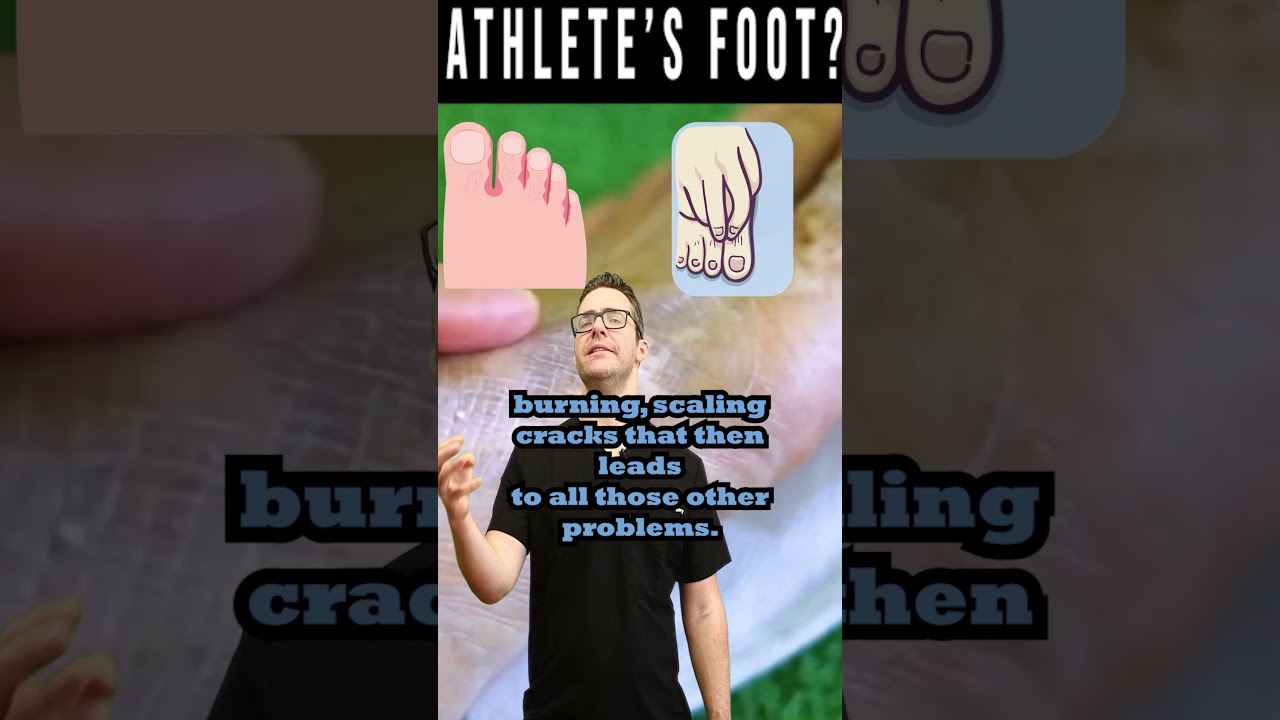
Athlete’s foot (tinea pedis) is a fungal infection of the foot skin caused by dermatophyte fungi, most commonly Trichophyton rubrum and T. mentagrophytes. Despite the name, athlete’s foot affects people of all activity levels — the fungi thrive in any warm, moist environment, including sweaty shoes, gym locker rooms, public pool decks, and shower floors.
The infection presents in several patterns: the interdigital type (most common) causes itching, scaling, and maceration between the toes; the moccasin type produces diffuse dry scaling across the entire sole and heel; the vesicular type creates small fluid-filled blisters, usually on the arch and instep; and the ulcerative type (less common) causes erosive weeping lesions, particularly in immunocompromised patients.
Athlete’s foot is highly treatable with over-the-counter antifungal medications, but many patients treat only until symptoms improve (not until the infection is fully cleared), leading to recurrence. Complete a full treatment course — typically 2–4 weeks — even after symptoms resolve.
Most Effective OTC Athlete’s Foot Treatments
Clotrimazole 1% (Lotrimin AF) — First-line OTC antifungal. Apply twice daily for 4 weeks for interdigital and moccasin-type infections, 2 weeks for vesicular type. Excellent efficacy and safety profile. Available in cream, solution, and powder forms.
Terbinafine 1% (Lamisil AT) — The most effective OTC antifungal cream available. Fungicidal (kills the fungus) rather than fungistatic (inhibits growth). Requires only 1 week of twice-daily application for interdigital athlete’s foot — a significant compliance advantage over 4-week courses.
Miconazole 2% (Micatin, Desenex) — Effective and widely available. Apply twice daily for 4 weeks. Available in powder form, which is particularly useful for prevention and as an adjunct during treatment.
Tolnaftate (Tinactin) — Effective fungistatic agent, particularly for prevention and mild infections. Apply twice daily. Less effective than terbinafine for established moderate-severe infections.
Powder formulations are useful adjuncts for keeping the skin dry during treatment and for prevention of recurrence in shoes.
When to See a Podiatrist for Athlete’s Foot
See a podiatrist if: symptoms don’t improve after 2 weeks of OTC treatment, the infection has spread to the toenails (nail fungus requires prescription oral antifungal therapy — topicals rarely reach the nail bed adequately), the skin is severely cracked or weeping (risk of secondary bacterial infection), you have diabetes or immunosuppression (higher risk of serious complications), or you have significant pain, swelling, or warmth suggesting cellulitis.
Prescription oral terbinafine (Lamisil) is dramatically more effective than topical treatment for nail fungal involvement. A 12-week course of oral terbinafine cures approximately 70–80% of onychomycosis (nail fungus). Blood work is needed before starting to check liver function.
Preventing recurrence requires: keeping feet clean and dry, changing socks daily, wearing moisture-wicking socks, using antifungal powder in shoes regularly, wearing flip-flops in public showers and pools, and replacing old shoes that harbor fungal spores.
Dr. Tom's Product Recommendations

FLAT SOCKS No-Show Insoles
⭐ Highly Rated
Moisture-wicking protective insoles to help prevent recurrence of athlete’s foot by keeping feet dry inside shoes. Replace regularly to prevent reinfection from contaminated insoles.
Athlete’s foot prevention, moisture management, insole hygiene
Active severe infection — treat first, then use preventive measures
Disclosure: We earn a commission at no extra cost to you.

Doctor Hoy’s Natural Pain Relief Gel
⭐ Highly Rated
For the pain and burning discomfort of severe athlete’s foot and cracked skin while antifungal treatment takes effect. Provides symptomatic relief.
Athlete’s foot discomfort, burning between toes, painful cracked skin
Apply to intact skin only — not to weeping or open lesions
Disclosure: We earn a commission at no extra cost to you.
✅ Pros / Benefits
- OTC antifungals (especially terbinafine) are highly effective
- 1-week terbinafine course has excellent compliance rates
- Treatment is straightforward and inexpensive
- Prevention strategies reliably prevent recurrence
❌ Cons / Risks
- Nail involvement requires prescription oral treatment
- Recurrence is common without preventive hygiene measures
- Moccasin-type athlete’s foot is more resistant and may need prescription-strength treatment
Dr. Tom Biernacki’s Recommendation
Athlete’s foot is one of the most straightforward conditions to treat when caught early. Terbinafine 1% (Lamisil AT) is what I recommend first — it works faster than most OTC options. The critical mistake is stopping treatment the moment the itch goes away. Finish the full course or it will come back, often worse than before.
— Dr. Tom Biernacki, DPM | Board-Certified Podiatric Surgeon | Balance Foot & Ankle
Frequently Asked Questions
How long does athlete’s foot take to heal?
With terbinafine: 1 week for interdigital type. With clotrimazole or miconazole: 4 weeks. Moccasin type (heel scaling) may take longer.
Can athlete’s foot spread to toenails?
Yes. Untreated interdigital athlete’s foot frequently spreads to the nail plate, causing onychomycosis (nail fungus). Nail fungus requires prescription oral treatment.
Is athlete’s foot contagious?
Very. Avoid sharing towels, socks, or shoes. Wear flip-flops in public showers, pools, and locker rooms. Wash and dry feet thoroughly after exposure to public wet areas.
Michigan Foot Pain? See Dr. Biernacki In Person
4.9★ rated | 1,123 Reviews | 3,000+ Surgeries
Appointments · Howell & Bloomfield Township
📞 (810) 206-1402 Book Online →In-Office Treatment at Balance Foot & Ankle
If home treatment isn’t providing relief for your foot pain, our podiatry team at Balance Foot & Ankle can help with expert evaluations and advanced in-office care.
American Academy of Dermatology: Athlete’s Foot
Ready to Get Relief?
Appointments available in Howell & Bloomfield Township, MI
4.9★ | 1,123 Reviews | 3,000+ Surgeries
Or call: (810) 206-1402

Dr. Tom Biernacki, DPM is a board-certified foot & ankle surgeon (ABFAS & ABPM) at Balance Foot & Ankle Specialists in Southeast Michigan. With over a decade of clinical experience, he specializes in heel pain, bunions, diabetic foot care, sports injuries, and minimally invasive surgery. Dr. Biernacki is a member of the APMA and ACFAS, and his patient education content on MichiganFootDoctors.com and YouTube has made him one of the most-followed foot & ankle educators on YouTube.