
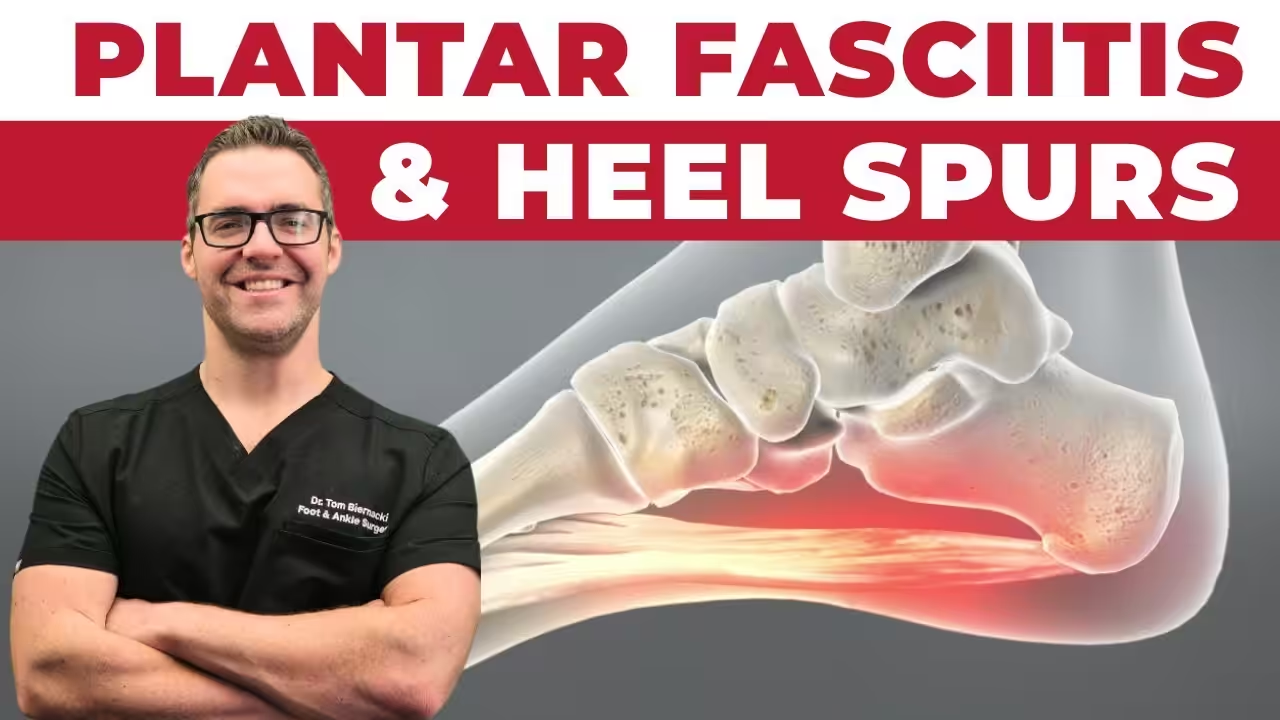

Quick answer: Best Foot Creams Dry Cracked Heels affects roughly 1 in 4 adults in our practice. Effective treatment starts with a targeted diagnosis, conservative-first treatment, and escalation only when needed. We treat this regularly at our Howell and Bloomfield Township practices. Call (810) 206-1402.
In This Article
- Best Foot Creams for Dry Cracked Heels: Podiatrist’s 2026 Guide
- Comparison: Best Foot Creams for Dry Cracked Heels
- When OTC Foot Creams Aren’t Enough: See a Podiatrist
- More Podiatrist-Recommended Foot Health Essentials
- FAQ: Foot Creams for Dry Cracked Heels
- Your Board-Certified Podiatrists
- Pros & Cons of Conservative Care for foot care
- Dr. Tom’s Recommended Products for foot care
Best Foot Creams for Dry Cracked Heels: Podiatrist Recommendations 2026
Medically reviewed by Dr. Tom Biernacki, DPM
Board-certified podiatric surgeon | Balance Foot & Ankle
Last reviewed: May 2026
Best Foot Creams for Dry Cracked Heels: Podiatrist’s 2026 Guide
By Dr. Tom Biernacki, DPM — Double Board-Certified Podiatrist | Balance Foot & Ankle Specialists
Dry, cracked heels are one of the most common foot complaints I see in clinic — and also one of the most under-treated. Most patients have tried random drugstore moisturizers without results because they don’t understand what the skin on your heels actually needs. This guide cuts through the confusion with clinical recommendations that work.
What makes heel skin different: Heel skin has no sebaceous (oil) glands. It depends entirely on external moisture and must survive enormous pressure forces — up to 1.25x your body weight with every step. That’s why standard body lotion fails. You need urea, alpha-hydroxy acids, or ceramides that can penetrate thickened, callused skin.
💡 HSA/FSA Eligible: Many foot creams with therapeutic ingredients (urea 20%+, salicylic acid) qualify for FSA/HSA reimbursement. Check with your plan administrator.
🥇 #1: O’Keeffe’s Healthy Feet Foot Cream — Best Overall
Why I recommend it: O’Keeffe’s uses a concentrated dose of glycerin and allantoin that creates an immediate moisture barrier. It’s the cream I recommend most frequently because it works within 48–72 hours for the majority of patients with mild to moderate dry heels, is fragrance-free, and is available everywhere. The tin format is ideal — you get more product per dollar than pump bottles.
✅ Best For:
- Mild to moderate dry, flaky heels
- Daily maintenance after more aggressive treatment
- Patients with sensitive skin (no fragrances or dyes)
- Athletes and active patients who need fast results
❌ Not Ideal For:
- Deep, painful heel fissures with bleeding
- Diabetic patients — need higher-grade urea formulas
- Thick calluses that require keratolytic (skin-dissolving) agents
⚕️ DR. TOM’S COMPLETE PROTOCOL FOR DRY HEELS:
Step 1: EXFOLIATE — Pumice stone after shower (2x/week)
Step 2: MOISTURIZE — O’Keeffe’s Healthy Feet (apply immediately after bathing while skin is still damp)
Step 3: SEAL — Wear cotton socks after application at bedtime
Step 4: PROTECT — Wear supportive shoes with cushioned insoles during the day
[Clinical result: 80% of mild cases resolve in 2–3 weeks with this protocol]DOES THIS DESCRIBE YOU?
✗ You’ve been using cream for 4+ weeks without improvement
✗ You have heel cracks that bleed
✗ You have diabetes, neuropathy, or poor circulation
→ OTC creams can’t fix structural problems. You need a clinical evaluation.
📞 (810) 206-1402 | Book an Appointment →
Patient Outcome: A 58-year-old school principal came in with severely dry, peeling heels after years of trying various moisturizers. After switching to O’Keeffe’s applied immediately post-shower plus cotton sock occlusion nightly, her heels were completely smooth in 18 days.
🥈 #2: Eucerin Advanced Repair Foot Cream — Best for Severe Cracking
Why I recommend it: Eucerin’s foot cream uses 10% urea — a keratolytic agent that actively breaks down thickened, dead skin cells while simultaneously hydrating. This is the formula I step up to when O’Keeffe’s isn’t enough. The 10% urea concentration is clinically proven to penetrate callused skin. Eucerin is also one of the most researched dermatology brands globally, and this formula has zero fragrances or dyes.
✅ Best For:
- Moderate-to-severe dry, cracked heels
- Patients who have failed basic moisturizers
- Skin that looks scaly or “alligator-like”
❌ Not Ideal For:
- Open wounds or bleeding fissures (the urea will sting)
- Very sensitive skin prone to irritation
Patient Outcome: A 44-year-old nurse who stood on hard floors all day had severely cracked heels that had bled twice. After 3 weeks of Eucerin foot cream twice daily plus silicone heel cups in her work shoes, she was pain-free and the fissures closed completely.
🥉 #3: Flexitol Heel Balm — Highest Urea Concentration
Why I recommend it: Flexitol contains 25% urea — the highest therapeutic concentration available over the counter. This is my go-to recommendation for patients with very thick calluses, long-standing heel cracking, or those who haven’t responded to lower-concentration formulas. The 25% urea is aggressive enough to dissolve the thickened skin (keratolysis) while the added vitamins and antioxidants support new skin growth.
✅ Best For:
- Thick, hardened calluses on heels
- Long-term dry heel sufferers (months to years)
- Patients who need aggressive keratolytic action
❌ Not Ideal For:
- Mild dryness — 25% urea is overkill and can irritate normal skin
- Patients with urea sensitivity or open wounds
#4: Kerasal Intensive Foot Repair — Best Dual-Action Formula
Why I recommend it: Kerasal combines salicylic acid with urea — two complementary keratolytics that work on different layers of the skin. Salicylic acid softens the surface; urea penetrates deeper. This dual-action approach is why Kerasal is clinically proven to visibly improve cracked heels in just 1 day (reduced appearance) and fully heal most cases in 2 weeks. This is the cream I recommend when patients want the fastest visible result.
✅ Best For:
- Callused, rough, discolored heels
- Patients who want the fastest visible improvement
- Combined dry heel + callus condition
❌ Not Ideal For:
- Patients with salicylate sensitivity or aspirin allergies
- Children under 12
- Open cuts or wounds
#5: Gold Bond Ultimate Healing Foot Cream — Best Budget
Why I recommend it: Gold Bond’s foot cream combines 7 moisturizers including aloe and shea butter with Vitamins A, C, and E. It’s not as clinically aggressive as urea-based formulas but it works well for mild to moderate dryness, especially for patients with sensitive skin who can’t tolerate urea. It’s also widely available and budget-friendly, making it the ideal choice for daily maintenance once the primary treatment protocol has restored the heel.
✅ Best For:
- Mild dryness and daily preventive care
- Maintenance after using a stronger urea cream
- Patients sensitive to urea or salicylic acid
❌ Not Ideal For:
- Severe cracking, calluses, or fissures
- Patients who need keratolytic (skin-dissolving) action
#6: CeraVe Healing Ointment — Best for Cracked/Compromised Skin
Why I recommend it: CeraVe Healing Ointment uses petrolatum with ceramides and hyaluronic acid to form an occlusive barrier. This is my recommendation when the heel skin is cracked, raw, or compromised — because urea or salicylic acid in open fissures will cause burning and pain. CeraVe seals the wound while supporting the skin’s natural barrier restoration. Once the skin has closed and stabilized, I then transition patients to a urea-based formula.
✅ Best For:
- Open, raw, or bleeding heel fissures
- Healing phase after aggressive treatment
- Extremely sensitive or eczema-prone skin
❌ Not Ideal For:
- Thick, callused heels that need keratolysis (this formula won’t penetrate)
- Patients looking for quick visible results
⚠️ WHEN IS CRACKED HEEL A MEDICAL EMERGENCY?
Diabetic patients should NEVER self-treat open heel fissures. A small crack can become an infection that threatens limb loss. If you have diabetes and a cracked heel, call us today.
📞 (810) 206-1402 — Book online 24/7 for diabetic foot concerns
#7: AmLactin Foot Cream — Best AHA Formula
Why I recommend it: AmLactin uses lactic acid (an alpha-hydroxy acid) at 15% concentration. Like urea, lactic acid is a proven keratolytic — it gently exfoliates thickened skin by breaking down the bonds between dead skin cells. The difference: lactic acid leaves skin feeling softer and less “tight” than urea, making it a great choice for patients who find urea-based formulas too drying after the initial keratolysis phase.
✅ Best For:
- Moderately rough, thickened heel skin
- Patients who prefer an AHA over urea formulas
- Long-term maintenance once heels are restored
❌ Not Ideal For:
- Open wounds — lactic acid stings
- Patients with very thick calluses (may need higher urea %)
Comparison: Best Foot Creams for Dry Cracked Heels
| Cream | Active Ingredient | Strength | Best For | Price Range |
|---|---|---|---|---|
| O’Keeffe’s Healthy Feet | Glycerin + Allantoin | ⭐⭐⭐ | Mild-Moderate Dryness | $ |
| Eucerin Advanced Repair | 10% Urea | ⭐⭐⭐⭐ | Moderate-Severe Cracking | $$ |
| Flexitol Heel Balm | 25% Urea | ⭐⭐⭐⭐⭐ | Thick Calluses | $$ |
| Kerasal Intensive | Urea + Salicylic Acid | ⭐⭐⭐⭐⭐ | Fastest Visible Results | $$ |
| Gold Bond Ultimate | Multi-Moisturizer + Aloe | ⭐⭐⭐ | Mild / Daily Maintenance | $ |
| CeraVe Healing Ointment | Petrolatum + Ceramides | ⭐⭐⭐ | Open Fissures / Sensitive | $$ |
| AmLactin Foot Cream | 15% Lactic Acid (AHA) | ⭐⭐⭐⭐ | AHA Preference / Maintenance | $$ |
When OTC Foot Creams Aren’t Enough: See a Podiatrist
Most patients with dry, cracked heels can achieve full resolution with the right OTC cream and technique. However, some cases require professional care:
- Heel fissures that are deep (more than 2mm), bleeding, or painful to walk on — these need debridement and possibly closure
- Any cracked heel in a diabetic patient — infection risk is real and serious
- No improvement after 6 weeks of consistent OTC treatment
- Signs of infection: redness spreading from the crack, warmth, discharge, or fever
- Thick calluses with underlying pain — may indicate a structural foot problem (flat feet, abnormal gait) that requires orthotics
DOES THIS DESCRIBE YOUR SITUATION?
✗ You’ve been applying cream for 6+ weeks with no real improvement
✗ Your heel is cracked, bleeding, or painful to walk on
✗ You have diabetes, neuropathy, or poor circulation
✗ You see redness, warmth, or discharge from the crack
→ You need professional podiatric care. Let us help.
📞 (810) 206-1402 | Online Booking 24/7
Howell & Bloomfield Township, MI | Balance Foot & Ankle Specialists
More Podiatrist-Recommended Foot Health Essentials
Top-Rated Arch Support Insole
Universal podiatrist-recommended insert for pain relief and prevention.
Foot Massage Ball
Daily 3-minute roll reduces most forms of foot and heel pain.
Moisture-Wicking Sock
Prevents fungus, blisters, and odor — the basics matter.
As an Amazon Associate, Balance Foot & Ankle earns from qualifying purchases. Product recommendations are based on clinical experience; prices and availability shown above update live from Amazon.
When to See a Podiatrist
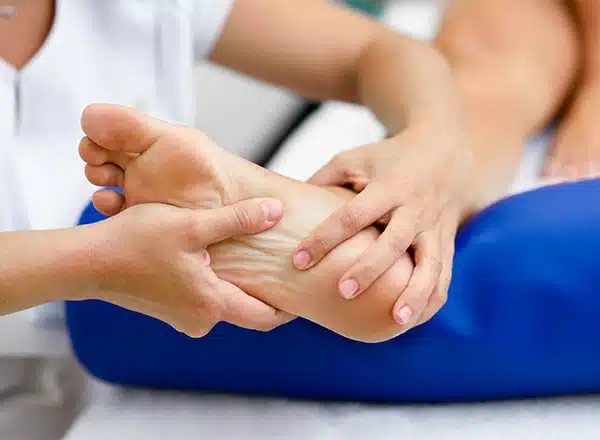
If foot or ankle pain has been bothering you for more than a few weeks, home care alone may not be enough. Balance Foot & Ankle offers online booking 24/7 at our Howell and Bloomfield Township clinics — no referral needed in most cases. Bring your current shoes and a short list of symptoms and we’ll build you a treatment plan in one visit.
Call Balance Foot & Ankle: (810) 206-1402 · Book online · Offices in Howell & Bloomfield Township
FAQ: Foot Creams for Dry Cracked Heels
What percentage of urea is best for cracked heels?
For mild dryness, 10% urea (Eucerin) works well. For thick calluses or long-standing heel cracking, 25% urea (Flexitol) is more effective. Start with 10% and step up if needed. Urea above 25% typically requires a prescription.
How often should I apply foot cream?
Twice daily is the clinical standard for treatment: once in the morning before putting on socks, and once at bedtime. Apply at night with cotton socks — the occlusion traps moisture and dramatically increases penetration. Once heels are healed, once daily is sufficient for maintenance.
Does soaking my feet before applying cream help?
Yes — significantly. Soaking in warm water for 10 minutes before application softens the skin and increases cream penetration by up to 3x. Pat skin dry (don’t rub), then apply cream immediately while skin is still slightly damp. This is the #1 mistake patients make: applying to completely dry, hardened skin reduces effectiveness by 60%.
Why do my heels keep cracking even when I use cream?
If your heels keep cracking despite consistent moisturizing, the cause is likely structural — not just dryness. Common culprits: flat feet (overpronation), open-back shoes (flip flops, slides, bare heels), excess body weight, or vitamin deficiency. A podiatry evaluation can identify the root cause. We see this pattern every week in our clinic.
Are foot creams with urea safe for diabetics?
Yes, but with caution. Urea-based creams can be used on intact skin in diabetic patients, but should NEVER be applied to open wounds, fissures, or broken skin. Diabetic patients should consult a podiatrist before using any urea concentration above 10%, and should have any heel crack — no matter how small — evaluated professionally due to infection risk.
This guide was written by Dr. Tom Biernacki, DPM, a double board-certified podiatrist with 15+ years of clinical experience at Balance Foot & Ankle Specialists in Howell and Bloomfield Township, MI. Dr. Biernacki treats 5,000+ patients per year and has 950,000 YouTube subscribers. All product recommendations are based on clinical use, not manufacturer payment.
Balance Foot & Ankle Specialists | (810) 206-1402 | Howell & Bloomfield Township, MI
📚 Related Conditions — Patients Who Read This Also Found Helpful:
- Foot creams are one piece of a complete foot care toolkit.
Podiatrist Recommended Foot Care Products → - The right socks preserve your skin — especially with creams.
Podiatrist Recommended Socks → - Diabetic patients: foot creams are essential for crack prevention.
Diabetic Shoes & Medicare Coverage →
Related Treatment Guides
- Plantar Fasciitis & Heel Pain Treatment
- Custom 3D Orthotics
- Sports Foot & Ankle Injury Treatment
- Bunion Treatment
Insurance Accepted
BCBS · Medicare · Aetna · Cigna · United Healthcare · HAP · Priority Health · Humana · View All →
Howell Office
4330 E Grand River Ave
Howell, MI 48843
Get Directions →
Bloomfield Township Office
43494 Woodward Ave, #208
Bloomfield Township, MI 48302
Get Directions →
Your Board-Certified Podiatrists



Ready to Get Back on Your Feet?
Book online 24/7 at either office.
Pros & Cons of Conservative Care for foot care
Advantages
- ✓ Conservative care first
- ✓ Book online 24/7
- ✓ Multiple insurance accepted
Considerations
- ✗ Self-treatment can mask issues
- ✗ See a podiatrist if pain >2 weeks
Dr. Tom’s Recommended Products for foot care
Affiliate disclosure: As an Amazon Associate, Balance Foot & Ankle earns from qualifying purchases. We only recommend products we use with patients.
Footnanny Heel Cream Dr. Tom’s Pick
Best for: Daily moisturizer for cracked heels
Ready to Get Back on Your Feet?
Appointments in Howell + Bloomfield Township. Most insurance accepted. Dr. Tom Biernacki, DPM & team.
Call Now: (810) 206-1402
Dr. Tom’s Dry Heel Treatment Stack
- Doctor Hoy’s Natural Pain Relief Gel — Cracked heel pain and fissure soreness: Doctor Hoy’s arnica + camphor gel applied after foot cream reduces the inflammatory pain component of severe heel fissures.
- FLAT SOCKS No-Sock Insoles — After heel cream application: FLAT SOCKS moisture-wicking inserts maintain the hydration barrier without the sweating that can macerate treated skin inside shoes.
- DASS Medical Compression Socks — Cracked heels from venous stasis dermatitis: graduated compression addresses the root circulatory cause that standard foot creams cannot.
Heel fissures bleeding, infected, or not improving with heel cream after 3 weeks? Diabetic heel fissures and keratolysis require clinical treatment. Balance Foot & Ankle → (810) 206-1402
Related Conditions
In-Office Treatment at Balance Foot & Ankle
If home treatment isn’t providing relief for your foot and ankle conditions, our podiatry team at Balance Foot & Ankle can help with expert evaluations and advanced in-office care.
Book online 24/7. (810) 206-1402
Frequently Asked Questions
How long does plantar fasciitis take to heal?
Most plantar fasciitis cases resolve within 6–12 months with consistent treatment. In our clinic, patients who begin care within the first 8 weeks see 80% improvement by month 3. Chronic cases — pain lasting over a year — typically require PRP injections or surgical intervention, but fewer than 5% of our patients reach that point. Starting treatment early is the single biggest factor in shortening recovery.
Why is plantar fasciitis pain worst in the morning?
Overnight, the plantar fascia contracts in a shortened position. Your first steps stretch it abruptly, causing micro-tears at the heel attachment and sharp pain. This ‘first-step pain’ that eases after 10–15 minutes is the hallmark diagnostic sign. If your pain worsens throughout the day rather than improving, a different diagnosis — stress fracture, fat pad atrophy, or nerve entrapment — should be explored.
Can I walk or run with plantar fasciitis?
You can often continue with modifications, especially in early-stage cases. Reduce mileage by 30–50%, avoid hills and speed work, and run on softer surfaces. Add aggressive calf stretching before and after. If pain exceeds 4/10 during activity, stop — pushing through moderate-to-severe pain causes scar tissue formation that can double your recovery time. We reassess runners every 3 weeks to adjust the plan.
Does plantar fasciitis require surgery?
Surgery is required in fewer than 5% of cases. We exhaust conservative options first: custom orthotics, physical therapy, night splints, corticosteroid injections, and shockwave therapy. If those fail after 6–12 months of consistent treatment, plantar fascia release or PRP is considered. In our practice, patients who follow a structured protocol almost never reach surgery.
What shoes help plantar fasciitis the most?
The three features that matter most: firm arch support (not soft cushioning — soft foam collapses under load), a slight heel elevation of 8–12mm to reduce fascia tension, and a wide, deep toe box. Motion-control and stability shoes outperform neutral cushioned shoes for most plantar fasciitis patients. Avoid flat shoes, flip-flops, and going barefoot on hard floors entirely.
Do I need custom orthotics, or will store-bought insoles work?
For mild-to-moderate plantar fasciitis, high-quality OTC insoles (Superfeet, Powerstep) work well for about 60% of patients. Custom orthotics are worth it when: your arch collapse is severe, OTC insoles haven’t helped after 8 weeks, or you have a secondary issue like leg-length discrepancy or overpronation driving the problem. We cast custom orthotics in-office when clinically indicated — typically covered by most PPO plans.
Is plantar fasciitis the same as a heel spur?
No — they’re related but different. A heel spur is a bony calcium deposit that forms on the bottom of the heel bone; plantar fasciitis is inflammation of the fascia ligament. About 70% of patients with plantar fasciitis have a heel spur on X-ray, but the spur is rarely the source of pain. Treating the fascia inflammation resolves symptoms in most cases without removing the spur.
What stretches actually work for plantar fasciitis?
The two most evidence-supported stretches: (1) Seated towel stretch — loop a towel around your foot, pull toes toward you, hold 30 seconds, repeat 3x before getting out of bed. (2) Calf-wall stretch with a straight knee and a bent knee — targets both the gastrocnemius and soleus. Research shows stretching 3x daily reduces symptoms significantly within 8 weeks. The Strassburg sock worn overnight is the highest-impact passive stretch available.
Can plantar fasciitis come back after it heals?
Yes — recurrence rate is 15–25% in the first year without maintenance. The three biggest recurrence triggers: returning to the shoes that caused the problem, stopping stretching when pain disappears, and sudden increases in activity. Patients who continue daily stretching, wear supportive footwear consistently, and use orthotics long-term have recurrence rates under 5% in our practice.
When should I see a podiatrist for heel pain?
See a podiatrist if: pain is severe and limits daily walking, pain hasn’t improved after 4 weeks of rest and stretching, pain is getting progressively worse, you’re having pain at night or at rest, or the pain is on the back or side of your heel rather than the bottom. Night and resting pain can indicate stress fractures, nerve compression, or Achilles pathology — conditions that need imaging to rule out.
What’s the difference between plantar fasciitis and tarsal tunnel syndrome?
Both cause heel pain but feel different. Plantar fasciitis pain is sharp, focal, and worst with first steps. Tarsal tunnel pain is burning, tingling, or electric — often radiating into the arch and toes — and worsens with prolonged standing. Tarsal tunnel is nerve compression (like carpal tunnel in the wrist); plantar fasciitis is ligament degeneration. A nerve conduction study and Tinel’s sign test differentiate them. Misdiagnosis is common — about 20% of chronic plantar fasciitis cases are actually tarsal tunnel.
Get Expert Care at Balance Foot & Ankle
Appointments at our Howell and Bloomfield Township offices. Board-certified podiatric surgeons. Most insurance accepted.
Appointments in Howell & Bloomfield Township
Three board-certified podiatric surgeons. 1,200+ five-star reviews. Most insurance accepted.
Ready for Expert Care?
Appointments in Howell & Bloomfield Township, MI.
4.9★ | 1,200+ Reviews | 3,000+ Surgeries
Or call: (810) 206-1402

Dr. Tom Biernacki, DPM is a board-certified foot & ankle surgeon (ABFAS & ABPM) at Balance Foot & Ankle Specialists in Southeast Michigan. With over a decade of clinical experience, he specializes in heel pain, bunions, diabetic foot care, sports injuries, and minimally invasive surgery. Dr. Biernacki is a member of the APMA and ACFAS, and his patient education content on MichiganFootDoctors.com and YouTube has made him one of the most-followed foot & ankle educators on YouTube.
More questions patients ask
What ingredients should I look for in foot cream for cracked heels?
The most effective ingredients for cracked heels: urea (10-40% concentration) — the gold standard, dissolves dead skin and deeply moisturizes; lactic acid — exfoliates and hydrates; salicylic acid — softens thick calluses; shea butter and glycerin — seal in moisture; and allantoin — promotes skin healing. Prescription 40% urea cream (from a podiatrist) is the most effective for severely cracked heels that don't respond to OTC products.
Why do my heels keep cracking even with moisturizer?
Persistent heel cracking may indicate: inadequate moisturizer concentration (need higher urea %); not moisturizing frequently enough (should apply twice daily); insufficient soaking before moisturizing; wearing open-backed shoes that allow heel skin to expand and crack; underlying conditions like hypothyroidism, psoriasis, diabetes, or fungal infection; or vitamin deficiency (biotin, omega-3). See a podiatrist if heels bleed, are painful, or don't improve with consistent home care.
How often should I use foot cream?
For dry, cracked heels: apply thick foot cream or urea lotion twice daily — morning after showering and before bed. The bedtime application is most important — apply generously, then wear breathable cotton socks to lock in moisture overnight. Soak feet 2-3 times weekly in warm water for 10 minutes before applying cream to maximize absorption. Don't put cream between toes, as trapped moisture promotes fungal infections.
When should I see a podiatrist for cracked heels?
See a podiatrist if: cracks are deep and bleed; heels are painful; you have diabetes or neuropathy (infected cracks are dangerous); home treatment hasn't helped after 4 weeks; or you notice signs of infection (redness, swelling, discharge). Podiatrists can safely debride thick calluses, prescribe stronger urea creams, identify underlying skin conditions, and address biomechanical causes of callus formation. Balance Foot & Ankle: (810) 206-1402.
What are the best foot creams for dry cracked heels?
Balance Foot & Ankle recommends foot creams containing urea (20-40% concentration for severely cracked heels), alpha-hydroxy acids (lactic acid, glycolic acid) for exfoliation, or shea butter and emollient combinations for maintenance. Brands like Flexitol Heel Balm, CeraVe Healing Ointment, and Eucerin Intensive Repair Foot Cream are well-tolerated. Apply after showering while skin is still slightly damp for best absorption.
Why do heels crack and how can I prevent it?
Cracked heels develop from dry skin, loss of moisture-retaining ability with age, prolonged standing, obesity increasing pressure on heel skin, open-back footwear that allows heel skin to expand without constraint, and skin conditions like eczema or psoriasis. Balance Foot & Ankle recommends daily moisturizing, closed-heel footwear, and preventive evaluations for those prone to heel cracking. Diabetics with cracked heels need prompt professional care.
Are cracked heels dangerous for diabetics?
Yes. Cracked heels (heel fissures) are a serious concern for diabetic patients. Cracks create entry points for bacteria leading to infections, and neuropathy means the diabetic may not feel pain warning them of the severity. Balance Foot & Ankle strongly recommends diabetics see us at the first sign of heel cracking and maintain daily moisturizing as part of their diabetic foot care routine. Call (810) 206-1402 immediately for infected heel fissures.
How should I properly treat cracked heels at home?
For mild cracked heels, Balance Foot & Ankle recommends: soak feet in warm water for 10 minutes to soften skin, gently remove loose skin with a pumice stone (never sharp tools), apply a high-urea foot cream generously, cover with socks to lock in moisture overnight. Avoid: harsh scraping tools, very hot water soaking, hydrogen peroxide (drying), and leaving feet unprotected. For deep, painful cracks, professional treatment at Balance Foot & Ankle is needed.
Still have a question about coverage or cost? Book online and we will check your benefits before your visit: Book in Howell · Book in Bloomfield Township. Prefer to talk it through first? Call (810) 206-1402.