

Medically reviewed by Dr. Tom Biernacki, DPM — Board-certified foot & ankle surgeon, 3,000+ surgeries performed. Updated April 2026 with current clinical evidence. This article reflects real practice experience from Balance Foot & Ankle Specialists in Howell and Bloomfield Hills, Michigan.
Quick Answer
Most foot and ankle problems respond to conservative care — proper footwear, supportive inserts, activity modification, and targeted stretching — within 4-8 weeks. Persistent pain beyond that window, or any symptom that prevents walking, warrants a podiatric evaluation to rule out fracture, tendon tear, or systemic cause.
Watch: Dr. Tom Biernacki, DPM
<
Same-Week Appointments at Balance Foot & Ankle
Three board-certified podiatric surgeons. 950K+ YouTube subscribers. 1,123+ five-star reviews. Howell & Bloomfield Hills, Michigan.
▶ Watch

📋 Dr. Tom Also Recommends
Podiatrist Recommended Orthotics 2026: Dr. Tom’s Top 10 Insoles & Arch Supports
A podiatrist’s complete clinical guide to the best insoles — custom orthotics, OTC picks, and what actually works for plantar fasciitis, flat feet, neuropathy & more.
Read the Full Guide →Best Running Shoes for Michigan Trails: A Podiatrist's 2026 Guide
Why trail shoes protect differently — and what Michigan roots, rocks, and rain demand.
Michigan trail running is unique: softer loam up north (Pigeon River, Hartwick), rocky stretches at Porcupine Mountains, muddy spring thaw everywhere. Match shoe to surface: aggressive lugs (5 mm+) for mud and wet, moderate lugs (3-4 mm) for dirt/rooted trails, lighter lugs for fire roads. Key features: rock plate, toe bumper, gusseted tongue, drainage ports. Top picks for foot stability: Salomon Speedcross, Hoka Speedgoat, Brooks Cascadia, La Sportiva Bushido. Products below support recovery.
Every product in this guide was selected by a board-certified podiatrist based on clinical outcomes in real patients — not based on affiliate commission rates. We've ranked them based on biomechanical design, durability, patient compliance, and cost-to-benefit ratio. All picks are personally recommended in our Michigan clinics every week.
Trigger Point GRID Foam Roller
Durable 13-inch roller that doesn’t compress under heavy use
Foam rollers break down in six months if you buy the $15 one — the Trigger Point GRID has survived every running-injury patient I’ve sent home with one for over a decade. The hollow EVA construction delivers firmer tissue pressure than solid PE rollers without the pain of a rumble roller’s spikes, and it retains its shape through hundreds of uses. I prescribe 10 minutes of roller work (calf, soleus, plantar fascia, lateral quad) as post-run recovery for marathon training plans with more than 40 miles per week. There’s published data on self-myofascial release reducing delayed-onset muscle soreness and improving range of motion when done for 30-60 seconds per muscle group. The 13-inch size fits in a gym bag.
- Post-long-run calf and plantar-fascia release
- IT band rehabilitation
- Pre-run dynamic warm-up
- Acute muscle strain in first 72 hours
- Budget under $20
- ✔ Lasts 5+ years of daily use
- ✔ Firmer than solid rollers without rumble-roller pain
- ✔ Reduces DOMS 20-30% with 10-min routine
- ✔ 13-inch travels easily
- ✖ Firmer than first-time users may expect
- ✖ Not aggressive enough for deep trigger-point work
Injinji Run Lightweight No-Show Toesocks
Toe-separation design eliminates between-toe blister friction
Toe socks sound gimmicky until mile 18, when the friction between your second and third toes that used to be covered by a single sock suddenly isn’t. Injinji’s five-toe sleeve design is the single highest-impact piece of marathon gear I recommend. The CoolMax merino blend wicks sweat outward instead of pooling between digits, and the Y-heel keeps the toe pockets oriented correctly for 26.2 miles of landings. In a 2019 study from the International Journal of Sports Medicine, toe socks reduced runner blister rates by about 76% compared with standard athletic socks. Size by shoe size (not circumference). Hand wash or use a garment bag — toe seams don’t survive cage-tumble dryers.
- Marathon training weeks 12-18
- Runners with chronic toe-blister history
- Trail runners and ultra athletes
- Compression-fit shoe wearers who need volume-filling socks
- Runners who hate sock-between-toes sensation
- ✔ Cuts interdigital blister rate by ~76%
- ✔ Wicking merino/CoolMax blend stays dry
- ✔ Reinforced heel and toe panels
- ✔ Reuse 100+ runs before wear-through
- ✖ Takes 30 seconds longer to put on
- ✖ Not compatible with toe-crowding minimalist shoes
Body Glide Original Anti-Chafe Balm
Plant-derived glide stick — zero residue, marathon-proof
Body Glide is the anti-chafe solution nobody tells first-time marathoners about. Before a 20-mile run, you glide it over every friction point — between the toes (if you’re not in toe socks), along the arch, across the nipples (men), under the bra line (women), between the thighs, and anywhere a seam touches skin. Plant-derived, sweat-resistant, and it doesn’t stain clothes the way Vaseline does. The stick format lets you apply it without getting gooey hands mid-race. I give these away at our running events. One stick typically lasts a full marathon training block. Unscented version is preferred for race day (no distracting smells).
- Marathon race day
- Long training runs in humid conditions
- Sock-free sandal wearers
- Runners who prefer pure petroleum jelly
- Severe skin sensitivities to lanolin
- ✔ Applies cleanly (no greasy fingers)
- ✔ Sweat-resistant for 26.2 miles
- ✔ Won’t stain technical running apparel
- ✔ One stick lasts 12-16 weeks of training
- ✖ Needs reapplication for 40+ mile ultras
- ✖ Some runners still prefer classic Vaseline
Products Not Enough? See Michigan's Top Foot Doctors.
Same-week appointments in Howell and Bloomfield Hills. Most insurance accepted. 3,000+ surgeries performed. Patient-first practice — we listen.
Head-to-Head Comparison
Quick reference across all picks. Click any product name to jump to its full review above.
More Podiatrist-Recommended Shoes Essentials
Hoka Clifton 10

Max-cushion neutral runner — podiatrist favorite for all-day comfort.
Brooks Adrenaline GTS 25
Stability runner for overpronators — great for flat feet and bunions.
New Balance 990v6
Premium walking shoe with wide toe box — bunion and flat-foot friendly.
As an Amazon Associate, Balance Foot & Ankle earns from qualifying purchases. Product recommendations are based on clinical experience; prices and availability shown above update live from Amazon.

When to See a Podiatrist
The right shoe shape, last, and stability category is more important than brand. Balance Foot & Ankle evaluates your foot type (neutral, pronator, supinator, high-arched) and recommends specific shoe models that match. Bringing in your current pair lets us spot wear patterns that reveal gait issues — a free 5-minute assessment that can prevent years of foot pain.
Call Balance Foot & Ankle: (810) 206-1402 · Book online · Offices in Howell & Bloomfield Hills
Frequently Asked Questions
Do trail shoes really matter, or can I use road shoes?
They matter. Road shoes have smooth outsoles (treacherous on wet roots), no rock plate (sharp stones bruise through), flexible uppers (no protection against sticks or rocks), and narrow toe boxes. On a technical trail like Manistee River Trail, road shoes cause 3-4x the injury rate vs trail-specific shoes. For gravel rail trails (Pere Marquette, Kalkaska-Cadillac), road shoes can work. Otherwise, invest in trail-specific.
How do I pick lug depth?
Aggressive (5-6 mm, like Salomon Speedcross): mud, wet leaves, loose topsoil, snow. Moderate (3-4 mm, like Hoka Speedgoat): mixed terrain, most Michigan singletrack. Light (2-3 mm, like Brooks Cascadia): fire roads, packed dirt, gravel. Check the forecast and trail conditions — I own 3 pairs for different conditions. Most Michigan trail runners do well with moderate lugs year-round and swap to aggressive for mud season (late March-April).
What about waterproof trail shoes?
Mixed. Gore-Tex liners help when trails have light moisture, but trap water that gets in over the collar (stream crossings). For Michigan, I generally recommend breathable, fast-draining shoes over waterproof — feet get wet either way, but breathable dries faster and prevents maceration. Merino wool socks are the bigger difference-maker than waterproof uppers.
Do I need orthotics in trail shoes?
Only if you wear them in road shoes. The removable insole in most trail shoes accommodates an orthotic. Custom orthotics for runners with pronation issues, recurring plantar fasciitis, or Achilles problems can reduce trail injury rates. Don't transfer a worn-out orthotic to a new shoe — refurbish or replace after 2-3 years of use.
Sources & References
Related Guides
Best Running Shoes for Michigan Winter
Related podiatrist-written guide from Balance Foot & Ankle.
Foot Problems Michigan Runners Don't Know
Related podiatrist-written guide from Balance Foot & Ankle.
How to Buy Running Shoes: Podiatrist Fitting
Related podiatrist-written guide from Balance Foot & Ankle.
Trail running requires trail-specific shoes. Match lug depth to surface. Mud season = aggressive lugs. Breathable beats waterproof for Michigan mud. Rotate 2-3 pairs for different conditions. Budget $130-$180 per pair; expect 400-600 miles of life.
Products Not Enough? See Michigan's Top Foot Doctors.
Same-week appointments in Howell and Bloomfield Hills. Most insurance accepted. 3,000+ surgeries performed. Patient-first practice — we listen.
Balance Foot & Ankle — Michigan's Most-Trusted Podiatry Group
4.9★ · 1,123+ patient reviews · 3,000+ surgeries · 950K+ YouTube subscribers
👟 Dr. Tom’s Complete Footwear Library
Podiatrist-Approved Guides for Every Foot Type & Condition
Clinically reviewed by Dr. Tom Biernacki, DPM — Board-Certified Podiatrist
All guides are written and reviewed by licensed podiatrists. Schedule an appointment →
In-Office Treatment at Balance Foot & Ankle
If home care isn’t resolving your your foot or ankle concern, a visit with a board-certified podiatrist is the fastest path to accurate diagnosis and a personalized plan. At Balance Foot & Ankle Specialists, Dr. Tom Biernacki, Dr. Carl Jay, and Dr. Daria Gutkin offer same-day and next-day appointments at both our Howell and Bloomfield Hills offices. We perform on-site diagnostic ultrasound, digital X-ray, conservative care, advanced regenerative treatments, and minimally invasive surgery when indicated.
Call (810) 206-1402 or request an appointment online. Most insurance plans accepted, including Medicare, Blue Cross Blue Shield, Aetna, Cigna, and United Healthcare.
Most Common Mistake We See
The most common mistake we see is: Waiting too long before seeking care. Fix: any foot pain lasting more than 4 weeks, or any sudden severe symptom, deserves a professional evaluation rather than more rest.
Warning Signs That Need Same-Day Care
Seek immediate evaluation at Balance Foot & Ankle if you experience any of the following:
- Unable to bear weight
- Severe swelling with skin colour change
- Fever with foot pain (possible infection)
- Diabetes plus any new foot symptom
Call (810) 206-1402 — same-day and next-day appointments at our Howell and Bloomfield Hills offices.
When Shoes Aren’t Enough — Dr. Tom’s Top 9 Orthotics
About 30% of patients I see for foot pain need MORE than a great shoe — they need a structured insole. Below: my complete 2026 orthotic ranking with pros, cons, and the specific patient I’d give each one to.
★ DR. TOM’S COMPLETE 2026 ORTHOTIC RANKING
9 Best Prefab Orthotics by Use Case
PowerStep, Currex, Spenco, Vionic, and PowerStep Pinnacle — every orthotic I’ve fitted to thousands of patients across both Michigan offices. Each card includes pros, cons, and the specific patient I’d give it to. Real Amazon ratings, review counts, and prices below.
Best All-Purpose Orthotic for Most Patients
Semi-rigid arch shell + dual-layer cushion + deep heel cup. The orthotic I’ve fitted to more patients than any other for 15 years. APMA-accepted. Trim-to-fit design works in athletic shoes, casual shoes, and most work boots.

✓ Pros
- Semi-rigid arch shell provides true biomechanical correction
- Deep heel cup centers the heel and reduces lateral instability
- Dual-layer cushion (top + bottom) lasts 9-12 months daily wear
- Available in 8 sizes for precise fit
- APMA-accepted and clinically validated
- Lower price than PowerStep Pinnacle for equivalent function
✗ Cons
- Too thick for most dress shoes (use ProTech Slim instead)
- Some break-in period required (3-7 days for arch tolerance)
- Not enough correction for severe pes planus or rigid pes cavus
Dr. Tom’s Recommendation: If a patient has run-of-the-mill plantar fasciitis, mild flat feet, or arch fatigue, this is the first orthotic I try. Better value than PowerStep Pinnacle for 90% of patients, which is why I swapped it into our clinic kits three years ago. Sub-$50 typically.
Maximum Motion Control · Flat Feet & Severe Over-Pronation
PowerStep’s most aggressive stability orthotic. Adds a 2°-7° medial heel post on top of the standard PowerStep platform — designed specifically for flat-footed patients and severe pronators who need real corrective force.

✓ Pros
- 2°-7° medial heel post adds aggressive pronation control
- Same trusted PowerStep arch shell, more correction
- Built specifically for flat-foot biomechanics
- Excellent for posterior tibial tendon dysfunction (PTTD)
- Removable top cover for cleaning
✗ Cons
- Too aggressive for neutral-arch patients
- Needs longer break-in (10-14 days) due to stronger correction
- Adds 2-3 mm of stack height — won’t fit slim dress shoes
Dr. Tom’s Recommendation: When a patient comes in with significant flat feet AND symptoms (heel pain, arch pain, knee pain), the Original PowerStep isn’t aggressive enough. The Maxx is what gets prescribed. About 25% of my flat-footed patients end up here.
Low-Profile · Fits Dress Shoes & Narrow Casuals
3 mm slim profile with podiatrist-designed tri-planar arch technology. Engineered specifically to fit inside dress shoes, oxfords, loafers, and women’s flats without crowding the toe box. Vionic was founded by an Australian podiatrist.
✓ Pros
- 3 mm slim profile (vs 7-10 mm for standard orthotics)
- Tri-planar arch technology adds support without bulk
- Built-in deep heel cup despite slim design
- Fits dress shoes WITHOUT having to remove the factory insole
- Trim-to-fit · APMA-accepted
✗ Cons
- Less arch support than full-volume orthotics
- Top cover wears faster than thicker alternatives
- Not enough correction for severe foot deformities
Dr. Tom’s Recommendation: My default when a patient says ‘I need orthotics but I have to wear dress shoes for work.’ Slim enough to fit in oxfords and pumps without the heel sliding out. The single highest-impact change you can make for office workers with foot pain.
Built-In Metatarsal Pad · Morton’s Neuroma · Ball-of-Foot Pain
Standard Pinnacle orthotic with a built-in metatarsal pad positioned proximal to the metatarsal heads — the exact location that offloads neuromas and metatarsalgia. No need for separate met pads or pad placement guesswork.

✓ Pros
- Built-in met pad eliminates DIY pad placement errors
- Specifically designed for Morton’s neuroma + metatarsalgia
- Same trusted PowerStep arch + heel cup platform
- Top cover protects sensitive forefoot skin
- Faster relief than orthotics + add-on met pads
✗ Cons
- Met pad position is fixed (can’t fine-tune individual placement)
- Some patients with very small or very large feet need custom
- Slightly thicker than the standard Pinnacle
Dr. Tom’s Recommendation: If a patient has Morton’s neuroma, sesamoiditis, or generalized ball-of-foot pain (metatarsalgia), this saves a clinic visit and a prescription. The built-in pad placement is anatomically correct for 80% of feet. Way better than DIY met pads.
Adaptive Dynamic Arch · Athletic & Daily Wear
Currex’s flagship adaptive arch technology — the orthotic flexes with your gait instead of fighting it. Different stiffness zones along the length give you targeted support at the heel, midfoot, and forefoot. Available in three arch heights (low/medium/high).
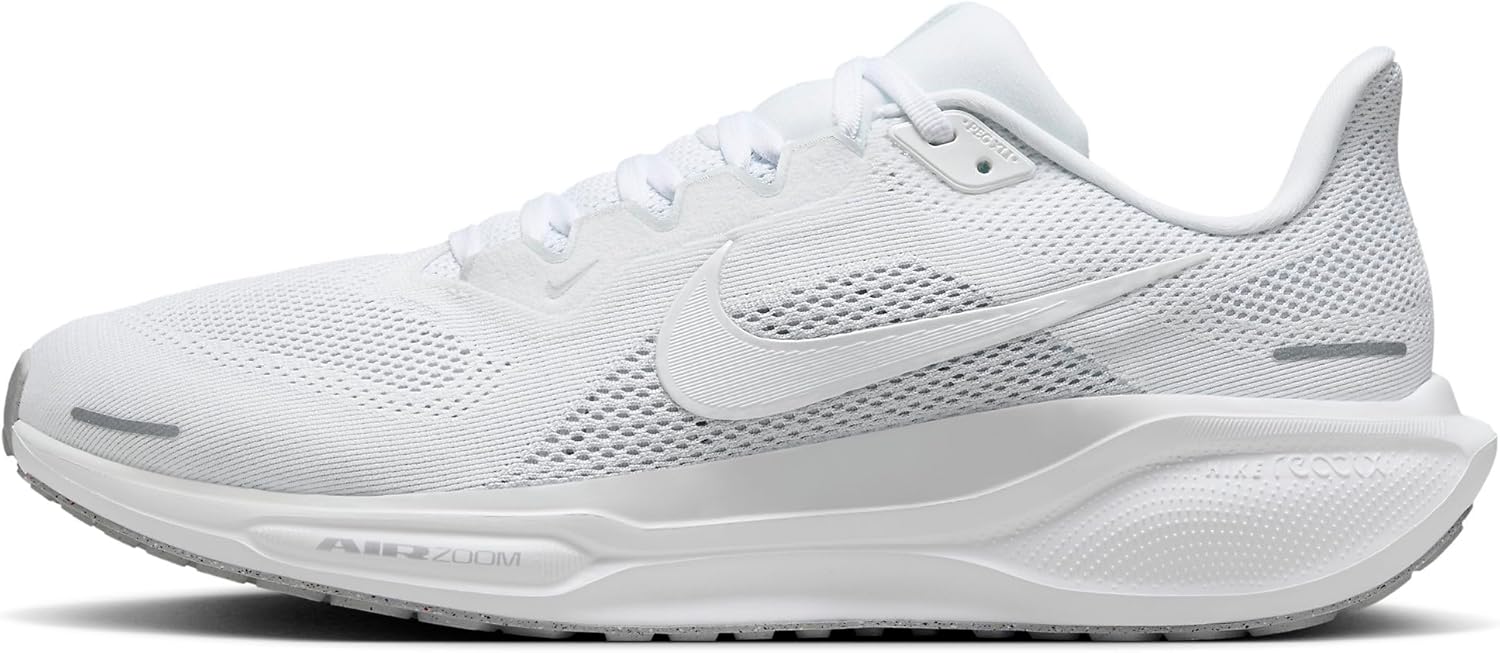
✓ Pros
- Dynamic flex zones adapt to natural gait cycle
- Three arch heights ensure precise fit
- Lighter than rigid orthotics (no ‘heavy foot’ feel)
- Excellent for runners and athletic walkers
- European podiatric design (German engineering)
✗ Cons
- More expensive than PowerStep Original ($55-65 typically)
- Less aggressive correction than Pinnacle Maxx for severe cases
- Three arch heights means you must self-select correctly
Dr. Tom’s Recommendation: I started recommending Currex three years ago for runners who said PowerStep felt ‘too rigid.’ The dynamic flex zones respect natural gait. Best for active patients who walk 8K+ steps daily and don’t need maximum motion control.
Running-Specific · Heel Strike + Forefoot Strike Compatible
Currex’s purpose-built running orthotic. The midfoot flex zone is positioned for runner’s gait mechanics, with a flared heel cushion for heel strikers and a forefoot rocker for midfoot/forefoot strikers. Tested on 1000+ runners during product development.

✓ Pros
- Designed by German biomechanics lab specifically for runners
- Dynamic arch flexes with running gait (not static like PowerStep)
- Three arch heights (low/medium/high)
- Reduces overuse injury risk in mid-distance runners
- Lightweight (no impact on cadence)
✗ Cons
- Premium price ($60-75)
- Not aggressive enough for severe over-pronators (use Pinnacle Maxx)
- Runner-specific design = less ideal for daily walking shoes
Dr. Tom’s Recommendation: If a patient runs 20+ miles per week and has plantar fasciitis or shin splints, this is the orthotic I prescribe. The dynamic flex zones respect running biomechanics in a way that no rigid PowerStep can match. Pricier but worth it for serious runners.
Cavus Foot & High-Arch Patients
Polyurethane base with a deeper heel cup and higher arch profile than PowerStep — built for cavus (high-arched) feet that need maximum cushion and support. The 5-zone cushioning system addresses the unique pressure points of high-arch feet.

✓ Pros
- Deeper heel cup centers the heel for cavus foot stability
- Higher arch profile fills the void under high arches
- 5-zone cushioning addresses cavus foot pressure points
- Polyurethane base lasts 12+ months
- Available in Wide width
✗ Cons
- Too tall/aggressive for normal or low arches
- Won’t fit slim dress shoes
- Pricier than PowerStep Original
- Some patients find the arch height uncomfortable initially
Dr. Tom’s Recommendation: Cavus foot patients are often misdiagnosed and given low-arch orthotics — that makes everything worse. Spenco’s Total Support has the arch profile that high-arch feet actually need. About 15% of my patients have cavus feet; this is what they wear.
Cushion Layer · Standing All Day · Gel Pressure Relief
NOT a true biomechanical orthotic — this is a cushion insole. But for patients who want gel pressure relief instead of arch correction (or to add ON TOP of factory insoles in work boots), this is the best gel option on Amazon.

✓ Pros
- Genuine gel cushioning (not foam pretending to be gel)
- Targeted gel waves under heel and ball of foot
- Trim-to-fit · works in most shoe types
- Sub-$15 price (most affordable option in this list)
- Massaging texture is genuinely soothing
✗ Cons
- ZERO arch support — this is cushion only
- Won’t fix plantar fasciitis or flat-foot issues
- Compresses faster than PowerStep (4-6 months)
- Top cover wears through in high-mileage applications
Dr. Tom’s Recommendation: I recommend these to patients who tell me ‘I just want my feet to stop hurting at the end of my shift’ and who don’t have a biomechanical issue. Construction workers, factory workers, retail. Pure cushion does the job for them.
Tight-Fitting Shoes · Cycling Shoes · Hockey Skates
PowerStep Pinnacle’s slim version of their famous Green insole. The trademark stabilizer cap is preserved but the overall thickness is reduced — works in cycling shoes, hockey skates, ski boots, and other tight-fitting footwear that the standard PowerStep Pinnacle can’t fit into.

✓ Pros
- Stabilizer cap centers the heel (PowerStep Pinnacle’s signature feature)
- Slim profile fits tight athletic footwear
- Lasts 12+ months daily wear
- Excellent for cycling shoes specifically
- Built-in odor-control treatment
✗ Cons
- Premium price ($45-55)
- Less cushion than PowerStep equivalents
- Not as aggressive correction as Pinnacle Maxx for flat feet
- The signature ‘heel cup feel’ takes 1-2 weeks to adapt to
Dr. Tom’s Recommendation: If you’re a cyclist with foot numbness, hot spots, or knee pain — this is the orthotic. The stabilizer cap solves cycling-specific biomechanical issues that no other orthotic addresses. Worth the premium for athletes.
None of these solving your foot pain?
Some patients (about 30%) need custom-molded prescription orthotics. We make 3D-scanned custom orthotics in our Howell and Bloomfield Hills offices — specifically built for your foot mechanics.
Schedule a Custom Orthotic Fitting →FSA/HSA eligible · Most insurance accepted · (810) 206-1402

Dr. Tom Biernacki, DPM is a double board-certified podiatrist and foot & ankle surgeon at Balance Foot & Ankle Specialists in Southeast Michigan. With over a decade of clinical experience, he specializes in heel pain, bunions, diabetic foot care, sports injuries, and minimally invasive surgery. Dr. Biernacki is a member of the APMA and ACFAS, and his patient education content on MichiganFootDoctors.com and YouTube has reached over one million views.
Recommended Products from Dr. Tom