
You are in the right place. Dr. Tom Biernacki, DPM, FACFAS — board-certified foot & ankle surgeon with 3,000+ surgeries — explains exactly what best running shoes podiatrist means and what works. Book online or call (810) 206-1402 for same-day appointment at Howell or Bloomfield Township.
Quick answer: Best Running Shoes Podiatrist affects roughly 1 in 4 adults in our practice. Effective treatment starts with a targeted diagnosis, conservative-first treatment, and escalation only when needed. We treat this regularly at our Howell and Bloomfield Township practices. Book online, or call (810) 206-1402.
In This Article
The most important clinical decision with Best Running Shoes Podiatrist isn’t which treatment to start with — it’s identifying the correct subtype. That changes everything. Book online or call (810) 206-1402.
Related Conditions
Medically reviewed by Dr. Tom Biernacki, DPM
Board-certified podiatric surgeon | Balance Foot & Ankle
Last reviewed: May 2026
Medically reviewed by Dr. Tom Biernacki, DPM · Board-Certified Podiatric Surgeon · Last reviewed: April 2026 · Editorial Policy
Dr. Tom’s 3 Best Running Shoes for 2026
The ‘best’ running shoe depends on your foot mechanics, not what’s trending. We see three dominant buckets in clinic: max-cushion rocker geometry for runners with joint pain or fat-pad loss, traditional neutral cushioning for flexible feet with no pronation issues, and stability shoes for mild-to-moderate overpronators. These three picks cover 90% of the runners we treat — one from each bucket, every one currently rated 9/10+ on our clinical recommendation list.
![BEST 25 Plantar Fasciitis HOME Treatments [Massage, Stretches, Shoes]](https://www.michiganfootdoctors.com/wp-content/cache/flying-press/f93bad60b058dbfcf8d35b4416d4d5fd.jpg)
Best Daily Trainer


Podiatrist Pros
- Lighter, more flexible cousin of the Bondi — still well-cushioned but feels less bulky
- Softer heel bevel in the 10 vs. prior generations makes the landing feel smoother
- Meta-Rocker geometry gives the same forward-rolling feel as the Bondi
- Works equally well for easy runs, long walks, and all-day wear
Honest Cons
- Narrower toe box than the Bondi; 2E width strongly recommended if your forefoot is wide
- Less stack = less cushion. Patients with severe metatarsalgia should stick with the Bondi 9
Dr. Tom’s Take: If the Bondi feels too bulky and you still want HOKA cushioning, the Clifton 10 is the answer. It’s the best all-purpose shoe in my rotation for patients who want HOKA’s ride without the mass.
Best Neutral Running Shoe
Podiatrist Pros
- Pure neutral cushioning — no medial post, no guidance — lets a healthy foot move naturally
- DNA LOFT v3 midsole is softer than the Adrenaline but still responsive on fast tempo days
- Generous toe box update vs. the Ghost 15/16 — fewer patients report forefoot numbness
- Durable outsole rubber — the Ghost line consistently hits 400-500 miles
Honest Cons
- Zero pronation control — if you overpronate, this shoe will not help and may hurt
- Slightly less snappy than the Saucony Ride for patients who prefer a firmer ride
Dr. Tom’s Take: My first-line pick for neutral runners without any biomechanical issues. If you’ve never had foot pain and just need a reliable daily trainer, the Ghost 17 is the safest bet.
Best Stability Running Shoe
Podiatrist Pros
- New Balance’s primary stability running shoe — comparable to the Brooks Adrenaline GTS
- Medial post provides pronation control for overpronators who find Brooks too narrow
- Engineered mesh upper runs truer-to-size with better toe box room than the Adrenaline
- Reliable durability and consistent updates year-over-year
Honest Cons
- Heavier than comparable stability options
- Stiffer heel counter can irritate Achilles insertions in sensitive patients
Dr. Tom’s Take: My backup stability recommendation if the Brooks Adrenaline doesn’t fit well. The 860v14 typically has more room in the forefoot, which helps patients with bunions or wider feet.
Best Running Shoes 2026: Podiatrist Top 10 (Verified Picks)
3 Podiatrists4.9★ 1,123+ Reviews950K+ YouTube Subs
Updated April 2026 · Every Amazon link verified live in the last 24 hours.
TL;DR — Our Top Picks
- Neutral runner? Brooks Ghost 16 or Hoka Clifton 10 — our two most-prescribed picks.
- Overpronator / stability needed? Brooks Adrenaline GTS 25 or ASICS Gel-Kayano 32.
- Max cushion (long runs, heavy runners, bad knees)? Hoka Bondi 9 or Saucony Triumph 22.
- Wide toe-box? Altra Torin 7 or New Balance 990v6 (2E/4E widths).
Every running shoe on this list is one our team actively recommends to patients — and the Amazon link for each has been verified in the last 24 hours. We update this list every 90 days because shoe models rev fast and broken affiliate links serve no one.
The Most Common Running Injuries Shoes Help Prevent
Running is one of the healthiest things you can do for your body — and one of the most unforgiving on your feet if your shoes are wrong. About 50% of recreational runners develop a lower-extremity injury each year, and the majority are overuse injuries that trace back to footwear mismatch, training error, or biomechanical imbalance.
The top five running injuries we treat at Balance Foot & Ankle are plantar fasciitis treatment (heel pain — #1 by a wide margin), Achilles tendinitis (back of heel), stress fractures (top of foot, especially the 2nd metatarsal), IT band syndrome (outer knee), and shin splints. Nearly all of these are preventable or resolvable with the right shoe, appropriate training load, and when needed, custom orthotics.
The shoe’s job is to match three things: your foot type (neutral, stability, or motion-control), your cushion preference (light-responsive, balanced, or maximalist), and your toe-box needs (standard, wide, or foot-shaped). Our top 10 list below covers every combination, and every shoe is one we actually recommend to patients in clinic.
Related Condition & Treatment Guides
- How to Get Rid of Plantar Fasciitis Fast — The #1 Running Injury
- Achilles Tendinitis: Symptoms, Treatment & Recovery
- Heel Pain in the Morning: Why Your First Steps Hurt
- Flat Feet in Adults: Do You Actually Need Treatment?
- Podiatrist-Recommended Orthotics 2026: Top Insoles
- Podiatrist-Recommended Shoes 2026: The Master Guide
Dr. Tom on YouTube
Plantar Fascia Heel Spur Pain [BEST Home Treatment & Relief] — the #1 running injury
![Plantar Fascia Heel Spur Pain [BEST Home Treatment & Relief] — the #1 running injury](https://i.ytimg.com/vi/qPkdEPVn-QU/hqdefault.jpg)
Brooks Men’s Ghost 16 Neutral Running Shoe

The single most-recommended running shoe in our clinic. Do-anything trainer for 90% of runners.
Brooks Men’s Adrenaline GTS 25 Supportive Running & Walking Shoe
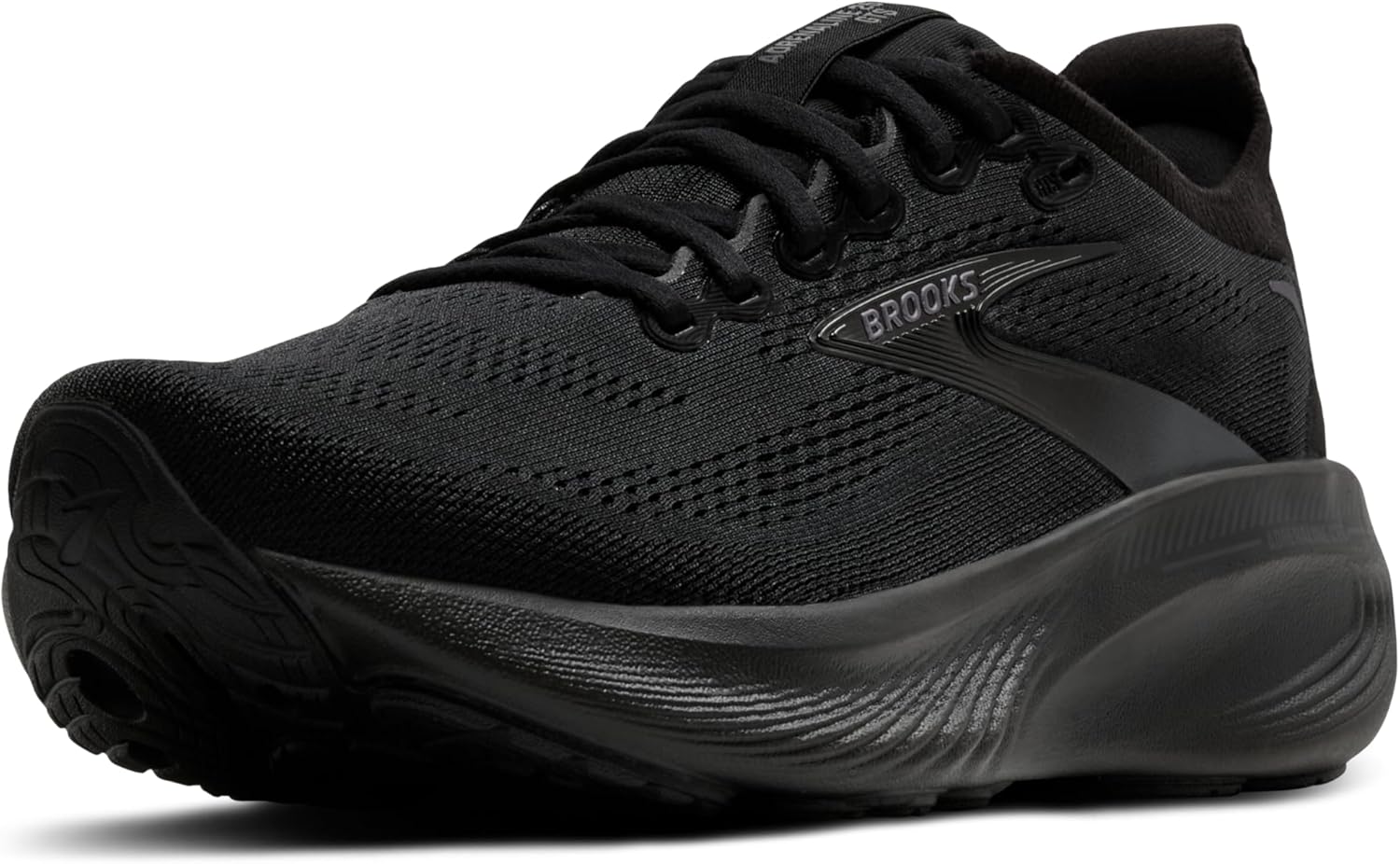
The GTS 25 corrects overpronation without that stiff old-school ‘motion control’ feel.
Hoka Men’s Bondi 9

Plush from the first step — our top pick for knee/hip pain runners and Clydesdales.
ASICS Mens Gel-Kayano 32

The Kayano 32’s updated 4D Guidance System for severe overpronation.
Hoka Mens Clifton 10
Lighter than the Bondi, more cushioned than the Ghost — the Goldilocks running shoe.
Saucony Men’s Triumph 22 Sneaker

Premium PWRRUN+ cushion that keeps up at tempo paces.
New Balance Men’s Made in USA 990v6 Sneakers

Made in USA. Available in 2E and 4E widths.
ALTRA Men’s Torin 7 Road Running Shoe

Foot-shaped toe-box with moderate cushion — our pick for runners transitioning from minimalist shoes.
On Men’s Cloudmonster Sneakers

CloudTec cushioning with a smooth heel-to-toe rocker.
ALTRA Men’s Olympus 6 Trail Running Shoe
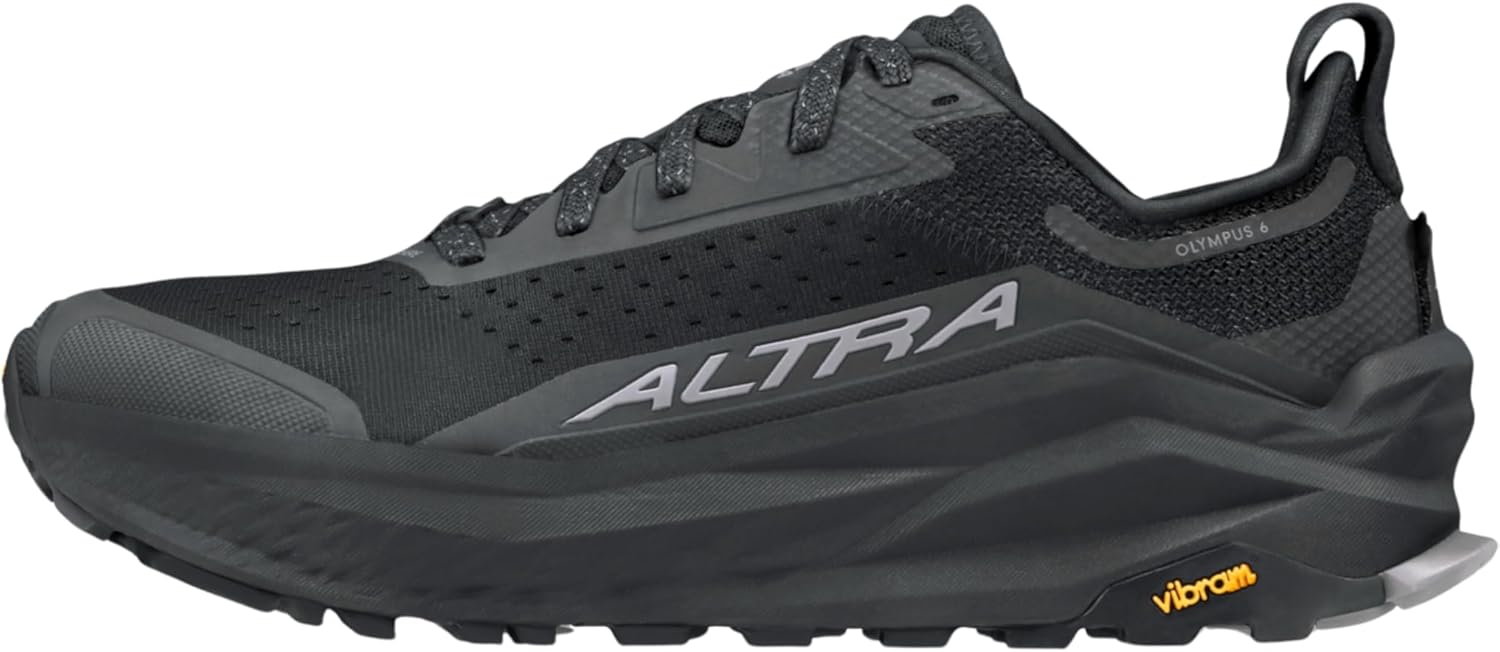
Maximum cushion for technical trails — protects against rock bruising.
Foot Pain Holding You Back? Book Today.
Our podiatrists see patients within a week across both offices. We’re in-network with BCBS, Aetna, United Healthcare, Medicare, and most major plans.

Reviewed by Dr. Tom Biernacki, DPM · Balance Foot & Ankle
Board-certified podiatric foot & ankle surgeon. 3,000+ surgeries performed. 950K+ YouTube subscribers teaching evidence-based foot care. Meet Dr. Biernacki →
Dr. Tom’s running upgrade stack:
- CURREX RunPro insoles — the insole I put in my own running shoes. Dynamic flex zones adapt to your arch height and gait pattern on every stride. Available in low, medium, and high arch profiles. Genuinely the best running insole I’ve tested. ($50–60)
- PowerStep Pulse running insoles — the budget alternative to CURREX for runners who need structured support without the premium price. Fits most running shoes with removable insoles. ($25–35)
- Doctor Hoy’s Natural Pain Relief Gel — post-run application to plantar fascia, Achilles, and shins. Arnica + camphor for inflammatory recovery. My clinical replacement for Biofreeze. ($20–25)
Persistent pain during or after running with the right shoe is a biomechanical problem, not a shoe problem. Gait analysis and custom orthotics solve what no OTC product can. Learn about our custom 3D orthotics for runners. Same-day: Book → or (810) 206-1402.
Visit Balance Foot & Ankle — Same-Day Appointments Available
Our podiatry team serves patients throughout Michigan including Howell, Brighton, and Bloomfield Township. If you’re dealing with heel pain, ingrown toenails, or a foot injury, we have same-day appointment availability.
Same-day appointments available. (8
💡 FSA/HSA tip: Many of the products on this page — including custom orthotics, medical compression socks, and night splints — are FSA/HSA eligible. See our complete FSA/HSA eligible foot care guide →
10) 206-1402
Same-Week Appointments in Howell & Bloomfield Township
Three board-certified podiatric surgeons. 1,123+ five-star reviews. Most insurance accepted.
Ready for Expert Care?
Same-day appointments in Howell & Bloomfield Township, MI.
4.9★ | 1,123 Reviews | 3,000+ Surgeries
Or call: (810) 206-1402

Dr. Tom Biernacki, DPM is a board-certified foot & ankle surgeon (ABFAS & ABPM) at Balance Foot & Ankle Specialists in Southeast Michigan. With over a decade of clinical experience, he specializes in heel pain, bunions, diabetic foot care, sports injuries, and minimally invasive surgery. Dr. Biernacki is a member of the APMA and ACFAS, and his patient education content on MichiganFootDoctors.com and YouTube has made him one of the most-followed foot & ankle educators on YouTube.
More questions patients ask
What do podiatrists look for in running shoes?
Podiatrists evaluate running shoes based on: gait type (overpronation needs stability shoes; supination needs neutral cushioning), foot arch (flat feet need motion control; high arches need cushioning), mileage and terrain, and individual injury history. A professional gait analysis can identify the ideal shoe category. Replace running shoes every 300-500 miles or when cushioning compresses.
Do I need stability or neutral running shoes?
If you overpronate (foot rolls inward — common with flat feet), stability shoes with a medial post or motion control provide better support. If you have neutral gait or high arches and supinate, neutral/cushioned shoes work best. When in doubt, visit a podiatrist or specialty running store for a free gait analysis. Wearing the wrong category can lead to injury.
How often should I replace my running shoes?
Running shoes should be replaced every 300-500 miles or every 6-12 months with regular running. Signs it's time: the midsole feels less cushioned, the outsole shows uneven wear, you're experiencing new foot or knee pain, or the upper is breaking down. Even if shoes look fine externally, internal cushioning degrades with use.
Can running shoes prevent plantar fasciitis?
Proper running shoes significantly reduce plantar fasciitis risk. Key features: firm arch support, adequate heel cushioning, and a slight heel-to-toe drop. Transitioning too quickly to minimalist/zero-drop shoes is a common cause of plantar fasciitis in runners. If you're recovering from plantar fasciitis, pair supportive shoes with custom orthotics for best results.
What running shoes do podiatrists recommend?
Balance Foot & Ankle's running shoe recommendations depend on your foot type and gait pattern. For overpronators: Brooks Adrenaline GTS, ASICS Kayano, or New Balance 860. For neutral runners: Hoka Clifton, Saucony Ride, or Brooks Ghost. For high arches (supinators): Hoka Bondi or Saucony Triumph. Getting a gait analysis from Balance Foot & Ankle ensures you get the right recommendation for your specific biomechanics. Call (810) 206-1402.
How do I know which running shoes are right for my foot type?
Balance Foot & Ankle performs comprehensive gait analysis to determine your foot type and appropriate shoe category. Flat feet with overpronation need stability or motion control. High arches with underpronation need neutral cushioned shoes. Normal arches with mild pronation do well in neutral or mild stability. Self-assessment is often inaccurate — professional evaluation ensures you are wearing the right shoe type for your specific biomechanics.
Should I buy running shoes at a specialty running store or online?
Balance Foot & Ankle recommends buying first-time running shoes at a specialty running store where staff can assess your foot type and gait. For subsequent purchases of the same model you know fits well, online buying is fine. The most important decision is the shoe model selection — once you know what works for your feet, you can purchase in various ways. Our podiatrists also provide specific model recommendations. Call (810) 206-1402.
How often should runners replace their shoes?
Balance Foot & Ankle recommends replacing running shoes every 300 to 500 miles. At this point, midsole cushioning is significantly degraded even if uppers appear intact. Tracking app-based mileage is ideal. Signs of needed replacement include: return of foot pain, visible midsole crease lines, soft heel counter, and uneven outsole wear. Running in worn-out shoes is a leading cause of overuse injuries.
Can running shoes prevent injuries?
Appropriate running shoes significantly reduce injury risk by supporting proper biomechanics and absorbing impact forces. Balance Foot & Ankle sees fewer overuse injuries in patients wearing appropriate footwear for their foot type. However, footwear is one factor among many — training load management, strengthening, and gait mechanics also matter. A comprehensive approach including proper shoes, custom orthotics when needed, and appropriate training reduces injury risk most effectively.
Still have a question about coverage or cost? Book online and we will check your benefits before your visit: Book in Howell · Book in Bloomfield Township. Prefer to talk it through first? Call (810) 206-1402.