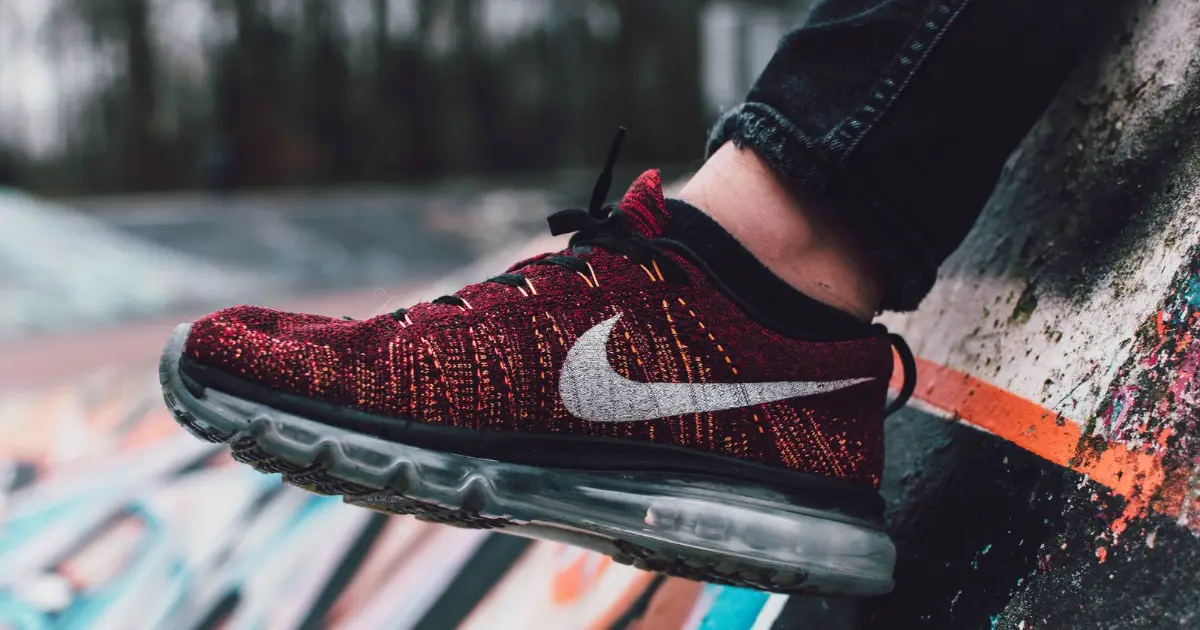
Quick answer: The best shoes for supination (underpronation) are well-cushioned, flexible neutral shoes that absorb the shock a high-arched, outward-rolling foot cannot — HOKA, Brooks Ghost or Glycerin, and New Balance neutral models. Avoid stability or motion-control shoes, which over-correct a supinating foot; a cushioned insole adds extra shock absorption.
🌎 Outside the US? Shop on your local Amazon: Birkenstock Arizona · PowerStep Insoles
Still rolling onto the outside of your foot? Supination that keeps causing ankle sprains, outer-foot pain or lateral shin pain is usually about more than the shoe — arch height, ankle flexibility and gait all matter. A podiatrist can watch you walk, check your wear pattern and tell you whether cushioning, an insole or bracing is what your foot actually needs. Book a real appointment time online, 24/7 — Howell or Bloomfield Township.
★ PODIATRIST’S QUICK GUIDE — DR. TOM BIERNACKI, DPM, FACFAS
The #1 Mistake Supinators Make With Shoes
Buying stability or motion-control shoes. These are designed for overpronators (flat feet that roll inward) — they actively push the foot inward, which makes supination worse and increases lateral ankle sprain risk. Supinators need neutral shoes with maximum cushioning, not correction. The midsole does the work — not the post.
No products found.
How to check your shoes: Look at the bottom. Wear on the outer (lateral) edge of the heel and forefoot = supination/underpronation. Wear across the entire heel and inner forefoot = overpronation. If you’re unsure, bring your worn shoes to our office — we can assess gait in 5 minutes.
How to Tell If You Supinate: 4 Reliable Tests
| Test | How to Do It | Supination Sign | Accuracy |
|---|---|---|---|
| Wear pattern test | Look at the sole of a well-worn pair of shoes | Heavy wear on outer (lateral) edge of heel and forefoot | Best screening test — do this first |
| Wet foot test | Wet your foot, step on a paper bag, lift | Only outer edge of foot prints; little or no inner arch contact | Good for high arch confirmation; less reliable in moderate cases |
| Ankle observation | Stand barefoot, have someone observe from behind | Ankles tilt outward (varus); calcaneus tilts laterally | Confirms structural supination vs functional |
| Gait analysis | Walk 20 feet barefoot while observed from behind and side | Foot lands on outer edge; toe-off from little toe instead of big toe | Most accurate — offered in our office with video |
Supination vs Overpronation vs Neutral: What It Means for Shoes
| Gait Type | Arch Shape | Foot Roll Direction | Wear Pattern | Shoe Category Needed | Avoid |
|---|---|---|---|---|---|
| Supination (underpronation) | High arch or normal | Outward (lateral) | Outer heel, outer forefoot | Neutral + maximum cushioning | Stability, motion control |
| Neutral pronation | Normal | Slight inward (normal) | Heel center, 1st–3rd metatarsals | Neutral trainer | Motion control (usually) |
| Overpronation | Flat or low arch | Excessive inward | Inner heel, inner forefoot (1st–2nd MT) | Stability or motion control | Minimal/zero support shoes |
2026 Best Shoes for Supination: Side-by-Side Comparison
All 6 picks are neutral construction — the only category appropriate for supinators. Compared by heel stack, cushioning technology, heel-to-toe drop, and ideal patient profile:
| Shoe | Best For | Heel Stack | Heel Drop | Cushioning Type | Wide Width? | Price Range |
|---|---|---|---|---|---|---|
| HOKA Bondi 9 → Check on Amazon |
Daily walking, standing jobs, lateral ankle pain | 37mm heel | 4mm | EVA foam; meta-rocker geometry | Yes (2E, 4E) | $165–$180 |
| Brooks Ghost 16 → Check on Amazon |
Everyday running, moderate pace | 32mm heel | 12mm | DNA Loft v3; traditional feel | Yes (2E) | $140–$160 |
| ASICS Gel-Nimbus 26 → Check on Amazon |
High mileage, marathon training, 5th MT stress fracture history | 40mm heel | 10mm | FF BLAST+ ECO + GEL heel & forefoot | Yes (2E, 4E) | $160–$180 |
| Saucony Triumph 22 → Check on Amazon |
Runners who prefer traditional feel, lighter weight patients | 33mm heel | 10mm | PWRRUN+ foam; responsive + cushioned | Yes (2E) | $150–$165 |
| New Balance Fresh Foam 1080v14 → Check on Amazon |
Wide feet, supination with bunionette or 5th MT issues | 36mm heel | 8mm | Fresh Foam X; wide toe box standard | Yes (2E, 4E, extra wide) | $160–$175 |
| On Cloudmonster 2 → Check on Amazon |
Supinators who dislike bulky/rocker shoes; speedwork | 30mm heel | 6mm | CloudTec Phase pods; firmer, more responsive | Limited | $170–$185 |
Key Shoe Features for Supinators: What Each One Does
| Feature | Why Supinators Need It | What Happens Without It |
|---|---|---|
| Neutral construction (no medial post) |
Doesn’t force additional inward rotation on already outward-rolling foot | Stability post worsens lateral roll; increases sprain risk |
| Maximum midsole cushioning (30mm+ heel stack) |
Lateral heel strike creates concentrated impact — extra foam absorbs before joint transmission | Higher lateral ankle stress; 5th metatarsal stress fracture risk |
| Flexible forefoot | Supinators toe-off from lateral forefoot (5th MT) — flexibility allows smooth transition | Rigid forefoot restricts metatarsal motion; increases 5th MT stress |
| Wide toe box | Supination often occurs with high arch + narrow forefoot — prevents toe compression | 5th toe pressure; bunionette irritation; hammer toe progression |
| Moderate heel drop (6–12mm) | Zero-drop forces more ankle dorsiflexion — already limited in high-arch supinators | Zero-drop → Achilles overload; plantar fasciitis in high-arch patients |
👟 Get a Gait Analysis — Balance Foot & Ankle
Unsure if you supinate? Bring in a worn pair of shoes and our team will assess your gait pattern, arch type, and give you a specific shoe category recommendation — in a single visit. We also offer custom orthotics for supinators whose symptoms persist despite appropriate footwear.
(810) 206-1402 · Howell (4330 E Grand River Ave) · Bloomfield Township (43494 Woodward Ave #208)
Supinators (high arches that roll outward) need cushioning shoes — not stability shoes. The wrong category creates lateral foot pain, ankle sprains, and IT band issues within weeks.
You’re in the right place. Dr. Tom Biernacki, DPM, FACFAS — board-certified foot & ankle surgeon with 3,000+ surgeries — explains exactly what podiatrist-recommended shoes for supination means and what works. Call (810) 206-1402 or book a supination evaluation online for same-day appointment at Howell or Bloomfield Hills.

![How to FIX Flat Feet Pain FOREVER [Overpronation vs. Supination] | Dr. Tom Biernacki](https://www.michiganfootdoctors.com/wp-content/cache/flying-press/cf93aebd77f41cca9c12aee1cbd87e75.jpg)
Dr. Tom Biernacki explains supination, custom orthotics, and shoe selection · Balance Foot & Ankle on YouTube
Your shoes wear out on the outer edge — every single pair, every single time. You’ve probably been told you “supinate” or “underpronate,” and now you’re trying to figure out what that actually means for shoe shopping. The short answer: you need the opposite of what most shoe stores push. In our Howell and Bloomfield Hills clinics, supination is one of the most consistently mismanaged foot mechanics we see — usually because patients get sold stability shoes when they need neutral cushioning instead.
This guide covers exactly what supination means biomechanically, the specific shoe features that help, our top picks for 2026 across walking and running, and when shoe changes alone won’t be enough.
What Is Supination (Underpronation)?
Supination — also called underpronation — is a gait pattern where your foot rolls outward during the stance phase of walking or running instead of rolling inward (pronating) as it should. A normal foot pronates slightly (rolls inward 4–8°) after heel strike to absorb impact. A supinating foot doesn’t pronate enough, so the outer edge of the foot bears the majority of ground reaction forces instead of distributing them across the full foot.
The result: excessive load on the 5th metatarsal, outer ankle ligaments, and lateral knee. Supinators are significantly more prone to lateral ankle sprains, stress fractures of the 5th metatarsal (Jones fracture), iliotibial band syndrome, and plantar fasciitis on the outer heel.
Key takeaway: Supination means your foot under-rolls — it doesn’t absorb shock efficiently on heel strike. Shoes for supination must provide cushioning and flexibility to compensate, NOT rigidity that resists pronation.
You likely supinate if several of these apply to you — no gait analysis needed for the initial self-check:
- Outer-edge shoe wear: The lateral heel and forefoot of every pair you own wears down faster than the inner side.
- High, rigid arches: High-arch foot types (cavus foot) almost universally supinate. Flat or normal arches can supinate too, but it’s less common.
- Frequent lateral ankle sprains: Supination shifts weight to the outer ankle, making it structurally unstable under lateral load.
- Outer-foot calluses: Callus formation on the 5th metatarsal head or lateral heel indicates chronic overload from supination.
- Wet footprint test: Wet your foot and step on paper. If only a thin strip connects your heel and forefoot (very high arch outline), you almost certainly supinate.
In our office, we confirm supination with a pressure plate gait analysis — a 2-minute test that maps exactly where your foot loads during walking. This takes the guesswork out of shoe and orthotic selection. Call (810) 206-1402 to schedule.
What to Look for in Shoes for Supination
The features that help supinators are nearly the opposite of what overpronators need. Here’s exactly what to look for — and what to avoid:
Must-Have Features
Neutral construction (no medial posting): Stability and motion-control shoes have rigid reinforcement on the inner midsole to prevent overpronation. For a supinator, this medial post pushes the foot further outward — making supination worse. You want zero medial posting.
Maximum midsole cushioning: Since supinating feet don’t distribute impact efficiently, extra cushioning — EVA foam, PEBA foam, or gel units — compensates by absorbing the shock your foot mechanics miss. HOKA’s thick midsoles excel here.
Flexible forefoot: A stiff forefoot forces the foot to push off in a limited range, which amplifies supination forces. A flexible outsole lets the foot move more freely through push-off.
Curved last (banana-shaped sole): A slightly curved last promotes the natural rolling motion from heel to toe, which helps supinators achieve a more centered weight transfer instead of staying on the outer edge.
Wide toe box: Supinators often develop calluses and corns on the outer metatarsal heads. A wide forefoot reduces pressure on these areas.
What to Avoid
Stability shoes: “Stability” in running shoe marketing means medial posting to prevent overpronation — the exact opposite of what you need.
Motion-control shoes: These are even more aggressive anti-pronation designs. For a supinator, they’re counter-therapeutic.
Minimalist or zero-drop shoes: These eliminate heel elevation and increase forefoot loading, which dramatically amplifies lateral forces in supinators.
Worn-out shoes: Shoes lose 40–60% of their cushioning after 300–400 miles even when they look fine. Replace regularly.
Disclosure: As an Amazon Associate, Balance Foot & Ankle earns from qualifying purchases. All products are independently recommended based on clinical use.
Best Shoes for Supination 2026 — Podiatrist’s Top Picks
These are the shoes we most commonly recommend to supinating patients in our clinic, selected for maximum cushioning, neutral construction, and durability. All are available in both standard and wide widths.
1. HOKA Bondi 9 — Best Overall for Supinators
Top pick for supinators — the HOKA Bondi 9’s plush, even cushioning absorbs the extra outer-edge impact underpronators load onto the foot. Men’s and women’s:

As an Amazon Associate, Balance Foot and Ankle earns from qualifying purchases. Product links are affiliate links and we may earn a commission at no extra cost to you. This does not influence our clinical recommendations. Last update on 2026-08-27 / Images from Amazon Product Advertising API

- ENGINEERED MESH
- Lining Textile
As an Amazon Associate, Balance Foot and Ankle earns from qualifying purchases. Product links are affiliate links and we may earn a commission at no extra cost to you. This does not influence our clinical recommendations. Last update on 2026-09-02 / Images from Amazon Product Advertising API
The Bondi has the thickest midsole in HOKA’s lineup — 37mm of EVA foam in the heel — which provides exceptional shock absorption for the outer-heel landing pattern supinators produce. The wide base and meta-rocker geometry promote a smooth heel-to-toe transition without pushing the foot inward. Completely neutral construction. Available in 2E and 4E wide widths. Best for: daily walking, standing-intensive jobs, patients with lateral ankle pain.
2. Brooks Ghost 16 — Best for Everyday Running
Everyday neutral pick — Brooks Ghost 16 is soft and smooth for daily miles, with none of the motion control supinators should avoid. Men’s and women’s:

- THIS MEN’S SHOE IS FOR: Runners looking for a smooth ride that won’t distract from the fun of the run. The Ghost 16 offers a refined 3D Fit Print to create a more seamless, secure fit. This Brooks Ghost 16 is a certified PDAC A5500 Diabetic shoe and has been granted the APMA Seal of Acceptance. The Ghost 16 is a certified carbon neutral product. Predecessor: Ghost 15.
- SOFT CUSHIONING: The Ghost 16 offers neutral support while providing soft, nitrogen-infused DNA Loft v3 cushioning to deliver lightweight comfort. Ideal for road running, walking, cross training, the gym or wherever you might want to take them!
- SMOOTH TRANSITIONS: The soft midsole and Segmented Crash Pad promotes an easy flow from landing to toe-off to provide distraction- free cushioning under your feet with every stride.
- BREATHABLE UPPER: Engineered air mesh upper blends stretch and structure with just-right breathability to keep you comfortable.
- ROADTACK RUBBER OUTSOLE: New, do-it-all rubber compound includes recycled silica and is designed to be durable, lightweight, and rebound.
As an Amazon Associate, Balance Foot and Ankle earns from qualifying purchases. Product links are affiliate links and we may earn a commission at no extra cost to you. This does not influence our clinical recommendations. Last update on 2026-09-02 / Images from Amazon Product Advertising API

- THIS WOMEN'S SHOE IS FOR: Runners looking for a smooth ride that won’t distract from the fun of the run. The Ghost 16 offers a refined 3D Fit Print to create a more seamless, secure fit. This Brooks Ghost 16 is a certified PDAC A5500 Diabetic shoe and has been granted the APMA Seal of Acceptance. The Ghost 16 is a certified carbon neutral product. Predecessor: Ghost 15.
- SOFT CUSHIONING: The Ghost 16 offers neutral support while providing soft, nitrogen-infused DNA Loft v3 cushioning to deliver lightweight comfort. Ideal for road running, walking, cross training, the gym or wherever you might want to take them!
- SMOOTH TRANSITIONS: The soft midsole and Segmented Crash Pad promotes an easy flow from landing to toe-off to provide distraction- free cushioning under your feet with every stride.
- BREATHABLE UPPER: Engineered air mesh upper blends stretch and structure with just-right breathability to keep you comfortable.
- ROADTACK RUBBER OUTSOLE: New, do-it-all rubber compound includes recycled silica and is designed to be durable, lightweight, and rebound.
As an Amazon Associate, Balance Foot and Ankle earns from qualifying purchases. Product links are affiliate links and we may earn a commission at no extra cost to you. This does not influence our clinical recommendations. Last update on 2026-09-02 / Images from Amazon Product Advertising API
The Ghost 16 is Brooks’ best-selling neutral trainer and consistently earns high marks from supinators for its DNA Loft v3 foam cushioning and true neutral construction. It’s more flexible in the forefoot than the Bondi, making it better for faster paces. The 12mm heel-to-toe drop provides comfortable heel cushioning without zero-drop extremes. Best for: runners who supinate, easy to moderate pace daily training.
3. ASICS Gel-Nimbus 26 — Best for Long Distance
ASICS redesigned the Nimbus 26 with a FF BLAST+ ECO foam midsole and their signature GEL technology in both heel and forefoot. For supinators logging high mileage, the Nimbus provides unusually durable cushioning that doesn’t compress excessively over 500+ miles. The wider platform increases contact area, distributing lateral loads more broadly. Best for: high-mileage runners, marathon training, those with a history of 5th metatarsal stress fractures.
4. Saucony Triumph 22 — Best Lightweight Option
The Triumph 22 is one of the lightest maximally cushioned neutral trainers on the market, using PWRRUN+ foam for a responsive feel without sacrificing shock absorption. Supinators who find the HOKA Bondi “too clunky” often prefer the Triumph’s more traditional feel with similar cushioning benefits. Best for: runners who want cushioning without the rocker feel, lighter-weight patients.
5. New Balance Fresh Foam X 1080v14 — Best for Wide Feet
New Balance makes the most consistent wide-width options in the industry. The 1080v14 uses Fresh Foam X midsole technology — a single-piece foam construction that provides neutral cushioning without any stability elements. Available in 2E (wide) and 4E (extra wide) in both men’s and women’s sizing. This is our top pick for supinators who also have a wide forefoot or bunionette. Best for: wide feet, bunionette pain, forefoot calluses from supination.
6. On Cloudmonster 2 — Best for Supinators Who Hate Bulky Shoes
On Running’s CloudTec sole uses hollow pods that compress independently on impact, providing cushioning that adapts to landing patterns. Supinators often find this design helpful because the lateral pods compress more aggressively than the medial pods, effectively redistributing load. Neutral construction. Best for: patients who find traditional maximally cushioned shoes too heavy or unwieldy.
Key takeaway: The most common mistake we see: supinators buying stability shoes because a store employee said they “need support.” Stability shoes actively resist the inward motion your foot needs. Always verify a shoe is labeled “neutral” before purchasing.
Do Supinators Also Need Orthotics?
Shoes alone address about 60–70% of supination-related symptoms in mild to moderate cases. For the remaining cases — particularly those with recurrent ankle sprains, 5th metatarsal stress fractures, or significant cavus (high arch) deformity — custom orthotics are the definitive intervention.
A custom orthotic for a supinator is designed differently than one for an overpronator. It includes a lateral wedge (heel and forefoot posting on the outer side) to tilt the foot slightly inward and redistribute load medially. Off-the-shelf orthotics rarely achieve this because they’re typically designed for overpronators and can worsen supination mechanics.
In our clinic, we cast custom orthotics from a 3D scan of your foot in a subtalar neutral position — the functional position that corrects supination mechanics, not just the shape of your arch at rest. Most major insurers cover custom orthotics when prescribed for a documented foot condition.
Warning Signs: When Supination Needs Medical Attention
⚠️ See a podiatrist if you have:
- Recurring lateral ankle sprains (more than once per year)
- Pain or tenderness at the base of the 5th metatarsal (outside of the foot near the little toe)
- Chronic outer knee pain (lateral compartment pain) that persists despite shoe changes
- Stress fracture history in the foot or lower leg
- Pain that continues after 4–6 weeks of trying neutral cushioned shoes
- Foot deformity visible at rest: foot turns outward significantly when standing
Dr. Tom’s Insole Upgrade — Works With Any Shoe
The right shoe is step one. Step two is pairing it with a proper insole — the factory footbeds in most athletic shoes offer minimal arch support. These are the two I recommend most in clinic.
Read our PowerStep review →
Read our CURREX RunPro review →
Affiliate disclosure: Balance Foot & Ankle earns a commission from qualifying Amazon purchases.
MOST COMMON MISTAKE WE SEE
The most common mistake supinators make is buying “neutral” shoes rather than cushioned shoes specifically designed for underpronation. Neutral shoes have no additional medial support, but supinators also need extra lateral cushioning to absorb impact on the outer edge. The second mistake is avoiding motion control shoes — those are for overpronators and will actually worsen supination symptoms. The key feature to seek is ample midsole cushioning on the outer aspect of the forefoot and heel.
CONDITIONS THAT MIMIC OR WORSEN WITH SUPINATION
- IT band syndrome — lateral knee pain from excessive external rotation caused by supinated gait; responds to hip strengthening and gait retraining
- Peroneal tendonitis — pain along the outer ankle from chronic lateral overload; the hallmark finding of a supinated foot pattern
- Ankle instability / recurrent sprains — supinators land on the outer foot and are at higher risk for inversion ankle sprains; lateral ligament laxity eventually develops
- Metatarsal stress fractures — particularly the 5th metatarsal, from repetitive lateral loading; insidious onset, no acute event
- Plantar fasciitis — can occur in both overpronators and supinators; the supinated foot has reduced shock absorption, overloading the fascia with each heel strike
RED FLAGS — SEE A PODIATRIST
- Recurrent ankle sprains — three or more in 12 months — without improving stability
- Lateral foot or 5th metatarsal pain that worsens progressively over weeks (stress fracture)
- Pain that persists at rest or wakes you from sleep
- Visible wearing-out of the outer edge of multiple pairs of shoes combined with knee or hip pain
- Supination in a child that causes tripping, asymmetric gait, or refusal to walk
Call (810) 206-1402 or book online — most urgent presentations seen same or next business day.
The Bottom Line
Supination is a mechanical pattern, not a disease — the right footwear and, when needed, custom orthotics correct the vast majority of supination-related symptoms without surgery. The single most important rule: stay in neutral shoes with thick cushioning and avoid anything marketed as “stability” or “motion control.” If you’ve been in the right shoes for 6 weeks and still have pain, a podiatric evaluation with pressure plate gait analysis gives you a definitive picture of your mechanics and the correct orthotic prescription.
Sources
- Telfer S, et al. “Evidence-based selection of insole properties for people with plantar heel pain.” J Foot Ankle Res. 2018;11:61.
- Murley GS, et al. “Foot orthoses in lower limb overuse conditions: a systematic review and meta-analysis — critical appraisal and commentary.” Sports Medicine. 2013;43(10):867-882.
- Menz HB. “Foot problems in older people: assessment and management.” Churchill Livingstone. 2008.
- Nigg BM, et al. “The role of footwear on foot and lower limb biomechanics.” Clin Sports Med. 2010;29(3):381-392.
💡 Dr. Tom’s Orthotic Recommendation
For supinators with ongoing symptoms, custom orthotics with a lateral heel wedge are more effective than shoes alone. We fabricate these in-clinic from a 3D scan. If you want an OTC option while waiting:
🛒 OTC Neutral Arch Supports — See Today’s Price → PowerStep Pinnacle Orange (our OTC pick) →
Affiliate links — Balance Foot & Ankle earns from qualifying Amazon purchases.
Visit Balance Foot & Ankle — Same-Day Appointments Available
Our podiatry team serves patients throughout Michigan including Howell, Brighton, and Bloomfield Hills. If you’re dealing with heel pain, ingrown toenails, or a foot injury, we have same-day appointment availability.
Same-day appointments available. (810) 206-1402

Supination often traces back to high arches that shoes alone won’t fix. A podiatrist in Bloomfield Hills or Howell can assess your gait and recommend treatment.
Frequently Asked Questions About Shoes for Supination
What are the best shoes for supination?
For supination (underpronation), the best shoes provide cushioning to absorb the impact that supinators can’t distribute properly, plus flexibility through the midfoot to allow natural foot movement. Top podiatrist-recommended options include the Brooks Ghost (neutral with excellent cushioning), HOKA Clifton (maximum stack for shock absorption), New Balance Fresh Foam 1080 (plush, forgiving ride), and ASICS Gel-Nimbus (premium cushioning with a wide toe box). Avoid motion-control and stability shoes — these add medial support that pushes a supinator’s gait further lateral, worsening the problem. Neutral cushioned shoes are the correct category.
What causes supination of the foot?
Supination (underpronation) is caused by a combination of structural and biomechanical factors. The most common structural cause is a high, rigid arch — the foot stays supinated throughout gait because the arch doesn’t flatten to absorb load. Contributing factors include: tight Achilles tendon and calf muscles (gastrocnemius/soleus complex) that limit dorsiflexion and prevent normal pronation; weak peroneal muscles on the lateral ankle that can’t decelerate lateral rollover; previous ankle sprains that left the lateral ligaments loose; and inherited foot structure. Supination runs in families — if one of your parents had high arches and frequent ankle sprains, you likely share the foot type.
Can orthotics correct supination?
Custom orthotics can significantly reduce the biomechanical problems caused by supination, but they cannot change the structural foot type. A properly made functional orthotic for a supinator uses a lateral heel wedge (valgus post) to redirect ground reaction force medially, reducing lateral ankle stress and redistributing load more evenly across the forefoot. This decreases the risk of lateral ankle sprains, peroneal tendinitis, iliotibial band syndrome, and stress fractures from lateral loading. Over-the-counter arch supports are counterproductive for supinators — most OTC insoles add medial support (designed for flat feet) which worsens lateral loading. See a podiatrist for custom orthotics designed specifically for your foot type.
Does supination cause knee or hip pain?
Yes — supination creates a kinetic chain problem that can cause pain well above the foot. When the foot fails to pronate normally, it can’t absorb rotational forces during the stance phase of gait. The unabsorbed lateral forces travel up the chain: lateral knee pain (iliotibial band syndrome, lateral patellar tracking problems), hip pain from altered rotational mechanics, and lower back pain from asymmetric loading. Athletes with supination who run significant mileage frequently develop IT band syndrome before they develop foot pain. If you have unexplained lateral knee or hip pain alongside frequent ankle sprains, a gait analysis evaluating supination is worthwhile.
How do I know if my shoes are worn from supination?
Check the outsole wear pattern: supinators wear down the lateral (outer) edge of the heel and the outer forefoot, with minimal wear at the medial arch or inner heel. The wear is concentrated from the lateral heel, angling forward to the little toe side. Compare the wear on the lateral heel vs. the medial heel — in a supinator the lateral heel is significantly more worn. You may also notice the shoe appears to tilt outward when placed on a flat surface. This wear pattern confirms lateral loading and is the simplest self-diagnosis for supination — a podiatrist can use it alongside observation of your standing alignment and dynamic gait analysis to confirm.
Should I buy stability or motion-control shoes for supination?
No — stability and motion-control shoes are designed for overpronators (flat feet) and add medial support that pushes a supinator’s gait even further lateral. Wearing stability shoes with a high, supinating arch increases lateral loading, not decreases it. The correct category for supinators is neutral cushioned shoes — specifically those with high stack heights and soft, flexible midsoles (HOKA, Brooks Ghost, Saucony Triumph). If your supination is significant, a custom lateral-wedge orthotic inside a neutral shoe provides medial redirection far more precisely than any off-the-shelf stability feature. Don’t rely on the shoe store “gait analysis” for supination — most shoe stores only assess pronation and may incorrectly recommend stability shoes.
What stretches help with supination?
The most important stretches for supination target the tight structures that prevent normal pronation: (1) Calf and Achilles stretch — stand facing a wall, step one foot back, press the heel down; hold 30 seconds, 3 sets each foot; this is the single most impactful stretch for improving ankle dorsiflexion and allowing the foot to pronate; (2) Plantar fascia/arch stretch — pull the toes back toward the shin while seated; (3) Peroneal muscle strengthening — resistance band eversion exercises (turn the foot outward against resistance, 3 sets of 15); strong peroneals control lateral rollover; (4) Hip abductor strengthening — lateral band walks reduce the lateral knee forces from supination. Consistent calf stretching combined with peroneal strengthening is the most evidence-supported conservative approach for managing supination.
When should I see a podiatrist for supination?
See a podiatrist if: you have recurrent lateral ankle sprains (3+ in a lifetime suggests biomechanical contribution); lateral foot pain, peroneal tendon pain, or stress fractures on the outside of the foot; knee or hip pain that hasn’t resolved with shoe changes; you’ve been told you need orthotics but the ones you have don’t seem to help; or you’re a runner with high-arch feet who consistently develops IT band syndrome. A podiatrist can perform a biomechanical gait analysis, assess arch flexibility vs. rigidity, and prescribe custom orthotics with lateral posting calibrated precisely to your supination severity. Balance Foot & Ankle provides prompt appointments. Call (810) 206-1402.
Is supination the same as underpronation?
Yes — supination and underpronation are the same mechanical pattern described from different reference points. Supination describes the foot rolling outward (supinating). Underpronation describes the foot failing to roll inward enough (under-pronating). The shoe solution is identical: neutral cushioned footwear, never stability or motion-control designs.
Can supination be corrected with shoes alone?
Mild-to-moderate supination responds well to neutral cushioned shoes — most patients see significant symptom improvement within 4–6 weeks of switching. Structural supination (cavus foot deformity, significant inversion of the hindfoot) typically requires custom orthotics in addition to appropriate footwear. A podiatric evaluation is the fastest way to determine which category you fall into.
How often should supinators replace their shoes?
Replace running shoes every 300–400 miles and walking shoes every 6–8 months of daily use. Supinators should replace shoes earlier than average because lateral midsole compression — which occurs faster in supinators — reduces shock absorption long before the shoe looks worn out. A quick test: if you can compress the midsole foam easily with your thumb from the outside, the cushioning is depleted.
Are HOKA shoes good for supination?
HOKA’s maximally cushioned, neutral designs are among the best available for supinators. The Bondi, Clifton, Mach, and Arahi (check that it’s the neutral version) all work well. Avoid the HOKA Arahi and Gaviota, which have stability features. The thick midsoles compensate for the reduced shock absorption inherent to supinating gait patterns.
For a complete clinical overview: Our Complete Podiatrist-Recommended Shoes Guide — covers podiatrist-approved footwear for every foot condition, with current top picks by category.
Supinators who buy neutral cushioned shoes often end up with worse lateral ankle pain — because one feature common in most neutral shoes actually accelerates underpronation mechanics. Our podiatrists explain the counter-intuitive shoe property that changes outcomes for true supinators. Call (810) 206-1402 or book online — expert podiatric care across Michigan.