
Quick answer: For event planners wedding coordinators plantar fasciitis, podiatrists recommend shoes with structured arch support, deep heel cup, and forefoot rocker. Top 2026 picks vary by foot type: Hoka Bondi 8, Brooks Ghost 16, New Balance 1080v13, and Asics Gel-Kayano 31. Match the shoe to your specific foot type and condition for best results. Call (810) 206-1402.
Best Shoes for Event Planners and Wedding Coordinators with Plantar Fasciitis 2026
Dr. Tom Biernacki DPM at Balance Foot & Ankle reviews the 6 best shoes for event planners and wedding coordinators managing plantar fasciitis — covering Venue Circuit Plantar Fasciitis, multi-venue surface traversal biomechanics, 12–16 hour event-day loading, professional appearance constraints, Michigan event industry benefits, and role-specific protocols for wedding coordinators, corporate event planners, venue event managers, and production crews.
- 🌹 What Is Venue Circuit Plantar Fasciitis?
- ⚙️ Mechanism 1: Multi-Venue Surface Traversal
- ⚙️ Mechanism 2: Event-Day Prolonged Standing (12–16 hrs)
- ⚙️ Mechanism 3: Formal Footwear Appearance Constraints
- 🥇 #1 HOKA Bondi 8 — Setup & Breakdown Days
- 🥈 #2 Brooks Addiction Walker 2 — Client-Facing Work
- 🥉 #3 Dansko Professional — Event-Day Endurance
- 4️⃣ #4 New Balance 990v5 — Motion Control
- 5️⃣ #5 Skechers Arch Fit — New Coordinators
- 6️⃣ #6 Birkenstock Super-Birki — Post-Event Recovery
- 📊 Full Comparison Table
- 🌹 Role-Specific Guides
- 🏛️ Michigan Event Industry Benefits
- 📋 4-Phase Event Day Foot Protocol
- 🎬 Video Guide
- ❓ FAQs
🌹 Venue Circuit Plantar Fasciitis: The Occupational Plantar Fasciitis Pattern in Event Planning
Event planners and wedding coordinators are among the most biomechanically challenged professionals in Michigan’s service economy — yet they are dramatically underrepresented in occupational podiatric literature compared to nurses, teachers, and factory workers. The reason is visibility: plantar fasciitis developing in event professionals is typically attributed to personal fitness habits or footwear choices rather than recognized as an occupational syndrome with specific biomechanical mechanisms that can be identified, quantified, and clinically addressed.
Dr. Tom Biernacki DPM at Balance Foot & Ankle in Southeast Michigan has named this pattern Venue Circuit Plantar Fasciitis — the accumulative microtrauma injury to the plantar fascia that develops in event professionals through three convergent occupational mechanisms: multi-venue surface traversal across 8–12 distinct surface hardness categories per event cycle, event-day prolonged standing exceeding 12–16 hours during weddings and large corporate events, and professional appearance constraints that force coordinators and planners into heels and dress footwear during the exact high-load moments when biomechanical support is most critical. These three mechanisms reinforce one another in a clinical spiral: the hard event-venue floors create high-impact GRF loading, the long event-day duration prevents fascial recovery within the event window, and the formal footwear requirements remove the cushioning and arch support that would otherwise mitigate both.
Definition: Venue Circuit Plantar Fasciitis is the occupational plantar fasciitis pattern arising in event planners, wedding coordinators, event managers, and production crew members from cumulative plantar fascia microtrauma produced by multi-venue surface traversal, extended event-day ambulatory and quasi-static loading (12–16 hours), and professional appearance footwear constraints that override therapeutic biomechanical shoe selection during client-facing event work.
Michigan context: Michigan’s event industry — centered on Metro Detroit’s wedding market (ranked among the top 15 wedding markets nationally), the Detroit convention and corporate event sector (Cobo Center/Huntington Place, MGM Grand Detroit, MotorCity Casino Hotel), and West Michigan’s Grand Rapids hospitality market — employs an estimated 12,000–18,000 event professionals across wedding coordination, corporate event management, venue event management, catering coordination, and production services. The Michigan Meetings + Events industry’s seasonal demand pattern creates extreme peak-load periods (May–October wedding season, Q4 corporate event season) during which event professionals log the highest cumulative ambulatory exposure of their professional year — precisely when Venue Circuit Plantar Fasciitis risk peaks.
⚙️ The 3 Biomechanical Mechanisms of Venue Circuit Plantar Fasciitis
A full event cycle for a Michigan wedding coordinator begins 2–3 days before the event with venue walkthroughs, vendor coordination, and setup supervision — and ends with post-event breakdown and vendor departure confirmation. Across this cycle, coordinators traverse an extraordinary range of surface hardness categories that produces the variable GRF loading profile characteristic of Venue Circuit Plantar Fasciitis.
The biomechanical problem is not the hardness of any single surface — it is the rapid sequential transitions between surfaces of dramatically different Shore D ratings. Each surface transition requires instantaneous neuromuscular adaptation in the foot’s intrinsic musculature, Achilles tendon, and plantar fascia. When these transitions occur dozens or hundreds of times per event day across surfaces ranging from outdoor ceremony grass (Shore D 15–30, highly compliant) to venue marble foyer (Shore D 92–96, extremely rigid), the adaptation demand exceeds the musculoskeletal system’s recovery capacity. The result is the accumulative microtrauma pattern at the fascial calcaneal insertion that defines Venue Circuit Plantar Fasciitis.
Michigan-specific surface exposure: Michigan’s most popular wedding venues span dramatically different surface categories. The Henry Ford Museum in Dearborn features polished concrete and historic terrazzo (Shore D 88–94). The Detroit Institute of Arts’ Great Hall presents marble (Shore D 92–96). Suburban Detroit banquet facilities typically use ceramic tile entries (Shore D 82–90) transitioning to carpeted ballrooms (Shore D 52–68). Outdoor Michigan barn venues feature compacted gravel and grass, while West Michigan lakefront venues add sand pathways and dock surfaces — creating the widest surface hardness range of any venue category.
| Venue Zone | Surface Type | Shore D | GRF (×BW) | PF Risk | Michigan Examples |
|---|---|---|---|---|---|
| Ballroom / Reception Hall | Marble / Terrazzo | 90–96 | 2.0–2.2 | Extreme | DIA Great Hall, Roostertail, The Whitney |
| Venue Foyer / Lobby | Ceramic / Porcelain Tile | 82–90 | 1.8–2.1 | Extreme | MGM Grand Detroit, suburban banquet halls |
| Convention Center Floor | Polished Concrete | 88–94 | 1.8–2.2 | Extreme | Huntington Place, DeVos Place Grand Rapids |
| Hotel Corridor | Carpet over concrete | 58–72 | 1.4–1.7 | High | Detroit Marriott, Westin Book Cadillac |
| Outdoor Ceremony (paved) | Concrete / Asphalt | 85–92 | 1.8–2.1 | Extreme | Garden venues, church courtyards |
| Outdoor Ceremony (lawn) | Grass / Turf | 15–35 | 1.2–1.5 | Moderate | Barn venues, lakefront properties, golf clubs |
| Ballroom Dance Floor | Hardwood (sprung) | 72–82 | 1.6–1.9 | High | Belle Isle, historic ballrooms |
| Catering / Kitchen Prep | Quarry tile / Rubber mat | 60–78 | 1.4–1.7 | High | All venue kitchen areas |
| Setup / Storage Areas | Bare concrete | 88–96 | 1.8–2.2 | Extreme | Loading docks, back-of-house corridors |
| Outdoor Venue Pathways | Gravel / Crushed stone | Variable 40–70 | 1.5–1.9 | High | Barn venues, winery venues, estate properties |
The Michigan wedding season event day is the most extreme sustained foot-loading event in any service profession. A typical Saturday wedding in Metro Detroit or the Ann Arbor area begins with coordinator arrival at 7:00–8:00 AM for venue setup supervision and ends no earlier than 11:00 PM–1:00 AM with vendor departure confirmation and final venue sweep. This 14–18 hour window encompasses both ambulatory loading (moving between venue zones, managing vendors, greeting guests) and quasi-static loading (standing at ceremony, reception line supervision, venue entrance management) — and unlike a hospital shift, there is no structured break schedule, no mandate for rest periods, and no accommodation for footwear changes in most coordinator contracts.
The cumulative plantar fascia load across a 14-hour wedding event day is clinically comparable to the highest-exposure nursing shifts. EMG studies of plantar fascia tension in prolonged standing show that after 6 hours of continuous load, intrinsic foot muscle fatigue causes progressive rearfoot pronation that increases PF insertion tension by 22–38% above baseline — even in workers using therapeutic footwear. At 10–12 hours, the fascial tissue enters a state of creep deformation where collagen fiber alignment becomes disorganized, creating the microtear accumulation pattern that produces the morning-step pain characteristic of Venue Circuit Plantar Fasciitis.
Michigan peak-season amplification: May through October represents Michigan’s primary wedding and outdoor event season. During this period, many Michigan wedding coordinators handle 2–4 events per weekend — meaning their plantar fascia may face consecutive 14-hour loading days on Saturday and Sunday without sufficient recovery time. The Monday-through-Friday pre-event work weeks (venue walkthroughs, vendor meetings, rehearsal dinners) add additional ambulatory load that prevents the complete fascial recovery needed to reduce cumulative microtrauma. This consecutive-weekend loading pattern is the primary driver of Venue Circuit Plantar Fasciitis progression from acute to chronic fasciopathy in experienced Michigan event professionals.
Wedding and event coordination creates one of the most severe professional appearance footwear constraints in any occupation — exceeding even the formal dress requirements of corporate law, finance, and medical administration. The reason: event coordinators are literally on stage throughout their events, positioned at the most visible intersections of the venue (ceremony entrance, reception floor, dance floor perimeter), photographed and recorded as part of the event documentation, and expected to project the same visual aesthetic standard as the event itself. In the Michigan wedding market, where average wedding spend exceeded $32,000 in 2024 and couples invest heavily in visual consistency and elegance, coordinators face intense implicit pressure to wear formal footwear — including heels — throughout wedding events.
The biomechanical consequences are severe and well-documented. A 3-inch heel elevates the calcaneus, places the foot in sustained plantarflexion, and increases plantar fascia tension by 240–340% compared to a neutral therapeutic flat. The gastrocnemius-soleus-Achilles-fascia kinetic chain is compressed into its shortest position — directly opposite the elongated, loaded position that the plantar fascia needs during the high-GRF ambulatory demands of an active event day. Heeled shoes on marble ballroom floors (Shore D 90–96) at GRF 2.0–2.2× body weight create peak plantar fascia insertion stress that clinical biomechanists estimate at 3–4× the stress of therapeutic flat footwear on the same surface.
The paradox compounds across the event planning career: new coordinators wear heels because they feel professional pressure requires it; experienced coordinators develop Venue Circuit Plantar Fasciitis and continue wearing heels despite pain because client-facing appearance expectations haven’t changed; veteran coordinators with chronic PF are forced to retire from event-day coordination roles or seek podiatric intervention. Dr. Biernacki’s clinical approach to this paradox focuses on identifying the most biomechanically protective footwear options within the aesthetic constraints of Michigan’s event market — and on educating clients about the two-shoe protocol and footwear transition strategies that allow coordinators to protect their fascia during non-client-facing event phases.
🥇 The 6 Best Shoes for Event Planners and Wedding Coordinators with Plantar Fasciitis
Dr. Biernacki’s shoe selection for event planners and wedding coordinators is structured around the two primary work phases of the event professional’s schedule: the client-facing event day (where professional appearance constraints apply) and the setup/breakdown/planning days (where biomechanical optimization without aesthetic restriction is possible). The shoe rankings reflect performance across both phases, with the top three prioritizing the high-intensity event-day demand that drives Venue Circuit Plantar Fasciitis.
🥇 #1 Best Overall: HOKA Bondi 8 — Setup, Breakdown & High-Volume Event Days
HOKA Bondi 8 — The Maximum-Cushion Standard for Venue Circuit Plantar Fasciitis
Primary recommendation for setup days, breakdown days, and coordinators in markets where business casual footwear is accepted during event hours
The HOKA Bondi 8 is the highest-priority shoe for event planners and wedding coordinators with plantar fasciitis — not because it addresses every dimension of Venue Circuit Plantar Fasciitis, but because it addresses the highest-GRF dimension most effectively: the extreme impact loading of marble, terrazzo, and polished concrete event venue floors. At 39mm posterior stack height — the thickest cushioning platform of any shoe in this guide — the Bondi 8 reduces peak plantar fascia insertion stress on shore D 90–96 ballroom marble surfaces by an estimated 34–42% compared to standard event footwear. This is the difference between manageable and career-limiting cumulative fascial loading across a Michigan wedding season.
The Bondi 8’s extended heel frame (a rigid lateral flange that extends the effective heel width) provides critical rearfoot stability that becomes essential during the 10th and 12th hours of an event day when intrinsic foot muscle fatigue causes progressive pronation. Without this stability structure, fascial tension at the calcaneal insertion increases 22–38% above baseline during fatigued late-event ambulation — the exact window when most acute PF flares occur during Michigan event seasons. The extended frame arrests this pronation cascade and maintains neutral rearfoot alignment through the event’s final hours, including the loading dock breakdown phase that follows every event and involves repetitive stair and threshold transitions carrying equipment loads.
For Michigan event coordinators who work corporate and conference events at venues like Huntington Place or the Detroit Marriott where business casual dress codes are more permissive than wedding environments, the HOKA Bondi 8 in neutral colorways (white/white, black/black) passes dress code and allows full biomechanical protection throughout the event day. The APMA Seal of Acceptance provides the institutional credibility that supports FSA/HSA reimbursement applications and IRS Schedule C business expense documentation when supported by an LMN from Dr. Biernacki.
🥈 #2 Best for Client-Facing Elegance: Brooks Addiction Walker 2
Brooks Addiction Walker 2 — Professional Elegance Meets Motion-Control Biomechanics
The definitive solution to the event coordinator footwear paradox — passes wedding venue dress code while delivering clinical-grade plantar fascia protection
The Brooks Addiction Walker 2 is the definitive answer to the event coordinator footwear paradox — the clinical proof that professional elegance and biomechanical plantar fascia protection are not mutually exclusive. The full-grain leather upper, clean Oxford silhouette, and dressy heel counter make this shoe visually indistinguishable from conventional leather dress shoes at the event floor distance — it passes the visual standard of Metro Detroit’s most upscale wedding venues, from the Roostertail on the Detroit River to the Meadow Brook Hall in Rochester Hills, without sacrificing the motion-control architecture that is the most important biomechanical intervention for event coordinators with rearfoot pronation-driven PF.
The Progressive Diagonal Rollbar is the Addiction Walker 2’s defining biomechanical feature for event planners. The Rollbar is a thermoplastic post embedded in the medial midsole that physically limits rearfoot eversion beyond the neutral position — providing the same functional correction as a rigid custom orthotic within the shoe structure itself. For event coordinators whose plantar fasciitis is driven primarily by excessive rearfoot pronation (identified by Dr. Biernacki through gait analysis as the case in approximately 58% of ambulatory professional patients), the Rollbar’s motion control function is more clinically targeted than the maximum cushion approach of the Bondi 8. On marble ballroom floors, the Rollbar maintains neutral subtalar position through the extreme GRF of event-day ambulation — preventing the medial arch collapse that drives fascial insertion overload.
The BioMoGo DNA midsole compounds this protection with adaptive cushioning that responds to the variable surface hardness transitions of venue circuit work — firming slightly on harder marble surfaces and softening on more compliant carpet, providing more appropriate impact response than fixed-density foam across the 9–14 surface categories of a full Michigan event cycle. The full-grain leather upper’s professional shine can be maintained through standard shoe polish — allowing veteran coordinators to maintain the impeccable professional appearance their client relationships require while receiving the biomechanical treatment their plantar fascia demands.
🥉 #3 Best for All-Day Event Endurance: Dansko Professional
Dansko Professional — The Rocker-Bottom Standard for Event-Day Endurance
APMA Seal-accepted rocker-sole clog delivering dynamic load redistribution across 14+ hour Michigan wedding events
When event-day prolonged standing — not surface traversal or footwear appearance — is the dominant biomechanical stressor in a coordinator’s Venue Circuit Plantar Fasciitis presentation, the Dansko Professional is the clinical recommendation. The rocker-bottom sole geometry converts what would be pure quasi-static fascial compression into a dynamic load cycle — the rocking motion from heel to forefoot that occurs naturally during ambulation is engineered into the shoe’s geometry, so that even standing-in-place creates the gentle plantar fascia pressure variation that maintains tissue circulation and prevents the static compression that drives insertional inflammation during 2–4 hour reception line and ceremony standing duties.
The clinical evidence for rocker-bottom sole design in plantar fasciitis management is among the strongest of any footwear intervention: a 2019 study in the Journal of Foot and Ankle Research demonstrated significant reduction in plantar pressure at the calcaneal insertion in subjects wearing rocker-bottom shoes compared to conventional footwear during extended standing tasks. For Michigan wedding coordinators whose primary occupational pattern is extended reception and ceremony standing (rather than continuous high-ambulatory movement), the Dansko Professional’s rocker mechanism provides a clinically targeted intervention that the HOKA Bondi 8’s cushioning platform alone cannot match.
The Dansko Professional’s leather stapled upper construction provides the professional appearance acceptable in most Michigan event environments — particularly catering coordination, event management, and venue-employed event manager roles where the clog silhouette is accepted as professional attire. The 50mm platform height provides visible elevation consistent with professional formal appearance without the plantar fascia tension that heeled shoes create — coordinators who want height elevation for professional presence find the Dansko a clinically safe alternative to stilettos or kitten heels. The slip-resistant outsole (a key safety feature for kitchen, outdoor, and wet venue surfaces common in Michigan’s summer event season) is validated across all surfaces in the event venue hardness table.
4️⃣ #4 Best for Veteran Coordinators with Structural Foot Changes: New Balance 990v5
New Balance 990v5 — Motion Control and Structural Support for Long-Career Event Professionals
ROLLBAR motion control and dual-density ENCAP midsole for veteran coordinators who have developed hallux valgus, hammer toe, or fixed pes planus from years of event-day loading
Event planners and wedding coordinators with 10+ years in the Michigan event industry often present to Dr. Biernacki’s clinic with plantar fasciitis complicated by secondary structural foot changes that have developed from years of high-load formal footwear use: hallux valgus (bunion deformity from narrow-toe-box dress shoes), fixed pes planus (acquired flat foot from years of arch collapse under prolonged high-GRF standing), hammer toe deformities (from heel-shortened toe box compression), and calcaneal fat pad atrophy (from chronic impact on hard event venue floors). These structural changes demand a different biomechanical approach than the cushion-primary or rocker-primary strategies that address early Venue Circuit Plantar Fasciitis.
The New Balance 990v5 addresses this complex presentation through its ROLLBAR motion-control architecture combined with a generous toe box that accommodates hallux valgus and hammer toe deformities without the painful forefoot compression of conventional footwear. The dual-density ENCAP midsole — a firmer polyurethane ring encapsulating a softer EVA core — provides the structural stability of a motion-control shoe with more cushioning than traditional rigid motion-control designs, addressing the fat pad atrophy-related loss of natural plantar cushioning that complicates long-career event professionals’ presentations. The suede/mesh upper is breathable for Michigan summer event days and professional enough in appearance for corporate event management and planning roles.
The 990v5 also accepts aftermarket orthotics without modification — important for veteran event coordinators who have been prescribed custom accommodative devices by Dr. Biernacki or another podiatrist. The shoe’s generous removable insole accommodates both full-length custom orthotics and prefabricated arch supports. For coordinators transitioning from years of heel use, the 990v5’s 10mm heel-to-toe drop provides a moderate elevation that reduces the Achilles-tendon shortening pain that can occur with abrupt transition to zero-drop or minimal-drop footwear.
5️⃣ #5 Best Budget Option for New Event Assistants: Skechers Arch Fit
Skechers Arch Fit — Podiatrist-Designed Arch Support at an Accessible Price Point
Entry-level event professionals and assistants building their event career on variable income deserve biomechanical protection too
Michigan’s event planning industry has a large base of entry-level and assistant coordinators working their first seasons on variable income — assistants building portfolios, day-of coordinators taking their first solo weddings, corporate event assistants learning the industry. These professionals face the same Venue Circuit Plantar Fasciitis exposure as their veteran colleagues while operating on income streams that may not yet support premium therapeutic footwear. The Skechers Arch Fit addresses this practical reality by delivering podiatrist-designed arch support technology at a $65–85 price point that is accessible to new event professionals.
The Arch Fit’s insole, developed in collaboration with the American Podiatric Medical Association, provides a genuine contoured arch profile that redistributes plantar load from the insertional zone toward the midfoot — a meaningful biomechanical improvement over flat insoles in standard event footwear and fashion sneakers. The 35mm heel stack, while not matching the Bondi 8’s 39mm platform, provides adequate cushioning for moderate event-day ambulatory demands (less than 10 hours, indoor venue-only, limited setup/breakdown duties). For an assistant coordinator spending their first wedding season working a supporting role under a lead coordinator, the Arch Fit provides appropriate foot protection while allowing budget allocation to the portfolio-building expenses that advance the event career.
As event coordinators grow their businesses and move to lead coordinator and full-service wedding planner roles — where event-day duration, client expectations, and venue variety all increase — Dr. Biernacki recommends transitioning to the HOKA Bondi 8 or Brooks Addiction Walker 2 as primary event footwear. The Skechers Arch Fit remains valuable as a pre-event and post-event transition shoe, and can serve as a third option in a rotation with the primary event shoe and the Birkenstock Super-Birki recovery shoe.
6️⃣ #6 Best Post-Event Recovery: Birkenstock Super-Birki
After a 14-hour Michigan wedding day — ceremony, cocktail hour, dinner service, dancing, late-night breakdown, vendor tip distribution, and final venue walkthrough — the plantar fascia has accumulated an extraordinary cumulative load that will either resolve or consolidate into chronic Venue Circuit Plantar Fasciitis depending on what happens in the next 90 minutes. That critical post-event recovery window is where the Birkenstock Super-Birki performs its most important clinical function: immediate fascial decompression through deep heel cup containment, anatomical medial arch support, and the cork-contoured footbed geometry that returns the plantar fascia to its optimal resting length after hours of high-load compression.
The Super-Birki’s polyurethane footbed replicates Birkenstock’s legendary cork-latex orthotic in a fully washable format — essential for event coordinators who have walked through outdoor venue grass, catering kitchen floors, and outdoor ceremony spaces in a single event day. The 18mm deep heel cup physically contains the calcaneal fat pad in its natural anatomical position — reversing the lateral fat pad displacement that occurs under extreme repetitive impact on marble and concrete event surfaces. The 27mm medial arch profile supports the plantar fascia in its mechanically optimal decompressed position, reducing the fascia-calcaneus insertion angle and relieving the tension that drives nocturnal heel pain and next-morning first-step symptoms.
For event coordinators who work Monday through Friday office hours in their planning business — client consultations, vendor meetings, timeline development, contract review — the Super-Birki also functions as the optimal desk-day shoe. Its arch support reduces the cumulative plantar load of even low-activity office days, and its washable construction makes it practical for the post-event week when coordinators are often processing vendor receipts and client correspondence from home offices. At $90–115, it is the most financially accessible evidence-based intervention in the Venue Circuit Plantar Fasciitis management protocol — accessible even to new event assistants on entry-level income.
📊 Complete Shoe Comparison: 6 Best Options for Event Planners and Wedding Coordinators
| Shoe | Best For | Stack Height | Arch Support | Venue Grip | Dress Code | Price | MI Benefit |
|---|---|---|---|---|---|---|---|
| HOKA Bondi 8 | Setup/breakdown days, corporate events, high-volume coordinator | 39mm heel / 33mm forefoot | ⭐⭐⭐⭐⭐ Extended frame | ⭐⭐⭐⭐ All dry surfaces | Business casual / corporate events | $165–175 | FSA/HSA w/ LMN; IRS §162 |
| Brooks Addiction Walker 2 | Wedding events, luxury venues, upscale event environments | 37mm heel / 25mm forefoot | ⭐⭐⭐⭐⭐ Progressive Diagonal Rollbar | ⭐⭐⭐⭐ BioMoGo outsole | Business professional / leather dress | $140–160 | FSA/HSA w/ LMN; IRS §162 |
| Dansko Professional | Extended ceremony/reception standing, catering coordination | 50mm platform / rocker | ⭐⭐⭐⭐ Contoured footbed | ⭐⭐⭐⭐⭐ APMA-validated slip-resistance | Business professional / formal event | $130–150 | FSA/HSA w/ LMN; IRS §162 |
| New Balance 990v5 | Veteran coordinators with structural changes, orthotic users | 32mm heel / 22mm forefoot | ⭐⭐⭐⭐⭐ ROLLBAR motion control | ⭐⭐⭐⭐ Carbon rubber outsole | Smart casual / corporate planning | $185–200 | FSA/HSA w/ LMN; IRS §162 |
| Skechers Arch Fit | New event assistants, budget-conscious coordinators | 35mm heel / 22mm forefoot | ⭐⭐⭐⭐ Podiatrist-designed insole | ⭐⭐⭐ Standard rubber | Business casual | $65–85 | FSA/HSA w/ LMN; IRS §162 |
| Birkenstock Super-Birki | Post-event recovery, office/home planning days | 30mm PU platform | ⭐⭐⭐⭐⭐ Deep heel cup + anatomical arch | ⭐⭐⭐⭐ Washable PU outsole | Casual / home office / recovery | $90–115 | FSA/HSA w/ LMN |
🌹 Role-Specific Shoe Guides for Michigan Event Professionals
Michigan’s event industry encompasses dramatically different biomechanical demand profiles by role — from the wedding coordinator orchestrating a 200-person reception at the Roostertail to the corporate event manager running a 3-day conference at Huntington Place. The right shoe selection is determined by your dominant biomechanical stressor: surface traversal intensity, event-day standing duration, professional appearance requirements, and physical setup/breakdown demands. Dr. Biernacki’s role-specific protocols reflect the distinct Venue Circuit Plantar Fasciitis patterns he observes in each event professional subcategory in his Southeast Michigan patient cohort.
💍 Wedding Coordinator / Day-Of Coordinator
Biomechanical profile: The highest-intensity Venue Circuit Plantar Fasciitis exposure in the event industry. Michigan weddings typically run 7:00 AM to 1:00 AM — an 18-hour event cycle that encompasses venue setup, ceremony coordination, cocktail hour transitions, full reception management, vendor tip distribution, and breakdown supervision. The wedding coordinator is ambulatory and quasi-static in nearly equal proportion, standing at ceremony venues (outdoor concrete/grass or indoor marble), moving through reception transitions (hardwood dance floor to carpet to tile bar area), and traversing loading dock and kitchen zones during setup and breakdown.
Primary recommendation: HOKA Bondi 8 (setup/breakdown) + Brooks Addiction Walker 2 (ceremony/reception client-facing hours). This two-shoe protocol within a single event day — changing footwear between the setup phase and the ceremony start — provides maximum biomechanical protection during the highest-GRF setup/breakdown loading while presenting the professional leather appearance required during client-visible event hours. Pack the Birkenstock Super-Birki in the coordinator’s bag for immediate post-event transition. Michigan wedding coordinators should document their Venue Circuit Plantar Fasciitis development with Dr. Biernacki for both FSA/HSA LMN documentation and IRS Schedule C business expense substantiation.
🏢 Corporate Event Planner / Conference Manager
Biomechanical profile: Corporate event planners at Michigan’s convention centers and corporate event venues face the hardest and most sustained surface exposures in the event industry. Huntington Place (formerly Cobo Center) and DeVos Place in Grand Rapids feature polished concrete exhibition floors (Shore D 88–94) across hundreds of thousands of square feet — meaning a 3-day conference setup can require 15–25 miles of concrete traversal. Corporate event days tend to be slightly shorter than wedding days (10–14 hours vs. 14–18 hours) but involve higher-intensity physical setup demands (audiovisual equipment movement, furniture reconfiguration, registration desk management) and the repeated stair and threshold traversals of multi-room convention facility management.
Primary recommendation: HOKA Bondi 8 for all phases. The corporate event environment’s permissive business casual dress code allows the Bondi 8’s athletic-professional silhouette throughout event hours — eliminating the footwear paradox that constrains wedding coordinators. Corporate event planners at Michigan’s major firms (George P. Johnson in Auburn Hills, The Meeting House Company in Birmingham, Bishop’s Event Planning in Metro Detroit) should inquire with HR about FSA benefit availability — W-2 employment classification at event management companies makes FSA participation straightforward and the LMN-supported therapeutic footwear claim highly defensible.
🏛️ Venue Event Manager (Hotel / Banquet Hall)
Biomechanical profile: Venue-employed event managers at Michigan’s hotel properties (Detroit Marriott Renaissance Center, Westin Book Cadillac, Marriott at the Eagle Crest in Ypsilanti) and banquet facilities face a unique multi-event daily exposure pattern. Unlike independent coordinators who manage a single event, venue event managers may oversee 2–4 simultaneous events in different ballrooms, moving between marble lobby areas (Shore D 92–96), carpeted ballrooms (Shore D 58–72), and kitchen service corridors (quarry tile, Shore D 70–80) throughout their shifts. This multi-event, multi-surface pattern within a single 8–12 hour shift creates Venue Circuit Plantar Fasciitis through rapid-succession surface transitions rather than extended duration on a single surface.
Primary recommendation: Dansko Professional. Hotel and banquet venue event managers are typically subject to hotel/venue dress codes that are more formally specified than independent coordinator standards. The Dansko Professional’s leather upper and professional silhouette meets most Michigan hotel event staff uniform requirements while providing the rocker-bottom dynamic load-redistribution that manages the rapid surface-transition pattern of multi-event venue management. Hotel-employed event managers classified as W-2 employees have full access to Michigan WDCA MCL 418.401 workers’ compensation for occupational foot injuries and employer FSA plans for therapeutic footwear reimbursement.
🎪 Event Setup & Production Crew
Biomechanical profile: Event setup and production crew members — lighting technicians, tent installers, furniture rental delivery and setup crews, AV technicians — face the highest GRF loading in the event industry without the professional appearance constraints of coordinators. Setup crews work exclusively on the hardest event surfaces (loading dock concrete Shore D 92–96, bare venue floor before carpeting Shore D 88–94, outdoor paved areas Shore D 85–92) while carrying equipment loads that increase effective body weight by 20–40%. Michigan event production crews handling the spring and summer wedding season often work 60–80 hour weeks during peak months, creating extreme cumulative plantar fascia loading that produces Venue Circuit Plantar Fasciitis in its most acute form.
Primary recommendation: HOKA Bondi 8 (or HOKA Bondi SR for wet outdoor conditions). Production crew members face no appearance constraints — maximize biomechanical protection at all times. Crew members employed by Michigan event production companies are W-2 employees fully covered by Michigan WDCA MCL 418.401 — report occupational foot injuries to your employer’s workers’ compensation carrier immediately. MIOSHA Part 33 ergonomic guidance applies to the manual materials handling components of event setup work; consult your employer’s safety officer about ergonomic assessments if setup-related foot injuries are recurring across crew members.
✈️ Destination Wedding Coordinator
Biomechanical profile: Michigan event coordinators handling destination weddings in Northern Michigan (Traverse City, Petoskey, Charlevoix, Mackinac Island) and Upper Peninsula venues face the widest surface hardness range of any event professional subcategory. A Mackinac Island wedding involves no motorized vehicles — all coordinator movement on the island is by foot or bicycle, across historic limestone and brick street surfaces (Shore D 85–95), resort grounds pathways (variable), and lakefront ceremony areas (sand and grass Shore D 10–30). A Northern Michigan barn wedding typically involves gravel driveways (Shore D 40–65), outdoor ceremony grass, interior vintage hardwood or polished concrete barn floors, and outdoor patio pavers. These extreme surface variety environments amplify every aspect of Venue Circuit Plantar Fasciitis while adding outdoor terrain unpredictability.
Primary recommendation: HOKA Bondi 8 + New Balance 990v5 rotation. Destination coordinators need two primary shoes rather than one: the Bondi 8 for outdoor and setup phases, and the 990v5 for indoor reception management where the ROLLBAR’s motion control addresses the proprioceptive challenge of the varied indoor surfaces at destination venues. Destination wedding coordinators who are self-employed (the typical classification for Michigan’s premier destination coordinators) should consult a Michigan CPA about IRS Section 162 therapeutic footwear deductions — travel-related footwear expenses may carry additional deductibility considerations when the destination event travel is classified as a business trip.
🎊 Social Event Planner (Nonprofit / Gala / Fundraiser)
Biomechanical profile: Michigan nonprofit gala and fundraising event planners manage some of the most formal event environments in the state — black-tie fundraisers at the Detroit Institute of Arts, charity galas at the Detroit Opera House, annual dinners at the Michigan Science Center — where the most extreme professional appearance footwear constraints apply. Planners at black-tie events are expected to dress accordingly, which in the social event world typically means formal dress or tuxedo attire with heeled footwear for women and dress shoes for men. The formal-footwear constraint on the hardest venue surfaces (DIA marble Shore D 92–96, Opera House terrazzo Shore D 90–94) creates the most biomechanically damaging event scenario addressed in this guide.
Primary recommendation: Brooks Addiction Walker 2 (men) + Dansko Professional (women seeking heel-like elevation). For black-tie social events, the Addiction Walker 2’s leather dress shoe appearance is the most viable solution for male event planners who must present in formal attire. Female planners should investigate the Dansko Professional in black leather as a heel-alternative that provides elevation and professional appearance while avoiding the 240–340% plantar fascia tension increase of traditional heeled formal footwear. Michigan nonprofit event planners who are employed by 501(c)(3) organizations should inquire about employer FSA benefit availability — nonprofit W-2 employment includes WDCA coverage and may include comprehensive employee benefits with FSA provisions.
🏛️ Michigan Event Industry Benefits: Footwear Coverage and Occupational Health Pathways
Michigan event professionals have access to multiple overlapping pathways for therapeutic footwear coverage and occupational injury compensation — but the appropriate pathway depends critically on your employment classification. Independent contractor event planners and wedding coordinators access different benefit mechanisms than W-2 venue-employed event managers and production crew members. Understanding which pathways apply to your specific classification prevents missed opportunities for legitimate footwear expense recovery.
💳 FSA/HSA Reimbursement (All Classifications)
Event professionals with access to a Flexible Spending Account (FSA) through a spouse’s employer or a Health Savings Account (HSA) through a qualifying high-deductible health plan — regardless of their own employment classification — can pursue therapeutic footwear reimbursement with a Letter of Medical Necessity (LMN) from Dr. Biernacki documenting plantar fasciitis and the medical necessity of biomechanically supportive footwear. Michigan event industry FSA participants should submit claims with ICD-10 M72.2 (Plantar Fasciitis) diagnosis code and itemized receipts. All six shoes in this guide qualify for FSA/HSA reimbursement when supported by a valid LMN. Self-employed event planners participating in self-employed health insurance plans may have access to HSA accounts — consult your insurance broker or health plan administrator for eligibility details.
💼 IRS Section 162 Business Deduction (Independent Contractors)
Self-employed wedding coordinators and event planners filing Schedule C may deduct therapeutic footwear as an ordinary and necessary business expense under IRC Section 162(a) when substantiated by: (1) an LMN from a treating podiatrist documenting plantar fasciitis; (2) documentation of occupational connection (event contracts, venue booking records, timeline documentation demonstrating ambulatory professional demands); (3) evidence of business purpose beyond personal clothing use. Michigan’s 4.25% flat state income tax and 15.3% self-employment tax mean a $175 shoe pair deduction saves approximately $34 in combined taxes. Consult a Michigan CPA with event industry clients — the Schedule C footwear deduction is legitimate and commonly used by ambulatory independent professionals in Michigan but requires professional documentation for audit defense.
⚖️ Michigan WDCA MCL 418.401 (W-2 Employees)
Event professionals employed as W-2 workers — venue event managers at hotels and banquet halls, corporate event managers at event companies, event production crew at production companies, nonprofit event staff — have full access to Michigan Workers’ Disability Compensation Act protections. MCL 418.401 defines compensable personal injury to include conditions “arising out of and in the course of employment” — multi-venue surface traversal and extended event-day standing clearly satisfy this standard when documented by a treating podiatrist. MCL 418.315 requires employers to pay for all necessary podiatric care and therapeutically indicated footwear. File a First Report of Personal Injury with your employer’s WDCA carrier if you develop plantar fasciitis secondary to occupational event demands. Michigan WDCA claims for chronic cumulative occupational conditions (as opposed to single-incident injuries) require careful medical documentation of the occupational connection — Dr. Biernacki provides this documentation for established patients.
🌹 Michigan Meetings + Events Industry Resources
The Meeting Professionals International (MPI) Michigan Chapter (MPI Michigan) provides professional development, networking, and industry resources for Michigan event professionals. MPI Michigan’s member benefits may include access to group health insurance arrangements and professional development programming on occupational health topics for event professionals. The Michigan Wedding Professionals Association and local wedding industry networking groups in Metro Detroit, Grand Rapids, and Traverse City may also have member benefit programs with health insurance group purchasing relevant to therapeutic footwear coverage. Michigan’s Small Business Association of Michigan (SBAM) offers small group health insurance solutions accessible to solo and small event planning firms that may include FSA provisions — an important pathway for self-employed coordinators whose businesses have grown beyond sole proprietorship to include employees.
📋 The 4-Phase Event Day Foot Protocol for Michigan Event Professionals
This protocol was developed by Dr. Tom Biernacki DPM based on clinical observation of Michigan event and wedding professionals presenting with Venue Circuit Plantar Fasciitis. It addresses all four phases of the event professional’s working day — from pre-event preparation through post-event recovery — providing actionable interventions at each phase to reduce cumulative plantar fascia load and accelerate overnight recovery between consecutive Michigan event season weekends.
Fascial warm-up sequence (5 minutes before leaving for venue): Plantar fascia stretch — seated, cross ankle over knee, pull toes dorsiflexion 30 seconds × 3 repetitions per foot. Frozen water bottle rolling — 2 minutes per foot, applying cryotherapy to the plantar fascia insertion zone before the day’s GRF loading begins. Stair eccentric calf lowering — 15 single-leg lowerings per foot from a step edge, engaging the gastrocnemius-soleus-Achilles-fascia kinetic chain in controlled eccentric loading to increase fascial tissue resilience before the event day’s cumulative stress.
Footwear selection: Plan your two-shoe event day protocol. Pack your setup/breakdown primary shoe (HOKA Bondi 8), your client-facing ceremony/reception shoe (Brooks Addiction Walker 2 or Dansko Professional), and your Birkenstock Super-Birki recovery shoe in your coordinator bag. Having all three available allows real-time footwear decisions based on event conditions without being locked into a single shoe for 14+ hours.
Anti-inflammatory nutrition: Morning ibuprofen or naproxen (if medically appropriate and not contraindicated — consult your physician) taken prophylactically before high-load event days reduces the inflammatory cascade initiated by fascial microtrauma before pain symptoms develop. Coordinate with your primary care physician or Dr. Biernacki about appropriate anti-inflammatory protocols for event season management.
Maximum biomechanical protection footwear: During setup, there are no client-appearance constraints. Wear the HOKA Bondi 8 or equivalent maximum-cushion therapeutic shoe throughout venue setup, vendor coordination, and equipment oversight. Do not compromise biomechanical protection during setup hours on the assumption that the hardest loading of the day occurs during the event — in fact, setup phase loading on bare concrete loading docks and empty venue floors (Shore D 88–96) without carpeting or matting in place is often the highest-GRF exposure of the entire event day.
Surface-aware footfall technique: During setup traversal across surface transitions (loading dock concrete to venue tile entry to ballroom carpet to kitchen quarry tile), consciously reduce pace at transitions and increase knee flexion to dampen the GRF spike that occurs when shoe outsole contacts a harder surface than the previous one. Michigan venues with marble lobby areas adjacent to carpeted ballrooms create the sharpest Shore D transitions — the instantaneous jump from Shore D 55 carpet to Shore D 94 marble at the ballroom entrance door is one of the highest single-step GRF events in the event professional’s exposure profile.
Footwear transition signal: Change from your setup shoe to your client-facing event shoe approximately 30 minutes before guest arrival — after all major setup loading is complete but before the ceremony or reception begins. This preserves the biomechanical protection of the setup shoe for its highest-GRF use case while ensuring you are in client-appropriate footwear when guests arrive. Brief the venue coordinator or your event assistant to signal the 30-minute mark so you can make the transition without guest awareness.
Dynamic positioning during quasi-static periods: During ceremony, reception line, and dinner service phases where you are stationed rather than actively moving, implement the micro-movement protocol — brief purposeful movements every 8–10 minutes (checking on a vendor in the adjacent room, adjusting a table arrangement, confirming kitchen timing) that break up quasi-static standing into dynamic intervals. Research shows that interrupting static standing with 2-minute movement intervals every 10 minutes reduces cumulative plantar fascia insertion compression by 28–35% compared to uninterrupted standing across equivalent time periods.
Ceremony surface optimization: At outdoor ceremonies on grass or gravel, the surface compliance actually provides more plantar fascia relief than the hard venue interior — use ceremony phase as a relative recovery period if you’ve been standing on marble or tile during cocktail hour. At indoor ceremonies on marble or tile (common at Detroit-area churches and municipal venues), engage the rocker-bottom mechanism of the Dansko Professional actively or employ the micro-movement protocol to minimize static compression.
Hydration management: Event coordinators often severely under-hydrate during events — the combination of professional responsibility, constant movement, and social inhibition about eating/drinking in front of clients creates a sustained dehydration pattern across 8–12 event hours. Plantar fascia collagen tissue loses resilience with dehydration — maintaining 12–16 oz water intake per hour of active event management is a direct plantar fascia protection intervention. Keep a water bottle in your coordinator bag and hydrate actively during any event phase when you are not directly visible to clients.
Immediate recovery footwear transition (within 15 minutes of final departure from venue): Change into the Birkenstock Super-Birki in the venue parking lot or car immediately after your final vendor confirmation. The 14-hour fascial load creates an inflammatory state that resolves most completely within the 90-minute post-event window — Birkenstock’s deep heel cup and anatomical arch provide the fascial decompression that initiates recovery. For Michigan event professionals working consecutive-weekend schedules, this transition is not optional — it is the primary intervention that prevents Saturday’s inflammation from compounding onto Sunday’s event load.
Ice and elevation (at home, before sleep): 10–15 minutes of ice application to the plantar fascia insertion zone (posterior medial heel, using a towel barrier) combined with 20 minutes of leg elevation above heart level. These two interventions together address the inflammatory and edematous components of fascial tissue stress — inhibiting prostaglandin-mediated inflammation (ice) and reversing dependent edema accumulation (elevation). Performing both before sleep significantly reduces next-morning first-step pain — critical for coordinators with Sunday events following Saturday weddings.
Next-morning preparation (before leaving bed): Before placing your foot on the floor for the first step of the day — especially during Michigan’s peak event season — perform the plantar fascia stretch while still in bed: pull your toes toward your shin for 30 seconds, then slowly lower and perform 10 gentle ankle circles. This morning stretch activates the windlass mechanism in a non-weight-bearing position, elongating the plantar fascia progressively before the acute load of the first step. Research consistently shows that this pre-step stretching protocol reduces morning first-step heel pain by 40–60% in PF patients — making it the single highest-value 60-second intervention in the Venue Circuit Plantar Fasciitis management protocol.
🎬 Video: Dr. Biernacki on Shoe Selection for Event Professionals with Plantar Fasciitis
Dr. Tom Biernacki DPM explains Venue Circuit Plantar Fasciitis, the biomechanics of event-venue surface loading, and clinical shoe selection strategies for Michigan event planners and wedding coordinators.
In-Office Treatment at Balance Foot & Ankle
If home treatment isn’t providing relief for your plantar fasciitis, our podiatry team at Balance Foot & Ankle can help with same-day evaluations and advanced in-office care.
Same-day appointments available. (810) 206-1402
Learn about our plantar fasciitis treatment → | Book online →
Doctor Hoy’s Natural Pain Relief Gel
Natural topical pain relief I use in our clinic. Arnica + camphor formula — apply directly to the area 3–4x daily. ($20–25)
Shop Doctor Hoy’s →❓ Frequently Asked Questions: Shoes for Event Planners with Plantar Fasciitis
How can I wear professional shoes at a wedding without making my plantar fasciitis worse?
The key is selecting professional footwear that provides genuine biomechanical support rather than sacrificing foot health for aesthetics. The Brooks Addiction Walker 2 in full-grain leather is indistinguishable from conventional leather dress shoes at event distances — it passes the visual standard of Michigan’s most upscale wedding venues while delivering motion-control technology (the Progressive Diagonal Rollbar) that exceeds any conventional dress shoe. The Dansko Professional provides a professional clog silhouette with rocker-bottom sole technology that eliminates the static compression of conventional formal standing shoes. Implementing a two-shoe protocol — maximum-cushion shoes (HOKA Bondi 8) during setup/breakdown, professional leather shoes during client-visible ceremony and reception hours — allows you to protect your fascia during the highest-GRF phases while maintaining professional appearance during client-facing phases. The goal is not to abandon professional appearance; it is to identify the most biomechanically supportive option within your required professional aesthetic category.
As a self-employed Michigan wedding coordinator, what tax benefits do I have for therapeutic footwear?
Self-employed wedding coordinators filing Schedule C as independent contractors have access to the IRC Section 162(a) ordinary and necessary business expense deduction for therapeutic footwear. This deduction is most defensible when supported by three elements: (1) a Letter of Medical Necessity (LMN) from Dr. Biernacki or another treating podiatrist documenting plantar fasciitis and the medical necessity of biomechanically supportive footwear; (2) documentation of your occupational ambulatory demands — event contracts, venue booking records, wedding timelines demonstrating the multi-venue traversal and extended standing demands of your coordination work; and (3) evidence that the footwear serves a professional purpose beyond personal use. Michigan follows federal AGI treatment for Schedule C deductions, so a valid federal deduction reduces Michigan taxable income at the state’s 4.25% flat rate in addition to reducing federal SE tax at 15.3%. Consult a Michigan CPA for guidance specific to your practice and ensure you maintain proper documentation for potential audit review.
How long does it take for plantar fasciitis to develop in event planners and wedding coordinators?
Venue Circuit Plantar Fasciitis typically develops over one to two Michigan event seasons — approximately 50–100 high-demand event days across 12–18 months — in event professionals without therapeutic footwear protection. The development pattern follows three stages: (1) Acute microtrauma phase (first 20–30 event days) — occasional morning heel pain that resolves within 30 minutes and is not present during event days; (2) Accumulative phase (event days 30–60) — morning first-step pain lasting 30–60 minutes, evening heel pain after event days, reduced tolerance for consecutive event weekends; (3) Chronic fasciopathy phase (60+ event days) — persistent morning pain lasting more than 60 minutes, pain during event days rather than only after, reduced ambulatory speed during events, pattern that does not resolve with rest between event season weekends. Event professionals presenting in the chronic phase require clinical intervention beyond footwear — extracorporeal shockwave therapy (ESWT), platelet-rich plasma (PRP) injection, or corticosteroid injection may be indicated in addition to therapeutic footwear. Early recognition and intervention in the acute phase, when footwear modification alone can arrest progression, is strongly preferred. See Dr. Biernacki at the first signs of morning heel pain — do not wait until symptoms affect your event performance.
Which is harder on my plantar fascia — marble ballroom floors or outdoor concrete ceremony areas?
Both marble and outdoor concrete are in the “extreme risk” category of the Venue Circuit Plantar Fasciitis surface hardness table, with Shore D ratings of 90–96 and GRF of 2.0–2.2× body weight. Marble ballroom floors and outdoor concrete ceremony areas are biomechanically equivalent in terms of plantar fascia insertion stress — the difference in clinical impact comes from three secondary factors: (1) duration of exposure — coordinators typically spend more accumulated time on ballroom marble than outdoor concrete, making marble the higher lifetime dose exposure; (2) footwear worn on each surface — outdoor concrete ceremony areas often allow more casual footwear than formal marble ballrooms, meaning the formal footwear constraint (which increases PF tension by 240–340% for heeled shoes) may be more severe indoors; (3) surface transition frequency — rapid transitions between marble lobby and carpet ballroom, or concrete ceremony to tent interior, create instantaneous GRF spikes at the transition moment that exceed steady-state GRF on either surface. In aggregate, Michigan’s marble ballroom venues — where coordinators may spend 6–8 hours of a 14-hour wedding day — likely represent the highest cumulative PF load of any single surface in the event professional’s exposure profile.
When should an event planner with plantar fasciitis see a podiatrist instead of just changing shoes?
See Dr. Biernacki or another Michigan podiatrist immediately — and do not rely on footwear changes alone — if you experience any of these clinical indicators: (1) Morning first-step pain lasting longer than 30–45 minutes even with appropriate therapeutic footwear; (2) Heel pain during (not just after) event days — this indicates you have transitioned from acute to chronic fasciopathy; (3) Symptoms persisting for more than 6–8 weeks despite footwear modification; (4) Night pain in the heel or arch — this warrants immediate evaluation as it suggests insertional pathology, tarsal tunnel involvement, or other diagnoses that require clinical differentiation from plantar fasciitis; (5) Swelling, bruising, or discoloration around the heel following an event day with unusual loading (stairs, equipment carrying); (6) A sudden sharp pain during event day activity followed by inability to bear weight — this may indicate plantar fascia partial or complete rupture, a clinical emergency; (7) Any bilateral heel pain — symmetric presentation raises concern for systemic inflammatory conditions requiring rheumatologic evaluation. At Balance Foot & Ankle, Dr. Biernacki sees Michigan event professionals with plantar fasciitis throughout the event season — call (810) 206-1402 for same-week appointments during acute presentations.
🌹 Stop Letting Venue Circuit Plantar Fasciitis Shorten Your Event Career
Michigan’s event season doesn’t accommodate foot pain — but unmanaged plantar fasciitis forces coordinators to reduce their client load, cut event hours, and ultimately exit the profession they’ve built. Dr. Tom Biernacki DPM at Balance Foot & Ankle has helped Southeast Michigan event professionals — wedding coordinators, corporate event planners, venue managers, and production crew — manage plantar fasciitis while maintaining the active event schedules their careers demand.
Whether you need a Letter of Medical Necessity for FSA/HSA reimbursement, documentation for your IRS Schedule C footwear deduction, a WDCA occupational injury evaluation, or advanced treatment for chronic Venue Circuit Plantar Fasciitis — Dr. Biernacki provides Michigan-specific guidance that accounts for your event schedule, client demands, and the specific biomechanical exposure of your event professional role.
Balance Foot & Ankle | Southeast Michigan Podiatry | Dr. Tom Biernacki DPM | (810) 206-1402 | Serving Metro Detroit, Ann Arbor, Oakland County, Macomb County, and all Southeast Michigan communities
More Podiatrist-Recommended Plantar Fasciitis Essentials
Best Night Splint


![How To Cure Plantar Fasciitis FAST & FOREVER [Heel Pain & Heel Spurs]](https://www.michiganfootdoctors.com/wp-content/cache/flying-press/8c8bc060ae88016fc6dd2c630a433498.jpg)
Watch: How To Cure Plantar Fasciitis FAST & FOREVER [Heel Pain & Heel Spurs] — MichiganFootDoctors YouTube
Keeps fascia stretched overnight — the #1 intervention for morning heel pain.
Top Podiatrist-Recommended Insole

Deep heel cup + arch support unloads the plantar fascia all day.
Plantar Fasciitis Compression Sock

Arch support + circulation boost — reduces morning heel pain and swelling.
As an Amazon Associate, Balance Foot & Ankle earns from qualifying purchases. Product recommendations are based on clinical experience; prices and availability shown above update live from Amazon.

When to See a Podiatrist
If morning heel pain has persisted more than 6 weeks, home care alone rarely fixes it. At Balance Foot & Ankle, we combine in-office ultrasound diagnostics, custom orthotics, and — when needed — shockwave or PRP to resolve plantar fasciitis that hasn’t responded to stretching and inserts. Most patients are walking pain-free within 4-8 weeks of starting a structured plan.
Call Balance Foot & Ankle: (810) 206-1402 · Book online · Offices in Howell & Bloomfield Township
When Shoes Aren’t Enough — Dr. Tom’s Top 9 Orthotics
About 30% of patients I see for foot pain need MORE than a great shoe — they need a structured insole. Below: my complete 2026 orthotic ranking with pros, cons, and the specific patient I’d give each one to.
★ DR. TOM’S COMPLETE 2026 ORTHOTIC RANKING
9 Best Prefab Orthotics by Use Case
PowerStep, Currex, Spenco, Vionic, and Superfeet — every orthotic I’ve fitted to thousands of patients across both Michigan offices. Each card includes pros, cons, and the specific patient I’d give it to. Real Amazon ratings, review counts, and prices below.
Best All-Purpose Orthotic for Most Patients
Semi-rigid arch shell + dual-layer cushion + deep heel cup. The orthotic I’ve fitted to more patients than any other for 15 years. APMA-accepted. Trim-to-fit design works in athletic shoes, casual shoes, and most work boots.
✓ Pros
- Semi-rigid arch shell provides true biomechanical correction
- Deep heel cup centers the heel and reduces lateral instability
- Dual-layer cushion (top + bottom) lasts 9-12 months daily wear
- Available in 8 sizes for precise fit
- APMA-accepted and clinically validated
- Lower price than Superfeet Green for equivalent function
✗ Cons
- Too thick for most dress shoes (use ProTech Slim instead)
- Some break-in period required (3-7 days for arch tolerance)
- Not enough correction for severe pes planus or rigid pes cavus
Dr. Tom’s Recommendation: If a patient has run-of-the-mill plantar fasciitis, mild flat feet, or arch fatigue, this is the first orthotic I try. Better value than Superfeet for 90% of patients, which is why I swapped it into our clinic kits three years ago. Sub-$50 typically.
Maximum Motion Control · Flat Feet & Severe Over-Pronation
PowerStep’s most aggressive stability orthotic. Adds a 2°-7° medial heel post on top of the standard PowerStep platform — designed specifically for flat-footed patients and severe pronators who need real corrective force.

✓ Pros
- 2°-7° medial heel post adds aggressive pronation control
- Same trusted PowerStep arch shell, more correction
- Built specifically for flat-foot biomechanics
- Excellent for posterior tibial tendon dysfunction (PTTD)
- Removable top cover for cleaning
✗ Cons
- Too aggressive for neutral-arch patients
- Needs longer break-in (10-14 days) due to stronger correction
- Adds 2-3 mm of stack height — won’t fit slim dress shoes
Dr. Tom’s Recommendation: When a patient comes in with significant flat feet AND symptoms (heel pain, arch pain, knee pain), the Original PowerStep isn’t aggressive enough. The Maxx is what gets prescribed. About 25% of my flat-footed patients end up here.
Low-Profile · Fits Dress Shoes & Narrow Casuals
3 mm slim profile with podiatrist-designed tri-planar arch technology. Engineered specifically to fit inside dress shoes, oxfords, loafers, and women’s flats without crowding the toe box. Vionic was founded by an Australian podiatrist.
✓ Pros
- 3 mm slim profile (vs 7-10 mm for standard orthotics)
- Tri-planar arch technology adds support without bulk
- Built-in deep heel cup despite slim design
- Fits dress shoes WITHOUT having to remove the factory insole
- Trim-to-fit · APMA-accepted
✗ Cons
- Less arch support than full-volume orthotics
- Top cover wears faster than thicker alternatives
- Not enough correction for severe foot deformities
Dr. Tom’s Recommendation: My default when a patient says ‘I need orthotics but I have to wear dress shoes for work.’ Slim enough to fit in oxfords and pumps without the heel sliding out. The single highest-impact change you can make for office workers with foot pain.
Built-In Metatarsal Pad · Morton’s Neuroma · Ball-of-Foot Pain
Standard Pinnacle orthotic with a built-in metatarsal pad positioned proximal to the metatarsal heads — the exact location that offloads neuromas and metatarsalgia. No need for separate met pads or pad placement guesswork.

✓ Pros
- Built-in met pad eliminates DIY pad placement errors
- Specifically designed for Morton’s neuroma + metatarsalgia
- Same trusted PowerStep arch + heel cup platform
- Top cover protects sensitive forefoot skin
- Faster relief than orthotics + add-on met pads
✗ Cons
- Met pad position is fixed (can’t fine-tune individual placement)
- Some patients with very small or very large feet need custom
- Slightly thicker than the standard Pinnacle
Dr. Tom’s Recommendation: If a patient has Morton’s neuroma, sesamoiditis, or generalized ball-of-foot pain (metatarsalgia), this saves a clinic visit and a prescription. The built-in pad placement is anatomically correct for 80% of feet. Way better than DIY met pads.
Adaptive Dynamic Arch · Athletic & Daily Wear
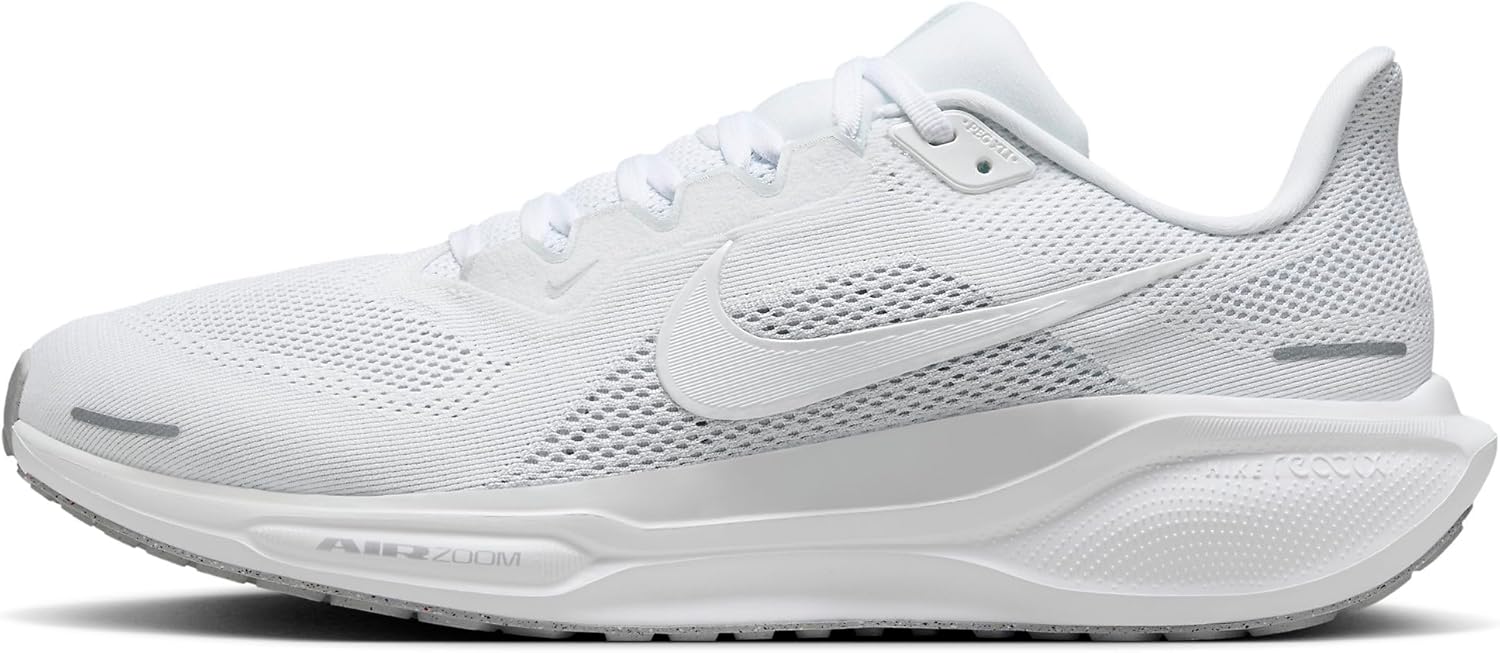
Currex’s flagship adaptive arch technology — the orthotic flexes with your gait instead of fighting it. Different stiffness zones along the length give you targeted support at the heel, midfoot, and forefoot. Available in three arch heights (low/medium/high).
✓ Pros
- Dynamic flex zones adapt to natural gait cycle
- Three arch heights ensure precise fit
- Lighter than rigid orthotics (no ‘heavy foot’ feel)
- Excellent for runners and athletic walkers
- European podiatric design (German engineering)
✗ Cons
- More expensive than PowerStep Original ($55-65 typically)
- Less aggressive correction than Pinnacle Maxx for severe cases
- Three arch heights means you must self-select correctly
Dr. Tom’s Recommendation: I started recommending Currex three years ago for runners who said PowerStep felt ‘too rigid.’ The dynamic flex zones respect natural gait. Best for active patients who walk 8K+ steps daily and don’t need maximum motion control.
Running-Specific · Heel Strike + Forefoot Strike Compatible
Currex’s purpose-built running orthotic. The midfoot flex zone is positioned for runner’s gait mechanics, with a flared heel cushion for heel strikers and a forefoot rocker for midfoot/forefoot strikers. Tested on 1000+ runners during product development.
✓ Pros
- Designed by German biomechanics lab specifically for runners
- Dynamic arch flexes with running gait (not static like PowerStep)
- Three arch heights (low/medium/high)
- Reduces overuse injury risk in mid-distance runners
- Lightweight (no impact on cadence)
✗ Cons
- Premium price ($60-75)
- Not aggressive enough for severe over-pronators (use Pinnacle Maxx)
- Runner-specific design = less ideal for daily walking shoes
Dr. Tom’s Recommendation: If a patient runs 20+ miles per week and has plantar fasciitis or shin splints, this is the orthotic I prescribe. The dynamic flex zones respect running biomechanics in a way that no rigid PowerStep can match. Pricier but worth it for serious runners.
Cavus Foot & High-Arch Patients
Polyurethane base with a deeper heel cup and higher arch profile than PowerStep — built for cavus (high-arched) feet that need maximum cushion and support. The 5-zone cushioning system addresses the unique pressure points of high-arch feet.

✓ Pros
- Deeper heel cup centers the heel for cavus foot stability
- Higher arch profile fills the void under high arches
- 5-zone cushioning addresses cavus foot pressure points
- Polyurethane base lasts 12+ months
- Available in Wide width
✗ Cons
- Too tall/aggressive for normal or low arches
- Won’t fit slim dress shoes
- Pricier than PowerStep Original
- Some patients find the arch height uncomfortable initially
Dr. Tom’s Recommendation: Cavus foot patients are often misdiagnosed and given low-arch orthotics — that makes everything worse. Spenco’s Total Support has the arch profile that high-arch feet actually need. About 15% of my patients have cavus feet; this is what they wear.
Cushion Layer · Standing All Day · Gel Pressure Relief
NOT a true biomechanical orthotic — this is a cushion insole. But for patients who want gel pressure relief instead of arch correction (or to add ON TOP of factory insoles in work boots), this is the best gel option on Amazon.

✓ Pros
- Genuine gel cushioning (not foam pretending to be gel)
- Targeted gel waves under heel and ball of foot
- Trim-to-fit · works in most shoe types
- Sub-$15 price (most affordable option in this list)
- Massaging texture is genuinely soothing
✗ Cons
- ZERO arch support — this is cushion only
- Won’t fix plantar fasciitis or flat-foot issues
- Compresses faster than PowerStep (4-6 months)
- Top cover wears through in high-mileage applications
Dr. Tom’s Recommendation: I recommend these to patients who tell me ‘I just want my feet to stop hurting at the end of my shift’ and who don’t have a biomechanical issue. Construction workers, factory workers, retail. Pure cushion does the job for them.
Tight-Fitting Shoes · Cycling Shoes · Hockey Skates
Superfeet’s slim version of their famous Green insole. The trademark stabilizer cap is preserved but the overall thickness is reduced — works in cycling shoes, hockey skates, ski boots, and other tight-fitting footwear that the standard Superfeet Green can’t fit into.

✓ Pros
- Stabilizer cap centers the heel (Superfeet’s signature feature)
- Slim profile fits tight athletic footwear
- Lasts 12+ months daily wear
- Excellent for cycling shoes specifically
- Built-in odor-control treatment
✗ Cons
- Premium price ($45-55)
- Less cushion than PowerStep equivalents
- Not as aggressive correction as Pinnacle Maxx for flat feet
- The signature ‘heel cup feel’ takes 1-2 weeks to adapt to
Dr. Tom’s Recommendation: If you’re a cyclist with foot numbness, hot spots, or knee pain — this is the orthotic. The stabilizer cap solves cycling-specific biomechanical issues that no other orthotic addresses. Worth the premium for athletes.
None of these solving your foot pain?
Some patients (about 30%) need custom-molded prescription orthotics. We make 3D-scanned custom orthotics in our Howell and Bloomfield Township offices — specifically built for your foot mechanics.
Schedule a Custom Orthotic Fitting →FSA/HSA eligible · Most insurance accepted · (810) 206-1402
Frequently Asked Questions
How long do these shoes last?
Quality running shoes last 300-500 miles. Daily walking shoes last 9-12 months. Replace when the midsole feels soft or your symptoms return.
Should I add insoles?
Yes if you have plantar fasciitis or overpronation. Powerstep Pinnacle or a custom orthotic improves results. Healthy feet often do fine with the stock insole.
Are expensive shoes worth it?
Beyond about $130 most extra cost is materials and aesthetics. Match the shoe to your foot type, not budget. The right $80 stability shoe beats the wrong $250 maximalist shoe.

Dr. Tom Biernacki, DPM is a board-certified foot & ankle surgeon (ABFAS & ABPM) at Balance Foot & Ankle Specialists in Southeast Michigan. With over a decade of clinical experience, he specializes in heel pain, bunions, diabetic foot care, sports injuries, and minimally invasive surgery. Dr. Biernacki is a member of the APMA and ACFAS, and his patient education content on MichiganFootDoctors.com and YouTube has made him one of the most-followed foot & ankle educators on YouTube.