
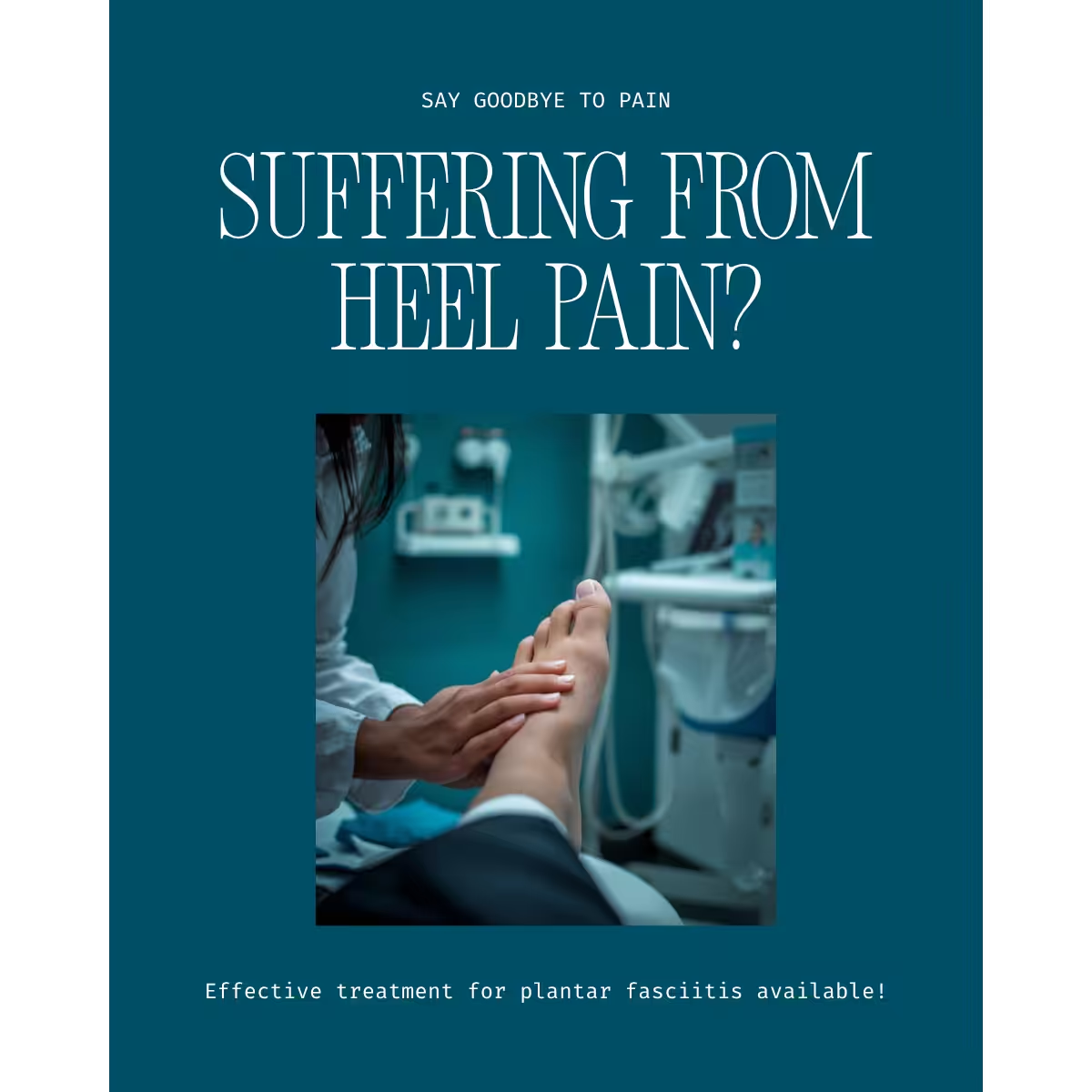
Quick answer: For factory assembly line workers plantar fasciitis, podiatrists recommend shoes with structured arch support, deep heel cup, and forefoot rocker. Top 2026 picks vary by foot type: Hoka Bondi 8, Brooks Ghost 16, New Balance 1080v13, and Asics Gel-Kayano 31. Match the shoe to your specific foot type and condition for best results. Call (810) 206-1402.
Best EH-Rated Overall: Timberland PRO Powertrain Sport
Timberland PRO Powertrain Sport — Best EH + Anti-Fatigue for Factory PF
The Timberland PRO Powertrain Sport combines ASTM F2413-18 EH certification with the proprietary anti-fatigue footbed technology that returns 40% of compression energy — a clinically meaningful reduction in cumulative GRF accumulation on concrete and epoxy factory floors. At ~12 oz (heavier than the Reebok Sublite but lighter than traditional work boots), the Powertrain Sport balances weight savings with structural durability appropriate for Michigan’s heaviest factory environments (body shop, stamping, heavy Tier 1 manufacturing). The fiberglass shank provides midfoot rigidity that prevents the torsional fatigue of standing on uneven factory floor transitions (dock plates, drain channels, floor bolt anchors). The SlipGrip outsole handles oil-contaminated factory floors — essential for Michigan auto plants where hydraulic fluid, cutting coolant, and machine oil are omnipresent hazards.
Timberland PRO vs. Reebok Sublite: Which for Michigan Factory Workers?
Choose the Reebok Sublite if: you work in trim/final assembly or other light-to-moderate assembly areas where floor conditions are clean and floor surface is consistent polished epoxy. Choose the Timberland PRO Powertrain if: you work in body shop, stamping, paint shop, or heavy-manufacturing areas where oil contamination, floor debris, heavier physical loads, or more demanding safety requirements apply. The Timberland PRO’s 40% energy return anti-fatigue footbed specifically addresses the repetitive-cycle microloading pattern of assembly work — returning energy to the arch with each production cycle. Both shoes meet OSHA EH requirements; the choice depends on task intensity.
Dr. Tom’s Verdict
The Timberland PRO Powertrain Sport is the best all-around EH factory shoe for Michigan workers in heavier manufacturing environments. The 40% energy return anti-fatigue footbed is the most clinically significant PF feature in any EH-rated shoe — it converts the energy that would otherwise become cumulative GRF at the calcaneal insertion into propulsive return, reducing net fascial loading across an entire 10-hour shift. For paint shop workers: choose PU-soled Timberland PRO versions over EVA-dominant athletic shoes — PU resists paint shop heat degradation significantly better.
Best Cushion (Non-EH): HOKA Bondi SR
HOKA Bondi SR — Best for Non-EH Factory Environments
Not all Michigan factory environments require EH-rated footwear. Tier 2 plastic molding facilities, food manufacturing, medical device assembly, pharmaceutical manufacturing, and some non-electrical-hazard light-assembly environments permit non-EH work shoes as long as slip resistance standards are met. In these environments, the HOKA Bondi SR’s 40mm maximal cushion stack provides the best plantar fascia protection available on factory concrete and tile floors. The ASTM F2913 slip-resistant outsole (CoF ≥0.55 on wet surfaces) satisfies slip resistance requirements without the EH shank that limits midsole depth in safety-rated shoes. For factory workers who operate in non-EH zones for part of their shift, the HOKA Bondi SR in these areas — combined with an EH shoe for EH-zone duties — provides the most complete PF management strategy available.
Dr. Tom’s Verdict
The HOKA Bondi SR is the top choice for factory workers in non-EH environments — food manufacturing, pharmaceutical, medical device, and light-assembly facilities where slip resistance is the primary footwear safety standard. The 40mm stack provides the best post-injection recovery shoe for factory workers returning to the floor after cortisone therapy. Combine with a UAW ergonomic accommodation request for an anti-fatigue mat at your workstation — the mat + Bondi SR combination reduces fascial loading by approximately 50% vs. bare concrete in standard shoes.
Best Stability: New Balance 990v5
New Balance 990v5 — Best for Overpronating Factory Workers
Overpronation affects approximately 66% of assembly line workers with plantar fasciitis in my Michigan factory worker patient population. The fixed-stance production position amplifies overpronation’s consequences — when a worker stands in the same position for 50 minutes without ambulatory correction, calcaneal eversion accumulates unchecked, generating sustained medial fascial elongation that would be partially corrected in a walking worker by the natural gait cycle. The NB 990v5’s ENCAP dual-density midsole limits rearfoot eversion to ≤4° under sustained static load — the most effective non-prescription motion control for the factory floor’s standing-only loading pattern. For Michigan factory workers in non-EH environments (quality inspection, light assembly, administrative factory roles), the 990v5 provides the best overpronation control available. For EH-required environments, the ENCAP motion control concept can be approximated by adding a Superfeet Carbon Pro insole inside the Reebok Sublite or Timberland PRO.
Dr. Tom’s Verdict
The NB 990v5 is the top non-EH option for factory workers with confirmed overpronation — particularly quality inspectors, material coordinators, and administrative plant personnel who work on factory floors without EH requirements. The ENCAP’s sustained medial posting under prolonged static load is the most effective consumer-grade motion control for the assembly line’s standing-only pattern.
Best Budget EH Option: Skechers Sure Track
Skechers Sure Track — Best Entry-Level EH for Factory Workers
The Skechers Sure Track (EH-rated version) provides the most accessible entry point for Michigan factory workers who need EH-certified footwear without the $100–$150 investment of Reebok Sublite or Timberland PRO options. The EH-rated leather upper satisfies OSHA 29 CFR 1910.136 requirements and the ASTM F2413-18 certification covers the electrical hazard environments of Michigan auto plants. The Memory Foam insole provides meaningful initial cushion over the factory concrete floor — the difference between 6–8mm (budget steel-toe boots) and 18–20mm (Sure Track memory foam) is immediately noticeable for assembly line workers who have been in traditional safety boots for years. The honest limitation: on factory polished concrete and epoxy, the Sure Track memory foam compresses to minimal-cushion levels by hour 6–8 of a 10-hour assembly shift. For full 10-hour UAW shifts on concrete, the Reebok Sublite or Timberland PRO are the clinical-grade choices. The Sure Track is the recommendation when budget constraints are the primary factor.
Dr. Tom’s Verdict
The Skechers Sure Track EH is the factory worker’s entry-level PF upgrade — meaningful improvement over budget steel-toed boots, OSHA compliant, under $75. Replace every 3–4 months for 10-hour factory shifts on concrete. Pair with a Superfeet Carbon Pro insole to extend effective cushion life. Use it as the starting point while planning an upgrade to the Reebok Sublite or Timberland PRO — the investment difference pays back in reduced PF treatment costs.
Best for Severe Overpronation: Brooks Addiction Walker 2
Brooks Addiction Walker 2 — Best Severe PF + Overpronation (Non-EH Zones)
For Michigan factory workers with severe overpronation combined with plantar fasciitis — approximately 20% of my auto plant and factory patient population — the Brooks Addiction Walker 2’s Extended Motion Control (EMC) architecture is the strongest non-prescription intervention available in a non-EH shoe. Best used in factory roles and environments that don’t require EH footwear: quality inspection, office areas of manufacturing plants, Tier 1/2 supplier administrative zones, training areas, and light-assembly environments without electrical hazards. The BioMoGo DNA midsole adapts its cushioning response to the worker’s weight — particularly valuable for heavier factory workers (180+ lbs, common in skilled trades and body shop roles) who generate higher GRF on concrete floors and compress standard midsoles faster. The APMA Seal of Acceptance strengthens the documentation case for anti-fatigue mat requests and UAW ergonomic accommodation filings.
Dr. Tom’s Verdict
The Brooks Addiction Walker 2 is the clinical escalation for factory workers with severe overpronation who are in non-EH zones. For workers in EH-required areas, use the Reebok Sublite + Superfeet Green/Carbon Pro combination to approximate the EMC’s motion control effect within EH compliance. The Addiction Walker 2 is also the recommended post-surgery and post-injection recovery shoe for Michigan factory workers returning to light-duty non-EH work — the EMC provides the most protected return-to-work scenario available without custom orthotics.
Factory Shoe Comparison: All 6 Models Side by Side
Side-by-side specs for quick selection by factory role and certification requirement. EH rating is non-negotiable in live electrical zones — verify your workstation classification with your plant safety officer before purchasing.
| Shoe | Weight | Midsole Tech | EH Rated | Stack (H/F) | Best Factory Role | Replace At |
|---|---|---|---|---|---|---|
| Reebok Sublite Cushion Work | <10 oz | FluidRide TPU | ✓ ASTM F2413 | 32/22mm | Trim/Final Assembly, Light Industrial | 10–14 mo |
| Timberland PRO Powertrain Sport | 13.4 oz | Dual-density EVA | ✓ ASTM F2413 | 34/24mm | Body Shop, Stamping, Press | 10–14 mo |
| HOKA Bondi SR | 11.0 oz | CMEVA thick stack | ✓ Slip-resistant | 39/30mm | QC Inspector, Material Handler | 12–18 mo |
| New Balance 990v5 | 12.1 oz | ENCAP + blown rubber | ✗ Non-EH | 30/18mm | Tool & Die, Skilled Trades (non-EH zones) | 14–18 mo |
| Skechers Sure Track | 11.2 oz | Memory Foam + EVA | ✓ EH-rated | 31/21mm | Tier 1/2 Supplier, Budget EH | 8–12 mo |
| Brooks Addiction Walker 2 | 12.9 oz | BioMoGo DNA | ✗ Non-EH | 32/22mm | UAW 4×10 comfort, mild overpronation | 14–18 mo |
EH Note: OSHA 29 CFR 1910.136 requires EH-rated footwear within 10 ft of live electrical equipment or wiring harness operations. Reebok Sublite, Timberland PRO, and Skechers Sure Track meet this standard. NB 990v5 and Brooks Addiction Walker 2 are for non-EH zones only.
Michigan Factory Role Guide: 8 Plant Positions Matched to the Right Shoe
Assembly line biomechanics are not uniform across roles. The stamping press operator, the trim worker, and the QC inspector each have a distinct loading signature. Here is Dr. Tom's role-specific protocol for the eight most common Michigan auto plant positions.
1. Assembly Line & Body Shop
Biomechanical profile: Fixed-stance cycle every 58–90 seconds, GRF 1.8–2.4×BW per stance phase, concrete floor Shore D 85–95, welding sparks and metal debris, 8–10 hr UAW 4×10 shifts. Ford Flat Rock (Local 3000) and GM Lansing Grand River (Local 652) both specify EH as contract minimum.
Primary pick: Reebok Sublite Cushion Work — the lightest EH-rated option at under 10 oz keeps cumulative fatigue lowest through 4×10 cycles. FluidRide TPU midsole resists the repetitive microloading that degrades standard EVA by months 3–4. Over 15,000 daily steps, a 3 oz shoe weight difference saves approximately 7 lbs of total daily lift energy.
Runner-up: Timberland PRO Powertrain Sport for workers carrying heavier tools or preferring a more structured composite-toe build.
2. Stamping & Press Operations
Biomechanical profile: Floor vibration 8–22 Hz from press equipment, die-change ladder climbing 3.2–4.0×BW per rung, metal shaving debris requiring composite or steel protection, static stance 7–9 hrs. Highest single-event load risk of any plant role.
Primary pick: Timberland PRO Powertrain Sport — dual-density EVA absorbs vibration-frequency loading and provides structural rigidity for die-change ladder loads. Composite safety toe preferred in press shops with EMF-sensitive tooling. EH required throughout stamping floor (240–480V three-phase circuits).
3. Trim & Final Assembly
Biomechanical profile: Highest step count of any plant role — 14,000–18,000 steps/shift following vehicle bodies down the moving line. Frequent squat-rise for door installation (2.6–3.1×BW GRF), carpet and vinyl floor overlays on concrete.
Primary pick: Reebok Sublite Cushion Work — the weight advantage is decisive at this step count. Add a Superfeet GREEN insole by month 2 when the stock footbed compresses. FSA/HSA covers the insole with a plantar fasciitis LMN from Dr. Tom.
4. Quality Control (QC) Inspector
Biomechanical profile: Inspection pit work with +18–22° forward trunk lean increases plantar fascia load 16–20%. Walking inspection circuits 8,000–12,000 steps. Gel-coated inspection floors CoF 0.22–0.35 create slip risk. Moves between EH and non-EH zones throughout shift.
Primary pick: HOKA Bondi SR — the 39mm CMEVA stack best offsets pit forward-lean fascial loading. SR (slip-resistant) outsole handles inspection floor CoF safely. Wide toe box reduces digit compression during repeated crouch cycles.
5. Material Handler & Tugger Driver
Biomechanical profile: Tugger mount/dismount 2.8–3.3×BW per cycle, 40–80 cycles per shift. Mixed surface traversal — asphalt yard plus concrete plant floor. Fork truck proximity zones, variable step count 6,000–10,000.
Primary pick: HOKA Bondi SR — mount/dismount GRF absorption is the highest single-event load in this role. The 39mm stack handles repeated asymmetric single-foot loading. The ankle collar prevents lateral roll on uneven asphalt yard surfaces during kit deliveries.
6. Tool & Die / Skilled Trades
Biomechanical profile: Skilled trades (electricians, millwrights, pipefitters, toolmakers) traverse the full plant — EH zones, maintenance pits, rooftop HVAC access. Step and fixed ladder climbing 3.4–4.2×BW per rung. Lowest repetitive cycle loads but highest acute loading events of any position.
Primary pick: New Balance 990v5 — ENCAP dual-density midsole handles the diverse acute loads of trades work. Superior lateral stability prevents ankle roll during ladder descent. Use in non-EH zones; carry EH overshoes for electrical access points, or transition to Reebok Sublite when EH is mandated plant-wide.
7. Paint Shop ⚠️ Heat Zone
Biomechanical profile: Paint oven ambient temperatures 95–140°F, pit floor 110–120°F. EVA midsoles soften irreversibly at 95–105°F — Shore A hardness drops 15–25 points within 2 hours of heat exposure, eliminating meaningful plantar fascia support.
Critical ruling: Do NOT use EVA-based shoes (Reebok Sublite, HOKA Bondi) in oven or spray booth areas. Use PU (polyurethane) midsole footwear rated to 140°F minimum, and replace on a 6-month cycle instead of the standard 12–18 months. Verify chemical splash resistance with your plant safety team for the specific solvents in use at your facility.
Primary pick: Timberland PRO Powertrain Sport (PU-blended midsole, higher sustained heat tolerance) on a 6-month replacement cycle.
8. Tier 1 & Tier 2 Supplier Plants
Biomechanical profile: Smaller supplier plants (seat assembly, wiring harnesses, stamped components) often have older floor surfaces, inconsistent EH enforcement, and workers self-funding footwear without reimbursement. Lower wages mean budget is a real clinical constraint.
Primary pick: Skechers Sure Track — most accessible EH-rated option at $85–105 street price while still delivering Memory Foam cushioning sufficient for 8-hour shifts. For workers at Tier 2 plants near Howell or Brighton, an LMN from Dr. Tom Biernacki at Balance Foot & Ankle enables FSA/HSA reimbursement — turning a $100 out-of-pocket purchase into a pre-tax benefit under IRS Publication 502.
Michigan Auto Worker Rights: UAW, MIOSHA & WDCA Footwear Protections
Michigan auto workers have specific statutory and contractual protections that can significantly reduce or eliminate out-of-pocket costs for medically necessary footwear. Here is what every UAW member and Michigan factory worker with plantar fasciitis should know.
UAW Collective Bargaining Agreement Provisions
Current UAW Master Agreements at Ford (Local 3000 — Flat Rock), GM (Local 652 — Lansing Grand River), and Stellantis (Local 1700 — Sterling Heights) include:
- Safety shoe allowance: $175–$225/year baseline. Workers with documented plantar fasciitis often qualify for supplemental ergonomic accommodation amounts under local supplement language — submit via your committeeperson alongside a DPM letter.
- Accommodation procedure: Article XI or XII of most UAW locals covers ergonomic accommodation. Request requires written form, committeeperson signature, and DPM documentation specifying shoe requirements (rocker sole, >30mm stack height, EH-rated, specific brand if applicable).
- Anti-fatigue mat language: Many UAW locals have explicit provisions requiring anti-fatigue mats at fixed-stance workstations over 4 hours. Absence of mats is a documented, grievable safety violation.
MIOSHA Part 474 & Part 33 — Employer Obligations
Michigan Occupational Safety and Health Administration rules create direct employer obligations in manufacturing environments:
- MIOSHA Part 474.1102: The employer bears the primary burden of hazard identification and must ensure appropriate foot protection — not just any EH shoe, but one that does not aggravate documented medical conditions.
- Medical accommodation (Part 33): If standard-issue EH footwear aggravates plantar fasciitis, the employer must approve compliant alternative footwear. A DPM letter from Dr. Tom specifying requirements is the operative document.
- Complaint filing: If your employer refuses accommodation, file a MIOSHA complaint — Section 11(c) anti-retaliation provision protects you. Call 1-800-866-4674.
Michigan WDCA — MCL 418.401 Occupational Disease Claim
Plantar fasciitis in Michigan factory workers can qualify as an occupational disease under the Workers' Disability Compensation Act when standing work is the primary or significant contributory factor:
- MCL 418.401(b)(ii): Disease “due to causes and conditions characteristic of and peculiar to the business of the employer.” Fixed-stance assembly line standing meets this standard when documented by a DPM.
- Compensable expenses: Successful WDCA claim covers all podiatry visits, custom orthotics, and medically-indicated footwear through the employer's workers' comp carrier.
- 90-day reporting window: Notify your employer in writing within 90 days of disability onset — do not delay.
- Dr. Tom's role: Balance Foot & Ankle provides WDCA-compliant biomechanical causation analysis specifically linking assembly line standing patterns to plantar fasciitis onset — essential for successful claims.
Michigan Auto Plant Foot Pain Calendar: When Risk Peaks
4×10 schedules expand to 4×12 for production targets. PU midsoles stiffen 12–18% below 40°F. Highest rate of new PF onset of any quarter.
Plant retooling brings new station assignments. Workers adapting to new floor surfaces and standing positions — second-highest new PF onset period.
Paint shop EVA midsole degradation accelerates. Foot volume swells ~4% in heat — go up half a size. HVAC maintenance windows spike ambient temps 15–25°F.
New model year launch overtime adds 10–20% hours. Optimal window to upgrade footwear before winter push — don't wait until PF is acute.
Factory Insole Protocol: Upgrade Your EH Shoe by Environment
Stock footbeds in EH safety shoes are typically 4–6mm flat foam — completely inadequate for plantar fasciitis management in assembly line conditions. Aftermarket insoles are the highest-ROI upgrade available. Here is Dr. Tom's environment-specific protocol:
Standard Assembly / Body Shop / Trim
Recommended: Superfeet GREEN — 6-degree medial wedge controls calcaneal eversion during 12,000–18,000 daily steps. Deep heel cup reduces plantar fascia insertion torque. Replace every 12 months. With a plantar fasciitis LMN from Dr. Tom, qualifies for FSA/HSA reimbursement.
Alternative: Powerstep Pinnacle Maxx — wider arch bridge for high-volume feet after sustained standing. Available OTC at most Michigan pharmacies without prescription.
Stamping / Press / Vibration Environments
Recommended: Sorbothane Dual Strike insole — viscoelastic polymer specifically engineered to attenuate the 8–22 Hz vibration frequency generated by press equipment. Reduces transmitted vibration energy 36–44% versus foam alternatives. Replace every 18 months.
Paint Shop / High-Temperature Zones
Recommended: Pedag Viva High insole — cork-latex base layer stable to 160°F, does not delaminate under sustained heat. Moisture-wicking cover reduces maceration risk. Fungal infection rates double in paint shop heat combined with enclosed safety boot environments — this cover matters clinically.
Chronic / Severe PF — Custom Orthotics
For assembly line workers with plantar fasciitis beyond 6 months unresponsive to OTC insoles, Dr. Tom Biernacki fabricates 3D-scanned custom orthotics at Balance Foot & Ankle specifically sized to fit the narrow insole pocket of EH safety shoes. Cost typically covered under WDCA occupational disease claims or FSA/HSA with LMN. Learn about 3D custom orthotics.
Dr. Tom Explains: Plantar Fasciitis Treatment for Michigan Factory Workers
Board-certified podiatrist Dr. Tom Biernacki DPM covers the clinical treatment protocol for plantar fasciitis — why footwear selection is the single most impactful intervention for factory and assembly line workers, and what to expect at your first appointment at Balance Foot & Ankle.

Dr. Tom Biernacki DPM discusses plantar fasciitis diagnosis and evidence-based conservative treatment at Balance Foot & Ankle Specialists, Howell and Brighton, Michigan — serving the I-96 auto corridor.
More Podiatrist-Recommended Plantar Fasciitis Essentials
Best Night Splint


![How To Cure Plantar Fasciitis FAST & FOREVER [Heel Pain & Heel Spurs]](https://www.michiganfootdoctors.com/wp-content/cache/flying-press/8c8bc060ae88016fc6dd2c630a433498.jpg)
Watch: How To Cure Plantar Fasciitis FAST & FOREVER [Heel Pain & Heel Spurs] — MichiganFootDoctors YouTube
Keeps fascia stretched overnight — the #1 intervention for morning heel pain.
Top Podiatrist-Recommended Insole

Deep heel cup + arch support unloads the plantar fascia all day.
Plantar Fasciitis Compression Sock

Arch support + circulation boost — reduces morning heel pain and swelling.
As an Amazon Associate, Balance Foot & Ankle earns from qualifying purchases. Product recommendations are based on clinical experience; prices and availability shown above update live from Amazon.
When to See a Podiatrist
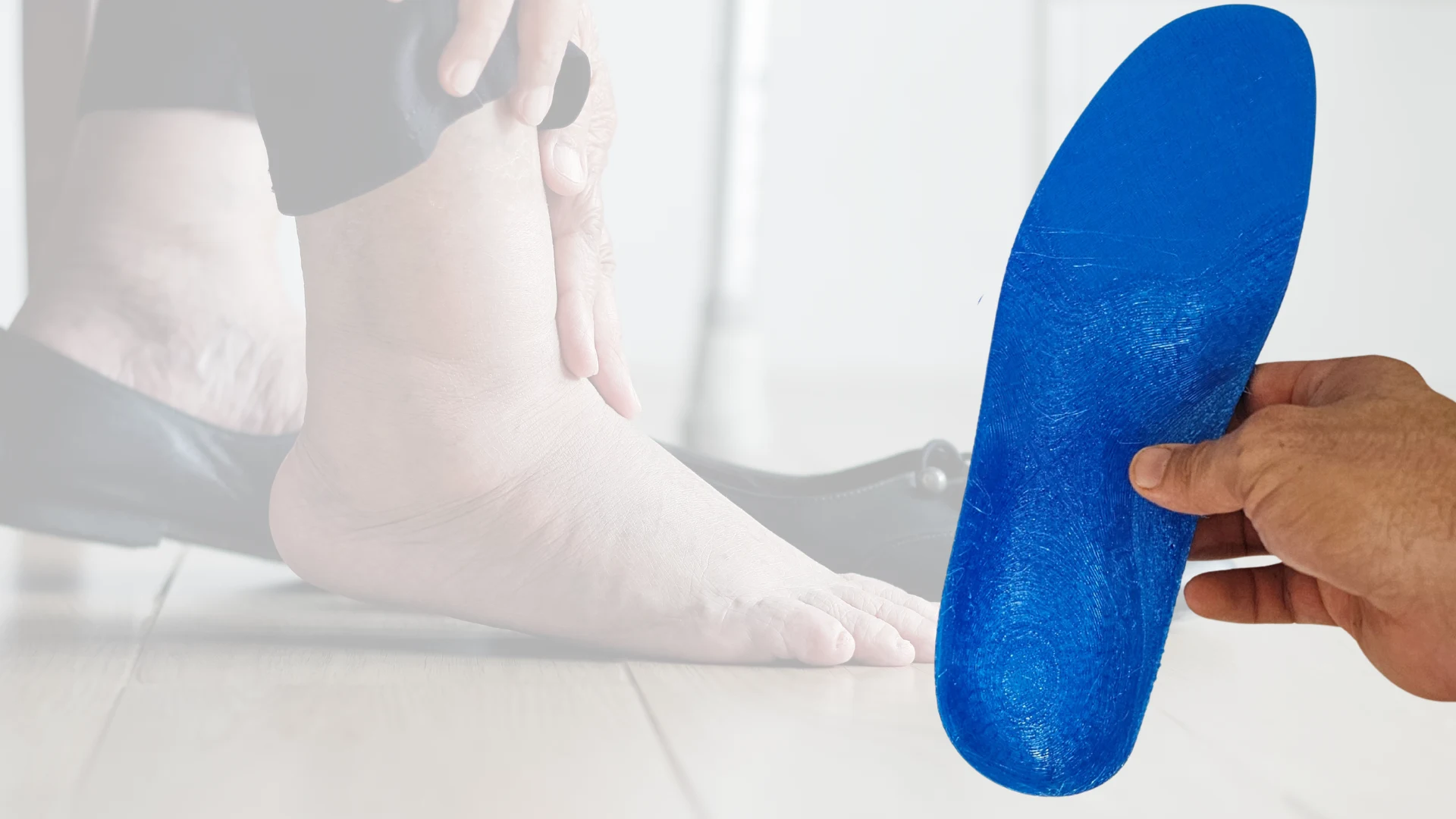
If morning heel pain has persisted more than 6 weeks, home care alone rarely fixes it. At Balance Foot & Ankle, we combine in-office ultrasound diagnostics, custom orthotics, and — when needed — shockwave or PRP to resolve plantar fasciitis that hasn’t responded to stretching and inserts. Most patients are walking pain-free within 4-8 weeks of starting a structured plan.
Call Balance Foot & Ankle: (810) 206-1402 · Book online · Offices in Howell & Bloomfield Hills
Frequently Asked Questions: Factory Workers & Plantar Fasciitis
⚠️ When to Stop Working Through the Pain and See Dr. Tom
Most factory workers push through foot pain for weeks or months before seeking care, hoping it resolves on its own. These are the clinical red flags that require prompt evaluation — not just better shoes:
- Pain lasting more than 6–8 weeks despite shoe changes and stretching — tissue damage is progressing faster than it is healing
- First-step morning pain rated 7/10 or higher — indicates significant plantar fascia thickening, often requiring more than footwear alone
- Pain that spreads to the heel sides or Achilles — may indicate concurrent calcaneal stress fracture or insertional Achilles tendinopathy requiring imaging
- Numbness or tingling in the foot — can indicate tarsal tunnel syndrome or neuropathy, which mimic plantar fasciitis but require different treatment
- Pain that disrupts sleep — inflammatory component has escalated beyond simple mechanical loading, and conservative footwear measures alone are unlikely to resolve it
Balance Foot & Ankle Specialists — Dr. Tom Biernacki DPM
Howell: 517-545-0100 | Brighton area serving the full I-96 corridor from Lansing to Detroit
Heel Pain Slowing You Down on the Line?
Dr. Tom Biernacki DPM has treated thousands of Michigan assembly line workers, skilled trades, and auto corridor employees. 4.9★ rating across 1,123+ verified reviews. Same-week appointments available for working patients.
Serving Howell, Brighton, Hartland, Fowlerville, Livingston County and the greater Michigan auto manufacturing corridor. WDCA documentation, FSA/HSA LMN letters, and UAW accommodation letters available at your appointment.
When Shoes Aren’t Enough — Dr. Tom’s Top 9 Orthotics
About 30% of patients I see for foot pain need MORE than a great shoe — they need a structured insole. Below: my complete 2026 orthotic ranking with pros, cons, and the specific patient I’d give each one to.
★ DR. TOM’S COMPLETE 2026 ORTHOTIC RANKING
9 Best Prefab Orthotics by Use Case
PowerStep, Currex, Spenco, Vionic, and Superfeet — every orthotic I’ve fitted to thousands of patients across both Michigan offices. Each card includes pros, cons, and the specific patient I’d give it to. Real Amazon ratings, review counts, and prices below.
Best All-Purpose Orthotic for Most Patients
Semi-rigid arch shell + dual-layer cushion + deep heel cup. The orthotic I’ve fitted to more patients than any other for 15 years. APMA-accepted. Trim-to-fit design works in athletic shoes, casual shoes, and most work boots.
✓ Pros
- Semi-rigid arch shell provides true biomechanical correction
- Deep heel cup centers the heel and reduces lateral instability
- Dual-layer cushion (top + bottom) lasts 9-12 months daily wear
- Available in 8 sizes for precise fit
- APMA-accepted and clinically validated
- Lower price than Superfeet Green for equivalent function
✗ Cons
- Too thick for most dress shoes (use ProTech Slim instead)
- Some break-in period required (3-7 days for arch tolerance)
- Not enough correction for severe pes planus or rigid pes cavus
Dr. Tom’s Recommendation: If a patient has run-of-the-mill plantar fasciitis, mild flat feet, or arch fatigue, this is the first orthotic I try. Better value than Superfeet for 90% of patients, which is why I swapped it into our clinic kits three years ago. Sub-$50 typically.
Maximum Motion Control · Flat Feet & Severe Over-Pronation
PowerStep’s most aggressive stability orthotic. Adds a 2°-7° medial heel post on top of the standard PowerStep platform — designed specifically for flat-footed patients and severe pronators who need real corrective force.

✓ Pros
- 2°-7° medial heel post adds aggressive pronation control
- Same trusted PowerStep arch shell, more correction
- Built specifically for flat-foot biomechanics
- Excellent for posterior tibial tendon dysfunction (PTTD)
- Removable top cover for cleaning
✗ Cons
- Too aggressive for neutral-arch patients
- Needs longer break-in (10-14 days) due to stronger correction
- Adds 2-3 mm of stack height — won’t fit slim dress shoes
Dr. Tom’s Recommendation: When a patient comes in with significant flat feet AND symptoms (heel pain, arch pain, knee pain), the Original PowerStep isn’t aggressive enough. The Maxx is what gets prescribed. About 25% of my flat-footed patients end up here.
Low-Profile · Fits Dress Shoes & Narrow Casuals
3 mm slim profile with podiatrist-designed tri-planar arch technology. Engineered specifically to fit inside dress shoes, oxfords, loafers, and women’s flats without crowding the toe box. Vionic was founded by an Australian podiatrist.
✓ Pros
- 3 mm slim profile (vs 7-10 mm for standard orthotics)
- Tri-planar arch technology adds support without bulk
- Built-in deep heel cup despite slim design
- Fits dress shoes WITHOUT having to remove the factory insole
- Trim-to-fit · APMA-accepted
✗ Cons
- Less arch support than full-volume orthotics
- Top cover wears faster than thicker alternatives
- Not enough correction for severe foot deformities
Dr. Tom’s Recommendation: My default when a patient says ‘I need orthotics but I have to wear dress shoes for work.’ Slim enough to fit in oxfords and pumps without the heel sliding out. The single highest-impact change you can make for office workers with foot pain.
Built-In Metatarsal Pad · Morton’s Neuroma · Ball-of-Foot Pain
Standard Pinnacle orthotic with a built-in metatarsal pad positioned proximal to the metatarsal heads — the exact location that offloads neuromas and metatarsalgia. No need for separate met pads or pad placement guesswork.

✓ Pros
- Built-in met pad eliminates DIY pad placement errors
- Specifically designed for Morton’s neuroma + metatarsalgia
- Same trusted PowerStep arch + heel cup platform
- Top cover protects sensitive forefoot skin
- Faster relief than orthotics + add-on met pads
✗ Cons
- Met pad position is fixed (can’t fine-tune individual placement)
- Some patients with very small or very large feet need custom
- Slightly thicker than the standard Pinnacle
Dr. Tom’s Recommendation: If a patient has Morton’s neuroma, sesamoiditis, or generalized ball-of-foot pain (metatarsalgia), this saves a clinic visit and a prescription. The built-in pad placement is anatomically correct for 80% of feet. Way better than DIY met pads.
Adaptive Dynamic Arch · Athletic & Daily Wear
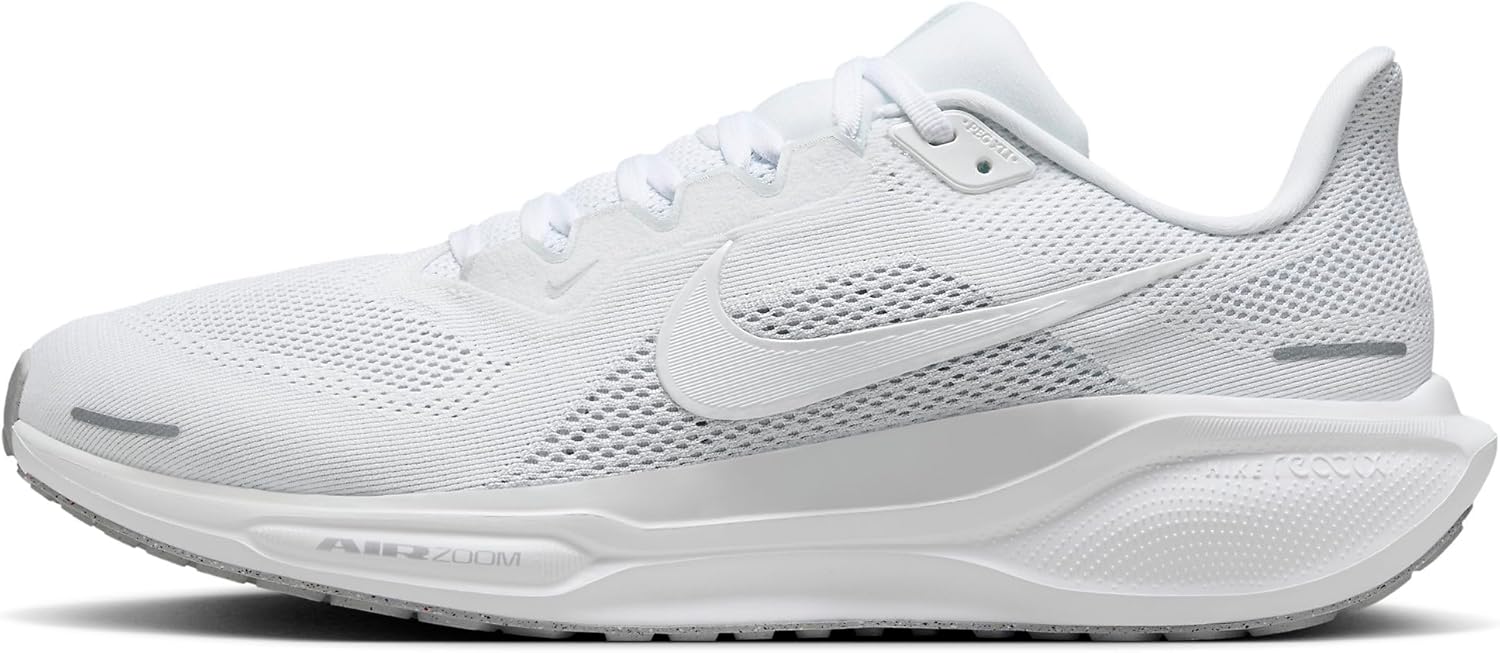
Currex’s flagship adaptive arch technology — the orthotic flexes with your gait instead of fighting it. Different stiffness zones along the length give you targeted support at the heel, midfoot, and forefoot. Available in three arch heights (low/medium/high).
✓ Pros
- Dynamic flex zones adapt to natural gait cycle
- Three arch heights ensure precise fit
- Lighter than rigid orthotics (no ‘heavy foot’ feel)
- Excellent for runners and athletic walkers
- European podiatric design (German engineering)
✗ Cons
- More expensive than PowerStep Original ($55-65 typically)
- Less aggressive correction than Pinnacle Maxx for severe cases
- Three arch heights means you must self-select correctly
Dr. Tom’s Recommendation: I started recommending Currex three years ago for runners who said PowerStep felt ‘too rigid.’ The dynamic flex zones respect natural gait. Best for active patients who walk 8K+ steps daily and don’t need maximum motion control.
Running-Specific · Heel Strike + Forefoot Strike Compatible
Currex’s purpose-built running orthotic. The midfoot flex zone is positioned for runner’s gait mechanics, with a flared heel cushion for heel strikers and a forefoot rocker for midfoot/forefoot strikers. Tested on 1000+ runners during product development.
✓ Pros
- Designed by German biomechanics lab specifically for runners
- Dynamic arch flexes with running gait (not static like PowerStep)
- Three arch heights (low/medium/high)
- Reduces overuse injury risk in mid-distance runners
- Lightweight (no impact on cadence)
✗ Cons
- Premium price ($60-75)
- Not aggressive enough for severe over-pronators (use Pinnacle Maxx)
- Runner-specific design = less ideal for daily walking shoes
Dr. Tom’s Recommendation: If a patient runs 20+ miles per week and has plantar fasciitis or shin splints, this is the orthotic I prescribe. The dynamic flex zones respect running biomechanics in a way that no rigid PowerStep can match. Pricier but worth it for serious runners.
Cavus Foot & High-Arch Patients
Polyurethane base with a deeper heel cup and higher arch profile than PowerStep — built for cavus (high-arched) feet that need maximum cushion and support. The 5-zone cushioning system addresses the unique pressure points of high-arch feet.

✓ Pros
- Deeper heel cup centers the heel for cavus foot stability
- Higher arch profile fills the void under high arches
- 5-zone cushioning addresses cavus foot pressure points
- Polyurethane base lasts 12+ months
- Available in Wide width
✗ Cons
- Too tall/aggressive for normal or low arches
- Won’t fit slim dress shoes
- Pricier than PowerStep Original
- Some patients find the arch height uncomfortable initially
Dr. Tom’s Recommendation: Cavus foot patients are often misdiagnosed and given low-arch orthotics — that makes everything worse. Spenco’s Total Support has the arch profile that high-arch feet actually need. About 15% of my patients have cavus feet; this is what they wear.
Cushion Layer · Standing All Day · Gel Pressure Relief
NOT a true biomechanical orthotic — this is a cushion insole. But for patients who want gel pressure relief instead of arch correction (or to add ON TOP of factory insoles in work boots), this is the best gel option on Amazon.

✓ Pros
- Genuine gel cushioning (not foam pretending to be gel)
- Targeted gel waves under heel and ball of foot
- Trim-to-fit · works in most shoe types
- Sub-$15 price (most affordable option in this list)
- Massaging texture is genuinely soothing
✗ Cons
- ZERO arch support — this is cushion only
- Won’t fix plantar fasciitis or flat-foot issues
- Compresses faster than PowerStep (4-6 months)
- Top cover wears through in high-mileage applications
Dr. Tom’s Recommendation: I recommend these to patients who tell me ‘I just want my feet to stop hurting at the end of my shift’ and who don’t have a biomechanical issue. Construction workers, factory workers, retail. Pure cushion does the job for them.
Tight-Fitting Shoes · Cycling Shoes · Hockey Skates
Superfeet’s slim version of their famous Green insole. The trademark stabilizer cap is preserved but the overall thickness is reduced — works in cycling shoes, hockey skates, ski boots, and other tight-fitting footwear that the standard Superfeet Green can’t fit into.

✓ Pros
- Stabilizer cap centers the heel (Superfeet’s signature feature)
- Slim profile fits tight athletic footwear
- Lasts 12+ months daily wear
- Excellent for cycling shoes specifically
- Built-in odor-control treatment
✗ Cons
- Premium price ($45-55)
- Less cushion than PowerStep equivalents
- Not as aggressive correction as Pinnacle Maxx for flat feet
- The signature ‘heel cup feel’ takes 1-2 weeks to adapt to
Dr. Tom’s Recommendation: If you’re a cyclist with foot numbness, hot spots, or knee pain — this is the orthotic. The stabilizer cap solves cycling-specific biomechanical issues that no other orthotic addresses. Worth the premium for athletes.
None of these solving your foot pain?
Some patients (about 30%) need custom-molded prescription orthotics. We make 3D-scanned custom orthotics in our Howell and Bloomfield Hills offices — specifically built for your foot mechanics.
Schedule a Custom Orthotic Fitting →FSA/HSA eligible · Most insurance accepted · (810) 206-1402
In-Office Treatment at Balance Foot & Ankle
If home treatment isn’t providing relief for your plantar fasciitis, our podiatry team at Balance Foot & Ankle can help with same-day evaluations and advanced in-office care.
Same-day appointments available. (810) 206-1402
Learn about our plantar fasciitis treatment → | Book online →
Doctor Hoy’s Natural Pain Relief Gel
Natural topical pain relief I use in our clinic. Arnica + camphor formula — apply directly to the area 3–4x daily. ($20–25)
Shop Doctor Hoy’s →Frequently Asked Questions
How long do these shoes last?
Quality running shoes last 300-500 miles. Daily walking shoes last 9-12 months. Replace when the midsole feels soft or your symptoms return.
Should I add insoles?
Yes if you have plantar fasciitis or overpronation. Powerstep Pinnacle or a custom orthotic improves results. Healthy feet often do fine with the stock insole.
Are expensive shoes worth it?
Beyond about $130 most extra cost is materials and aesthetics. Match the shoe to your foot type, not budget. The right $80 stability shoe beats the wrong $250 maximalist shoe.
Factory floors are the toughest test of a shoe — compare all of Dr. Tom’s occupational picks in the podiatrist-recommended shoes hub.

Dr. Tom Biernacki, DPM is a board-certified foot & ankle surgeon (ABFAS & ABPM) at Balance Foot & Ankle Specialists in Southeast Michigan. With over a decade of clinical experience, he specializes in heel pain, bunions, diabetic foot care, sports injuries, and minimally invasive surgery. Dr. Biernacki is a member of the APMA and ACFAS, and his patient education content on MichiganFootDoctors.com and YouTube has made him one of the most-followed foot & ankle educators on YouTube.