
![Best Men’S Dress Shoes For Foot &Amp; Heel Pain [Podiatrist Approved] | Balance Foot & Ankle](https://www.michiganfootdoctors.com/uploads/2021/05/best-men-s-dress-shoes-for-foot-amp-heel-pain-podiatrist-approved.avif)
Medically reviewed by Dr. Tom Biernacki, DPM — Board-certified foot & ankle surgeon, 3,000+ surgeries performed. Updated April 2026 with current clinical evidence. This article reflects real practice experience from Balance Foot & Ankle Specialists in Howell and Bloomfield Hills, Michigan.
Quick Answer
Most foot and ankle problems respond to conservative care — proper footwear, supportive inserts, activity modification, and targeted stretching — within 4-8 weeks. Persistent pain beyond that window, or any symptom that prevents walking, warrants a podiatric evaluation to rule out fracture, tendon tear, or systemic cause.
Watch: Dr. Tom Biernacki, DPM

Medically reviewed by Dr. Tom Biernacki, DPM — Board-Certified Podiatric Surgeon — Balance Foot & Ankle, Howell & Bloomfield Hills, MI. Last updated April 2026.
▶ Watch

📋 Dr. Tom Also Recommends
Podiatrist Recommended Orthotics 2026: Dr. Tom’s Top 10 Insoles & Arch Supports
A podiatrist’s complete clinical guide to the best insoles — custom orthotics, OTC picks, and what actually works for plantar fasciitis, flat feet, neuropathy & more.
Read the Full Guide →Medically Reviewed by Dr. Tom Biernacki, DPM — Board-Certified Podiatrist, Balance Foot & Ankle Specialists, Michigan. Last updated April 2026.
Why Shoe Selection Matters More Than Most People Think
The shoes you wear are in contact with your feet for 12–16 hours a day. No stretch, brace, or exercise protocol can fully compensate for footwear that concentrates pressure on painful structures, forces abnormal mechanics, or fails to provide adequate cushioning and support. As podiatrists at Balance Foot & Ankle, one of the first things we do for most foot pain conditions is assess our patients’ footwear — because it’s often a significant contributor to the problem.
Universal Features of Good Footwear (For Any Foot Condition)
- Proper fit: A thumb’s width of space between the longest toe and the end of the shoe; toes can wiggle freely; no heel slippage
- Firm heel counter: The back of the shoe should hold its shape when squeezed — a collapsing heel counter provides no support
- Adequate toe box width: Feet splay when they bear weight — shoes that are too narrow compress the forefoot and cause bunion, metatarsalgia, and neuroma aggravation
- Torsional stability: The shoe should resist twisting — grab each end and twist; excessive twisting indicates insufficient midfoot support
- Shop late in the day: Feet swell throughout the day; shopping in the morning means shoes that will feel tight by evening
Best Shoes for Specific Foot Conditions
Plantar Fasciitis
What to look for: Deep heel cup, firm arch support, cushioned midsole, slight heel-to-toe drop (8–12mm), no zero-drop or completely flat shoes during acute phases.
Top picks: Brooks Adrenaline GTS, ASICS Kayano, New Balance 860/860v13, Hoka Arahi, Saucony Guide. For walking/lifestyle: Vionic (deep heel cup is their trademark), Brooks Addiction Walker, New Balance 928.
Flat Feet / Overpronation
What to look for: Stability or motion-control category; firm medial (inner) post; structured arch support; solid heel counter.
Top picks: Brooks Adrenaline GTS or Beast (maximum control), ASICS Kayano or GT-2000, New Balance 860/940, Saucony Guide. Avoid neutral or minimalist shoes.
High Arches / Underpronation (Supination)
What to look for: Maximum cushioning in a neutral shoe; no motion control; flexibility to allow natural foot movement; good lateral cushioning.
Top picks: Hoka Bondi, Brooks Glycerin, ASICS Gel-Nimbus, New Balance Fresh Foam 1080, Saucony Triumph.
Bunions
What to look for: Wide or extra-wide toe box; stretch-knit or soft leather upper; no seam running over the bunion; avoid pointed-toe shoes entirely.
Top picks: New Balance (wide widths available in most models), Altra (foot-shaped toe box), Dansko, Clarks, Vionic with wide sizing. Hoka and Brooks also offer wide-toe-box options.
Diabetic Feet
What to look for: Seamless interior to prevent pressure points; extra depth to accommodate orthotic inserts; soft, breathable uppers; no tight lacing; easy to put on and take off.
Top picks: Drew Shoes (therapeutic diabetic footwear), Dr. Comfort, Orthofeet, New Balance Therapeutic line. Prescription diabetic shoes and inserts are covered by Medicare — ask your podiatrist.
Morton’s Neuroma
What to look for: Wide toe box (critical — narrow shoes are the primary neuroma trigger); rocker-bottom sole to reduce MTP joint flexion; low heel.
Top picks: Altra Running (zero-drop, wide toe box), Brooks Addiction/Beast, New Balance in wide widths, Hoka. Avoid narrow fashion shoes, pumps, and pointed-toe styles entirely during active neuroma episodes.
Achilles Tendinopathy
What to look for: Higher heel-to-toe drop (10–12mm) to reduce Achilles tension; adequate heel cushioning; soft, non-restrictive heel counter that doesn’t press against the tendon insertion.
Top picks: ASICS Kayano, Brooks Beast/Addiction, New Balance Fresh Foam 860. Avoid zero-drop and minimalist shoes until tendon has healed. A temporary heel lift in any shoe helps acutely.
Metatarsalgia / Ball-of-Foot Pain
What to look for: Rocker sole to reduce forefoot pressure; thick, cushioned midsole; wide toe box; metatarsal pad (can be added to any shoe as an insert).
Top picks: Hoka (rocker geometry is their signature), MBT (rocker-sole specialist), Brooks Ghost. A metatarsal pad positioned just behind the ball of the foot dramatically reduces pressure on the metatarsal heads.
When Shoes Aren’t Enough
Even the best shoe selection has limits — particularly for patients with significant biomechanical abnormalities, structural foot deformities, or conditions requiring precise pressure redistribution. Custom orthotics prescribed by your podiatrist and fabricated from a 3D scan of your foot provide the precision that no off-the-shelf shoe can match.
At Balance Foot & Ankle, we assess footwear as part of every evaluation and provide specific, personalized recommendations — not generic “wear supportive shoes” advice. If you’re not sure whether your shoes are contributing to your foot pain, bring them to your next appointment and let us take a look.
Foot or Ankle Pain? We Can Help.
Balance Foot & Ankle — Howell & Bloomfield Township, MI
📅 Book Online
📞 (810) 206-1402
When to See a Podiatrist for Footwear Advice
The right shoes can prevent and treat foot pain — the wrong ones can cause it. Dr. Tom Biernacki at Balance Foot & Ankle provides expert footwear recommendations based on your specific foot type, conditions, and activity level, often combined with custom orthotics for optimal support.
Learn About Our Custom Orthotics | Book Your Appointment | Call (810) 206-1402
Clinical References
- Menz HB, Sherrington C. “The Footwear Assessment Form: a reliable clinical tool to assess footwear characteristics of relevance to postural stability in older adults.” Clinical Rehabilitation. 2000;14(6):657-664.
- Barton CJ, et al. “The efficacy of foot orthoses in the treatment of individuals with patellofemoral pain syndrome.” Sports Medicine. 2010;40(5):377-395.
- Dufour AB, et al. “Foot pain: is current or past shoewear a factor?” Arthritis and Rheumatism. 2009;61(10):1352-1358.
Insurance Accepted
BCBS · Medicare · Aetna · Cigna · United Healthcare · HAP · Priority Health · Humana · View All →
Howell Office
3980 E Grand River Ave, Suite 140
Howell, MI 48843
Get Directions →
Bloomfield Hills Office
43700 Woodward Ave, Suite 207
Bloomfield Hills, MI 48302
Get Directions →
Your Board-Certified Podiatrists



Ready to Get Back on Your Feet?
Same-week appointments available at both locations.
Book Your Appointment👟 Dr. Tom’s Complete Footwear Library
Podiatrist-Approved Guides for Every Foot Type & Condition
Clinically reviewed by Dr. Tom Biernacki, DPM — Board-Certified Podiatrist
All guides are written and reviewed by licensed podiatrists. Schedule an appointment →
More Podiatrist-Recommended Shoes Essentials
Hoka Clifton 10

Max-cushion neutral runner — podiatrist favorite for all-day comfort.
Brooks Adrenaline GTS 25
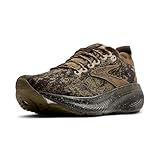
- THIS MEN’S SHOE IS FOR: The Adrenaline GTS 25 is perfect for runners and walkers seeking reliable support and a smooth ride. Featuring holistic GuideRails for Go-To Support and soft, dynamic premium nitrogen-infused DNA LOFT v3 cushioning, it delivers distraction-free comfort mile after mile. This Brooks Adrenaline GTS 25 is a certified PDAC A5500 Diabetic shoe and has been granted the APMA Seal of Acceptance. Predecessor: Adrenaline GTS 24.
- GUIDERAILS HOLISTIC SUPPORT SYSTEM: Our innovative technology - known as “GTS” for “Go-To Support” - supports your body in its natural motion path while keeping excess movement in check.
- SOFT & DYNAMIC CUSHIONING: Even more premium nitrogen-infused DNA Loft v3 cushioning delivers lightweight softness, and feel-good comfort mile after mile.
- TRUSTED FIT: The breathable engineered mesh upper and flat-knit collar offer a secure, comfortable fit, providing both structure and flexibility to accommodate natural movement during active use.
- SMOOTH TRANSITIONS: The specially designed outsole and midsole work together to promote seamless transitions, ensuring comfort and support for every step, so you can stay active longer.
Stability runner for overpronators — great for flat feet and bunions.
New Balance 990v6

- FuelCell foam delivers a propulsive feel to help drive you forward
- ENCAP midsole cushioning combines lightweight foam with a durable polyurethane rim to deliver all-day support
- Reflective accents designed to catch the light
- TPU back tab
- New Balance MADE contains a domestic value of 70% or more. MADE makes up a limited portion of New Balance’s US sales.
Premium walking shoe with wide toe box — bunion and flat-foot friendly.
As an Amazon Associate, Balance Foot & Ankle earns from qualifying purchases. Product recommendations are based on clinical experience; prices and availability shown above update live from Amazon.
When to See a Podiatrist
The right shoe shape, last, and stability category is more important than brand. Balance Foot & Ankle evaluates your foot type (neutral, pronator, supinator, high-arched) and recommends specific shoe models that match. Bringing in your current pair lets us spot wear patterns that reveal gait issues — a free 5-minute assessment that can prevent years of foot pain.
Call Balance Foot & Ankle: (810) 206-1402 · Book online · Offices in Howell & Bloomfield Hills
In-Office Treatment at Balance Foot & Ankle
If home care isn’t resolving your your foot or ankle concern, a visit with a board-certified podiatrist is the fastest path to accurate diagnosis and a personalized plan. At Balance Foot & Ankle Specialists, Dr. Tom Biernacki, Dr. Carl Jay, and Dr. Daria Gutkin offer same-day and next-day appointments at both our Howell and Bloomfield Hills offices. We perform on-site diagnostic ultrasound, digital X-ray, conservative care, advanced regenerative treatments, and minimally invasive surgery when indicated.
Call (810) 206-1402 or request an appointment online. Most insurance plans accepted, including Medicare, Blue Cross Blue Shield, Aetna, Cigna, and United Healthcare.
Most Common Mistake We See
The most common mistake we see is: Waiting too long before seeking care. Fix: any foot pain lasting more than 4 weeks, or any sudden severe symptom, deserves a professional evaluation rather than more rest.
Warning Signs That Need Same-Day Care
Seek immediate evaluation at Balance Foot & Ankle if you experience any of the following:
- Unable to bear weight
- Severe swelling with skin colour change
- Fever with foot pain (possible infection)
- Diabetes plus any new foot symptom
Call (810) 206-1402 — same-day and next-day appointments at our Howell and Bloomfield Hills offices.
Watch: Dr. Tom explains
Podiatrist-recommended products
As an Amazon Associate, Dr. Tom earns from qualifying purchases.
Related resources
Ready to solve this? Book today.
Same-week appointments · Howell & Bloomfield Hills · 4.9★ (1,123+ reviews)
☎ (810) 206-1402Book Online →
Dr. Tom Biernacki, DPM is a double board-certified podiatrist and foot & ankle surgeon at Balance Foot & Ankle Specialists in Southeast Michigan. With over a decade of clinical experience, he specializes in heel pain, bunions, diabetic foot care, sports injuries, and minimally invasive surgery. Dr. Biernacki is a member of the APMA and ACFAS, and his patient education content on MichiganFootDoctors.com and YouTube has reached over one million views.
- Plantar Fasciitis: Diagnosis and Conservative Management (PubMed)
- Plantar Fasciitis (APMA)
- Diagnosis and Treatment of Plantar Fasciitis (PubMed / AAFP)
- Heel Pain (APMA)
Recommended Products from Dr. Tom