


Best Shoes for Mail Carriers: USPS-Approved Picks
Quick answer: Dr. Tom Biernacki, DPM ranks the best shoes for mail carrier shoes based on cushioning, arch support, slip resistance, and durability over 12-hour shifts.
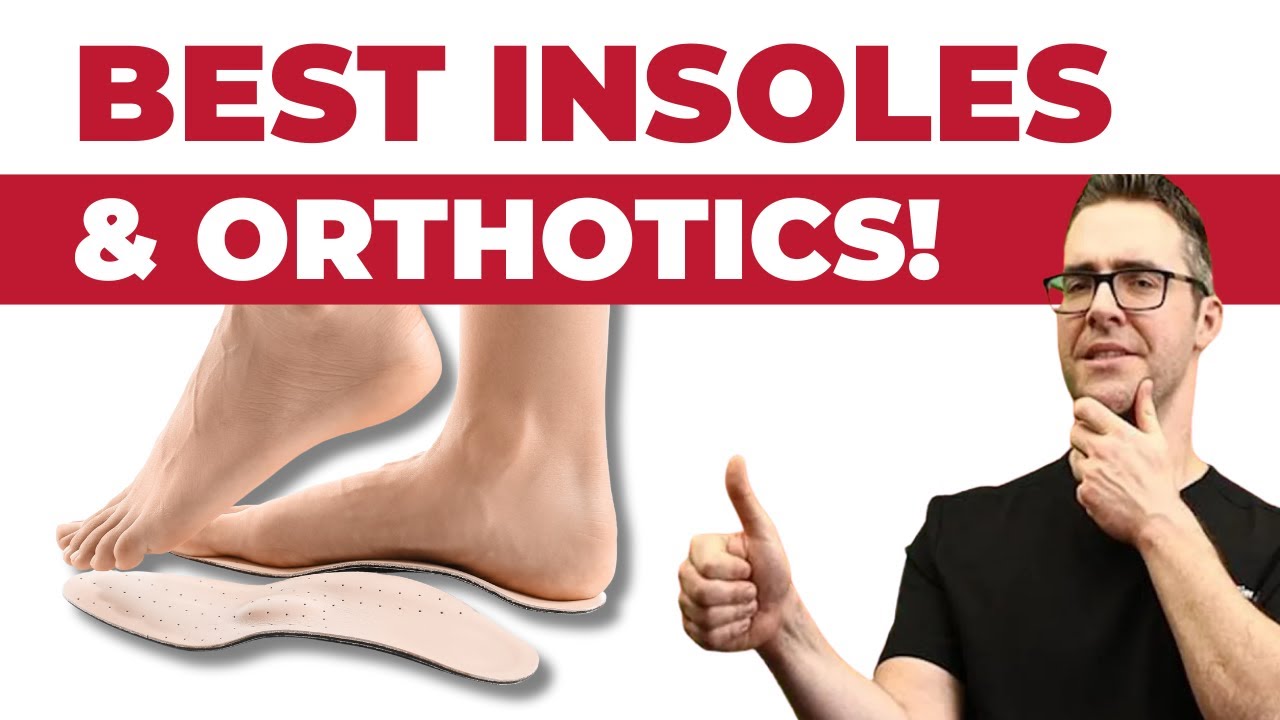
What to Look For
- EVA midsole cushioning (28+ mm stack)
- Removable insole (for orthotic compatibility)
- Slip-resistant outsole
- Reinforced toe box
- Breathable upper
Top Picks
Hoka Bondi 8, Brooks Glycerin 21, ASICS Gel Nimbus 26, and New Balance 1080v13 are Dr. Tom’s go-to recommendations.
When to Replace Your Shoes
Replace work shoes every 300-500 miles or 6 months of daily use, whichever comes first. Worn-out cushioning is the #1 cause of work-related foot pain.
APMA: Footwear for Mail Carriers & Letter Carriers
In-Office Treatment at Balance Foot & Ankle
If home treatment isn’t providing relief for your best shoes for mail carriers, our podiatry team at Balance Foot & Ankle can help with same-day evaluations and advanced in-office care.
Same-day appointments available. (810) 206-1402
Doctor Hoy’s Natural Pain Relief Gel
Natural topical pain relief I use in our clinic. Arnica + camphor formula — apply directly to the area 3–4x daily. ($20–25)
Shop Doctor Hoy’s →
Dr. Tom Biernacki, DPM is a board-certified foot & ankle surgeon (ABFAS & ABPM) at Balance Foot & Ankle Specialists in Southeast Michigan. With over a decade of clinical experience, he specializes in heel pain, bunions, diabetic foot care, sports injuries, and minimally invasive surgery. Dr. Biernacki is a member of the APMA and ACFAS, and his patient education content on MichiganFootDoctors.com and YouTube has made him one of the most-followed foot & ankle educators on YouTube.
More questions patients ask
What makes a shoe good for mail carriers?
Mail carriers (USPS letter carriers and parcel delivery drivers) face one of the most biomechanically demanding foot environments of any occupation: 8-12 miles of daily walking on variable surfaces including asphalt, concrete, grass, gravel, and stairs, carrying loads from a shoulder satchel or package, across all weather conditions. The essential features for mail carrier footwear: all-weather traction and waterproofing: letter carriers walk through wet grass, puddles, snow, ice, and wet pavement; a waterproof upper (Gore-Tex membrane or proprietary waterproofing) keeps the foot dry; an outsole with multi-directional lugs rated for both wet pavement and loose terrain grip is essential; Gore-Tex lining combined with a Vibram or proprietary lug outsole is the gold standard for all-weather mail carrier use; high mileage cushioning durability: standard running shoe midsoles are designed for 300-500 miles before significant cushioning loss; mail carriers walk 8-12 miles per day, 5 days per week -- that is 2,000-3,000 miles per year; midsoles must be specifically selected for high-volume use; Hoka transport and trail models use a compressed EVA foam that maintains cushioning longer than standard EVA; Brooks Ghost and Adrenaline GTS have well-documented durability for high-mileage walkers; wide toe box for foot swell: mail carriers walk continuously for 6+ hours; the foot swells progressively through the shift; a shoe with adequate forefoot width to accommodate end-of-shift swelling prevents the forefoot compression that causes metatarsalgia and nerve entrapment; look for 2E (wide) and 4E (extra wide) options; ankle stability on uneven terrain: climbing porch steps, crossing lawns, and stepping over curbs creates lateral ankle stress; a shoe with a firm heel counter and a stable midsole base width prevents ankle rolling; USPS uniform compliance: USPS contract specifies black leather or black leather-appearing shoes with a closed toe; many carriers use black trail running shoes or waterproof hiking shoes that meet the appearance standard.
What are the best shoes for USPS mail carriers recommended by podiatrists?
Podiatrists who treat mail carriers consistently see the same foot conditions -- plantar fasciitis, metatarsalgia, stress fractures, and posterior tibial tendinopathy -- and their shoe recommendations target the specific demands of letter carrier work. Top-recommended shoe models for mail carriers: Brooks Addiction Walker 2 (black leather, waterproof option available): the Brooks Addiction Walker has been a podiatric staple for high-mileage walkers for decades; the extended progressive diagonal rollbar provides motion control for overpronators; the full-grain leather upper meets USPS appearance standards; a waterproof version with Gore-Tex lining is available; the midsole uses BioMoGo DNA foam that is more durable than standard EVA; ASICS Gel-Contend 8 (black): solid cushioning and stability at an accessible price point; the GEL technology in the heel and forefoot absorbs impact effectively; available in wide widths; appropriate for neutral to mild pronation; New Balance 928v3 (black leather): the New Balance 928 has a loyal following among mail carriers and other walking-intensive occupations; the ROLLBAR stability post provides strong medial arch support for overpronators; available in widths from B (narrow) through 4E (extra wide); the leather upper meets USPS appearance requirements; Hoka Bondi SR (slip-resistant, black): the Bondi SR is the slip-resistant version of Hoka's maximum cushion Bondi; the thick EVA midsole provides exceptional underfoot cushioning for hard pavement work; the SR outsole is rated for wet surface slip resistance; the meta-rocker geometry reduces forefoot pressure; available in wide widths; Keen Targhee III Waterproof (black): a waterproof hiking shoe with exceptional all-terrain traction; the Keen.DRY membrane provides waterproofing; the wide toe box is characteristic of Keen footwear; the outsole provides traction on grass, gravel, and wet pavement; available in wide widths.
How do mail carriers prevent plantar fasciitis and foot pain?
Mail carriers have plantar fasciitis rates significantly higher than the general population due to the mileage, hard surface, and load-carrying demands of the job -- prevention requires a layered approach combining footwear selection, insole use, and daily maintenance habits. The most impactful prevention strategies: custom or quality prefabricated orthotics (highest long-term impact): the mail carrier's daily mileage amplifies any biomechanical inefficiency in the foot mechanics; an orthotic that corrects overpronation or provides arch support reduces the tensile load on the plantar fascia by 15-30% per step; over a 10-mile day, this cumulative reduction is substantial; custom orthotics from a podiatrist are ideal for mail carriers with existing foot problems or previous plantar fasciitis; quality prefabricated options: Superfeet Green (firm arch support), Powerstep Pinnacle (cushion plus support), Footdisc (specifically designed for high mileage walking); replace prefabricated insoles every 3-6 months as the foam compresses; shoe rotation: alternating between two pairs of shoes on alternate days allows the midsole foam to decompress and recover; a midsole used every day 5 days per week degrades 40% faster than a midsole used every other day; shoe rotation effectively doubles midsole life and maintains cushioning quality; morning routine: 5 minutes of plantar fascia stretching (seated big toe extension stretch) and calf stretching (standing gastrocnemius and soleus stretches) before the first steps of the shift prevents the acute pain from tightened nocturnal plantarflexion; surface awareness: vary the walking surface when possible; walking on grass rather than sidewalk for portions of the route reduces cumulative hard-surface impact; weight management: each additional pound of body weight increases plantar fascia load by 3-4 lbs per step over a 10-mile day; weight management is the most impactful modifiable systemic factor for mail carrier foot health.
Can mail carriers wear trail running shoes on the job?
Trail running shoes have become increasingly popular among mail carriers as an alternative to traditional leather work shoes -- they offer significant advantages in cushioning, traction, and weight, with some important considerations regarding USPS uniform compliance. The case for trail running shoes: cushioning and weight: most trail running shoes weigh 25-40% less than leather work shoes while providing superior midsole cushioning technology; the weight reduction matters enormously over 10 miles per day; all-terrain traction: trail running outsoles are designed for the variable surfaces mail carriers encounter -- grass, gravel, wet pavement, and loose soil; the lug pattern provides grip on soft surfaces that smooth road shoe outsoles cannot; breathability and comfort: mesh trail running uppers are significantly more breathable than leather during summer months; foot fatigue at end of shift is measurably lower in lightweight breathable shoes compared to heavy leather; USPS uniform policy considerations: USPS Letter Carrier Uniform Guidelines specify that shoes must be solid black, with a closed toe and heel, and must have a leather or leather-appearing upper; strictly interpreted, mesh trail running shoes violate the leather-appearing upper requirement; in practice, enforcement varies significantly by facility and carrier supervisor; many carriers report successfully wearing all-black trail running shoes without issue; others have been required to wear leather shoes; the recommended approach: check with your station's carrier supervisor before purchasing trail shoes; select all-black models with minimal visible mesh (models with a more solid-appearing upper are less likely to draw attention); have a leather shoe backup available for inspections or supervisor walk-alongs; recommended all-black trail running models that approach leather appearance: Salomon X Ultra 3 GTX in black, Brooks Cascadia in all-black colorway, ASICS Gel-Venture 8 in black; the Hoka Bondi SR in black is technically a road shoe with slip-resistant outsole that satisfies both appearance and traction needs for most mail carrier routes.
Still have a question about coverage or cost? Book online and we will check your benefits before your visit: Book in Howell · Book in Bloomfield Township. Prefer to talk it through first? Call (810) 206-1402.