
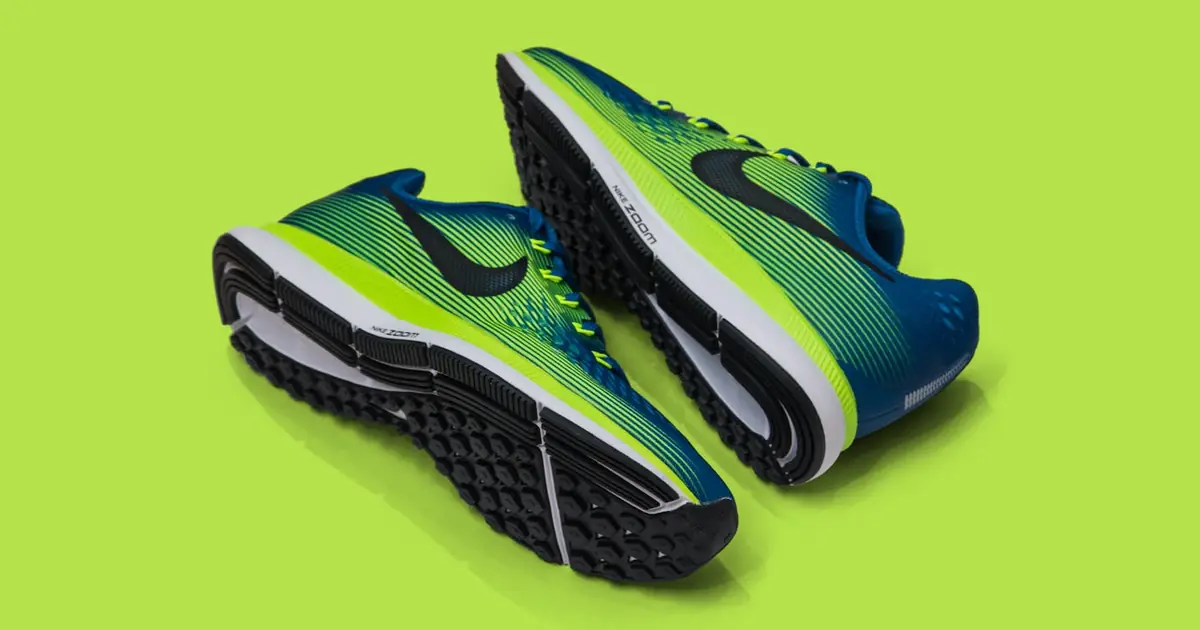
Quick answer: For overpronation knee pain stability, podiatrists recommend shoes with structured arch support, deep heel cup, and forefoot rocker. Top 2026 picks vary by foot type: Brooks Adrenaline GTS 24, ASICS Gel-Kayano 31, New Balance 860v14 — and for all-day walking, the Brooks Addiction Walker 2. Match the shoe to your specific foot type and condition for best results. Call (810) 206-1402.
![Best Shoes For Your Orthotics [Peripheral Neuropathy, Ball Of Foot Pain, Bunions & More]](https://www.michiganfootdoctors.com/wp-content/cache/flying-press/0c196dd168bb9124572500c3ab3dec38.jpg)
Medically reviewed by Dr. Tom Biernacki, DPM
Board-certified podiatric surgeon | Balance Foot & Ankle
Last reviewed: May 2026
The most important clinical decision with overpronation isn't which treatment to start with — it's which subtype or underlying cause you actually have. Our podiatrists regularly see patients who've been treated for months for the wrong diagnosis. The correct identification changes the entire treatment path. Call (810) 206-1402 — Dr. Tom evaluates this condition at both Howell and Bloomfield Township locations.
The Best Shoes for Overpronation: Podiatrist Stability Picks (2026)
Overpronation is a motion problem — the arch rolls inward and the knee follows — so the shoe that fixes it must be a stability or motion-control shoe, not just a cushioned one. Soft neutral shoes feel great but let the roll happen. Here is what I actually recommend in clinic, by use case:
1. Brooks Adrenaline GTS 24 — best overall for overpronation
The GuideRails system blocks the inward roll at the heel and supports the knee’s alignment without feeling like a brick. This is my default recommendation for runners and walkers with overpronation-driven knee pain.
2. ASICS Gel-Kayano 31 — best premium cushion + stability combo
The LITETRUSS medial support controls pronation while the FF BLAST+ foam keeps it comfortable for long days. Good for heavier runners and patients who found older motion-control shoes too rigid.
3. New Balance 860v14 — best structured daily trainer
A firmer medial post than the Adrenaline with a roomier fit, and available in wide widths. The pick when the foot is both flat and wide.
4. Brooks Addiction Walker 2 — best walking shoe for overpronation
Maximum motion control in a leather walking shoe. The one I recommend for work shifts on hard floors and for patients who walk rather than run. Takes a custom orthotic well.
5. New Balance 990v6 — best wide-width stability
Genuine 2E–4E width options with a deep heel counter and durable structured cushioning that holds up through long days.
What about Hoka Bondi, Brooks Ghost, or the NB 1080? Those are excellent neutral shoes — great cushioning, no pronation control. For an overpronator they are only appropriate when paired with a structured insole or custom orthotic that supplies the motion control the shoe doesn’t. Shoe + orthotic combinations are exactly what we fit in the office.
Frequently Asked Questions
Are flat feet always painful?
No — most people with flat feet never develop symptoms. The arch height alone doesn’t predict pain; what matters is whether the foot compensates effectively and how much load it handles. Flat feet become problematic when they cause excessive pronation that stresses the plantar fascia, posterior tibial tendon, knees, or lower back. We see flat-footed patients who run marathons without pain alongside flat-footed patients disabled by daily walking. The biomechanics matter more than the arch height.
Can flat feet be corrected without surgery?
For most people, yes — symptom control without structural correction is the goal. Custom orthotics, motion-control shoes, and targeted physical therapy (posterior tibial strengthening, calf stretching) manage flat foot symptoms effectively in 85–90% of cases. Surgical correction (calcaneal osteotomy, subtalar arthroereisis, or flatfoot reconstruction) is reserved for cases where conservative care has failed for 12+ months or the deformity is severe enough to cause joint damage.
What’s the difference between flat feet and fallen arches?
‘Fallen arches’ describes acquired adult flatfoot — when an arch that was once normal collapses over time, usually due to posterior tibial tendon dysfunction (PTTD). ‘Flat feet’ typically refers to a lifelong flexible flatfoot present since childhood. The distinction matters for treatment: acquired adult flatfoot is more urgent because active tendon degeneration is involved, and it can progress to a rigid, arthritic deformity if not treated. Flexible childhood flat feet are usually asymptomatic and don’t require intervention.
Do orthotics fix flat feet?
Orthotics don’t structurally fix flat feet — they manage the biomechanical consequences. A custom orthotic holds your foot in a corrected position while weight-bearing, reducing strain on the plantar fascia, posterior tibial tendon, and medial knee. For flexible flat feet (the most common type), a well-fitted orthotic plus motion-control footwear is often sufficient for lifelong symptom control. Rigid flat feet with arthritis may need additional intervention.
Are flat feet genetic?
Both genetic and environmental factors contribute. Flexible flat feet (most common type) have a strong hereditary component — if one or both parents have flat feet, children are significantly more likely to as well. However, obesity, prolonged standing on hard surfaces, and high-impact activity can accelerate collapse in genetically predisposed individuals. Posterior tibial tendon dysfunction — the most common cause of adult acquired flatfoot — has risk factors including age, female sex, hypertension, and diabetes.
Can flat feet cause knee and back pain?
Yes — this is one of the most common presentations we see. Overpronation from flat feet causes internal tibial rotation, which stresses the medial knee and hip. This kinetic chain effect can produce knee pain (patellofemoral syndrome), hip pain, and low back pain in patients with no direct foot symptoms. In our clinic, roughly 30% of patients presenting with knee pain have flat feet as a contributing cause. Correcting the pronation with orthotics often resolves upstream joint pain.
What shoes are best for flat feet?
Motion control and stability categories — specifically those with a medial post (a denser foam section under the arch) and a firm heel counter. New Balance 860, Brooks Adrenaline GTS, and Asics Kayano are consistently strong performers. Avoid neutral-cushioned shoes (they’re designed for efficient gaits that don’t pronate) and minimalist shoes entirely. The goal is to limit the inward collapse of the foot at midstance.
Should children with flat feet wear special shoes?
Only if symptomatic. Flexible flat feet in children are extremely common before age 6 and often resolve naturally as the arch develops. Routine shoe inserts for asymptomatic flat-footed children are not evidence-based and may actually impair natural arch strengthening. If your child complains of foot or leg pain, is walking awkwardly, or fatigues unusually quickly, bring them in for an evaluation. Symptomatic pediatric flat feet do benefit from supportive footwear and sometimes custom orthotics.
Can I strengthen my way out of flat feet?
Strengthening the posterior tibial tendon, intrinsic foot muscles, and peroneals can improve dynamic arch control and reduce symptoms — but won’t change bone structure. Short-foot exercises, single-leg calf raises, and resistance band eversion work are the best evidence-based options. In our experience, strengthening works best when combined with orthotic support rather than as a replacement. Pure strengthening programs without load management often stall.
When does flat foot pain require surgery?
Surgery is considered when: conservative treatment has failed for 12+ months, the deformity is rigid (arthritic), the posterior tibial tendon has ruptured or is severely degenerated (Stage III/IV PTTD), or significant collapse has occurred in the lateral column. About 10–15% of adult acquired flatfoot patients eventually need surgery. Modern reconstructive procedures — calcaneal osteotomy with tendon transfer — have excellent outcomes when timing is right. Delaying too long allows joint damage that makes reconstruction less effective.
Is flat foot a disability?
Flat foot alone rarely constitutes a disability, but severe symptomatic flatfoot with associated PTTD or arthritis can significantly limit function. For workers in physically demanding jobs — standing 8+ hours, climbing ladders — a symptomatic flatfoot can genuinely impact employment. We document severity and functional limitation for patients pursuing VA disability claims, workers’ comp cases, or FMLA paperwork. Schedule an appointment and we’ll provide clinical documentation of your specific case.
Want the numbers? Podiatrist Tested, our shoe-testing site, lists the specs model by model in its overpronation shoe guide.
Related Conditions
In This Article
- What Is Overpronation?
- What to Look for in a Stability Shoe
- Best Shoes for Overpronation by Severity
- Overpronation and Knee Pain: The Connection
- Frequently Asked Questions
- Sources
-
VitaMedica Arnica Gel
Natural topical relief I recommend for sore feet: an arnica gel with 15 homeopathic ingredients and soothing aloe. Massage a thin layer into the sore area.
PowerStep Pinnacle Insoles
Medical-grade arch support for overpronation correction. The OTC insole I recommend most in our clinic. ($25–35)
American Podiatric Medical Association: Flatfoot and Overpronation
In-Office Treatment at Balance Foot & Ankle
 Reviewed by Dr. Tom Biernacki, DPM, FACFASBoard-certified foot & ankle surgeon · 3,000+ surgeries · @MichiganFootDoctors (950K+ subscribers)Last reviewed May 11, 2026 · (810) 206-1402
Book online 24/7. (810) 206-1402
Learn about our overpronation & flat feet treatment → | Book online →
★★★★★ 4.9 Stars · 1,200+ Five-Star ReviewsGet Expert Care at Balance Foot & Ankle
Appointments at our Howell and Bloomfield Township offices. Board-certified podiatric surgeons. Most insurance accepted.
Appointments in Howell & Bloomfield Township
Three board-certified podiatric surgeons. 1,200+ five-star reviews. Most insurance accepted.

Dr. Tom Biernacki, DPM is a double board-certified podiatrist and foot & ankle surgeon at Balance Foot & Ankle Specialists in Southeast Michigan. With over a decade of clinical experience, he specializes in heel pain, bunions, diabetic foot care, sports injuries, and minimally invasive surgery. Dr. Biernacki is a member of the APMA and ACFAS, and his patient education content on MichiganFootDoctors.com and YouTube has reached over one million views.
Ready for Expert Care?
Appointments in Howell & Bloomfield Township, MI.
4.9★ | 1,200+ Reviews | 3,000+ Surgeries
Or call: (810) 206-1402
Overpronation, knee pain, and what connects them
When the arch collapses, the tibia rotates inward and the knee absorbs it — which is why foot correction often relieves knee symptoms. A stability shoe is a start; an orthotic addresses the cause. Balance Foot & Ankle sees patients at Howell in Livingston County and Bloomfield Township in Oakland County. Call (810) 206-1402 or book online.
Dr. Tom Biernacki, DPM is a board-certified foot & ankle surgeon (ABFAS & ABPM) at Balance Foot & Ankle Specialists in Southeast Michigan. With over a decade of clinical experience, he specializes in heel pain, bunions, diabetic foot care, sports injuries, and minimally invasive surgery. Dr. Biernacki is a member of the APMA and ACFAS, and his patient education content on MichiganFootDoctors.com and YouTube has made him one of the most-followed foot & ankle educators on YouTube.
More questions patients ask
What is overpronation and how does it cause knee pain?
See our full guide from Dr. Tom Biernacki DPM at Balance Foot & Ankle, Howell & Bloomfield Township, MI.
What type of shoes correct overpronation?
See our full guide from Dr. Tom Biernacki DPM at Balance Foot & Ankle, Howell & Bloomfield Township, MI.
What are the best stability shoes for overpronators?
See our full guide from Dr. Tom Biernacki DPM at Balance Foot & Ankle, Howell & Bloomfield Township, MI.
When should I see a podiatrist about overpronation?
See Dr. Tom Biernacki at Balance Foot & Ankle — book online 24/7. Call (810) 206-1402. Howell & Bloomfield Township, MI.
Does insurance cover orthotics for overpronation?
Most PPO and Medicare plans cover medically necessary foot care. We accept BCBS and most Michigan insurers. Call (810) 206-1402.
Still have a question about coverage or cost? Book online and we will check your benefits before your visit: Book in Howell · Book in Bloomfield Township. Prefer to talk it through first? Call (810) 206-1402.