
Medically reviewed by Dr. Tom Biernacki, DPM, board-certified foot & ankle surgeon at Balance Foot & Ankle in Howell and Bloomfield Township, Michigan. Updated October 2026.
The short answer
The best shoes for Morton’s neuroma give the ball of your foot room and cushion: a toe box wide enough that your toes never press together, a cushioned or rocker forefoot, a heel of about an inch or less, and a removable insole so you can add a metatarsal pad. Our current picks are the Altra Torin 9 for the roomiest toe box, the HOKA Bondi 9 in Wide or X-Wide for the most cushion, and the Brooks Ghost 18 in 2E or 4E if you do better with a higher heel. Pair any of them with a metatarsal pad placed just behind the ball of the foot, not under it.

Why the right shoe matters
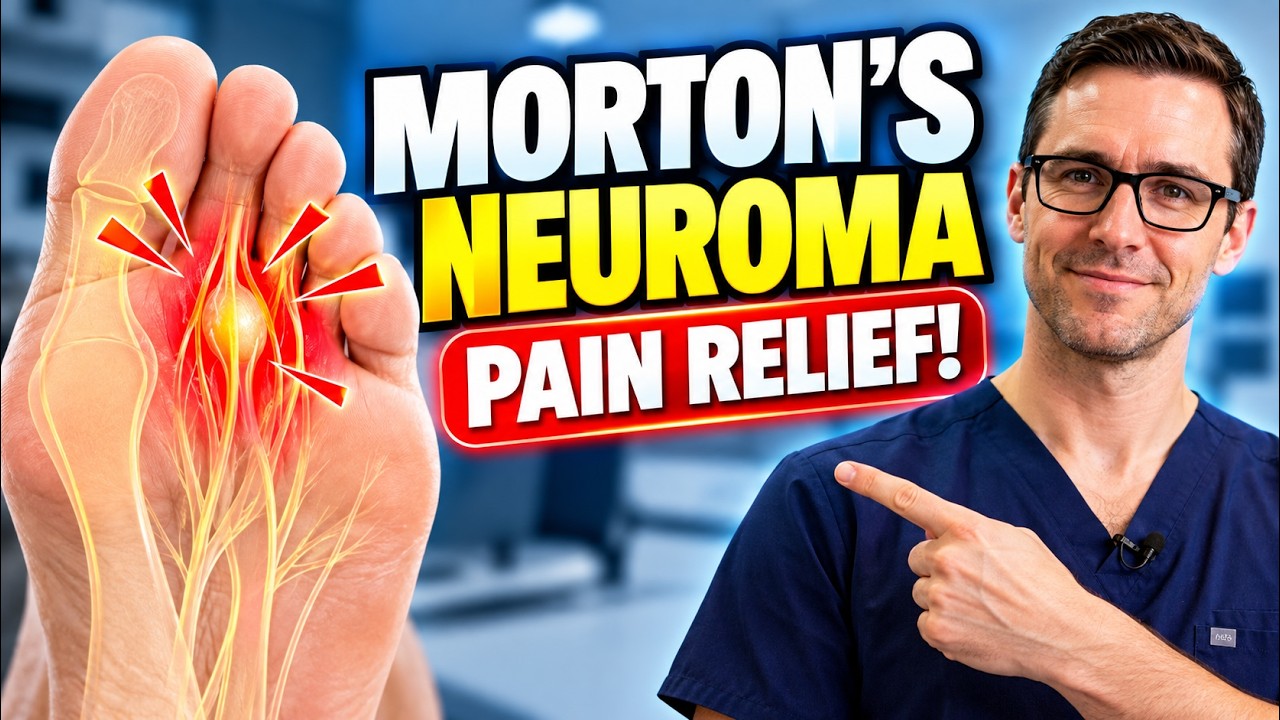
Morton’s neuroma is a thickened, irritated nerve between two of the long bones of the forefoot, most often between the third and fourth toes. It typically causes burning, tingling or numbness in those toes and the feeling of a pebble or a folded sock under the ball of the foot. Two things in a shoe make it worse: a toe box that squeezes the forefoot from the sides, and a raised heel that pushes your weight onto the ball of the foot. Fix those two, add a metatarsal pad, and many people feel a real difference within a few weeks.
Our picks at a glance
| Shoe | Best for | Heel-to-toe drop | Widths |
|---|---|---|---|
| Altra Torin 9 | Roomiest toe box | 0 mm | Standard and wide (2E men’s, D women’s) |
| HOKA Bondi 9 | Most cushion, rocker sole | 5 mm (5.5 mm in Wide) | Standard, Wide, X-Wide |
| Brooks Ghost 18 | Cushion with a higher heel | 10 mm | Men’s D, 2E, 4E |
| New Balance 1080v15 | Thickest, softest forefoot | 6 mm | Men’s D, 2E |
| Topo Athletic Phantom 4 | Toe room without zero drop | 5 mm | Standard |
| Brooks Adrenaline GTS 25 | Flat feet, overpronation | 10 mm | Men’s D, 2E, 4E |
| New Balance 990v6 | Everyday walking and standing | Not published | Men’s D, 2E, 4E |
| Dansko Professional | Long shifts at work | 2-inch heel, 0.8-inch platform | Medium; narrow and wide in some women’s styles |
Specs are as the brand or a major retailer lists them (Running Warehouse, REI, Fleet Feet, SportsShoes, Paragon Sports and Dansko), checked October 2026. We list them so you can compare. We did not lab-test these shoes.
What to look for in a shoe for Morton’s neuroma
- Room across the ball of the foot. Your toes should never press against each other or the sides of the shoe. The widest part of the shoe should line up with the widest part of your foot.
- A cushioned or rocker forefoot. Thick foam softens each push-off, and a rocker sole rolls you forward so the ball of the foot spends less time bent and loaded.
- A low heel. About an inch or less. The higher the heel, the more of your weight lands on the forefoot.
- A removable insole. So a metatarsal pad or orthotic fits without making the shoe tight.
- A soft upper. Mesh or knit that gives, rather than stiff leather that pinches.
The picks
1. Altra Torin 9: the roomiest toe box
Altra shapes its shoes like a foot, wide at the toes instead of tapering to a point, so the bones at the ball of the foot aren’t squeezed together. The Torin 9 uses Altra’s Standard FootShape fit, which sits between its roomier Original fit and narrower Slim fit, and it also comes in wide sizes. It is zero drop: the heel sits no higher than the forefoot, which keeps your weight from tipping forward but asks more of the calf and Achilles. Ease into it over a couple of weeks. If you also have Achilles tendinitis, tight calves or plantar fasciitis, choose a shoe with 8–10 mm of drop instead, such as the Ghost 18 below.
Published specs: 28 mm stack, 0 mm drop; wide sizes 2E (men’s) and D (women’s), per Fleet Feet.
2. HOKA Bondi 9 (Wide or X-Wide): the most cushion
The Bondi is HOKA’s max-cushion everyday shoe, with 42 mm of foam under the heel and 37 mm under the forefoot, and a MetaRocker sole that rolls you through each step. That combination takes a lot of pressure off the ball of the foot. Buy it in Wide or X-Wide: RunRepeat’s lab measured the standard-width Bondi 9’s toe box at 72.5 mm, slightly under the 73.2 mm average of the shoes it tests, and described the fit as snug. That is the opposite of what a neuroma needs. The Bondi is a good choice if you also have heel pain or a thinning fat pad under the foot.
Published specs: 42 mm heel, 37 mm forefoot, 5 mm drop (5.5 mm in Wide and X-Wide); Standard, Wide and X-Wide, per REI.
3. Brooks Ghost 18 (2E or 4E): cushion with a higher heel
If a flat or low-drop shoe bothers your Achilles or heel, the Ghost gives you a soft DNA LOFT v3 midsole with a traditional 10 mm drop, and Brooks makes the men’s version in 2E and 4E widths. That lets you get real room across the forefoot without sizing up in length. It has less rocker than the Bondi, so it works best with a metatarsal pad.
Published specs: 36 mm heel, 26 mm forefoot, 10 mm drop; men’s D, 2E and 4E, per Running Warehouse.
4. New Balance 1080v15: the thickest, softest forefoot
The 1080v15 puts 32 mm of New Balance’s Infinion foam under the ball of the foot, one of the thickest forefoots on this list, with a moderate 6 mm drop. That extra layer softens every push-off. Choose the 2E if your foot is at all broad across the ball.
Published specs: 38 mm heel, 32 mm forefoot, 6 mm drop; men’s D and 2E, per Running Warehouse.
5. Topo Athletic Phantom 4: toe room without zero drop
The Phantom 4 has Topo’s roomy toe box, which lets the toes spread out like an Altra, but it keeps a small 5 mm drop, with dual-density ZipFoam underfoot. It is a good middle ground if you want Altra-style toe room without going completely flat.
Published specs: 33 mm heel, 28 mm forefoot, 5 mm drop, per SportsShoes (autumn/winter 2026 model).
6. Brooks Adrenaline GTS 25 (2E or 4E): if you have flat feet
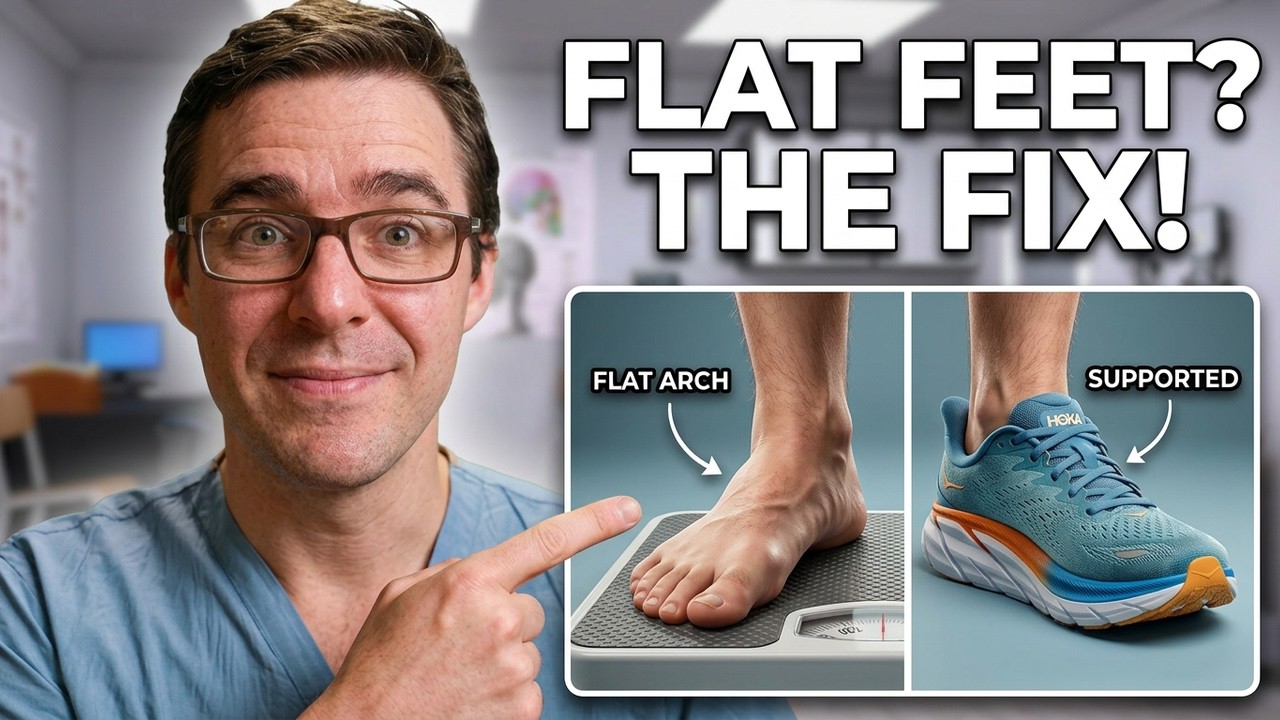
Flat feet and overpronation let the forefoot spread, and a narrow stability shoe can pinch the neuroma. The Adrenaline steadies the foot with Brooks’ GuideRails support system rather than a traditional medial post, and it comes in 2E and 4E, so you get support and forefoot room together.
Published specs: 39 mm heel, 29 mm forefoot, 10 mm drop; men’s D, 2E and 4E, per Running Warehouse.
7. New Balance 990v6: for everyday walking and standing
For long days of walking or standing rather than running, the 990v6 pairs FuelCell foam with an ENCAP midsole (foam inside a firmer polyurethane rim) for a stable, cushioned ride. New Balance makes the men’s version in D, 2E and 4E, so you can get the width you need.
Published specs: FuelCell and ENCAP midsole; men’s D, 2E and 4E, per Paragon Sports. New Balance doesn’t list the drop.
8. Dansko Professional: for long shifts
Dansko describes the Professional’s toe box as roomy and its polyurethane rocker bottom as promoting forward motion, and it is a long-time favorite of nurses and others who stand all day. The catch is its 2-inch heel (with a 0.8-inch platform), higher than the athletic shoes above, and a higher heel shifts weight toward the ball of the foot. If you already wear clogs at work, it is a reasonable choice. If your neuroma flares in it, switch to one of the athletic shoes above for your shifts. Most styles come in medium width, and Dansko also makes narrow and wide clogs for women.
View the Dansko Professional (women’s) on Amazon →
How to tell if a shoe has enough room
- The insole test. Take the insole out and stand on it. If your foot spills over the edges at the ball of the foot, the shoe is too narrow.
- The wiggle test. You should be able to wiggle all five toes, with about a thumb’s width between your longest toe and the end of the shoe.
- Shop late in the day, when your feet are largest, and wear the socks you’ll use.
- Lace loosely across the forefoot. If the front still feels tight, skip the bottom pair of eyelets.
- Replace worn shoes. When the forefoot foam feels flat, often after 300–500 miles of running, the cushioning has stopped protecting the nerve.
Shoes that make Morton’s neuroma worse
- High heels. The higher the heel, the more weight lands on the ball of the foot.
- Pointed or narrow toes, including many dress shoes and ballet flats.
- Tight athletic shoes, even well-cushioned ones.
- Thin, flexible shoes with no forefoot cushion. Barefoot-style shoes have roomy toe boxes, which helps, but very little foam under the ball of the foot.
- Worn-out shoes whose forefoot foam has gone flat.

Add a metatarsal pad: behind the ball of the foot, not under it
Even in the right shoe, a metatarsal pad helps. Placed just behind the ball of the foot, behind the third and fourth metatarsal heads, it lifts and spreads those bones slightly and takes pressure off the nerve between them. The most common mistake we see is putting the pad directly under the sore spot, which adds pressure instead of relieving it. Another is using a soft cushioned insole instead of a pad: cushioning alone doesn’t spread the bones. Stick the pad to the shoe’s insole, walk around, and adjust it. If it feels like a lump, move it back a little or trim it.
- Dr. Jill’s Felt Metatarsal Pads (1/4 inch, 100 pieces) on Amazon →
- If you also want arch support, stick the pad onto a firm insole such as PowerStep Pinnacle (see today’s price) →
Step-by-step placement with pictures: how metatarsal pads work and where to put them. Comparing pads and insoles with a built-in metatarsal pad: our Morton’s neuroma insoles guide.
Quick relief during a flare
- Take the shoe off and massage the ball of the foot and the space between the sore toes.
- Ice the area for about 15 minutes.
- Cut back on long walks, running and heels until it settles.
- Over-the-counter anti-inflammatories can help for a few days if they are safe for you; check with your doctor if you’re unsure.
- A topical pain-relief gel, such as Doctor Hoy’s Natural Pain Relief Gel, can take the edge off for some people. It doesn’t treat the nerve itself.
When shoes and pads aren’t enough
If you’ve worn roomy, cushioned shoes with a metatarsal pad for 6–8 weeks and still have burning, numbness or that pebble feeling, see a podiatrist. Other problems can feel similar (see below), and an exam, sometimes with an ultrasound, shows what is going on. Next steps can include custom orthotics and a corticosteroid injection. In a randomized trial, people given a steroid injection reported better foot health at three months than those given a numbing injection alone. For stubborn cases there are procedures that calm or remove the irritated nerve. Read more in our Morton’s neuroma guide.

Is it Morton’s neuroma? Conditions that feel similar
- Capsulitis of the second toe joint: pain at the base of the second toe rather than between the toes. How to tape for capsulitis.
- Metatarsal stress fracture: pinpoint tenderness on one bone, often after a jump in activity.
- Freiberg’s infraction: damage to the head of a metatarsal bone, seen on X-ray.
- Metatarsalgia: general ache across the ball of the foot, without the burning or numbness between two toes.
Get seen promptly if you have:
- Pinpoint pain on a single metatarsal bone (possible stress fracture)
- Trouble putting weight on the foot
- Numbness spreading beyond the toes
- A toe that is drifting or crossing over its neighbor
Frequently asked questions
What shoes should I avoid with Morton’s neuroma?
High heels, pointed or narrow toe boxes, tight athletic shoes, thin shoes with no forefoot cushion, and worn-out shoes. All of them either squeeze the forefoot or load the ball of the foot.
Are HOKA shoes good for Morton’s neuroma?
Many people do well in the HOKA Bondi 9 because of its thick cushion and rocker sole. Buy it in Wide or X-Wide: the standard width’s toe box measured on the snug side in RunRepeat’s lab test.
Is a zero-drop shoe like Altra good for Morton’s neuroma?
The roomy toe box is what helps. Zero drop isn’t required, and it puts more work on the calf and Achilles, so switch over gradually. If you have Achilles or heel problems, the Topo Phantom 4 (5 mm drop) or Brooks Ghost 18 (10 mm) gives you toe room with more heel.
Can the right shoes make Morton’s neuroma go away?
Shoes don’t shrink the thickened nerve, but taking the pressure off it often settles the symptoms, especially with a metatarsal pad. If you still have symptoms after 6–8 weeks, have it checked.
Are sandals okay with Morton’s neuroma?
A supportive sandal with a contoured footbed, a roomy front and a low heel can be fine. Flat flip-flops usually make it worse.
Can I keep running with Morton’s neuroma?
Often, yes: in a roomy, cushioned shoe with a metatarsal pad and loose lacing across the forefoot. Cut back during flares, and swap in cycling or swimming if running sets it off.
Morton’s neuroma care in Michigan
Balance Foot & Ankle treats Morton’s neuroma at our Howell office (4330 E Grand River Ave, Howell MI 48843) and our Bloomfield Township office (43494 Woodward Ave #208, Bloomfield Township MI 48302). Book online 24/7 at either office.
Call (810) 206-1402 or book online.
References
- Jain S, Mannan K. The diagnosis and management of Morton’s neuroma: a literature review. Foot & Ankle Specialist. 2013;6(4):307–317.
- Thomson CE, Beggs I, Martin DJ, et al. Methylprednisolone injections for the treatment of Morton neuroma: a patient-blinded randomized trial. Journal of Bone and Joint Surgery (American). 2013;95(9):790–798.
- Thomson CE, Gibson JN, Martin D. Interventions for the treatment of Morton’s neuroma. Cochrane Database of Systematic Reviews. 2004;(3):CD003118.
- Pastides P, El-Sallakh S, Charalambides C. Morton’s neuroma: a clinical versus radiological diagnosis. Foot and Ankle Surgery. 2012;18(1):22–24.
Affiliate disclosure: some links on this page are affiliate links. If you buy through them, Balance Foot & Ankle may earn a small commission at no extra cost to you.

Dr. Tom Biernacki, DPM is a board-certified foot & ankle surgeon (ABFAS & ABPM) at Balance Foot & Ankle Specialists in Southeast Michigan. With over a decade of clinical experience, he specializes in heel pain, bunions, diabetic foot care, sports injuries, and minimally invasive surgery. Dr. Biernacki is a member of the APMA and ACFAS, and his patient education content on MichiganFootDoctors.com and YouTube has made him one of the most-followed foot & ankle educators on YouTube.