
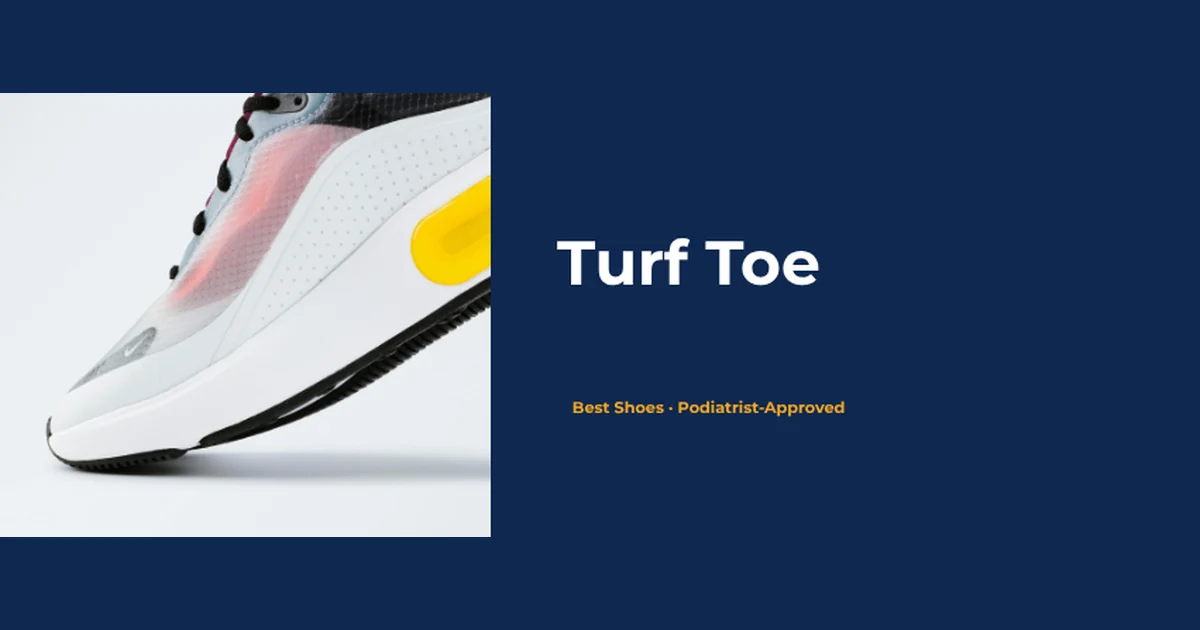

For turf toe, the right shoe has a stiff carbon plate or rocker sole that prevents the painful big-toe bending during push-off — and that single feature can take 70% of pain away in seconds.
Still hurting after switching shoes? Footwear helps, but it can’t fix the underlying problem. See a podiatrist — pick a real appointment time online, 24/7: Howell or Bloomfield Township. Takes about a minute, 24/7.
You’re in the right place. Dr. Tom Biernacki, DPM, FACFAS — board-certified foot & ankle surgeon with 3,000+ surgeries — explains exactly what the best shoes for turf toe means and what works. Call (810) 206-1402 to book at Howell or Bloomfield Township.

![#1 Big Toe Joint Pain Cure [Arthritis? Sesamoiditis? Turf Toe? Gout?]](https://www.michiganfootdoctors.com/wp-content/cache/flying-press/307076f00c306b5df44c95d32ca0514e.jpg)
Watch: #1 Big Toe Joint Pain Cure [Arthritis? Sesamoiditis? Turf Toe? Gout?] — MichiganFootDoctors YouTube
Quick Answer: Best Shoes for Turf Toe
The best shoes for turf toe have a stiff, non-bending sole that prevents great toe dorsiflexion — the movement that re-injures the plantar plate and sesamoid complex with every step. In our clinic, a carbon fiber shoe insert inside a rigid-soled shoe creates the most effective mechanical offload for turf toe recovery. Flexible-soled athletic shoes — even high-quality ones — allow the bending force that perpetuates the injury. The stiffer the sole, the faster the recovery.
Turf toe is a sprain of the plantar plate and capsuloligamentous complex of the first metatarsophalangeal (MTP) joint — the great toe joint. Despite the name, it doesn’t only occur on artificial turf; it affects any athlete or person who hyperextends the great toe during push-off or a fall. In our clinic, we see turf toe in football players, soccer players, martial artists, and patients who simply stubbed their toe hard enough to stretch the plantar plate. The defining characteristic is pain with any dorsiflexion of the great toe — and the treatment hierarchy is clear: eliminate great toe dorsiflexion during activity with rigid footwear, and the plantar plate can heal.
What Is Turf Toe and How Is It Graded
Turf toe refers specifically to hyperextension injury of the first MTP joint — a forced dorsiflexion of the great toe that stretches or tears the plantar plate, sesamoid ligaments, and joint capsule. The injury is graded 1-3 based on severity. Grade 1 (stretch) involves plantar capsule stretching with point tenderness and minimal swelling — most athletes play through this. Grade 2 (partial tear) involves partial plantar plate tearing with significant swelling, limited great toe motion, and inability to push off normally. Grade 3 (complete tear/dislocation) involves complete plantar plate disruption, significant MTP instability, and often requires surgical repair.
In our clinic, we assess turf toe with weight-bearing X-rays (to rule out associated sesamoid fracture or MTP dislocation) and stress testing of the plantar plate. MRI is indicated for Grade 2-3 injuries to fully characterize the extent of soft tissue disruption and guide management. The footwear component of treatment is the same across all grades: eliminate great toe dorsiflexion force to allow the plantar plate to heal without repetitive re-injury.
Turf Toe, Sesamoiditis or Hallux Rigidus — Telling Them Apart
Three common problems cause pain at the big toe joint, and all three can feel better in a shoe that doesn’t bend at the ball of the foot. So a shoe that helps doesn’t tell you which one you have.
Turf toe usually has a moment you can name: a push-off, a tackle, a fall. The joint itself is tender, especially underneath, and may swell. Sesamoiditis tends to build up gradually with repeated stress, and the soreness usually sits under one of the two small bones beneath the joint.
Hallux rigidus is arthritis of the same joint. It comes on gradually, with stiffness, pain on top of the joint as the toe bends up, and often a bony bump on top. It is managed rather than healed.
All three flare when the big toe bends upward under load, so a rigid sole, a rocker or a Morton’s extension can ease any of them. If you can’t name an injury, or the pain sits mostly on top of the joint, it may not be turf toe. In our clinic, an exam and X-rays usually tell them apart; the X-rays also check the sesamoids for a break.
Shoe Criteria for Turf Toe Recovery
- Rigid non-bending sole: The defining criterion. Hold the shoe at heel and toe — it must not bend at the ball of the foot. Any flex at the MTP region dorsiflexes the great toe during push-off, re-stressing the healing plantar plate. Steel-shank work boots, rocker-sole shoes, and shoes modified with a carbon fiber insert are the standard.
- Rocker-sole geometry: A beveled outsole that rolls over the forefoot without requiring great toe dorsiflexion significantly reduces first MTP joint stress during the propulsive phase of gait.
- Wide toe box: Prevents lateral compression of the injured MTP joint and allows post-injury swelling without external pressure on the capsule.
- Removable insole: Required for carbon fiber Morton’s extension insert placement — a rigid flat insert that extends under the great toe to block dorsiflexion movement.
- Secure lace or strap closure: Prevents the foot from sliding forward in the shoe during push-off — sliding loads the injured toe against the shoe upper.
Top Shoes for Turf Toe — Podiatrist Picks
After evaluating shoes for turf toe-specific criteria — sole rigidity, rocker geometry, and toe box width — these are the models we most frequently recommend for turf toe recovery at Balance Foot & Ankle.
How we chose: The Hoka Bondi 9 is our top off-the-shelf pick for turf toe — its maximal rocker sole rolls you through each step without forcing the painful big-toe joint to bend.

As an Amazon Associate, Balance Foot and Ankle earns from qualifying purchases. Product links are affiliate links and we may earn a commission at no extra cost to you. This does not influence our clinical recommendations. Last update on 2026-10-18 / Images from Amazon Product Advertising API
Pair it with a carbon-fiber Morton’s-extension insert — the single most effective modification for turf toe (full protocol below). It blocks great-toe dorsiflexion and turns a flexible shoe into a functional turf-toe brace.
Carbon Fiber Morton’s Extension — The Key Turf Toe Intervention
The most effective footwear modification for turf toe is a carbon fiber Morton’s extension insert — a rigid full-length carbon fiber plate that extends under and slightly beyond the great toe, blocking dorsiflexion at the MTP joint during push-off. This device transforms a flexible athletic shoe into a functional turf toe brace, allowing athletes to return to play earlier while the plantar plate heals. In our clinic, we fabricate custom carbon fiber inserts for athletes and modify existing orthotics (PowerStep Pinnacle as the base) with a Morton’s extension addition.
PowerStep Pinnacle + Carbon Fiber Morton’s Extension Protocol
PowerStep Pinnacle full-length insole as the base, with a custom carbon fiber extension added distal to the first metatarsal head. Blocks great toe dorsiflexion while maintaining arch support and heel cushioning.
✅ Best for: Grade 1-2 turf toe return to activity, sesamoiditis, hallux rigidus
❌ Not ideal for: Grade 3 turf toe (surgical evaluation first), extra-narrow cleats
Shop at Michigan Foot Doctors →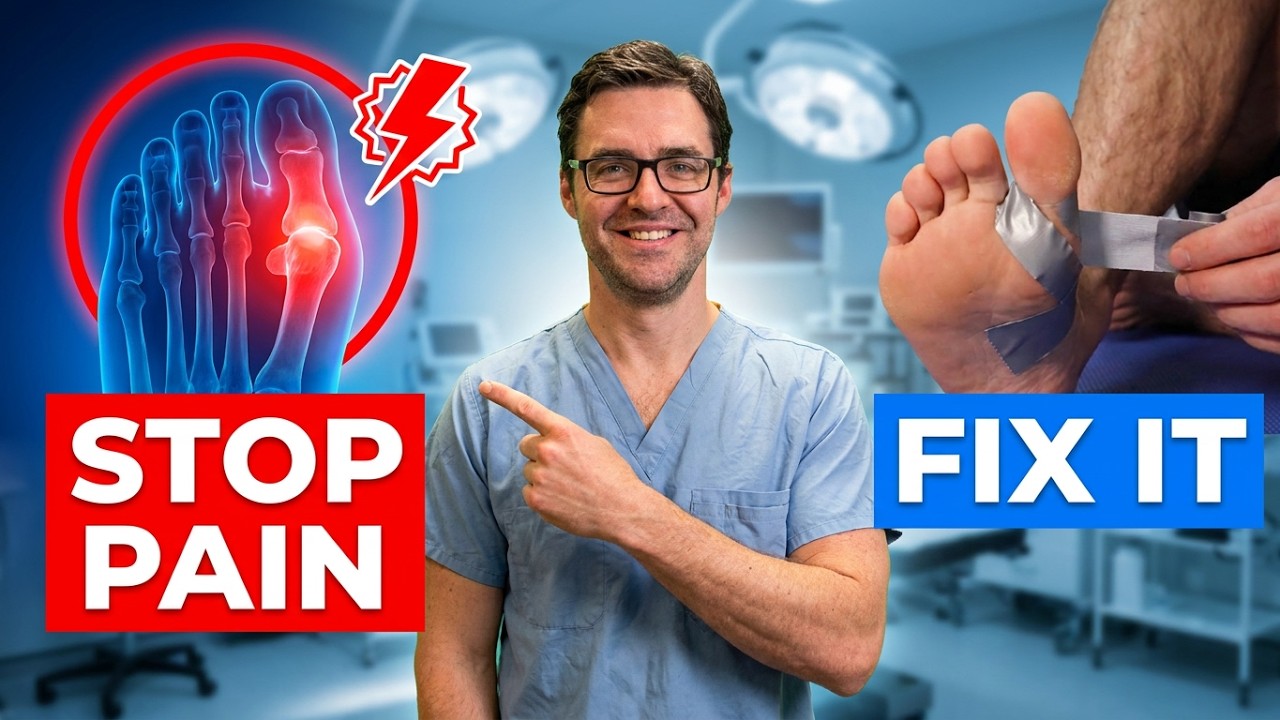
Before You Go Back to Play — Cleats, Turf Shoes and Taping
Turf toe got its name when it became common in football players on early artificial turf, a hard surface played in soft, flexible shoes. It happens on grass too. The forefoot is planted, the heel lifts, and the big toe is forced up too far. When you can return depends on the grade and an exam, not on the shoe alone.
Check a cleat like any shoe: hold it at the heel and toe and try to bend it at the ball of the foot. It should resist. A carbon fiber insert should run under the big toe, not stop short of the joint, and the cleat needs room for it without crushing the foot. That is why extra-narrow cleats are a poor match for the setup above.
Turf shoes and indoor flats can be the most flexible shoes an athlete owns, so give them the same check.
Taping the big toe limits how far it can bend up and is often part of a return to play. Use it alongside a stiff forefoot or an insert, not in place of one. If push-off still hurts, hold off and have the joint rechecked.
Red Flags — When Turf Toe Needs Urgent Evaluation
- Visible great toe dislocation or gross deformity after the injury
- Significant swelling and bruising extending into the midfoot (possible Lisfranc injury)
- Complete inability to bear weight on the foot
- Turf toe that fails to improve after 4-6 weeks of rigid footwear and activity restriction
- Instability of the great toe joint — the toe moves abnormally in directions it shouldn’t
- Turf toe in a professional or competitive athlete (MRI needed to characterize the injury before return-to-play decisions)
FAQ — Shoes for Turf Toe
How long does turf toe take to heal with proper footwear? Grade 1 turf toe with rigid footwear management typically heals in 1-2 weeks. Grade 2 partial tears require 3-6 weeks of strict activity modification and rigid shoe management. Grade 3 complete tears may require 3-6 months of conservative care or surgical repair with 4-6 months post-operative recovery.
Can I play sports with turf toe? Grade 1 turf toe with minimal symptoms can often be managed with rigid shoe modification (carbon fiber Morton’s extension) and taping for return to sport. Grade 2-3 injuries typically require a period of non-weight-bearing or protected weight-bearing before return to sport. Attempting to play through a Grade 2-3 turf toe without proper management risks progression to a complete plantar plate rupture.
What is the difference between turf toe and hallux rigidus? Turf toe is an acute traumatic injury to the plantar MTP capsuloligamentous complex. Hallux rigidus is a chronic degenerative condition of the MTP joint causing progressive loss of dorsiflexion from cartilage wear and osteophyte formation. They both cause pain with great toe dorsiflexion, but turf toe has an acute traumatic onset while hallux rigidus is gradual. Both conditions benefit from rigid sole footwear that limits great toe motion.
When should I see a podiatrist for turf toe? See a podiatrist for any turf toe that causes significant pain, limits walking, or fails to improve within 7-10 days. Grade 2-3 injuries need imaging to characterize the extent of plantar plate damage. Dr. Biernacki at Balance Foot & Ankle offers expert evaluations — (810) 206-1402.
Is turf toe painful? Usually, yes. Most people notice pain at the base of the big toe after it is forced upward, then swelling and stiffness. Pushing off hurts most. A mild sprain is tender in one spot with slight swelling. A partial tear hurts over a wider area, with more swelling and often bruising. A complete tear brings severe pain and makes the toe hard to move. If you can’t bear weight, the joint feels loose, or it isn’t improving, have it checked.
Why is the bottom of my big toe hurting when I walk? Three common causes share that joint. Turf toe, a sprain of the tissue under the joint, usually starts with one forced bend, like a push-off or a fall. Sesamoiditis, irritation around the two small bones under the joint, usually builds up gradually. Hallux rigidus, arthritis of the joint, more often hurts on top and stiffens the toe. All three hurt more on push-off. A hot, red, swollen joint that flares suddenly can mean gout or an infection, and tingling or numbness points to a nerve problem; get either checked promptly.
Can wearing flip-flops cause pain in my big toe? They can make a sore big toe joint hurt more. A thin, bendy flip-flop lets the joint bend with every step, the opposite of the stiff sole this page recommends. Flip-flops are not the usual cause of turf toe, which most often follows one forced upward bend of the toe. While the joint heals, choose a sandal with a firm sole that doesn’t fold at the ball of the foot and a strap that holds the foot in place.
What shoes does a podiatrist recommend for hallux rigidus? Much the same as for turf toe: a stiff sole that doesn’t bend at the ball of the foot, a rocker bottom that rolls you over the joint, and a roomy toe box that doesn’t press on the bump on top. A carbon fiber Morton’s extension insert adds stiffness when the shoe alone isn’t enough. The difference: turf toe is protected until it heals, but hallux rigidus is arthritis managed for years, so all-day comfort matters more.
Does taping work for turf toe? It can help. Taping the big toe limits how far it bends upward and is often part of a return to sport. Use it alongside a stiff shoe or a carbon fiber Morton’s extension insert, not instead of one. Tape alone is not enough for a more serious sprain: a partial or complete tear may first need a walking boot or protected weight-bearing. The right taping, and when to start, depends on the grade, so have the joint checked first.
Turf Toe Evaluation — Same Day
Dr. Tom Biernacki evaluates turf toe severity with stress X-rays and clinical plantar plate assessment to determine grade, guide footwear modification, and clear athletes for return to sport.
Book an Appointment →Howell: 4330 E Grand River Ave | Bloomfield Township: 43494 Woodward Ave #208
Sources
- McCormick JJ, Anderson RB. “Turf toe: anatomy, diagnosis, and treatment.” Sports Health. 2010.
- Clanton TO, Ford JJ. “Turf toe injury.” Clinics in Sports Medicine. 1994.
- Crain JM, Phancao JP, Stidham K. “MR imaging of turf toe.” Magnetic Resonance Imaging Clinics of North America. 2008.
- Mullen JE, O’Malley MJ. “Sprains — residual instability of subtalar, Lisfranc joints, and turf toe.” Clinics in Sports Medicine. 2004.
- Gupta A, et al. “Turf toe injuries in the athlete: an updated review of treatment options, rehabilitation protocols, and return-to-play outcomes.” Current Reviews in Musculoskeletal Medicine. 2023.
- American Academy of Orthopaedic Surgeons. “Turf toe.” OrthoInfo.
Related Conditions & Resources
For more on related conditions and treatments:
- Turf toe treatment guide
- Big toe sprain treatment
- Sesamoiditis treatment 2026
- Big toe arthritis treatment
- Metatarsalgia: ball of foot pain causes
- Howell podiatrist office
- Bloomfield Township podiatrist office
Need to see a podiatrist? Book online or call (810) 206-1402. Book online 24/7.

Dr. Tom Biernacki, DPM is a board-certified foot & ankle surgeon (ABFAS & ABPM) at Balance Foot & Ankle Specialists in Southeast Michigan. With over a decade of clinical experience, he specializes in heel pain, bunions, diabetic foot care, sports injuries, and minimally invasive surgery. Dr. Biernacki is a member of the APMA and ACFAS, and his patient education content on MichiganFootDoctors.com and YouTube has made him one of the most-followed foot & ankle educators on YouTube.
Dr. Tom Biernacki, DPM is a board-certified foot & ankle surgeon (ABFAS & ABPM) at Balance Foot & Ankle Specialists in Southeast Michigan. With over a decade of clinical experience, he specializes in heel pain, bunions, diabetic foot care, sports injuries, and minimally invasive surgery. Dr. Biernacki is a member of the APMA and ACFAS, and his patient education content on MichiganFootDoctors.com and YouTube has made him one of the most-followed foot & ankle educators on YouTube.