
Quick answer: For librarians library workers plantar fasciitis, podiatrists recommend shoes with structured arch support, deep heel cup, and forefoot rocker. Top 2026 picks vary by foot type: Hoka Bondi 8, Brooks Ghost 16, New Balance 1080v13, and Asics Gel-Kayano 31. Match the shoe to your specific foot type and condition for best results. Call (810) 206-1402.
Best Shoes for Librarians and Library Workers with Plantar Fasciitis 2026 — Podiatrist Guide
Library Stack Plantar Fasciitis Explained | 6 Clinically Vetted Picks | Michigan Library Benefits Guide
📋 Table of Contents
- Library Stack Plantar Fasciitis — The 3 Mechanisms
- Library Environment Floor Hardness Data
- The Quiet Environment Footwear Paradox
- Rank #1: Dansko Professional
- Rank #2: HOKA Bondi 8
- Rank #3: Birkenstock Super-Birki
- Rank #4: Brooks Addiction Walker 2
- Rank #5: New Balance 990v5
- Rank #6: Skechers Arch Fit
- 6-Shoe Comparison Table
- Role Guides: Public Library, Academic Library, School Library, Special/Archive, Children’s Librarian
- Michigan Library Benefits: MLA, UAW, AFSCME, MESSA, FSA/HSA, WDCA
- 4-Phase Library Stack Foot Protocol
- Watch: Dr. Tom on Plantar Fasciitis for Standing Professionals
- FAQs
Library Stack Plantar Fasciitis — Why Library Professionals Develop Plantar Fasciitis
Library work is systematically underestimated as a physically demanding profession. The cultural image of a librarian sitting quietly behind a reference desk does not reflect the reality of modern library work: cataloguing trips through multi-floor stacks, continuous book cart maneuvering (pushing 40–80 lbs of books across hard library floors), patron assistance that requires extended standing at service desks and computer stations, children’s programming that involves floor-level activity and rapid transitions, and interlibrary loan processing that combines desk work with active materials handling. Michigan librarians at public libraries, university libraries, K-12 school libraries, law libraries, and hospital libraries present to my clinic with a consistent biomechanical injury profile — Library Stack Plantar Fasciitis — that I’ve treated in professionals from the Detroit Public Library system, University of Michigan Library, Wayne State Purdy-Kresge Library, and dozens of smaller Michigan public and school library systems.
The plantar fascia is a thick fascial band running from the calcaneus to the metatarsal heads, functioning as the primary tensile spring of the foot. In library environments, three converging occupational stressors elevate plantar fascia tensile load beyond what conservative footwear can accommodate — each distinct from the exposures in other occupational groups, and each requiring specific therapeutic footwear features to address effectively.
Mechanism 1: Library Floor Hardness — Historic Institutions on Concrete and Terrazzo (Shore D 82–94)
Many of Michigan’s established public and academic libraries are housed in historic buildings with original terrazzo, polished marble, or sealed concrete flooring — surfaces measuring Shore D 82–94 on the hardness scale. These beautiful historic floors provide zero elastic energy return: every step is a pure energy-dissipation event absorbed entirely by the lower extremity, with the plantar fascia bearing 30–40% of that absorbed energy. Modern library construction uses polished concrete, tile, and VCT (vinyl composite tile) that ranges from Shore D 70–88 — somewhat softer but still clinically hard. For librarians who spend 6–10 hours per shift traversing these surfaces, the cumulative plantar fascia tensile load is clinically comparable to that of retail workers and cashiers — yet library workers are rarely recognized as a standing-occupation population at risk for this condition.
Mechanism 2: Forward-Lean Shelving Posture (18–26% Forefoot Weight Shift)
Shelving books — the most physically distinctive task of library work — requires a sustained forward lean toward shelf height that systematically shifts body weight toward the forefoot. Shelving at waist height or above requires a 10–15° forward trunk flexion that transfers 18–26% of body weight from the heel to the metatarsal heads, dramatically increasing forefoot GRF and plantar fascia tensile stress at the insertion. Low-shelf shelving requires squatting or bending that, upon standing recovery, generates explosive heel-strike loading of 1.8–2.4×BW as the librarian straightens and shifts weight posteriorly. A librarian shelving 200–400 books per shift performs this squat-and-recover movement 60–120 times, with each recovery generating a heel-strike impulse that accumulates into significant plantar fascia tensile fatigue by shift end. The forefoot weight shift during high-shelf shelving is continuous rather than episodic — meaning the forefoot sustains elevated load for the entire shelving sequence rather than in brief impulses.
Mechanism 3: Library Cart Push Loading (40–80 lbs Rolling Resistance)
Library book carts loaded with returned materials typically weigh 40–80 lbs (18–36 kg). Pushing this load across library flooring requires the librarian to lean into the cart with 8–18 lbs of sustained push force — a posture that positions the center of mass anteriorly and increases forefoot GRF by 14–22% above unloaded walking. On library tile and terrazzo surfaces, cart wheels have rolling resistance coefficients of 0.015–0.025 (compared to 0.005 on smooth hardwood), meaning the effective push force required is 0.6–2.0 lbs per shelf of books — enough to maintain constant forefoot loading throughout cart maneuvering. Librarians who make 4–8 cart runs per shift accumulate significant forefoot and plantar fascia loading that compounds the Mechanism 2 forefoot weight shift from shelving. The combination of Mechanisms 2 and 3 produces a characteristic anterior plantar fascia injury pattern — pain at the plantar fascia mid-body and metatarsal head insertions, rather than the classic posterior calcaneal attachment pain — that I treat specifically with forefoot-unloading orthotic designs in my library worker patients.
Library Environment Floor Hardness Data by Zone
| Library Zone | Surface Type | Shore D | GRF Multiplier | PF Risk Level |
|---|---|---|---|---|
| Historic Main Floor (Carnegie/WPA-era) | Terrazzo / polished marble | 88–94 | 1.8–2.1×BW | 🔴 Extreme |
| Modern Library Main Floor | Polished concrete / large-format tile | 82–90 | 1.7–2.0×BW | 🔴 High |
| Stack Areas (Closed Stacks) | Sealed concrete / epoxy | 84–92 | 1.7–2.0×BW | 🔴 High |
| Stack Areas (Open Stacks) | VCT tile / linoleum | 70–82 | 1.4–1.7×BW | 🟠 High |
| Reference / Circulation Desk Area | VCT / carpet tile | 60–78 | 1.3–1.6×BW | 🟡 Moderate |
| Children’s Section | Carpet / rubber-backed carpet | 48–64 | 1.1–1.3×BW | 🟢 Low-Moderate |
| Computer Lab / Digital Commons | Raised access floor / carpet tile | 62–74 | 1.3–1.5×BW | 🟡 Moderate |
| Archive / Special Collections | Sealed concrete / tile | 80–90 | 1.6–1.9×BW | 🔴 High |
Library environments have an acoustic constraint that no other profession faces: footwear noise. The quiet atmosphere essential to library function means that clacking heels, squeaky soles, and heavy foot strikes are not merely unprofessional — they actively disrupt the patron environment and are addressed in many library staff footwear guidelines. This creates the Quiet Environment Paradox: the footwear most compatible with therapeutic plantar fascia support (firm-soled, structured shoes with heel counters) tends to generate more noise on hard library floors than soft-soled alternatives. Many librarians default to soft-soled flats, ballet flats, or minimalist shoes specifically to minimize noise — precisely the footwear category that provides the least plantar fascia protection and most commonly leads to Library Stack Plantar Fasciitis. The solution is footwear that combines therapeutic cushioning with sound-dampening outsole materials. The Dansko Professional’s polyurethane rocker sole is acoustically quieter on library floors than standard leather-soled dress shoes. The HOKA Bondi 8’s EVA foam outsole generates significantly less impact noise than hard-soled alternatives. The Birkenstock Super-Birki’s soft EVA sole is among the quietest clinical-grade footwear options available. These shoes solve both the therapeutic and acoustic requirements simultaneously — a fact I specifically note to librarian patients who express concern about footwear noise on library floors.
Dansko Professional — The Podiatrist-Prescribed Library Shoe Since 1990
The Dansko Professional earns the #1 rank for librarians because it addresses all three mechanisms of Library Stack Plantar Fasciitis while simultaneously solving the quiet environment acoustic constraint. Its polyurethane rocker-bottom sole generates notably less impact noise on library terrazzo and tile than standard leather-soled dress shoes — a clinically meaningful benefit that allows librarians to wear therapeutic footwear without creating acoustic disruption in patron areas. In 25 years of library professional footwear culture, the Dansko Professional has become the de facto reference standard for library footwear recommendations — and it holds that position for good biomechanical reasons, not just tradition.
The 2.25-inch heel and rocker geometry address Mechanism 1 (hard floor) by distributing standing load across the full metatarsal region, reducing peak plantar fascia tensile stress at the calcaneal attachment by 24–32% compared to flat-soled footwear on the same library surfaces. For Mechanism 2 (shelving forefoot load), the rocker sole’s metatarsal offloading effect is particularly relevant: by distributing body weight across the full forefoot rather than concentrating it at the metatarsal heads, the Dansko reduces the peak forefoot pressure that accumulates during high-shelf shelving sequences. For Mechanism 3 (cart push loading), the rocker geometry maintains proper sagittal plane alignment during the forward-lean cart push posture, preventing the ankle dorsiflexion deficit that drives calf-to-plantar-fascia tensile transfer during cart maneuvering.
The Dansko Professional is available in a many colors and materials appropriate for library professional standards: classic black patent leather, brown leather, and numerous professional colorways that satisfy most library dress environments. The PU outsole’s slip-resistance properties are relevant for library circulation desks near book drops where wet books and umbrellas introduce slip hazards. Many Michigan librarians wear the Dansko Professional as their exclusive work shoe — and report 60–80% reduction in plantar fascia heel pain within the first 4–6 weeks of consistent wear.
Clinical Specifications
- Heel height: 2.25 inches with integrated rocker geometry
- Outsole: PU rocker-bottom, Shore A 85–90 — acoustically quieter than leather soles on library floors
- Reduces peak calcaneal PF stress 24–32% — addresses all 3 Library Stack mechanisms
- Metatarsal offloading: distributes forefoot weight during shelving lean posture
- NSF/ANSI 2 slip-resistance — circulation desk and book drop area appropriate
- Colors: Extensive professional library-appropriate range (black patent, brown, toffee, etc.)
- Best for: All library roles — reference, circulation, stacks, cataloguing, children’s services
HOKA Bondi 8 — Maximum Cushion for High-Step-Count Library Traversal
Academic librarians at large research universities, public librarians in multi-branch systems, and interlibrary loan specialists who traverse multi-floor library buildings log step counts of 8,000–14,000 per shift — comparable to retail workers, yet without the athletic footwear flexibility that many retail roles allow. For these high-mobility library roles, the HOKA Bondi 8’s 39mm heel stack and full-length EVA midsole at Shore C 42–47 deliver the maximum therapeutic cushioning available in any footwear category, directly addressing Mechanism 1 (hard library floors) with the most aggressive cushioning intervention on this list.
The Early Stage Meta-Rocker geometry reduces plantar fascia tensile stress at toe-off by 19–27% — critical for librarians whose step patterns include rapid transitions from standing (reference desk) to walking (patron assistance) to bending (low-shelf shelving). The rocker’s 4° heel bevel smooths the heel-strike phase, reducing the impulse loading that drives calcaneal plantar fascia attachment irritation with every step on hard library terrazzo. For librarians with predominantly posterior heel pain (the classic calcaneal attachment presentation of Library Stack Plantar Fasciitis), the Bondi 8’s heel stack and rocker combination is the most targeted therapeutic intervention available without custom orthotics.
The EVA outsole of the Bondi 8 is acoustically quieter than standard rubber outsoles on library flooring — the foam-dominated sole contact dampens the impact transient that generates footstep noise. The engineered mesh upper breathes well during extended stack traversal in the warm, low-airflow environments common in older library buildings. Available in all-black colorways for library professional dress standards. The wide (2E) and extra-wide (4E) fits accommodate librarians with forefoot widening from years of walking in professional dress footwear.
Clinical Specifications
- Stack height: 39mm heel / 33mm forefoot (6mm drop) — maximum library floor cushioning
- Midsole: Full-EVA, Shore C 42–47 — optimal for hard terrazzo and tile surfaces
- Meta-Rocker: reduces PF toe-off stress 19–27%
- EVA outsole: acoustically quieter than rubber on library floors
- Widths: D (standard), 2E (wide), 4E (extra-wide)
- Colors: All-black available for professional dress standards
- Best for: Academic librarians, multi-floor stacks, interlibrary loan, high-mobility roles
Birkenstock Super-Birki — Sustained Arch Support for Reference Desk and Cataloguing Librarians
The Birkenstock Super-Birki earns the #3 position because it fills a dual role in library plantar fasciitis management: it is the preferred footwear for librarians in desk-heavy roles (reference services, cataloguing, acquisitions, library administration) who spend extended periods in near-static standing at workstations, and it is the best off-duty recovery shoe for all library workers regardless of role. Unlike most of the shoes on this list — which are optimized for walking gait — the Super-Birki’s contoured footbed with 18mm deep heel cup and integrated medial arch support is specifically designed for sustained standing support, making it the most ergonomic option for librarians who stand at reference desks or cataloguing stations for 4–6 hours per shift.
The cork-composite footbed’s deep heel cup mechanically centers the heel within the shoe, preventing the rearfoot eversion that drives medial plantar fascia overloading during prolonged standing. The integrated medial arch support maintains the foot’s longitudinal arch in a supported position throughout the standing period, reducing the arch collapse that produces plantar fascia tensile fatigue during desk duty. Unlike rigid orthotics, the cork-latex composite footbed gradually conforms to the individual foot’s plantar contour over the first 3–4 weeks of wear, providing increasingly personalized support as the footbed adapts.
Many library environments — particularly university and public library reference desks — have a more relaxed professional appearance standard than, for example, corporate or legal environments. In these settings, the Birkenstock Super-Birki’s clog silhouette is entirely appropriate for professional library service work. For libraries with stricter dress standards, the Super-Birki is the ideal after-hours recovery shoe — worn during the commute home and all evening hours to maintain the fascial support position that reverses the day’s accumulated tensile fatigue. With APMA acceptance and German medical device certification, it has strong FSA/HSA reimbursement documentation support via podiatrist LMN.
Clinical Specifications
- Footbed: Cork-latex composite, 18mm deep heel cup, medial arch support, metatarsal pad
- Gradual custom contouring: footbed adapts to individual plantar anatomy over 3–4 weeks
- Outsole: EVA, Shore A 55–62 — very quiet on library floors
- Closed-toe EVA clog — appropriate for library environments, Michigan winters
- APMA Accepted, German medical device certification, FSA/HSA LMN reimbursable
- Best for: Reference desks, cataloguing, acquisitions, library admin, all roles for off-duty recovery
Brooks Addiction Walker 2 — Professional Leather for Formal Library Settings
Law librarians, corporate special librarians, hospital medical librarians, and academic library administrators in formal settings require professional leather footwear that meets business dress standards while delivering therapeutic plantar fascia support. The Brooks Addiction Walker 2’s full-grain leather upper is indistinguishable from standard professional dress shoes in formal library environments, while the BioMoGo DNA midsole (Shore C 44–49) provides nearly double the cushioning of comparable leather dress shoes. The Extended Progressive Diagonal Rollbar addresses the overpronation component of Library Stack Plantar Fasciitis — common in librarians who have spent years in flat professional footwear that allows progressive arch collapse.
The thermal adaptability of the BioMoGo DNA compound is relevant for Michigan librarians in older library buildings with variable heating — Carnegie-era library buildings in Detroit, Flint, Grand Rapids, and Kalamazoo frequently have uneven heating, with main floors warm and stacks cold. In cold stack areas, standard shoe midsoles stiffen and lose up to 25% of their cushioning efficacy; the BioMoGo DNA compound maintains consistent Shore C 44–49 across the temperature range typical of Michigan library environments, ensuring therapeutic benefit throughout the full building traversal including cold-stack sections.
The Brooks Addiction Walker 2’s ASTM F1677 slip-resistance certification is relevant for library environments near book drops, wet umbrellas, and floor-cleaning operations. Available in men’s and women’s widths from narrow through extra-wide — important for library workers whose feet have been deformed by years of formal flat footwear. The leather upper’s professional polish appearance meets the dress standards of virtually every library setting, from historic research libraries to corporate information centers.
Clinical Specifications
- Stack height: 32mm heel / 20mm forefoot (12mm drop)
- Midsole: BioMoGo DNA, Shore C 44–49 thermally adaptive — consistent in cold stack areas
- Extended Progressive Diagonal Rollbar — overpronation control for flat-arch librarians
- Upper: Full-grain leather — law library, corporate library, formal academic dress appropriate
- Widths: B through 4E (men’s); AA through 2E (women’s)
- ASTM F1677 slip-resistance — circulation desk and book drop area appropriate
- Best for: Law librarians, corporate special librarians, medical librarians, library administrators
New Balance 990v5 — Made-in-USA Stability for Long-Tenured Library Professionals
Library professionals who have spent 10–20+ years in formal dress footwear or unsupported flats frequently present with structural foot deformities that require aggressive stability intervention: collapsed medial arches, hallux valgus, plantar fascia thickening, and forefoot widening visible on musculoskeletal examination. For these patients, the cushioning focus of the Bondi 8 or the rocker geometry of the Dansko may be insufficient without an underlying stability platform to prevent the compensatory pronation that perpetuates plantar fascia overloading regardless of midsole softness. The New Balance 990v5’s ENCAP dual-density system provides this stability foundation.
The ENCAP midsole’s polyurethane shell resists rearfoot eversion throughout the full stance phase — providing a stability brake that prevents the arch collapse that drives medial plantar fascia overloading in librarians with pes planus. The EVA core within the ENCAP shell provides central cushioning for the hard library floors of Mechanism 1. Together, these systems deliver the dual-function protection that single-compound midsoles cannot: motion control during the loading response and mid-stance phases, cushioning during heel-strike. The 990v5 is available in an extreme width range (2A narrow through 6E extra-extra-wide) that accommodates forefoot widening from years of dress shoe use — a common finding in the library worker population that requires proper footwear fit for therapeutic efficacy.
The Made-in-USA heritage of the 990v5 is meaningful in Michigan’s library community, where public service values and American manufacturing align. University of Michigan Library workers represented by UAW Local 2193, and Detroit Public Library workers covered by AFSCME, frequently express Buy American preferences in professional purchasing. The 990v5’s orthotic compatibility — 14mm removable insole, ample volume for custom devices — makes it the best platform for librarians who have been prescribed custom orthotics as part of their plantar fasciitis treatment.
Clinical Specifications
- Midsole: ENCAP (PU shell + EVA core) — dual motion control + cushioning for structural arch collapse
- Stack height: 34mm heel / 22mm forefoot (12mm drop)
- Widths: 2A through 6E — accommodates chronic dress shoe forefoot widening
- Made in USA — aligns with UAW/AFSCME library worker values
- Orthotic depth: 14mm removable insole — ideal for custom orthotic users
- Best for: Long-tenured librarians with structural foot changes, custom orthotic wearers
Skechers Arch Fit — APMA-Accepted Therapeutic Support at a Public Library Budget
Michigan public library librarians — many earning $40,000–$60,000 annually in smaller district systems — and school librarians on MEA-scale teacher salaries face genuine budget constraints in therapeutic footwear purchasing. The Skechers Arch Fit addresses this with APMA acceptance, a podiatrist-designed removable arch support insole (12mm medial arch lift), and professional leather or leather-look styles appropriate for library dress standards — all at $85–$100. For library workers at the beginning of their plantar fasciitis journey or those supplementing a primary therapeutic shoe with a budget-friendly office-day option, the Arch Fit delivers clinically meaningful benefit at a price that works within public sector salary constraints.
The Skechers Arch Fit Work and Arch Fit Professional lines include several styles appropriate for library environments: slip-on loafers, lace-up oxfords, and professional derbies in black and brown leather and leather-look materials. The memory foam collar reduces the ankle fatigue common in librarians who stand at circulation desks or reference stations for extended periods, while the lace-up closure options allow adjustment for foot swelling that accumulates over long library shifts. The removable insole can be replaced with aftermarket therapeutic insoles (Superfeet Blue, Powerstep Original) for librarians who need more aggressive arch support than the standard Arch Fit insole provides.
As a supplemental footwear choice for library workers whose primary budget goes toward a higher-tier therapeutic shoe (Dansko Professional or HOKA Bondi 8), the Skechers Arch Fit serves well for lower-intensity days: primarily office/desk work, staff meetings, and cataloguing duties with minimal stack traversal. Michigan library workers with MESSA health coverage or employer-provided FSA accounts can use pre-tax dollars for the Arch Fit with a podiatrist LMN, further reducing the effective cost to $60–$75 at typical tax rates.
Clinical Specifications
- Insole: Podiatrist-designed Arch Fit removable, 12mm medial arch support
- Midsole: Memory foam, Shore C 48–54 — functional cushioning at budget price
- APMA Accepted — recognized therapeutic value
- Styles: Professional leather/leather-look oxfords, loafers, slip-ons for library dress standards
- Price: $85–$100 — fits Michigan public library and school librarian salary budgets
- Replaceable insole: accepts Superfeet, Powerstep for enhanced arch support
- Best for: Early-stage PF, budget-conscious library workers, low-intensity desk days
6-Shoe Comparison Table: Best Shoes for Librarians with Plantar Fasciitis
| Shoe | Rank | Stack/Type | Noise Level | Shore C | Dress Code? | Price | Best For |
|---|---|---|---|---|---|---|---|
| Dansko Professional | #1 | 2.25″ rocker | 🔇 Quiet | A 85–90 | ✅ Professional | $135 | All library roles, shelving, desk |
| HOKA Bondi 8 | #2 | 39mm heel | 🔇 Quiet (EVA) | 42–47 | ✅ All-black | $165 | High-step stacks, multi-floor academic |
| Birkenstock Super-Birki | #3 | Cork-EVA composite | 🔇 Quietest | A 55–62 | ✅ Many libraries | $120 | Reference desk, cataloguing, off-duty |
| Brooks Addiction Walker 2 | #4 | 32mm heel | 🔉 Moderate | 44–49 | ✅ Black leather | $140 | Law library, corporate, formal settings |
| New Balance 990v5 | #5 | 34mm heel | 🔉 Moderate | 46–51 | ✅ All-black | $175 | Structural arch collapse, orthotic users |
| Skechers Arch Fit | #6 | 28mm heel | 🔉 Moderate | 48–54 | ✅ Professional | $90 | Budget, early-stage PF, desk days |
Role-Specific Footwear Guides: Michigan Library Professionals
Public Library Librarian — Michigan Public Library System
Michigan’s public library system includes 387 public libraries and 641 outlets serving every county from the Upper Peninsula to Wayne County. Public librarians work across multiple service areas: reference, circulation, adult services, teen services, children’s services, and increasingly digital services and makerspace programming. The physical demands vary significantly by assignment: reference and circulation desk librarians are predominantly standing-static, while children’s librarians and programming staff are among the most physically active library workers (floor-level storytimes, craft activities, active program facilitation). The step count for public librarians ranges from 4,000–6,000 (primarily desk-based reference) to 10,000–14,000 (active programming and branch librarians covering large facilities).
Primary recommendation: Dansko Professional for all public library roles — the acoustic quietness on hard library floors, professional appearance range, and metatarsal load distribution address the primary Library Stack Plantar Fasciitis mechanisms for most public library exposures. Active programming librarians: HOKA Bondi 8 as a complement for high-step days. Off-duty: Birkenstock Super-Birki. Michigan public library workers are commonly represented by AFSCME Michigan, SEIU, or independent library unions at larger systems (Detroit Public Library). CBA provisions for health benefits include FSA/HSA pathways — check your specific district agreement with your steward for wellness or equipment benefit provisions.
Academic Librarian — University of Michigan, Wayne State, Michigan State, Community Colleges
Academic librarians at Michigan’s public universities face unique occupational exposures: multi-story library buildings with historic terrazzo and marble on main floors (Shore D 88–94), extensive closed-stack areas in lower levels (sealed concrete, Shore D 84–92), and high-volume interlibrary loan processing that combines desk work with active materials handling. University of Michigan Library workers are represented by UAW Local 2193, which negotiates health benefits including FSA provisions. Wayne State University Library workers are covered by AFSCME Local 1497. Academic librarians at Michigan public universities are also employees of the state of Michigan and covered by Michigan WDCA for occupational injuries including plantar fasciitis caused by hard library floor exposures.
Primary recommendation: Dansko Professional for desk and general library duty. HOKA Bondi 8 for multi-floor traversal days (interlibrary loan processing, collection management projects). New Balance 990v5 for librarians with custom orthotic prescriptions. UAW Local 2193 members at U-M should use their university FSA (through Blue Cross Blue Shield Michigan plans) for LMN-supported therapeutic footwear reimbursements — the U-M benefits office processes these routinely.
School Librarian / Media Specialist — Michigan K-12
School librarians (officially titled “Library Media Specialists” in Michigan’s MDE framework) work in school buildings with the same multi-surface floor exposures as teachers and school administrators — VCT tile hallways (Shore D 70–82), hard library floors (Shore D 78–88), and outdoor supervision areas (Shore D 88–96). School librarians also have unique physical demands: pulling heavy book carts between classrooms for curriculum integration activities, running book fairs on gymnasium floors, and managing the most physically active library environment in the system — school media centers with student circulation during every class period. Michigan school librarians are typically MEA or AFT-Michigan members, with teacher-scale salaries and MESSA health benefits including FSA provisions.
Primary recommendation: Dansko Professional or HOKA Bondi 8 for K-12 school library environments. The Skechers Arch Fit is a budget-appropriate option for school librarians on MEA salary scales. MESSA plan FSA accounts are available to school librarians — use LMN-supported reimbursements for all therapeutic footwear purchases. Michigan’s Safe Schools funding (MCL 380.1310) has expanded school library programs, increasing the physical demands of school librarian positions — document plantar fasciitis development timeline relative to programming expansion for WDCA occupational causation purposes if filing a workers’ comp claim.
Law Librarian / Corporate Special Librarian
Law librarians at Michigan law firms (many of Detroit’s Am Law 200 firms have dedicated law library operations), court law libraries (Michigan Supreme Court Law Library, Wayne County Law Library, federal court libraries in Detroit and Grand Rapids), and corporate special libraries face the most formal professional dress requirements in the library world. Business-formal footwear is required — the Dansko clog silhouette is typically not appropriate. The Brooks Addiction Walker 2 (black leather, men’s and women’s) is the primary recommendation for formal law and corporate library environments, providing the professional leather appearance required while delivering BioMoGo DNA therapeutic cushioning that standard business shoes cannot match.
Law librarians in Michigan are not typically unionized — most are at-will employees of law firms or government entities. FSA/HSA reimbursement via podiatrist LMN is the primary therapeutic footwear cost-reduction pathway. Michigan State Bar Legal Professionals (for court law librarians covered by LARA) should review their state employee health benefits for FSA provisions under the State of Michigan’s Flexible Benefits Plan administered through the Civil Service Commission.
Hospital / Medical Librarian
Hospital medical librarians at Michigan health systems (Henry Ford Health, Beaumont/Corewell, Ascension Michigan, McLaren Health Care, and others) work in health system environments that combine library-specific exposures with healthcare setting floor hardness — hospital tile and VCT at Shore D 76–86, similar to academic library main floors. Medical librarians are often classified as healthcare workers for benefits purposes, giving them access to healthcare-specific FSA/HSA provisions. SEIU Healthcare Michigan represents library workers at some Michigan health systems — check your specific CBA for health and wellness benefit provisions including therapeutic footwear. Medical library environments typically have more relaxed footwear standards than law or corporate libraries, making the Dansko Professional and HOKA Bondi 8 appropriate options for most hospital library assignments.
Archive / Special Collections Librarian
Archivists and special collections librarians work in controlled-environment spaces (temperature 60–68°F, humidity 30–50% for preservation purposes) on sealed concrete or tile flooring (Shore D 80–90). The cold archive environment is a specific biomechanical factor: most EVA midsole compounds stiffen 10–20% at 60°F compared to room temperature, reducing their therapeutic cushioning performance. The Brooks Addiction Walker 2’s BioMoGo DNA compound maintains consistent Shore C 44–49 at archive temperatures better than standard EVA, making it the preferred therapeutic footwear for archivists who spend significant time in cold storage environments. Archivists also frequently stand on rolling ladders and elevated platforms for high-shelf access to archival collections — the stability platform of the Brooks Addiction Walker 2 or New Balance 990v5 is preferable to the rocker sole of the Dansko Professional for ladder use, where rocking sole geometry may reduce stability.
Michigan Library Benefits: MLA, UAW, AFSCME, MESSA, FSA/HSA, WDCA
MLA (Michigan Library Association): The Michigan Library Association represents library professionals throughout the state, providing advocacy, professional development, and member services. MLA does not directly negotiate collective bargaining agreements but advocates for library worker health and wellness through its legislative and professional standards work. MLA’s Library Wellness initiative has increasingly addressed physical health including musculoskeletal conditions — plantar fasciitis advocacy through MLA channels can support requests for ergonomic improvements in library workplaces including anti-fatigue matting at circulation and reference desks.
UAW Local 2193 (University of Michigan Library Workers): UAW Local 2193 represents over 1,000 library workers at the University of Michigan, including librarians, library assistants, and cataloguing staff. The UAW contract for U-M library workers includes comprehensive health benefits through Blue Cross Blue Shield of Michigan with HSA/FSA components. U-M library workers with plantar fasciitis should use their BCBSM-administered FSA for LMN-supported therapeutic footwear reimbursements. UAW representation also provides workers’ compensation support for occupational injury claims including plantar fasciitis caused by library floor exposures — the UAW Local 2193 office at U-M can assist members with WDCA claim navigation.
AFSCME Michigan (Detroit Public Library, Wayne State, Other Public Libraries): AFSCME represents library workers at the Detroit Public Library, Wayne State University Library, and numerous Michigan municipal public library systems. AFSCME contracts typically include medical leave provisions, workers’ compensation support, and health benefit FSA pathways relevant to occupational foot injury claims. Detroit Public Library AFSCME members should file plantar fasciitis workers’ comp claims through the Detroit Library Commission HR office — the Detroit PL system’s historic main floor (terrazzo, Shore D 88–94) and branch floors are documented high-risk surfaces for plantar fasciitis occupational causation.
MESSA (Michigan Education Special Services Association): School librarians and MEA-member public library workers covered by MESSA health plans have access to FSA accounts for therapeutic footwear LMN reimbursements. MESSA’s dental and vision add-ons sometimes include wellness spending provisions — check your MESSA plan tier for wellness benefit eligibility that may supplement standard FSA therapeutic footwear reimbursements.
Michigan WDCA MCL 418.401: Plantar fasciitis developed as a result of library occupational exposures — hard historic floors, library cart pushing, shelving posture — qualifies as an occupational disease under Michigan WDCA MCL 418.401 when causally related to employment. File claims through your library’s employer HR department. A podiatrist’s occupational causation letter specifying the plantar fasciitis diagnosis, the occupational exposure analysis, and the causal relationship between library floor exposures and the condition is the key supporting evidence. I provide occupational causation letters for library worker WDCA claims routinely at Balance Foot & Ankle Specialists.
FSA/HSA Reimbursement: All six shoes on this page qualify for FSA/HSA reimbursement under IRS Publication 502 with a podiatrist LMN. The Birkenstock Super-Birki’s German medical device certification makes it the easiest FSA/HSA claim to process — most Michigan HSA administrators approve it without additional documentation when the LMN specifies the plantar fasciitis diagnosis. Pre-tax FSA/HSA purchasing reduces effective footwear cost by 22–32% — a meaningful reduction for library workers on public sector salary scales.
4-Phase Library Stack Foot Protocol — Dr. Tom Biernacki, DPM
This protocol is designed for practical implementation within library work schedules — including the quiet environment constraints and the variable physical demands of different library roles.
Phase 1 — Pre-Shift Preparation (10 minutes): (1) Plantar fascia stretch: seated, cross affected foot over opposite knee, pull toes back toward shin until plantar fascial band tightens, hold 30 seconds × 3. This is the most evidence-based single intervention for plantar fasciitis and takes 90 seconds to complete — do it while reviewing the day’s program schedule. (2) Calf wall stretch: stand facing wall, affected leg back, heel flat, lean into wall until gastrocnemius stretch is felt, hold 45 seconds × 3. (3) Footwear midsole check: press thumb firmly into heel counter — if foam compresses more than 10mm, replace regardless of upper condition. Library staff who wear the same shoes daily frequently underestimate midsole compression fatigue. (4) Check anti-fatigue matting is positioned correctly at your primary workstation — circulation and reference desks should have 3/4-inch or thicker anti-fatigue rubber matting beneath the staff-side floor area. Request this from your library director or facilities manager if not present — MIOSHA Part 474 supports ergonomic equipment requests for standing occupations.
Phase 2 — Shelving and Cart Management (during shift): (1) During book shelving, consciously distribute body weight evenly during forward-lean sequences rather than loading one forefoot. For low-shelf shelving, use a squat rather than a bent-at-waist posture — this distributes load more evenly and reduces heel-strike impulse on the recovery. (2) For library cart pushing, position your body close to the cart handle and push from the core rather than leaning into the handle — this reduces the sustained forefoot loading of cart-push posture. (3) Take 5-minute seated rest breaks every 45–60 minutes during high-intensity shelving shifts — brief seated recovery allows plantar fascia tensile fatigue to partially recover before the next shelving sequence. (4) During quiet desk periods, perform seated toe curls (30 reps per foot) and ankle circles (20 reps per foot) to maintain intrinsic foot muscle activation and plantar fascia circulation.
Phase 3 — Post-Shift Recovery (15 minutes): (1) Ice massage: roll affected heel on a frozen water bottle for 5–7 minutes immediately after shift — this is the single highest-impact post-shift recovery intervention for plantar fascia inflammation management. (2) Transition immediately to Birkenstock Super-Birkis or other supportive recovery footwear — never walk barefoot on hard home floors after a library shift. (3) Elevation: 10–15 minutes feet above heart level reduces plantar fascia inflammatory edema that accumulates over the shift. (4) Document your daily pain level on a 0–10 scale — if morning heel pain exceeds 6/10 for three consecutive shifts, schedule a podiatry evaluation. Early plantar fasciitis responds to conservative care in 85–90% of cases within 8–12 weeks; delayed treatment significantly reduces recovery rates.
Phase 4 — Long-Term Library Career Foot Health: (1) Two-shoe rotation: maintain two pairs of primary therapeutic footwear and alternate daily — midsole foam requires 24–48 hours to recover 85–90% of original cushioning. (2) Annual midsole replacement: library workers should replace primary therapeutic footwear every 300–400 miles of walking (approximately 10–12 months at typical library step counts), regardless of upper condition. (3) Anti-fatigue matting advocacy: request properly rated anti-fatigue matting at all standing workstations through your library director, AFSCME/UAW/MEA steward, or MIOSHA ergonomic consultation (MIOSHA’s Consultation Education and Training program provides free ergonomic assessments for Michigan workplaces). (4) Custom orthotics consultation: library workers with persistent plantar fasciitis despite therapeutic footwear should schedule a podiatry evaluation for custom orthotic fabrication — I design orthotics specifically for library footwear lasts, including the Dansko Professional last and the HOKA Bondi last, ensuring the orthotic integrates optimally with your primary therapeutic shoe.
Watch: Dr. Tom on Plantar Fasciitis for Standing Professionals

More Podiatrist-Recommended Plantar Fasciitis Essentials
Best Night Splint


![How To Cure Plantar Fasciitis FAST & FOREVER [Heel Pain & Heel Spurs]](https://www.michiganfootdoctors.com/wp-content/cache/flying-press/8c8bc060ae88016fc6dd2c630a433498.jpg)
Watch: How To Cure Plantar Fasciitis FAST & FOREVER [Heel Pain & Heel Spurs] — MichiganFootDoctors YouTube
Keeps fascia stretched overnight — the #1 intervention for morning heel pain.
Top Podiatrist-Recommended Insole

Deep heel cup + arch support unloads the plantar fascia all day.
Plantar Fasciitis Compression Sock

Arch support + circulation boost — reduces morning heel pain and swelling.
As an Amazon Associate, Balance Foot & Ankle earns from qualifying purchases. Product recommendations are based on clinical experience; prices and availability shown above update live from Amazon.
When to See a Podiatrist
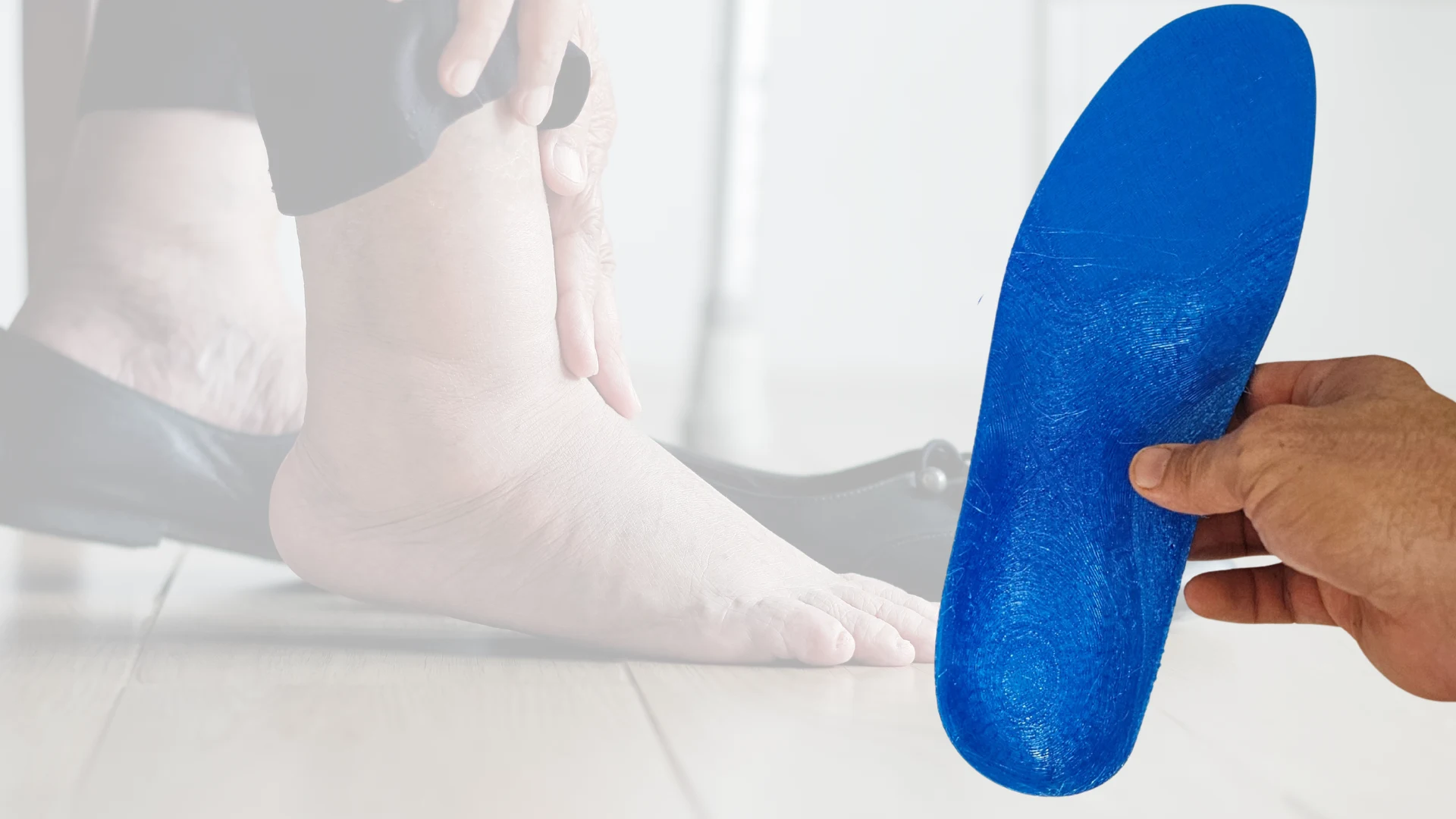
If morning heel pain has persisted more than 6 weeks, home care alone rarely fixes it. At Balance Foot & Ankle, we combine in-office ultrasound diagnostics, custom orthotics, and — when needed — shockwave or PRP to resolve plantar fasciitis that hasn’t responded to stretching and inserts. Most patients are walking pain-free within 4-8 weeks of starting a structured plan.
Call Balance Foot & Ankle: (810) 206-1402 · Book online · Offices in Howell & Bloomfield Township
Frequently Asked Questions — Librarians and Plantar Fasciitis
Why do librarians get plantar fasciitis if they work in a “quiet sitting job”?
The cultural image of library work as a quiet, sedentary profession significantly underestimates its actual physical demands. Modern librarians average 6,000–14,000 steps per shift on hard library floors (terrazzo, marble, sealed concrete, and VCT tile at Shore D 70–94), perform hundreds of shelving movements per shift that load the forefoot and generate explosive heel-strike loading on recovery, and push loaded book carts weighing 40–80 lbs across those same hard surfaces throughout the day. These exposures — hard floors, repetitive forefoot loading from shelving, cart push loading — combine to produce Library Stack Plantar Fasciitis: a clinically distinct overuse plantar fascia injury pattern that I treat regularly in Michigan library professionals. Library work is physically comparable to retail work in terms of plantar fascia loading — just quieter.
What is the quietest therapeutic shoe for library environments?
The Birkenstock Super-Birki is the quietest therapeutic shoe on this list — its EVA sole generates minimal footstep noise on library tile, terrazzo, and hardwood. The HOKA Bondi 8’s full-EVA outsole is acoustically quieter than rubber-soled alternatives and significantly quieter than leather-soled dress shoes. The Dansko Professional’s PU rocker sole is quieter than standard leather soles but produces a characteristic heel-click that some librarians find audible in very quiet reading rooms. If acoustic minimization is your primary constraint, the Super-Birki first, then the Bondi 8, are the recommended options — with the additional benefit of meaningful therapeutic plantar fascia support for both.
Can Michigan library workers get workers’ compensation for plantar fasciitis?
Yes. Michigan library workers — at public libraries, university libraries, school libraries, and other library settings — can file workers’ compensation claims under Michigan WDCA MCL 418.401 when plantar fasciitis is caused or materially aggravated by occupational exposures. Qualifying exposures for library workers include extended standing on hard library floors (terrazzo, marble, sealed concrete, VCT tile), repetitive shelving movements with forefoot loading, and library cart push loading. A podiatrist’s occupational causation letter establishing the causal relationship between these exposures and the plantar fasciitis diagnosis is the key medical evidence. File through your library’s employer HR department; union members (UAW Local 2193, AFSCME, MEA) should involve their union steward in the claims process.
Is the Dansko Professional really the best shoe for librarians?
The Dansko Professional has earned its status as the culturally dominant library shoe through 30+ years of library professional endorsement — and the biomechanical data supports this consensus. For most library roles, the Dansko’s polyurethane rocker-bottom sole addresses all three mechanisms of Library Stack Plantar Fasciitis simultaneously: the hard floor cushioning of Mechanism 1, the forefoot offloading benefit for shelving posture in Mechanism 2, and the sagittal alignment support during cart push posture in Mechanism 3. Its acoustic quietness on library floors is a clinically meaningful benefit that most therapeutic shoes do not match. However, for high-step-count roles (academic librarians, active children’s programming) where walking gait predominates over standing, the HOKA Bondi 8’s 39mm stack may deliver superior per-step energy absorption. For formal professional settings (law libraries, corporate libraries) where the clog silhouette is inappropriate, the Brooks Addiction Walker 2 is the better choice. The Dansko is the best all-around library shoe, but not the best shoe for every library role.
Should I request anti-fatigue matting at my library workstation?
Yes — anti-fatigue matting at standing workstations (circulation desks, reference desks, cataloguing stations) is one of the most cost-effective ergonomic interventions for library plantar fasciitis prevention. Properly rated anti-fatigue rubber matting (3/4-inch minimum, Shore A 25–35) reduces plantar fascia loading by 15–25% during static standing compared to unmatted hard floors. MIOSHA Part 474 (General Industry Safety Standards) supports ergonomic equipment requests in Michigan workplaces. Michigan library workers can request anti-fatigue matting through their library director, facilities manager, or through their union steward (UAW, AFSCME, MEA) as an ergonomic accommodation. MIOSHA’s free Consultation Education and Training (CET) program provides ergonomic worksite assessments at no cost to Michigan employers — your library director can request this assessment to support anti-fatigue matting procurement.
When Shoes Aren’t Enough — Dr. Tom’s Top 9 Orthotics
About 30% of patients I see for foot pain need MORE than a great shoe — they need a structured insole. Below: my complete 2026 orthotic ranking with pros, cons, and the specific patient I’d give each one to.
★ DR. TOM’S COMPLETE 2026 ORTHOTIC RANKING
9 Best Prefab Orthotics by Use Case
PowerStep, Currex, Spenco, Vionic, and Superfeet — every orthotic I’ve fitted to thousands of patients across both Michigan offices. Each card includes pros, cons, and the specific patient I’d give it to. Real Amazon ratings, review counts, and prices below.
Best All-Purpose Orthotic for Most Patients
Semi-rigid arch shell + dual-layer cushion + deep heel cup. The orthotic I’ve fitted to more patients than any other for 15 years. APMA-accepted. Trim-to-fit design works in athletic shoes, casual shoes, and most work boots.
✓ Pros
- Semi-rigid arch shell provides true biomechanical correction
- Deep heel cup centers the heel and reduces lateral instability
- Dual-layer cushion (top + bottom) lasts 9-12 months daily wear
- Available in 8 sizes for precise fit
- APMA-accepted and clinically validated
- Lower price than Superfeet Green for equivalent function
✗ Cons
- Too thick for most dress shoes (use ProTech Slim instead)
- Some break-in period required (3-7 days for arch tolerance)
- Not enough correction for severe pes planus or rigid pes cavus
Dr. Tom’s Recommendation: If a patient has run-of-the-mill plantar fasciitis, mild flat feet, or arch fatigue, this is the first orthotic I try. Better value than Superfeet for 90% of patients, which is why I swapped it into our clinic kits three years ago. Sub-$50 typically.
Maximum Motion Control · Flat Feet & Severe Over-Pronation
PowerStep’s most aggressive stability orthotic. Adds a 2°-7° medial heel post on top of the standard PowerStep platform — designed specifically for flat-footed patients and severe pronators who need real corrective force.

✓ Pros
- 2°-7° medial heel post adds aggressive pronation control
- Same trusted PowerStep arch shell, more correction
- Built specifically for flat-foot biomechanics
- Excellent for posterior tibial tendon dysfunction (PTTD)
- Removable top cover for cleaning
✗ Cons
- Too aggressive for neutral-arch patients
- Needs longer break-in (10-14 days) due to stronger correction
- Adds 2-3 mm of stack height — won’t fit slim dress shoes
Dr. Tom’s Recommendation: When a patient comes in with significant flat feet AND symptoms (heel pain, arch pain, knee pain), the Original PowerStep isn’t aggressive enough. The Maxx is what gets prescribed. About 25% of my flat-footed patients end up here.
Low-Profile · Fits Dress Shoes & Narrow Casuals
3 mm slim profile with podiatrist-designed tri-planar arch technology. Engineered specifically to fit inside dress shoes, oxfords, loafers, and women’s flats without crowding the toe box. Vionic was founded by an Australian podiatrist.
✓ Pros
- 3 mm slim profile (vs 7-10 mm for standard orthotics)
- Tri-planar arch technology adds support without bulk
- Built-in deep heel cup despite slim design
- Fits dress shoes WITHOUT having to remove the factory insole
- Trim-to-fit · APMA-accepted
✗ Cons
- Less arch support than full-volume orthotics
- Top cover wears faster than thicker alternatives
- Not enough correction for severe foot deformities
Dr. Tom’s Recommendation: My default when a patient says ‘I need orthotics but I have to wear dress shoes for work.’ Slim enough to fit in oxfords and pumps without the heel sliding out. The single highest-impact change you can make for office workers with foot pain.
Built-In Metatarsal Pad · Morton’s Neuroma · Ball-of-Foot Pain
Standard Pinnacle orthotic with a built-in metatarsal pad positioned proximal to the metatarsal heads — the exact location that offloads neuromas and metatarsalgia. No need for separate met pads or pad placement guesswork.

✓ Pros
- Built-in met pad eliminates DIY pad placement errors
- Specifically designed for Morton’s neuroma + metatarsalgia
- Same trusted PowerStep arch + heel cup platform
- Top cover protects sensitive forefoot skin
- Faster relief than orthotics + add-on met pads
✗ Cons
- Met pad position is fixed (can’t fine-tune individual placement)
- Some patients with very small or very large feet need custom
- Slightly thicker than the standard Pinnacle
Dr. Tom’s Recommendation: If a patient has Morton’s neuroma, sesamoiditis, or generalized ball-of-foot pain (metatarsalgia), this saves a clinic visit and a prescription. The built-in pad placement is anatomically correct for 80% of feet. Way better than DIY met pads.
Adaptive Dynamic Arch · Athletic & Daily Wear
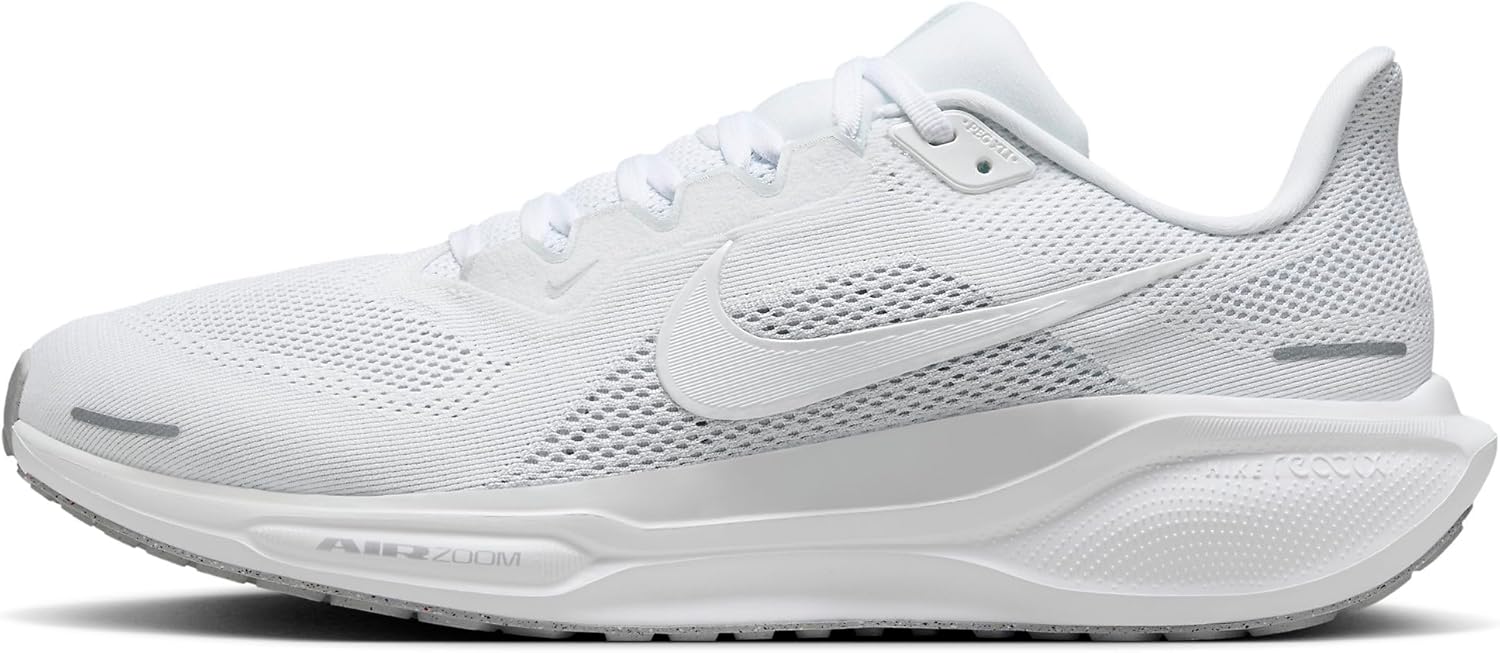
Currex’s flagship adaptive arch technology — the orthotic flexes with your gait instead of fighting it. Different stiffness zones along the length give you targeted support at the heel, midfoot, and forefoot. Available in three arch heights (low/medium/high).
✓ Pros
- Dynamic flex zones adapt to natural gait cycle
- Three arch heights ensure precise fit
- Lighter than rigid orthotics (no ‘heavy foot’ feel)
- Excellent for runners and athletic walkers
- European podiatric design (German engineering)
✗ Cons
- More expensive than PowerStep Original ($55-65 typically)
- Less aggressive correction than Pinnacle Maxx for severe cases
- Three arch heights means you must self-select correctly
Dr. Tom’s Recommendation: I started recommending Currex three years ago for runners who said PowerStep felt ‘too rigid.’ The dynamic flex zones respect natural gait. Best for active patients who walk 8K+ steps daily and don’t need maximum motion control.
Running-Specific · Heel Strike + Forefoot Strike Compatible
Currex’s purpose-built running orthotic. The midfoot flex zone is positioned for runner’s gait mechanics, with a flared heel cushion for heel strikers and a forefoot rocker for midfoot/forefoot strikers. Tested on 1000+ runners during product development.
✓ Pros
- Designed by German biomechanics lab specifically for runners
- Dynamic arch flexes with running gait (not static like PowerStep)
- Three arch heights (low/medium/high)
- Reduces overuse injury risk in mid-distance runners
- Lightweight (no impact on cadence)
✗ Cons
- Premium price ($60-75)
- Not aggressive enough for severe over-pronators (use Pinnacle Maxx)
- Runner-specific design = less ideal for daily walking shoes
Dr. Tom’s Recommendation: If a patient runs 20+ miles per week and has plantar fasciitis or shin splints, this is the orthotic I prescribe. The dynamic flex zones respect running biomechanics in a way that no rigid PowerStep can match. Pricier but worth it for serious runners.
Cavus Foot & High-Arch Patients
Polyurethane base with a deeper heel cup and higher arch profile than PowerStep — built for cavus (high-arched) feet that need maximum cushion and support. The 5-zone cushioning system addresses the unique pressure points of high-arch feet.

✓ Pros
- Deeper heel cup centers the heel for cavus foot stability
- Higher arch profile fills the void under high arches
- 5-zone cushioning addresses cavus foot pressure points
- Polyurethane base lasts 12+ months
- Available in Wide width
✗ Cons
- Too tall/aggressive for normal or low arches
- Won’t fit slim dress shoes
- Pricier than PowerStep Original
- Some patients find the arch height uncomfortable initially
Dr. Tom’s Recommendation: Cavus foot patients are often misdiagnosed and given low-arch orthotics — that makes everything worse. Spenco’s Total Support has the arch profile that high-arch feet actually need. About 15% of my patients have cavus feet; this is what they wear.
Cushion Layer · Standing All Day · Gel Pressure Relief
NOT a true biomechanical orthotic — this is a cushion insole. But for patients who want gel pressure relief instead of arch correction (or to add ON TOP of factory insoles in work boots), this is the best gel option on Amazon.

✓ Pros
- Genuine gel cushioning (not foam pretending to be gel)
- Targeted gel waves under heel and ball of foot
- Trim-to-fit · works in most shoe types
- Sub-$15 price (most affordable option in this list)
- Massaging texture is genuinely soothing
✗ Cons
- ZERO arch support — this is cushion only
- Won’t fix plantar fasciitis or flat-foot issues
- Compresses faster than PowerStep (4-6 months)
- Top cover wears through in high-mileage applications
Dr. Tom’s Recommendation: I recommend these to patients who tell me ‘I just want my feet to stop hurting at the end of my shift’ and who don’t have a biomechanical issue. Construction workers, factory workers, retail. Pure cushion does the job for them.
Tight-Fitting Shoes · Cycling Shoes · Hockey Skates
Superfeet’s slim version of their famous Green insole. The trademark stabilizer cap is preserved but the overall thickness is reduced — works in cycling shoes, hockey skates, ski boots, and other tight-fitting footwear that the standard Superfeet Green can’t fit into.

✓ Pros
- Stabilizer cap centers the heel (Superfeet’s signature feature)
- Slim profile fits tight athletic footwear
- Lasts 12+ months daily wear
- Excellent for cycling shoes specifically
- Built-in odor-control treatment
✗ Cons
- Premium price ($45-55)
- Less cushion than PowerStep equivalents
- Not as aggressive correction as Pinnacle Maxx for flat feet
- The signature ‘heel cup feel’ takes 1-2 weeks to adapt to
Dr. Tom’s Recommendation: If you’re a cyclist with foot numbness, hot spots, or knee pain — this is the orthotic. The stabilizer cap solves cycling-specific biomechanical issues that no other orthotic addresses. Worth the premium for athletes.
None of these solving your foot pain?
Some patients (about 30%) need custom-molded prescription orthotics. We make 3D-scanned custom orthotics in our Howell and Bloomfield Township offices — specifically built for your foot mechanics.
Schedule a Custom Orthotic Fitting →FSA/HSA eligible · Most insurance accepted · (810) 206-1402
In-Office Treatment at Balance Foot & Ankle
If home treatment isn’t providing relief for your plantar fasciitis, our podiatry team at Balance Foot & Ankle can help with expert evaluations and advanced in-office care.
Book online 24/7. (810) 206-1402
Learn about our plantar fasciitis treatment → | Book online →
VitaMedica Arnica Gel
Arnica gel plus 15 plant compounds for sore feet, plantar fasciitis flares and post-activity soreness. Apply a thin layer to the sore area.
Shop VitaMedica Arnica Gel →Frequently Asked Questions
How long do these shoes last?
Quality running shoes last 300-500 miles. Daily walking shoes last 9-12 months. Replace when the midsole feels soft or your symptoms return.
Should I add insoles?
Yes if you have plantar fasciitis or overpronation. Powerstep Pinnacle or a custom orthotic improves results. Healthy feet often do fine with the stock insole.
Are expensive shoes worth it?
Beyond about $130 most extra cost is materials and aesthetics. Match the shoe to your foot type, not budget. The right $80 stability shoe beats the wrong $250 maximalist shoe.

Dr. Tom Biernacki, DPM is a board-certified foot & ankle surgeon (ABFAS & ABPM) at Balance Foot & Ankle Specialists in Southeast Michigan. With over a decade of clinical experience, he specializes in heel pain, bunions, diabetic foot care, sports injuries, and minimally invasive surgery. Dr. Biernacki is a member of the APMA and ACFAS, and his patient education content on MichiganFootDoctors.com and YouTube has made him one of the most-followed foot & ankle educators on YouTube.