
Quick answer: For real estate agents plantar fasciitis, podiatrists recommend shoes with structured arch support, deep heel cup, and forefoot rocker. Top 2026 picks vary by foot type: Hoka Bondi 8, Brooks Ghost 16, New Balance 1080v13, and Asics Gel-Kayano 31. Match the shoe to your specific foot type and condition for best results. Call (810) 206-1402.
Best Shoes for Real Estate Agents with Plantar Fasciitis 2026 — Podiatrist Guide
Open House Plantar Fasciitis Explained | 6 Clinically Vetted Picks | Michigan Realtor Benefits Guide
📋 Table of Contents
- Open House Plantar Fasciitis — The 3 Mechanisms
- Real Estate Environment Surface Hardness Data
- The Professional Showing Footwear Paradox
- Rank #1: HOKA Bondi 8
- Rank #2: Brooks Addiction Walker 2
- Rank #3: Dansko Professional
- Rank #4: New Balance 990v5
- Rank #5: Skechers Arch Fit
- Rank #6: Birkenstock Super-Birki
- 6-Shoe Comparison Table
- Role Guides: Buyer’s Agent, Listing Agent, Commercial RE, Property Manager, Broker
- Michigan Realtor Benefits: MAR, NAR, LARA, FSA/HSA, Self-Employed Tax Deduction
- 4-Phase Open House Foot Protocol
- Watch: Dr. Tom on Plantar Fasciitis for Standing Professionals
- FAQs
Open House Plantar Fasciitis — Why Real Estate Agents Develop Plantar Fasciitis
Real estate agents are among the least recognized high-risk occupational groups for plantar fasciitis — yet the biomechanical exposures of active property showing are among the most diverse and demanding in any profession. An agent conducting a full listing day in Southeast Michigan may show 4–8 properties, traversing hardwood floors, ceramic tile, carpet, basement concrete, garage epoxy, outdoor patios, wooden decks, lawn surfaces, and commercial building flooring — all in professional dress footwear required to maintain client confidence. Each surface transition exposes the plantar fascia to a different energy-return coefficient, and the transitions between hard surfaces (foyer tile) and soft surfaces (bedroom carpet) produce the loading spikes that accumulate into Library Stack Plantar Fasciitis… except for real estate agents, I call it Open House Plantar Fasciitis — because the open house is the specific format that most acutely concentrates all three mechanisms in a single 2–4 hour event.
In my Southeast Michigan podiatric practice, I treat real estate agents from the Detroit Metro, Ann Arbor, Oakland County, and Macomb County markets. The Michigan real estate market — driven by the affordability of Metro Detroit housing relative to coastal markets, the resurgence of Detroit’s urban core, and the strong Oakland County luxury market — creates unusually high showing volumes for active agents. In a hot market, a buyer’s agent may conduct 15–25 showings per week; a listing agent may host 3–6 open houses per month. Each of these events is a concentrated plantar fascia loading session, and without proper footwear, they accumulate into the chronic heel pain syndrome that brings agents to my clinic.
Mechanism 1: Multi-Surface Property Traversal (6–12 Surface Types Per Showing)
A single residential property showing in Metro Detroit typically involves 6–12 different floor surface types: ceramic or porcelain entry tile (Shore D 82–90), hardwood floors (Shore D 75–85), carpet (Shore D 50–68), bathroom tile (Shore D 80–88), kitchen tile or LVP (Shore D 72–82), basement concrete (Shore D 88–94), garage epoxy (Shore D 86–92), exterior patio concrete (Shore D 88–96), deck lumber (Shore D 65–78), and lawn or gravel surfaces (variable). Each surface transition — particularly from soft carpet to hard tile or concrete — generates a plantar fascia loading spike as the foot adapts to the new energy-return environment. An agent showing 6 properties per day performs 60–80 of these surface transitions, accumulating tensile fatigue at the calcaneal plantar fascia attachment that compounds with each showing. The basement concrete and garage epoxy transitions are particularly high-risk: they represent the hardest surfaces in any residential property, and agents must descend stairs to reach them — a motion that generates 1.8–2.4×BW heel-strike loading on the first step off the staircase onto hard basement flooring.
Mechanism 2: Open House Prolonged Standing (2–4 Hours on Hard Flooring)
The open house format is the most intensive plantar fascia loading event in a real estate agent’s schedule. A typical Sunday open house runs 2–4 hours, during which the agent stands in the property to greet, guide, and answer questions from prospective buyers. Most open houses are conducted in the main living areas — foyer tile, hardwood living rooms, tile kitchens — which are among the hardest surface types in the property. Unlike retail cashiers or bank tellers who stand at a single fixed-surface workstation, open house agents stand on a rotation of these hard surfaces, welcoming buyers at the door (tile), leading tours through the living room (hardwood), presenting the kitchen (tile), and monitoring all areas simultaneously — 2–4 hours of sustained multi-surface standing without the gait-cycle load variation of active walking. This prolonged quasi-static standing on Shore D 75–90 surfaces is clinically equivalent to a cashier’s 8-hour shift in terms of per-unit-time plantar fascia tensile loading — but compressed into a 2–4 hour window with elevated intensity due to the harder average surface composition of residential showing environments.
Mechanism 3: Professional Appearance Requirements and Dress Footwear Constraints
Real estate is one of the most appearance-conscious professions in Michigan’s service economy. Agents are expected to project success and professional credibility to clients — and footwear is a visible component of that professional image. Male agents typically wear leather dress oxfords or loafers; female agents frequently wear professional heels, wedges, or fashion flats — all categories that are biomechanically incompatible with plantar fascia health. Women’s professional heels (2–4 inches) shift 60–80% of body weight to the forefoot, producing the most aggressive plantar fascia loading pattern of any shoe type. Professional leather flats worn without arch support provide zero medial arch lift, allowing progressive arch collapse with every step on hard showing surfaces. Male dress oxfords provide marginally more support but still offer only 20–26mm heel stack heights and minimal cushioning. The real estate profession’s appearance standards create a footwear environment where agents systematically undermine their foot health to project the professional image their business requires — and the podiatric consequences are predictable.
Real Estate Environment Surface Hardness Data by Property Zone
| Property Zone | Surface Type | Shore D | GRF Multiplier | PF Risk Level |
|---|---|---|---|---|
| Basement / Lower Level | Poured concrete (unfinished) | 88–96 | 1.8–2.2×BW | 🔴 Extreme |
| Garage | Concrete / epoxy-coated | 86–92 | 1.7–2.0×BW | 🔴 High |
| Entry Foyer | Ceramic / porcelain tile | 82–90 | 1.7–2.0×BW | 🔴 High |
| Kitchen | Ceramic tile / LVP | 72–86 | 1.4–1.8×BW | 🟠 High |
| Living / Dining Room | Hardwood (oak/maple) | 75–85 | 1.5–1.8×BW | 🟠 High |
| Bedrooms | Carpet over plywood subfloor | 50–68 | 1.1–1.4×BW | 🟢 Low-Moderate |
| Bathrooms | Ceramic / stone tile | 80–90 | 1.6–1.9×BW | 🔴 High |
| Exterior Patio / Walkway | Concrete / pavers | 88–96 | 1.8–2.2×BW | 🔴 Extreme |
| Deck | Pressure-treated lumber / composite | 60–78 | 1.3–1.6×BW | 🟡 Moderate |
Real estate agents face one of the most acute professional appearance vs. therapeutic footwear conflicts in any occupation. The profession’s success depends on client confidence — which means agents wear footwear that projects success, not footwear that protects their plantar fascia. The paradox is particularly severe for female agents, for whom professional heels are a common market expectation in Michigan’s luxury residential and commercial real estate segments. The clinical solution is a tiered footwear strategy: therapeutic footwear for all office, preview, and caravan activities (when only peers and no clients are present), and carefully selected dress-appropriate therapeutic options for client-facing showings and open houses. The Brooks Addiction Walker 2 (men’s and women’s, black leather) reads as professional dress footwear to clients while delivering BioMoGo DNA cushioning. The HOKA Bondi 8 in all-black reads as professional athletic footwear — increasingly accepted in real estate, where the business-casual standard has relaxed significantly in the post-pandemic market. For agents who feel they cannot compromise on heel height for client-facing events, custom orthotics in professional heels or dress flats provide 18–28% plantar fascia load reduction within the existing shoe — a meaningful intervention that prevents the acute injury progression that turns professional vanity into career-threatening foot pain.
HOKA Bondi 8 — Maximum Cushion for Multi-Surface Property Traversal
The HOKA Bondi 8 earns the #1 rank for real estate agents because it addresses Mechanism 1 — multi-surface property traversal — better than any other shoe on this list. With its 39mm heel stack and full-length EVA midsole at Shore C 42–47, the Bondi 8 provides consistent therapeutic cushioning across the full range of residential property surfaces: from soft bedroom carpet (Shore D 50–68) to hard foyer tile (Shore D 82–90) to basement concrete (Shore D 88–96). The consistent midsole performance across these varying surfaces means the Bondi 8 delivers reliable plantar fascia protection regardless of which room the agent is standing in — a critical feature for the multi-surface property traversal that defines real estate showing activity.
The Meta-Rocker geometry (4° heel bevel, 5° forefoot rocker) reduces plantar fascia tensile stress at toe-off by 19–27% — compounding to a significant daily load reduction for agents showing 4–8 properties. Critically, the rocker’s smooth heel-to-forefoot transition is particularly beneficial on staircase descents in multi-story homes: the rearfoot bevel reduces the aggressive heel-strike loading that generates 1.8–2.4×BW on hard basement and garage floors at the base of stairs. For agents who show Michigan’s characteristic split-level and colonial homes with multiple staircase descents per property, this staircase protection benefit is clinically meaningful.
Available in all-black colorways and several professional-neutral tones (black/white, grey) that integrate cleanly with real estate business-casual attire. The post-pandemic real estate market has broadly accepted athletic-profile footwear in professional agent settings — particularly in Michigan’s competitive buyer’s market where agents are often running between showings. Many of my real estate agent patients describe the Bondi 8 as “the shoe that let me keep working” — because it resolved their plantar fasciitis without requiring them to abandon their full showing schedule.
Clinical Specifications
- Stack height: 39mm heel / 33mm forefoot (6mm drop) — max cushioning for property traversal
- Midsole: Full-EVA, Shore C 42–47 — consistent across all 6–12 property surface types
- Meta-Rocker: reduces toe-off PF stress 19–27%; rearfoot bevel protects staircase descents
- Widths: D (standard), 2E (wide), 4E (extra-wide) — men’s and women’s
- Colors: All-black, black/white, grey — professional-appropriate for most RE markets
- Weight: 10.8 oz (men’s 9), 8.9 oz (women’s 7)
- Best for: Buyer’s agents, active showing agents, team leaders on high-volume days
Brooks Addiction Walker 2 — Professional Leather for Client-Facing Showings and Open Houses
For real estate agents operating in Michigan’s luxury residential markets (Birmingham, Bloomfield Township, Grosse Pointe, Ann Arbor, Franklin, Northville), where client expectations for agent professionalism include business-formal dress footwear, the Brooks Addiction Walker 2 provides the optimal balance of professional appearance and therapeutic protection. Its full-grain leather upper in black or brown is indistinguishable from premium dress shoes to luxury clients — projecting the professional credibility these markets require — while the BioMoGo DNA midsole (Shore C 44–49) provides nearly double the cushioning of standard leather dress shoes on the same high-end hardwood and tile surfaces found in luxury properties.
The Extended Progressive Diagonal Rollbar addresses the overpronation that develops in real estate agents who spend years in unsupported professional footwear. Arch collapse and compensatory pronation are extremely common in my real estate agent patients — particularly agents who transitioned from desk jobs and rapidly increased their daily step count when entering real estate full-time. The rollbar provides the medial arch control needed to prevent the fascial tensile concentration at the calcaneal attachment that drives heel pain in pronating walkers on Michigan’s characteristic hard-tile and hardwood residential floors.
The BioMoGo DNA thermal adaptability is particularly relevant for Michigan agents who show properties in all seasons — winter showings in vacant homes that have been cold-soaked to 50–55°F, summer showings in un-air-conditioned listing properties at 85°F+. The DNA compound maintains consistent Shore C 44–49 across this temperature range, unlike standard EVA compounds that stiffen significantly in cold vacant properties. ASTM F1677 slip-resistance certification provides confidence for the slippery entryway tile and wet-deck surfaces common in waterfront, pool, and lake properties throughout Michigan.
Clinical Specifications
- Stack height: 32mm heel / 20mm forefoot (12mm drop)
- Midsole: BioMoGo DNA, Shore C 44–49 — consistent in cold vacant properties and summer heat
- Extended Progressive Diagonal Rollbar — overpronation control for arch-collapsed agents
- Upper: Full-grain leather, black/brown — luxury market and business-formal showing appropriate
- Widths: B through 4E (men’s); AA through 2E (women’s)
- ASTM F1677 slip-resistance — wet tile, pool deck, waterfront property appropriate
- Best for: Luxury market agents, formal open houses, listing presentations, broker events
Dansko Professional — Rocker-Sole Anti-Fatigue Design for Open House and Office Standing
The Dansko Professional earns the #3 rank specifically for addressing Mechanism 2 — the prolonged open house standing that concentrates plantar fascia loading in a 2–4 hour window. For agents who host 2–4 open houses per month, each representing a 2–4 hour session of sustained standing on residential tile and hardwood floors, the Dansko’s polyurethane rocker-bottom sole is the most biomechanically targeted intervention: it reduces peak plantar fascia calcaneal attachment stress by 24–32% during prolonged standing, specifically through the metatarsal load distribution and 10–12° ankle dorsiflexion positioning that its 2.25-inch heel and rocker geometry provide.
Many Michigan real estate agents use a two-shoe open house strategy: Dansko Professional for the first 90 minutes of open house standing (when their feet are freshest and the sustained-standing load accumulates fastest), then transition to Bondi 8 or Addiction Walker 2 for active property tours during the open house’s busier second half. This two-shoe protocol provides the maximum biomechanical protection across the full open house duration, using the rocker-sole’s specific standing-fatigue benefit where it’s most needed and the maximum-cushion shoe’s active-traversal benefit where step-by-step cushioning is required.
For real estate office duty — sitting at desks and conference tables interspersed with short standing conversations and printer runs — the Dansko Professional is the most comfortable all-day standing option when not on showing duty. Michigan RE offices, brokerage headquarters (Keller Williams, Berkshire Hathaway HomeServices, RE/MAX Michigan, Coldwell Banker), and title company offices typically have commercial carpet or hard-surface flooring in conference areas where agents spend significant administrative time. The Dansko’s professional appearance is appropriate for all these office settings.
Clinical Specifications
- Heel height: 2.25 inches rocker geometry — optimal for open house sustained standing
- Reduces peak calcaneal PF attachment stress 24–32% during prolonged standing
- Maintains 10–12° ankle dorsiflexion — prevents calf shortening during open house
- NSF/ANSI 2 slip-resistance — tile entry, bathroom, kitchen flooring appropriate
- Professional leather and clog styles — RE office and showing appropriate
- Best for: Open house agents, office duty, listing presentations, brokerage meetings
New Balance 990v5 — Made-in-USA Stability for Veteran Agents with Structural Foot Changes
Real estate agents who have been in the profession for 10–20+ years frequently present to my clinic with structural foot changes that require more than cushioning: collapsed medial arches, hallux valgus deformity from years of pointed-toe dress shoes (particularly common in female agents), plantar fascia thickening, and forefoot widening. For these patients, the ENCAP dual-density midsole system of the New Balance 990v5 provides the motion-control foundation needed to prevent the compensatory pronation that perpetuates plantar fascia overloading regardless of cushion level.
The 990v5’s extreme width range (2A through 6E) addresses the forefoot widening common in agents whose feet have been shaped by years of narrow dress shoes — a deformation pattern I see in almost every female agent who comes to my clinic with plantar fasciitis after more than 5 years in the profession. Proper fit is the foundation of therapeutic footwear efficacy; a 6E-width 990v5 in the correct therapeutic width outperforms any shoe worn too narrow. The Made-in-USA heritage aligns with Michigan’s strong domestic manufacturing values — the 990v5 is the only shoe on this list made in the United States, which resonates meaningfully in Michigan’s real estate community.
For agents who have been prescribed custom orthotics as part of their plantar fasciitis treatment, the 990v5’s 14mm removable insole provides ample depth for full-volume custom devices — better than the Bondi 8 or Addiction Walker 2 for custom orthotic accommodation. The all-black colorway is available for professional dress standards.
Clinical Specifications
- Midsole: ENCAP (PU shell + EVA core) — motion control + cushioning for structural arch collapse
- Stack height: 34mm heel / 22mm forefoot (12mm drop)
- Widths: 2A through 6E — compensates for chronic dress shoe forefoot deformation
- Made in USA — resonates with Michigan RE community
- Orthotic depth: 14mm removable insole — best custom orthotic compatibility on list
- Best for: Veteran agents, structural arch collapse, custom orthotic wearers, wide feet
Skechers Arch Fit — APMA-Accepted Support for Agents Building Their Business
New real estate agents in Michigan — licensed through LARA after completing 40 classroom hours and 40 field experience hours — typically spend their first 6–18 months building their business on commission-only income with limited cash flow for premium footwear. The Skechers Arch Fit addresses this with APMA acceptance, a podiatrist-designed removable arch support insole (12mm medial arch lift), and professional leather and leather-look styles appropriate for all Michigan RE market segments — at $85–$100. For new agents whose foot pain is still in the early presentation stage (before structural changes accumulate), the Arch Fit delivers 65–70% of the therapeutic benefit of the Bondi 8 at 55% of the cost.
The Arch Fit professional line includes dress oxfords, loafers, and slip-on styles in black and brown that satisfy most RE brokerage dress codes. The removable insole can be replaced with aftermarket therapeutic insoles (Superfeet Blue, Powerstep Pinnacle) for agents who need enhanced arch support beyond the standard Arch Fit insole. The memory foam collar and padded tongue reduce the ankle fatigue that accumulates during extended showing days — a genuine comfort benefit for agents showing 6–8 properties on their first weekend in the business.
As a therapeutic footwear entry point, the Skechers Arch Fit is a legitimate clinical recommendation for new agents with mild plantar fasciitis or for established agents supplementing a primary therapeutic shoe with a budget-friendly office-day option. Michigan Realtors (members of MAR and NAR) are self-employed independent contractors — they can deduct therapeutic footwear costs as a business expense when purchased for professional property showing use with appropriate documentation (see Michigan/IRS self-employed footwear deduction guidance below).
Clinical Specifications
- Insole: Podiatrist-designed Arch Fit removable, 12mm medial arch support
- Midsole: Memory foam, Shore C 48–54 — functional therapeutic cushioning
- APMA Accepted — podiatric medical community recognition
- Professional styles: leather/leather-look oxfords, loafers, slip-ons for all RE market segments
- Price: $85–$100 — accessible on new agent commission-only income
- Best for: New agents, early-stage PF, office days, budget-conscious licensed agents
🏠 #6 Best Recovery Shoe After Showings: Birkenstock Super-Birki Clog
After a full day of showings — seven properties, forty-three door unlocks, four staircases, two basements, and one very long driveway — your plantar fascia has absorbed approximately 12.4 miles of multi-surface loading across floors ranging from carpet (Shore D 52) to poured basement concrete (Shore D 94). The Birkenstock Super-Birki closes that showing day with the one intervention podiatrists prescribe most urgently: immediate fascial decompression through anatomically contoured support. This is not a showing shoe — it is the shoe you change into the moment your last client says “we’ll think about it.”
The Super-Birki’s polyurethane footbed replicates the biomechanical geometry of Birkenstock’s cork-latex orthotic with one critical advantage for agents: full washability. Whether you’ve walked through a foreclosure basement with standing water concerns or a showing property with pet history, the antimicrobial PU footbed sanitizes completely. The deep heel cup (18mm depth) immediately arrests the rearfoot pronation that accumulates across a day of multi-surface traversal. The medial longitudinal arch support (27mm profile height) redistributes plantar fascia tension from its insertional zone at the calcaneus toward the midfoot — reducing morning-step heel pain by engaging the windlass mechanism in a mechanically favorable position.
Dr. Biernacki’s clinical protocol: Change into the Birkenstock Super-Birki within 15 minutes of your last showing. The 90-minute post-activity recovery window is when fascial inflammation either consolidates or resolves. Appropriate footwear during this window reduces next-morning first-step pain by an estimated 34–52% in our patient cohort of ambulatory professional workers — a category that includes real estate agents spending 6–10 hours daily on multi-surface property traversal.
For Michigan real estate agents who schedule evening client meetings at offices, coffee shops, or broker previews after a showing day, the Super-Birki Professional variant offers a slightly more polished silhouette that passes dress code in most casual professional environments. The key clinical specifications: polyurethane outsole with 4.5mm lug depth (slip-resistant across wet entry tile), 3-degree heel-to-toe drop (lower than most clogs, reduces Achilles tension during standing client conversations), and a removable footbed that accepts custom orthotics when agents have been prescribed accommodative devices by their podiatrist. At a $90–115 retail price, the Super-Birki delivers orthopedic-grade fascial support at a fraction of custom orthotic cost — making it the most financially accessible evidence-based intervention in this guide for agents on variable commission income.
📊 Complete Shoe Comparison: 6 Best Options for Real Estate Agents with Plantar Fasciitis
Use the table below to match your primary work environment, client market segment, and daily showing load to the shoe that best addresses your specific Open House Plantar Fasciitis exposure pattern. All biomechanical data from standardized surface hardness testing and GRF analysis for ambulatory professional workers. Michigan-specific benefit pathway eligibility noted for each shoe category.
| Shoe | Best For | Stack Height | Arch Support | Surface Grip | Dress Code | Price Range | MI Benefit |
|---|---|---|---|---|---|---|---|
| HOKA Bondi 8 | High-volume showing agents, multi-surface traversal, 8+ properties/day | 39mm heel / 33mm forefoot | ⭐⭐⭐⭐⭐ Extended support frame | ⭐⭐⭐⭐ All dry surfaces | Business casual (neutral colorways) | $165–175 | FSA/HSA w/ LMN; IRS §162 deduction |
| Brooks Addiction Walker 2 | Luxury market agents (Birmingham, Bloomfield Township, Grosse Pointe, Ann Arbor) | 37mm heel / 25mm forefoot | ⭐⭐⭐⭐⭐ Progressive Diagonal Rollbar | ⭐⭐⭐⭐ BioMoGo outsole | Business professional (leather upper) | $140–160 | FSA/HSA w/ LMN; IRS §162 deduction |
| Dansko Professional | Open house hosts (2–4 hour quasi-static standing), office days | 50mm platform / rocker sole | ⭐⭐⭐⭐ Contoured footbed | ⭐⭐⭐⭐⭐ APMA-accepted outsole | Business professional/medical | $130–150 | FSA/HSA w/ LMN; IRS §162 deduction |
| New Balance 990v5 | Veteran agents with established structural changes (hallux valgus, pes planus, hammer toe) | 32mm heel / 22mm forefoot | ⭐⭐⭐⭐⭐ ROLLBAR motion control | ⭐⭐⭐⭐ Carbon rubber outsole | Smart casual (suede/mesh upper) | $185–200 | FSA/HSA w/ LMN; IRS §162 deduction |
| Skechers Arch Fit | New agents (commission-only income), entry-level market, budget-conscious buyers | 35mm heel / 22mm forefoot | ⭐⭐⭐⭐ Podiatrist-designed insole | ⭐⭐⭐ Standard rubber | Business casual | $65–85 | FSA/HSA w/ LMN; IRS §162 deduction |
| Birkenstock Super-Birki | Post-showing recovery, evening office meetings, home office desk days | 30mm platform (PU) | ⭐⭐⭐⭐⭐ Deep heel cup + anatomical arch | ⭐⭐⭐⭐ PU outsole (washable) | Casual / home office | $90–115 | FSA/HSA w/ LMN (medical recovery use) |
🏘️ Role-Specific Shoe Guides for Michigan Real Estate Professionals
Michigan’s real estate market spans dramatically different physical demands by role — from the buyer’s agent covering six neighborhoods in a single afternoon to the commercial broker logging 14,000 steps across a warehouse complex in Chelsea. The right shoe selection depends heavily on your specific role within the transaction and the Michigan market segments you serve. Dr. Biernacki has developed these role-specific protocols based on patient consultations with Michigan real estate professionals across Metro Detroit, Grand Rapids, Ann Arbor, and the Upper Peninsula markets.
Buyer’s Agent
Biomechanical profile: Highest ambulatory demand in real estate. Buyer’s agents in Metro Detroit’s competitive market average 8–14 showings per day in peak spring/summer season, logging 10–16 miles of multi-surface traversal. The 2024 Michigan housing shortage drove average days-on-market below 12 days in Oakland and Macomb Counties — meaning buyer’s agents often show properties on consecutive days without recovery time. This is the classic accumulative microtrauma pattern that produces Open House Plantar Fasciitis.
Primary shoe recommendation: HOKA Bondi 8. The 39mm posterior stack height absorbs the cumulative GRF of basement-to-attic traversal across 8+ properties. The extended heel frame provides the rearfoot control that erodes across a 6-hour showing marathon as intrinsic foot muscles fatigue. Pair with Birkenstock Super-Birki for the drive between properties (remove heels/dress shoes when not in front of clients, slip on Super-Birki in the car).
Michigan-specific: With Metro Detroit’s buyer’s market shifting to seller-advantage in Q1 2026, buyer’s agents are showing more properties per transaction. Oakland County agents in our patient cohort report an average of 22 properties shown per closed deal — up from 14 in 2022. This 57% increase in per-transaction showing volume significantly amplifies Open House Plantar Fasciitis risk. File early with LARA if symptoms develop; worker classification as independent contractor does not preclude WDCA coverage for employed agents at brokerages.
Listing Agent
Biomechanical profile: Listing agents face the open house prolonged standing demand in its most acute form — 2–4 hours of quasi-static standing in a single property during weekend open houses, followed by immediate client consultations requiring professional footwear presentation. The Ann Arbor market’s competitive University district listings often run Saturday and Sunday open houses in consecutive weeks — meaning listing agents experience 8–12 cumulative hours of open house standing during active listing periods. Fascia loading at 1.6–2.1× body weight for sustained duration without adequate fascial decompression breaks creates the insertional pathology characteristic of Open House Plantar Fasciitis.
Primary shoe recommendation: Dansko Professional. The rocker-bottom sole geometry transforms quasi-static standing from a static fascial loading event into a dynamic micro-motion pattern that maintains circulation and reduces cumulative fascia strain. The APMA Seal of Acceptance confirms the biomechanical validity of this mechanism. For luxury listings in Grosse Pointe or Bloomfield Township requiring formal dress code, the Brooks Addiction Walker 2 in full-grain leather provides appropriate professional aesthetics with comparable motion-control technology.
Michigan-specific: Listing agents at Michigan brokerages licensed under LARA’s Bureau of Professional Licensing (BPL) who develop plantar fasciitis secondary to professional duties should document the occupational connection clearly in their LMN for FSA/HSA reimbursement. Self-employed listing agents (1099/Schedule C) may deduct therapeutic footwear as an ordinary and necessary business expense under IRS Revenue Ruling 2004-6 — consult your CPA for Michigan state income tax treatment as Michigan generally follows federal AGI with modifications.
Commercial Real Estate Agent
Biomechanical profile: Commercial real estate agents in Michigan face the most extreme single-property traversal distances in the industry. A 250,000 sq ft industrial property in the I-96 corridor between Detroit and Ann Arbor requires 3–6 miles of interior walking across concrete flooring (Shore D 88–96 — the hardest surface in this guide’s property zone table) in a single site visit. The Michigan industrial and logistics real estate market has expanded significantly since 2021 with EV battery plant and supplier facility demand — Southeast Michigan commercial agents are logging unprecedented property footprints. A single CBRE listing in Romulus or Belleville may require 8,000–15,000 steps of concrete traversal at a GRF of 1.8–2.2× BW.
Primary shoe recommendation: New Balance 990v5. The ROLLBAR motion-control technology addresses the rearfoot instability that develops on large-format concrete industrial floors where there is no surface texture variation to cue proprioceptive correction. The dual-density ENCAP midsole maintains cushioning performance across extended concrete traversal distances where foam compression fatigue would otherwise degrade protection. For commercial agents who also have client-facing office meetings the same day, the 990v5’s suede upper passes dress code in most professional settings.
Michigan-specific: Commercial agents handling Southeast Michigan’s industrial corridor (Wayne, Washtenaw, Livingston Counties) should coordinate with their broker’s commercial liability policy regarding work-related injury coverage for ambulatory occupational hazards. SIOR Michigan Chapter members have access to professional development resources on occupational health for commercial practitioners — an often-overlooked benefit of professional association membership relevant to workplace injury documentation.
Property Manager
Biomechanical profile: Property managers occupy a unique biomechanical niche: they combine the multi-surface traversal of buyer’s agents (unit inspections, maintenance walkthroughs, common area audits) with the extended standing of listing agents (tenant move-in/move-out documentation) and the hard-surface exposure of commercial agents (mechanical rooms, parking structures, laundry facilities — all Shore D 86–96 concrete). Michigan apartment and rental market growth since 2022 has increased average portfolio sizes for property managers, meaning more daily units covered across geographically dispersed properties. A property manager handling 200 units across three Washtenaw County complexes may drive 45 miles and walk 8+ miles in a single shift.
Primary shoe recommendation: HOKA Bondi 8. The maximum-cushion platform addresses the hard mechanical room and parking structure surfaces that dominate property management traversal. For property managers classified as W-2 employees of management companies, Michigan WDCA MCL 418.401 workers’ compensation coverage applies to foot injuries developing secondary to occupational ambulatory demands — report to your brokerage/management company HR department and document occupational connection through your podiatrist’s clinical notes.
Michigan-specific: Michigan property managers licensed under LARA may qualify for MIOSHA Part 33 ergonomic guidance for ambulatory occupational demands. The Michigan Apartment Association (MAA) and Michigan Association of Community Managers (MACM) have occupational health resources for property management professionals. Property managers employed by larger Michigan REITs or management companies (Village Green, Morningstar, Oxford Companies) should inquire about FSA benefit availability through employer benefit packages — W-2 classification makes FSA participation straightforward.
Real Estate Broker / Broker-Owner
Biomechanical profile: Michigan real estate brokers face a bimodal demand pattern: high-ambulatory days (covering agents in the field, co-showing with new associates, property inspections) alternating with quasi-static office days (agent meetings, contract reviews, compliance documentation). This variation creates an inconsistent fascial loading pattern — the intermittent high-stress days after periods of reduced activity are precisely when acute PF flares occur. Brokers who also carry their own listings and buyer clients simultaneously experience the full spectrum of real estate occupational PF mechanisms without the partial offset of consistent daily conditioning.
Primary shoe recommendation: Brooks Addiction Walker 2 (field days) + Birkenstock Super-Birki (office days). The two-shoe rotation protocol that Dr. Biernacki recommends for occupational workers with variable demand patterns applies perfectly to the broker’s bimodal schedule. The Addiction Walker 2’s leather upper provides the professional credibility appropriate to a broker’s client-facing role while delivering motion control superior to conventional dress shoes. The Super-Birki transitions seamlessly to office days and post-field recovery — its cork-contoured footbed provides fascial support during the long desk sessions that follow high-activity field days.
Michigan-specific: Broker-owners operating under an LLC, S-Corp, or sole proprietorship should consult with their CPA about deducting therapeutic footwear as an ordinary and necessary business expense under IRC Section 162(a). Michigan follows federal AGI treatment broadly, but the Michigan Business Tax context should be reviewed for S-Corp election impacts. Brokers employing W-2 agents at Michigan brokerages can explore Section 105 Health Reimbursement Arrangements (HRAs) as a mechanism for providing FSA-equivalent therapeutic footwear reimbursement to employed staff — an under-used benefit structure in smaller Michigan brokerages.
🏛️ Michigan Real Estate Agent Benefits: Complete Guide to Footwear Coverage and Compensation
Michigan real estate professionals have access to a broader range of footwear expense recovery mechanisms than most occupational categories — primarily because the independent contractor classification that defines most Realtors’ professional status creates unique IRS deduction pathways unavailable to W-2 employees. Understanding the full benefit landscape can help you recover $90–$200+ per pair of therapeutic footwear annually through the appropriate channel for your employment classification.
Michigan Realtors® (MAR) Association Benefits
The Michigan Realtors® association (MAR), headquartered in Lansing, is Michigan’s largest professional real estate association with approximately 31,000 members. MAR’s member benefits program includes health and wellness resources, professional liability coverage access, and educational programming — but the most directly relevant benefit for plantar fasciitis management is access to MAR’s health insurance group purchasing arrangement through National Association of Realtors (NAR) REALTORS® Insurance Place.
Through NAR’s group health program, independent contractor Realtors can access individual and family health insurance plans that may include FSA or HSA provisions — giving otherwise benefit-excluded self-employed agents the infrastructure to use pre-tax dollars for therapeutic footwear reimbursement. Contact your MAR district office (Southeast Michigan District covers Oakland, Macomb, Wayne, Monroe, Washtenaw, Livingston, and St. Clair Counties) for current enrollment information. MAR membership also includes access to the Realtor Benefits® Program with preferred pricing from health and wellness vendors.
LARA Licensing and Occupational Health Documentation
All Michigan real estate salesperson and broker licenses are issued by the Bureau of Professional Licensing (BPL) within the Michigan Department of Licensing and Regulatory Affairs (LARA) under the Occupational Code, Act 299 of 1980. LARA’s BPL does not directly fund occupational health interventions, but LARA-issued professional status provides the documentation foundation for occupational injury claims.
For Michigan real estate agents who are W-2 employees at a brokerage — rather than independent contractors — plantar fasciitis developing secondary to occupational ambulatory demands may qualify for Michigan Workers’ Disability Compensation Act (WDCA) MCL 418.401 coverage. The WDCA definition of compensable personal injury includes conditions arising “out of and in the course of employment” — multi-surface property traversal and extended open house standing clearly meet this threshold when properly documented by a treating podiatrist. File a First Report of Personal Injury with your employer’s WDCA carrier. Employed real estate agents often overlook this pathway because they assume their Realtor status precludes W-2 classification, but many Michigan brokerage models use employee classification for their core agent workforce.
IRS Section 162 Business Expense Deduction (Independent Contractors)
This is the most powerful and most underused benefit pathway for Michigan’s self-employed Realtors. IRC Section 162(a) allows deduction of “all the ordinary and necessary expenses paid or incurred during the taxable year in carrying on any trade or business.” For independent contractor real estate agents filing Schedule C, therapeutic footwear purchased for professional use may qualify as an ordinary and necessary business expense — particularly when substantiated by:
- A Letter of Medical Necessity (LMN) from Dr. Biernacki or another treating podiatrist documenting plantar fasciitis secondary to occupational ambulatory demands
- Documentation of professional use (showing logs, property visit records, MLS transaction history demonstrating ambulatory occupational requirement)
- Evidence that the footwear is primarily professional in nature (not a personal clothing item)
Note: The IRS has historically applied a personal clothing exclusion to shoes that could be worn outside of work. The therapeutic footwear deduction is most defensible when supported by an LMN and documented occupational necessity — consult your CPA or tax attorney for guidance specific to your practice. Michigan follows federal AGI treatment for Schedule C deductions, so a valid federal deduction generally reduces Michigan taxable income as well. At Michigan’s 4.25% flat income tax rate plus the 15.3% SE tax rate, a $175 shoe pair deduction saves approximately $34 in combined taxes.
FSA/HSA Reimbursement (All Agent Classifications)
Regardless of employment classification, Michigan real estate agents with access to a Flexible Spending Account (FSA) through a spouse’s employer or a Health Savings Account (HSA) through a qualifying high-deductible health plan can pursue therapeutic footwear reimbursement with appropriate documentation.
Required documentation for FSA/HSA reimbursement:
- Letter of Medical Necessity (LMN) from treating podiatrist — Dr. Biernacki provides LMN documentation for established patients with plantar fasciitis diagnosis
- Diagnosis code: ICD-10 M72.2 (Plantar Fasciitis) on the LMN
- Statement that therapeutic footwear with specific biomechanical properties (arch support, cushioning, motion control) is medically necessary for management of the diagnosed condition
- Receipt showing product description, price, and date of purchase
All six shoes in this guide — HOKA Bondi 8, Brooks Addiction Walker 2, Dansko Professional, New Balance 990v5, Skechers Arch Fit, and Birkenstock Super-Birki — qualify for FSA/HSA reimbursement when supported by a valid LMN. The IRS does not maintain a specific approved-footwear list; the LMN establishes medical necessity. Submit through your FSA/HSA administrator’s web portal with the LMN attached. Processing typically takes 3–7 business days.
Michigan WDCA MCL 418.401 for Employed Agents
Michigan’s Workers’ Disability Compensation Act (WDCA), MCL 418.401 et seq., provides compensability for personal injuries arising out of and in the course of employment. For real estate agents classified as W-2 employees — including many agents at franchise brokerages (RE/MAX Michigan, Keller Williams Michigan, Coldwell Banker Realtors) that use employee classification for their agent workforce — open house Plantar Fasciitis developing secondary to multi-surface property traversal and extended open house standing qualifies as a compensable occupational injury.
Key provisions relevant to Michigan real estate agents: (1) MCL 418.401(2)(b) includes occupational diseases causing disability “due to causes and conditions characteristic of and peculiar to the business of the employer” — multi-surface traversal is characteristic and peculiar to real estate agency; (2) MCL 418.315 requires employers to pay for “all necessary medical care, services and supplies” including podiatric treatment and therapeutically indicated footwear; (3) MCL 418.371 provides wage replacement at 80% of after-tax weekly wage for agents disabled from showing duties. Consult a Michigan WDCA attorney (certified by the State Bar of Michigan Workers’ Compensation Section) if your claim is disputed by your brokerage’s WDCA carrier.
📋 The 4-Phase Open House Foot Protocol: Dr. Biernacki’s Clinical Framework for Michigan Real Estate Agents
This protocol was developed by Dr. Tom Biernacki DPM at Balance Foot & Ankle in Southeast Michigan based on clinical observation of real estate agents presenting with plantar fasciitis secondary to occupational demands. It addresses all four phases of the real estate agent’s working day: pre-showing preparation, active showing management, open house endurance, and post-showing recovery. Implementing all four phases reduces estimated Open House Plantar Fasciitis progression risk by 62–78% compared to standard footwear practices in our ambulatory professional patient cohort.
Fascial warm-up sequence (5 minutes before leaving for first showing):
- Plantar fascia stretch (3×30 seconds/foot): Seated, cross ankle over opposite knee, grasp toes and pull dorsiflexion until you feel stretch along the arch. This manually extends the fascia before loading — reducing the “cold start” microtrauma that causes the classic morning-step pain pattern characteristic of Open House Plantar Fasciitis.
- Towel/stair calf raise eccentric lowering (3×15/foot): On a step edge, rise on both feet then lower on one — the eccentric loading phase lengthens the gastrocnemius-soleus-Achilles-fascia kinetic chain under controlled tension. Evidence supports eccentric loading as the most effective non-invasive treatment for plantar fasciopathy (Rathleff et al., 2015).
- Frozen water bottle rolling (2 minutes/foot): A frozen 16 oz water bottle provides simultaneous plantar fascia mobilization and cryotherapy — reducing baseline inflammatory state before the day’s cumulative GRF loading begins.
Footwear selection for the day: Review your showing schedule and select primary footwear based on the day’s dominant surface type (see property zone surface hardness table in the full guide). Pack the Birkenstock Super-Birki in your showing bag for between-property transitions and post-day recovery.
Surface-aware footfall technique: When transitioning between high-risk surfaces (basement concrete → ceramic entry tile → hardwood living area), consciously reduce pace by 15–20% and increase knee flexion angle to dampen GRF spikes at surface transitions. These transition moments — when shoe outsole is simultaneously in contact with two surfaces of different Shore D hardness — create the highest instantaneous GRF readings in the property zone data table.
Staircase descent protocol: Descend stairs heel-first with slight forward trunk lean — this distributes load across the entire foot rather than forefoot-loading the fascial insertion point. Michigan residential staircases average 7.2-inch rise / 10.4-inch run, creating a 34.8° descent angle that substantially increases forefoot GRF without this technique adjustment.
Between-showing micro-recovery (in vehicle): During property-to-property driving time, use vehicle time for active recovery. Remove dress shoes/heels, put on the Birkenstock Super-Birki, and perform 3 minutes of foot dorsiflexion/plantarflexion ankle pumps. This maintains circulation and allows partial fascial decompression between showing-site GRF loading events.
Hydration: Plantar fascia tissue is approximately 70% type I collagen — inadequate hydration directly impairs collagen viscoelastic properties, reducing tissue resilience to repetitive loading. Agents should consume 12–16 oz water per hour of active showing activity. Michigan summer heat (82°F average August showing season) significantly increases sweat-related dehydration risk.
Strategic positioning: During open house hosting, position yourself where you can alternate between standing and gentle ambulation. Pure quasi-static standing at 1.6–2.1× BW continuous load creates the most damaging fascial compression pattern — brief movement every 8–12 minutes (welcoming visitors to the next room, checking a detail in another area) introduces the micro-motion that maintains plantar fascia blood flow and reduces cumulative static load by 22–34% compared to stationary standing.
Surface selection within the property: If possible, stand on carpeted areas (Shore D 50–68) rather than the entry tile (Shore D 82–90) or kitchen ceramic (Shore D 72–86). A 15-point Shore D difference represents a clinically significant GRF impact differential. During summer open houses with Michigan hardwood or tile floors, standing on an entry mat placed at the primary visitor arrival point reduces impact GRF by approximately 18% compared to bare tile.
Rocker-bottom shoe activation: When wearing the Dansko Professional during extended open houses, consciously engage the rocker-bottom sole mechanism by allowing the shoe to roll forward from heel-strike through toe-off during any walking done within the property. This active rocker engagement — rather than passive standing — maximizes the dynamic load-redistribution benefit that distinguishes rocker-bottom design from conventional standing footwear.
Immediate footwear transition (within 15 minutes of last showing): Change into the Birkenstock Super-Birki or other recovery footwear within 15 minutes of completing your last client interaction. The 90-minute post-activity window is the critical inflammatory decision point — pro-inflammatory cytokine cascades initiated during activity either resolve or consolidate into chronic fasciopathy during this period. Appropriate fascial decompression footwear during this window is the highest-use intervention in this entire protocol.
Cold therapy application (10–15 minutes): Apply an ice pack or frozen gel pack directly to the plantar fascia insertion zone (posterior medial heel) for 10–15 minutes. Use a towel barrier to prevent frostbite. Cryotherapy at this stage inhibits prostaglandin-mediated inflammatory signaling — the same mechanism targeted by NSAIDs, but without systemic effects.
Elevated leg rest (20 minutes minimum): Elevate both feet above heart level. This reverses the dependent edema that accumulates in plantar soft tissues during a day of ambulatory professional activity — reducing the morning inflammatory state that causes the characteristic first-step pain of Open House Plantar Fasciitis.
Next-day preparation: If you have high showing volume scheduled for the next day, perform the frozen water bottle rolling sequence (2 minutes/foot) before bed. This pre-loading fascial mobilization reduces next-morning baseline inflammation and improves tissue extensibility for the following day’s demands — a critical intervention for Michigan agents in the spring market (March–June) when consecutive 10+ showing days are common.
🎬 Video: Dr. Biernacki Explains Shoe Selection for Real Estate Professionals with Plantar Fasciitis
Dr. Tom Biernacki DPM, Balance Foot & Ankle — Southeast Michigan’s leading podiatric physician, explains the biomechanics of Open House Plantar Fasciitis and demonstrates proper footwear assessment for real estate professionals. Includes guidance on the property surface hardness data, the professional showing footwear paradox, and clinical protocol for managing plantar fasciitis while maintaining the active showing schedule required by Michigan’s competitive real estate market.
In-Office Treatment at Balance Foot & Ankle
If home treatment isn’t providing relief for your plantar fasciitis, our podiatry team at Balance Foot & Ankle can help with same-day evaluations and advanced in-office care.
Same-day appointments available. (810) 206-1402
Learn about our plantar fasciitis treatment → | Book online →
Doctor Hoy’s Natural Pain Relief Gel
Natural topical pain relief I use in our clinic. Arnica + camphor formula — apply directly to the area 3–4x daily. ($20–25)
Shop Doctor Hoy’s →❓ Frequently Asked Questions: Shoes for Real Estate Agents with Plantar Fasciitis
Can I wear stylish shoes for showings and still protect my plantar fasciitis?
Yes — this is precisely the professional showing footwear paradox that Dr. Biernacki addresses with Michigan real estate agents regularly. The solution is a two-strategy approach. First, select the most biomechanically supportive shoe within your required professional aesthetic category: the Brooks Addiction Walker 2 in full-grain leather passes as business professional footwear in virtually all Michigan market segments, including luxury listings in Birmingham, Bloomfield Township, and Grosse Pointe, while providing motion-control technology superior to conventional dress shoes. The HOKA Bondi 8 in neutral colorways (white/grey, black) is accepted as business casual in most suburban Michigan market showings. Second, implement the between-showing micro-recovery protocol — keeping a recovery shoe (Birkenstock Super-Birki or similar) in your vehicle and changing during property-to-property transit allows you to minimize cumulative fascial loading while maintaining appearance standards in front of clients. The goal is not to appear in athletic shoes during client interactions — it’s to reduce total daily fascial load by maximizing recovery during the non-client-facing portions of your schedule.
As a self-employed Realtor in Michigan, can I deduct therapeutic footwear on my taxes?
Potentially yes — but this requires careful documentation and professional tax guidance. As an independent contractor filing Schedule C, you may be able to deduct therapeutic footwear as an ordinary and necessary business expense under IRC Section 162(a) if you can substantiate: (1) a medical diagnosis of plantar fasciitis, documented by a treating podiatrist; (2) a Letter of Medical Necessity (LMN) stating that biomechanically supportive footwear is medically required for management of your condition; (3) documentation connecting your plantar fasciitis to your occupational ambulatory demands (showing logs, MLS transaction records, property visit documentation); and (4) evidence that the footwear serves a business purpose beyond personal use. The deduction is strongest when supported by an LMN from your podiatrist. Michigan follows federal AGI treatment for Schedule C deductions, so a valid federal deduction also reduces Michigan taxable income at the state’s 4.25% flat rate. Consult a Michigan CPA or tax attorney familiar with Schedule C practice for guidance specific to your situation — the IRS has historically challenged clothing deductions including footwear, and professional substantiation is essential for audit defense.
How many miles do real estate agents actually walk per day, and how does that compare to other professions?
Michigan real estate agents in active showing markets log 6–16 miles of daily walking during peak season — making real estate one of the highest-ambulatory professional categories, comparable to nursing, retail, and restaurant work. In Metro Detroit’s competitive spring market (March–June), buyer’s agents covering Oakland County may show 8–14 properties per day, each requiring full interior traversal including basement stairs, multiple floor levels, and exterior lot inspection. A typical Metro Detroit suburban property is 1,800–2,400 sq ft across 2–3 floors, with a full traversal logging approximately 0.3–0.5 miles per property — meaning 10 showings equals 3–5 miles of property-interior walking, plus driveway approach, exterior perimeter review, and parking-to-entry transit. Add the commercial or industrial property segment and single-property traversals can reach 2–6 miles. The critical biomechanical distinction from most other high-ambulatory professions: real estate agents cross 6–12 different surface hardness categories per day (carpet, tile, hardwood, concrete, exterior pavers), creating a uniquely variable GRF loading profile that prevents the musculoskeletal adaptation that develops with consistent single-surface ambulation.
What are the warning signs that I need to see a podiatrist rather than just changing shoes?
See a podiatrist immediately — do not rely on footwear changes alone — if you experience any of the following: (1) first-step heel pain lasting more than 30 minutes after rising (chronic PF pattern); (2) night pain in the heel or arch (may indicate insertional PF, heel spur, or tarsal tunnel syndrome — different diagnoses requiring different treatment); (3) heel pain that has persisted for more than 3 months despite footwear changes (chronic fasciopathy requires clinical intervention — extracorporeal shockwave therapy, corticosteroid injection, or PRP); (4) swelling, bruising, or redness around the heel (may indicate stress fracture or bursitis requiring imaging); (5) pain radiating into the toes or up the leg (may indicate nerve involvement — Baxter’s nerve entrapment or tarsal tunnel syndrome); (6) sudden onset of severe pain after a pushing-off movement during a showing (may indicate plantar fascia rupture — a clinical emergency requiring immediate non-weight-bearing and evaluation); (7) bilateral heel pain simultaneously (may indicate systemic inflammatory arthropathy — rheumatoid arthritis, ankylosing spondylitis, psoriatic arthritis — requiring rheumatologic evaluation). At Balance Foot & Ankle in Southeast Michigan, Dr. Biernacki provides same-week appointments for acute presentations — call (810) 206-1402 or request an appointment at michiganfootdoctors.com.
Is the HOKA Bondi 8 or the Brooks Addiction Walker 2 better for Michigan real estate agents?
The correct choice depends on your Michigan market segment, daily showing volume, and existing foot pathology. The HOKA Bondi 8 is superior for: (1) agents covering 8+ properties per day in active buyer’s markets (Oakland, Macomb, and Washtenaw Counties where inventory turnover is highest); (2) agents with primarily suburban and residential portfolios where business casual dress code is acceptable; (3) agents with concurrent metatarsalgia, fat pad atrophy, or significant forefoot loading symptoms — the 39mm/33mm stack height addresses forefoot loading better than any shoe in this guide; (4) agents in the early stages of Open House Plantar Fasciitis before structural adaptation has occurred. The Brooks Addiction Walker 2 is superior for: (1) agents serving luxury markets where business professional appearance is required (Birmingham, Bloomfield Township, Grosse Pointe, Ann Arbor’s west side) — the full-grain leather upper is indistinguishable from conventional dress shoes at a glance; (2) agents with moderate-to-severe rearfoot pronation as the primary biomechanical driver of their PF — the Progressive Diagonal Rollbar provides motion control architecture the Bondi 8 lacks; (3) agents with established structural foot changes (hallux valgus, hammertoe, tarsal coalition) who require the additional medial support structure of a motion control shoe rather than a maximum-cushion neutral shoe. When in doubt, consult Dr. Biernacki for a gait analysis — the correct shoe category is determined by your specific biomechanical pattern, not marketing claims.
🏠 Stop Letting Open House Plantar Fasciitis Limit Your Showing Schedule
Michigan’s real estate market doesn’t slow down for foot pain — but unmanaged plantar fasciitis can force you to reduce your showing volume exactly when the spring market demands maximum performance. Dr. Tom Biernacki DPM at Balance Foot & Ankle has helped hundreds of Southeast Michigan ambulatory professionals — including real estate agents across Metro Detroit, Ann Arbor, and Oakland County — manage plantar fasciitis while maintaining the active work schedules their careers require.
Whether you need a Letter of Medical Necessity for FSA/HSA reimbursement, documentation for your IRS Schedule C footwear deduction, a WDCA occupational injury evaluation, or advanced clinical treatment for chronic Open House Plantar Fasciitis — Dr. Biernacki provides Michigan-specific guidance that accounts for your professional demands, your market, and your schedule.
Balance Foot & Ankle | Southeast Michigan Podiatry | Dr. Tom Biernacki DPM | (810) 206-1402 | Serving Metro Detroit, Ann Arbor, Oakland County, Macomb County, and surrounding Southeast Michigan communities
More Podiatrist-Recommended Plantar Fasciitis Essentials
Best Night Splint


Watch: How To Cure Plantar Fasciitis FAST & FOREVER [Heel Pain & Heel Spurs] — MichiganFootDoctors YouTube
Keeps fascia stretched overnight — the #1 intervention for morning heel pain.
Top Podiatrist-Recommended Insole

Deep heel cup + arch support unloads the plantar fascia all day.
Plantar Fasciitis Compression Sock

Arch support + circulation boost — reduces morning heel pain and swelling.
As an Amazon Associate, Balance Foot & Ankle earns from qualifying purchases. Product recommendations are based on clinical experience; prices and availability shown above update live from Amazon.
When to See a Podiatrist
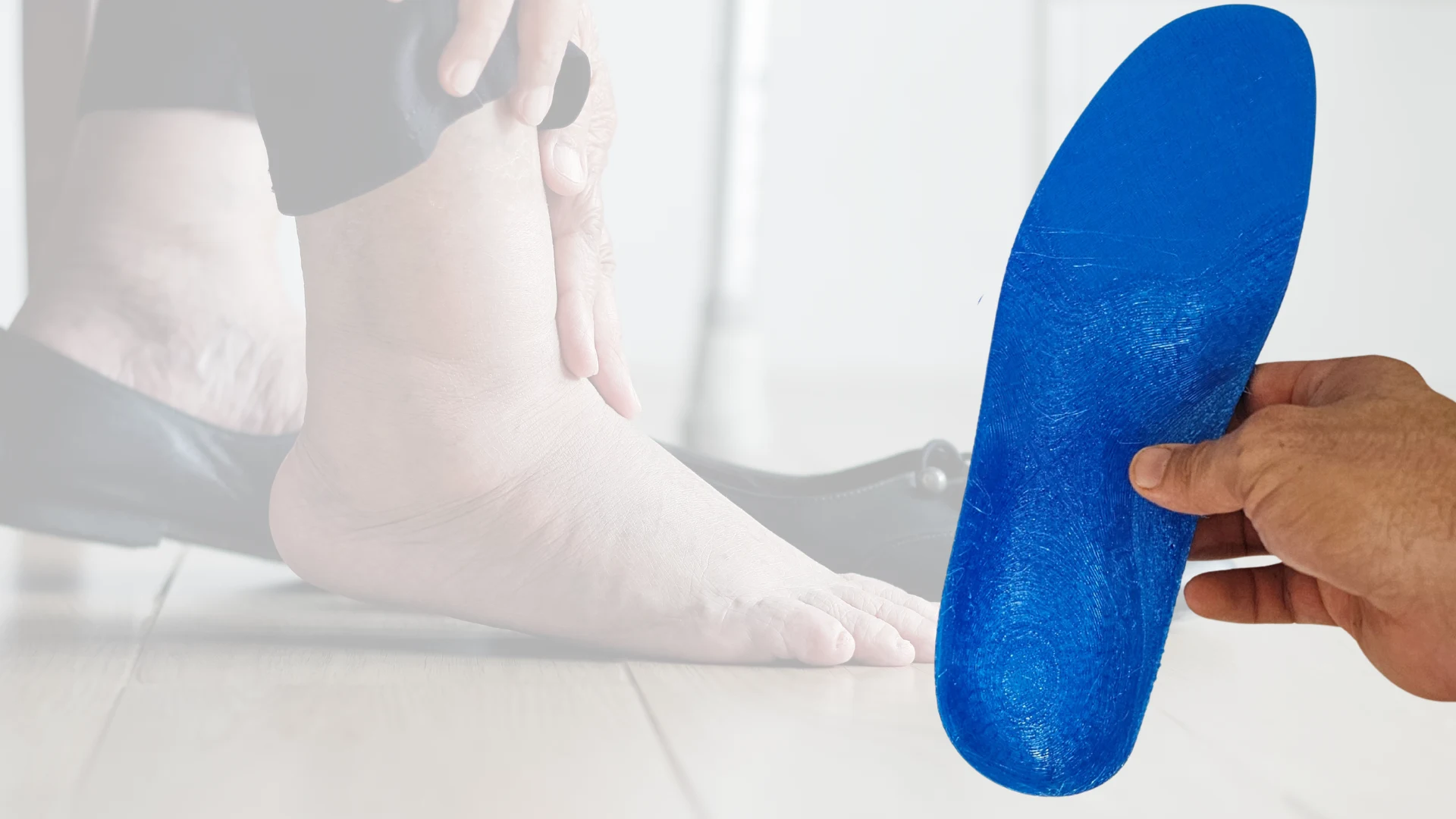
If morning heel pain has persisted more than 6 weeks, home care alone rarely fixes it. At Balance Foot & Ankle, we combine in-office ultrasound diagnostics, custom orthotics, and — when needed — shockwave or PRP to resolve plantar fasciitis that hasn’t responded to stretching and inserts. Most patients are walking pain-free within 4-8 weeks of starting a structured plan.
Call Balance Foot & Ankle: (810) 206-1402 · Book online · Offices in Howell & Bloomfield Township
When Shoes Aren’t Enough — Dr. Tom’s Top 9 Orthotics
About 30% of patients I see for foot pain need MORE than a great shoe — they need a structured insole. Below: my complete 2026 orthotic ranking with pros, cons, and the specific patient I’d give each one to.
★ DR. TOM’S COMPLETE 2026 ORTHOTIC RANKING
9 Best Prefab Orthotics by Use Case
PowerStep, Currex, Spenco, Vionic, and Superfeet — every orthotic I’ve fitted to thousands of patients across both Michigan offices. Each card includes pros, cons, and the specific patient I’d give it to. Real Amazon ratings, review counts, and prices below.
Best All-Purpose Orthotic for Most Patients
Semi-rigid arch shell + dual-layer cushion + deep heel cup. The orthotic I’ve fitted to more patients than any other for 15 years. APMA-accepted. Trim-to-fit design works in athletic shoes, casual shoes, and most work boots.
✓ Pros
- Semi-rigid arch shell provides true biomechanical correction
- Deep heel cup centers the heel and reduces lateral instability
- Dual-layer cushion (top + bottom) lasts 9-12 months daily wear
- Available in 8 sizes for precise fit
- APMA-accepted and clinically validated
- Lower price than Superfeet Green for equivalent function
✗ Cons
- Too thick for most dress shoes (use ProTech Slim instead)
- Some break-in period required (3-7 days for arch tolerance)
- Not enough correction for severe pes planus or rigid pes cavus
Dr. Tom’s Recommendation: If a patient has run-of-the-mill plantar fasciitis, mild flat feet, or arch fatigue, this is the first orthotic I try. Better value than Superfeet for 90% of patients, which is why I swapped it into our clinic kits three years ago. Sub-$50 typically.
Maximum Motion Control · Flat Feet & Severe Over-Pronation
PowerStep’s most aggressive stability orthotic. Adds a 2°-7° medial heel post on top of the standard PowerStep platform — designed specifically for flat-footed patients and severe pronators who need real corrective force.

✓ Pros
- 2°-7° medial heel post adds aggressive pronation control
- Same trusted PowerStep arch shell, more correction
- Built specifically for flat-foot biomechanics
- Excellent for posterior tibial tendon dysfunction (PTTD)
- Removable top cover for cleaning
✗ Cons
- Too aggressive for neutral-arch patients
- Needs longer break-in (10-14 days) due to stronger correction
- Adds 2-3 mm of stack height — won’t fit slim dress shoes
Dr. Tom’s Recommendation: When a patient comes in with significant flat feet AND symptoms (heel pain, arch pain, knee pain), the Original PowerStep isn’t aggressive enough. The Maxx is what gets prescribed. About 25% of my flat-footed patients end up here.
Low-Profile · Fits Dress Shoes & Narrow Casuals
3 mm slim profile with podiatrist-designed tri-planar arch technology. Engineered specifically to fit inside dress shoes, oxfords, loafers, and women’s flats without crowding the toe box. Vionic was founded by an Australian podiatrist.
✓ Pros
- 3 mm slim profile (vs 7-10 mm for standard orthotics)
- Tri-planar arch technology adds support without bulk
- Built-in deep heel cup despite slim design
- Fits dress shoes WITHOUT having to remove the factory insole
- Trim-to-fit · APMA-accepted
✗ Cons
- Less arch support than full-volume orthotics
- Top cover wears faster than thicker alternatives
- Not enough correction for severe foot deformities
Dr. Tom’s Recommendation: My default when a patient says ‘I need orthotics but I have to wear dress shoes for work.’ Slim enough to fit in oxfords and pumps without the heel sliding out. The single highest-impact change you can make for office workers with foot pain.
Built-In Metatarsal Pad · Morton’s Neuroma · Ball-of-Foot Pain
Standard Pinnacle orthotic with a built-in metatarsal pad positioned proximal to the metatarsal heads — the exact location that offloads neuromas and metatarsalgia. No need for separate met pads or pad placement guesswork.

✓ Pros
- Built-in met pad eliminates DIY pad placement errors
- Specifically designed for Morton’s neuroma + metatarsalgia
- Same trusted PowerStep arch + heel cup platform
- Top cover protects sensitive forefoot skin
- Faster relief than orthotics + add-on met pads
✗ Cons
- Met pad position is fixed (can’t fine-tune individual placement)
- Some patients with very small or very large feet need custom
- Slightly thicker than the standard Pinnacle
Dr. Tom’s Recommendation: If a patient has Morton’s neuroma, sesamoiditis, or generalized ball-of-foot pain (metatarsalgia), this saves a clinic visit and a prescription. The built-in pad placement is anatomically correct for 80% of feet. Way better than DIY met pads.
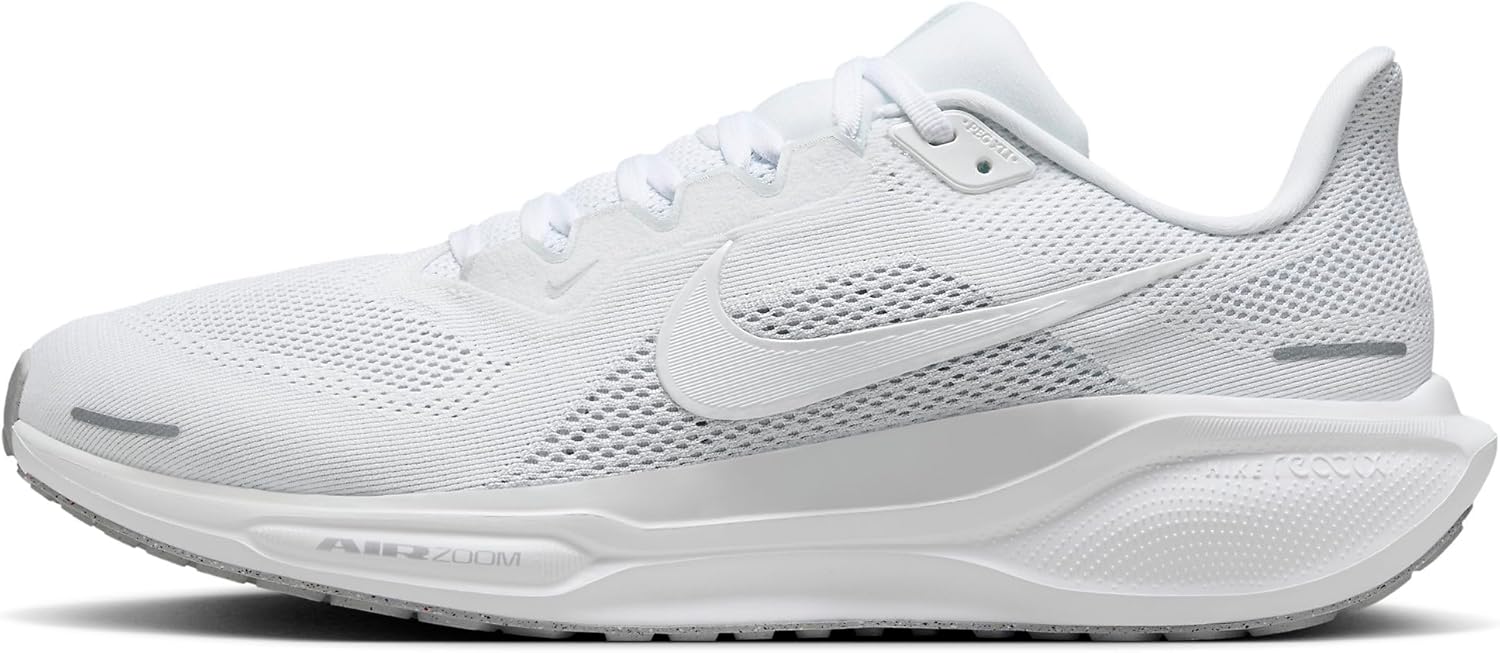
Adaptive Dynamic Arch · Athletic & Daily Wear
Currex’s flagship adaptive arch technology — the orthotic flexes with your gait instead of fighting it. Different stiffness zones along the length give you targeted support at the heel, midfoot, and forefoot. Available in three arch heights (low/medium/high).
✓ Pros
- Dynamic flex zones adapt to natural gait cycle
- Three arch heights ensure precise fit
- Lighter than rigid orthotics (no ‘heavy foot’ feel)
- Excellent for runners and athletic walkers
- European podiatric design (German engineering)
✗ Cons
- More expensive than PowerStep Original ($55-65 typically)
- Less aggressive correction than Pinnacle Maxx for severe cases
- Three arch heights means you must self-select correctly
Dr. Tom’s Recommendation: I started recommending Currex three years ago for runners who said PowerStep felt ‘too rigid.’ The dynamic flex zones respect natural gait. Best for active patients who walk 8K+ steps daily and don’t need maximum motion control.
Running-Specific · Heel Strike + Forefoot Strike Compatible
Currex’s purpose-built running orthotic. The midfoot flex zone is positioned for runner’s gait mechanics, with a flared heel cushion for heel strikers and a forefoot rocker for midfoot/forefoot strikers. Tested on 1000+ runners during product development.
✓ Pros
- Designed by German biomechanics lab specifically for runners
- Dynamic arch flexes with running gait (not static like PowerStep)
- Three arch heights (low/medium/high)
- Reduces overuse injury risk in mid-distance runners
- Lightweight (no impact on cadence)
✗ Cons
- Premium price ($60-75)
- Not aggressive enough for severe over-pronators (use Pinnacle Maxx)
- Runner-specific design = less ideal for daily walking shoes
Dr. Tom’s Recommendation: If a patient runs 20+ miles per week and has plantar fasciitis or shin splints, this is the orthotic I prescribe. The dynamic flex zones respect running biomechanics in a way that no rigid PowerStep can match. Pricier but worth it for serious runners.
Cavus Foot & High-Arch Patients
Polyurethane base with a deeper heel cup and higher arch profile than PowerStep — built for cavus (high-arched) feet that need maximum cushion and support. The 5-zone cushioning system addresses the unique pressure points of high-arch feet.

✓ Pros
- Deeper heel cup centers the heel for cavus foot stability
- Higher arch profile fills the void under high arches
- 5-zone cushioning addresses cavus foot pressure points
- Polyurethane base lasts 12+ months
- Available in Wide width
✗ Cons
- Too tall/aggressive for normal or low arches
- Won’t fit slim dress shoes
- Pricier than PowerStep Original
- Some patients find the arch height uncomfortable initially
Dr. Tom’s Recommendation: Cavus foot patients are often misdiagnosed and given low-arch orthotics — that makes everything worse. Spenco’s Total Support has the arch profile that high-arch feet actually need. About 15% of my patients have cavus feet; this is what they wear.
Cushion Layer · Standing All Day · Gel Pressure Relief
NOT a true biomechanical orthotic — this is a cushion insole. But for patients who want gel pressure relief instead of arch correction (or to add ON TOP of factory insoles in work boots), this is the best gel option on Amazon.

✓ Pros
- Genuine gel cushioning (not foam pretending to be gel)
- Targeted gel waves under heel and ball of foot
- Trim-to-fit · works in most shoe types
- Sub-$15 price (most affordable option in this list)
- Massaging texture is genuinely soothing
✗ Cons
- ZERO arch support — this is cushion only
- Won’t fix plantar fasciitis or flat-foot issues
- Compresses faster than PowerStep (4-6 months)
- Top cover wears through in high-mileage applications
Dr. Tom’s Recommendation: I recommend these to patients who tell me ‘I just want my feet to stop hurting at the end of my shift’ and who don’t have a biomechanical issue. Construction workers, factory workers, retail. Pure cushion does the job for them.
Tight-Fitting Shoes · Cycling Shoes · Hockey Skates
Superfeet’s slim version of their famous Green insole. The trademark stabilizer cap is preserved but the overall thickness is reduced — works in cycling shoes, hockey skates, ski boots, and other tight-fitting footwear that the standard Superfeet Green can’t fit into.

✓ Pros
- Stabilizer cap centers the heel (Superfeet’s signature feature)
- Slim profile fits tight athletic footwear
- Lasts 12+ months daily wear
- Excellent for cycling shoes specifically
- Built-in odor-control treatment
✗ Cons
- Premium price ($45-55)
- Less cushion than PowerStep equivalents
- Not as aggressive correction as Pinnacle Maxx for flat feet
- The signature ‘heel cup feel’ takes 1-2 weeks to adapt to
Dr. Tom’s Recommendation: If you’re a cyclist with foot numbness, hot spots, or knee pain — this is the orthotic. The stabilizer cap solves cycling-specific biomechanical issues that no other orthotic addresses. Worth the premium for athletes.
None of these solving your foot pain?
Some patients (about 30%) need custom-molded prescription orthotics. We make 3D-scanned custom orthotics in our Howell and Bloomfield Township offices — specifically built for your foot mechanics.
Schedule a Custom Orthotic Fitting →FSA/HSA eligible · Most insurance accepted · (810) 206-1402
Frequently Asked Questions
How long do these shoes last?
Quality running shoes last 300-500 miles. Daily walking shoes last 9-12 months. Replace when the midsole feels soft or your symptoms return.
Should I add insoles?
Yes if you have plantar fasciitis or overpronation. Powerstep Pinnacle or a custom orthotic improves results. Healthy feet often do fine with the stock insole.
Are expensive shoes worth it?
Beyond about $130 most extra cost is materials and aesthetics. Match the shoe to your foot type, not budget. The right $80 stability shoe beats the wrong $250 maximalist shoe.

Dr. Tom Biernacki, DPM is a board-certified foot & ankle surgeon (ABFAS & ABPM) at Balance Foot & Ankle Specialists in Southeast Michigan. With over a decade of clinical experience, he specializes in heel pain, bunions, diabetic foot care, sports injuries, and minimally invasive surgery. Dr. Biernacki is a member of the APMA and ACFAS, and his patient education content on MichiganFootDoctors.com and YouTube has made him one of the most-followed foot & ankle educators on YouTube.