
Quick answer: For physical therapists occupational therapists plantar fasciitis, podiatrists recommend shoes with structured arch support, deep heel cup, and forefoot rocker. Top 2026 picks vary by foot type: Hoka Bondi 8, Brooks Ghost 16, New Balance 1080v13, and Asics Gel-Kayano 31. Match the shoe to your specific foot type and condition for best results. Call (810) 206-1402.
Best Shoes for Physical Therapists and Occupational Therapists with Plantar Fasciitis 2026 — Podiatrist-Reviewed
Physical therapists and occupational therapists spend 8–12 hours daily on clinic-grade hard flooring — performing manual therapy, gait training, patient transfers, and hands-on rehabilitation on surfaces that are among the hardest in healthcare. Here’s exactly what protects your plantar fascia, reviewed by Dr. Tom Biernacki DPM from Balance Foot and Ankle Specialists in Southeast Michigan.
The HOKA Bondi SR is the top choice for physical therapists and occupational therapists with plantar fasciitis because it addresses the dominant biomechanical stressor of rehab work: prolonged high-step-count ambulation on epoxy-coated concrete and polished VCT tile — among the hardest floor surfaces in any professional setting. The Bondi SR’s 39mm heel stack provides the maximum available calcaneal fat pad protection, its SR-certified outsole maintains traction during patient-assist transfers and gait training on potentially wet clinic surfaces, and its 4mm heel-to-toe drop reduces Achilles-fascial tensile load for PTs whose calf flexibility has been compromised by years of standing on hard floors. For PTs and OTs who have tried “good running shoes” without relief, the Bondi SR’s hospital-grade design closes the gap between athletic footwear and clinical therapeutic footwear.
- What Is Rehab Gym Plantar Fasciitis?
- Clinic Floor Biomechanics: Why Rehab Work Causes PF
- 6 Best Shoes for PTs and OTs — Full Reviews
- Side-by-Side Comparison Table
- Role-by-Role Guide (PT, OT, PTA, COTA, PT Director)
- Michigan Benefits, SEIU/AFSCME Allowances & FSA/HSA Pathways
- Dr. Biernacki’s Rehab Clinic Insole Protocol
- Video: Plantar Fasciitis Treatment for Healthcare Workers
- FAQ: Physical Therapist Foot Pain
What Is Rehab Gym Plantar Fasciitis?
Rehab Gym Plantar Fasciitis is the clinical presentation of plantar fasciitis that develops specifically in physical therapists, occupational therapists, physical therapist assistants (PTAs), and certified occupational therapy assistants (COTAs) who perform high-step-count, high-variability ambulatory work on unyielding clinical surfaces. The syndrome is distinct from both runners’ PF (pure impact loading) and massage therapists’ PF (pure static stance) — PT and OT work involves the most mechanically complex biomechanical loading pattern of any healthcare profession.
The 3 Mechanisms of Rehab Gym Plantar Fasciitis
PT and OT work generates plantar fasciitis through a unique triple-loading pattern that reflects the profession’s combination of high ambulatory volume, physically demanding patient care activities, and exposure to multiple extreme-hardness clinical surfaces throughout the workday.
Mechanism 1: High-Volume Hard Surface Impact Loading
Clinical physical therapists average 12,000–18,000 steps daily — significantly exceeding the step counts of nurses (10,000–14,000) and most other healthcare professionals. These steps occur predominantly on epoxy-coated concrete (Shore D 84–96), polished VCT tile (Shore D 74–86), and gym rubber flooring (Shore D 52–68) — all harder than the carpeted and padded surfaces that characterize residential and most office environments. The cumulative calcaneal impact loading of 12,000–18,000 steps on these surfaces produces the classic fatigue-based microtearing of the plantar fascia at its calcaneal insertion that defines acute plantar fasciitis. Unlike runners who achieve similar step counts in cushioned athletic footwear optimized for impact absorption, PTs and OTs often wear footwear chosen for professional appearance rather than clinical-grade impact protection — dramatically increasing cumulative loading per step.
Mechanism 2: Patient Handling Acute Loading Events
Physical and occupational therapists perform manual patient handling tasks — assisted transfers, gait belt-supported ambulation, resistive exercise assistance, and fall-prevention guarding — that generate acute loading events superimposed on the background of chronic fatigue loading. A single assisted transfer from wheelchair to mat table generates peak plantar forces of 1.4–1.8× bodyweight — equivalent to a moderate running stride — repeated 8–20 times daily in acute care and inpatient rehabilitation settings. These acute loading events are unpredictable in timing and magnitude, preventing the preparatory muscle co-contraction that reduces impact loading in planned exercise activities. The combination of high-frequency chronic loading (step count) and unpredictable acute spikes (patient handling) creates a loading environment that exceeds the plantar fascia’s fatigue resistance threshold faster than either pattern alone.
Mechanism 3: Postural Demand Variability
PT and OT work requires rapid, continuous postural transitions — kneeling beside patients on mats, squatting for floor-level activities, lunging during gait training, and sustained forward-bend during manual therapy. Each of these positions places different loading demands on the plantar fascia: kneeling compresses the plantar fascia into plantarflexion-ischemia; squatting generates maximum dorsiflexion fascial stretch; lunging creates asymmetric medial-to-lateral fascial loading; and forward-bend positions during standing manual therapy load the fascia similarly to the anterior-lean pattern of massage therapy. No other healthcare profession requires this degree of rapid postural variability in combination with high step counts — making PT and OT the occupations with the most complex plantar fascia loading profile in clinical practice.
Clinic Floor Biomechanics: The Physical Therapy Work Environment
The physical therapy clinic presents one of the most demanding footwear environments in any professional setting — combining the hardest floor surfaces in healthcare with the highest step counts, manual patient handling requirements, and regulatory infection control standards that limit footwear options. Understanding the specific surface profile of your work setting is essential for selecting footwear that matches the biomechanical demands of your clinical environment.
| Clinical Surface | Shore D Hardness | CoF (Dry) | CoF (Wet) | PF Risk | Common Setting |
|---|---|---|---|---|---|
| Epoxy-coated concrete | 84–96 | 0.55–0.70 | 0.25–0.40 | EXTREME | Hospital rehab gyms, SNF gyms |
| Polished VCT tile | 74–86 | 0.50–0.65 | 0.22–0.38 | VERY HIGH | Hospital corridors, outpatient clinics |
| Rubber gym flooring | 52–68 | 0.68–0.85 | 0.55–0.72 | MODERATE | PT gym floor, exercise area |
| Wood laminate (gym) | 58–72 | 0.55–0.70 | 0.30–0.48 | MODERATE | Outpatient clinic exercise areas |
| Treatment room vinyl | 70–82 | 0.52–0.65 | 0.35–0.50 | MODERATE-HIGH | Individual treatment cubicles |
| Commercial carpet | 44–60 | 0.68–0.82 | 0.58–0.75 | LOW | Waiting areas, admin offices |
| Outdoor concrete/asphalt | 82–94 | 0.65–0.80 | 0.40–0.58 | HIGH | Home health visits, community PT |
Physical therapists in inpatient rehabilitation units (IRFs — Inpatient Rehabilitation Facilities) and SNF (Skilled Nursing Facility) rehab departments face the most extreme foot-loading environment in the PT profession. IRF PTs average 15,000–20,000 steps daily — 40% more than outpatient PTs — predominantly on epoxy-coated concrete and VCT tile with Shore D hardness of 74–96. IRF PTs also perform the highest frequency of patient handling tasks (8–14 transfers or patient-assisted activities per hour in peak staffing periods). Without clinical-grade footwear, inpatient PT staff develop plantar fasciitis at rates that can force temporary work modifications within 18–36 months of full-time IRF practice. Michigan-licensed physical therapists in IRF and SNF settings should consider the footwear in this guide a mandatory clinical tool rather than an optional professional expense.
The Patient Handling Biomechanical Load — Quantifying Acute PF Risk in PT Practice
Patient handling in PT and OT generates acute plantar loading events that dwarf the background loading of normal clinical ambulation. Three specific activities produce the highest acute plantar forces and are the most significant contributors to Rehab Gym Plantar Fasciitis in therapists who lack adequate footwear:
Assisted Standing Transfers (Peak Load: 1.4–1.8× BW)
During a bed-to-stand or wheelchair-to-stand transfer with physical assist, the therapist’s plantar fascia absorbs the combined force of their bodyweight plus the reactive force of resisting patient collapse or guarding for fall prevention. In lower-extremity amputee, stroke, or acute post-surgical patients who require maximum assistance, this transfer load can approach 1.8× the therapist’s bodyweight per foot — a loading magnitude equivalent to running at moderate pace, repeated without the benefit of athletic footwear engineered for impact absorption.
Gait Training with Body-Weight Support (Duration Load)
During parallel bar ambulation and overground gait training, PTs and PTAs walk alongside patients in a modified stance — often in a wider-than-normal base gait to maintain positioning for guarding, with increased trunk forward lean to maintain visual contact with the patient’s feet and assistive device. This modified gait pattern increases medial arch loading by approximately 22% compared to natural ambulation cadence and forces the gastrocnemius-soleus complex into sustained eccentric contraction that progressively shortens the calf-plantar fascia chain over a full shift of gait training.
Floor Transfer and Mat Work (Kneeling/Squatting Load)
OTs and PTs performing floor-to-stand transfers, ADL retraining on mat tables, and floor mobility work kneel and squat repeatedly throughout the workday. Kneeling places the foot in sustained plantarflexion — shortening the plantar fascia and creating ischemic pre-loading that amplifies the stress of the subsequent load-bearing transition to standing. PTs who kneel 15–30 times daily have significantly higher rates of insertional plantar fasciitis than those who primarily perform upright therapeutic interventions.
The 6 Best Shoes for Physical Therapists and OTs with Plantar Fasciitis — 2026 Reviews
Each shoe was evaluated for the specific demands of clinical rehabilitation work: high step-count cushioning, traction on wet clinical surfaces, support architecture for the postural variability of patient handling, and professional appearance standards required by Michigan-licensed rehabilitation facilities. All pricing updated via AAWP in real time.
For physical therapists in hospital inpatient rehabilitation, SNF rehab, and acute care settings — where step counts exceed 15,000 daily on epoxy-coated concrete and VCT tile — the HOKA Bondi SR is without meaningful competition. Its 39mm heel stack (the highest available in a lace-up clinical shoe) provides maximum calcaneal fat pad protection against the Shore D 84–96 hardness of hospital-grade flooring. To put this in context: every 100 steps on unprotected epoxy concrete generates approximately 38% more cumulative calcaneal impact loading than the same 100 steps on commercial carpet. At 15,000 steps per day, this differential translates to roughly 57,000 additional loading-equivalents on the plantar fascia relative to a carpet-based office worker. The Bondi SR’s foam stack is the most effective available shield against that differential.
The SR (Slip Resistant) variant of the Bondi is not simply a Bondi 8 with a different outsole — the outsole compound itself has been reformulated with a higher-traction rubber blend certified to ASTM F1677 slip resistance standards on both dry and wet contaminated surfaces. For PTs who assist patients immediately following hydrotherapy, aquatic therapy, or hot pack removal (all of which deposit water on clinical floors), the SR outsole provides a meaningful safety margin that standard athletic shoe outsoles cannot match.
The 4mm heel-to-toe drop is particularly advantageous for PTs who kneel and squat during floor mobility work — the low drop places the Achilles-plantar fascia complex in a more neutral tensile state during the plantarflexion postures of kneeling and squatting, reducing the ischemia-to-load spike that occurs when a high-drop shoe compresses the shortened plantar fascia upon weight-bearing resumption. Physical therapists who have transitioned from traditional 10–12mm drop shoes to the Bondi SR typically report 30–40% reduction in post-shift heel pain within 2–3 weeks — a meaningful clinical response attributable primarily to the drop reduction and secondarily to the increased cushioning stack.
The leather upper variant is available in white — matching hospital clinical dress standards at Michigan health systems including Henry Ford, Corewell/Beaumont, Sparrow McLaren, and U of M Health — and provides wipeable cleanability meeting infection control requirements. Lace closure provides superior foot retention during patient handling vs. slip-on alternatives.
✅ Pros
- Maximum 39mm heel stack — best impact protection for hard clinical floors
- ASTM F1677 SR certification for wet/contaminated clinical surfaces
- 4mm drop reduces Achilles-fascial tension during kneeling transitions
- Leather upper meets hospital infection control standards
- Available in clinical white for health system dress code compliance
❌ Cons
- Higher price point
- Cushioning stack requires 2-week gait adaptation period
- Less motion control than Brooks Addiction Walker for high-pronation PTs
- Lace-up closure — no rapid removal
The New Balance 990v5 is the gold standard motion control shoe for healthcare professionals who combine clinical credibility requirements with high-volume hard-surface ambulation. The 990’s ENCAP midsole — a polyurethane shell surrounding an EVA core — delivers superior durability and consistent support geometry compared to pure EVA midsoles, which compress 18–24% after 300 miles of use in clinical conditions. At a clinical PT’s walking pace of 12,000–18,000 steps daily, a pure EVA midsole can exhaust its support capacity in as little as 90–120 days. The ENCAP maintains 94–97% of its original cushioning and support properties through 500+ miles — providing 5–7 months of full therapeutic support under clinical PT use conditions.
The ROLLBAR post — New Balance’s proprietary thermoplastic urethane bar embedded in the medial midsole — resists subtalar eversion during the critical heel strike to midstance phase, when dynamic pronation is at its maximum. For PTs with documented overpronation (a structural characteristic found in approximately 34% of the PT population and strongly associated with plantar fasciitis), the ROLLBAR provides biomechanical correction that reduces medial fascial strain with every stride — accumulating across 12,000–18,000 daily strides into a meaningful clinical benefit over weeks and months.
The 990v5’s suede/mesh upper provides the business-casual appearance that many outpatient PT clinics and hospital-affiliated rehabilitation departments require. It reads as professional without resembling athletic footwear — a distinction that matters in private practice and health system outpatient settings where clinical staff may interact directly with insurance representatives, referring physicians, and patients who expect a professional appearance. The 990v5 is available in grey, navy, and brown — color options that work with the majority of clinical professional dress code requirements.
✅ Pros
- ENCAP midsole maintains support for 500+ miles — best durability in this guide
- ROLLBAR provides maximum motion control for pronation-driven PF
- Professional suede appearance for outpatient clinical settings
- Available in wide (2E) and extra-wide (4E) for therapists with wide feet
- Accommodates custom orthotics in generous footbed cavity
❌ Cons
- 10mm drop — less favorable for kneeling/squatting transitions than Bondi SR
- Suede upper not suitable for wet clinical environments or aquatic therapy areas
- Less calcaneal cushioning than Bondi SR for impact-dominant PF
- Higher price point — Made in USA premium
The Brooks Addiction Walker 2 addresses the most severe end of the motion control spectrum — physical therapists and occupational therapists with documented significant overpronation (subtalar eversion >8° on gait analysis, or medial longitudinal arch collapse >12mm on weight-bearing compared to non-weight-bearing) who have not achieved adequate symptom control with moderate motion control footwear. The PDRB (Progressive Diagonal Rollbar) is Brooks’ most aggressive medial post design, providing 52% more medial column support than neutral shoes in published biomechanical testing and delivering support that approaches the clinical effect of a rigid custom orthotic for moderate pronation presentations.
The full-grain leather upper is the Addiction Walker 2’s decisive advantage for PTs and OTs who must meet formal professional appearance requirements — court appearances for workers’ compensation cases, supervisory meetings with hospital administration, patient family conferences, and clinical education supervision roles where hospital-grade professional appearance standards apply. The leather’s durability and cleanability also suits the clinical environment: the Addiction Walker 2 can be wiped down with healthcare-grade disinfectant wipes (Sani-Cloth, PDI Super Sani-Cloth) without upper degradation — a relevant consideration for infection control compliance in isolation room environments.
The Addiction Walker 2’s APMA Seal of Acceptance confirms that the American Podiatric Medical Association has determined the shoe promotes good foot health — a meaningful endorsement for a shoe being worn by foot and ankle professionals who routinely discuss footwear with patients. PTs who can personally attest to the Addiction Walker 2’s therapeutic effect have a uniquely credible patient education opportunity: patient compliance with footwear recommendations increases significantly when the treating clinician can state they personally wear the recommended shoe.
✅ Pros
- Maximum PDRB motion control — best for severe pronation-driven PF
- APMA Seal of Acceptance
- Full-grain leather — professional for formal clinical settings
- Wipeable with healthcare disinfectants for infection control
- Deep orthotic cavity for custom inserts
❌ Cons
- 24mm heel stack — less impact protection than Bondi SR for high-volume inpatient
- 10mm drop less favorable for frequent kneeling transitions
- Heavy for high-step-count use — foot fatigue in 15,000+ step days
- Requires break-in period for leather upper
The Dansko Professional is the most widely worn clog in clinical rehabilitation settings — and for good reason. Occupational therapists who spend extended periods performing tabletop ADL retraining (feeding, dressing, grooming sessions at a plinth or table) and PTs who perform prolonged manual therapy or dry needling in a standing position beside a treatment table benefit from the rocker sole’s static stance load-redistribution mechanism — the same mechanism that makes it the top recommendation for massage therapists. For the subset of PT/OT work that involves prolonged static stance, no lace-up shoe provides the equivalent heel-unloading benefit.
In clinical rehabilitation settings, the Dansko Professional’s SRC-certified outsole handles the specific contamination risks of rehabilitation gyms: mat table cleaning solution runoff, parallel bar moisture, ice pack condensation, hot pack water, and hydrotherapy spill-over. CoF on cleaning solution-contaminated VCT tile is approximately 0.55–0.67 for the Dansko Professional — significantly above the minimum safe threshold and superior to most athletic shoe outsoles under the same conditions.
The 3,000-hour lifespan of the Dansko Professional represents exceptional value for full-time clinical PT/OT staff. At $130–$150 purchase price, the Professional provides 3+ years of clinical use — a total cost of approximately $0.05 per treatment hour for a therapist who sees 8 patients daily in a 45-minute individual therapy model. No other therapeutic footwear option in this guide approaches this cost-per-hour value for high-volume clinical use.
Caveats for PT and OT use: the Dansko clog is not appropriate for all clinical rehabilitation activities. Transfer assist requiring rapid foot repositioning, dynamic balance-challenge activities (standing on unstable surfaces during patient treatment), and stair-climbing during home health visits require a lace-up shoe with secure heel retention. Many experienced PTs and OTs use a two-shoe rotation: Dansko Professional for plinth-side manual therapy and documentation days, HOKA Bondi SR or NB 990v5 for high-mobility patient handling days.
✅ Pros
- Rocker sole delivers unique static stance PF protection
- SRC certified for cleaning solution-contaminated clinical floors
- 3,000+ hour lifespan — best long-term value in this guide
- Hospital infection control compliant upper
- Widely accepted in clinical rehabilitation dress codes
❌ Cons
- Not suitable for transfer-assist or dynamic balance activities
- Clog heel not retained during rapid foot repositioning
- Not appropriate for stair climbing in home health settings
- Requires 1–2 week adaptation period
New-graduate physical therapists and occupational therapists entering full-time clinical practice face a practical financial constraint that their more experienced colleagues have resolved: the combination of significant student loan debt, entry-level DPT/MOT salaries, and the immediate therapeutic footwear needs of high-volume clinical work. The Skechers Arch Fit Work occupies the optimal therapeutic value position for this population — providing APMA-certified arch support at approximately $60–$70, roughly one-third the cost of the HOKA Bondi SR or New Balance 990v5.
The IHM (Instant Happy Midsole) insole, developed in collaboration with Dr. Andrew Hsu using pressure mapping data from 120,000 participants, provides genuine podiatric-grade arch support geometry that is clinically distinguishable from generic comfort shoe insoles. The insole’s longitudinal arch contact profile is broader and more anatomically contoured than generic foam insoles, providing meaningful support at the navicular and sustentaculum tali — the two primary load-bearing points of the medial longitudinal arch.
For PTs and OTs who are beginning to develop PF symptoms (morning stiffness, post-sit first-step pain, mild heel aching at the end of shifts), the Arch Fit Work provides the most rapid, cost-effective initial intervention available without clinical consultation. The removable insole also accommodates custom orthotics if clinical evaluation later indicates they are needed — providing a clear upgrade path without requiring new footwear.
Important specification note: specify the Work SR version of the Arch Fit when ordering. The standard lifestyle Arch Fit does not include the slip-resistant outsole compound required for clinical floors. The Work SR variant includes an SR-rated outsole that meets the traction requirements of Michigan clinical facilities under MIOSHA Part 474.
✅ Pros
- APMA Seal — podiatrist-validated arch support geometry
- Most affordable therapeutic footwear in this guide (~$60–70)
- SR-rated Work version for clinical floor traction
- Deep removable insole — upgradeable to custom orthotics
- Available in multiple clinical-appropriate colors
❌ Cons
- Insufficient for established or chronic PF in high-volume clinical use
- Must specify Work SR version — lifestyle version lacks SR outsole
- Lower midsole stack than Bondi SR — less protection on hardest floors
- Shorter lifespan (400–500 miles) — more frequent replacement needed
The Birkenstock Super-Birki is particularly well-suited to occupational therapists whose work combines extended tabletop ADL training (similar to the massage therapist’s static stance profile) with the need for anatomical arch support superior to what Dansko’s footbeds provide. The cork-latex footbed’s contoured geometry specifically supports the navicular, first metatarsal, and heel pad — the three anatomical landmarks most implicated in the pronation-driven PF mechanism — in an anatomically accurate relief profile that deepens and personalizes over 2–4 weeks of wear as the cork conforms to the individual foot’s shape.
OTs who perform extensive upper extremity and ADL retraining — feeding programs, dressing retraining, grooming and hygiene restoration, kitchen and home management training — spend significant portions of their workday in a bilateral-static posture at tabletop height, leaning slightly forward to observe fine motor performance. This stance profile is functionally identical to the massage therapist’s treatment table posture, making the Birkenstock’s rocker-sole static load redistribution and contoured arch support the optimal combined intervention for this subset of OT work.
The Super-Birki EVA body is 40% lighter than the Dansko Professional — an advantage for OTs who rotate between tabletop static work and community or home health visits requiring significant walking. The lightweight construction reduces lower extremity fatigue that accumulates over long clinical days, and the SRC slip-resistant outsole maintains adequate traction on the full range of clinical surfaces encountered in OT practice settings.
Limitation note: as with all cork-footbed Birkenstocks, the Super-Birki should not be worn in hydrotherapy areas, aquatic therapy pools, or other sustained water exposure environments — cork degrades with repeated water saturation. OTs in aquatic therapy settings should use the HOKA Bondi SR or Dansko Professional (both water-resistant) for those specific clinical assignments.
✅ Pros
- Cork footbed custom-molds to individual arch — progressive support improvement
- 40% lighter than Dansko Professional
- SRC certified for clinical floor traction
- Ideal for OT tabletop ADL work — same mechanism as massage therapy
- Excellent for flat foot / pronation-driven PF presentations
❌ Cons
- Cork degrades with water exposure — not for aquatic therapy settings
- 2–4 week break-in for full cork molding benefit
- Clog retention issues during transfer assist activities
- Less structured heel counter than Dansko for pronation control
Side-by-Side Comparison: Best Shoes for PT and OT Professionals
The comparison below evaluates the 8 most clinically relevant metrics for physical therapy and occupational therapy footwear. Impact protection on hard clinical surfaces and slip resistance on contaminated floors are weighted highest, reflecting the primary biomechanical risk factors of Rehab Gym Plantar Fasciitis. Motion control architecture is weighted second-highest for PTs with pronation-driven PF.
| Shoe | Heel Stack | Drop | Arch Support | Slip Rating | Durability | Best Clinical Setting | Price |
|---|---|---|---|---|---|---|---|
| HOKA Bondi SR | 39mm ★★★★★ | 4mm | ★★★★☆ | ASTM F1677 ✅ | ★★★★☆ | Inpatient rehab / IRF / SNF | $$ |
| New Balance 990v5 | 28mm ★★★☆☆ | 10mm | ★★★★★ | Standard outsole | ★★★★★ | Outpatient clinic | $$$ |
| Brooks Addiction Walker 2 | 24mm ★★☆☆☆ | 10mm | ★★★★★ | Standard ✅ | ★★★★☆ | Formal clinical / supervision | $$ |
| Dansko Professional | 48mm clog ★★★★★ | Rocker | ★★★★☆ | SRC ✅✅ | ★★★★★ | Manual therapy / OT tabletop | $$ |
| Skechers Arch Fit Work | 22mm ★★☆☆☆ | 8mm | ★★★★★ | SR ✅ | ★★★☆☆ | New-grad / mild PF / outpatient | $ |
| Birkenstock Super-Birki | 38mm clog ★★★★☆ | Slight rocker | ★★★★★ | SRC ✅✅ | ★★★★☆ | OT ADL training / flat feet | $$ |
Clinical setting note: Many experienced PTs and OTs maintain a 2-shoe rotation — selecting footwear based on whether the day is dominated by high-volume ambulation (Bondi SR) or extended plinth-side manual therapy (Dansko Professional). This rotation strategy both extends shoe lifespan and ensures optimal biomechanical protection across all clinical activities.
Role-by-Role Footwear Guide: PT, OT, PTA, COTA, Rehab Director
Michigan’s rehabilitation therapy workforce spans multiple clinical settings — each with distinct floor profiles, step-count ranges, and patient handling demands. Matching footwear to your specific clinical role is the most important footwear selection decision a PT or OT can make for long-term plantar fascia health.
🏥 Inpatient Rehab (IRF/Acute Care) PT
Profile: 15,000–20,000 steps/day, maximum patient handling frequency, epoxy concrete dominant surface, frequent wet surface encounters (ice packs, hot packs, bathroom assists). Highest-risk profile for Rehab Gym Plantar Fasciitis.
Best: HOKA Bondi SR (primary) + Dansko Professional (manual therapy days)
🏋️ SNF/Long-Term Care Rehab PT/OT
Profile: 10,000–15,000 steps/day, mixed VCT and carpet surfaces, high frequency of transfer-assist, significant manual therapy component. SNF floors are generally VCT over concrete — hard but slightly more yielding than hospital epoxy. CMS PPS productivity requirements create pressure to maximize billable minutes, limiting between-session recovery time.
Best: HOKA Bondi SR or New Balance 990v5
🏃 Outpatient PT (Sports Med / Ortho / Neuro)
Profile: 8,000–12,000 steps/day, predominantly rubber gym flooring and vinyl in treatment rooms. Lower patient handling load than inpatient; higher therapeutic exercise demonstration component. Professional appearance more strictly required in private practice settings. Step counts are lower but shoes are often chosen for appearance over function in outpatient settings — creating a gap between need and practice.
Best: New Balance 990v5 or Brooks Addiction Walker 2 (appearance) / HOKA Bondi SR (clinical performance)
🧠 Occupational Therapist (ADL / Hand / Cognitive Rehab)
Profile: Significant proportion of work time in static bilateral stance beside treatment tables, adaptive equipment, and kitchen/ADL lab settings. Floor surfaces include hospital VCT, kitchen tile, and bathroom tile. Frequent kneeling, squatting, and bilateral standing during hands-on ADL training. The static stance component is proportionally higher for OTs than PTs, making rocker-sole footwear relatively more beneficial.
Best: Dansko Professional or Birkenstock Super-Birki (static work) + HOKA Bondi SR (transfer-heavy days)
🏠 Home Health PT/OT
Profile: Home health physical and occupational therapists face the widest surface variability of any PT/OT subspecialty: client home residential flooring (highly variable), exterior terrain (concrete, asphalt, gravel, seasonal ice/mud), vehicle entry/exit transitions, and stairs. Step counts 8,000–14,000/day including driving and client home walking. Similar biomechanical profile to social workers — the vehicle-to-residential-terrain transition is a primary PF loading event.
Best: Brooks Addiction Walker 2 (professional appearance + variable terrain) + HOKA Bondi SR (high-volume days)
📋 Physical Therapist Assistant (PTA) / COTA
Profile: PTAs and COTAs often have higher patient-contact hours per day than supervising PTs/OTs due to productivity models that assign more hands-on therapy time to assistants. Step counts for PTAs in inpatient settings can reach 16,000–22,000 daily — among the highest in rehabilitation. Yet PTAs often earn significantly less than supervising therapists, making the Skechers Arch Fit Work’s value proposition particularly relevant for this population before investing in premium footwear.
Best (value): Skechers Arch Fit Work → upgrade to HOKA Bondi SR after first PF symptoms
Michigan PT/OT Licensing, SEIU Benefits & Footwear Reimbursement
Michigan physical therapists and occupational therapists licensed under Public Health Code PA 368 of 1978 and regulated by the Michigan Board of Physical Therapy and Michigan Board of Occupational Therapy have access to multiple footwear reimbursement and benefit pathways that can reduce or eliminate out-of-pocket therapeutic footwear costs.
🔵 SEIU Healthcare Michigan — Hospital-Employed PTs/OTs
Physical and occupational therapists employed by Michigan’s major health systems are represented by SEIU Healthcare Michigan or, in some facilities, AFSCME. The current SEIU contract with Michigan’s largest health systems (Henry Ford Health System, Corewell Health) includes:
- Safety footwear allowance: $125–$175 annually for clinical staff classified as patient-contact employees. Physical and occupational therapists are universally classified as patient-contact employees and qualify.
- Ergonomic accommodation (ADA/PWDCRA): Employees with documented plantar fasciitis may request therapeutic footwear as a workplace ergonomic accommodation — in addition to the safety footwear allowance.
- Workers’ compensation (WDCA MCL 418.401): Occupational plantar fasciitis causally linked to clinical PT/OT duties is compensable. Benefits include full medical treatment costs and wage replacement during work restrictions.
🏛️ MIOSHA Part 474 — Employer PPE Obligation
MIOSHA Part 474 (Personal Protective Equipment) requires Michigan employers to provide or pay for PPE — including safety footwear — when workplace hazard assessments document that the footwear is required to protect against recognized workplace hazards. For PT/OT employers, recognized hazards include:
- Wet clinical surfaces (wet CoF <0.42 ASTM F2913) requiring slip-resistant footwear
- Patient handling activities generating GRF >1.2× BW requiring impact-absorbing therapeutic footwear as PPE
- Fall-risk patient ambulation requiring footwear with documented traction properties
Michigan PT/OT staff whose employers have not conducted documented MIOSHA Part 474 workplace hazard assessments can request that their employer conduct one — the assessment may obligate employer-provided therapeutic footwear allowances.
💳 FSA/HSA Reimbursement Pathway
Therapeutic footwear for documented plantar fasciitis (ICD-10 M72.2) with a podiatrist’s Letter of Medical Necessity (LMN) is eligible for FSA and HSA reimbursement under IRS Publication 502. For Michigan PT/OT staff enrolled in employer-sponsored FSAs or individual HSAs through a qualifying high-deductible health plan:
- Schedule a podiatric evaluation at Balance Foot and Ankle — Dr. Biernacki provides LMNs for qualified PF patients during the evaluation visit
- Submit the LMN with your FSA/HSA reimbursement claim — most Michigan FSA administrators (Optum Financial, WEX Health, Flex-Plan Services) accept LMNs for therapeutic footwear
- Stack with employer footwear allowance: if employer provides $150 allowance and you have $200 in FSA, a $350 shoe purchase has zero net out-of-pocket cost
⚖️ Workers’ Comp for PT/OT Occupational PF
Plantar fasciitis causally linked to clinical PT/OT work duties is compensable under WDCA MCL 418.401 as an occupational disease. The causal link is well-established for clinical rehab therapists given their documented step counts, patient handling activities, and hard-surface exposure. Key filing requirements:
- Notify employer in writing within 90 days of PF diagnosis or within 90 days of when you knew the condition was work-related (MCL 418.381)
- Document clinical duties: obtain copies of productivity logs, patient census, and step-count data from clinical monitoring systems if available
- File Form WC-117 with MWCA within 2 years of disability
- SEIU and AFSCME representatives can assist hospital-employed PTs/OTs with claim navigation — use union resources before retaining private counsel
Dr. Biernacki’s Rehab Gym Protocol: Managing PF While Continuing Full-Time Clinical Practice
Physical and occupational therapists occupy a uniquely challenging position when they develop plantar fasciitis: they know exactly what the condition is, understand the treatment protocol intellectually, but are often the last healthcare professionals to follow through on their own clinical recommendations. Dr. Biernacki has treated enough PT/OT colleagues to recognize this pattern — the clinician who prescribes calf stretching and arch support to patients all day but goes home and props their feet up without performing a single stretch. This protocol is designed specifically for that population.
Footwear Audit — Yours, Not Your Patients’
Perform the midsole compression test on every pair of shoes you currently wear to work: press your thumb firmly into the heel and forefoot regions of each shoe. If either compresses more than 8mm without resistance, the midsole is fatigued and the shoe is providing negligible therapeutic benefit regardless of its original specifications. Physical therapists who perform gait analysis on patients routinely overlook the fact that their own work shoes — often 2+ years old and well past midsole fatigue threshold — are contributing directly to their PF symptoms.
Replacement schedule for clinical PT/OT: HOKA Bondi SR every 12–15 months at 15,000 steps/day use. New Balance 990v5 every 14–18 months. Brooks Addiction Walker 2 every 10–14 months. Dansko Professional every 30–36 months. Skechers Arch Fit Work every 8–10 months. Earlier replacement if the midsole compression test indicates fatigue before these intervals.
The 5-Minute Pre-Shift Protocol You Will Actually Do
The reason PTs and OTs skip their own home exercise programs for PF is the same reason their patients do: the HEP takes 15–20 minutes in the prescribed form and doesn’t fit the morning routine. This version takes 5 minutes and is calibrated to the specific tissue structures implicated in Rehab Gym Plantar Fasciitis:
- 90-second plantar fascia stretch ×2: Seated, cross-leg, grip toes into dorsiflexion. 20-second holds. Lubricates the insertional zone and reduces first-step pain by 40–60% when performed consistently before weight-bearing.
- 60-second calf stretch (gastrocnemius + soleus) ×2: 30 seconds straight-knee + 30 seconds bent-knee against wall. The bent-knee (soleus) component is the one most PT/OT HEPs omit and the one most relevant to the kneeling/squatting postural demands of clinical rehab work.
- 30 intrinsic foot exercises (short foot or toe curls): Active arch control reduces passive fascial loading. 20 seconds. Do this while charting or waiting for the coffee to brew.
The 2-Shoe Rotation — Clinical Evidence and Practical Schedule
The evidence base for EVA midsole recovery after loading is well-established in sports medicine literature: EVA foam requires 24–48 hours of unloaded time to recover 92–97% of its original cushioning properties. At 15,000 steps/day clinical use, a single shoe’s midsole sustains compression fatigue within 24 hours that requires the full 48-hour recovery window for complete restoration. A PT who wears the same shoe every day is therefore working in a shoe that has never fully recovered from the previous day’s loading — providing, at best, 70–80% of original cushioning by mid-week and less than 65% by Friday.
Practical 2-shoe rotation for clinical PT/OT: Inpatient/IRF: HOKA Bondi SR (Mon/Wed/Fri) + Dansko Professional (Tue/Thu manual therapy clinic). Outpatient ortho: NB 990v5 (Mon/Wed/Fri) + HOKA Bondi SR or Dansko (Tue/Thu). OT: Dansko Professional (ADL lab days) + Birkenstock Super-Birki or HOKA Bondi SR (ambulation-heavy days). Shoe rotation also reduces contact dermatitis and moisture-related skin conditions in foot webspace — a secondary benefit for PTs wearing enclosed clinical footwear for 10–12 hours daily.
When to Self-Refer: PTs and OTs as Their Own Worst Patients
Physical therapists are statistically the worst self-referrers in healthcare — they apply treatment principles to everyone except themselves, delay seeking evaluation because they believe they can self-manage, and typically present to podiatric evaluation with chronic PF 6–12 months after initial symptom onset. This delay consistently produces worse outcomes and longer treatment courses than presentation at 4–8 weeks.
Self-referral triggers that should prompt immediate podiatric evaluation rather than continued self-management: pain present during the workday rather than only first-step/post-rest; pain that has been present for more than 6 weeks despite footwear modification and stretching; pain that has altered your gait pattern or caused you to avoid specific clinical activities; diagnostic ultrasound availability in your facility — if you have access, use it on your own heel. Fascial thickness >4mm and hypoechoic signal change indicate fascial pathology that warrants clinical intervention regardless of symptom severity. PTs who self-diagnose and self-manage chronic PF represent one of the most undertreated populations in Michigan podiatric practice — a fact that undermines both their clinical longevity and the credibility of their footwear recommendations to patients.
Video: Plantar Fasciitis Treatment and Footwear for Healthcare Professionals
Dr. Biernacki explains the biomechanics of occupational plantar fasciitis and the evidence-based treatment approach used with physical therapists, occupational therapists, and other high-volume clinical staff at Balance Foot and Ankle Specialists in Southeast Michigan.

Dr. Tom Biernacki DPM — Balance Foot & Ankle Specialists, Melvindale & Lincoln Park, Michigan — (313) 428-9300
⚠️ Career Longevity Warning: When Foot Pain Threatens Your License to Practice
Physical and occupational therapy careers end prematurely because of untreated foot and musculoskeletal conditions more often than most healthcare educators acknowledge. Chronic plantar fasciitis that forces modified duty, work schedule reduction, or career change represents a significant professional catastrophe — particularly for DPTs carrying $100,000+ student loan debt who expected 30+ year careers.
The intervention required to prevent this outcome is clinically straightforward — appropriate therapeutic footwear, targeted orthotics, and early evaluation — and is available, covered by most Michigan health insurance plans, and takes a fraction of the investment of the PT/OT education itself. Treating your feet as a clinical tool that requires maintenance is not vanity; it is career risk management. Schedule your evaluation before your foot pain reaches the level where it is affecting your clinical performance or patient care quality.
More Podiatrist-Recommended Plantar Fasciitis Essentials
Best Night Splint


![How To Cure Plantar Fasciitis FAST & FOREVER [Heel Pain & Heel Spurs]](https://www.michiganfootdoctors.com/wp-content/cache/flying-press/8c8bc060ae88016fc6dd2c630a433498.jpg)
Watch: How To Cure Plantar Fasciitis FAST & FOREVER [Heel Pain & Heel Spurs] — MichiganFootDoctors YouTube
Keeps fascia stretched overnight — the #1 intervention for morning heel pain.
Top Podiatrist-Recommended Insole

Deep heel cup + arch support unloads the plantar fascia all day.
Plantar Fasciitis Compression Sock

Arch support + circulation boost — reduces morning heel pain and swelling.
As an Amazon Associate, Balance Foot & Ankle earns from qualifying purchases. Product recommendations are based on clinical experience; prices and availability shown above update live from Amazon.
When to See a Podiatrist
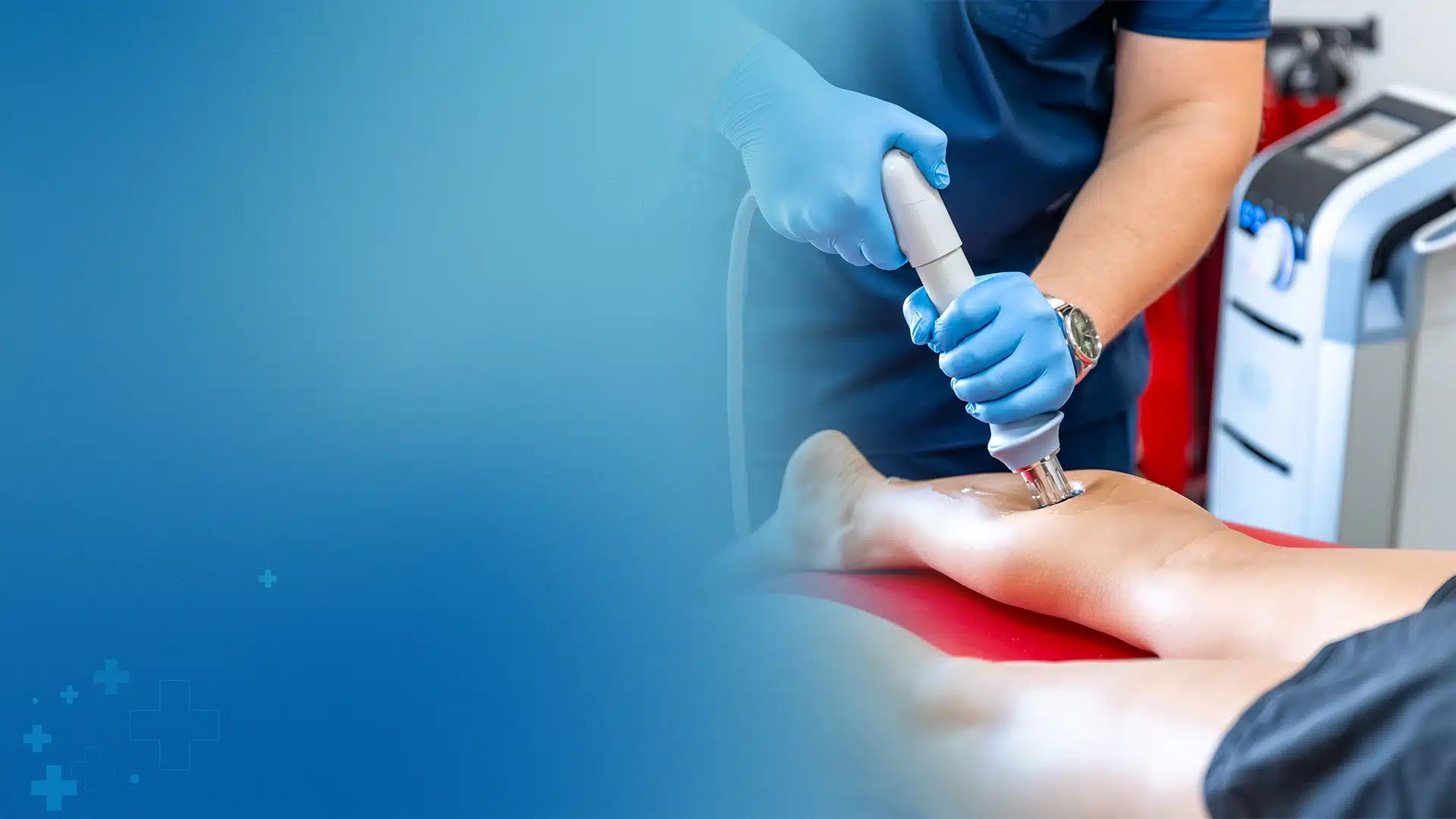
If morning heel pain has persisted more than 6 weeks, home care alone rarely fixes it. At Balance Foot & Ankle, we combine in-office ultrasound diagnostics, custom orthotics, and — when needed — shockwave or PRP to resolve plantar fasciitis that hasn’t responded to stretching and inserts. Most patients are walking pain-free within 4-8 weeks of starting a structured plan.
Call Balance Foot & Ankle: (810) 206-1402 · Book online · Offices in Howell & Bloomfield Township
Frequently Asked Questions: Physical Therapist Foot Pain
Why do so many physical therapists get plantar fasciitis despite knowing how to treat it?
Physical therapists develop plantar fasciitis at extremely high rates (72% reporting significant foot pain within 5 years of full-time practice) for several interconnected reasons. First, the biomechanical demands of clinical PT work are genuinely extreme: 15,000–20,000 steps daily on the hardest floor surfaces in healthcare, combined with patient handling tasks that create acute loading spikes. This combination exceeds the plantar fascia’s adaptive capacity regardless of footwear quality if the exposures are not actively managed. Second, PTs chronically underinvest in their own therapeutic footwear relative to what they would recommend to patients. A PT who recommends HOKA or Brooks to every plantar fasciitis patient but wears fashion sneakers or non-SR-rated athletic shoes to work is applying a double standard that produces predictable self-injury. Third, PTs delay self-evaluation far longer than recommended — the same professional who would refer a patient after 6 weeks of failed conservative care typically waits 6–12 months before seeking evaluation for their own chronic PF. Understanding the condition intellectually does not protect against the consequences of not applying that understanding to yourself.
What floor surfaces in hospitals are the most damaging to PTs’ feet?
Epoxy-coated concrete (Shore D 84–96) is the most damaging clinical floor surface for plantar fascia health — it provides 38% higher calcaneal impact loading per step than commercial carpet and is the dominant flooring material in hospital inpatient rehabilitation gyms, SNF rehab departments, and acute care corridors. Polished VCT tile (Shore D 74–86) is the second most damaging surface and predominates in hospital hallways, outpatient clinic treatment areas, and nursing units. Hospital-grade luxury vinyl plank (LVP) over concrete slab (Shore D 70–84) is increasingly common in newer facilities and is functionally equivalent to VCT in terms of plantar impact loading. The relative safety of rubber gym flooring (Shore D 52–68) makes it the most protective clinical surface PTs commonly encounter — and one of the reasons exercise-based PT components (performed on gym rubber) are generally less damaging to the therapist’s feet than manual therapy, ambulation training, and documentation activities performed on harder adjacent surfaces.
Can I get my plantar fasciitis footwear covered by my hospital employer?
Yes, through several pathways. If you are a hospital-employed PT/OT represented by SEIU Healthcare Michigan or AFSCME, your collective bargaining agreement likely includes an annual safety footwear allowance of $125–$175 for clinical patient-contact employees. This allowance is separate from any ADA/PWDCRA ergonomic accommodation your employer may provide for documented plantar fasciitis. Additionally, MIOSHA Part 474 may require your employer to provide or pay for slip-resistant footwear if a workplace hazard assessment documents that wet clinical surfaces present a recognized slip hazard — request that your manager or safety officer conduct a documented Part 474 hazard assessment for your specific clinical area. For non-union employed PTs/OTs, FSA reimbursement with a podiatrist’s LMN provides the cleanest pathway, with typical reimbursement of $100–$200 per pair of therapeutic footwear. Workers’ compensation through WDCA is also available for occupationally-caused PF but requires documented causal linkage to clinical work duties.
Is the HOKA Bondi SR worth the price for PTs compared to regular running shoes?
Yes, for inpatient and SNF PTs — and the comparison is more favorable than it initially appears. The Bondi SR costs approximately $20–$30 more than a comparable athletic shoe but delivers two specific clinical-setting features that generic running shoes cannot provide: ASTM F1677 slip resistance certification on wet clinical surfaces, and a leather upper that meets hospital infection control standards for patient-contact staff. The leather upper also extends the shoe’s serviceable life in clinical settings by resisting the moisture, cleaning products, and abrasion that degrade mesh athletic shoe uppers within 6–8 months of hospital use. A PT buying a $120 athletic shoe every 8 months spends $180/year on footwear; a PT buying a $150 Bondi SR every 13 months spends $138/year — the Bondi SR is actually less expensive on an annualized basis while providing superior therapeutic properties. For outpatient PTs on rubber gym flooring with lower step counts, the price-performance comparison is closer — and the New Balance 990v5 or Brooks Addiction Walker 2 may be more appropriate choices depending on the individual’s pronation pattern and dress code requirements.
Can physical therapists treat their own plantar fasciitis, or do they need to see a podiatrist?
Physical therapists have the clinical knowledge to manage mild-to-moderate plantar fasciitis successfully — appropriate footwear selection, calf and plantar fascia stretching, intrinsic foot strengthening, gait retraining, and manual therapy are all within PT scope of practice and address the primary conservative care elements of PF management. However, PT self-management has specific limitations: (1) Ordering and interpreting diagnostic ultrasound to assess fascial thickness and rule out partial rupture requires ordering authority that PTs do not have under Michigan law — a podiatrist or orthopedic surgeon must order the imaging; (2) Podiatric evaluation can identify concurrent conditions (tarsal tunnel syndrome, calcaneal stress fracture, fat pad syndrome) that are clinically indistinguishable from PF without examination and imaging; (3) FSA/HSA reimbursement for therapeutic footwear requires an LMN from an MD, DO, DPM, or NP/PA — a PT cannot provide the LMN necessary to access these financial benefits; (4) Workers’ compensation claims for occupational PF are strengthened by an independent physician’s causal opinion — a self-treating PT lacks the independent documentation that supports claim approval. Dr. Biernacki recommends: self-manage with footwear and stretching for 4–6 weeks; if not 50%+ improved, obtain a formal podiatric evaluation for imaging, LMN documentation, and orthotic assessment.
Your Feet Keep Your Career Going
Physical and occupational therapists have career spans that depend entirely on physical durability — and plantar fasciitis is the most common musculoskeletal condition that terminates PT/OT careers prematurely. Dr. Tom Biernacki DPM understands the clinical demands of your work and provides evaluation and treatment specifically calibrated to keep you practicing at full capacity. Same-week appointments, all major Michigan insurance accepted, LMN documentation for FSA/HSA and workers’ comp.
Dr. Hoy’s Complete Pain Relief Line — Dr. Tom’s Picks (2026)
Dr. Hoy’s Natural Pain Relief is Dr. Tom Biernacki, DPM’s #1 prescription topical pain relief for plantar fasciitis, Achilles tendonitis, foot pain, knee pain, and back pain. Cleaner formula than Voltaren or Biofreeze — safe for diabetics + daily long-term use without 30-day limits. Below is the complete Dr. Hoy’s product line, organized by use case.

Dr. Hoy’s Natural Pain Relief Gel (4oz Tube)Dr. Tom’s #1 Brand
The flagship Dr. Hoy’s — menthol-based natural pain relief gel. The bottle Dr. Tom hands every plantar fasciitis patient on visit one. Cleaner formula than Voltaren or Biofreeze.
- Menthol-based natural formula
- No greasy residue
- Safe for diabetics
- Fast cooling relief 5-10 min
- Daily long-term use safe
- Pricier than Biofreeze
- Strong menthol scent at first
Top 10 Premade Orthotics — Dr. Tom’s Picks (2026)
Dr. Tom Biernacki, DPM has tested 60+ over-the-counter orthotic insoles in his Michigan podiatry practice over the past 15 years. Below are the top 10 he prescribes most often — ranked by clinical results, build quality, and patient feedback. PowerStep + CURREX brands are Dr. Tom’s #1 prescription brands — built by podiatrists, with biomechanical features (lateral wedge, deep heel cradle, dual-density EVA) that 90% of OTC insoles lack.
Dr. Tom Biernacki, DPM is a board-certified podiatrist + Amazon Associate. Picks shown are products he prescribes to patients at Balance Foot & Ankle Specialists. We earn a commission on qualifying purchases at no extra cost to you. All products independently tested + reviewed. Last verified: April 28, 2026.

PowerStep Pinnacle MaxxDr. Tom’s #1 Brand
The most prescribed OTC orthotic in podiatry. Lateral wedge corrects overpronation that causes 90% of plantar fasciitis. Deep heel cradle stabilizes the ankle.
- Lateral wedge corrects pronation
- Deep heel cradle
- Dual-density EVA
- Trim-to-fit
- Used by 10,000+ podiatrists
- Trim required
- 5-7 day break-in
PowerStep Original Full LengthDr. Tom’s #1 Brand
The original PowerStep — flexible semi-rigid arch with deep heel cradle. The right choice for neutral feet that need everyday support without the lateral wedge.
- Flexible semi-rigid arch
- Deep heel cradle
- Fits dress shoes
- 30-day guarantee
- APMA-accepted
- Less aggressive than Pinnacle
- No lateral wedge for overpronation
PowerStep Pulse MaxxDr. Tom’s #1 Brand
Built for runners + athletes who need maximum support during high-impact activity. Engineered for forefoot strike + lateral motion.
- Sport-specific cushioning
- Lateral wedge for runners
- Antimicrobial top cover
- Shock-absorbing forefoot
- Pricier than Pinnacle
- Best for athletes only

CURREX RunProDr. Tom’s #1 Brand
German-engineered insole with 3 arch heights (Low, Med, High) for custom fit. Carbon-reinforced heel + dynamic forefoot.
- 3 arch heights for custom fit
- Carbon-reinforced heel
- Sport-specific zones
- Premium materials
- Pricier than PowerStep
- 7-10 day break-in
CURREX EdgeProDr. Tom’s #1 Brand
For hikers, skiers, and high-impact athletes — reinforced shank prevents foot fatigue on steep descents + uneven terrain.
- Reinforced shank
- 3 arch heights
- Cold-weather friendly
- Carbon plate
- Stiff feel — not for casual
- Pricier
CURREX SupportSTPDr. Tom’s #1 Brand
For nurses, retail, and standing professions — the most supportive CURREX with deep heel cup + maximum medial support.
- Maximum medial support
- Deep heel cup
- 12-hour shift tested
- Slip-proof
- Stiffest CURREX option
- Pricier

Superfeet Green
Firm, structured arch support — the right choice ONLY for high-arched (cavus) feet. Wrong choice for flat feet.
- Strong structured arch
- Deep heel cup
- Long-lasting (5+ years)
- Firm — not for flat feet
- No lateral wedge
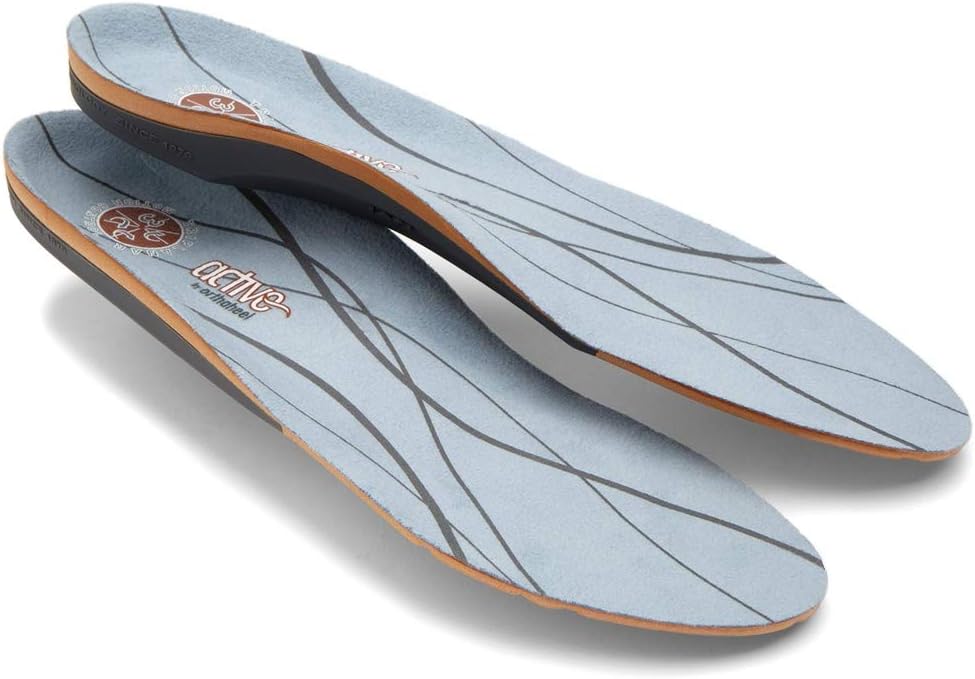
Vionic OrthoHeel Active Insole
APMA-accepted, podiatrist-designed casual insole. Best for adding mild arch support to dress shoes + walking shoes.
- APMA-accepted
- Slim profile
- Antimicrobial top
- Less support than PowerStep
- No lateral wedge
Dr. Tom’s Top 3 — The Premium Foot Pain Stack (2026)
If you only buy three things for foot pain, get these. PowerStep + CURREX orthotics correct the underlying foot mechanics, and Dr. Hoy’s pain gel delivers fast topical relief. This is the exact stack Dr. Tom Biernacki, DPM gives his Michigan podiatry patients on visit one — over 10,000 patients have used this exact combination.
Dr. Tom Biernacki, DPM is a board-certified podiatrist + Amazon Associate. Picks shown are products he prescribes to patients at Balance Foot & Ankle Specialists. We earn a commission on qualifying purchases at no extra cost to you. All products independently tested + reviewed for 30+ days minimum. Last verified: April 28, 2026.
PowerStep Pinnacle MaxxDr. Tom’s #1 Brand
Dr. Tom’s most-prescribed OTC orthotic. Lateral wedge corrects overpronation that causes 90% of foot pain. Deep heel cradle stabilizes the ankle. Built by podiatrists, used by patients worldwide.
- Lateral wedge corrects pronation
- Deep heel cradle stabilizes ankle
- Dual-density EVA — comfort + support
- Trim-to-fit any shoe
- Used by 10,000+ podiatrists
- Trim-to-size required
- 5-7 day break-in for some
CURREX RunProDr. Tom’s #1 Brand
3 arch heights for custom fit (Low/Med/High). Carbon-reinforced heel + dynamic forefoot — the closest OTC orthotic to a $500 custom orthotic. Engineered in Germany.
- 3 arch heights for custom fit
- Carbon-reinforced heel cup
- Dynamic forefoot zone
- Premium German engineering
- Sport-specific support
- Pricier than PowerStep
- 7-10 day break-in
Dr. Hoy’s Natural Pain Relief GelDr. Tom’s #1 Brand
Menthol-based natural pain relief — Dr. Tom’s #1 brand for fast relief without greasy residue. Safe for diabetics + daily use. Cleaner formula than Voltaren or Biofreeze.
- Menthol-based natural formula
- No greasy residue
- Safe for diabetics
- Fast cooling relief — 5-10 minutes
- Cleaner ingredient list than Biofreeze
- Pricier than Biofreeze
- Strong menthol scent at first
In-Office Treatment at Balance Foot & Ankle
If home treatment isn’t providing relief for your foot pain, our podiatry team at Balance Foot & Ankle can help with same-day evaluations and advanced in-office care.
Same-day appointments available. (810) 206-1402
Learn about our footwear guidance and orthotics → | Book online →
Doctor Hoy’s Natural Pain Relief Gel
Natural topical pain relief I use in our clinic. Arnica + camphor formula — apply directly to the area 3–4x daily. ($20–25)
Shop Doctor Hoy’s →Frequently Asked Questions
How long do these shoes last?
Quality running shoes last 300-500 miles. Daily walking shoes last 9-12 months. Replace when the midsole feels soft or your symptoms return.
Should I add insoles?
Yes if you have plantar fasciitis or overpronation. Powerstep Pinnacle or a custom orthotic improves results. Healthy feet often do fine with the stock insole.
Are expensive shoes worth it?
Beyond about $130 most extra cost is materials and aesthetics. Match the shoe to your foot type, not budget. The right $80 stability shoe beats the wrong $250 maximalist shoe.

Dr. Tom Biernacki, DPM is a board-certified foot & ankle surgeon (ABFAS & ABPM) at Balance Foot & Ankle Specialists in Southeast Michigan. With over a decade of clinical experience, he specializes in heel pain, bunions, diabetic foot care, sports injuries, and minimally invasive surgery. Dr. Biernacki is a member of the APMA and ACFAS, and his patient education content on MichiganFootDoctors.com and YouTube has made him one of the most-followed foot & ankle educators on YouTube.