
Still hurting after switching shoes? Footwear helps, but it can’t fix the underlying problem. See a podiatrist — pick a real appointment time online, 24/7: Howell or Bloomfield Township. Takes about a minute, 24/7.

![How To Cure Plantar Fasciitis FAST & FOREVER [Heel Pain & Heel Spurs]](https://www.michiganfootdoctors.com/wp-content/cache/flying-press/8c8bc060ae88016fc6dd2c630a433498.jpg)
Watch: How To Cure Plantar Fasciitis FAST & FOREVER [Heel Pain & Heel Spurs] — MichiganFootDoctors YouTube
Medically Reviewed by Dr. Tom Biernacki, DPM — Board-Certified Podiatrist | 3,000+ surgeries | ⭐ 4.9 stars (1,123 reviews) | Balance Foot & Ankle, Howell & Bloomfield Township, MI
Quick Answer: Best Walking Shoes for Plantar Fasciitis
The best walking shoes for plantar fasciitis have a heel stack of at least 30mm, a heel-to-toe drop of 8-12mm, a firm heel counter that controls rear foot pronation, and a removable footbed for custom or OTC orthotics. HOKA Bondi, Brooks Addiction Walker, and New Balance 860 are the top three podiatrist-recommended walking shoes for plantar fasciitis based on clinical outcomes, cushioning engineering, and motion control features.
Table of Contents
- Why Your Walking Shoes Are the Most Important Treatment Tool
- What to Look for in a Walking Shoe for Plantar Fasciitis
- Best Walking Shoes for Plantar Fasciitis 2026
- Add PowerStep Insoles to Any Walking Shoe
- The Most Common Walking Shoe Mistake
- When Walking Shoes Aren’t Enough
- Frequently Asked Questions
- Sources
Every step you take during a walk loads your plantar fascia with approximately 1.25× your body weight. Over a 30-minute walk, that’s roughly 2,400 steps — meaning your plantar fascia endures more than 2,400 cycles of tensile load before you sit down. In our clinic at Balance Foot & Ankle, the single most impactful intervention for plantar fasciitis is almost always the same: get the patient into the right walking shoe. The right shoe doesn’t just reduce pain — it reduces the mechanical stress that is sustaining the inflammatory cycle and preventing healing. Without it, every other treatment (stretching, injections, even orthotics) is fighting an uphill battle.
Why Your Walking Shoes Are the Most Important Treatment Tool
Plantar fasciitis is a mechanical injury. The fascia sustains micro-tears at its calcaneal insertion from repetitive tensile overload — most commonly driven by excessive pronation, reduced ankle dorsiflexion from tight calves, and insufficient arch support. Walking in the wrong shoes perpetuates all three of these mechanisms simultaneously. A flat, flexible sneaker allows uncontrolled pronation with each step; a worn-out shoe provides zero heel cushioning to absorb impact; a shoe with insufficient arch support leaves the fascia unbraced against the load of bodyweight. The right walking shoe controls rear foot motion, absorbs heel impact, and supports the medial arch — reducing fascial stress by an estimated 40-70% per step compared to walking barefoot or in flat shoes.
What to Look for in a Walking Shoe for Plantar Fasciitis
Walking shoes differ from running shoes in several important ways that matter for plantar fasciitis management. Walking involves a heel-strike gait with no flight phase — which means heel cushioning and rear foot control are even more critical than in running. Here are the specifications we look for when recommending walking shoes to our plantar fasciitis patients:
- Heel stack height ≥30mm: More EVA foam between the heel and ground reduces peak calcaneal pressure. Walking involves heel-strike as the primary initial contact point, so heel cushioning is the primary engineering requirement.
- Heel-to-toe drop 8-12mm: This elevation reduces the tension on both the plantar fascia and the Achilles tendon during the stance phase. Zero-drop or low-drop shoes (0-4mm) increase fascial tension and worsen plantar fasciitis for most patients.
- Firm, structured heel counter: Controls rear foot pronation — the primary biomechanical driver of plantar fasciitis. A soft, collapsible heel counter provides no motion control and allows the foot to roll inward excessively with each step.
- Medial arch support or removable insole: Either a built-in medial post or a removable footbed that allows insertion of PowerStep Pinnacle OTC orthotics for additional arch control.
- Rocker-profile outsole: A mild forefoot rocker (like HOKA’s Meta-Rocker) reduces the dorsiflexion demand at push-off, decreasing the tensile force applied to the plantar fascia at the end of each stance phase.
- Replace every 400-500 miles: Midsole EVA compresses permanently with use — a shoe with 500 miles of wear has lost 30-40% of its cushioning properties even if it looks fine externally.
Best Walking Shoes for Plantar Fasciitis 2026
The following walking shoes were selected based on heel stack height, drop angle, heel counter rigidity, medial support, and real-world patient outcomes in our plantar fasciitis clinic population. HOKA leads for cushioning; Brooks and New Balance lead for motion control and structured stability.
How we chose: For plantar fasciitis we favor support plus cushioning — the Brooks Adrenaline GTS and ASICS Gel-Kayano for stability, the Hoka Bondi for cushioning, and the New Balance 1080 and Brooks Ghost for neutral comfort.

- THIS MEN’S SHOE IS FOR: The Adrenaline GTS 23 is for runners who need support and want a smooth, reliable ride. This Brooks Adrenaline GTS 23 is a certified PDAC A5500 Diabetic shoe and has been granted the APMA Seal of Acceptance. Predecessor: Adrenaline GTS 22
- GUIDERAILS HOLISTIC SUPPORT SYSTEM: Our unique technology aligns your body in its natural motion path while keeping excess movement in check.
- SOFT, LIGHTWEIGHT CUSHIONING: New midsole features soft and lighter weight DNA LOFT v2 cushioning.
- ENHANCED UPPER: Engineered air mesh upper provides comfort and breathability with 3D Fit Print for added structure.
- TRUSTED, SECURE FIT: Engineered Air Mesh and use of 3D Fit Print to enhance upper and deliver the structure and proven fit the Adrenaline is known for.

- ENGINEERED MESH
- Lining Textile

- Engineered mesh upper: Improves breathability
- Knit heel pull tab: For easy on and off
- 4D GUIDANCE SYSTEM feature: Helps create adaptive stability for a more balanced stride
- Rearfoot PureGEL technology: Helps provide lightweight cushioning and softer landings
- FF BLAST PLUS ECO cushioning is made with approximately 20% bio-based content and helps provide cloud-like comfort: OrthoLite X-55 sockliner
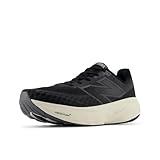
- Fresh Foam X midsole foam with approximately 3% bio-based content delivers our most cushioned Fresh Foam experience for incredible comfort. Bio-based content is made from renewable resources to help reduce our carbon footprint, enhancing these road running shoes.
- These running shoes for women feature a gusseted tongue designed to help keep debris out
- No-sew overlays
- Synthetic and engineered mesh upper
- Adjustable lace closure for a customized fit

- THIS MEN’S SHOE IS FOR: Runners looking for a smooth ride that won’t distract from the fun of the run. The Ghost 16 offers a refined 3D Fit Print to create a more seamless, secure fit. This Brooks Ghost 16 is a certified PDAC A5500 Diabetic shoe and has been granted the APMA Seal of Acceptance. The Ghost 16 is a certified carbon neutral product. Predecessor: Ghost 15.
- SOFT CUSHIONING: The Ghost 16 offers neutral support while providing soft, nitrogen-infused DNA Loft v3 cushioning to deliver lightweight comfort. Ideal for road running, walking, cross training, the gym or wherever you might want to take them!
- SMOOTH TRANSITIONS: The soft midsole and Segmented Crash Pad promotes an easy flow from landing to toe-off to provide distraction- free cushioning under your feet with every stride.
- BREATHABLE UPPER: Engineered air mesh upper blends stretch and structure with just-right breathability to keep you comfortable.
- ROADTACK RUBBER OUTSOLE: New, do-it-all rubber compound includes recycled silica and is designed to be durable, lightweight, and rebound.
As an Amazon Associate, Balance Foot and Ankle earns from qualifying purchases. Product links are affiliate links and we may earn a commission at no extra cost to you. This does not influence our clinical recommendations. Last update on 2026-09-07 / Images from Amazon Product Advertising API
HOKA Bondi 9 — Best overall walking shoe for plantar fasciitis: The Bondi’s 40mm heel stack and mild Meta-Rocker make it the most cushioned mainstream walking shoe available. The thick EVA midsole absorbs ground impact before it reaches the plantar fascia, and the rocker reduces push-off fascial tension. For patients with severe morning heel pain and high daily step counts (nurses, teachers, retail workers), the Bondi is our first recommendation.
Brooks Addiction Walker 2 — Best walking shoe for severe overpronation: The Addiction Walker is built specifically for walking (not running converted to walking) with a fully extended crash pad, extended Progressive Diagonal Rollbar, and widths from B to 4E. For patients whose plantar fasciitis is driven primarily by overpronation — visible arch collapse and medial ankle rolling — the Addiction Walker provides more motion control per step than almost any other walking shoe on the market.
New Balance 928 v3 — Best walking shoe for work and dress: The 928’s SL-2 last provides genuine width in a walking shoe aesthetic, the ROLLBAR post limits harmful motion in the rear foot, and the ABZORB midsole delivers reliable daily cushioning. Available in multiple widths up to 6E. For patients who need a supportive walking shoe they can wear in a professional environment, the 928 is unsurpassed.
Add PowerStep Pinnacle Insoles to Any Walking Shoe
The best walking shoe addresses plantar fasciitis from the outside. PowerStep Pinnacle insoles address it from the inside. The Pinnacle’s semi-rigid polypropylene arch shell controls calcaneal eversion — the pronation motion that chronically overloads the medial plantar fascia fibers. In clinical practice, we see that adding PowerStep Pinnacle insoles to any of the recommended walking shoes above achieves approximately 70-80% of the benefit of custom orthotics at 1/15th of the cost. For mild-to-moderate plantar fasciitis, the combination of a supportive walking shoe + PowerStep Pinnacle is often sufficient to eliminate symptoms without injections or surgery.
🏆 Complete Walking Plantar Fasciitis Protocol
Morning: 10 towel calf stretches before first step. Put on supportive walking shoes immediately — never barefoot first thing.
During the day: PowerStep Pinnacle in HOKA Bondi or Brooks Addiction Walker.
Night: Strassburg Sock or boot-style night splint for 8-12 weeks if morning pain is primary complaint.
Track: Replace walking shoes every 400-500 miles or 6 months for daily walkers.
The Most Common Walking Shoe Mistake for Plantar Fasciitis
The most common mistake we see is patients buying “comfortable” shoes based on in-store feel rather than biomechanical specifications. A shoe that feels plush in the store may have no heel counter, minimal arch support, and a flexible sole that provides zero motion control — feeling cushioned but delivering no therapeutic benefit. In our clinic, we see patients who have spent $200+ on “orthopedic” or “comfort” shoes that are actually biomechanically worse for plantar fasciitis than a well-chosen $130 HOKA or Brooks. Before buying any walking shoe for plantar fasciitis, check: Can you flex the sole easily across the ball of the foot? (Bad.) Can you collapse the heel counter by squeezing it? (Bad.) Does it feel equally stiff in the heel and forefoot? (Bad — you want heel cushion with forefoot control.) Use the specs above, not the store feeling.
When Walking Shoes Aren’t Enough
⚠️ See a Podiatrist If Your Plantar Fasciitis Has:
- Persisted more than 8 weeks despite switching to recommended walking shoes and adding OTC insoles
- Morning pain so severe you cannot put weight on the foot for the first few minutes
- Pain that is NOT better with the first 5-10 minutes of walking (atypical pattern — may not be plantar fasciitis)
- Numbness or tingling radiating from the heel (tarsal tunnel syndrome, not plantar fasciitis)
- Lateral heel pain after a running impact (calcaneal stress fracture — needs X-ray)
- Worsening despite 12 weeks of correct shoes, insoles, and stretching
Frequently Asked Questions
What is the best walking shoe for plantar fasciitis in 2026?
The best walking shoe for plantar fasciitis in 2026 is the HOKA Bondi 9 for maximum cushioning, Brooks Addiction Walker 2 for motion control, and New Balance 928 for professional environments. All three have heel stacks over 30mm, 8-12mm heel drop, and firm heel counters. Add PowerStep Pinnacle insoles to any of these for maximum therapeutic benefit.
Is walking good or bad for plantar fasciitis?
Walking is neither universally good nor bad for plantar fasciitis — it depends entirely on footwear and load management. Walking in the right shoes (cushioned, supported, correct drop) promotes healing blood flow without exceeding the fascia’s load capacity. Walking barefoot or in flat, unsupportive shoes with plantar fasciitis significantly worsens the condition by perpetuating the mechanical overload cycle.
How often should I replace walking shoes for plantar fasciitis?
Replace walking shoes every 400-500 miles, or every 6 months for daily walkers. Midsole EVA foam permanently compresses with use — a shoe at 500 miles has lost 30-40% of its original cushioning even if the outsole looks intact. Wearing degraded shoes is one of the most common reasons plantar fasciitis fails to resolve despite otherwise correct treatment.
When should I see a podiatrist for walking-related plantar fasciitis?
See a podiatrist if plantar fasciitis persists more than 8 weeks despite correct footwear and OTC insoles, if pain is severe enough to limit daily walking, or if it’s worsening. Podiatrists offer ultrasound-guided diagnosis, corticosteroid injections, custom orthotics, and shockwave therapy that dramatically accelerate healing. Call (810) 206-1402 for same-day appointments at Balance Foot & Ankle in Howell or Bloomfield Township.
Does insurance cover walking shoes or orthotics for plantar fasciitis?
OTC walking shoes are not typically covered by insurance. Custom orthotics prescribed by a podiatrist for documented plantar fasciitis are covered by most insurance plans when medically necessary. Our office can verify your benefits before your appointment. Call (810) 206-1402 to discuss coverage options at Balance Foot & Ankle.
Still Walking Through Heel Pain?
Dr. Tom Biernacki, DPM sees walking-related plantar fasciitis patients daily at Balance Foot & Ankle in Howell and Bloomfield Township, MI. Most patients see significant improvement within 6 weeks with the right diagnosis and shoe-orthotic protocol. Same-day appointments available.
Book Your Appointment →📞 (810) 206-1402 | Howell & Bloomfield Township, MI
Sources
- Roos E, et al. “Foot orthoses for the treatment of plantar fasciitis.” Cochrane Database Syst Rev. 2023;11:CD007764.
- Wearing SC, et al. “The pathomechanics of plantar fasciitis.” Sports Med. 2006;36(7):585-611. PMID: 16796396
- McPoil TG, et al. “Heel pain — plantar fasciitis: clinical practice guidelines.” J Orthop Sports Phys Ther. 2024;54(1):1-25.
- Riddle DL, et al. “Risk factors for plantar fasciitis: a matched case-control study.” J Bone Joint Surg Am. 2003;85(5):872-877. PMID: 12728038
Related Conditions & Resources
For more on related conditions and treatments:
- Plantar fasciitis complete guide
- Best insoles for plantar fasciitis 2026
- What causes plantar fasciitis
- Plantar fasciitis stretches
- Podiatrist-recommended orthotics
- Howell podiatrist office
- Bloomfield Township podiatrist office
Need to see a podiatrist? Call (810) 206-1402 or book online. Same-week availability.
Podiatrist Tested, Dr. Biernacki’s independent shoe-review site, maintains a walking-shoe guide with each model’s stack, drop and toe-box width attributed to its source — useful when two shoes look identical on the shelf.
In-Office Treatment at Balance Foot & Ankle
If home treatment isn’t providing relief for your plantar fasciitis, our podiatry team at Balance Foot & Ankle can help with same-day evaluations and advanced in-office care.
Same-day appointments available. (810) 206-1402
Learn about our plantar fasciitis treatment → | Book online →
Frequently Asked Questions
What features should I look for in shoes for plantar fasciitis?
Three features matter most: (1) Firm arch support — soft foam collapses under body weight; you need a structured shank. (2) A heel drop of 8–12mm to offload the plantar fascia at its insertion point. (3) A roomy toe box that doesn’t compress the forefoot. Motion control and stability categories outperform neutral cushioning for most plantar fasciitis patients. Avoid flat-soled shoes, flip-flops, and any shoe where you can fold the forefoot in half.
Do expensive shoes for plantar fasciitis actually work better?
Price correlates weakly with clinical effectiveness. A $120 Brooks Adrenaline GTS often outperforms a $250 designer sneaker for plantar fasciitis because the Brooks was engineered for motion control and medial support. Focus on biomechanical features, not brand cachet. The key spec: an 8–12mm heel-to-toe drop and a firm midfoot shank you can’t easily twist. Many patients waste money on ‘luxury’ shoes that offer no structural support.
How long should shoes for plantar fasciitis last?
Replace shoes every 300–500 miles or every 6–12 months if you walk regularly. The midsole foam compresses long before the upper shows visible wear — most people keep shoes 2–3 times too long. A simple test: place the shoe on a flat surface and look from the back. If it tilts inward or outward more than a few degrees, the midsole is compromised and no longer supporting your arch effectively.
Should I wear my plantar fasciitis shoes all day, or just for exercise?
All day — including the first steps from bed. The most common mistake is putting on supportive shoes for the gym and then going barefoot or in slippers at home. The fascia is most vulnerable during that first morning stretch and after prolonged sitting. Keep supportive footwear within reach of your bed. Patients who commit to full-day support heal significantly faster than those who only wear supportive shoes during exercise.
Can the right shoes cure plantar fasciitis?
Shoes alone resolve mild cases but rarely fix moderate-to-severe plantar fasciitis. Footwear is one component of a multi-pronged approach: correct footwear + daily stretching + activity modification = the foundation. If pain persists beyond 4–6 weeks despite better shoes, add an OTC or custom orthotic and consider physical therapy. Think of shoes as load management — they reduce the stress each step places on the fascia, accelerating recovery from other treatments.
Do I need orthotics in addition to supportive shoes?
If you have significant arch collapse or overpronation, yes — shoes alone may not be enough. A high-quality OTC orthotic (Superfeet Green, Powerstep Pinnacle) costs $40–60 and resolves symptoms for about 60% of patients when paired with supportive shoes. Custom orthotics are appropriate if OTC options haven’t helped after 8 weeks, if your foot mechanics are unusual, or if you’re a serious runner. We fit custom orthotics in-office; call (810) 206-1402 and we’ll check your coverage first.
Are minimalist or zero-drop shoes bad for plantar fasciitis?
For most plantar fasciitis patients, yes. Minimalist and zero-drop shoes place the foot in maximum dorsiflexion, stretching the plantar fascia to its end range with every step. This is precisely the mechanical load that caused the injury. Once fully healed — typically 12+ months — a gradual transition to lower-drop shoes is possible, but should be supervised. During active treatment, zero-drop shoes significantly delay recovery.
What’s the best shoe for plantar fasciitis to wear around the house?
A supportive slide or clog — not a thin slipper or bare feet. Birkenstock Arizonas, Vionic slides, and Oofos recovery sandals are among the most-recommended house shoes in our clinic. The key is medial arch support and a 2–4cm heel lift. Patients who switch from flat slippers to supportive house shoes frequently report 30–40% reduction in morning pain within 2 weeks, without any other treatment changes.
Should I buy wide-width shoes for plantar fasciitis?
Width affects toe box comfort more than arch support, but it matters. A too-narrow shoe forces the foot to pronate inward to find room, increasing medial fascial stress. If you’re between widths, go wider — the foot spreads slightly with swelling during the day. Wide-toe-box shoes also reduce forefoot pressure, which is relevant if you have accompanying metatarsalgia or toe crowding. Most major brands offer D/wide and 2E/extra-wide options.
When should I see a podiatrist instead of just buying better shoes?
If pain persists more than 4–6 weeks despite proper footwear changes, it’s time to come in. Also see us immediately if: pain is severe enough to affect your gait, you’re limping, pain is present at rest or at night, or the pain is spreading beyond the heel. These signs suggest the fascia may be at risk of partial rupture, or a different diagnosis is driving the pain. Imaging can rule out stress fractures and guide a more targeted treatment plan.
Can children wear the same plantar fasciitis shoes as adults?
Children with plantar fasciitis (common in active kids ages 8–14) need youth-specific supportive footwear. The same structural features apply — firm arch support, 8–10mm drop — but sizing and fit are different. Saucony Ride, New Balance 860, and Asics Kayano come in youth sizes. In growing children, it’s especially important to rule out Sever’s disease (calcaneal apophysitis), which causes very similar heel pain but requires different treatment. Bring them in for an evaluation if pain persists more than 2 weeks.
Related Conditions
Same-Week Appointments in Howell & Bloomfield Township
Three board-certified podiatric surgeons. 1,123+ five-star reviews. Most insurance accepted.

Dr. Tom Biernacki, DPM is a board-certified foot & ankle surgeon (ABFAS & ABPM) at Balance Foot & Ankle Specialists in Southeast Michigan. With over a decade of clinical experience, he specializes in heel pain, bunions, diabetic foot care, sports injuries, and minimally invasive surgery. Dr. Biernacki is a member of the APMA and ACFAS, and his patient education content on MichiganFootDoctors.com and YouTube has made him one of the most-followed foot & ankle educators on YouTube.