
Quick answer: Treatment for bunion pain treatment guide follows a stepwise approach: 1) conservative care first (rest, ice, supportive footwear, OTC anti-inflammatories), 2) physical therapy and targeted exercises, 3) in-office treatments (injections, custom orthotics) if conservative fails at 4-6 weeks, 4) surgery for refractory cases. Most patients resolve at step 1 or 2. Call (810) 206-1402.
Bunion Pain Treatment: Every Option, Ranked by What Actually Works
The fast answer: Bunion pain can almost always be controlled — even without surgery. Conservative care resolves pain in 60-70% of patients. When conservative care fails or deformity is severe, modern surgery (Lapiplasty, MIS Bunion) provides durable correction. Don’t accept “you have to live with it.”
First-Line Conservative Care
1. Proper footwear — wide toe box, low heel, soft uppers. Brands: Hoka, Brooks, New Balance, Altra, Vionic, Birkenstock.
2. Toe spacers — Yoga Toes for separation comfort.
3. Anti-inflammatory — Voltaren Gel topically, ibuprofen for flares.
4. Stretching/strengthening — daily 5-min routine.
5. Activity modification — substitute cycling/swimming during flares.
Advanced Conservative Care
Custom orthotics — the single most effective conservative intervention. Address overpronation, support arch, reduce force on first MTP. Learn about custom orthotics →
Cortisone injections — selective use for severe acute pain.
Physical therapy — for compensatory pain and post-surgical recovery.
When to Consider Surgery
Surgical evaluation appropriate when 3-6 months of conservative care has failed, pain limits daily activities, deformity is progressive, other deformities developing (hammertoes), specific shoe needs can’t be met, or patient wants definitive correction.
Modern Surgical Options
Lapiplasty 3D — fixes unstable joint at root. 3D correction. Recurrence 1-2%. Best for durable correction.
MIS Bunion — tiny incisions. Faster recovery. Recurrence 10-25%. Best for cosmetic priority.
Traditional — open surgery. Recurrence 25-30%. Rarely first choice today.
What About “Natural” or Alternative Treatments?
Don’t work: Apple cider vinegar, castor oil packs, diet alone. Have some evidence: Toe spacers (symptomatic), topical anti-inflammatories, custom orthotics, proper footwear, weight management.
Common Bunion Treatment Mistakes
- Waiting until severe to seek treatment
- Trying ineffective alternatives
- Buying the wrong shoes
- Skipping custom orthotics for OTC
- Cortisone shots as primary treatment
- Not understanding recurrence rates
- Ignoring contributing factors (flat feet)
- Not getting weight-bearing X-rays
Frequently Asked Questions
How long does it take to know if conservative treatment is working?
Give it 6-8 weeks of consistent effort. If pain has improved, continue. If unchanged or worse, consider surgical evaluation.
Can a bunion get better on its own?
The deformity won’t reverse, but symptoms can absolutely improve with proper conservative care.
Can I run with a bunion?
Yes, if pain is controlled with proper shoes (wide forefoot, cushioned). Many runners maintain running with bunions for years.
Are bunion correctors worth buying?
For symptomatic comfort, sometimes yes. For “reversing” bunions, no. Realistic expectations matter.
When is bunion surgery covered by insurance?
When conservative treatment is documented and the bunion is symptomatic with structural deformity.
Will my bunion come back after surgery?
Recurrence depends on procedure: Traditional 25-30%, MIS 10-25%, Lapiplasty 1-2%.
Can I avoid surgery forever?
Many patients can. Aggressive conservative care, lifestyle adjustment, and biomechanical management keeps many out of the operating room.
What’s the best non-surgical bunion treatment?
The combination: proper shoes + custom orthotics + targeted exercises + activity modification.
Book Your Appointment
📞 Call (810) 206-1402 — Book Online 24/7 Available
Book Online →
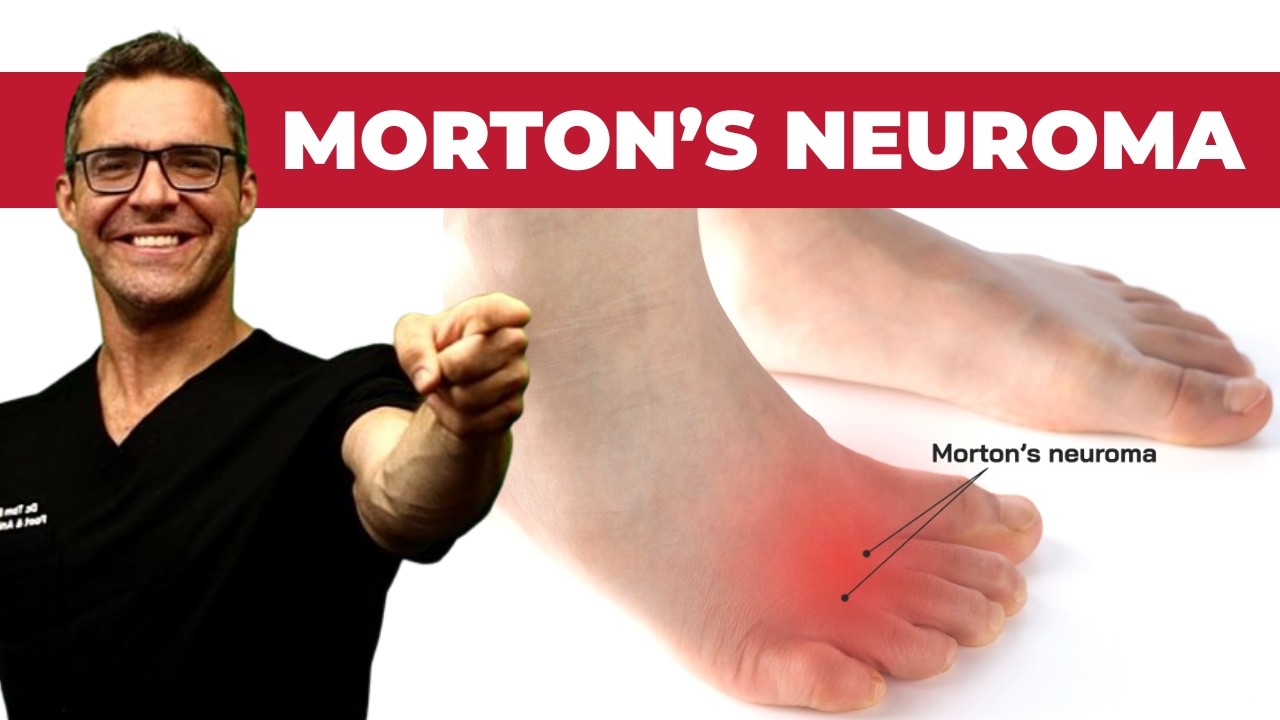
Watch: Dr. Tom Biernacki Explains Bunion
Frequently Asked Questions
How long does treatment take to work?
Most patients see improvement in 4-8 weeks with consistent conservative care. Persistent symptoms after 8 weeks need imaging and escalation.
When is surgery needed?
Surgery is reserved for cases that fail 3-6 months of conservative care, structural deformities, or fractures requiring stabilization.
Is this covered by insurance?
Most diagnostic visits and conservative treatments are covered by Medicare and major insurers. Custom orthotics often require diabetic or post-surgical justification.