

Medically reviewed by Dr. Tom Biernacki, DPM
Board-certified podiatric surgeon | Balance Foot & Ankle | Last reviewed: May 2026

The most important clinical decision with Calf Pain isn’t which treatment to start with — it’s identifying the correct subtype. That changes everything. Call (810) 206-1402.
What Causes Calf Pain?
Calf pain can stop you mid-stride — whether you’re running, climbing stairs, or simply walking to your car. The calf contains two primary muscles (the gastrocnemius and soleus), major blood vessels, and the Achilles tendon attachment. In our clinic, we see calf pain most often from muscle strains, but ruling out more serious causes is essential before assuming it’s “just a pull.”
The most common causes we identify include: muscle strain or tear, Achilles tendon pathology, deep vein thrombosis (DVT), compartment syndrome, and nerve referral from the lumbar spine. Each has a distinct pattern — and some require urgent care.
Key takeaway: Calf pain has many causes ranging from simple muscle strains to DVT blood clots. Understanding your specific symptoms helps determine urgency and treatment.
Muscle Strain vs. DVT: How to Tell the Difference
This distinction can be life-saving. A calf muscle strain comes on during activity, produces point tenderness over the muscle belly, improves with rest, and worsens with muscle contraction. A deep vein thrombosis (DVT) has a more diffuse, achy quality, may be associated with swelling, warmth, and redness, and doesn’t clearly improve with rest. DVT can occur after long travel, prolonged bed rest, surgery, or with birth control use. It carries risk of pulmonary embolism — if you have any doubt, seek urgent evaluation.
Treating Calf Pain at Home
For confirmed muscle strains, the PRICE protocol applies: Protection, Rest (relative), Ice (15–20 minutes every 2–3 hours for 48 hours), Compression (light sleeve), Elevation. Anti-inflammatories like ibuprofen reduce pain and swelling in the first 48–72 hours.
Gentle calf stretching begins at 48–72 hours once acute pain subsides. Progress to eccentric heel drops (slowly lower heel off a step) — this is the gold-standard rehab exercise for calf strength recovery.
Key takeaway: PRICE protocol works for muscle strains. Begin gentle stretching at 48 hours and progress to eccentric heel drops for full recovery.
Calf Pain From Achilles Tendon Problems
Achilles tendinitis frequently produces pain that radiates into the calf muscle. Patients describe tightness through the entire posterior chain — from heel to mid-calf. Morning stiffness that improves with movement is a hallmark. In our clinic, we treat this with eccentric loading programs, heel lifts, and sometimes shockwave therapy.
⚠️ Seek urgent care for calf pain with any of these:
- Sudden severe pain with a “pop” during activity (possible Achilles rupture)
- Swelling, warmth, and redness without trauma (possible DVT)
- Calf pain after recent surgery, long flight, or immobilization
- Calf pain with shortness of breath or chest pain (call 911)
- Severe pain with skin color changes or numbness
Recovery Timeline for Calf Strains
Grade 1 (mild) strains heal in 1–2 weeks. Grade 2 (partial tear) takes 4–6 weeks of structured rehab. Grade 3 (complete rupture) may require 3–4 months and occasionally surgery. The most common mistake we see is returning to sport too early after a Grade 2 strain — the leading cause of re-injury and chronic calf problems.
Frequently Asked Questions
Why does my calf hurt when I walk but not at rest? Pain that comes on with walking and relieves with rest — especially in older patients with vascular risk factors — can suggest peripheral artery disease. This requires vascular evaluation.
Can tight calves cause foot problems? Absolutely. Calf tightness is one of the most common contributors to plantar fasciitis, Achilles tendinitis, and flat foot progression. Addressing calf flexibility is part of almost every lower extremity treatment plan we use.
When should I see a podiatrist for calf pain? If calf pain persists beyond 2 weeks, recurs, or is accompanied by any warning signs above, seek evaluation.
Is it safe to massage a painful calf? Light massage is safe for muscle strains after the first 48 hours once acute swelling has stabilized. Avoid aggressive massage in the first 24 hours and never massage a calf suspected of DVT — pressure can dislodge a clot.
What shoe changes help with calf tightness? Transitioning from high-heeled shoes to flat footwear too quickly is a common trigger for calf strain. If you wear heels regularly, reduce heel height gradually (about 1 cm per week) and add dedicated calf stretching before and after any footwear change.
Calf Pain in Runners and Athletes
Running places roughly 2.5–3× body weight through the calf with every foot strike. Runners are the most common group we see for calf injuries — and most problems fall into one of three patterns:
- Sudden mid-stride pop: Classic presentation of a Grade 2–3 gastrocnemius tear (“tennis leg”). Feels like being hit by a ball. Bruising appears within 24 hours. Requires MRI if bone tenderness is present to rule out avulsion fracture.
- Gradual tightening that worsens through a run: Often chronic exertional compartment syndrome — pressure builds during activity and releases with rest. Confirmed with compartment pressure testing.
- Calf tightness + posterior heel pain every morning: Points to Achilles tendinopathy. Soleus tightness strains the Achilles insertion during sleep, causing peak-pain in the first few steps of the day.
Return-to-run criteria: no pain at rest, full range of motion, ability to complete 25 single-leg heel raises pain-free, and 10 minutes of walking without symptoms. Athletes who skip these benchmarks are 3× more likely to re-injure within 6 weeks.
Key takeaway: Runners should not return to sport until they pass the single-leg heel raise test (25 reps, pain-free). Premature return is the #1 cause of calf re-injury.
The Calf–Foot Connection: Why Podiatrists Treat Calf Pain
The calf and foot are biomechanically inseparable. Tight calf muscles — specifically limited ankle dorsiflexion (less than 10°) — force compensatory movement patterns that create downstream foot problems:
- Plantar fasciitis: Tight calves increase tension on the plantar fascia at push-off. Patients with PF have measurably less ankle dorsiflexion than healthy controls. Calf stretching is first-line in our PF protocol.
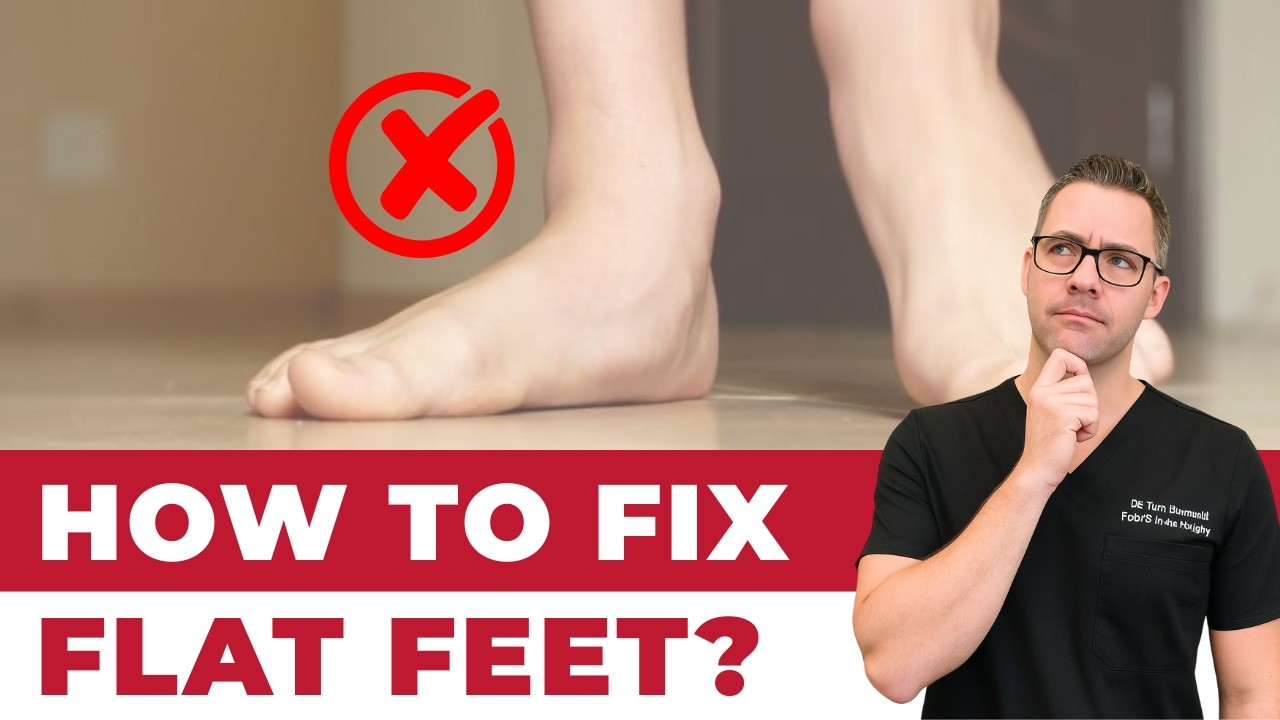
- Flat foot progression: Limited dorsiflexion causes early heel rise during gait, overloading the midfoot and accelerating arch collapse over time.
- Metatarsal stress fractures: Calf tightness shifts weight forward to the ball of the foot during push-off, increasing metatarsal load significantly with every step.
- Ankle instability: The peroneal muscles — part of the lateral calf group — are the primary ankle stabilizers. Weakness after a calf injury raises re-sprain risk substantially.
When you come in to Balance Foot & Ankle with calf tightness, we assess ankle dorsiflexion range (Silfversköld test), single-leg heel-rise strength, and gait pattern — not the calf in isolation. Treating the whole kinetic chain is what produces lasting results.
How We Diagnose Calf Pain at Balance Foot & Ankle
Diagnosis starts with a targeted history: onset (sudden vs. gradual), activity at time of injury, risk factors for DVT, and prior episodes. Physical exam includes:
- Thompson test: Squeezing the calf belly — loss of plantarflexion response indicates Achilles rupture.
- Wells score: Clinical DVT probability scoring. Intermediate or high scores prompt same-day duplex ultrasound.
- Point tenderness mapping: Gastrocnemius belly vs. soleus vs. Achilles tendon vs. peroneal — each points to a different diagnosis and different treatment.
- Ankle dorsiflexion measurement with knee bent and straight (Silfversköld test) to identify gastrocnemius-specific vs. global equinus contracture.
- Single-leg heel-rise test: Both strength and endurance. Fewer than 20 reps signals significant calf weakness requiring rehab before return to activity.
Diagnostic ultrasound is performed in-office at Balance Foot & Ankle. This confirms muscle tears, tendon pathology, and deep vein thrombosis in most cases — without the 2–3 week wait for an MRI appointment. MRI is ordered when compartment syndrome or stress fracture is suspected.
In-Office Treatment at Balance Foot & Ankle
Once we establish a diagnosis, treatment is evidence-based and condition-specific:
- Muscle strains: Guided eccentric exercise program, manual soft tissue mobilization, and progressive loading with functional return-to-activity benchmarks — not just “wait until it stops hurting.”
- Achilles tendinopathy: Eccentric heel-drop protocol (Alfredson protocol) combined with heel lifts in all footwear. Shockwave therapy (ESWT) is available for chronic cases that don’t respond to 6 weeks of conservative care.
- DVT: We co-manage with vascular medicine. Duplex ultrasound provides preliminary evaluation in-office; anticoagulation is coordinated with your primary care provider or ER if indicated.
- Custom orthotics: For patients with biomechanical contributors — flat feet, ankle equinus, forefoot varus — custom 3D-scanned orthotics reduce calf loading during gait and are covered by most PPO and Medicare plans when medically indicated.
- Chronic exertional compartment syndrome: Cases that fail conservative management may require fasciotomy — an outpatient procedure with >85% return-to-sport rates in well-selected patients.
Same-day appointments available in Howell and Bloomfield Township, MI. (810) 206-1402 • Book online • See all lower leg treatments
The Bottom Line
Most calf pain is a muscle strain that heals well with rest and progressive stretching. But calf pain can signal DVT, Achilles rupture, or vascular disease — which require prompt evaluation. Don’t ignore calf pain that doesn’t follow the expected recovery pattern.
Sources
- Orchard J, Best TM. “The management of muscle strain injuries.” Clin J Sport Med. 2002.
- Wells PS et al. “Evaluation of D-dimer in suspected deep-vein thrombosis.” N Engl J Med. 2003.
- Alfredson H. “The chronic painful Achilles and patellar tendon.” Scand J Med Sci Sports. 2005.
Ready to Get Relief?
Same-day appointments available in Howell & Bloomfield Township, MI
4.9★ | 1,123 Reviews | 3,000+ Surgeries
Or call: (810) 206-1402
Foot pain typically responds best to early podiatrist evaluation, conservative treatments such as supportive footwear and targeted physical therapy, and—when needed—custom orthotics or in-office procedures. Most patients see meaningful improvement within 4-6 weeks of starting a structured treatment plan. Schedule an evaluation at our Howell or Bloomfield Township office for a clinical assessment.
Ready to feel better?
Same-week appointments available in Howell and Bloomfield Township, Michigan.
Book Your VisitDr. Tom’s Calf Pain Home Management Protocol
- DASS Medical Compression Socks — Graduated compression reduces muscle fatigue and venous insufficiency-related calf pain during activity.
- Doctor Hoy’s Natural Pain Relief Gel — Post-activity calf soreness: arnica + camphor gel applied directly to the calf muscle 3-4x daily.
- PowerStep Pinnacle — When calf pain originates from pronation overloading the posterior tibialis: arch support reduces compensation.
Calf pain with leg swelling, skin changes, or warmth? These are DVT warning signs. Call us for same-day evaluation: (810) 206-1402 or Book →
In-Office Treatment at Balance Foot & Ankle
If home treatment isn’t providing relief for your calf pain, our podiatry team at Balance Foot & Ankle can help with same-day evaluations and advanced in-office care.
Same-day appointments available. (810) 206-1402
Does insurance cover foot pain treatment in Michigan?
Most major Michigan insurance plans (BCBSM, BCN, Priority Health, HAP, Medicare, Medicaid HMOs, United, Aetna, Cigna) cover medically necessary podiatric care. Custom orthotics may have separate DME coverage rules. Our team verifies your specific benefits before your visit.
Get Expert Care at Balance Foot & Ankle
Same-week appointments at our Howell and Bloomfield Township offices. Board-certified podiatric surgeons. Most insurance accepted.
Same-Week Appointments in Howell & Bloomfield Township
Three board-certified podiatric surgeons. 1,123+ five-star reviews. Most insurance accepted.

Dr. Tom Biernacki, DPM is a board-certified foot & ankle surgeon (ABFAS & ABPM) at Balance Foot & Ankle Specialists in Southeast Michigan. With over a decade of clinical experience, he specializes in heel pain, bunions, diabetic foot care, sports injuries, and minimally invasive surgery. Dr. Biernacki is a member of the APMA and ACFAS, and his patient education content on MichiganFootDoctors.com and YouTube has made him one of the most-followed foot & ankle educators on YouTube.