
Medically reviewed by Dr. Tom Biernacki, DPM
Board-certified podiatric surgeon | Balance Foot & Ankle, Howell & Bloomfield Township, MI
Last reviewed: May 2026

| Capsulitis Grade | Plantar Plate Status | Toe Alignment | Drawer Test | Treatment |
|---|---|---|---|---|
| Grade 1 | Intact; synovitis only | Normal alignment | Mildly positive (pain, no laxity) | Met pad; wider shoes; buddy tape; RICE |
| Grade 2 | Partial plantar plate tear | Normal or slight drift | Positive (pain + mild laxity) | Metatarsal pad; stiff-soled shoe; buddy tape; injection; orthotics |
| Grade 3 | Significant plantar plate tear | Toe drift; early crossover | Positive (significant laxity) | MTP joint offloading; surgical repair if failing conservative |
| Grade 4 | Complete plantar plate rupture | Crossover toe; MTP dislocation | Very positive (frank instability) | Surgical: plantar plate repair ± Weil osteotomy |
| Treatment | Indication | Evidence | Outcome | Duration |
|---|---|---|---|---|
| Metatarsal Pad | All grades (Grade 1–2 first-line) | Level II | 60–70% pain relief in Grade 1–2 | Ongoing with footwear |
| Buddy Taping (to adjacent toe) | Grade 1–3; prevents toe drift | Level II (expert consensus) | Controls early deformity progression | During activity until asymptomatic |
| Stiff-Soled Rocker Shoe | Grade 2–3; reduces MTP motion | Level II | Significant pain reduction; protects plantar plate | Until acute phase resolves |
| Custom Orthotic (met pad + arch) | All grades; biomechanical correction | Level II | 70–80% long-term symptom control | Ongoing |
| Corticosteroid Injection | Grade 1–2; acute flare; diagnostic | Level II | 60–75% short-term; caution re: plantar plate atrophy | 1–2 injections max (weakens plate) |
| PRP Injection | Grade 2–3; partial tear | Level III (emerging) | 60–70% in early series | 1–3 injections |
| Plantar Plate Repair + Weil Osteotomy | Grade 3–4; crossover toe; failed conservative | Level III | 85–90% correction; good long-term function | Surgery + 6–8 weeks recovery |
Quick answer:Foot capsulitis (MTP joint capsule inflammation) causes pain, swelling, and a sense of walking on a marble under the 2nd or 3rd metatarsal head. Treatment: metatarsal pad offloading, rigid-soled shoes, cortisone injection, and taping to reduce joint extension. Early treatment prevents plantar plate rupture and subsequent toe deformity. Call (810) 206-1402.ll (810) 206-1402.
Medically Reviewed | Dr. Tom Biernacki, DPM | Board-Certified Podiatric Surgeon | Balance Foot & Ankle, Michigan


Capsulitis of the Foot: Forefoot Joint Inflammation in Michigan Patients
Capsulitis is one of the most common causes of forefoot pain in active Michigan patients — frequently mistaken for Morton’s neuroma, metatarsalgia, or plantar plate tear. Understanding the specific joint involved, the causative biomechanical pattern, and the difference between isolated capsulitis and associated structural injury guides effective treatment.
What Is Capsulitis?
Each metatarsophalangeal joint is enclosed by a fibrous joint capsule that blends with the plantar plate, collateral ligaments, and surrounding soft tissues. When this capsule is repeatedly stressed — through hyperextension loading, tight toe box compression, or biomechanical overloading of a specific metatarsal head — it becomes inflamed, swollen, and tender.
Capsulitis most commonly affects the 2nd MTP joint for the same anatomic reasons that the plantar plate is most vulnerable at this location: the 2nd metatarsal bears disproportionate load (especially in patients with hallux valgus, where the 1st ray is functionally insufficient and transfers load medially), the 2nd metatarsal is often the longest (Greek foot type), and the 2nd MTP joint endures the highest hyperextension forces during normal propulsion gait.
Symptoms of MTP Capsulitis
The hallmark symptoms of capsulitis include: localized pain and tenderness directly over the affected metatarsal head (plantarly), swelling around the MTP joint that may be visible, pain that worsens with barefoot walking on hard floors, pain with forced MTP joint extension (going up on toes, walking upstairs, wearing heels), and a sense of fullness or stiffness in the forefoot. Unlike Morton’s neuroma, the pain is not typically radiating or electric — it is localized to the joint rather than the web space.
In early capsulitis (predislocation syndrome), the Lachman test (dorsal drawer) is negative or equivocal — indicating intact plantar plate integrity. Progressive capsulitis with plantar plate weakening will eventually produce a positive Lachman with dorsal laxity. Distinguishing these stages is critical because the treatment differs.
Causes and Risk Factors
Biomechanical overloading: Hallux valgus is the single most common predisposing condition — as the hallux drifts toward the 2nd toe, the 1st MTP becomes functionally incompetent at push-off, and the 2nd metatarsal absorbs compensatory load. Pronation (flat feet) increases 2nd metatarsal loading through altered forefoot mechanics. A long 2nd metatarsal (Greek foot) concentrates ground reaction force at that head.
Footwear: Narrow-toe-box shoes compress the MTP joints transversely, increasing capsular stress. High heels dramatically increase forefoot loading (each centimeter of heel height increases forefoot pressure by ~7%). Flexible-soled shoes without metatarsal support allow excessive MTP joint extension during propulsion.
Activity patterns: Repetitive forefoot loading activities — ballet, dance, running, occupations involving prolonged standing in bare feet or thin-soled shoes — are high-risk contexts for capsulitis development.
Distinguishing Capsulitis from Morton’s Neuroma
Location: Capsulitis pain is centered over the metatarsal head (plantarly); neuroma pain is in the web space between metatarsal heads. Quality: Capsulitis pain is aching and pressure-related; neuroma pain is often electric, burning, or paresthetic into the toes. Provocative testing: Capsulitis is reproduced by MTP joint extension and Lachman test; neuroma by transverse squeeze (Mulder’s click). Ultrasound: Capsulitis shows MTP joint effusion and capsular thickening; neuroma shows an echogenic mass between metatarsal heads. Both conditions can coexist.
Treatment: Conservative Approach
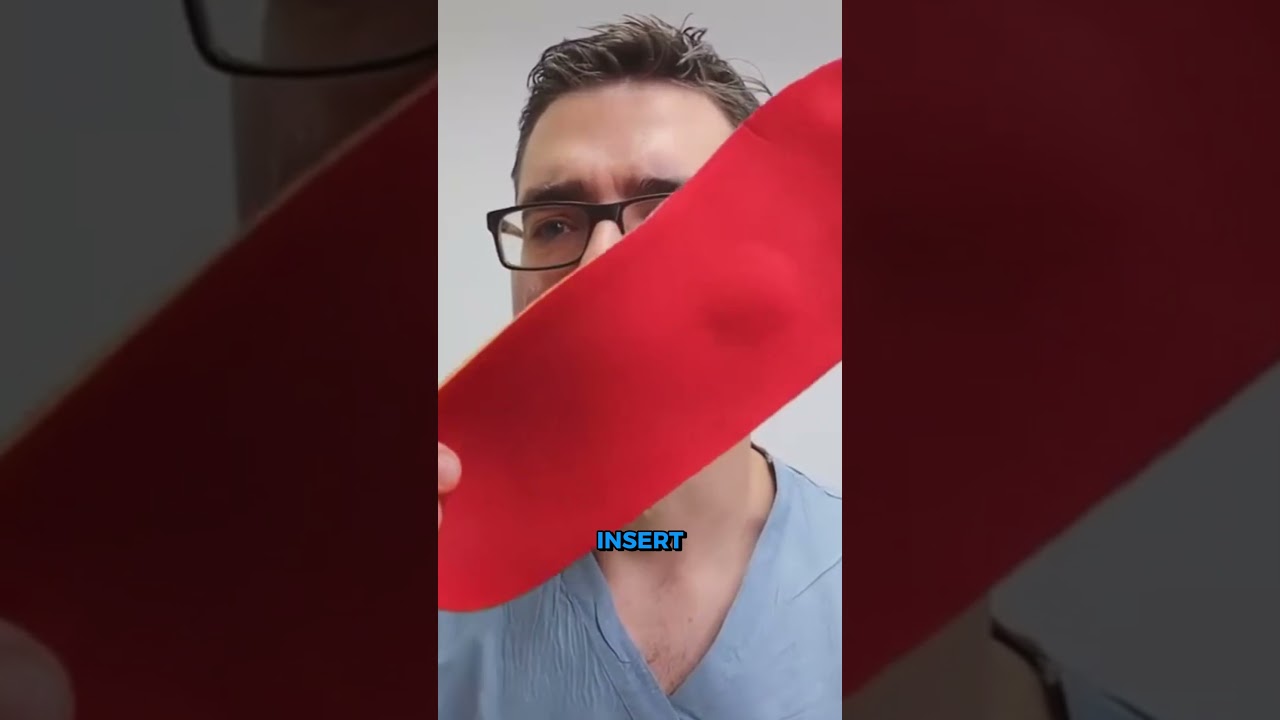
Metatarsal pad: A teardrop-shaped felt or foam pad placed just proximal to the affected metatarsal head redistributes plantar pressure proximally, reducing capsular compressive and shear loading. This single intervention produces significant symptom relief in the majority of capsulitis patients within 2–4 weeks. Custom orthotics with built-in metatarsal accommodation provide more durable, precisely positioned relief than OTC pads.
Footwear modification: Wide toe box (Altra, New Balance wide widths) eliminates transverse compression. A rigid or semi-rigid sole reduces MTP joint extension during propulsion. High heels eliminated during active treatment.
Corticosteroid injection: Intra-articular corticosteroid injection into the 2nd MTP joint provides rapid anti-inflammatory effect. Useful for acute capsulitis with significant swelling — typically performed under ultrasound guidance for precise intra-articular placement. Multiple injections discouraged due to risk of plantar plate further weakening.
2nd toe retrograde taping: When capsulitis coexists with early plantar plate stress, retrograde taping (same technique as for plantar plate) reduces MTP dorsiflexion loading and provides joint protection.
When Conservative Care Fails
Capsulitis that doesn’t improve within 6–8 weeks of diligent conservative management should be re-evaluated for plantar plate tear (MRI or ultrasound), concurrent Morton’s neuroma, or systemic inflammatory arthritis (rheumatoid arthritis, psoriatic arthritis, gout). Inflammatory arthropathies commonly present first in the MTP joints and require rheumatologic evaluation and disease-modifying treatment beyond mechanical management.
Dr. Tom's Product Recommendations
Hapad Metatarsal Pads (Wool Felt)
⭐ Highly Rated
Medical-grade wool felt metatarsal pads used by podiatrists and physical therapists for precise forefoot load redistribution. Adhesive backing for placement directly in footwear or on custom orthotics. Exact positioning (proximal to metatarsal head) critical — your podiatrist can mark placement during your visit.
Dr. Tom says: “My podiatrist placed these precisely in my shoes during my appointment. The capsulitis pain went from 8/10 to 2/10 within a week.”
MTP capsulitis, forefoot pain redistribution, plantar plate offloading
Placement precision essential — incorrectly positioned pads provide no benefit
Disclosure: We earn a commission at no extra cost to you.
Altra Torin 7 Wide Toe Box
⭐ Highly Rated
Zero-drop, foot-shaped toe box shoe that eliminates transverse MTP compression and reduces forefoot loading — the two primary mechanical drivers of MTP capsulitis. The natural foot shape allows the forefoot to splay appropriately and reduces the sustained MTP hyperextension that inflames the joint capsule.
Dr. Tom says: “Switching to Altra shoes eliminated my persistent 2nd MTP pain. The wide toe box and natural foot shape made an immediate difference.”
MTP capsulitis footwear modification, natural toe splay, forefoot decompression
Zero-drop adaptation needed — gradual transition for runners
Disclosure: We earn a commission at no extra cost to you.
Powerstep Pinnacle with Metatarsal Pad Combo
⭐ Highly Rated
The Powerstep Pinnacle provides the arch support base that corrects 1st ray insufficiency contributing to 2nd metatarsal overloading — combined with an adhesive metatarsal pad placed proximally to the 2nd metatarsal head. A reliable conservative management combination for active Michigan patients with forefoot capsulitis.
Dr. Tom says: “My podiatrist had me combine these insoles with a metatarsal pad. The combination addressed both the arch and forefoot pressure driving my capsulitis.”
MTP capsulitis with associated flat foot or 1st ray insufficiency, daily footwear
Combine with precisely placed metatarsal pad for best results
Disclosure: We earn a commission at no extra cost to you.
✅ Pros / Benefits
- Lachman test distinguishes isolated capsulitis from early plantar plate tear at same visit
- In-office ultrasound confirms MTP effusion and rules out concurrent neuroma
- Precise metatarsal pad placement marked in-office for maximum load redistribution
- Corticosteroid injection under ultrasound guidance for acute capsulitis with effusion
- Inflammatory arthritis (RA, psoriatic, gout) identified before months of ineffective mechanical treatment
❌ Cons / Risks
- Conservative care requires consistent footwear compliance — symptom returns with narrow shoes
- Progressive capsulitis with plantar plate tear may require surgical repair
- Systemic inflammatory causes require rheumatology co-management
Dr. Tom Biernacki’s Recommendation
Capsulitis is one of those diagnoses where the treatment is 80% footwear and insole modification — and 80% of the time, patients have been wearing exactly the wrong shoes. High heels for a 2nd MTP capsulitis is like putting ice on a sprained ankle and then standing on it for 8 hours. Change the shoes first, add the metatarsal pad, and most patients improve significantly within two weeks without injections or procedures.
— Dr. Tom Biernacki, DPM | Board-Certified Podiatric Surgeon | Balance Foot & Ankle
Frequently Asked Questions
How long does MTP capsulitis take to heal?
With proper load redistribution (wide toe box footwear, metatarsal pad, arch support), most patients with isolated capsulitis see significant improvement within 2–4 weeks. Complete resolution typically takes 6–8 weeks. Patients who continue wearing narrow or high-heeled footwear during treatment have prolonged symptoms — footwear compliance is the single most important factor in recovery timeline.
Is capsulitis the same as a plantar plate tear?
Not exactly — but they’re closely related. Capsulitis is inflammation of the MTP joint capsule. Plantar plate degeneration (predislocation syndrome) occurs within the capsular complex and is an early stage on the spectrum toward a structural plantar plate tear. Capsulitis can exist without plantar plate disruption, but long-standing, undertreated capsulitis often progresses to plantar plate injury. A Lachman test and ultrasound distinguish the degree of structural involvement.
Can gout cause capsulitis?
Gout (monosodium urate crystal deposition) frequently presents as acute MTP joint inflammation — classically the 1st MTP (podagra) but also the 2nd MTP and other forefoot joints. Acute gouty MTP flare presents with severe acute swelling, redness, warmth, and extreme tenderness — often confused with infection or severe capsulitis. Serum uric acid and synovial fluid analysis (crystals) distinguish gout from mechanical capsulitis. Gout requires medical management with urate-lowering therapy, not just mechanical offloading.
Michigan Foot Pain? See Dr. Biernacki In Person
4.9★ rated | 1,123 Reviews | 3,000+ Surgeries
Same-week appointments · Howell & Bloomfield Township
📞 (810) 206-1402 Book Online →Frequently Asked Questions
When should I see a podiatrist?
If symptoms persist past 2 weeks, affect your normal activity, or are accompanied by red-flag symptoms (warmth, redness, swelling, inability to bear weight).
What does treatment cost?
Most diagnostic visits and conservative treatments are covered by Medicare and major insurers. Out-of-pocket costs vary by your specific plan.
How quickly can I get an appointment?
Most non-urgent cases see us within 5 business days. Urgent cases (sudden pain, possible fracture) typically same or next business day.
In-Office Treatment at Balance Foot & Ankle
If home treatment isn’t providing relief for your foot and ankle issues, our podiatry team at Balance Foot & Ankle can help with same-day evaluations and advanced in-office care.
American Podiatric Medical Association: Find a Podiatrist
Ready to Get Relief?
Same-day appointments available in Howell & Bloomfield Township, MI
4.9★ | 1,123 Reviews | 3,000+ Surgeries
Or call: (810) 206-1402
Seen at both offices — Howell and Bloomfield Township.

Dr. Tom Biernacki, DPM is a board-certified foot & ankle surgeon (ABFAS & ABPM) at Balance Foot & Ankle Specialists in Southeast Michigan. With over a decade of clinical experience, he specializes in heel pain, bunions, diabetic foot care, sports injuries, and minimally invasive surgery. Dr. Biernacki is a member of the APMA and ACFAS, and his patient education content on MichiganFootDoctors.com and YouTube has made him one of the most-followed foot & ankle educators on YouTube.
More questions patients ask
What causes MTP joint inflammation?
Balance Foot & Ankle serves Michigan — Howell & Bloomfield Township offices. Call (810) 206-1402.
How is foot capsulitis treated?
Balance Foot & Ankle serves Michigan — Howell & Bloomfield Township offices. Call (810) 206-1402.
When should I see a podiatrist for foot capsulitis?
See Dr. Tom Biernacki at Balance Foot & Ankle — same-day appointments. Call (810) 206-1402. Howell & Bloomfield Township, MI.
Does insurance cover capsulitis treatment?
Most PPO and Medicare plans cover medically necessary foot care. We accept BCBS and most Michigan insurers. Call (810) 206-1402.
Still have a question about coverage or cost? Book online and we will check your benefits before your visit: Book in Howell · Book in Bloomfield Township. Prefer to talk it through first? Call (810) 206-1402.