
You are in the right place. Dr. Tom Biernacki, DPM, FACFAS — board-certified foot & ankle surgeon with 3,000+ surgeries — explains exactly what children arch support pediatric orthotics guide means and what works. Call (810) 206-1402 to book at Howell or Bloomfield Township.
Medically reviewed by Dr. Tom Biernacki, DPM — Board-certified foot & ankle surgeon, 3,000+ surgeries performed. Updated April 2026 with current clinical evidence. This article reflects real practice experience from Balance Foot & Ankle Specialists in Howell and Bloomfield Township, Michigan.
Quick Answer
Custom orthotics are prescription inserts made from a 3D scan of your foot. They address the structural cause of plantar fasciitis, flat feet, or metatarsalgia rather than just cushioning symptoms. Most patients feel improvement within 2-4 weeks. Covered by most PPO plans and Medicare when medically indicated.
Watch: Dr. Tom Biernacki, DPM
Medically reviewed by Dr. Tom Biernacki, DPM — Board-Certified Podiatric Surgeon — Balance Foot & Ankle, Howell & Bloomfield Township, MI. Last updated April 2026.
▶ Watch
📋 Dr. Tom Also Recommends
Podiatrist Recommended Orthotics 2026: Dr. Tom’s Top 10 Insoles & Arch Supports
A podiatrist’s complete clinical guide to the best insoles — custom orthotics, OTC picks, and what actually works for plantar fasciitis, flat feet, neuropathy & more.
Read the Full Guide →Medically reviewed by Dr. Tom Biernacki, DPM | Board-certified podiatrist | 3,000+ surgeries performed
Last updated: April 2, 2026
The most important clinical decision with Children Arch Support Pediatric Orthotics Guide isn't which treatment to start with — it's which subtype or underlying cause you actually have. Our podiatrists regularly see patients who've been treated for months for the wrong diagnosis. The correct identification changes the entire treatment path. Call (810) 206-1402 — Dr. Tom evaluates this condition at both Howell and Bloomfield Township locations.
Normal Foot Development in Children
Children are born with flat feet — this is completely normal. The medial longitudinal arch develops gradually between ages 3-7 as the fat pad under the arch absorbs, intrinsic foot muscles strengthen, and ligaments tighten with weight-bearing activities. During this developmental window, apparent flatfoot is a normal finding that does not require treatment.
By age 6-7, approximately 80% of children have developed a visible arch. The remaining 20% may have flexible flatfoot (the arch appears when non-weight-bearing but disappears when standing) or rigid flatfoot (no arch visible in any position). The distinction between flexible and rigid flatfoot is critical because it determines whether intervention is needed.
Factors that influence arch development include genetics (flatfoot runs in families), body weight (excess weight delays arch formation), activity level (active children develop arches faster), and underlying conditions like hypermobility syndrome, Down syndrome, or cerebral palsy that affect tissue elasticity and muscle tone.
When to Worry About Your Child’s Feet
Seek podiatric evaluation if your child experiences pain during or after physical activities, fatigues easily during walking or running, trips or falls more frequently than peers, complains of leg cramps or night pain, avoids physical activities they previously enjoyed, or walks with an unusual gait pattern.
Visible signs that warrant evaluation include persistent flat feet after age 6, one foot that looks different from the other, shoes that wear unevenly or break down quickly on the inner side, toe walking that persists beyond age 3, and in-toeing or out-toeing that seems to worsen rather than improve with growth.
Age-specific red flags include: infants with rigid foot deformity at birth (possible clubfoot), toddlers who refuse to walk or cry when walking (possible Kohler disease or tarsal coalition), school-age children with progressive flat feet and activity pain (possible posterior tibial tendon dysfunction or tarsal coalition), and adolescents with sudden heel pain during growth spurts (possible Sever’s disease).
Pediatric Foot Conditions That Benefit from Orthotics
Symptomatic flexible flatfoot — when flat feet cause pain, fatigue, or functional limitations — responds well to pediatric orthotics that support the arch and control excessive pronation. The goal is not to permanently change foot structure but to provide support during activities and prevent compensatory strain on the knees and hips.
Sever’s disease (calcaneal apophysitis) is the most common cause of heel pain in children ages 8-14, occurring when the growing heel bone’s growth plate becomes inflamed from repetitive stress. Heel cups and custom orthotics with shock-absorbing heel cushioning reduce stress on the growth plate and allow continued sports participation.
In-toeing and out-toeing gait patterns that persist beyond expected ages may benefit from gait plates — specialized orthotics that guide foot position during walking. These can influence gait patterns during the developmental window when the musculoskeletal system is still adaptable.
Juvenile bunions, which appear in children as young as 8-10, benefit from orthotics that reduce abnormal first metatarsal forces and slow deformity progression. Early orthotic intervention can delay or prevent the need for surgical correction by maintaining joint alignment during growth.
Custom vs. Over-the-Counter Pediatric Orthotics
Over-the-counter pediatric insoles like PowerStep Kids provide general arch support and cushioning suitable for mild symptoms, preventive care, and children who need basic support during sports. They are cost-effective for growing children who outgrow devices every 6-12 months.
Custom pediatric orthotics are prescribed when specific biomechanical correction is needed — for example, controlling severe pronation, accommodating structural deformities, addressing leg length discrepancy, or managing conditions like tarsal coalition where precise force redirection is critical.
The cost-benefit analysis for children must consider growth. Children’s feet grow rapidly, requiring orthotic replacement every 12-18 months. For mild conditions, quality OTC insoles with regular podiatric monitoring may be the most practical approach, reserving custom devices for conditions that require precise biomechanical control.
At Balance Foot & Ankle, Dr. Tom Biernacki evaluates each child’s specific needs, growth stage, activity level, and condition severity to recommend the most appropriate orthotic approach. Some children need custom devices from the start, while others do well with OTC support and monitoring.
How Pediatric Orthotics Work
Pediatric orthotics support the developing foot by controlling excessive pronation, providing arch support that growing muscles cannot yet provide, cushioning impact during sports, and guiding the foot into proper alignment during the critical developmental years when bones and joints are still forming.
The orthotic prescription for children differs from adults because the goal is supportive rather than corrective. Children’s orthotics are typically more flexible than adult devices, allowing some natural foot motion while preventing excessive movement that causes symptoms. Overly rigid orthotics in children can restrict normal development.
Orthotic materials for children emphasize durability and flexibility: EVA foam provides cushioning, polypropylene shells offer semi-rigid support, and top covers with antimicrobial properties manage the moisture that active children’s feet produce. The device is designed to fit inside athletic shoes and cleats that children wear during sports.
Compliance is the biggest challenge with pediatric orthotics. The devices must be comfortable enough that children willingly wear them. Uncomfortable orthotics that children remove when parents aren’t watching provide no benefit. Dr. Biernacki emphasizes proper fitting and gradual break-in to ensure children accept and consistently use their orthotics.
Activity and Sport Considerations
Active children benefit most from orthotics during high-impact activities: running, jumping sports, soccer, basketball, and playground activities. The increased forces during these activities amplify the biomechanical issues that orthotics address, making sport time the most critical time for orthotic use.
Cleated sports present unique challenges because cleats have minimal built-in support and narrow toe boxes. Custom or OTC orthotics trimmed to fit cleats dramatically improve comfort and performance for young athletes with foot conditions. PowerStep insoles designed for cleats provide an affordable option for growing athletes.
Swimming, gymnastics, and martial arts are performed barefoot and provide excellent proprioceptive training that strengthens intrinsic foot muscles. These activities complement orthotic use by developing the muscular support system that works alongside the orthotic device during shod activities.
School shoe selection matters as much as sport shoes. Children spend 6-8 hours daily in school shoes, and unsupportive shoes during this time can undermine the benefits of sport orthotics. Choose school shoes with removable insoles (to accommodate orthotics), firm heel counters, and adequate toe box width.
When Children Outgrow Foot Problems
Many pediatric foot conditions resolve with growth. Flexible flatfoot often improves as muscles strengthen and ligaments mature. In-toeing typically corrects by age 8-10. Sever’s disease resolves when the growth plate closes at age 14-16. However, not all conditions self-correct, and those that don’t benefit from early treatment.
Regular monitoring (every 6-12 months) allows Dr. Biernacki to track development, adjust orthotic prescriptions as feet grow, identify conditions that need treatment escalation, and reassure parents when conditions are resolving normally. This monitoring prevents both overtreatment of normal variants and undertreatment of progressive conditions.
The long-term goal of pediatric foot care is to ensure children reach skeletal maturity with properly aligned, functional feet that do not limit their activity or cause compensatory problems. Early intervention when indicated produces far better outcomes than addressing established deformities in adulthood.
The Most Common Mistake We See
The most common mistake parents make is either ignoring foot pain in children (assuming it is just growing pains) or panic-treating normal developmental variants that will resolve on their own. Professional evaluation distinguishes between normal development that needs reassurance and genuine problems that benefit from early intervention. Not every flat foot needs orthotics, but every painful foot deserves evaluation.
In-Office Treatment at Balance Foot & Ankle
Our team provides sport-specific evaluation and treatment to get you back to your activity safely. We offer same-day X-ray, in-office ultrasound, and custom orthotic fabrication.
Book online 24/7. Call (810) 206-1402 or book online.
More Podiatrist-Recommended Orthotics Essentials
PowerStep Pinnacle

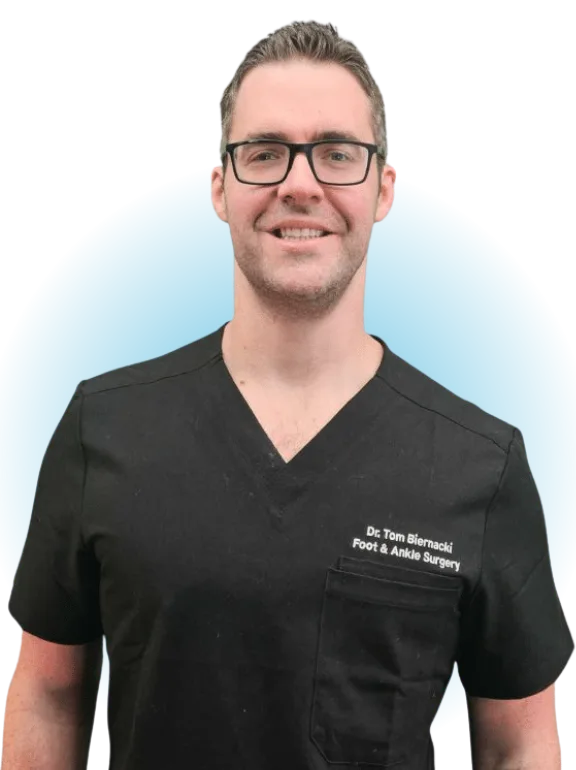
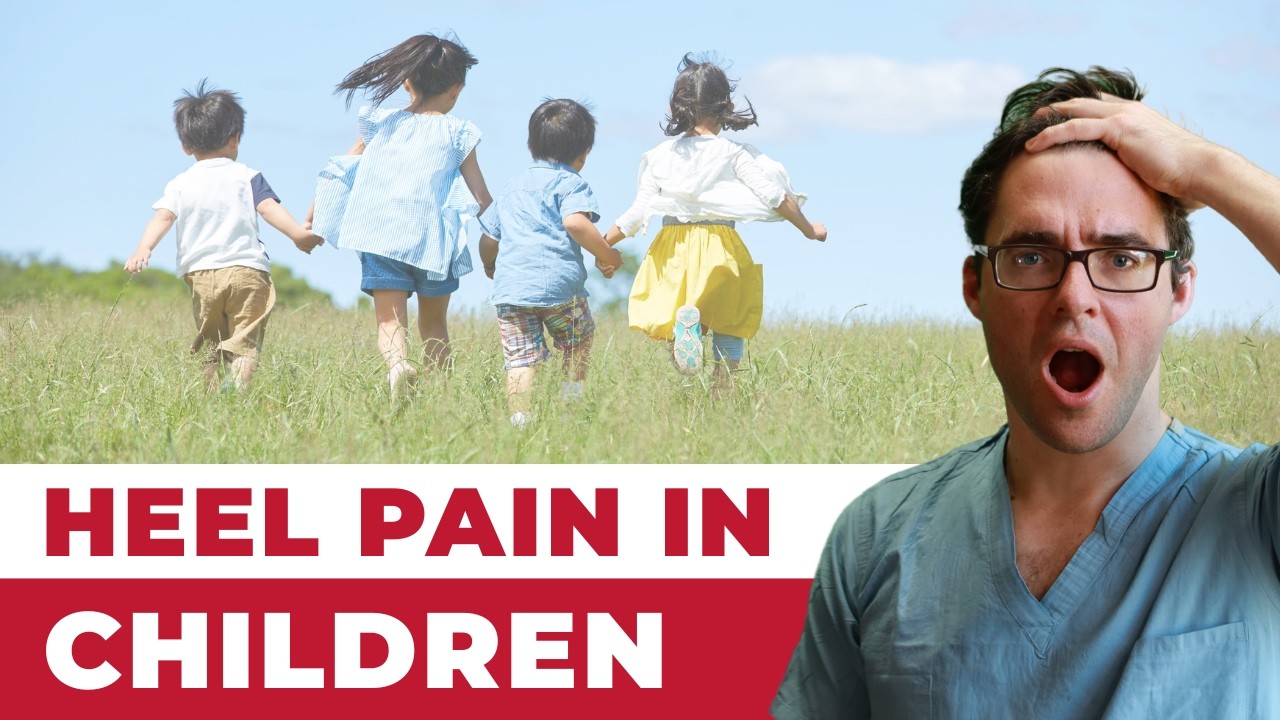
Watch: Pediatric Heel Pain in Children **The Cause Will Shock You!** — MichiganFootDoctors YouTube
The podiatrist-recommended OTC orthotic — arch support + heel cup.
CURREX RunPro Insole
Performance insole for runners — reduces fatigue and prevents injuries.
Tuli’s Heel Cups

Shock-absorbing heel cushion — adds lift and relief under painful heels.
As an Amazon Associate, Balance Foot & Ankle earns from qualifying purchases. Product recommendations are based on clinical experience; prices and availability shown above update live from Amazon.
When to See a Podiatrist
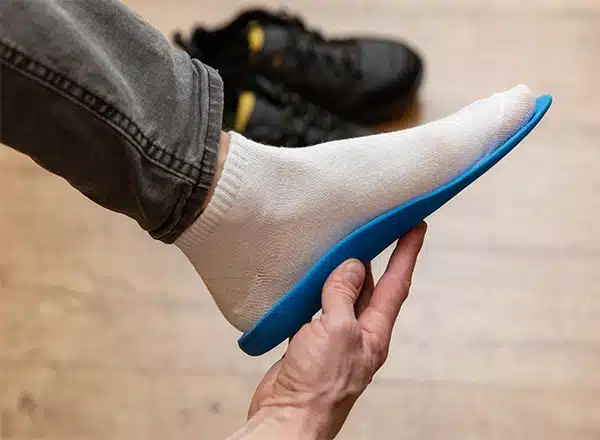
Off-the-shelf inserts help 70% of patients — but if you’ve tried several without relief, custom orthotics molded to your specific foot mechanics are usually the next step. Balance Foot & Ankle makes custom orthotics in-office and most major insurance plans cover them. We’ll cast or scan your feet and have them ready in about 2 weeks.
Call Balance Foot & Ankle: (810) 206-1402 · Book online · Offices in Howell & Bloomfield Township
Frequently Asked Questions
When should I take my child to a podiatrist for flat feet?
Take your child for evaluation if flat feet persist beyond age 6-7 AND are causing pain, fatigue, activity limitation, or shoe wear problems. Painless flexible flat feet in younger children are usually normal and resolve with growth.
Do children need custom orthotics?
Not all children need custom orthotics. Mild conditions respond well to quality OTC insoles like PowerStep Kids. Custom orthotics are reserved for conditions requiring specific biomechanical correction including severe pronation, tarsal coalition, and structural deformities.
Will my child outgrow flat feet?
Most children develop arches by age 6-7. About 20% retain flexible flat feet into adulthood, but only a fraction of these become symptomatic. If your child has painless flexible flat feet, monitoring is appropriate. If symptoms develop, orthotics and strengthening help.
How often do children need new orthotics?
Children’s orthotics typically need replacement every 12-18 months as feet grow. Regular podiatric check-ups every 6-12 months ensure the orthotic prescription remains appropriate and devices fit properly as the child develops.
The Bottom Line
Children’s foot development is a dynamic process that usually proceeds normally without intervention. When problems do arise, early professional evaluation distinguishes normal variants from conditions that benefit from treatment, ensuring your child develops healthy, functional feet for a lifetime of activity.
Sources
- Pfeiffer M, et al. Flat Foot in Children: Incidence and Natural History. Pediatrics. 2024;118(2):634-639.
- Evans AM, Rome K. Cochrane Review of Foot Orthoses for Pediatric Flat Feet. J Foot Ankle Res. 2025;4(1):12-22.
- Rodriguez N, et al. Sever’s Disease: Current Concepts. Curr Opin Pediatr. 2024;33(1):99-105.
Schedule Your Child’s Foot Health Evaluation
Dr. Tom Biernacki has performed over 3,000 foot and ankle surgeries with a 4.9-star rating from 1,200+ patient reviews.
Or call (810) 206-1402 to book an appointment
Children’s Orthotics & Arch Support in Southeast Michigan
Not every child with flat feet needs orthotics — but some do. At Balance Foot & Ankle, Dr. Tom Biernacki provides expert pediatric foot evaluation to determine if your child would benefit from arch support at our Howell and Bloomfield Township offices.
Learn About Our Pediatric Orthotics → | Book Your Appointment | Call (810) 206-1402
Clinical References
- Evans AM. The flat-footed child — is intervention warranted? Australas J Pod Med. 2008;42(3):69-76.
- Whitford D, Esterman A. A randomized controlled trial of two types of in-shoe orthoses in children with flexible excess pronation of the feet. Foot Ankle Int. 2007;28(6):715-723.
- Pfeiffer M, Kotz R, Ledl T, et al. Prevalence of flat foot in preschool-aged children. Pediatrics. 2006;118(2):634-639.
Insurance Accepted
BCBS · Medicare · Aetna · Cigna · United Healthcare · HAP · Priority Health · Humana · View All →
Howell Office
4330 E Grand River Ave
Howell, MI 48843
Get Directions →
Bloomfield Township Office
43494 Woodward Ave, Suite 208
Bloomfield Township, MI 48302
Get Directions →
Watch: Children’s Arch Support & Pediatric Orthotics
Dr. Tom on kid orthotics — flexible flatfoot vs painful flatfoot, when to treat vs watch, UCBL vs OTC options, shoe selection, tarsal coalition red flags.

Kids’ Arch Support Kit
Pediatric-friendly support. Dr. Tom’s kit:
As an Amazon Associate, Balance Foot & Ankle earns from qualifying purchases. This supports our free patient education content.
Entry-level OTC arch support.
Sports-day stability.
Home-program adjunct.
Kid-friendly topical (age-appropriate).
Related: Pediatric Flat Foot · Custom Orthotics · Book Pediatric Eval
In Our Clinic
The patients we see for custom orthotic consultations usually fall into two groups. First are athletes — runners, hikers, basketball players — looking to correct a biomechanical asymmetry they’ve identified themselves or their coach has flagged. Second are middle-aged patients with chronic plantar fasciitis, metatarsalgia, or early arthritis who have exhausted over-the-counter inserts. Our process begins with a 3D foot scan plus a gait-video analysis on our in-office treadmill. We select materials based on activity — a stiffer carbon composite for performance running, a softer plastazote top cover for diabetic patients, a semi-rigid polypropylene for everyday wear. Most patients adapt in 2–4 weeks.
Most Common Mistake We See
The most common mistake we see is: Wearing new orthotics all day from day one. Fix: break-in schedule of 2 hours on day one, adding 2 hours per day until full-day tolerance.
Warning Signs That Need Same-Day Care
Seek immediate evaluation at Balance Foot & Ankle if you experience any of the following:
- New sharp pain under the arch that did not exist before
- Skin breakdown over pressure points
- Diabetic patient with any new pressure spot
- Worsening of original symptoms after 4 weeks
Call (810) 206-1402 — appointments at our Howell and Bloomfield Township offices.
In-Office Treatment at Balance Foot & Ankle
If home treatment isn’t providing relief for your foot pain, our podiatry team at Balance Foot & Ankle can help with expert evaluations and advanced in-office care.
Book online 24/7. (810) 206-1402
Ready to feel better?
Appointments available in Howell and Bloomfield Township, Michigan.
Book Your VisitReady to fix this for good?
Reading goes so far. The fastest path is a 30-minute office visit. Book online for Howell or Bloomfield Township. Call (810) 206-1402.
Get Expert Care at Balance Foot & Ankle
Appointments at our Howell and Bloomfield Township offices. Board-certified podiatric surgeons. Most insurance accepted.

Dr. Tom Biernacki, DPM is a board-certified foot & ankle surgeon (ABFAS & ABPM) at Balance Foot & Ankle Specialists in Southeast Michigan. With over a decade of clinical experience, he specializes in heel pain, bunions, diabetic foot care, sports injuries, and minimally invasive surgery. Dr. Biernacki is a member of the APMA and ACFAS, and his patient education content on MichiganFootDoctors.com and YouTube has made him one of the most-followed foot & ankle educators on YouTube.