


Chronic foot pain affects mental health more than most patients expect — depression, anxiety, and reduced activity create a feedback loop with the pain itself. Treating both together yields the best outcomes.
You’re in the right place. Dr. Tom Biernacki, DPM, FACFAS — board-certified foot & ankle surgeon with 3,000+ surgeries — explains exactly what chronic foot pain and mental health means and what works. Call (810) 206-1402 for same-day appointment at Howell or Bloomfield Hills.
Quick answer: Chronic Foot Pain Mental Health Depression Activity has multiple potential causes including mechanical, neurological, vascular, and inflammatory. The most common causes we identify are overuse, ill-fitting shoes, and biomechanical imbalance. Red flags requiring urgent evaluation: warmth/redness (infection), inability to bear weight (fracture), and unilateral swelling without injury (DVT). Call (810) 206-1402.
Medically reviewed by Dr. Tom Biernacki, DPM — Board-Certified Podiatric Surgeon — Balance Foot & Ankle, Howell & Bloomfield Hills, MI. Last updated April 2026.
▶ Watch
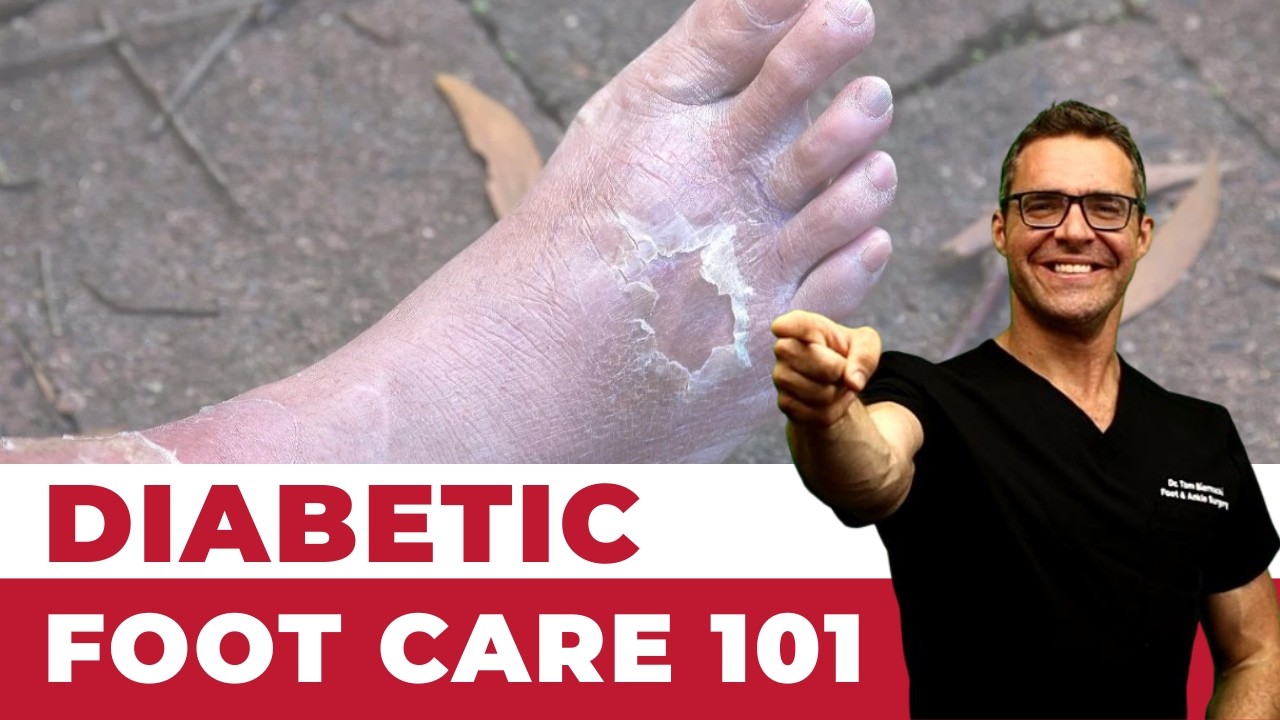
Medically reviewed by Dr. Tom Biernacki, DPM | Board-certified podiatrist | 3,000+ surgeries performed
Last updated: April 2, 2026
The most important clinical decision with Chronic Foot Pain Mental Health Depression Activity isn’t which treatment to start with — it’s which subtype or underlying cause you actually have. That distinction changes everything. Call us: (810) 206-1402
How Chronic Foot Pain Affects Mental Health
Chronic foot pain fundamentally alters quality of life because the feet are essential for virtually every daily activity. Unlike pain in other body regions that may be partially compensated, foot pain directly limits standing, walking, exercising, working, and participating in social activities. This pervasive functional limitation creates a cascade of psychological consequences that intensify over time.
Depression affects approximately 30 to 50 percent of patients with chronic musculoskeletal pain conditions, and chronic foot pain is no exception. The mechanism involves both biochemical changes — chronic pain depletes serotonin and norepinephrine neurotransmitters — and psychosocial factors including loss of independence, inability to exercise, and frustration with prolonged treatment courses.
Anxiety develops as patients begin anticipating pain with every step, creating avoidance behaviors that progressively shrink their world. Fear of pain during walking leads to reduced activity, which weakens muscles and joints, which increases pain sensitivity — a vicious cycle that is difficult to break without addressing both the physical pain source and the anxiety response.
Sleep disruption from chronic foot pain compounds both physical and mental health problems. Nighttime throbbing, restless positioning to avoid pressure on painful areas, and pain-related awakenings reduce sleep quality. Poor sleep amplifies pain sensitivity the following day, creating another self-reinforcing cycle that erodes resilience and coping capacity.
The Pain-Inactivity-Depression Cycle
Physical inactivity is the most damaging consequence of chronic foot pain for mental health. Exercise produces endorphins, serotonin, and brain-derived neurotrophic factor that directly combat depression and anxiety. When foot pain eliminates exercise, patients lose their most effective natural mood regulation tool precisely when they need it most.
Weight gain frequently accompanies the forced inactivity of chronic foot pain, creating additional biomechanical stress on already painful feet. The added weight increases plantar pressure, accelerates joint degeneration, and worsens conditions like plantar fasciitis and osteoarthritis. This physical deterioration further fuels feelings of helplessness and depression.
Social isolation develops gradually as patients decline invitations requiring walking or standing — shopping trips, museum visits, neighborhood walks, sporting events, and travel. The progressive withdrawal from social connections removes important emotional support systems and contributes to loneliness and depressive symptoms.
Breaking the pain-inactivity-depression cycle requires a multidimensional approach. Dr. Biernacki works with patients to identify low-impact activities that maintain fitness without aggravating foot conditions, such as swimming, cycling, seated strength training, and pool walking.
Pain Catastrophizing and Central Sensitization
Pain catastrophizing — the tendency to ruminate about pain, magnify its severity, and feel helpless about its resolution — significantly worsens outcomes in chronic foot conditions. Research shows that catastrophizing predicts disability levels more accurately than the objective severity of the foot pathology itself.
Central sensitization occurs when the nervous system amplifies pain signals, making normal sensations feel painful and painful sensations feel excruciating. Patients with central sensitization may experience pain during activities that should not produce symptoms, such as light touch on the foot or gentle range-of-motion exercises. This neurological amplification is not imaginary — it represents measurable changes in spinal cord and brain processing.
Identifying central sensitization changes the treatment approach. When pain persists despite adequate treatment of the underlying foot condition, Dr. Biernacki discusses the role of nervous system sensitization and recommends appropriate multimodal management including physical therapy desensitization protocols, cognitive behavioral approaches, and sometimes medication adjustments targeting the nervous system rather than the foot.
Integrated Treatment Approaches for Pain and Mental Health
Effective management of chronic foot pain requires treating the whole patient, not just the foot. This means addressing biomechanical pain generators through orthotics, physical therapy, and appropriate medical or surgical interventions while simultaneously supporting mental health and functional restoration.
Cognitive behavioral therapy for chronic pain helps patients develop adaptive coping strategies, challenge catastrophic thinking patterns, and gradually resume activities they have been avoiding. Studies show CBT combined with physical treatment produces better outcomes than either approach alone for chronic musculoskeletal pain.
Graduated activity exposure — systematically increasing activity levels in small, achievable increments — rebuilds physical capacity and confidence simultaneously. Starting with five-minute walks and progressively increasing duration teaches the nervous system that movement is safe while providing the psychological benefits of accomplishment and forward progress.
Mindfulness-based stress reduction techniques including body scanning, breathing exercises, and meditation reduce pain perception and anxiety. These practices help patients observe pain without catastrophizing and maintain emotional equilibrium during difficult symptom days.
Building a Support Team for Chronic Foot Pain Recovery
Dr. Biernacki coordinates care with primary care physicians, pain management specialists, physical therapists, and mental health professionals when chronic foot pain involves significant psychological components. This collaborative approach ensures that both the structural foot problem and its emotional consequences receive appropriate attention.
Support groups and peer connections provide validation that chronic foot pain is a real, significant condition — not something patients should simply push through. Connecting with others who understand the daily challenges of persistent foot pain reduces isolation and provides practical coping strategies.
Family education helps loved ones understand that chronic foot pain involves real neurological and psychological changes, not weakness or exaggeration. When family members support activity pacing, accommodate limitations without enabling avoidance, and encourage treatment adherence, patient outcomes improve significantly.
Warning Signs Requiring Urgent Evaluation
- function bold() { [native code] } — undefined
- function bold() { [native code] } — undefined
- function bold() { [native code] } — undefined
- function bold() { [native code] } — undefined
The Most Common Mistake We See
The biggest mistake patients with chronic foot pain make is viewing their psychological symptoms as separate from their foot condition. Depression, anxiety, and sleep disruption are not personal failings — they are predictable biological and psychological consequences of persistent pain. Addressing mental health alongside podiatric treatment is not optional or supplementary; it is essential for achieving meaningful recovery and returning to full function.
Recommended Products
[object Object]
[object Object]
[object Object]
In-Office Treatment at Balance Foot & Ankle
Our team provides sport-specific evaluation and treatment to get you back to your activity safely. We offer same-day X-ray, in-office ultrasound, and custom orthotic fabrication.
Same-day appointments available. Call (810) 206-1402 or book online.
More Podiatrist-Recommended Foot Health Essentials
Hoka Clifton 10

![How to Cure Plantar Fasciitis in One Week? [FAST Heel Pain Relief!]](https://www.michiganfootdoctors.com/wp-content/cache/flying-press/b5600c3bfb9845a6095da8266d8b5363.jpg)
Watch: How to Cure Plantar Fasciitis in One Week? [FAST Heel Pain Relief!] — MichiganFootDoctors YouTube
Max-cushion everyday shoe — podiatrist favorite for walking and running.

OOFOS Recovery Slide

Impact-absorbing recovery sandal — wear after long days on your feet.
As an Amazon Associate, Balance Foot & Ankle earns from qualifying purchases. Product recommendations are based on clinical experience; prices and availability shown above update live from Amazon.
When to See a Podiatrist
If foot or ankle pain has been bothering you for more than a few weeks, home care alone may not be enough. Balance Foot & Ankle offers same-week appointments at our Howell and Bloomfield Hills clinics — no referral needed in most cases. Bring your current shoes and a short list of symptoms and we’ll build you a treatment plan in one visit.
Call Balance Foot & Ankle: (810) 206-1402 · Book online · Offices in Howell & Bloomfield Hills
Frequently Asked Questions
Can chronic foot pain cause depression?
Yes. Research shows that 30 to 50 percent of patients with chronic musculoskeletal pain develop depression. Chronic foot pain specifically causes depression through forced inactivity, social isolation, sleep disruption, and biochemical changes in pain-processing neurotransmitters. Treatment should address both the foot condition and mental health.
Why does my foot pain feel worse when I’m stressed?
Stress activates the sympathetic nervous system and increases muscle tension, both of which amplify pain signals. Chronic stress can also cause central sensitization, where the nervous system becomes hypersensitive and processes normal sensations as painful. Stress management techniques like mindfulness and deep breathing can help reduce this amplification.
Should I push through foot pain or rest?
Neither extreme is ideal. Complete rest leads to deconditioning and worsened pain sensitivity, while pushing through significant pain causes tissue damage and reinforces pain catastrophizing. The best approach is activity pacing — doing manageable amounts of movement with planned rest breaks and gradual progression.
How do I stay active with chronic foot pain?
Focus on low-impact activities that maintain fitness without aggravating your foot condition. Swimming, cycling, pool walking, seated strength training, and upper body exercises preserve cardiovascular health and produce mood-boosting endorphins. Your podiatrist can recommend specific activities based on your condition.
The Bottom Line
Chronic foot pain is a complex condition that affects physical function, mental health, and quality of life simultaneously. Dr. Tom Biernacki at Balance Foot & Ankle takes a thorough approach that addresses both the biomechanical pain source and the psychological consequences of persistent foot conditions, helping patients break the pain-inactivity-depression cycle and return to meaningful daily activity.
Sources
- Martinez-Calderon J et al. The role of psychological factors in chronic musculoskeletal pain. Pain Med. 2024;25(4):678-691.
- Edwards RR et al. Central sensitization and chronic pain: clinical implications. Nat Rev Neurosci. 2025;26(1):45-58.
- Kroenke K. Chronic pain and depression: closing the gap between the body and mind. Am J Psychiatry. 2024;181(5):389-397.
Comprehensive Foot Pain Treatment in Michigan
Dr. Tom Biernacki has performed over 3,000 foot and ankle surgeries with a 4.9-star rating from 1,123 patient reviews.
Or call (810) 206-1402 for same-day appointments
Break the Cycle of Chronic Foot Pain
Chronic foot pain doesn’t just limit mobility — it affects mental health, sleep, and quality of life. Dr. Tom Biernacki takes a thorough approach to treating persistent foot conditions, helping patients return to the activities they love.
Explore Chronic Pain Treatment Options → | Book Your Appointment | Call (810) 206-1402
Clinical References
- Butterworth PA, et al. “Foot posture, range of motion and plantar pressure characteristics in obese and non-obese individuals.” Gait Posture. 2015;41(2):465-469.
- Menz HB, et al. “Chronic foot pain and quality of life in older adults.” J Am Podiatr Med Assoc. 2013;103(5):393-398.
- Garrow AP, et al. “The grading of hallux valgus: the Manchester Scale.” J Am Podiatr Med Assoc. 2001;91(2):74-78.
Insurance Accepted
BCBS · Medicare · Aetna · Cigna · United Healthcare · HAP · Priority Health · Humana · View All →
Howell Office
4330 E Grand River Ave
Howell, MI 48843
Get Directions →
Bloomfield Hills Office
43494 Woodward Ave, Suite 208
Bloomfield Township, MI 48302
Get Directions →
Your Board-Certified Podiatrists



Ready to Get Back on Your Feet?
Same-week appointments available at both locations.
Book Your AppointmentFrequently Asked Questions
When should I see a doctor?
See a podiatrist if pain persists past 2 weeks, prevents normal activity, or is accompanied by red-flag symptoms (warmth, swelling, numbness, inability to bear weight).
Can I treat this at home?
Mild cases respond to RICE protocol (rest, ice, compression, elevation), supportive shoes, and OTC anti-inflammatories. Persistent symptoms need professional evaluation.
How long does it take to heal?
Most soft tissue injuries resolve in 2-6 weeks with appropriate care. Bone injuries take 6-12 weeks. Chronic conditions need longer-term management.
What is Foot pain?
Foot pain is a common foot/ankle condition that affects mobility and quality of life. Understanding the underlying cause is the first step in successful treatment. Our podiatrists at Balance Foot & Ankle perform a hands-on biomechanical exam, review your activity history, and use diagnostic imaging when appropriate to identify the root cause—not just treat the symptom. Many patients have been told to “rest and ice” without a deeper diagnostic workup; our approach is different.
Symptoms and warning signs
Common signs of foot pain include pain that worsens with activity, morning stiffness, swelling, tenderness when palpated, and difficulty bearing weight. If you experience sudden severe pain, inability to walk, visible deformity, numbness or color change, contact our office the same day or visit urgent care—these can signal a more serious injury such as a fracture, tendon rupture, or vascular compromise. Diabetics with any foot wound should seek same-day care.
Conservative treatment options
Most cases of foot pain respond to non-surgical care: structured rest, supportive footwear changes, custom orthotics, targeted stretching and strengthening protocols, anti-inflammatory medications when medically appropriate, and in-office procedures such as ultrasound-guided injections. We also offer advanced therapies including MLS laser therapy, EPAT/shockwave, regenerative injections, and image-guided procedures. Treatment is sequenced from least invasive to most invasive, and we explain the rationale at every step.
When is surgery considered?
Surgery is reserved for cases that fail 3-6 months of well-structured conservative care, when there is structural pathology (severe deformity, complete tear, advanced arthritis), or when imaging shows damage that will not heal without intervention. Our surgeons have performed 3,000+ foot and ankle procedures and prioritize minimally-invasive techniques whenever appropriate. We discuss recovery timelines, return-to-activity milestones, and realistic outcome expectations before any procedure is scheduled.
Recovery timeline and prevention
Recovery from foot pain varies based on severity and chosen treatment path. Conservative cases often improve within 4-8 weeks with consistent adherence to the protocol. Post-procedural recovery may range from a few days (in-office procedures) to several months (reconstructive surgery). Long-term prevention involves footwear assessment, activity modification, structured strengthening, and regular check-ins with your podiatrist if you have a history of recurrence. We provide written home-exercise plans and digital follow-up support.
Ready to feel better?
Same-week appointments available in Howell and Bloomfield Hills, Michigan.
Book Your VisitIn-Office Treatment at Balance Foot & Ankle
If home treatment isn’t providing relief for your foot pain, our podiatry team at Balance Foot & Ankle can help with same-day evaluations and advanced in-office care.
Same-day appointments available. (810) 206-1402
Doctor Hoy’s Natural Pain Relief Gel
Natural topical pain relief I use in our clinic. Arnica + camphor formula — apply directly to the area 3–4x daily. ($20–25)
Shop Doctor Hoy’s →Get Expert Care at Balance Foot & Ankle
Same-week appointments at our Howell and Bloomfield Hills offices. Board-certified podiatric surgeons. Most insurance accepted.

Dr. Tom Biernacki, DPM is a board-certified foot & ankle surgeon (ABFAS & ABPM) at Balance Foot & Ankle Specialists in Southeast Michigan. With over a decade of clinical experience, he specializes in heel pain, bunions, diabetic foot care, sports injuries, and minimally invasive surgery. Dr. Biernacki is a member of the APMA and ACFAS, and his patient education content on MichiganFootDoctors.com and YouTube has made him one of the most-followed foot & ankle educators on YouTube.