


Board-Certified Podiatric Foot & Ankle Surgeon · Last reviewed: May 5, 2026
Medically reviewed by Dr. Tom Biernacki, DPM · Board-Certified Podiatric Surgeon · Last reviewed: April 2026 · Editorial Policy
The most important clinical decision with Cortisone Injection Foot isn’t which treatment to start with — it’s identifying the correct subtype. That changes everything. Call (810) 206-1402.
Related Conditions
In This Article
- What Is a Cortisone Injection in the Foot?
- Conditions Treated with Cortisone Injections
- What to Expect During the Injection
- How Long Does Relief Last?
- Risks and Limitations
- More Podiatrist-Recommended Cortisone Essentials
- Frequently Asked Questions
- Your Board-Certified Podiatrists
- In-Office Treatment at Balance Foot & Ankle
- Pros & Cons of Conservative Care for foot care
- Dr. Tom’s Recommended Products for foot care
- Dr. Tom’s Top 3 — The Premium Foot Pain Stack (2026)
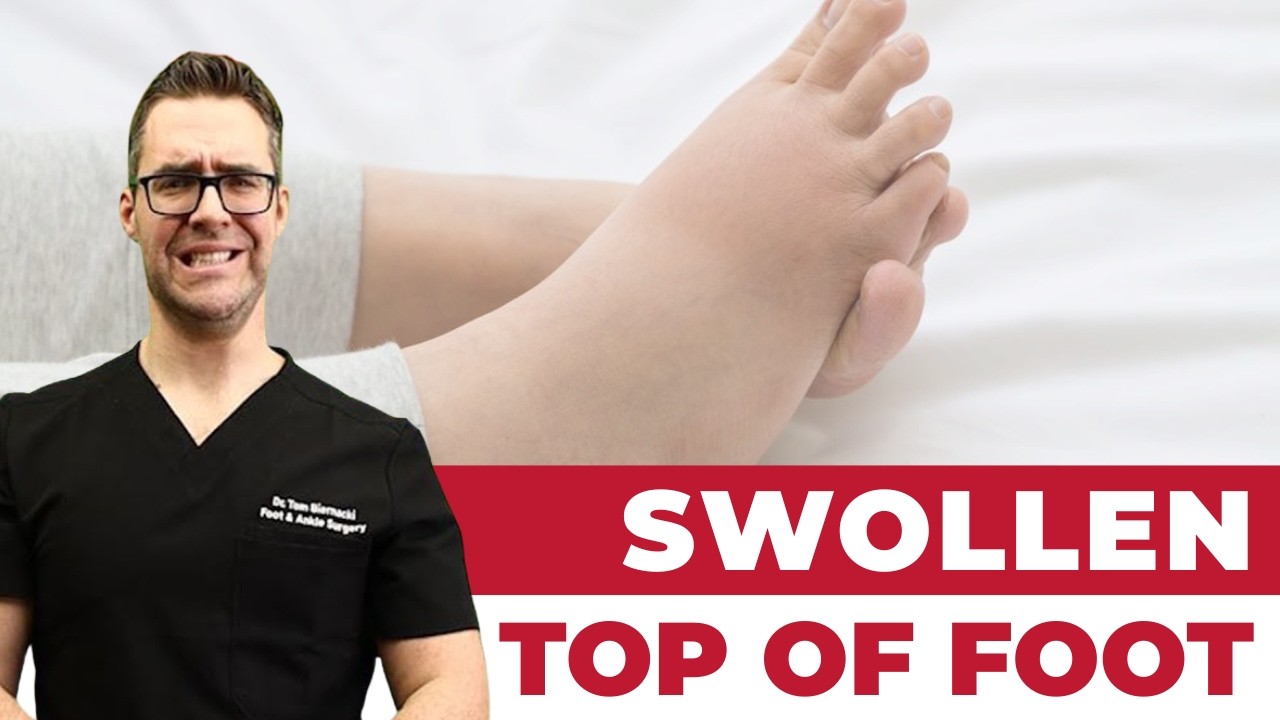
Medically reviewed by Dr. Tom Biernacki, DPM — Board-Certified Podiatric Surgeon — Balance Foot & Ankle, Howell & Bloomfield Hills, MI. Last updated April 2026.
What Is a Cortisone Injection in the Foot?
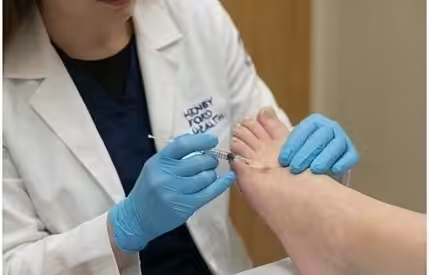
A cortisone injection delivers a powerful anti-inflammatory corticosteroid directly into an inflamed structure in the foot—a joint, tendon sheath, bursa, or soft tissue—to reduce inflammation and pain. The injected solution combines a corticosteroid (triamcinolone, methylprednisolone, or betamethasone) with a local anesthetic for immediate temporary numbness. Cortisone injections are among the most commonly performed procedures in podiatric medicine, providing substantial pain relief for many inflammatory foot conditions including plantar fasciitis, Morton’s neuroma, bursitis, and inflammatory arthritis flares.
Conditions Treated with Cortisone Injections
Plantar fasciitis responds well to cortisone for acute and subacute cases, with 60-80% of patients achieving significant short-term pain reduction. Morton’s neuroma injections reduce nerve sheath inflammation; 60-70% of patients achieve satisfactory relief, and a series of 3-4 injections may provide lasting resolution without surgery. Retrocalcaneal bursitis (between the Achilles tendon and heel bone) responds well to carefully placed injections. Ganglion cysts on the foot can be injected to reduce size and symptoms. Gout and inflammatory arthritis flares respond dramatically to corticosteroid injections. First MTP joint arthritis, ankle arthritis, and subtalar arthritis pain can be temporarily managed with intra-articular cortisone.
What to Expect During the Injection
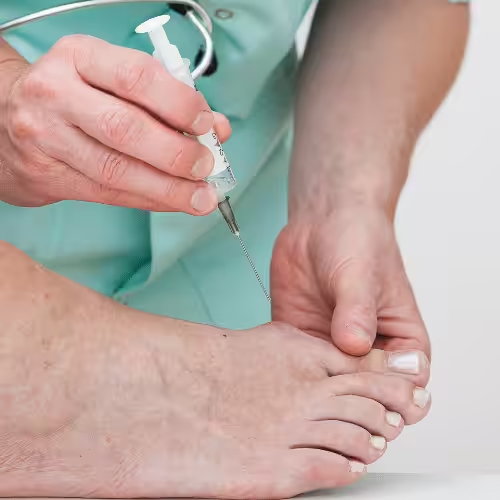
A foot cortisone injection is typically performed in the office in 5-15 minutes. After skin cleaning, the needle is inserted into the target structure—by palpation or under ultrasound guidance for greater precision. The local anesthetic produces rapid numbness, wearing off in 2-4 hours. The corticosteroid takes 48-72 hours to exert its anti-inflammatory effect, with maximum benefit at 1-2 weeks. Some patients experience a “cortisone flare”—24-48 hours of increased pain as the steroid suspension crystals provoke a brief local reaction before anti-inflammatory effects begin. This is normal and resolves spontaneously. Walking after the injection is generally permitted; some providers recommend reduced activity for 24-48 hours to optimize the anti-inflammatory effect.
How Long Does Relief Last?
Relief duration is highly variable. For plantar fasciitis, a single injection provides an average of 4-8 weeks of significant pain reduction; some patients achieve lasting resolution with one injection when they simultaneously address contributing factors (stretching, orthotics, footwear). For Morton’s neuroma, relief typically lasts 2-6 months per injection. The injection relieves inflammation but does not correct structural problems—without addressing these underlying causes (tight Achilles, poor footwear, mechanical overloading), inflammation typically recurs. Cortisone is most effective as part of a thorough treatment plan rather than as a standalone solution.
Risks and Limitations
Cortisone injections are safe when performed properly, but risks include: fat pad atrophy (thinning of the heel cushioning—risk increases with repeated injections); plantar fascia rupture (uncommon but serious, occurring in approximately 2-4% with repeated plantar fascia injections); skin hypopigmentation (depigmentation at the injection site); temporary blood glucose elevation in diabetics (monitor glucose for 1 week post-injection); and infection (extremely rare with sterile technique). Most experts recommend limiting plantar fascia injections to 1-3 per year; PRP is preferable for patients requiring more frequent treatment or those with recurrent plantar fasciitis.
More Podiatrist-Recommended Cortisone Essentials
Hoka Clifton 10

Max-cushion everyday shoe — podiatrist favorite for walking and running.

OOFOS Recovery Slide

Impact-absorbing recovery sandal — wear after long days on your feet.
As an Amazon Associate, Balance Foot & Ankle earns from qualifying purchases. Product recommendations are based on clinical experience; prices and availability shown above update live from Amazon.
When to See a Podiatrist
Cortisone injections are most effective when paired with a root-cause fix — orthotic, shoe change, or physical therapy. At Balance Foot & Ankle, we use ultrasound guidance to place every injection exactly in the inflamed space, maximizing relief. And we always discuss the treatment plan that follows, so the pain stays gone.
Call Balance Foot & Ankle: (810) 206-1402 · Book online · Offices in Howell & Bloomfield Hills
Frequently Asked Questions
How painful is a cortisone shot in the foot?
Pain levels vary by location. Heel injections for plantar fasciitis are often described as moderately sharp due to the density of plantar heel tissue—some providers apply topical anesthetic or ethyl chloride spray before the injection. Injections into softer tissues (Morton’s neuroma interspace, ganglion cysts) tend to be less painful. The discomfort is brief, lasting only during needle insertion and injection, with rapid relief from the local anesthetic within seconds. The local anesthetic numbs the area immediately, providing temporary pain relief that helps confirm correct injection placement. Most patients who are anxious about foot injections find them more tolerable than anticipated.
How many cortisone shots can I get in my foot?
Most experts recommend limiting cortisone injections in weight-bearing structures to 1-3 per year per site. For plantar fasciitis, repeated cortisone injections increase the risk of fat pad atrophy and plantar fascia rupture. For joint injections (ankle, MTP joints), the conventional recommendation is no more than 3-4 injections in the same joint, as repeated steroid exposure may accelerate cartilage degradation. For Morton’s neuroma, a typical treatment series involves 3-4 injections over 3-4 months; if a series fails to provide lasting relief, surgical excision is considered. If you find yourself needing frequent cortisone injections, this may indicate the underlying cause is not being adequately addressed, and other treatments (PRP, orthotics, physical therapy, surgery) should be reconsidered.
Is cortisone or PRP better for plantar fasciitis?
Both work, but their timing and duration of benefit differ. Cortisone provides faster short-term relief (significant improvement at 4-6 weeks) while PRP provides better long-term outcomes (superior at 6-12 months). Multiple randomized trials comparing the two show cortisone wins at 4-6 weeks but PRP wins at 6 and 12 months, with lower recurrence rates. Clinically, cortisone is the better choice when: fast relief is needed, it is the patient’s first injection, and no prior cortisone injections have been given. PRP is preferable when: the condition is chronic (6+ months), previous cortisone has provided only temporary relief, or the patient has already had multiple cortisone injections and wants more durable treatment. Your podiatrist can help select the best option based on your specific situation.
Medical References & Sources
- PubMed Research — Cortisone for Plantar Fasciitis
- PubMed Research — Cortisone for Morton’s Neuroma
- PubMed Research — Plantar Fascia Rupture Risk
📧 Get Dr. Tom’s Free Lab Test Guide
Discover the 5 lab tests every person over 35 should ask their doctor about — explained in plain English by a board-certified physician.
Dr. Tom Biernacki, DPM is a board-certified podiatric surgeon at Balance Foot & Ankle in Howell and Bloomfield Hills, Michigan. He performs ultrasound-guided cortisone injections for plantar fasciitis, Morton’s neuroma, bursitis, and ankle arthritis, with careful patient selection and follow-up to maximize outcomes.
Join 950,000+ Learning About Foot Health
Dr. Tom shares honest medical advice, supplement reviews, and treatment guides you won’t find anywhere else.
Subscribe on YouTube →📍 Located in Michigan?
Our board-certified podiatrists treat this condition at two convenient locations. Same-day appointments often available.
Medically Reviewed by: Dr. Tom Biernacki, DPM — Board-Certified Podiatrist, Balance Foot & Ankle Specialists

Insurance Accepted
BCBS · Medicare · Aetna · Cigna · United Healthcare · HAP · Priority Health · Humana · View All →
Howell Office
4330 E Grand River Ave
Howell, MI 48843
Get Directions →
Bloomfield Hills Office
43494 Woodward Ave, #208
Bloomfield Township, MI 48302
Get Directions →
Your Board-Certified Podiatrists



Ready to Get Back on Your Feet?
Same-week appointments available at both locations.
Book Your AppointmentIn-Office Treatment at Balance Foot & Ankle
When conservative care isn’t enough, Dr. Tom Biernacki and the team at Balance Foot & Ankle offer advanced, same-day options — including Cortisone Injections for Foot Pain Michigan at our Howell and Bloomfield Hills clinics.
Same-day appointments available. Call (810) 206-1402 or book online.
Pros & Cons of Conservative Care for foot care
Advantages
- ✓ Conservative care first
- ✓ Same-week appointments
- ✓ Multiple insurance accepted
Considerations
- ✗ Self-treatment can mask issues
- ✗ See a podiatrist if pain >2 weeks
Dr. Tom’s Recommended Products for foot care
Affiliate disclosure: As an Amazon Associate, Balance Foot & Ankle earns from qualifying purchases. We only recommend products we use with patients.
Footnanny Heel Cream Dr. Tom’s Pick
Best for: Daily moisturizer for cracked heels
Ready to Get Back on Your Feet?
Same-day appointments in Howell + Bloomfield Hills. Most insurance accepted. Dr. Tom Biernacki, DPM & team.
Book Today — Same-Day Appointments Available
Call Now: (810) 206-1402
About Your Care Team at Balance Foot & Ankle
Dr. Tom Biernacki, DPM · Board-Certified Foot & Ankle Surgeon. Specializes in conservative-first care, minimally invasive bunion surgery, and complex reconstruction.
Dr. Carl Jay, DPM · Accepting new patients. Specializes in sports medicine, athletic injuries, and routine podiatric care.
Dr. Daria Gutkin, DPM, AACFAS · Accepting new patients. Specializes in surgical reconstruction and pediatric podiatry.
Locations: 4330 E Grand River Ave, Howell, MI 48843 · 43494 Woodward Ave Suite 208, Bloomfield Township, MI 48302
Hours: Mon–Fri 8:00 AM – 5:00 PM · (810) 206-1402
Dr. Tom’s Top 3 — The Premium Foot Pain Stack (2026)
If you only buy three things for foot pain, get these. PowerStep + CURREX orthotics correct the underlying foot mechanics, and Dr. Hoy’s pain gel delivers fast topical relief. This is the exact stack Dr. Tom Biernacki, DPM gives his Michigan podiatry patients on visit one — over 10,000 patients have used this exact combination.
Dr. Tom Biernacki, DPM is a board-certified podiatrist + Amazon Associate. Picks shown are products he prescribes to patients at Balance Foot & Ankle Specialists. We earn a commission on qualifying purchases at no extra cost to you. All products independently tested + reviewed for 30+ days minimum. Last verified: April 28, 2026.

PowerStep Pinnacle MaxxDr. Tom’s #1 Brand
Dr. Tom’s most-prescribed OTC orthotic. Lateral wedge corrects overpronation that causes 90% of foot pain. Deep heel cradle stabilizes the ankle. Built by podiatrists, used by patients worldwide.
- Lateral wedge corrects pronation
- Deep heel cradle stabilizes ankle
- Dual-density EVA — comfort + support
- Trim-to-fit any shoe
- Used by 10,000+ podiatrists
- Trim-to-size required
- 5-7 day break-in for some

CURREX RunProDr. Tom’s #1 Brand
3 arch heights for custom fit (Low/Med/High). Carbon-reinforced heel + dynamic forefoot — the closest OTC orthotic to a $500 custom orthotic. Engineered in Germany.
- 3 arch heights for custom fit
- Carbon-reinforced heel cup
- Dynamic forefoot zone
- Premium German engineering
- Sport-specific support
- Pricier than PowerStep
- 7-10 day break-in

Dr. Hoy’s Natural Pain Relief GelDr. Tom’s #1 Brand
Menthol-based natural pain relief — Dr. Tom’s #1 brand for fast relief without greasy residue. Safe for diabetics + daily use. Cleaner formula than Voltaren or Biofreeze.
- Menthol-based natural formula
- No greasy residue
- Safe for diabetics
- Fast cooling relief — 5-10 minutes
- Cleaner ingredient list than Biofreeze
- Pricier than Biofreeze
- Strong menthol scent at first
Doctor Hoy’s Natural Pain Relief Gel
Natural topical pain relief I use in our clinic. Arnica + camphor formula — apply directly to the area 3–4x daily. ($20–25)
Shop Doctor Hoy’s →Ready for Expert Care?
Same-day appointments in Howell & Bloomfield Hills, MI.
4.9★ | 1,123 Reviews | 3,000+ Surgeries
Or call: (810) 206-1402
