


First MTP arthritis (hallux limitus and rigidus) is the second most common arthritis in the foot — and stage-appropriate treatment from rocker shoes to fusion preserves walking function across decades.
You’ve come to the right podiatry team. Dr. Tom Biernacki, DPM, FACFAS — board-certified foot & ankle surgeon with 3,000+ surgeries — explains exactly what first MTP joint arthritis means and what works. Call (810) 206-1402 for same-week appointment at Howell or Bloomfield Township.
Quick answer: First Metatarsophalangeal Joint Arthritis Hallux Limitus Rigidus is a common foot/ankle topic that affects many patients. Effective treatment starts with a targeted diagnosis, conservative-first treatment, and escalation only when needed. We treat this regularly at our Howell and Bloomfield Township practices. Call (810) 206-1402.
Medically reviewed by Dr. Tom Biernacki, DPM · Board-Certified Podiatric Surgeon · Last reviewed: April 2026 · Editorial Policy
Quick Answer
Hallux Limitus and Hallux Rigidus: First MTP Joint Arthritis relates to foot pain — typically caused by overuse, footwear, or biomechanics. Most patients improve in 6-12 weeks with conservative care. Same-week appointments in Howell + Bloomfield Township: (810) 206-1402.
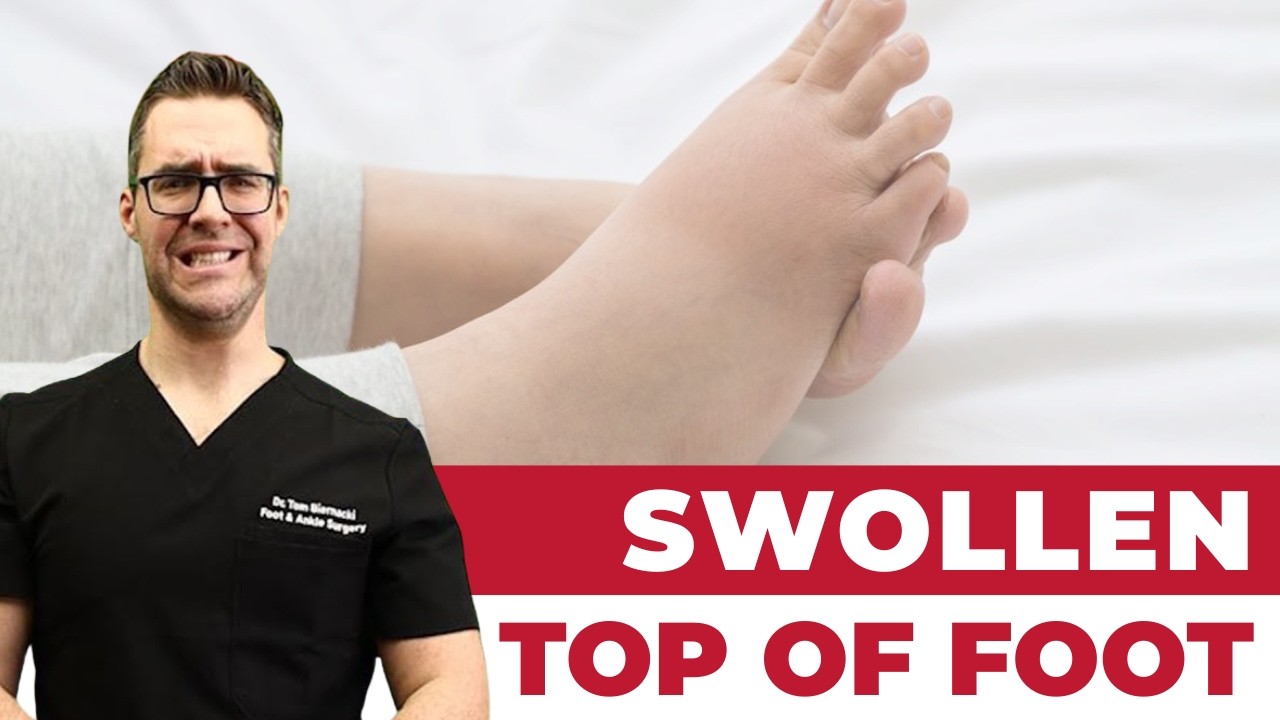
▶ Watch
Medically Reviewed by Dr. Tom Biernacki, DPM — Board-Certified Podiatrist, Balance Foot & Ankle Specialists, Michigan. Last updated April 2026.
Hallux limitus and hallux rigidus represent a continuum of first metatarsophalangeal joint (MTP) arthritis that is among the most common foot conditions in middle-aged and older adults — second only to hallux valgus (bunion) in prevalence of first MTP pathology. The progressive loss of great toe dorsiflexion alters gait mechanics throughout the kinetic chain, causing secondary problems in the ankle, knee, hip, and lumbar spine if left unaddressed.
Why the First MTP Joint Needs 65° of Dorsiflexion
During the terminal stance phase of gait (push-off), the first MTP joint must dorsiflex approximately 65–70° to allow the body’s center of mass to advance over the foot. When dorsiflexion is limited — hallux limitus, from the Latin for “limited great toe” — the body compensates through one of three strategies: pronating excessively at the subtalar joint (creating the “propulsive pronation” compensation), elevating the heel early (bouncing gait), or externally rotating the entire lower extremity. Each compensation transfers stress to structures not designed to bear it.
Etiology: Why the Joint Degenerates
First MTP arthritis has several causes: idiopathic (most common, likely multifactorial from repetitive microtrauma), structural (long first metatarsal that dorsiflexes against the proximal phalanx with each step, elevated first metatarsal that fails to plantarflex adequately, metatarsus primus elevatus), traumatic (prior fracture, turf toe injury), inflammatory (gout, rheumatoid arthritis, psoriatic arthritis), and systemic (ochronosis, hemochromatosis). In many patients, an elevated first metatarsal combined with repetitive loading is the primary driver.
Classification: Hallux Limitus vs. Hallux Rigidus
Hallux limitus describes restricted but present first MTP dorsiflexion — typically less than 40°, with pain at the end of range. Hallux rigidus describes complete or near-complete loss of dorsiflexion with advanced cartilage destruction. The Coughlin-Shurnas grading system is the standard: Grade 0 (pain with activity, normal X-ray), Grade 1 (mild pain and stiffness, minimal X-ray changes), Grade 2 (moderate restriction, periarticular osteophytes), Grade 3 (severe restriction, substantial osteophyte formation, subchondral cysts), Grade 4 (stiff joint, extensive articular surface loss).
Conservative Treatment
Treatment targets both symptom relief and gait mechanics correction. Stiff-soled shoes with a rocker modification eliminate the requirement for first MTP dorsiflexion during push-off. Custom orthotics with a Morton’s extension (carbon fiber plate extending under the first toe) also create the rigid lever arm needed for push-off without first MTP motion. Intraarticular corticosteroid injection for acute flares provides temporary relief but does not modify arthritis progression. Periarticular osteophytes sometimes cause specific symptoms (dorsal osteophyte impingement with shoe pressure) addressed by targeted debridement.
Surgical Options by Grade
Grade 1–2: cheilectomy — surgical removal of dorsal osteophytes and 20–30% of the metatarsal head — dramatically improves dorsiflexion and pain in appropriate candidates. Dorsiflexory osteotomy of the proximal phalanx (Moberg osteotomy) can supplement cheilectomy. Grade 3–4: first MTP joint arthrodesis (fusion) is the gold standard for severe hallux rigidus, providing durable pain relief and eliminating the pain-generating joint. Fusion in 10–15° of dorsiflexion preserves normal gait. Silicone and metal arthroplasty implants remain controversial for hallux rigidus due to high revision rates compared to fusion.
At Balance Foot & Ankle, Dr. Biernacki evaluates hallux limitus and rigidus with weight-bearing foot X-rays and gait analysis at both Bloomfield Township and Howell offices, providing individualized treatment from orthotics and injections to cheilectomy and fusion. Call (810) 206-1402 for a first MTP evaluation.
Schedule Your Appointment at Balance Foot & Ankle
Board-certified podiatric physician and surgeon serving Southeast Michigan from Bloomfield Township and Howell.
📞 (810) 206-1402 | Book Online →
📍 Located in Michigan?
Our board-certified podiatrists treat this condition at two convenient locations. Most new patients are seen the same week.
Insurance Accepted
BCBS · Medicare · Aetna · Cigna · United Healthcare · HAP · Priority Health · Humana · View All →
Howell Office
4330 E Grand River Ave
Howell, MI 48843
Get Directions →
Bloomfield Township Office
43494 Woodward Ave, #208
Bloomfield Township, MI 48302
Get Directions →
Your Board-Certified Podiatrists



Ready to Get Back on Your Feet?
Same-week appointments available at both locations.
Book Your AppointmentDifferential Diagnosis: What Else Could It Be?
Not every case of hallux rigidus (big-toe arthritis) is straightforward. In our clinic we routinely rule out three look-alike conditions before confirming the diagnosis. If your symptoms don’t match the classic presentation, one of these may explain the pain — which is why physical exam matters more than self-diagnosis.
| Condition | How It Differs |
|---|---|
| Bunion (hallux valgus) | Toe drifts laterally with a bump on the inside; ROM usually preserved early. |
| Gout attack | Sudden hot red swollen joint, often overnight; ROM restored once flare resolves. |
| Turf toe / hallux sprain | Acute hyperextension injury, not chronic stiffness; positive Lachman at 1st MTP. |
Red Flags — When to See a Podiatrist Now
Seek same-day evaluation at Balance Foot & Ankle if you notice any of the following:
- Progressive stiffness now limiting walking
- Dorsal bone prominence rubbing against shoes
- Unable to push off during gait
- Failed 8+ weeks of shoe modification and OTC NSAIDs
Call (810) 206-1402 or request an appointment. Our Howell and Bloomfield Township offices reserve same-day slots for urgent foot and ankle issues.
In Our Clinic: What We See
Clinical perspective from Dr. Tom Biernacki, DPM — Balance Foot & Ankle, Howell & Bloomfield Township, MI:
In our clinic we see hallux rigidus patients who have been told they have a bunion — but the joint is stiff rather than deviated. The first visit is usually for shoe frustration: rocker-bottom shoes, carbon-fiber inserts, and a Morton’s extension inside the shoe typically unload the joint and delay surgery by 2-5 years. When imaging shows dorsal spurring blocking motion, a cheilectomy addresses mechanical impingement without fusing the joint. Patients who still have cartilage after that are good candidates for joint-preserving procedures; end-stage arthritis benefits from arthrodesis. Dr. Biernacki has performed hundreds of first-MTP procedures and emphasizes preservation first.
More Podiatrist-Recommended Arthritis Essentials
Cushioned Running Shoe


Hoka Clifton 10 — max cushioning reduces joint impact for arthritic feet.
Wide Walking Shoe
New Balance 990v6 — wide toe box accommodates arthritic first-MTP (hallux rigidus).

As an Amazon Associate, Balance Foot & Ankle earns from qualifying purchases. Product recommendations are based on clinical experience; prices and availability shown above update live from Amazon.
When to See a Podiatrist
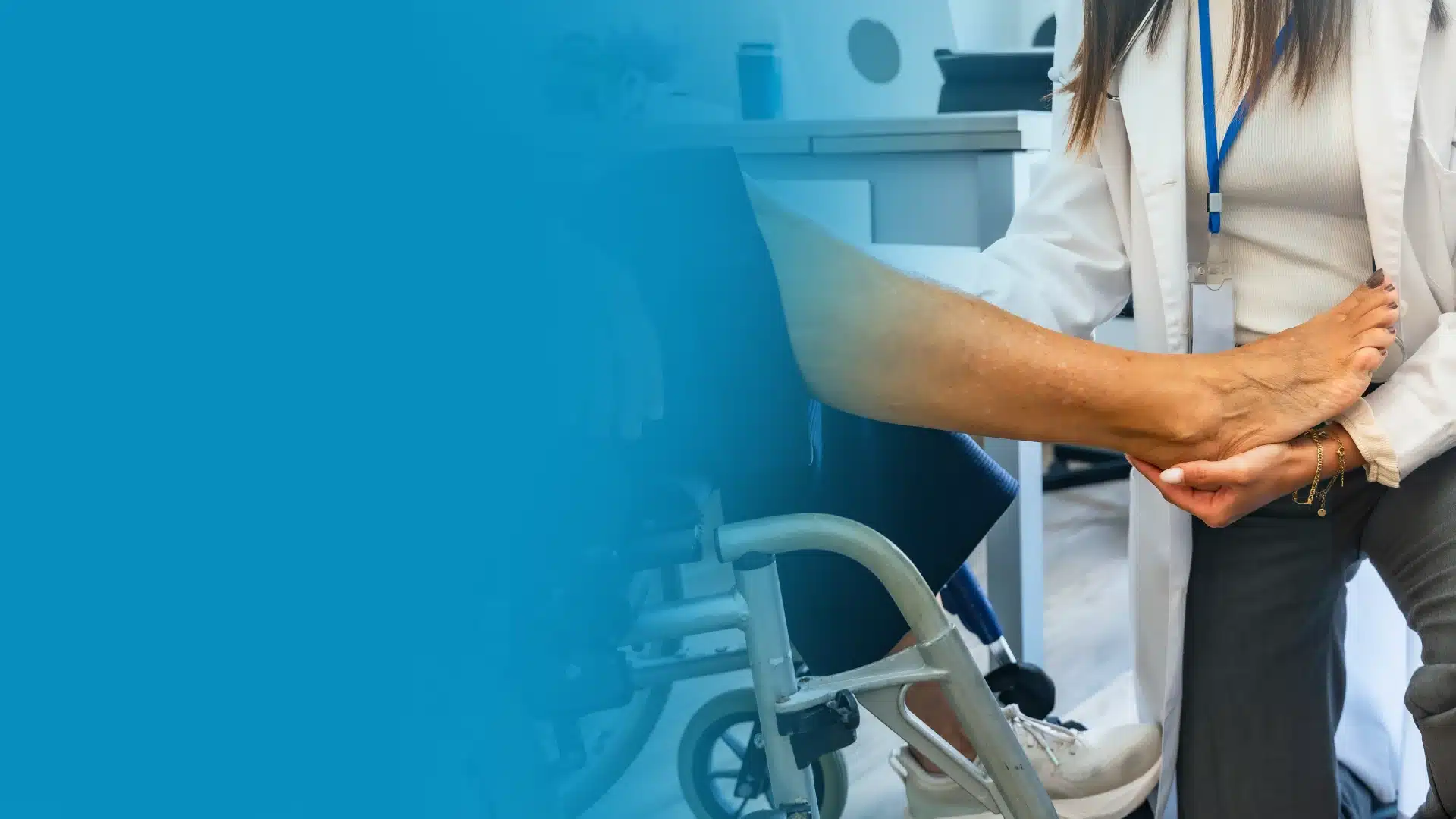
Foot and ankle arthritis progresses silently — cartilage doesn’t regrow, but joint fusion, cheilectomy, and biologic injections can restore function at every stage. Balance Foot & Ankle offers the full arthritis spectrum: bracing, injections, and reconstructive surgery. Start with a consult so we can image the joint and give you a realistic 5-year outlook.
Call Balance Foot & Ankle: (810) 206-1402 · Book online · Offices in Howell & Bloomfield Township
Watch: Dr. Tom explains
Podiatrist-recommended products
As an Amazon Associate, Dr. Tom earns from qualifying purchases.
Rigid forefoot support for hallux limitus.
View on Amazon →Offloads first-MTP during gait.
View on Amazon →Dynamic first-ray support for active patients.
View on Amazon →Topical relief for joint pain.
View on Amazon →Related resources
Ready to solve this? Book today.
Same-week appointments · Howell & Bloomfield Township · 4.9★ (1,123+ reviews)
☎ (810) 206-1402Book Online →Pros & Cons of Conservative Care for foot care
Advantages
- ✓ Conservative care first
- ✓ Same-week appointments
- ✓ Multiple insurance accepted
Considerations
- ✗ Self-treatment can mask issues
- ✗ See a podiatrist if pain >2 weeks
Dr. Tom’s Recommended Products for foot care
Affiliate disclosure: As an Amazon Associate, Balance Foot & Ankle earns from qualifying purchases. We only recommend products we use with patients.
Footnanny Heel Cream Dr. Tom’s Pick
Best for: Daily moisturizer for cracked heels
Ready to Get Back on Your Feet?
Same-week appointments in Howell + Bloomfield Township. Most insurance accepted. Dr. Tom Biernacki, DPM & team.
Book Today — Same-Week Appointments Available
Call Now: (810) 206-1402
About Your Care Team at Balance Foot & Ankle
Dr. Tom Biernacki, DPM · Board-Certified Foot & Ankle Surgeon. Specializes in conservative-first care, minimally invasive bunion surgery, and complex reconstruction.
Dr. Carl Jay, DPM · Accepting new patients. Specializes in sports medicine, athletic injuries, and routine podiatric care.
Dr. Daria Gutkin, DPM, AACFAS · Accepting new patients. Specializes in surgical reconstruction and pediatric podiatry.
Locations: 4330 E Grand River Ave, Howell, MI 48843 · 43494 Woodward Ave Suite 208, Bloomfield Township, MI 48302
Hours: Mon–Fri 8:00 AM – 5:00 PM · (810) 206-1402
In-Office Treatment at Balance Foot & Ankle
If home treatment isn’t providing relief for your foot and ankle conditions, our podiatry team at Balance Foot & Ankle can help with same-week evaluations and advanced in-office care.
Same-week appointments available. (810) 206-1402
Get Expert Care at Balance Foot & Ankle
Same-week appointments at our Howell and Bloomfield Township offices. Board-certified podiatric surgeons. Most insurance accepted.
Ready for Expert Care?
Same-week appointments in Howell & Bloomfield Township, MI.
4.9★ | 1,123 Reviews | 3,000+ Surgeries
Or call: (810) 206-1402

Dr. Tom Biernacki, DPM is a board-certified foot & ankle surgeon (ABFAS & ABPM) at Balance Foot & Ankle Specialists in Southeast Michigan. With over a decade of clinical experience, he specializes in heel pain, bunions, diabetic foot care, sports injuries, and minimally invasive surgery. Dr. Biernacki is a member of the APMA and ACFAS, and his patient education content on MichiganFootDoctors.com and YouTube has made him one of the most-followed foot & ankle educators on YouTube.
More questions patients ask
What is a bunion?
A bunion (hallux valgus) is a progressive bony deformity where the big toe joint shifts outward, creating a visible bump. It results from an unstable metatarsal bone, not simply tight shoes. Bunions affect approximately 23% of adults and can cause significant pain, difficulty wearing shoes, and secondary problems like hammertoes. Dr. Biernacki specializes in both conservative management and advanced surgical correction including Lapiplasty 3D bunion correction.
Can bunions be corrected without surgery?
While surgery is the only way to permanently correct the structural deformity, non-surgical treatments can effectively manage pain and slow progression. Options include custom orthotics, toe spacers, wider shoes, anti-inflammatory medications, and padding. Dr. Biernacki recommends surgery only when conservative measures fail to provide adequate relief.
What is Lapiplasty bunion surgery?
Lapiplasty is an advanced 3D bunion correction procedure that addresses the root cause of bunions by correcting the unstable metatarsal bone in all three dimensions. Unlike traditional bunionectomy, Lapiplasty patients can bear weight within days and has a recurrence rate under 3% compared to 12-15% for traditional procedures. Dr. Biernacki is a fellowship-trained Lapiplasty surgeon serving SE Michigan.
Still have a question about coverage or cost? Book online and we will check your benefits before your visit: Book in Howell · Book in Bloomfield Township. Prefer to talk it through first? Call (810) 206-1402.