
Flat Feet & Fallen Arches Treatment in Michigan
![Flat Foot & Overpronation [Top 3 Evidence Based Treatments 2022!]](https://i.ytimg.com/vi/O_T6_xHTph0/maxresdefault.jpg "Flat Feet & Fallen Arches Treatment Michigan | Balance Foot & Ankle 2")
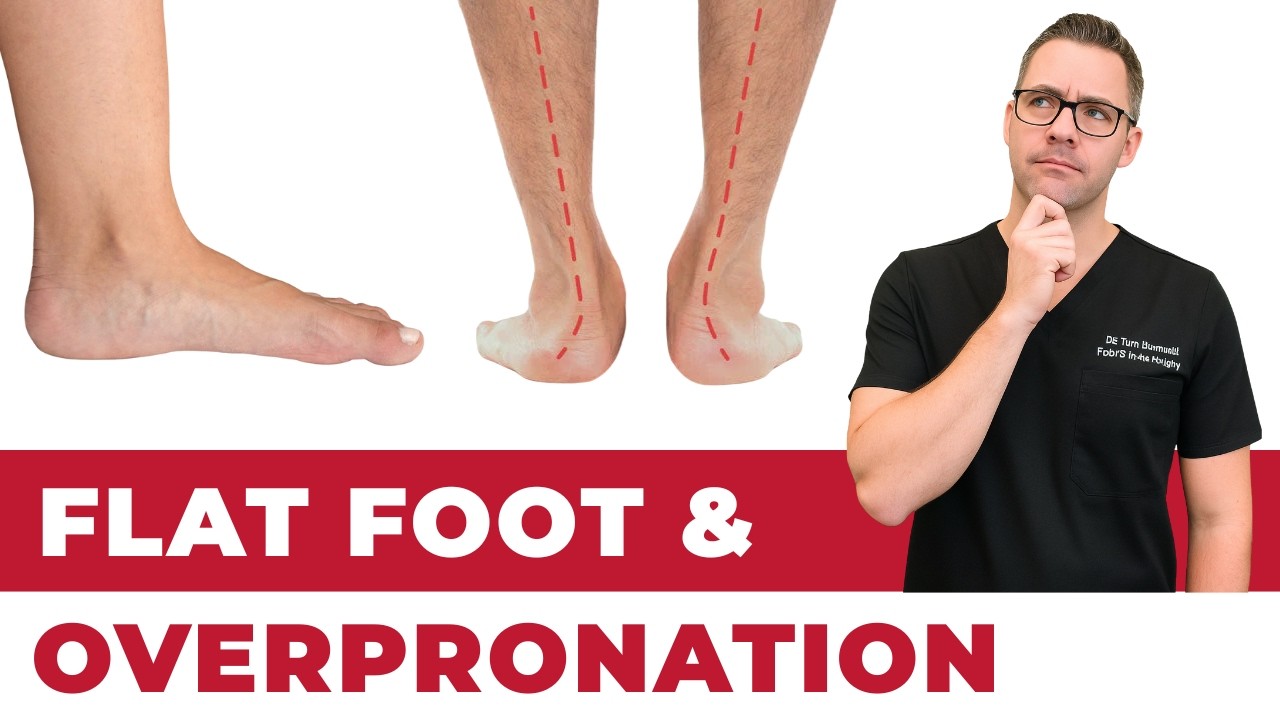
Flat feet (pes planus) occur when the arch of the foot collapses, causing the entire sole to contact the ground. While some people with flat feet experience no symptoms, many develop foot and ankle pain, knee pain, hip pain, and fatigue with prolonged standing or walking. At Balance Foot & Ankle, our podiatrists provide comprehensive flat feet evaluation and treatment tailored to your specific anatomy and activity level.
Types of Flat Feet
Understanding which type of flat feet you have guides the most effective treatment approach. Flexible flat feet — the most common type — have an arch that appears when sitting or standing on tiptoes but flattens under weight-bearing. These often respond well to orthotics and physical therapy. Rigid flat feet have a flat arch in all positions and may be caused by a tarsal coalition (fused foot bones) or other structural issue. Adult-acquired flatfoot (also called posterior tibial tendon dysfunction, or PTTD) develops when the posterior tibial tendon — which supports the arch — becomes stretched or torn, typically in middle-aged adults. This condition requires prompt treatment to prevent progression.
Symptoms of Flat Feet
Common symptoms associated with flat feet include arch pain or heel pain after prolonged standing, inner ankle pain and swelling (especially in adult-acquired flatfoot), knee pain and hip pain from altered alignment, fatigue in the legs after walking moderate distances, difficulty standing on tiptoes, and shoes that wear unevenly (more on the inner heel and forefoot). Not all flat feet cause symptoms — treatment is focused on those who experience pain or functional limitation. Learn more about our bunion treatment services.
Flat Feet Treatment Options
Treatment depends on whether your flat feet are flexible or rigid, the severity of symptoms, and any associated conditions like Achilles tightness or arthritis.
Custom Orthotics for Flat Feet
Custom foot orthotics are the cornerstone of flat feet treatment. Unlike over-the-counter arch supports, custom orthotics are precisely molded to your foot using 3D scanning or casting technology. They provide individualized arch support, control overpronation (excessive inward rolling), and redistribute pressure away from painful areas. Custom orthotics are effective for most cases of painful flexible flat feet and can be made for athletic, dress, and everyday footwear. Learn more about our same-day 3D custom orthotics and carbon fiber orthotics.
Physical Therapy & Stretching
A targeted exercise program addresses the muscle imbalances and tightness associated with flat feet. Strengthening the intrinsic foot muscles, posterior tibial tendon, and peroneals — combined with Achilles and calf stretching — can improve arch function over time. We provide specific home exercise programs and refer to physical therapy when appropriate.
Bracing for Posterior Tibial Tendon Dysfunction
For adult-acquired flatfoot (PTTD), an ankle-foot orthosis (AFO) or Arizona brace provides rigid support that offloads the posterior tibial tendon while it heals. Early bracing combined with physical therapy can prevent the condition from progressing to severe deformity requiring surgery. Prompt treatment when PTTD is first diagnosed gives the best outcomes.
Footwear Guidance
Appropriate footwear is critical for flat feet. We recommend stability or motion-control running shoes, avoiding flat shoes and flip-flops that provide no support, and ensuring proper fit with adequate width (especially important when using orthotics). For patients needing extra support, our therapeutic footwear program offers Medicare-covered options.
Surgical Treatment for Flat Feet
Surgery for flat feet is reserved for cases that fail conservative treatment, particularly severe posterior tibial tendon dysfunction or rigid flat feet with arthritis. Surgical options range from tendon repair and reconstruction to osteotomies (bone cuts to realign the foot) and arthrodesis (fusion) for advanced deformity. The vast majority of patients achieve satisfactory outcomes without surgery.
Flat Feet in Children
Flexible flat feet in children are very common — most toddlers have flat feet, and arches develop gradually through childhood. Flat feet in children only require treatment if they cause pain, limit activity, or show signs of a rigid structural cause. We assess pediatric flat feet carefully before recommending treatment, as over-treating flexible, painless childhood flat feet is not beneficial. For children with symptomatic flat feet, custom orthotics and footwear guidance are first-line treatments.
Frequently Asked Questions About Flat Feet
Yes — the large majority of patients with symptomatic flat feet achieve excellent pain relief through conservative measures: custom orthotics, appropriate footwear, stretching and strengthening exercises, and bracing when indicated. Surgery is reserved for severe deformity or cases that fail 6–12 months of conservative treatment. Our podiatrists always explore all non-surgical options before considering surgical intervention.
Yes — flat feet cause overpronation (inward rolling of the foot), which alters the alignment of the knee, hip, and lower back. This chain reaction can contribute to knee pain, IT band syndrome, hip bursitis, and even low back pain. Correcting foot mechanics with custom orthotics often provides significant relief for pain up the kinetic chain — sometimes in locations that patients don’t initially associate with their feet.
Coverage depends on your specific insurance plan and the clinical indication. Custom orthotics for flat feet causing functional limitation or associated with a diagnosed condition (such as posterior tibial tendon dysfunction, plantar fasciitis, or diabetic peripheral neuropathy) are more likely to be covered. Medicare covers therapeutic shoes and insoles for qualifying diabetic patients. Our team verifies your benefits before any treatment begins.
These terms are often used interchangeably. “Flat feet” typically refers to the structural finding of a low or absent arch, which may be lifelong. “Fallen arches” more often implies an arch that was once present and has collapsed over time — which is the hallmark of adult-acquired flatfoot (posterior tibial tendon dysfunction). The distinction matters clinically because progressive adult-acquired flatfoot requires more urgent and aggressive treatment than long-standing flexible flat feet.
Most patients notice improvement in pain and function within 4–8 weeks of beginning treatment with custom orthotics and appropriate footwear. Full adaptation typically takes 2–3 months. For posterior tibial tendon dysfunction, bracing and physical therapy over 3–6 months is typically required. Consistent use of orthotics and adherence to the exercise program significantly accelerates recovery.
Related Services
- Custom 3D Orthotics — same-day scanning and fitting
- Carbon Fiber Orthotics — maximum rigidity for severe overpronation
- Gait Analysis — identify the movement patterns driving your symptoms
- Plantar Fasciitis Treatment — frequently coexists with flat feet
- Achilles Tendonitis Treatment — often worsened by flat feet mechanics
Book Flat Feet Treatment in Michigan
Balance Foot & Ankle serves patients throughout Southeast Michigan with two locations:
- Howell: 4330 E Grand River, Howell, MI 48843
- Bloomfield Hills: 43494 Woodward Ave #208, Bloomfield Twp, MI 48302
Call (810) 206-1402 or request an appointment online. Same-week appointments are usually available.
![Is Flat Foot Surgery Worth It? [Recovery Time & REAL RESULTS]](https://i.ytimg.com/vi/v5XYe8hgjrg/maxresdefault.jpg "Flat Feet & Fallen Arches Treatment Michigan | Balance Foot & Ankle 3")
Flat Feet Treatment Near You in Michigan
Our flat feet specialists see patients at two Michigan locations. Visit your nearest office for personalized evaluation and treatment:
- Flat Feet Treatment in Howell, MI — Serving Brighton, Hartland, Pinckney, Fenton, and Livingston County
- Flat Feet Treatment in Bloomfield Hills, MI — Serving Troy, Birmingham, West Bloomfield, and Oakland County
Flat feet often co-occur with other conditions. Explore related treatments: Plantar Fasciitis & Heel Pain Treatment, Custom 3D Orthotics, Biomechanical Gait Analysis, and Hammertoe Treatment.
Related Patient Guides
- Flat Feet Pain: Causes, Symptoms & Treatment Options
- Custom 3D Orthotics: Are They Right For You?
- Plantar Fasciitis Treatment
- The Complete Guide to Custom Orthotics
- Plantar Fasciitis Treatment Guide: What Works & What Doesn’t
👟 Dr. Tom’s Pick: CURREX RunPro Insoles for Runners
CURREX RunPro are biomechanically tuned running insoles with 3 arch profiles (low, medium, high) to match your foot type. Unlike generic insoles, they’re engineered specifically for the high-impact demands of running — reducing pronation stress and metatarsal loading.
View CURREX RunPro on Amazon →Affiliate disclosure: As an Amazon Associate, Balance Foot & Ankle earns from qualifying purchases.