

You are in the right place. Dr. Tom Biernacki, DPM, FACFAS — board-certified foot & ankle surgeon with 3,000+ surgeries — explains exactly what foot blisters prevention treatment runners guide means and what works. Call (810) 206-1402 for same-week appointment at Howell or Bloomfield Township.
Quick answer: Treatment for foot blisters prevention treatment runners guide follows a stepwise approach: 1) conservative care first (rest, ice, supportive footwear, OTC anti-inflammatories), 2) physical therapy and targeted exercises, 3) in-office treatments (injections, custom orthotics) if conservative fails at 4-6 weeks, 4) surgery for refractory cases. Most patients resolve at step 1 or 2. Call (810) 206-1402.
Medically reviewed by Dr. Tom Biernacki, DPM · Board-Certified Podiatric Surgeon · Last reviewed: April 2026 · Editorial Policy
Quick Answer
Foot Blisters: Prevention, Treatment & When to See a Po relates to foot pain — typically caused by overuse, footwear, or biomechanics. Most patients improve in 6-12 weeks with conservative care. Same-week appointments in Howell + Bloomfield Township: (810) 206-1402.
Medically reviewed by Dr. Tom Biernacki, DPM — Board-Certified Podiatric Surgeon — Balance Foot & Ankle, Howell & Bloomfield Township, MI. Last updated April 2026.
▶ Watch
Medically Reviewed by Dr. Tom Biernacki, DPM — Board-Certified Podiatrist, Balance Foot & Ankle Specialists, Michigan. Last updated April 2026.
Foot blisters are one of the most common and underestimated running and hiking injuries — seemingly minor nuisances that, in certain populations or circumstances, can evolve into serious wounds requiring medical attention. For most healthy recreational athletes, blisters are a training and equipment management issue. For patients with diabetes, peripheral neuropathy, or vascular disease, a blister is a podiatric emergency.
Why Blisters Form
Blisters form through a well-defined mechanical process: repetitive tangential shear force between the skin surface and footwear causes the epidermis to separate from the dermis, creating a fluid-filled pocket between the layers. The fluid is initially clear interstitial fluid that cushions the separated tissue; bloody blisters indicate that the shear extended deep enough to rupture dermal capillaries.
Contributing factors include:
- Friction from poor-fitting footwear — the primary cause; shoes too small, too large, or with stiff seams at specific contact points
- Moisture — wet skin has higher friction coefficients than dry or very dry skin; sweat or wet conditions dramatically increase blister formation rate
- Heat — elevated skin temperature increases friction and skin fragility
- New footwear — new shoes before proper break-in create pressure points and seam contact that worn shoes have conformed around
- Increased training load — rapid mileage increases before the skin has adapted
Blister Prevention: What Actually Works
Footwear Fit
The single most effective blister prevention strategy is proper shoe fit. Key principles: a thumb’s width of space beyond the longest toe to prevent nail-to-cap contact on downhills; no heel slipping (which drives heel blisters); a toe box wide enough for the toes to spread without compression; and shoes purchased at the end of the day when feet are at their largest.
Moisture Management
Moisture-wicking socks (merino wool or technical synthetic; not cotton) are dramatically more effective at reducing blisters than standard cotton socks. Double-layer socks (such as Wrightsock or Drymax) allow the two layers to shear against each other rather than against the skin. Anti-moisture foot powders (cornstarch-based or talc-free) help in hot conditions.
Lubricants and Tape
Petroleum jelly (Vaseline), BodyGlide, or similar anti-friction lubricants applied to known hot spots — particularly the heel, the fifth metatarsal base, and between the first and second toes — reduce friction effectively for shorter events. For longer events (trail ultras, multi-day hikes), lubricants can make the skin macerate; Leukotape P applied directly to the skin over hot spots provides durable friction protection that lasts through wet conditions.
Prophylactic Padding
Moleskin or blister prevention pads applied over known hot spots before activity create a sacrificial friction layer. Gel toe sleeves protect individual toes prone to blistering from adjacent toe pressure.
Treating Blisters: To Drain or Not to Drain?
Small, Painless Blisters
Intact blisters smaller than a dime that are not painful and not located in a weight-bearing area can be left intact. The blister roof is the best wound covering available — it keeps the wound sterile and allows healing of the separated skin underneath. Apply a blister bandage (hydrocolloid such as Compeed or Band-Aid Hydro Seal) over it to protect from further friction and monitor for signs of infection.
Large, Painful, or Functionally Limiting Blisters
For blisters that are painful, large, or in weight-bearing locations that prevent normal walking, drainage is appropriate. Proper technique: sterilize a needle with alcohol, make two small punctures at the blister margin (not the center), allow fluid to drain by gentle compression, leave the blister roof intact as a biologic dressing, apply antibiotic ointment, and cover with a non-adherent bandage. Monitor daily for signs of infection.
Signs of Infected Blisters (Seek Medical Attention)
- Increasing rather than decreasing pain after drainage
- Cloudy, yellow, or malodorous drainage (purulent fluid)
- Expanding redness extending beyond the blister margin
- Fever, chills, or systemic symptoms
- Red streaking extending up the foot or leg (lymphangitis)
Blisters in High-Risk Patients: A Podiatric Emergency
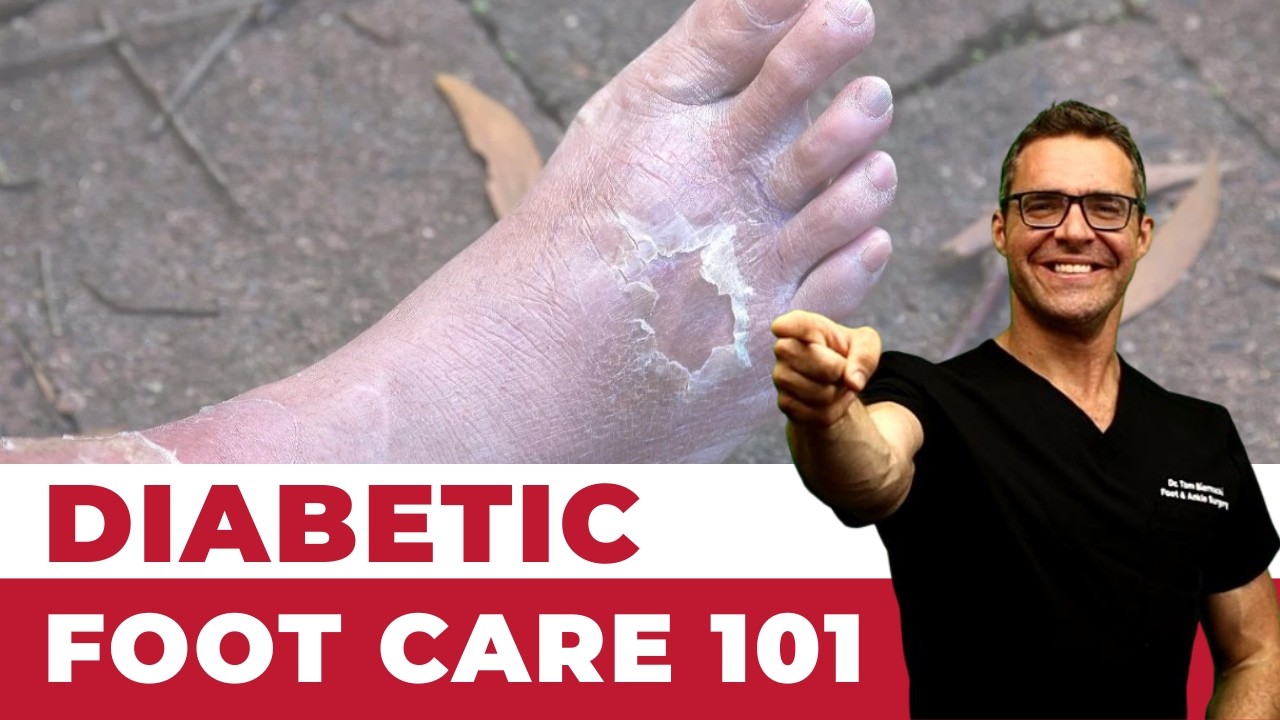
In patients with diabetes, peripheral neuropathy, or peripheral vascular disease, any blister — regardless of size — requires professional podiatric evaluation within 24 hours. The combination of impaired sensation (so the blister may have been present and enlarging undetected) and impaired healing transforms what would be a minor nuisance in a healthy person into a potential limb-threatening wound. Do not attempt to drain or treat foot blisters at home if you have diabetes.
Wound Care and Blister Evaluation at Balance Foot & Ankle
Dr. Biernacki at Balance Foot & Ankle provides same-week wound care and blister evaluation for both athletes and high-risk patients. Bloomfield Township and Howell offices.
📞 (810) 206-1402 | Book Online →
📍 Located in Michigan?
Our board-certified podiatrists treat this condition at two convenient locations. Most new patients are seen the same week.

Insurance Accepted
BCBS · Medicare · Aetna · Cigna · United Healthcare · HAP · Priority Health · Humana · View All →
Howell Office
4330 E Grand River Ave
Howell, MI 48843
Get Directions →
Bloomfield Township Office
43494 Woodward Ave, #208
Bloomfield Township, MI 48302
Get Directions →
Your Board-Certified Podiatrists



Ready to Get Back on Your Feet?
Same-week appointments available at both locations.
Book Your AppointmentIn-Office Treatment at Balance Foot & Ankle
If home treatment isn’t providing relief for your foot and ankle conditions, our podiatry team at Balance Foot & Ankle can help with same-week evaluations and advanced in-office care.
Same-week appointments available. (810) 206-1402
Doctor Hoy’s Natural Pain Relief Gel
Natural topical pain relief I use in our clinic. Arnica + camphor formula — apply directly to the area 3–4x daily. ($20–25)
Shop Doctor Hoy’s →Frequently Asked Questions

How long does treatment take to work?
Most patients see improvement in 4-8 weeks with consistent conservative care. Persistent symptoms after 8 weeks need imaging and escalation.
When is surgery needed?
Surgery is reserved for cases that fail 3-6 months of conservative care, structural deformities, or fractures requiring stabilization.
Is this covered by insurance?
Most diagnostic visits and conservative treatments are covered by Medicare and major insurers. Custom orthotics often require diabetic or post-surgical justification.

Dr. Tom Biernacki, DPM is a board-certified foot & ankle surgeon (ABFAS & ABPM) at Balance Foot & Ankle Specialists in Southeast Michigan. With over a decade of clinical experience, he specializes in heel pain, bunions, diabetic foot care, sports injuries, and minimally invasive surgery. Dr. Biernacki is a member of the APMA and ACFAS, and his patient education content on MichiganFootDoctors.com and YouTube has made him one of the most-followed foot & ankle educators on YouTube.