

Quick answer: Foot Care Heart Failure Chronic Edema is a common foot/ankle topic that affects many patients. The 2026 evidence-based approach combines proper diagnosis, conservative-first treatment, and escalation only when needed. We treat this regularly at our Howell and Bloomfield Township practices. Book online or call (810) 206-1402.
Medically reviewed by Dr. Tom Biernacki, DPM — Board-Certified Podiatric Surgeon — Balance Foot & Ankle, Howell & Bloomfield Township, MI. Last updated April 2026.
▶ Watch
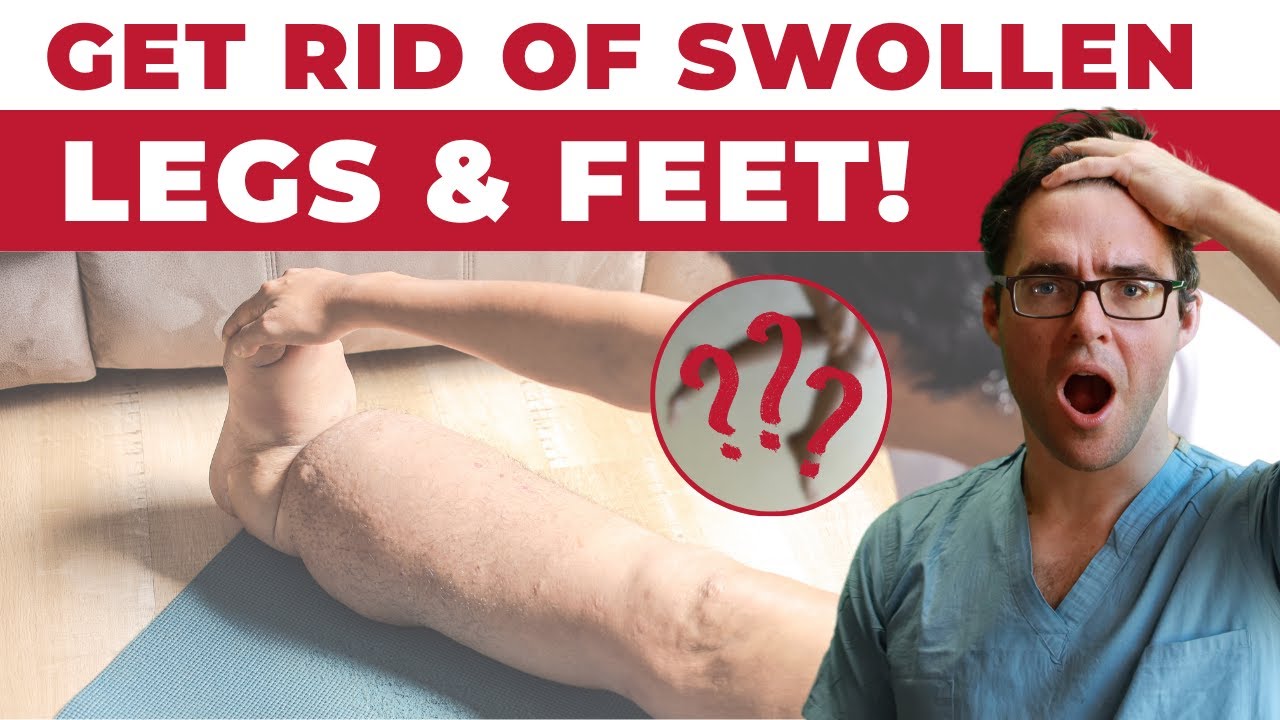
Medically Reviewed by Dr. Tom Biernacki, DPM — Board-Certified Podiatrist, Balance Foot & Ankle Specialists, Michigan. Last updated April 2026.
Why Heart Failure Specifically Threatens the Feet
Congestive heart failure (CHF) is among the most common chronic conditions in the United States, affecting approximately 6.2 million Americans. When the heart muscle cannot pump blood effectively, fluid backs up in the venous system and eventually leaks from capillaries into surrounding tissues — a process called transudation. The feet and ankles — located at the most gravity-dependent point of the body — accumulate fluid first and most severely. This chronic fluid accumulation is not merely uncomfortable; it creates a cascade of structural and skin changes that pose serious risks to foot health, particularly in patients who also have diabetes, peripheral arterial disease, or chronic venous insufficiency.
How Chronic Edema Damages the Foot
Skin Breakdown and Venous Stasis Dermatitis
Chronically edematous skin becomes stretched, fragile, and poorly oxygenated. Venous stasis dermatitis — reddish-brown skin discoloration, scaling, itching, and eventual skin breakdown — develops on the lower leg and dorsal foot in patients with longstanding CHF edema. The fragile, inflamed skin of venous stasis dermatitis can crack and break down with minimal trauma — even minor friction from footwear elastic — producing open wounds (venous stasis ulcers) that heal poorly in the context of reduced tissue perfusion.
Reduced Wound Healing Capacity
Effective wound healing requires adequate tissue oxygenation, immune cell delivery, and growth factor circulation — all of which depend on healthy microvascular function. Chronic tissue edema compresses capillary beds, reducing the effective perfusion pressure in the edematous tissues. Minor foot wounds — blisters, abrasions, ingrown toenail sites — that would heal rapidly in healthy individuals may persist for weeks or become infected in patients with CHF.
Nail Changes
Chronic peripheral edema produces distinctive toenail changes: thickening (onychauxis), increased curvature, and in some patients, complete separation of the nail plate from the nail bed (onycholysis) as fluid accumulates subungually. These nail changes increase ingrown toenail risk, make self-care difficult, and predispose to fungal nail colonization (onychomycosis). Professional nail care by a podiatrist is strongly preferred to self-trimming for CHF patients with nail changes.
Gait and Footwear Challenges
Severe foot edema renders standard footwear unwearable. Patients forced to go without shoes, or to use shoes so loose they provide no support, walk with altered gait mechanics that increase fall risk and redistribute plantar pressure to vulnerable areas. Extra-depth shoes, diabetic therapeutic footwear, and edema-specific shoes with elastic uppers accommodate significant volume fluctuation while maintaining adequate foot protection.
Compression Therapy: The Foundation of Edema Management
Graduated compression stockings — applying greater pressure at the ankle than higher on the leg — are the cornerstone of conservative edema management in heart failure. By applying external counterpressure that opposes capillary transudation and enhances venous return, compression stockings reduce foot and ankle edema measurably and reliably. In heart failure patients, 20–30 mmHg compression is typically appropriate; higher compression levels (30–40 mmHg) may be used in severe edema but require medical clearance given the potential effect on venous return to an already stressed heart.
Stockings should be donned in the morning before rising, when edema is at its minimum. Donning aids (stocking aids, gloves) reduce the effort required for patients with limited hand strength or mobility. Stockings should be replaced every 3–6 months as elastic fatigues. Non-compliant patients who cannot manage stockings may benefit from Velcro-closure adjustable compression wraps (CircAid, Juzo) that are easier to apply and adjust as edema fluctuates.
Skin Care Protocol for Edematous Feet
Daily moisturization prevents the skin cracking that leads to wound formation. Urea-based creams (10–20% urea) or ammonium lactate preparations provide superior moisturization to standard lotions and are particularly effective for the thick, scaly skin of chronic stasis dermatitis. Moisturizer should be applied to the dorsal foot and lower leg but not between the toes, where moisture retention promotes fungal growth. Inspect the entire foot daily — including the soles and between the toes — for any early wound development. A long-handled mirror assists patients who cannot easily see the bottom of their feet.
Footwear Recommendations for CHF Patients
Volume-fluctuating edematous feet require accommodating footwear. Extra-depth shoes with seamless interiors minimize pressure hotspots and accommodate custom or prefabricated orthotics. Velcro or elastic closures are preferable to laces or buckles because they can be adjusted as edema changes throughout the day. Closed-toe designs protect the forefoot from injury in ways that open-toe sandals cannot. Patients with Medicare-qualifying diagnoses (diabetes, peripheral neuropathy) may be eligible for therapeutic footwear benefits — our office assists with qualification and prescription.
When to Seek Urgent Podiatric or Medical Care
CHF patients should contact their care team promptly for: sudden significant increase in foot or ankle swelling (may indicate cardiac decompensation), any break in the skin, wound, or ulcer on the foot or ankle, signs of infection in the foot (redness, warmth, pain, drainage), or toenail pain that prevents comfortable footwear. At Balance Foot & Ankle, we manage foot complications in medically complex patients including those with heart failure, providing podiatric care coordinated with the patient’s cardiologist and primary care physician to optimize outcomes and prevent serious complications.
Get Back on Your Feet — Fast
Board-certified podiatrists serving Southeast Michigan. Same-week appointments available.
Edema & Circulation Foot Care in Michigan
Heart failure and chronic edema create serious foot health risks including skin breakdown, infections, and impaired healing. Dr. Tom Biernacki provides specialized foot care for patients with cardiovascular conditions, including wound prevention and compression therapy at Balance Foot & Ankle.
Learn About Our Wound Care Services | Book Your Appointment | Call (810) 206-1402
Clinical References
- Ponikowski P, et al. “2016 ESC Guidelines for the diagnosis and treatment of acute and chronic heart failure.” Eur Heart J. 2016;37(27):2129-2200.
- Trayes KP, et al. “Edema: diagnosis and management.” Am Fam Physician. 2013;88(2):102-110.
- Mortimer PS, Rockson SG. “New developments in clinical aspects of lymphatic disease.” J Clin Invest. 2014;124(3):915-921.
Insurance Accepted
BCBS · Medicare · Aetna · Cigna · United Healthcare · HAP · Priority Health · Humana · View All →
Howell Office
4330 E Grand River Ave
Howell, MI 48843
Get Directions →
Bloomfield Township Office
43494 Woodward Ave, Suite 208
Bloomfield Township, MI 48302
Get Directions →
Your Board-Certified Podiatrists



Ready to Get Back on Your Feet?
Same-week appointments available at both locations.
Book Your AppointmentWatch: Dr. Tom explains

Podiatrist-recommended products
As an Amazon Associate, Dr. Tom earns from qualifying purchases.
Manage chronic edema in heart failure.
View on Amazon →Cushion extra-depth shoes for swelling.
View on Amazon →Gentle relief (with MD guidance).
View on Amazon →Topical relief for leg soreness.
View on Amazon →Related resources
Ready to solve this? Book today.
Same-week appointments · Howell & Bloomfield Township · 4.9★ (1,123+ reviews)
☎ (810) 206-1402Book Online →More Podiatrist-Recommended Foot Health Essentials
Hoka Clifton 10


Max-cushion everyday shoe — podiatrist favorite for walking and running.

OOFOS Recovery Slide

Impact-absorbing recovery sandal — wear after long days on your feet.
As an Amazon Associate, Balance Foot & Ankle earns from qualifying purchases. Product recommendations are based on clinical experience; prices and availability shown above update live from Amazon.
When to See a Podiatrist
If foot or ankle pain has been bothering you for more than a few weeks, home care alone may not be enough. Balance Foot & Ankle offers same-week appointments at our Howell and Bloomfield Township clinics — no referral needed in most cases. Bring your current shoes and a short list of symptoms and we’ll build you a treatment plan in one visit.
Call Balance Foot & Ankle: (810) 206-1402 · Book online · Offices in Howell & Bloomfield Township
⚕ Doctor Recommended
DASS Compression SocksGraduated compression for circulation & comfort
View Product →In-Office Treatment at Balance Foot & Ankle
If home treatment isn’t providing relief for your foot and ankle conditions, our podiatry team at Balance Foot & Ankle can help with same-day evaluations and advanced in-office care.
Same-day appointments available. (810) 206-1402

Dr. Tom Biernacki, DPM is a board-certified foot & ankle surgeon (ABFAS & ABPM) at Balance Foot & Ankle Specialists in Southeast Michigan. With over a decade of clinical experience, he specializes in heel pain, bunions, diabetic foot care, sports injuries, and minimally invasive surgery. Dr. Biernacki is a member of the APMA and ACFAS, and his patient education content on MichiganFootDoctors.com and YouTube has made him one of the most-followed foot & ankle educators on YouTube.