
Quick answer: Foot Health After 60 Changes Aging Regular Care is a common foot/ankle topic that affects many patients. The 2026 evidence-based approach combines proper diagnosis, conservative-first treatment, and escalation only when needed. We treat this regularly at our Howell and Bloomfield Township practices. Call (810) 206-1402.
Medically reviewed by Dr. Tom Biernacki, DPM — Board-Certified Podiatric Surgeon — Balance Foot & Ankle, Howell & Bloomfield Township, MI. Last updated April 2026.
▶ Watch
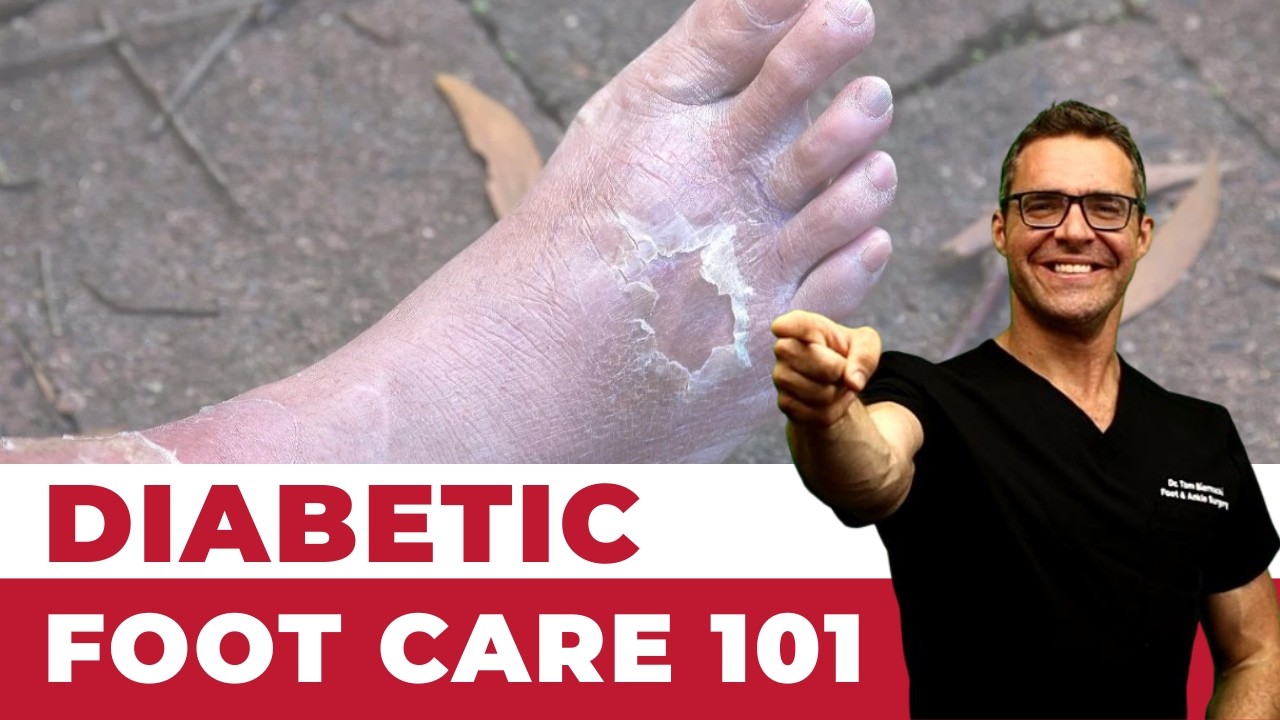
Medically Reviewed by Dr. Tom Biernacki, DPM — Board-Certified Podiatrist, Balance Foot & Ankle Specialists, Michigan. Last updated April 2026.
Foot Health After 60: What Changes, What to Watch For, and Why Regular Care Matters
The most important clinical decision with Foot Health After 60 Changes Aging Regular Care isn't which treatment to start with — it's which subtype or underlying cause you actually have. Our podiatrists regularly see patients who've been treated for months for the wrong diagnosis. The correct identification changes the entire treatment path. Call (810) 206-1402 — Dr. Tom evaluates this condition at both Howell and Bloomfield Township locations.
Table of Contents
- How Aging Changes Your Feet
- The Most Common Foot Problems After 60
- Fall Prevention: The Critical Role of Foot Care
- Daily Foot Care Routine for Seniors
- Choosing the Right Shoes After 60
- Exercises to Maintain Foot Strength and Balance
How Aging Changes Your Feet
The feet undergo well-documented changes after age 60 affecting structure, function, sensation, and healing. The plantar fat pad thins by approximately 50% between ages 20 and 70, removing natural shock absorption that protects the metatarsal heads and calcaneus during walking.
Structural Changes
Ligaments and tendons lose elasticity, leading to arch flattening, forefoot widening, and joint stiffness. Many people over 60 need shoes a half-size to full-size larger than at age 40. Osteoarthritis affects the first MTP joint in approximately 35% of adults over 65.
Circulatory Changes
Peripheral arterial disease (PAD) affects approximately 20% of adults over 70, reducing blood flow and impairing wound healing. Signs include cold feet, pale or bluish skin, hair loss on toes, slow-healing sores, and cramping during walking.
Neurological Changes
Age-related peripheral neuropathy affects an estimated 30% of adults over 70, even without diabetes. Balance deteriorates as proprioceptive input diminishes. Falls are the leading cause of injury-related death in adults over 65, and foot problems are an independent risk factor.
The Most Common Foot Problems After 60
Certain conditions become dramatically more prevalent after 60. Early recognition prevents progression and maintains independence.
Toenail Problems
Thickened, discolored toenails affect over 60% of adults over 70. Professional nail care every 8–12 weeks prevents ingrown nails, infections, and falls from attempting to trim at home.
Hammertoes and Bunions
Progressive toe deformities cause pain, alter gait, and make shoe fitting difficult. After 60, hammertoes often become rigid. Wide toe-box shoes, silicone spacers, and custom orthotics manage symptoms.
Diabetic Foot Complications
Among 15.9 million Americans over 65 with diabetes, foot complications are the leading cause of hospitalization. Annual comprehensive foot exams reduce amputation rates by up to 85%.
Heel Pain
Fat pad atrophy and Achilles stiffening make heel pain more common after 60. Careful differential diagnosis is needed to distinguish plantar fasciitis from stress fractures, nerve entrapment, and fat pad syndrome.
Fall Prevention: The Critical Role of Foot Care
One in three adults over 65 falls each year. A landmark study in the Journal of the American Geriatrics Society found that a podiatric intervention program reduced falls by 36%.
| Risk Factor | How It Increases Fall Risk | Intervention |
|---|---|---|
| Foot pain | Altered gait, reduced speed | Treat cause, orthotic support |
| Neuropathy | Impaired balance | Balance training, proper footwear |
| Poor footwear | Inadequate support | Fitted shoes with firm sole |
| Toe deformities | Changed weight distribution | Accommodative shoes, splints |
| Weak foot muscles | Reduced balance reactions | Intrinsic exercises, calf raises |
| Thick nails | Altered toe pressure | Professional nail care |
Daily Foot Care Routine for Seniors
A daily routine takes less than 5 minutes and prevents serious complications.
- Inspect both feet daily — tops, bottoms, between toes — for cuts, blisters, redness, swelling, or color changes
- Wash feet daily with lukewarm water and mild soap. Dry thoroughly, especially between toes
- Apply moisturizing cream to tops and bottoms, but NOT between toes
- Trim toenails straight across after bathing. If thick or vision limited, have them trimmed professionally
- Check shoes before wearing — shake out and feel inside for foreign objects
- Wear clean, moisture-wicking socks without tight elastic. Change daily
- Never walk barefoot, even at home — neuropathy means you may not feel sharp objects
Choosing the Right Shoes After 60
Footwear is the single most important modifiable factor in senior foot health. Key features: firm heel counter, sole that bends at toe box but not middle, wide toe box, secure fastening (laces or Velcro), low heel-to-toe drop.
Have feet measured every 1–2 years. Shop in the afternoon when feet are largest. Bring orthotics when shoe shopping.
Exercises to Maintain Foot Strength and Balance
Targeted exercises maintain muscular support and proprioceptive awareness that prevent falls.
Seated Exercises
Toe spreads: spread toes apart, hold 5 seconds, repeat 10 times. Ankle circles: rotate each ankle 10 times each direction. Towel scrunches: scrunch towel toward you using only toes. Marble pickups: pick up marbles with toes.
Standing Balance Exercises
Single-leg stance near counter, hold 30 seconds each side. Heel-to-toe walking in straight line. Calf raises: rise onto toes, hold 3 seconds, lower slowly, 10–15 reps.
Red Flags: When to See a Podiatrist Immediately
- New wound or sore not healing within 1–2 weeks
- Sudden change in foot color — red, white, blue, or black
- Increasing numbness or tingling progressing up the foot
- Severe pain limiting walking ability
- Signs of infection: redness, warmth, swelling, drainage
- Any foot injury if you have diabetes or known neuropathy
Common Mistake
The biggest mistake seniors make is assuming foot pain is a normal, inevitable part of aging. While certain changes are unavoidable, the vast majority of foot conditions are treatable — and ignoring them dramatically increases fall risk. One fall can change everything.
Products We Recommend
As part of our Foundation Wellness approach, we recommend these evidence-based products to support your treatment plan:
PowerStep Pinnacle Orthotic Insoles
Excellent arch support and heel cushioning for seniors with fat pad atrophy. The deep heel cup improves stability.
Doctor Hoy’s Natural Pain Relief Gel
Gentle topical relief for arthritic feet and ankles. Natural menthol formula ideal for daily use.
DASS Diabetic Ankle Socks
Seamless, non-binding socks for neuropathy or circulatory issues. Moisture-wicking fabric prevents fungal growth.
Next Step: Book Your Appointment
Keep Your Feet Healthy at Every Age At Balance Foot & Ankle Specialists, Dr. Tom Biernacki and our team provide comprehensive podiatric care at our Howell and Bloomfield Township locations.
More Podiatrist-Recommended Foot Health Essentials
Hoka Clifton 10

Max-cushion everyday shoe — podiatrist favorite for walking and running.

OOFOS Recovery Slide

Impact-absorbing recovery sandal — wear after long days on your feet.
As an Amazon Associate, Balance Foot & Ankle earns from qualifying purchases. Product recommendations are based on clinical experience; prices and availability shown above update live from Amazon.
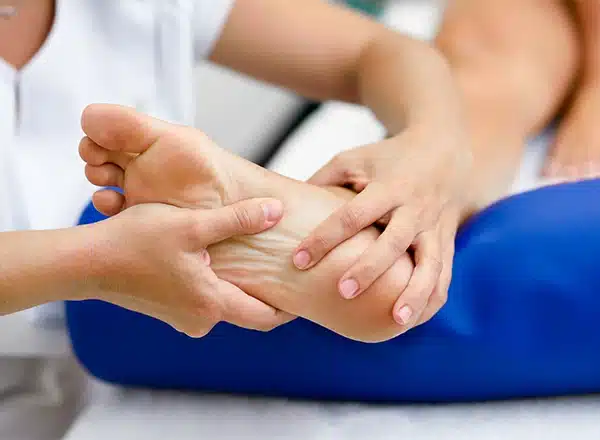
When to See a Podiatrist
If foot or ankle pain has been bothering you for more than a few weeks, home care alone may not be enough. Balance Foot & Ankle offers same-week appointments at our Howell and Bloomfield Township clinics — no referral needed in most cases. Bring your current shoes and a short list of symptoms and we’ll build you a treatment plan in one visit.
Call Balance Foot & Ankle: (810) 206-1402 · Book online · Offices in Howell & Bloomfield Township
Frequently Asked Questions
How often should I see a podiatrist after age 60?
Annually without diabetes or neuropathy. Every 3–6 months with diabetes, neuropathy, PAD, or existing foot conditions. Every 8–12 weeks for professional nail care if needed.
Are flip-flops safe for seniors?
No. They lack arch support, heel cushioning, and ankle stability. Choose sandals with adjustable back strap, contoured footbed, and secure toe hold.
Can foot exercises really prevent falls?
Yes. A BMJ randomized trial found foot and ankle exercises 3 times per week reduced falls by 36% in community-dwelling older adults.
Why do my feet hurt more as I get older?
Fat pad thinning, joint stiffening, circulation decrease, and cumulative stress all contribute. The good news: most age-related foot pain responds well to treatment.
Is it normal for feet to change size after 60?
Yes. Ligament laxity causes arch flattening, foot lengthening and widening. Most gain a half to full size. Measure feet every 1–2 years.
The Bottom Line
Aging changes your feet, but it does not have to limit your life. With daily inspections, appropriate footwear, targeted exercises, regular podiatric care, and prompt attention to symptoms, you can maintain healthy feet well into your 80s and beyond.
Sources
- Menz HB, et al. Foot problems as a risk factor for falls. Gerontology. 2006;52(6):386-394.
- Spink MJ, et al. Effectiveness of a multifaceted podiatry intervention to prevent falls. BMJ. 2011;342:d3411.
- Dunn JE, et al. Prevalence of foot and ankle conditions in older adults. Am J Epidemiol. 2004;159(5):491-498.
- Bus SA, et al. IWGDF guidance on prevention of foot ulcers. Diabetes Metab Res Rev. 2016;32(Suppl 1):16-24.
Balance Foot & Ankle Specialists — Howell & Bloomfield Township, Michigan
(810) 206-1402 | Book Online
Insurance Accepted
BCBS · Medicare · Aetna · Cigna · United Healthcare · HAP · Priority Health · Humana · View All →
Howell Office
4330 E Grand River Ave
Howell, MI 48843
Get Directions →
Bloomfield Township Office
43494 Woodward Ave, Suite 208
Bloomfield Township, MI 48302
Get Directions →
Your Board-Certified Podiatrists



Ready to Get Back on Your Feet?
Same-week appointments available at both locations.
Book Your AppointmentDr. Tom’s Senior Foot Care Essentials
PowerStep Pinnacle Insoles — Semi-rigid arch support with built-in heel cradle for fall prevention. The OTC I recommend most for seniors. Sub-$50 vs $400+ custom orthotics.
DASS Medical Compression Socks — Graduated compression for daily circulation. Diabetic-friendly knit — important for older adults managing circulation changes.
Disclosure: We earn a commission if you purchase — at no extra cost to you. We only recommend what we use in our clinic.
In-Office Treatment at Balance Foot & Ankle

If home treatment isn’t providing relief for your senior foot care, our podiatry team at Balance Foot & Ankle can help with same-day evaluations and advanced in-office care.
Same-day appointments available. (810) 206-1402
Get Expert Care at Balance Foot & Ankle
Same-week appointments at our Howell and Bloomfield Township offices. Board-certified podiatric surgeons. Most insurance accepted.

Dr. Tom Biernacki, DPM is a board-certified foot & ankle surgeon (ABFAS & ABPM) at Balance Foot & Ankle Specialists in Southeast Michigan. With over a decade of clinical experience, he specializes in heel pain, bunions, diabetic foot care, sports injuries, and minimally invasive surgery. Dr. Biernacki is a member of the APMA and ACFAS, and his patient education content on MichiganFootDoctors.com and YouTube has made him one of the most-followed foot & ankle educators on YouTube.