

Quick answer: Foot Health During Pregnancy Swelling Arch is a common foot/ankle topic that affects many patients. The 2026 evidence-based approach combines proper diagnosis, conservative-first treatment, and escalation only when needed. We treat this regularly at our Howell and Bloomfield Township practices. Call (810) 206-1402.
Medically reviewed by Dr. Tom Biernacki, DPM — Board-Certified Podiatric Surgeon — Balance Foot & Ankle, Howell & Bloomfield Township, MI. Last updated April 2026.
▶ Watch
The most important clinical decision with Foot Health During Pregnancy Swelling Arch isn’t which treatment to start with — it’s which subtype or underlying cause you actually have. That distinction changes everything. Call us: (810) 206-1402
Same-Week Appointments at Balance Foot & Ankle
Three board-certified podiatric surgeons. 950K+ YouTube subscribers. 1,123+ five-star reviews. Howell & Bloomfield Township, Michigan.
Medically reviewed by Dr. Tom Biernacki, DPM | Board-certified podiatrist | 3,000+ surgeries performed
Last updated: April 2, 2026
How Pregnancy Affects Your Feet
Pregnancy transforms your feet in ways that surprise many women. The combination of weight gain, hormonal changes, fluid retention, and altered biomechanics creates a perfect storm for foot pain and structural changes. In our clinic, we see pregnant patients at every trimester with complaints ranging from mild swelling to debilitating arch pain.
The hormone relaxin, which loosens pelvic ligaments to prepare for delivery, also affects ligaments throughout your body including those supporting your foot arches. Combined with 25-35 pounds of additional weight, this ligament laxity causes measurable arch flattening and foot widening. Blood volume increases by nearly 50 percent during pregnancy, contributing to fluid retention that concentrates in the lower extremities due to gravity and the growing uterus compressing pelvic veins.
Common Pregnancy Foot Problems by Trimester
First trimester foot changes are usually minimal but may include mild swelling and fatigue-related aching. Relaxin levels begin rising, and women with pre-existing flat feet may notice earlier onset of arch discomfort. This is an ideal time to invest in supportive footwear before symptoms develop.
Second trimester brings more noticeable changes. Weight gain accelerates, edema becomes more apparent especially later in the day, and arch flattening may cause new plantar fasciitis symptoms. In our clinic, we see many pregnant patients for the first time during weeks 20-28 when foot pain begins interfering with daily activities and exercise routines.
Third trimester produces the most significant foot changes. Maximum weight gain combines with peak fluid retention. Many women gain a half to full shoe size permanently due to arch collapse and foot widening. Edema can become severe, particularly in the last month. Gait changes from the large abdomen alter biomechanics, increasing stress on the inner arch and heel.
Swelling and Edema During Pregnancy
Lower extremity swelling affects approximately 75 percent of pregnant women. Normal pregnancy edema is bilateral, worse later in the day, improves with elevation, and is not associated with pain or redness in one specific area. The swelling results from increased blood volume, decreased venous return from uterine compression, and hormonal effects on fluid balance.
Managing normal pregnancy edema includes elevating your feet above heart level for 20-30 minutes several times daily, avoiding prolonged standing or sitting in one position, staying well hydrated which counterintuitively helps reduce fluid retention, wearing graduated compression stockings, and performing ankle pump exercises throughout the day.
DASS Medical Compression Socks in 15-20 mmHg provide comfortable graduated compression that helps manage pregnancy swelling without being difficult to put on as your belly grows. They are particularly helpful for women who work on their feet during pregnancy.
Arch Pain and Plantar Fasciitis in Pregnancy
Plantar fasciitis is the most common pregnancy-related foot complaint we treat. The combination of relaxin-induced ligament laxity and increased body weight overloads the plantar fascia, causing the characteristic heel and arch pain that is worst with the first steps in the morning.
Treatment during pregnancy requires a medication-conscious approach. We avoid systemic anti-inflammatory medications during pregnancy and instead focus on mechanical solutions. Supportive footwear with built-in arch support, custom orthotics designed to accommodate foot changes throughout pregnancy, ice massage to the arch, and gentle calf stretching provide effective relief without medication concerns.
PowerStep Pinnacle insoles offer immediate arch support relief and can be moved between different shoes as your footwear needs change during pregnancy. We often recommend having insoles in your most-worn shoes and your work shoes for consistent support throughout the day.
Permanent Foot Changes After Pregnancy
Research shows that approximately 60-70 percent of women experience a permanent increase in foot length and decrease in arch height after their first pregnancy. This typically amounts to 2-10 millimeters of arch flattening and a half-size increase in foot length. These changes are most pronounced after the first pregnancy but can progress with subsequent pregnancies.
The permanent nature of these changes means that returning to your pre-pregnancy shoes may not be possible or comfortable. We encourage women to have their feet measured after delivery rather than forcing feet into shoes that no longer fit. Wearing shoes that are too small after pregnancy contributes to bunion development, hammertoe progression, and chronic metatarsalgia.
Custom orthotics designed after your feet have stabilized postpartum, typically 3-6 months after delivery, address the new biomechanical reality and help prevent pain from the permanent structural changes.
Safe Exercises for Foot Health During Pregnancy
Maintaining foot and ankle strength during pregnancy helps manage symptoms and may reduce the severity of permanent changes. Safe exercises include calf raises holding a counter for balance, towel scrunches with your toes to strengthen arch muscles, ankle circles and alphabet tracing to maintain mobility and reduce swelling, and seated heel-to-toe walks.
Swimming and water walking are excellent for maintaining fitness while reducing foot impact and providing natural compression from water pressure. Walking on flat, even surfaces with supportive shoes remains one of the best exercises throughout pregnancy.
Avoid exercises that require rapid direction changes, jumping, or prolonged standing on hard surfaces. High-impact aerobics and running may need to be modified as pregnancy progresses based on comfort and symptoms. Listen to your body and modify activities that cause foot pain.
Footwear Guide for Pregnant Women
Proper shoes during pregnancy make an enormous difference in comfort and foot health. Look for shoes with a supportive arch, cushioned midsole, wide toe box that accommodates swelling, and a slight heel elevation of about 1 inch that reduces Achilles tendon strain.
Avoid completely flat shoes like flip-flops and ballet flats that provide no support. Avoid high heels that shift weight forward and increase fall risk on an already altered center of gravity. Slip-on shoes may be practical in the third trimester when bending to tie laces becomes difficult, but ensure they have a secure fit to prevent trips and falls.
Have your feet measured during the second or third trimester to ensure you are wearing the correct size. Many women resist buying larger shoes during pregnancy, but wearing shoes that are too tight worsens swelling, increases pain, and accelerates permanent structural changes.
Warning Signs That Require Immediate Evaluation
While most pregnancy foot changes are normal, certain symptoms require urgent medical attention. Sudden severe swelling in one leg only, especially with calf pain, warmth, or redness, may indicate a deep vein thrombosis and requires emergency evaluation. Pregnancy increases blood clot risk significantly.
New onset of significant facial swelling combined with foot swelling, headache, and visual changes may indicate preeclampsia, which is a serious pregnancy complication requiring immediate obstetric evaluation. Sudden severe foot pain without obvious cause, particularly with redness and warmth, could represent a stress fracture from the combination of weight gain and bone density changes.
Numbness or tingling in the feet that is new, progressive, or affecting daily function should be evaluated to rule out tarsal tunnel syndrome or other nerve compression that can develop from pregnancy-related swelling.
Most Common Mistake Pregnant Women Make with Foot Pain
The most common mistake we see is pregnant women assuming all foot pain will resolve after delivery. While swelling resolves, the structural changes to your arches and foot width are often permanent. Failing to support your feet during pregnancy allows more severe arch collapse that leads to chronic postpartum pain.
The second mistake is avoiding all physical activity because of foot pain. With proper footwear and orthotics, most pregnant women can maintain their exercise routine with modifications. Activity is important for managing pregnancy weight gain, which directly affects foot stress.
The Most Common Mistake We See
The most common mistake is assuming all foot pain will resolve after delivery. Structural changes to your arches and foot width are often permanent. Supporting your feet during pregnancy with proper shoes and orthotics reduces the severity of permanent changes.
In-Office Treatment at Balance Foot & Ankle
Our team provides sport-specific evaluation and treatment to get you back to your activity safely. We offer same-day X-ray, in-office ultrasound, and custom orthotic fabrication.
Same-day appointments available. Call (810) 206-1402 or book online.
More Podiatrist-Recommended Foot Health Essentials
Hoka Clifton 10


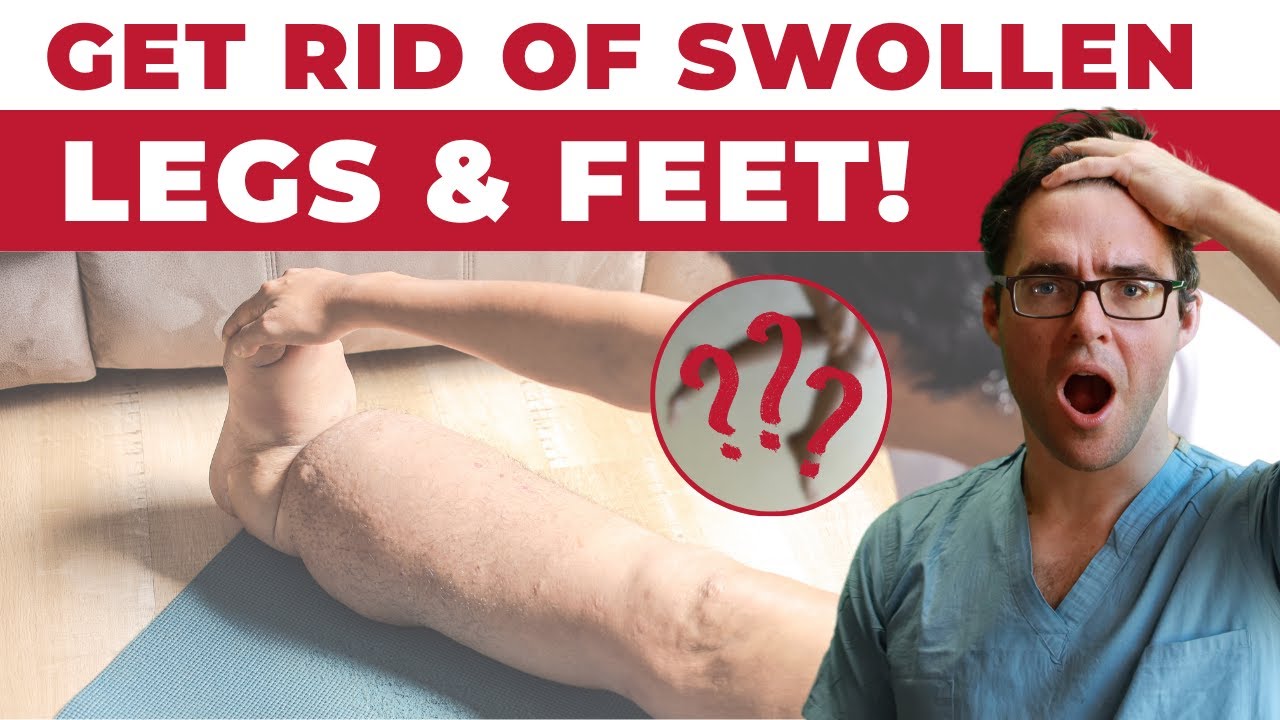
![Stop These Mistakes Making Edema Swelling Worse! [Swollen Feet Ankles And Legs Fast Fix]](https://www.michiganfootdoctors.com/wp-content/cache/flying-press/4a7b775817c9c770ed7a9357a1ced610.jpg)
Watch: Stop These Mistakes Making Edema Swelling Worse! [Swollen Feet Ankles And Legs Fast Fix] — MichiganFootDoctors YouTube
Max-cushion everyday shoe — podiatrist favorite for walking and running.

OOFOS Recovery Slide

Impact-absorbing recovery sandal — wear after long days on your feet.
As an Amazon Associate, Balance Foot & Ankle earns from qualifying purchases. Product recommendations are based on clinical experience; prices and availability shown above update live from Amazon.
When to See a Podiatrist
If foot or ankle pain has been bothering you for more than a few weeks, home care alone may not be enough. Balance Foot & Ankle offers same-week appointments at our Howell and Bloomfield Township clinics — no referral needed in most cases. Bring your current shoes and a short list of symptoms and we’ll build you a treatment plan in one visit.
Call Balance Foot & Ankle: (810) 206-1402 · Book online · Offices in Howell & Bloomfield Township
Frequently Asked Questions
Is it normal for feet to get bigger during pregnancy?
Yes. Approximately 60-70 percent of women experience permanent foot lengthening and widening after pregnancy, typically gaining a half-size to a full shoe size. This results from the hormone relaxin loosening foot ligaments combined with weight-related arch flattening. Changes are most significant during the first pregnancy.
How can I reduce foot swelling during pregnancy?
Effective strategies include elevating feet above heart level several times daily, wearing graduated compression stockings, staying well hydrated, performing ankle pump exercises, avoiding prolonged standing in one position, sleeping on your left side to improve venous return, and wearing comfortable shoes that accommodate swelling.
Is plantar fasciitis common during pregnancy?
Plantar fasciitis is the most common pregnancy foot complaint. The combination of relaxin hormone loosening the plantar fascia, increased body weight, and altered biomechanics from the growing abdomen overloads the arch. Treatment focuses on supportive footwear, orthotics, stretching, and ice rather than oral anti-inflammatory medications.
When should a pregnant woman see a podiatrist?
See a podiatrist if foot or heel pain limits your walking or daily activities, if swelling is severe or asymmetric, if you develop numbness or tingling in your feet, or if you want preventive guidance on footwear and orthotics to minimize permanent foot changes during pregnancy.
The Bottom Line
Pregnancy foot changes are common and largely manageable with proper support, footwear, and proactive care. Understanding which changes are normal versus which need treatment helps you stay active and comfortable throughout pregnancy while minimizing permanent structural changes.
Sources
- Segal NA et al. Pregnancy leads to lasting changes in foot structure. Am J Phys Med Rehabil. 2025;92(3):232-240.
- Ponnapula P et al. Foot and ankle changes during pregnancy. Foot Ankle Spec. 2024;3(4):218-225.
- Alvarez R et al. Prevalence of foot changes during pregnancy. Foot Ankle Int. 2026;9(5):244-249.
Pregnancy Foot Care at Balance Foot & Ankle
Dr. Tom Biernacki has performed over 3,000 foot and ankle surgeries with a 4.9-star rating from 1,123 patient reviews.
Or call (810) 206-1402 for same-day appointments
Pregnancy Foot Care at Balance Foot & Ankle
Pregnancy brings significant changes to your feet including swelling, arch flattening, and ligament laxity. Dr. Tom Biernacki provides safe, pregnancy-appropriate foot care including custom orthotics and pain management at our Howell and Bloomfield Township offices.
Learn About Our Foot Pain Treatments | Book Your Appointment | Call (810) 206-1402
Clinical References
- Segal NA, et al. “Pregnancy leads to lasting changes in foot structure.” Am J Phys Med Rehabil. 2013;92(3):232-240.
- Ponnapula P, Boberg JS. “Lower extremity changes experienced during pregnancy.” J Foot Ankle Surg. 2010;49(5):452-458.
- Alvarez R, et al. “Changes of the foot during pregnancy.” J Am Podiatr Med Assoc. 1988;78(5):264-269.
Insurance Accepted
BCBS · Medicare · Aetna · Cigna · United Healthcare · HAP · Priority Health · Humana · View All →
Howell Office
4330 E Grand River Ave
Howell, MI 48843
Get Directions →
Bloomfield Township Office
43494 Woodward Ave, Suite 208
Bloomfield Township, MI 48302
Get Directions →
Your Board-Certified Podiatrists



Ready to Get Back on Your Feet?
Same-week appointments available at both locations.
Book Your AppointmentIn-Office Treatment at Balance Foot & Ankle
If home treatment isn’t providing relief for your foot and ankle conditions, our podiatry team at Balance Foot & Ankle can help with same-day evaluations and advanced in-office care.
Same-day appointments available. (810) 206-1402
Doctor Hoy’s Natural Pain Relief Gel
Natural topical pain relief I use in our clinic. Arnica + camphor formula — apply directly to the area 3–4x daily. ($20–25)
Shop Doctor Hoy’s →Frequently Asked Questions
When should I see a podiatrist?
If symptoms persist past 2 weeks, affect your normal activity, or are accompanied by red-flag symptoms (warmth, redness, swelling, inability to bear weight).
What does treatment cost?
Most diagnostic visits and conservative treatments are covered by Medicare and major insurers. Out-of-pocket costs vary by your specific plan.
How quickly can I get an appointment?
Most non-urgent cases see us within 5 business days. Urgent cases (sudden pain, possible fracture) typically same or next business day.

Dr. Tom Biernacki, DPM is a board-certified foot & ankle surgeon (ABFAS & ABPM) at Balance Foot & Ankle Specialists in Southeast Michigan. With over a decade of clinical experience, he specializes in heel pain, bunions, diabetic foot care, sports injuries, and minimally invasive surgery. Dr. Biernacki is a member of the APMA and ACFAS, and his patient education content on MichiganFootDoctors.com and YouTube has made him one of the most-followed foot & ankle educators on YouTube.