
![Peripheral Neuropathy Home Remedies [Leg & Foot Nerve Pain Treatment] | Balance Foot & Ankle](https://www.michiganfootdoctors.com/uploads/2021/03/peripheral-neuropathy-home-remedies-leg-foot-nerve-pain-treatment.avif)
![Peripheral Neuropathy Home Remedies [Leg & Foot Nerve Pain Treatment]](https://www.michiganfootdoctors.com/wp-content/cache/flying-press/8ef3ff851f04e8721b97630df65b15ff.jpg)
Watch: Peripheral Neuropathy Home Remedies [Leg & Foot Nerve Pain Treatment] — MichiganFootDoctors YouTube
Neuropathy foot pain — burning, tingling, numbness, or shooting pain — is rarely curable but is highly manageable. The right combination of medication, supplements, footwear, and daily inspection routine prevents most complications.
You’re in the right place. Dr. Tom Biernacki, DPM, FACFAS — board-certified foot & ankle surgeon with 3,000+ surgeries — explains exactly what neuropathy foot pain means and what works. Call (810) 206-1402 for same-day appointment at Howell or Bloomfield Hills.
Foot pain isn't resolving?
Same-week appointments at Howell & Bloomfield Hills
In-Office Treatment at Balance Foot & Ankle
If home treatment isn’t providing relief for your neuropathy, our podiatry team at Balance Foot & Ankle can help with same-day evaluations and advanced in-office care.
Same-day appointments available. (810) 206-1402
Frequently Asked Questions

Related Conditions
In This Article
- How do you treat neuropathy foot pain?
- Quick Answer: Neuropathy Foot Pain
- What Neuropathy Foot Pain Feels Like
- What Causes Neuropathy in the Feet
- Diabetic Peripheral Neuropathy: The Most Common Type
- Symptoms by Type of Neuropathy
- Why Neuropathy Is Dangerous for Feet
- How We Diagnose Peripheral Neuropathy
- Treatment for Neuropathy Foot Pain
- Recommended Products from Our Clinic
- Daily Foot Care Protocol for Neuropathy
- Warning Signs Requiring Urgent Care
- The Most Dangerous Mistake
- In-Office Treatment at Balance Foot & Ankle
- Frequently Asked Questions
- Sources
Neuropathy foot pain is one of the most challenging conditions we manage at Balance Foot & Ankle — not because the diagnosis is difficult, but because effective management requires addressing the condition on multiple levels simultaneously: controlling the underlying cause, managing the pain, and preventing the foot complications that make neuropathy potentially life-altering. In our clinic, we see the full spectrum — from early-stage diabetic neuropathy where aggressive management can genuinely slow progression, to advanced cases where the primary goal is preventing wounds, infections, and amputations. The difference in outcomes between patients who receive proactive neuropathic foot care and those who don’t is dramatic and well-documented.
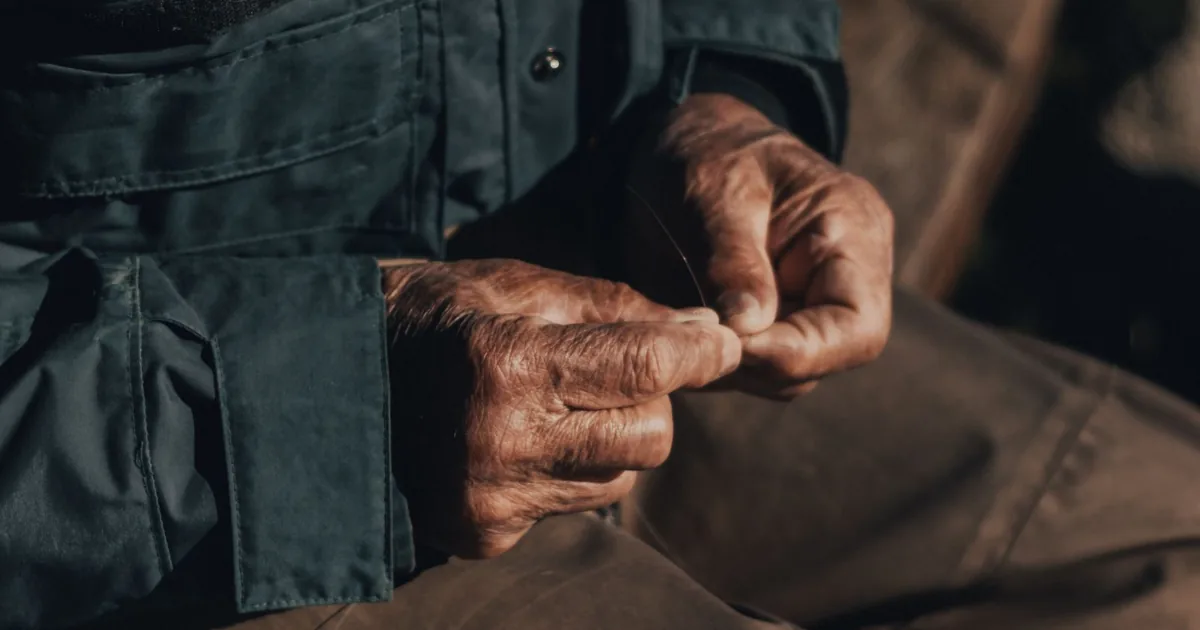
What Neuropathy Foot Pain Feels Like
Peripheral neuropathy produces a distinct constellation of sensory symptoms that patients describe with remarkable consistency. The most common descriptions we hear in our clinic are: a burning sensation in the soles of the feet (often described as “walking on hot coals”), electric shock or stabbing sensations that occur suddenly without provocation, tingling or “pins and needles” particularly at night, a feeling of wearing socks or gloves when not — sometimes called the “stocking-glove pattern,” hypersensitivity to light touch (even a bedsheet resting on the foot can be painful — allodynia), and paradoxically, numbness in areas that were previously painful (as the nerve fiber loss progresses).
The temporal pattern is characteristic: neuropathic foot pain is almost universally worse at night, often waking patients from sleep. It tends to improve with walking (in contrast to plantar fasciitis, which is worse with first steps). The worsening at night is thought to relate to reduced peripheral blood flow during rest, reduced distraction from sensory inputs during sleep, and possibly circadian variations in pain perception.
What Causes Neuropathy in the Feet
Peripheral neuropathy affecting the feet has many causes, with diabetes accounting for the vast majority of cases in our clinical practice. Understanding the underlying etiology is essential because some causes are reversible and others are not — and the treatment approach differs significantly.
| Cause | Mechanism | Reversibility | Key Treatment |
|---|---|---|---|
| Diabetes (type 1 and 2) | Hyperglycemia → nerve fiber glycation and ischemia | Partial — slowed with glucose control | Tight glycemic control, foot care |
| Vitamin B12 deficiency | Myelin synthesis failure | Often reversible with B12 repletion | B12 supplementation (injections or high-dose oral) |
| Alcohol use disorder | Direct neurotoxicity + nutritional deficiency | Partially reversible with abstinence | Abstinence, thiamine, B-vitamin repletion |
| Chemotherapy (CIPN) | Axonal damage from taxanes, platinum, vinca | Partial — may persist post-treatment | Duloxetine, dose modification, foot protection |
| Hypothyroidism | Metabolic nerve compression | Reversible with thyroid replacement | Levothyroxine |
| Kidney disease (uremic neuropathy) | Uremic toxin accumulation | Partial with dialysis or transplant | Renal management |
| Hereditary (Charcot-Marie-Tooth) | Genetic nerve protein mutation | Not reversible — progressive | Orthotics, AFOs, foot care |
| Idiopathic (cryptogenic) | Unknown in 25–30% of cases | Variable | Symptomatic pain management |
Diabetic Peripheral Neuropathy: The Most Common Type
Diabetic peripheral neuropathy (DPN) affects approximately 50% of all people with diabetes over their lifetime and is the most common cause of peripheral neuropathy in developed countries. It results from chronic hyperglycemia driving multiple pathological mechanisms: advanced glycation end-products (AGEs) that stiffen nerve fiber myelin sheaths, oxidative stress from glucose metabolism that damages small nerve fibers, and microvascular disease that reduces blood supply to the vasa nervorum (blood vessels supplying the nerves themselves).
DPN typically follows a “dying back” pattern — the longest nerve fibers are affected first, which is why symptoms start in the toes and feet (the ends of the longest peripheral nerves) and progress proximally over years. The classical presentation is symmetric distal sensorimotor neuropathy — burning, tingling, and numbness in both feet in a stocking distribution, with later loss of protective sensation (inability to feel sharp, hot, or light-touch stimuli).
The most important clinical point about DPN is that tight glycemic control early in the course of diabetes can significantly slow neuropathy progression. In the DCCT study, intensive insulin therapy reduced the development of neuropathy by 60–69% in type 1 diabetes. Similar benefits are demonstrated for type 2 diabetes. Every diabetic patient we see with early neuropathy receives the same message: your blood sugar control is the most impactful thing you can do for your feet — more than any medication or foot treatment we can offer.
Symptoms by Type of Neuropathy
Peripheral neuropathy in the feet affects different fiber types, producing distinct symptom patterns that help identify the underlying pathology:
Small fiber neuropathy: Burning, pain, and temperature sensation loss. Early in DPN. Symptoms often prominent and painful before loss of protective sensation occurs. EMG/nerve conduction studies may be normal — diagnosis requires skin punch biopsy for intraepidermal nerve fiber density.
Large fiber neuropathy: Loss of vibration sense, proprioception, and deep tendon reflexes. Associated with balance problems and risk of falls. Detected by 10g monofilament testing (protective sensation) and 128Hz tuning fork testing (vibration sense).
Autonomic neuropathy: Affects the nerves controlling blood vessels and sweat glands in the feet. Results in dry, cracked skin (anhidrosis), dependent edema (poor vasomotor control), and abnormal skin temperature. Autonomic neuropathy is a major driver of Charcot neuroarthropathy (Charcot foot) — the acute joint destruction syndrome that occurs when the foot’s protective pain response is absent.
Why Neuropathy Is Dangerous for Feet
The greatest danger of peripheral neuropathy is not the pain — it’s the loss of protective sensation. When the feet lose the ability to feel pain, pressure, and temperature, the warning system that prevents tissue damage is disabled. Small injuries (blisters, cuts, pressure sores from ill-fitting shoes) go unnoticed, progress to ulcers, become infected, and can lead to osteomyelitis (bone infection) and amputation. In the United States, diabetes-related lower limb amputation rates, while improving, remain tragically high — and the majority are preventable with proper neuropathic foot care.
In our clinic, we perform a comprehensive diabetic foot examination at every visit: 10g monofilament testing at 10 plantar sites, vibratory sensation testing, ABI measurement, skin integrity assessment, nail inspection, and shoe evaluation. This 10-minute examination has been shown to reduce diabetic amputation rates when performed regularly and acted upon appropriately.
How We Diagnose Peripheral Neuropathy
Diagnosis of peripheral neuropathy involves a combination of clinical examination, quantitative sensory testing, and where needed, electrophysiology. In our clinic, we use:
10-gram monofilament testing: A standardized filament that buckles at exactly 10 grams of force. Inability to feel the monofilament at multiple plantar sites indicates loss of protective sensation and is the strongest predictor of diabetic foot ulcer risk. This is our primary screening tool.
Vibration testing (128Hz tuning fork): Applied to the dorsum of the great toe. Inability to feel vibration indicates large fiber involvement and elevated fall risk.
Nerve conduction study (NCS) and electromyography (EMG): Gold standard for confirming and characterizing peripheral neuropathy. NCS measures conduction velocity and amplitude in motor and sensory nerves. EMG assesses muscle electrical activity. We refer to neurology for NCS/EMG when the diagnosis is unclear or when a non-diabetic neuropathy is suspected.
Laboratory evaluation: For newly diagnosed neuropathy without a clear cause, we recommend: fasting glucose and HbA1c, complete metabolic panel, B12 and folate, thyroid function (TSH), and serum protein electrophoresis. These simple tests identify the majority of reversible causes.
Treatment for Neuropathy Foot Pain
Treatment for neuropathic foot pain addresses three goals: modifying the underlying cause, managing neuropathic pain symptoms, and preventing foot complications. These three tracks are pursued simultaneously, not sequentially.
Underlying cause modification: Tight glycemic control (target HbA1c below 7% for most diabetic patients), B12 repletion for deficiency, alcohol cessation, thyroid replacement, and elimination of neurotoxic medications where possible. This is the only approach that can genuinely slow or partially reverse neuropathy progression.
Neuropathic pain medications: First-line agents include duloxetine (Cymbalta) 60–120mg daily and pregabalin (Lyrica) 150–300mg daily — both FDA-approved for diabetic peripheral neuropathic pain. Gabapentin (300–1200mg three times daily) is widely used despite lacking FDA approval for this indication. Tricyclic antidepressants (amitriptyline, nortriptyline) at low doses (25–75mg at bedtime) are effective but limited by anticholinergic side effects. Topical agents — capsaicin cream, lidocaine patches — offer localized relief with minimal systemic effects.
Non-pharmacologic treatments: Transcutaneous electrical nerve stimulation (TENS), frequency-specific microcurrent, and spinal cord stimulation for refractory cases. Physical therapy focusing on balance, proprioception, and fall prevention. Walking exercise — counterintuitively, moderate aerobic exercise has been shown to reduce neuropathic symptoms and may promote peripheral nerve regeneration in early neuropathy.
Podiatric-specific interventions: Custom insoles to redistribute plantar pressure away from high-risk areas, therapeutic footwear with adequate depth and cushioning, regular nail care and callus debridement (callus dramatically increases plantar pressure and is a precursor to ulceration), and orthotics for Charcot foot management.
Recommended Products from Our Clinic
DASS Medical Compression Socks (15–20 mmHg)
For patients with diabetic peripheral neuropathy complicated by dependent edema (swollen feet and ankles from venous insufficiency), DASS graduated compression socks reduce the swelling that increases plantar pressure and contributes to skin breakdown. The graduated compression from ankle (highest) to calf (lower) supports venous return and significantly reduces the end-of-day swelling that makes neuropathic feet more vulnerable to pressure injury. Medical-grade (15–20 mmHg) provides effective compression without compromising circulation in patients with preserved arterial flow.
Best for: Neuropathy patients with concurrent venous insufficiency and dependent edema; diabetic patients who stand or walk for extended periods; post-Charcot foot patients managing residual swelling.
Not Ideal For: Patients with peripheral arterial disease (PAD) — compression contraindicated with ABI below 0.8. Any patient with active wound or ulceration on the lower leg or foot. Check with your physician before using compression with severe neuropathy or uncontrolled edema of unknown cause.
Doctor Hoy’s Natural Pain Relief Gel
For the surface-level burning and hyperalgesia (allodynia) component of neuropathic foot pain, Doctor Hoy’s arnica and camphor gel provides topical analgesic relief that is both safe and practical for daily use. Camphor and menthol create a cooling counter-irritant effect that modulates the perception of burning pain at the skin surface — the same principle as capsaicin but with a different receptor mechanism. Apply to the plantar and dorsal foot surfaces (intact skin only) 2–3 times daily for ongoing symptomatic relief. Unlike oral neuropathic pain medications, topical application has no systemic CNS effects, making it suitable for patients who cannot tolerate medications like gabapentin or duloxetine.
Best for: Surface burning pain, allodynia (sheet-touching pain at night), post-activity foot soreness in neuropathy patients with intact skin.
Not Ideal For: Open wounds, ulcers, or broken skin — never apply to compromised skin in neuropathic patients. Not a substitute for oral neuropathic pain management for severe pain. Patients with known sensitivity to camphor, menthol, or arnica.
Daily Foot Care Protocol for Neuropathy
For patients with peripheral neuropathy — particularly diabetic neuropathy with loss of protective sensation — daily foot care is not optional. It is a medical protocol. Here is the protocol we give every neuropathy patient at Balance Foot & Ankle:
- Inspect feet daily — look at the entire plantar surface, between all toes, and around the heel. Use a mirror or ask a family member if you cannot see the plantar surface directly. You are looking for: new blisters, cuts, red areas, callus buildup, skin breakdown, or color/temperature asymmetry between the feet.
- Wash feet daily in lukewarm water — test the water temperature with your elbow (not your foot — you may not feel that the water is too hot). Wash gently, dry thoroughly — especially between the toes. Retained moisture between toes is a source of fungal and bacterial infection.
- Moisturize daily, but not between the toes — apply lotion or urea cream to the plantar and dorsal surfaces to prevent dry, cracked skin (which creates bacterial entry points). Do not apply between the toes — the moisture increases fungal infection risk in the inter-digital spaces.
- Trim toenails straight across, never curved — leave nails level with the toe edge. Cutting curved or too short increases ingrown nail risk. If you cannot see your nails clearly or have thick/dystrophic nails from fungal infection, have them trimmed professionally at a podiatry visit.
- Never walk barefoot — wear protective footwear at all times, including indoors. A single sharp object (nail, glass shard, rock) stepped on without protective sensation can create a wound you don’t notice until it’s infected.
- Check the inside of shoes before wearing — run your hand inside the shoe to feel for foreign objects, torn lining, or rough seams. A pebble in the shoe of a neuropathic patient can create a wound within a single day of walking.
Warning Signs Requiring Urgent Care
⚠ Neuropathic Foot Warning Signs — Seek Same-Day Care
- Any open wound, blister, or sore on the neuropathic foot — treat as a medical emergency regardless of how small; diabetic foot wounds progress rapidly
- Redness, warmth, swelling, or red streaking from a wound site — infection spreading, requires urgent antibiotics and possibly hospital admission
- One foot suddenly warmer, redder, and more swollen than the other — acute Charcot neuroarthropathy until proven otherwise; walking on it causes catastrophic joint destruction
- Foot odor from a wound area — suggests anaerobic infection or tissue necrosis; urgent surgical evaluation needed
- Sudden increase in neuropathy pain severity — rule out acute infection, Charcot, or vascular event as the cause of pain amplification
- Wound that is not improving after 2 weeks of treatment — diabetic wounds that fail to show 50% improvement in 4 weeks are at high risk for amputation without intervention
The Most Dangerous Mistake
The most dangerous mistake neuropathy patients make is treating the pain as the main problem — and considering themselves “fine” when the pain has diminished or resolved. Pain reduction in neuropathy often indicates not improvement, but rather the progression of nerve damage to the point where the remaining fibers can no longer generate pain signals. The foot that stops hurting because the nerves are more severely damaged is at dramatically higher risk for ulceration than the foot that still generates painful sensations. In our clinic, we routinely see patients who stopped regular podiatric care because “the pain is better” — only to present months later with a painless ulcer that has been present for weeks undetected.
The fix: maintain regular podiatric follow-up regardless of symptom status. The frequency of visits depends on your risk category — low-risk (intact protective sensation, no deformity): annually; moderate-risk (loss of protective sensation or vascular disease): every 3–6 months; high-risk (previous ulcer, amputation, or Charcot): every 1–3 months. The foot exam that finds a problem when it’s small saves limbs.
In-Office Treatment at Balance Foot & Ankle
At Balance Foot & Ankle, peripheral neuropathy management is a core component of our practice. Dr. Tom Biernacki provides comprehensive diabetic foot evaluations, monofilament and vibratory testing, custom orthotics for pressure redistribution, therapeutic footwear prescriptions, and wound care for any complications that arise. We coordinate closely with primary care and endocrinology to ensure glycemic control is addressed simultaneously.
For patients in Livingston County or Oakland County, visit our Howell or Bloomfield Hills location. Learn more about diabetic foot care and peripheral neuropathy treatment. Call (810) 206-1402 to schedule.
Neuropathy Foot Pain? Comprehensive Diabetic Foot Care Available
Monofilament testing · Custom orthotics · Wound prevention. Howell & Bloomfield Hills, MI.
Book Online (810) 206-1402Frequently Asked Questions
Can neuropathy foot pain be cured?
Complete cure is possible only when the underlying cause is reversible — vitamin B12 deficiency, thyroid disease, alcohol use. For diabetic neuropathy, aggressive glycemic control can slow progression and partially improve symptoms but does not fully reverse established nerve damage. Medications (duloxetine, pregabalin, gabapentin) reduce pain by 30-50% in most patients. The goal is meaningful pain reduction, maintained function, and prevention of foot complications.
Why is neuropathy pain worse at night?
Several mechanisms contribute: reduced peripheral blood flow at rest reduces nerve oxygenation; there is less distraction from daytime sensory input competing with neuropathic signals; body temperature increases slightly during sleep, activating temperature-sensitive pain fibers; and cortisol levels drop at night, reducing natural pain suppression. Elevating the foot slightly, maintaining cool bedroom temperature, and taking evening neuropathic pain medications can all reduce night symptoms.
What is the best medication for neuropathy foot pain?
Duloxetine (Cymbalta) and pregabalin (Lyrica) are the only FDA-approved medications for diabetic peripheral neuropathic pain and are recommended as first-line treatment. Gabapentin is widely used and effective despite lacking FDA approval for this indication. Tricyclic antidepressants (amitriptyline) are effective alternatives, particularly for night pain. The best choice depends on your other medical conditions, tolerability, and cost — discuss with your physician.
How often should a diabetic see a podiatrist?
Diabetics with intact protective sensation and no foot deformity: once yearly for comprehensive foot exam. Diabetics with loss of protective sensation or peripheral arterial disease: every 3-6 months. Diabetics with previous ulcer, Charcot foot, or amputation: every 1-3 months. More frequent visits are covered by Medicare Part B for qualifying diabetic patients — this benefit is specifically designed to prevent amputations.
Does walking help neuropathy in the feet?
Yes — for patients with intact enough protective sensation to walk safely, moderate aerobic exercise (walking 30 minutes 3-5 days per week) has demonstrated benefits for neuropathic symptoms, including improved nerve fiber density in early neuropathy and reduced pain scores. Exercise also improves insulin sensitivity, directly addressing the metabolic driver of diabetic neuropathy. Wear appropriate protective footwear and inspect feet after every walk.
Sources
- Pop-Busui R, et al. “Diabetic neuropathy: a position statement by the American Diabetes Association.” Diabetes Care. 2017;40(1):136–154.
- DCCT Research Group. “The effect of intensive diabetes therapy on the development and progression of neuropathy.” Annals of Internal Medicine. 1995;122(8):561–568.
- Boulton AJ, et al. “Comprehensive foot examination and risk assessment.” Diabetes Care. 2008;31(8):1679–1685.
- Dworkin RH, et al. “Recommendations for the pharmacological management of neuropathic pain.” Pain. 2010;132(Suppl 1):S22–S32.
- van Netten JJ, et al. “Prevention of foot ulcers in diabetes: systematic review and meta-analysis.” Diabetes/Metabolism Research and Reviews. 2025;41(1):e3842.
Affiliate disclosure: As an Amazon Associate and Foundation Wellness partner, Dr. Biernacki may earn a commission on qualifying purchases. This supports our free educational content at no extra cost to you.
Dr. Tom’s Recommended Products for Neuropathy Foot Pain
These are products I recommend to patients in our Howell and Bloomfield Hills offices. I only list things I actually use in clinical practice.
1. PowerStep Pinnacle Insole — ~$40
For diabetic and neuropathy patients, cushioned arch support reduces pressure peaks during gait. Covered by Medicare/insurance when combined with custom orthotics for severe cases.
View on Amazon →2. DASS Medical Compression Socks — ~$28
True graduated medical compression (15-20 or 20-30 mmHg). Diabetic-friendly knit with no constricting top band. Helps with circulation support. Most OTC compression socks are NOT truly graduated — these are.
View on Amazon →3. Doctor Hoy’s Natural Pain Relief Gel — ~$22
For mild neuropathic discomfort and general foot soreness. Plant-based topical. Note: this addresses symptoms, not the underlying neuropathy — always pair with treatment for the root cause.
View on Amazon →😊 Need something beyond home treatment? Same-day appointments available or call (810) 206-1402
Same-Week Appointments in Howell & Bloomfield Hills
Three board-certified podiatric surgeons. 1,123+ five-star reviews. Most insurance accepted.

Dr. Tom Biernacki, DPM is a board-certified foot & ankle surgeon (ABFAS & ABPM) at Balance Foot & Ankle Specialists in Southeast Michigan. With over a decade of clinical experience, he specializes in heel pain, bunions, diabetic foot care, sports injuries, and minimally invasive surgery. Dr. Biernacki is a member of the APMA and ACFAS, and his patient education content on MichiganFootDoctors.com and YouTube has made him one of the most-followed foot & ankle educators on YouTube.